2027 Bedside RN to Telehealth Nurse: Transferable Skills, Experience Gaps, and Education Options
Audited and Verified:
Our Editorial and Data Verification Process
Research.com uses government datasets, official education statistics and primary institutional information to support its career and degree guides. Our review process checks factual accuracy, occupational definitions, source dates and the requirements associated with the credentials discussed.
How This Article Was Fact-Checked
Our editorial team verifies salary estimates, employment projections, education requirements and program information against original data providers and official organizations. Salary figures are checked against the relevant occupational definitions and reporting periods. Information about licensure, accreditation and required in-person training is reviewed separately.
Fact-checked and verified on:

Co-Founder and Chief Data Scientist
Bedside experience can make you a strong telehealth nursing candidate, but remote care changes how you assess, communicate, document, and escalate concerns. For an RN considering the switch, the decision is usually not which new degree to earn, it is which telehealth role fits your experience and what training you need before practicing without an in-person assessment.
This guide compares transferable skills with common gaps, explains education and licensure choices, and shows how to evaluate a job offer before leaving the bedside.
Key Things You Should Know
- An active RN license and relevant clinical experience are the usual starting points; a new nursing degree is not automatically required for an RN telehealth job.
- Remote assessment, protocol-based triage, documentation, technology, and escalation need role-specific training and observed competency, not just bedside experience.
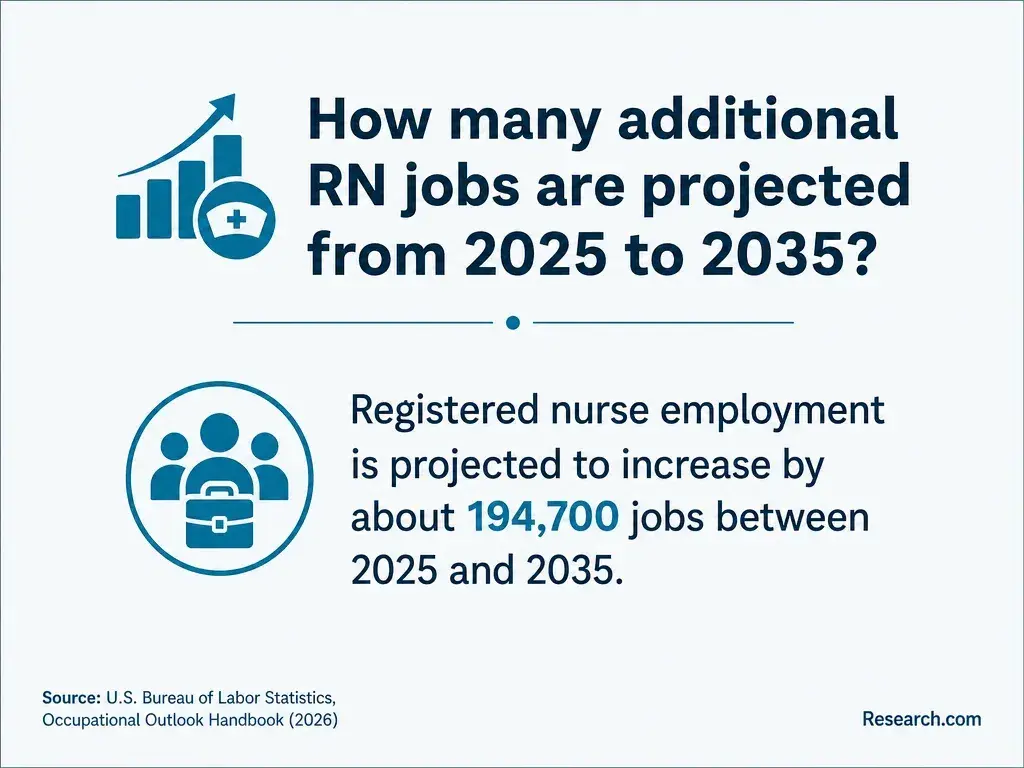
- The U.S. Bureau of Labor Statistics reported a $93,600 median annual wage for all RNs in May 2024 and projected 5% employment growth from 2024 to 2034; neither figure isolates telehealth jobs.
What does a bedside RN need to become a telehealth nurse?
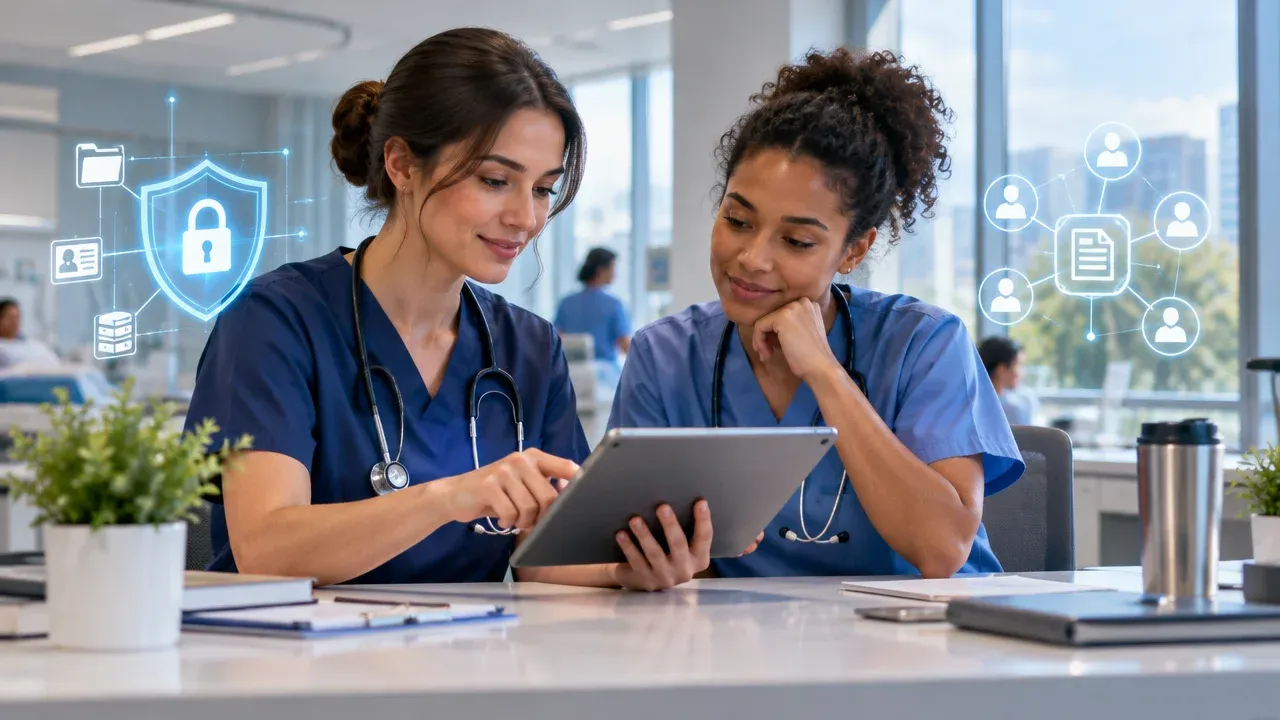
A telehealth RN provides nursing services through phone, video, messaging, or remote-monitoring systems. Depending on the job, that may mean symptom triage, chronic-condition follow-up, patient education, care coordination, or identifying readings that require escalation. It remains licensed nursing practice, not simply a remote customer-service role.
Most bedside RNs should first identify a target job and compare its requirements with their license, patient-population experience, and comfort with independent communication. Employers may prefer experience in emergency, ambulatory, primary care, behavioral health, or a particular specialty. Ask whether the role includes nurse advice, scheduled follow-ups, monitoring, or administrative work: these call for different judgment and workflows.
RN telehealth work is also distinct from diagnosing and prescribing as a nurse practitioner. If that advanced practice role is your actual goal, compare its education and clinical requirements separately from NP programs organized by tuition; an affordable program is useful only if its population focus and licensure pathway fit your intended work.
Which nursing degree prepares you for telehealth nursing?
An RN who already meets a telehealth employer's degree requirement may be better served by targeted training than another degree. The relevant distinction is whether you need degree completion for hiring or advancement, or preparation for a different licensed role.
The comparison below shows where common education routes fit. Check actual postings before paying for a program: employers, not a degree title alone, determine whether a qualification meets their hiring criteria.
| Route | Best fit for an experienced bedside RN | What it does not do |
| Current RN degree plus employer training | RN telehealth jobs accepting your existing education | Guarantee remote-assessment competence or a job offer |
| RN-to-BSN completion | Jobs or advancement paths that require or prefer a BSN | Create a new RN license or substitute for telehealth orientation |
| Non-APRN MSN, such as informatics or nursing leadership | Longer-term systems, education, or management goals | Qualify you to practice as an NP |
| Population-focused NP program | A deliberate move into advanced practice telehealth | Authorize NP practice without applicable certification and state requirements |
Associate-degree RNs considering graduate study can review graduate nursing routes for associate-degree nurses. Confirm the award, prerequisites, supervised experiences, and whether the track is APRN or non-APRN preparation; neither route is necessary simply because an RN job is remote.
What bedside nursing skills transfer to telehealth roles?
Bedside RNs bring clinical judgment, prioritization, medication knowledge, patient teaching, and experience recognizing deterioration. In telehealth, those strengths are most valuable when translated into precise questions, plain-language instructions, and timely escalation. A nurse who has explained discharge precautions to patients already has a foundation for checking understanding remotely.
The transfer is not automatic. At the bedside, you can observe appearance, obtain measurements, and enlist nearby colleagues. By phone, you may need to clarify what the patient means by "short of breath," identify information that is missing, and work within an approved triage protocol. Your specialty experience can strengthen that judgment, but it does not expand your RN scope. Likewise, strong bedside skills do not replace the approved supervised clinical preparation involved in a future NP transition; comparing FNP preceptor placement policies matters only if you pursue that separate pathway.
The largest gap is often assessment without direct observation. Nurses must learn what a particular channel can and cannot establish, when a video visit is inadequate, and how to direct a patient toward in-person or emergency evaluation under employer policy. Other common gaps include telephone triage, remote-monitoring workflows, accessible communication, EHR messaging, identity verification, privacy in home workspaces, and documenting advice and follow-up.
Ask prospective employers how they close those gaps. A credible orientation should include supervised calls or encounters, feedback on documentation, protocol use, escalation criteria, and a way to obtain clinical support during a shift. Ask who evaluates readiness and what happens when a case exceeds the service's capabilities. A short technology demonstration alone is not evidence of independent clinical competence.
Behavioral health telehealth may require additional experience with remote safety assessment and crisis escalation. That is an RN onboarding issue unless you intend to change roles: psychiatric NP certificate length options concern eligible advanced practice nurses pursuing a different population focus, not a shortcut for an RN's telehealth training.
You need legal authority to practice nursing for the patient's location under the applicable state's rules. Working from home does not make the patient's location irrelevant. A valid multistate RN license issued by a Nurse Licensure Compact state may provide a privilege to practice in other compact states, subject to compact eligibility and rules; it does not cover every state. Otherwise, an additional state license may be needed before serving patients there.
Before accepting a position, tell the employer where you will work and ask which patient jurisdictions you will cover, how licenses or compact privileges are verified, and who tracks renewals and state-specific requirements. Confirm your own status with the relevant boards of nursing. An active license in one state, employer approval, or a telehealth course is not blanket interstate authorization.
The distinction persists if you later become an NP: APRN authorization and prescribing rules require separate review. A fast program, such as one considered while planning a one-year FNP pathway, cannot by itself resolve those state practice requirements.
"Telehealth program" can describe an employer orientation, continuing education course, academic certificate, or degree coursework. For an experienced RN seeking an RN role, the most directly useful instruction typically covers remote assessment limits, telephone or video communication, triage protocols, documentation, privacy and security, accessibility, remote-monitoring data, and escalation. Look for case practice and evaluated performance, not just recorded lectures.
A course completion certificate is not an RN license, specialty board certification, or employer competency sign-off. Ask who designed the instruction, whether it addresses your intended patient population and communication channels, and how the employer will observe your work before assigning independent caseloads.
Graduate study may make sense for a separate informatics or leadership objective, but it is a much larger investment. Even short online Doctor of Nursing Practice degrees should be evaluated against a defined advanced career goal rather than treated as routine preparation for RN telehealth calls.
Online study can be a practical way for a working RN to learn telehealth workflows or complete a needed degree. It also offers practice communicating through digital systems. Delivery format alone, however, says little about clinical relevance: compare patient scenarios, live practice, feedback, technology requirements, and any required in-person activities.
If a BSN is holding back applications, review online BSN completion clinical policies carefully. "No clinicals" in a program description may not mean no applied assignments, site-based projects, scheduled meetings, or other participation requirements. Confirm what is required in your state and entry term before arranging work hours or paying a deposit.
For telehealth-specific short courses, test the schedule as well as the curriculum. An asynchronous course may fit shift work; live simulations and group exercises may not. Neither format replaces an employer's assessment of your ability to manage its patients and protocols.
For an RN seeking telehealth work, compare the cost of getting job-ready with the cost of earning another credential. Employer orientation may be part of a paid job, while continuing education may require a smaller personal investment. A postlicensure BSN or graduate program takes longer and can add tuition, fees, materials, technology, and time away from work. There is no single admission standard or price for "telehealth nursing programs."
RN-to-BSN programs generally require an RN license and qualifying prior education; graduate programs set their own degree, license, GPA, and experience criteria. Short courses may have few formal admission requirements but should still state their intended audience. Request a written total-cost estimate and a course-by-course schedule, including any on-site or applied requirements, rather than relying on an advertised minimum duration.
If an MSN serves a broader career plan, use a BSN-to-MSN program affordability guide as an initial comparison - not proof of your final cost or eligibility. Ask about employer tuition assistance, repayment conditions, and whether the degree would change your prospects for the specific roles you want.
There is no universal telehealth certification required for every RN telehealth position. A relevant nursing specialty certification can help demonstrate established knowledge in the patient population an employer serves, provided you meet the awarding organization's current eligibility and renewal rules. Employers may also value documented triage training, EHR experience, and competency evaluations more than an unrelated credential.
Read postings before purchasing an exam-preparation course. Check the credential's awarding body, active-license and practice requirements, fees, and whether the employer requests or recognizes it. Certification does not expand RN scope, replace interstate practice authority, or eliminate orientation.
NP certification is a different credential for a different role. If you are exploring psychiatric advanced practice telehealth, first examine accelerated PMHNP master's admissions and requirements; an RN specialty certificate cannot substitute for an eligible NP education and certification pathway.
What salary and job outlook can telehealth nurses expect?
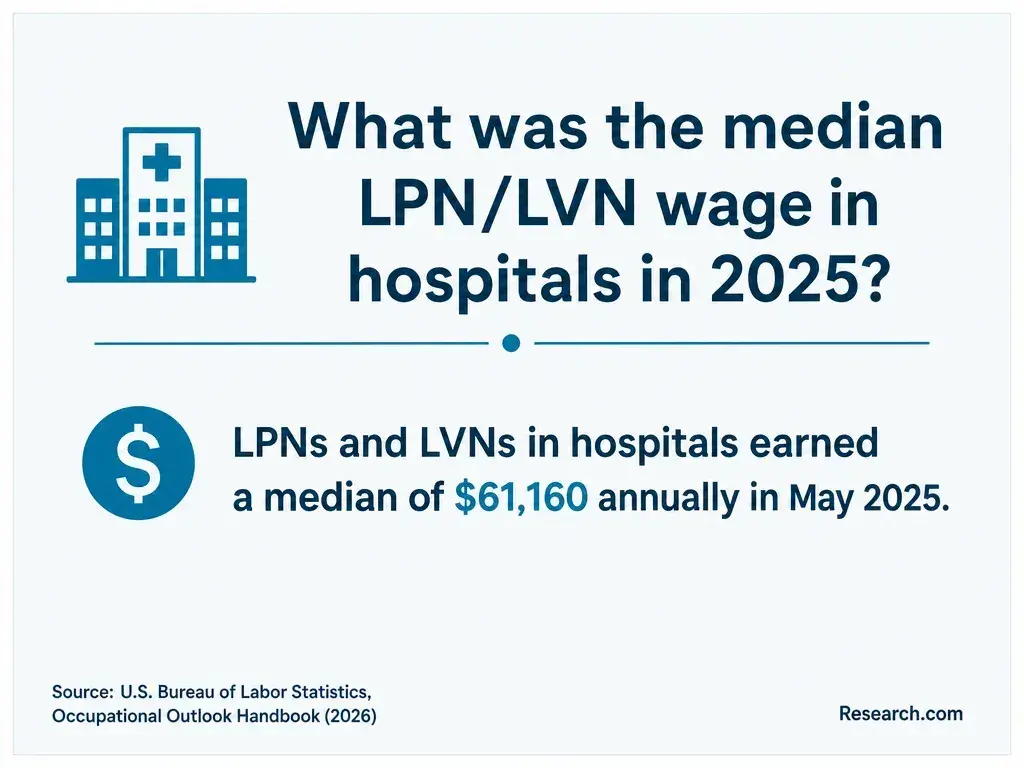
The U.S. Bureau of Labor Statistics does not publish a separate national wage or employment projection for telehealth RNs. Its broader RN figures, a $93,600 median annual wage in May 2024 and 5% projected employment growth from 2024 to 2034, provide context, not a telehealth salary estimate or a forecast of remote openings. Pay depends on employer, location, schedule, responsibilities, and experience.
Compare actual offers on more than base pay. Check hours and weekend coverage, patient or call volume, productivity measures, equipment and internet arrangements, paid orientation, clinical backup, benefits, and whether the employer pays for additional licenses. A remote position may reduce commuting while introducing continuous call work and less in-person support.
Do not use NP compensation to estimate an RN telehealth offer. A move into psychiatric advanced practice, for example, entails different duties and substantial education costs; planning the cost of PMHNP education belongs in that separate career calculation. For an RN transition, the strongest next step is to compare several postings with your current credentials, then pursue only the training or degree requirement that repeatedly limits your options.
Other Things You Should Know About Nursing
Possibly, but confirm the employer's equipment, workspace, scheduling, and supervised orientation requirements. A remote job offer does not mean you begin handling patients independently on day one.
No. Both are remote nursing services, but the available observations, workflow, documentation, and escalation process can differ. Ask which channels the position actually uses.
It removes physical bedside care from the remote encounter, not patient interaction. Many roles involve continuous conversations with patients, families, and care teams.
Show relevant patient populations, triage or discharge-education experience, EHR use, care coordination, and examples of clear documentation. Describe your own work accurately without including identifiable patient information.
- Nurse Licensure Compact | Department of State https://www.pa.gov/agencies/dos/department-and-offices/bpoa/boards-commissions/nursing/nlc
- Lifelong learning and nurses' continuing professional... - PMC https://pmc.ncbi.nlm.nih.gov/articles/PMC8045269/
- Communication Strategies | Health Literacy https://www.cdc.gov/health-literacy/php/research-summaries/communication-strategies.html
- Licensing across state lines | hhs.gov https://telehealth.hhs.gov/licensure/licensing-across-state-lines
- Telehealth Nurse Training in RN to BSN Programs | NSU https://nevadastate.edu/son/rn-bsn/telehealth-training-in-rn-to-bsn-programs-what-future-nurses-need-to-know/
- Telehealth in Nursing: How RNs and APRNs Are Adapting to Virtual Care | Nebraska Methodist College https://blog.methodistcollege.edu/telehealth-nursing-how-rns-aprns-adapting
- Preparing Nurses for Roles in Telehealth: Now is the Time! | nursingworld.org https://ojin.nursingworld.org/table-of-contents/volume-26-2021/number-1-january-2021/preparing-nurses-for-roles-in-telehealth-now-is-the-time/
- Learn how to become a telehealth nurse | allnursingschools.com https://www.allnursingschools.com/specialties/telehealth-nurse/