2027 Is an Online BS in Business Administration the Right Next Step for Self-Employed Consultants?
Audited and Verified:
Our Editorial and Data Verification Process
Research.com uses government datasets, official education statistics and primary institutional information to support its career and degree guides. Our review process checks factual accuracy, occupational definitions, source dates and the requirements associated with the credentials discussed.
How This Article Was Fact-Checked
Our editorial team verifies salary estimates, employment projections, education requirements and program information against original data providers and official organizations. Salary figures are checked against the relevant occupational definitions and reporting periods. Information about licensure, accreditation and required in-person training is reviewed separately.
Fact-checked and verified on:

Co-Founder and Chief Data Scientist
For a self-employed consultant, time spent studying is time that cannot be billed or used to win clients. An online BS in Business Administration may still be worthwhile if it fills persistent gaps in finance, operations, or client management - or helps meet a specific employer or contract requirement.
This guide weighs those benefits against tuition, scheduling demands, and more targeted alternatives. It also shows how to evaluate programs using your existing consulting work, academic history, and next business goal rather than assuming another credential will pay for itself.
Key Things You Should Know
- An online business administration degree is most compelling when you need broad business skills or a bachelor's credential for a defined opportunity; it is less compelling when one consulting skill is the main gap.
- Online does not necessarily mean self-paced: live meetings, group work, exams, and fixed deadlines can conflict with client commitments.
- The U.S. Bureau of Labor Statistics reports a $101,860 median annual wage for management analysts in May 2025 and projects 10% employment growth from 2025 to 2035. Those occupation-wide figures are not a forecast of a self-employed consultant's income.
Is an online BS in Business Administration right for self-employed consultants?
A BS in Business Administration is an undergraduate degree covering several business functions. For a consultant who learned a specialty through work, it may strengthen pricing, financial analysis, operations, and management decisions. It may also meet a bachelor's-degree requirement for a prospective employer or contract. Neither benefit is automatic: clients usually judge the relevance of your expertise and evidence of results, while eligibility rules vary by opportunity.
Start with your next goal. If you want to run a larger practice and repeatedly encounter gaps across finance, marketing, and operations, broad study may be useful. If you already hold a bachelor's degree and chiefly need project-delivery skills, a certificate, supervised experience, or project management programs with lower total costs may offer a more direct comparison. Check whether a proposed degree would add knowledge you lack, satisfy a documented requirement, or primarily duplicate what you already do.
What are the benefits of earning a business administration degree online?
Online study can let consultants keep serving clients without relocating or commuting. It may also make coursework immediately useful: an accounting assignment could inform how you interpret your practice's financial statements, while a marketing project could sharpen a proposed client-segmentation approach. Academic work is not proof of a business result, however, and using client information requires permission and appropriate safeguards.
The strongest benefit is control over where you study, not necessarily when. Compare an ordinary term with a busy client season before committing. Some online leadership bachelor's programs with compressed schedules illustrate a different trade-off: a shorter calendar may require a heavier weekly workload. Ask how many courses you can take at once and whether required courses run when your workload allows.
How does an online business administration degree compare with campus study?
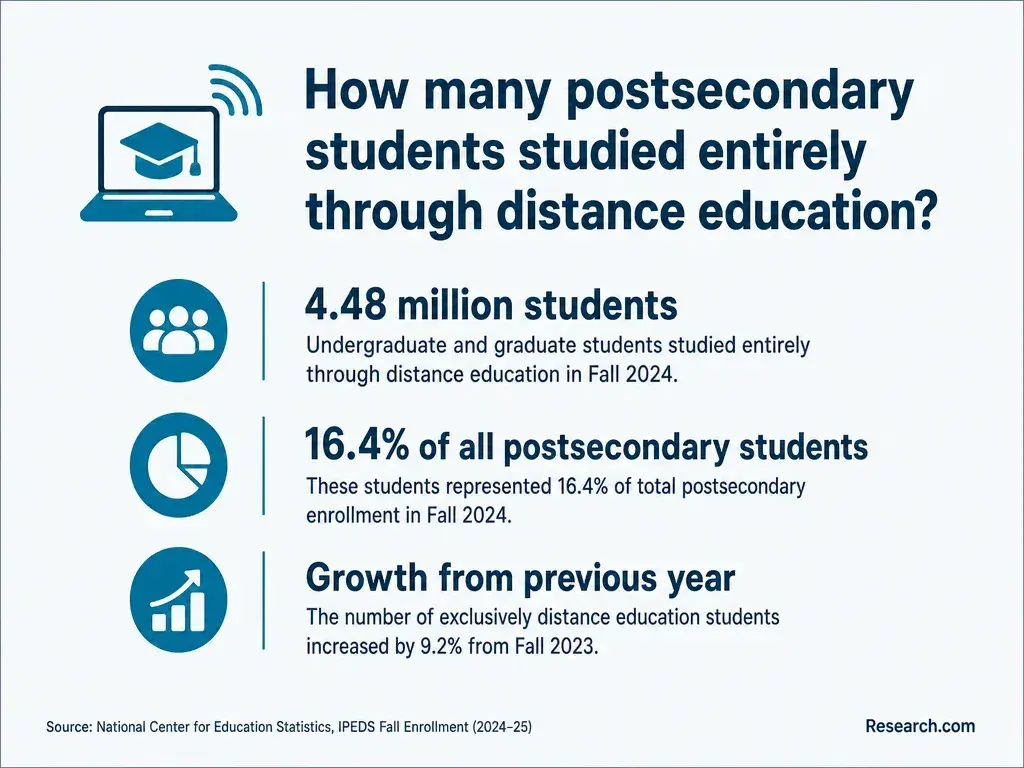
The academic distinction depends on the institution's curriculum and assessments, not simply the delivery mode. Online courses may use scheduled discussions, proctored exams, group presentations, and remote simulations. Campus courses add travel and set meeting times but may offer easier informal access to classmates, faculty, and local recruiting events.
For an independent consultant, the decisive comparison is how each format fits client work. Request sample syllabi for required courses and check live attendance, team-meeting expectations, exam windows, campus visits, and internship rules. If you are comparing online business administration school cost comparisons, include technology fees and any travel as well as tuition; a cheaper format on paper can be costly if it displaces substantial billable work.
Programs commonly combine general education with accounting, finance, marketing, management, operations, economics, and quantitative coursework. For consultants, the value lies in connecting these subjects: a proposed service expansion needs customer evidence, a workable delivery process, a budget, and an assessment of risk. Review actual course descriptions rather than assuming every BS offers the same depth or an official concentration.
Choose electives against the work you intend to sell or manage. A consultant advising on staffing may need deeper HR knowledge; compare that route with HR education costs and career planning before choosing a general-business elective cluster. A course project can demonstrate your reasoning, but it is not an HR credential or evidence that a client adopted your recommendation.
Requirements depend on the school and on whether you apply as a first-time student, transfer student, or returning student. Schools may request prior transcripts and evidence of secondary-school completion; a business major may have separate GPA or prerequisite rules. Consulting experience can strengthen an application, but it does not automatically replace accounting, mathematics, or other required coursework.
Before applying, collect transcripts from every previous college and ask for both an admission assessment and an evaluation showing where accepted credits would apply. The business administration degree admissions requirements guide can help you prepare questions, but only the receiving institution can determine your requirements and credit applicability.
Completion time depends chiefly on credits that apply to the degree, course sequencing, and the study load you can sustain alongside client work. An accelerated term changes the calendar, not necessarily the total coursework. Compare faster-paced business degree study options only after checking whether required courses are available in the terms you would need them.
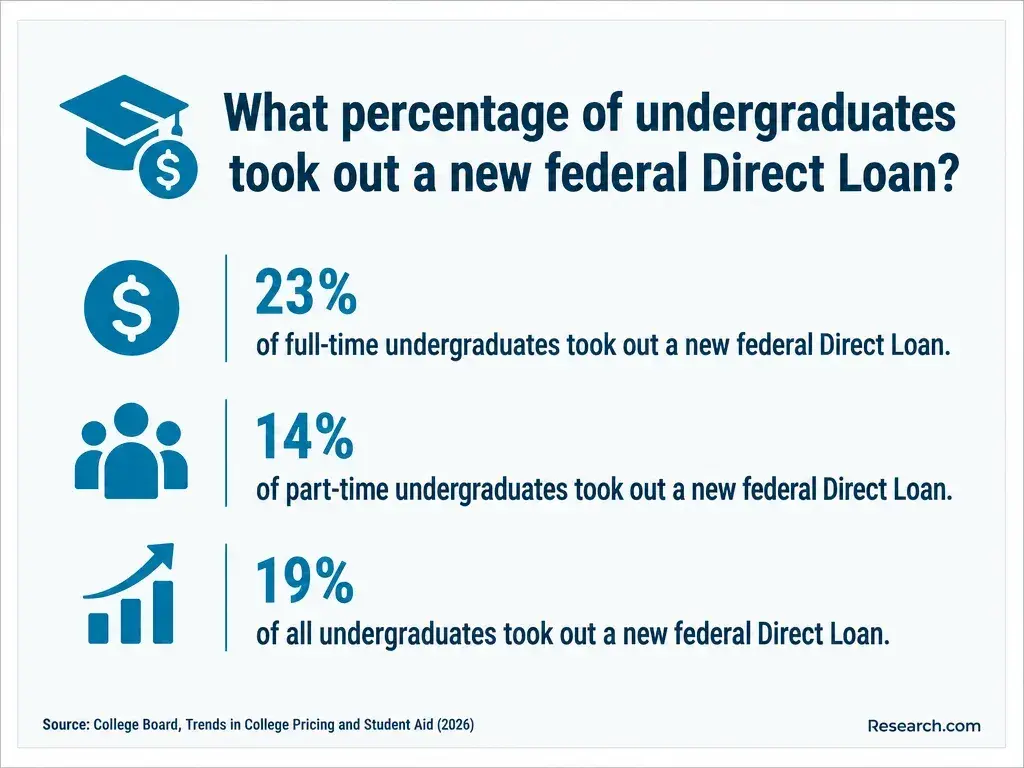
Calculate your decision around the remaining degree, not an advertised tuition rate. Ask each school for a degree audit and an estimate covering remaining tuition, mandatory fees, books or software, and any proctoring or travel. Then account for borrowing costs and billable work you may decline.
Use the degree to improve a defined part of your practice, not as a substitute for client evidence. For example, apply finance coursework to a pricing decision, operations coursework to a repeatable delivery process, and marketing coursework to a clearer target market. Keep assumptions separate from observed results, and obtain permission before using client data in class or a portfolio.
A degree may also support a move from independent work into an employed business role, particularly when a bachelor's credential is required. Translate consulting assignments into evidence an employer can assess: the problem, your responsibilities, the method, and any results you are authorized to disclose. If speed matters because client demand is seasonal, compare online degrees with accelerated terms against a part-time schedule that leaves enough capacity to maintain the business.
Possible employed paths depend on consulting specialty and experience. A consultant who has analyzed workflows may be a candidate for operations or management-analysis work; someone with demonstrated recruiting and employee-support responsibilities might consider HR roles. A general business degree alone does not establish readiness for either specialty or for a management position.
The Bureau of Labor Statistics reports a May 2025 median annual wage of $101,860 for management analysts. Its projection of 10% employment growth from 2025 to 2035 indicates demand for the occupation, not an individual hiring or earnings outcome. The median covers workers across experience levels and is not a starting salary or a measure of a self-employed consultant's revenue. If HR employment is the goal, compare role requirements and, when considering another degree, check human resources bachelor's residency and transfer rules before assuming previous business coursework will shorten the path.
There is no single license required for everyone calling themselves a business consultant. Requirements follow the services performed, the location, and sometimes the client's industry. General strategy advice differs from regulated accounting, legal, or financial-services activities. Check the relevant state regulator and contract terms before offering services that may require professional authorization.
Voluntary certifications can signal specific skills, but eligibility, examinations, and experience rules belong to the issuing organization. A business degree does not confer those credentials. If your work is centered on projects, compare a certification's eligibility and recognition with formal study, including project management programs with lower total costs, before paying for a broader qualification. Choose the option clients or target employers actually value. Application costs are smaller but still worth checking; online college application fee savings may help when you are seeking multiple evaluations. Financial aid eligibility and final charges require confirmation with each institution.
How can you choose an accredited online business administration program?
First verify the institution's recognized accreditation and confirm that the online BS is offered by that institution. Then examine the exact degree plan, online course availability, transfer evaluation, academic support, and any campus or internship obligation. Business-school accreditation from AACSB, ACBSP, or IACBE is a separate question: check the accreditor's scope and whether it covers the program you are considering. Accreditation alone does not establish affordability or consulting-career outcomes.
Request a written account of remaining requirements and a term-by-term plan compatible with client work. Compare the resulting costs and support services, including aid options through accredited online business administration study with aid eligibility. Enroll only when the curriculum addresses your stated gap, the schedule is workable, and the cost remains reasonable without assuming a future increase in consulting income.
Other Things You Should Know About Business Administration
Diploma wording is set by the institution. Ask the registrar for the exact diploma title and how the degree appears on an official transcript.
Tax treatment depends on your circumstances and the purpose of the education. Do not assume tuition is a business expense; ask a qualified tax professional to assess the applicable rules.
Possibly, but leave and reentry policies vary. Check deadlines, course availability, financial-aid effects, and whether your degree requirements could change before taking a break.
Follow the school's academic-integrity rules and your client's data-use terms. Do not upload confidential client material into an AI tool without authorization.
- Accreditation in the U.S. | ed.gov http://www.ed.gov/laws-and-policy/higher-education-laws-and-policy/college-accreditation/accreditation-in-the-us
- What Do You Study in Business School? | CTU Online https://www.coloradotech.edu/degrees/studies/business-and-management/articles/what-can-you-learn-in-business-school
- 17 types of business degrees and the jobs they can lead to | ASU Online https://asuonline.asu.edu/newsroom/online-learning-tips/types-business-degrees-jobs/
- Bachelor of Science in Business | CUNY SPS https://sps.cuny.edu/academics/undergraduate/bachelor-science-business-bs
- How Working Adults Can Choose an Online Degree That Fits Their Career | Chatham University https://www.chatham.edu/news-and-stories/blog/online-degrees-for-working-adults.html
- Online Business Degree | AACSB Accredited - Online Programs | Adelphi University https://onlineprograms.adelphi.edu/programs/bs-bachelor-business/
- Bachelor of Science in Business Administration (Completion Degree) | Bryan University https://catalog.bryanuniversity.edu/bachelor-of-science-in-business-administration-completion-degree
- How Do Employers View Accelerated Bachelor's Degrees? | Saint Mary's University of Minnesota https://www.smumn.edu/blog/how-do-employers-view-accelerated-bachelors-degrees/
- Is an Online Business Degree Worth It? | American College of Education https://ace.edu/blog/what-employers-think-about-online-business-degrees/
- Online B.B.A. | Brooklyn College https://www.brooklyn.edu/management-marketing-and-entrepreneurship/online-bachelors-of-business-administration-bba/