2027 Choosing a BS in Business Administration for Business Roles in Aviation Services
Audited and Verified:
Our Editorial and Data Verification Process
Research.com uses government datasets, official education statistics and primary institutional information to support its career and degree guides. Our review process checks factual accuracy, occupational definitions, source dates and the requirements associated with the credentials discussed.
How This Article Was Fact-Checked
Our editorial team verifies salary estimates, employment projections, education requirements and program information against original data providers and official organizations. Salary figures are checked against the relevant occupational definitions and reporting periods. Information about licensure, accreditation and required in-person training is reviewed separately.
Fact-checked and verified on:

Co-Founder and Chief Data Scientist
An airline, airport, or aviation-services employer may need people who can manage schedules, analyze costs, coordinate vendors, and improve customer service - but a business degree alone does not teach every aviation-specific rule. If you are choosing a BS in Business Administration, the key is to find a program that builds useful business skills and gives you a credible route into the industry.
This guide compares likely roles, relevant coursework, applied experience, costs, credentials, and employment data so you can decide whether a general business degree, an aviation-focused option, or a more specialized path fits your goal.
Key Things You Should Know
- A BS in Business Administration can support aviation operations, customer experience, procurement, and analyst roles, but employers may also require industry experience, security clearance procedures, or role-specific training.
- Prioritize operations, accounting, analytics, and an aviation-relevant internship or project over an aviation label with little evidence of applied learning.
- The U.S. median annual wage for logisticians was $82,320 in May 2025; it is an occupation-wide figure, not an expected starting salary for aviation business graduates.
What is a BS in Business Administration for Aviation Services?
It is an undergraduate business degree applied to the commercial and organizational work that keeps aviation services running. That work can include airline and airport operations support, ground-service contracting, procurement, cargo coordination, passenger experience, and financial or workforce planning. A BS in Business Administration usually provides a broad business core; aviation content may come through an official concentration, electives, an internship, or a capstone. Check the transcript designation and curriculum: an aviation elective does not make a general business degree an aviation concentration.
The right degree depends on the job you want. Broad business study offers flexibility across employers and industries. An aviation-management degree may offer more airport or airline context, while a supply chain degree may provide deeper preparation for cargo and procurement work. If logistics is your clear target, compare the business curriculum with an online supply chain bachelor's fast-track guide; speed matters only if the remaining courses and experience opportunities still fit the role.
What aviation business careers can you pursue with a BS in Business Administration?
Start with your experience, then identify the business function you want to perform. Customer-service or ramp experience can help you understand operational constraints; accounting, scheduling, retail, or logistics experience can also transfer. The degree can strengthen your candidacy, but a first job is more likely to involve coordination or analysis than authority over a station, department, or major budget.
The following distinctions help separate plausible entry routes from positions that generally require a stronger record of responsibility.
| Career direction | Typical business work | What employers may look for beyond the degree |
| Operations or station coordinator | Track service performance, staffing needs, and handoffs among teams | Shift-based operations experience and sound judgment under disruption |
| Cargo or procurement coordinator | Monitor shipments, purchase orders, vendor performance, or inventory | Spreadsheet skills, documentation accuracy, and relevant logistics experience |
| Customer experience or marketing coordinator | Analyze service issues, support communications, or assist campaigns | Customer-facing experience and examples of reporting or improvement work |
| Operations or services manager | Lead staff, budgets, contracts, or service delivery | Demonstrated supervision and operational results, often built over time |
Aviation employers also hire project coordinators, but coordinating a project is different from managing an airport operation. If project delivery is your primary goal, compare the business degree with affordable pathways to study project management and ask which option gives you relevant project work, not just a different degree title.
What does a BS in Business Administration program cost and how long does it take?
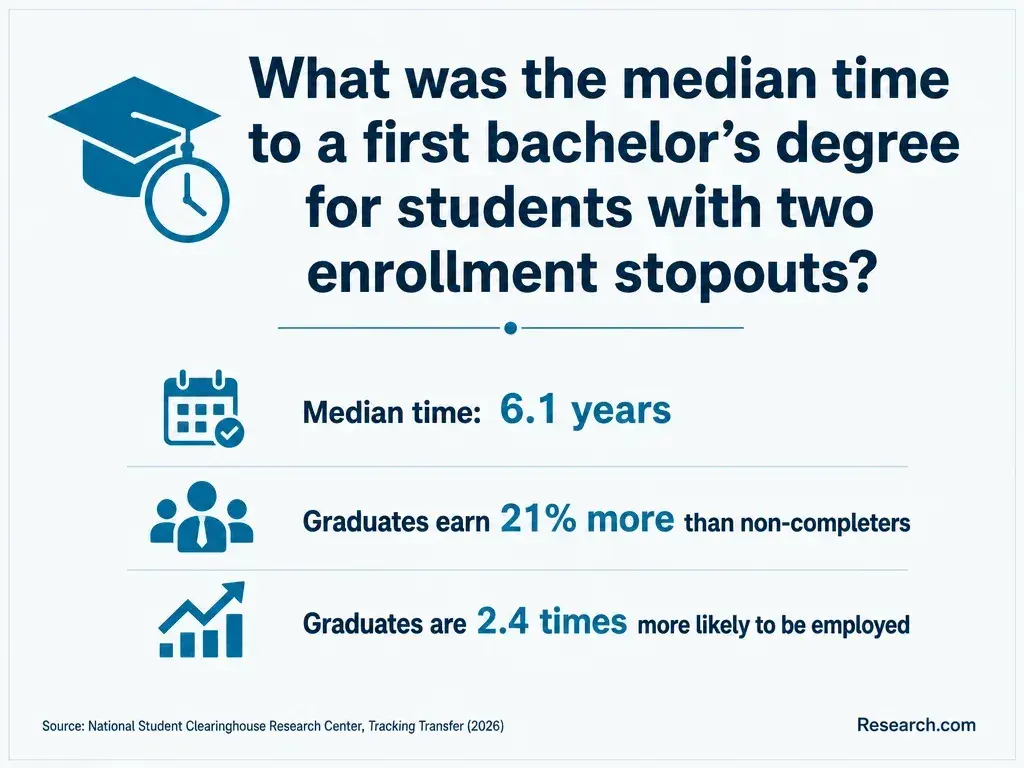
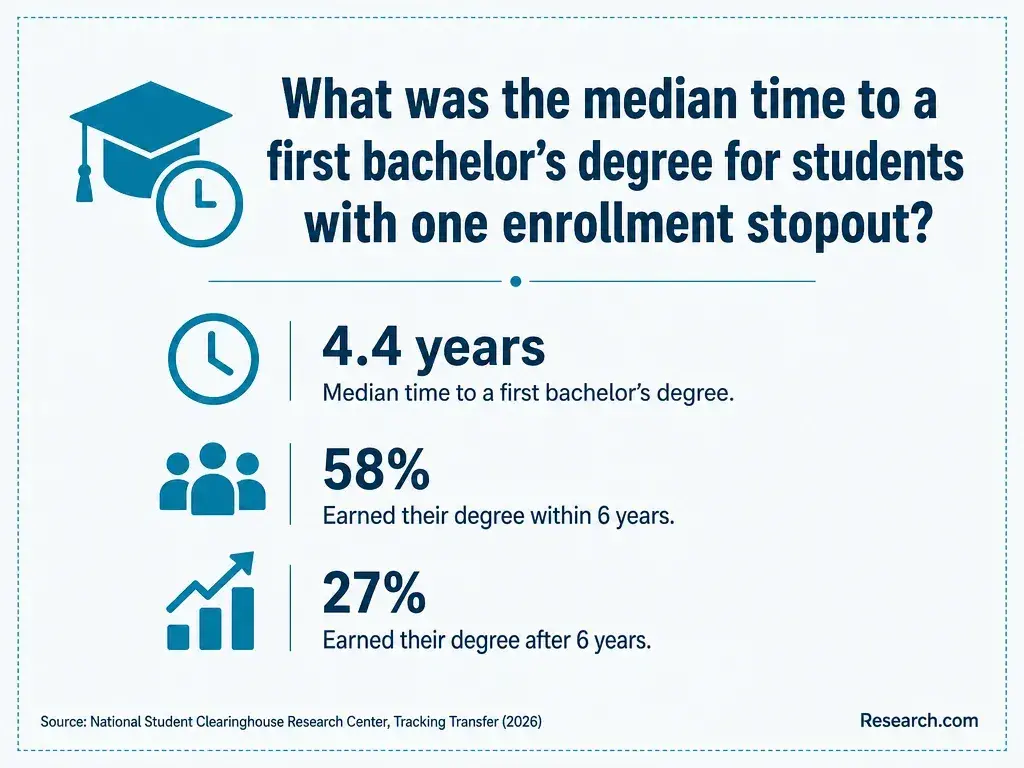
A full-time bachelor's degree is commonly planned over four academic years, but your actual timeline depends on accepted transfer work, courses that satisfy degree requirements, enrollment pace, and when required classes are offered. An accelerated calendar does not necessarily reduce the number of credits or the weekly workload. Request a written degree audit before relying on an advertised completion estimate.
Compare the cost to finish, not just tuition per credit: include mandatory fees, books, software, travel or proctoring, any internship-related expenses, borrowing costs, and income you may give up to attend. Ask financial-aid staff how your enrollment pace affects eligibility and ask an employer when education reimbursement is paid. For a useful reminder of expenses that can accompany operations-adjacent study, review project management study costs beyond tuition. Do not assume those programs' prices apply to a business administration degree.
Look for accounting and managerial finance to understand costs and budgets; operations and supply chain courses for scheduling, procurement, and service capacity; and statistics or business analytics for interpreting performance data. Organizational behavior, human resources, business law, and communication also matter when work crosses employers, contractors, and frontline teams. Course titles alone are weak evidence: review assignments, software, prerequisites, and the level of quantitative work.
A useful aviation-focused assignment might compare hypothetical staffing options during a schedule disruption or evaluate vendor performance using permitted, nonconfidential data. An internship or employer project can add context, but academic credit and access to workplace data require the appropriate school and employer approvals. If you plan to bring in previous operations or project coursework, examine project management bachelor's residency and transfer requirements as an example of why accepted credits, major requirements, and credits that must be completed at the school are separate questions. Your chosen business program makes the final determination.
Yes, if the program provides rigorous business coursework and you can build aviation-relevant experience alongside it. Online study can be especially practical for airport or airline employees whose shifts make regular campus attendance difficult. It cannot replace exposure to real service disruptions, safety-sensitive workplaces, or the coordination among aviation teams.
Before enrolling, ask whether classes are asynchronous, when group meetings and exams occur, and whether internships, presentations, or campus visits are required. Compare those obligations with your shift roster - not the program's description of itself as "flexible." Flexible business administration programs for career progression can provide comparison options, but confirm the current schedule and requirements directly with each school.
Requirements vary by institution and by whether you apply as a first-year or transfer student. Schools commonly request proof of prior education and transcripts; some business majors have separate entry standards or require preparatory mathematics and business courses. Admission to the university is not always admission to the major, and accepted transfer credit may count only as an elective.
Send transcripts for an official review, ask which accounting, economics, mathematics, and statistics requirements remain, and request a degree audit showing where each transfer course applies. If you are unsure how previous study affects entry, use academic eligibility for business administration degree study to frame your questions, then obtain the school's current answer for your application term.
There is no single license conferred by a BS in Business Administration that authorizes someone to manage aviation services. Requirements attach to particular duties and employers. For example, access to restricted airport areas can involve employer-sponsored badging and screening, while specialized safety, maintenance, dispatch, or flight duties have requirements separate from a general business degree. Check the exact job description and the responsible employer or regulator rather than assuming an "aviation" degree covers them.
Voluntary operations, supply chain, or project-management certifications may become useful once you can meet their eligibility rules and apply the knowledge at work. If your immediate obstacle is completing a bachelor's degree rather than gaining a particular certification, compare bachelor's programs for faster completion against a realistic course plan. A shorter advertised timeline is not a substitute for required workplace training or experience.
Pay depends on occupation, location, employer, shift requirements, and experience - not the degree title alone. As one relevant benchmark, the U.S. Bureau of Labor Statistics reports a May 2025 median annual wage of $82,320 for logisticians. That figure covers workers across industries and experience levels; it is neither an aviation-only wage nor a starting offer for a new graduate. A cargo coordinator and an experienced logistics specialist may have substantially different responsibilities.
To judge financial value, compare local postings for the role you could realistically enter with the full cost of finishing the degree. If online study is part of that calculation, accredited online business administration study with aid eligibility can help you identify options to investigate. Verify each school's current aid eligibility and your individual award rather than subtracting assumed aid from tuition.
There is no single national projection for "aviation services business graduate." The closest occupation depends on the work: logistics, HR, marketing research, procurement, and operations are different labor markets. BLS projects 18% U.S. employment growth for logisticians from 2025 to 2035, but that projection spans industries and does not forecast hiring at a particular airline or airport. Use it as evidence about a function, then examine local aviation employers and their stated qualifications.
Program rankings can help generate a shortlist, but they cannot establish that graduates obtain aviation jobs. If you consult online business degree rankings for US college applicants, follow up with evidence specific to your goal: internship partners, career-service access, employer contacts, and any published outcomes with clear reporting methods.
How do you choose an accredited business administration program for aviation?
First, verify the school's recognized institutional accreditation. Then check whether its business school or the specific program falls within any claimed AACSB, ACBSP, or IACBE accreditation; these are not interchangeable with institutional accreditation or proof of aviation job placement.
For each shortlisted school, obtain the current catalog and ask an adviser to show the official degree name, any formal aviation concentration, remaining requirements, internship rules, and a term-by-term completion plan. Ask career services for examples of aviation employer engagement and for the definition behind any reported outcomes. Compare the resulting time, cost, and practical opportunities against a specialized aviation or supply chain degree.
Application cost is a smaller but legitimate comparison point. You can find online colleges with free admissions applications when building a shortlist, but confirm current fees and do not let a waived fee outweigh curriculum or employer access.
Other Things You Should Know About Business Administration
Yes. Airlines also have corporate, customer support, finance, procurement, and planning teams. Location and remote-work policies depend on the employer and position.
It may, particularly if the role needs access to restricted areas. The employer and airport will explain the checks and badging process for that position.
Corporate roles may, but station and service operations can involve early, late, weekend, or holiday shifts. Check the posting and ask about on-call expectations.
Bring concise examples of solving a scheduling, customer, cost, or coordination problem. Explain your own contribution and results without sharing confidential employer information.
- Occupational Employment and Wage Statistics Survey | Civil Service Commission https://www.nj.gov/labor/labormarketinformation/employment-wages/occupational-statistics/
- Internships | Federal Aviation Administration https://www.faa.gov/jobs/students/internships
- General Schedule Qualification Policies | U.S. Office of Personnel Management https://www.opm.gov/policy-data-oversight/classification-qualifications/general-schedule-qualification-policies/
- Methodology for Generating Industry Employment Data | ca.gov https://labormarketinfo.edd.ca.gov/LMID/Methodology_for_Industry_Employment.html
- How to Begin a Career in Aviation Management | evergladesuniversity.edu https://www.evergladesuniversity.edu/blog/how-to-begin-a-career-in-aviation-management/
- Aviation Internships and Co-ops https://aviation.osu.edu/aviation-internships-and-co-ops
- Bachelor of Science in Aviation Business Administration | erau.edu https://erau.edu/degrees/bachelor/aviation-business-administration
- What Can You Do With a Business Administration Degree? | North Carolina Central University https://online.nccu.edu/blog/what-can-you-do-with-business-administration-degree/
- What is a Fixed-Base Operator (FBO)? The Complete Guide | Wayman Aviation https://wayman.edu/what-is-a-fixed-base-operator-fbo/
- Accreditation Process | AACSB https://www.aacsb.edu/educators/accreditation/accreditation-process