2027 A Second BS in Business Administration After a Bachelor's in Social Work: Credits, Cost, and Alternatives
Audited and Verified:
Our Editorial and Data Verification Process
Research.com uses government datasets, official education statistics and primary institutional information to support its career and degree guides. Our review process checks factual accuracy, occupational definitions, source dates and the requirements associated with the credentials discussed.
How This Article Was Fact-Checked
Our editorial team verifies salary estimates, employment projections, education requirements and program information against original data providers and official organizations. Salary figures are checked against the relevant occupational definitions and reporting periods. Information about licensure, accreditation and required in-person training is reviewed separately.
Fact-checked and verified on:

Co-Founder and Chief Data Scientist
A bachelor's in social work gives you experience with clients, complex systems, documentation, and ethical decisions - but it may not supply the accounting or operations knowledge required for the business role you want. A second BS in business administration can fill those gaps, yet its value depends on how your first degree applies, what remains to graduate, and whether employers actually need another bachelor's.
This guide helps social work graduates compare credits, cost, time, career options, and more direct alternatives before committing to a program.
Key Things You Should Know
- A completed social work bachelor's may satisfy many general education requirements, but accepted credits do not automatically replace the business core; request a second-degree audit before estimating your remaining courses.
- Compare the cost of required credits still to complete, not the advertised price of a full bachelor's. Second-bachelor's students are generally ineligible for federal Pell Grants, although other aid may be available if they qualify.
- A second degree is most useful when your target role calls for broad business coursework and you lack a shorter route to it. For context, the U.S. median wage for human resources specialists was $75,940 in May 2025 - an occupation-wide figure, not a starting salary for career changers.
What is a second bachelor's degree in business administration?
It is a new undergraduate credential earned after your social work bachelor's, not a conversion of that degree. A BS in Business Administration typically combines a business core with electives or an official concentration. A BBA or specialized bachelor's may cover similar subjects, but degree titles and requirements vary by school.
For a social work graduate, the distinction matters most when choosing between broad business preparation and a specific function. If your goal is project coordination, for example, compare the business curriculum with specialized programs - and compare transfer policies at online project management colleges before assuming either route will make better use of your first degree. Neither credential alone substitutes for relevant project experience.
How many credits transfer from a social work bachelor's degree?
There is no reliable universal number. A school may accept coursework from your first bachelor's while applying it differently across general education, electives, prerequisites, and the business major. Some institutions waive general education requirements for second-degree students; others evaluate courses individually. Only the receiving school can determine what counts toward graduation.
The categories below show why a large transfer award can still leave substantial business coursework. Ask for a written audit that separates credits accepted from requirements satisfied.
| Prior study | Possible application to a business degree | What to verify |
| Writing, mathematics, and other general education | General education requirements or a second-degree waiver | Whether the first bachelor's fulfills the category automatically |
| Statistics or economics | Quantitative or business prerequisites, if content is equivalent | Course level, syllabus, recency rules, and required business context |
| Social work, psychology, and policy courses | Electives or, occasionally, an approved substitution | Whether any credits actually reduce remaining degree requirements |
| Field education or professional experience | Usually not an automatic substitute for a business internship or capstone | Whether a formal experiential-credit policy applies |
Send official transcripts and, for unclear courses, catalog descriptions or syllabi to the transfer office. Ask the business adviser to confirm major applicability, residency requirements, and whether a proposed substitution needs separate approval. If HR is your intended field, you can also compare HR bachelor's transfer policies; an HR program may classify your social work courses differently.
How much does a second business administration degree cost?
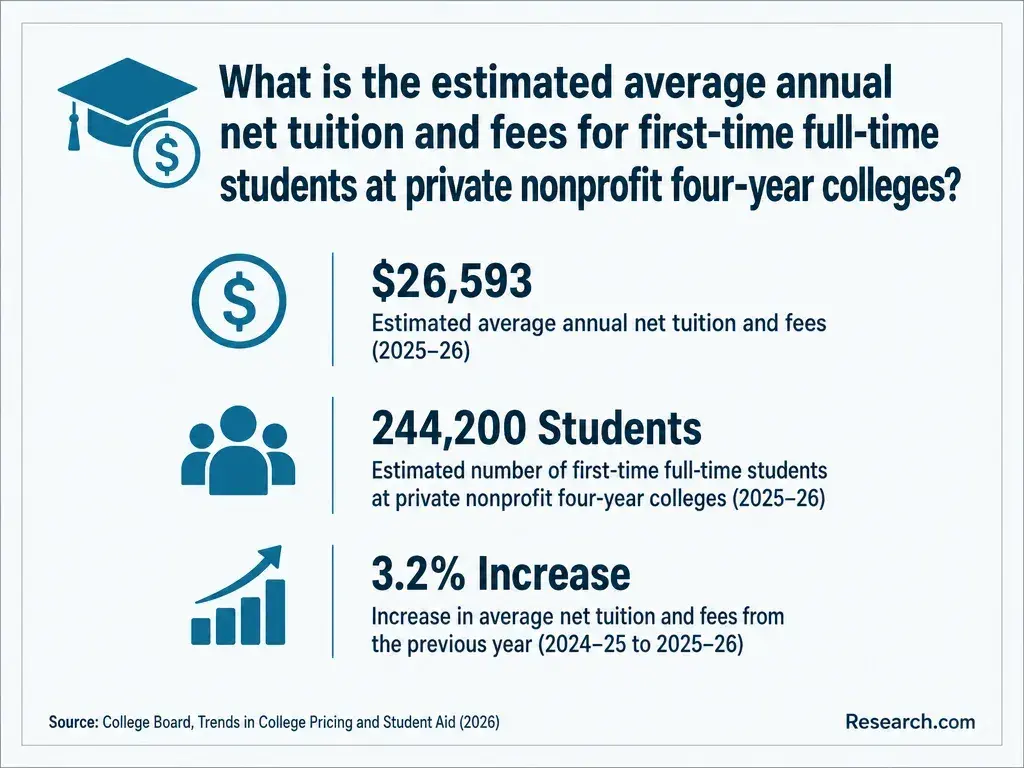
Your meaningful price is the cost to finish after the official audit: remaining required credits multiplied by the applicable tuition rate, plus mandatory fees, materials, technology, and any travel or lost work time. Check whether tuition is charged per credit, course, or term. A lower advertised rate can cost more if the school requires additional courses or an extra term to offer a prerequisite.
Second-bachelor's students generally cannot receive federal Pell Grants. Federal loans may still be possible, subject to eligibility and borrowing limits; school grants, employer assistance, and payment plans have their own rules. Ask the financial-aid office for an award estimate tied to your proposed enrollment level, and confirm when employer reimbursement arrives rather than counting it as cash available upfront.
Use lower-tuition online business administration programs as a starting list, not a cost ranking for your circumstances. Request the same written cost-to-completion breakdown from each school so that differences in credit applicability are visible.
Often, no. Social work can provide evidence of stakeholder communication, case coordination, records management, and judgment under constraints. Those skills may support a move into nonprofit operations, client services, training support, or HR administration. The transition becomes harder when a role requires financial analysis, accounting knowledge, or experience with a particular business process.
Start with job postings for one target role: separate qualifications you already meet from missing skills and explicit degree requirements. If employers accept any bachelor's and you mainly need payroll, spreadsheets, or budgeting skills, targeted coursework and a relevant work sample may be more direct. If you want substantial preparation across several business functions, a second degree has a clearer purpose.
For HR-focused work, choosing a degree in human resources may be more relevant than choosing general business. Compare the actual required courses and opportunities to gain HR experience; neither degree automatically confers an HR certification.
Common requirements include financial and managerial accounting, economics, finance, marketing, management, operations, business law, statistics, and a strategy or capstone course. Schools differ in prerequisites, quantitative depth, and whether an internship or concentration is required. Your social work background may be particularly useful in organizational behavior and ethical decision-making, while accounting and spreadsheet-based analysis may require more new preparation.
Read the course sequence, not just the subject list. Accounting may precede finance, and statistics may precede analytics; a missed prerequisite can extend completion time. If you want procurement or logistics rather than broad administration, compare the relevant courses with fast undergraduate routes into supply chain management. A business elective in supply chain is not necessarily the same preparation as a specialized major.
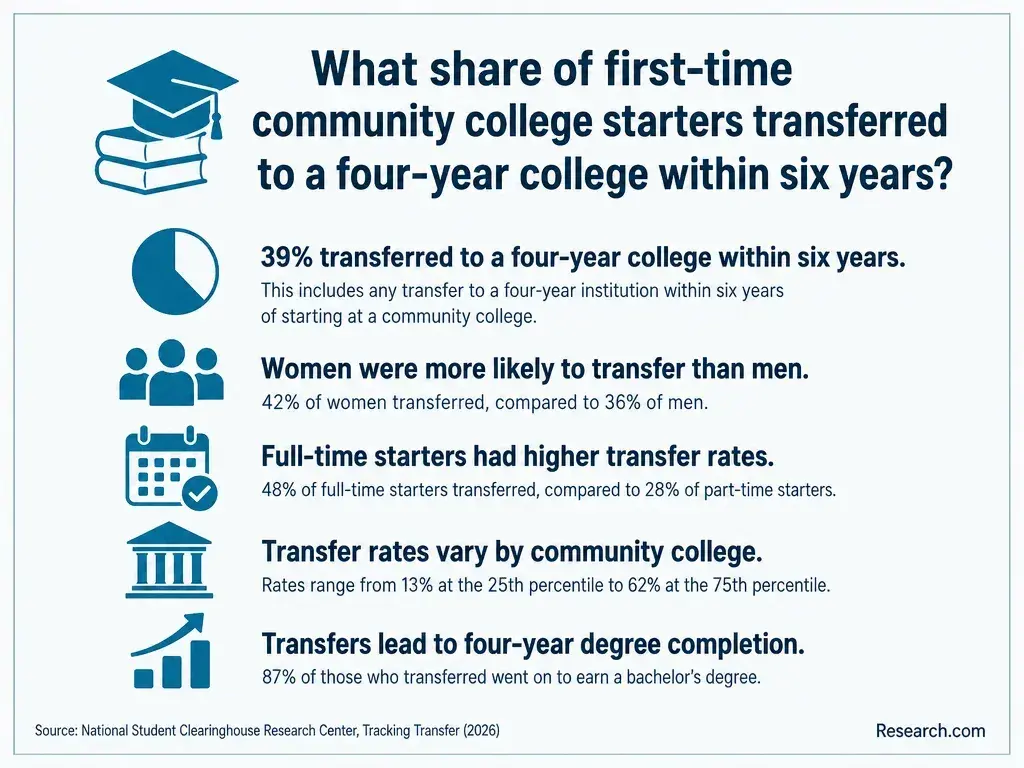
Typically, applicants submit transcripts from every college attended and meet the institution's admission and academic-standing rules. A business school may separately require prerequisites or a minimum grade in particular courses. A prior bachelor's does not automatically grant admission to the business major, and admission does not establish which courses will apply to it.
Before applying, ask whether the school admits second-degree students to this program, whether any mathematics or introductory business work must be completed first, and which catalog requirements will govern your degree. If financing is necessary, check the school's federal-aid participation and your individual eligibility with its aid office. A list of business administration colleges participating in federal aid programs does not establish that a second-bachelor's applicant will receive a particular award.
An online degree can serve the same academic goal when the institution is appropriately accredited, the curriculum fits your target role, and you can access useful advising and career support. Verify institutional accreditation and, if business-specific accreditation matters to you, whether AACSB, ACBSP, or IACBE accreditation actually covers the school or program under consideration. Delivery mode alone does not establish quality or employer preference.
For someone leaving or working alongside social services, scheduling may be decisive. Ask about live sessions, group assignments, proctored exams, internship rules, and required campus visits; "online" does not necessarily mean self-paced. When you compare nationally ranked online business programs, weigh those obligations and your written degree audit more heavily than a ranking alone.
The timeline depends on the remaining requirements, your course load, prerequisite order, and when required classes are offered. Even if your first degree satisfies general education, the business core may need to be completed in sequence. Part-time enrollment can preserve income but lengthen the calendar; a faster schedule may increase weekly workload without reducing the number of courses.
Ask an adviser for a term-by-term plan showing every remaining requirement, including residency, concentration, and capstone rules. Then check that required courses are actually scheduled in those terms. You can compare cost-to-finish for shorter business administration programs, but treat advertised completion times as scenarios until your own credits and schedule are evaluated.
A social work graduate may be able to pursue HR coordination, training support, nonprofit operations, client-services management support, or project coordination by combining existing experience with specific business skills. Financial analyst and other quantitative roles generally call for stronger function-specific preparation. Management positions typically require demonstrated responsibility and results beyond earning a second degree.
For salary context, the U.S. Bureau of Labor Statistics reports a May 2025 median annual wage of $75,940 for human resources specialists and projects 6% employment growth for that occupation from 2025 to 2035. The median includes experienced workers across employers and locations; it is not an expected offer to a social worker entering HR. Evaluate actual local postings, required software, and whether your experience meets the listed duties.
For a project-coordination goal, compare the price of broad business study with function-specific training and experience. Lists of low-cost project management schools and aid options can help frame that comparison, but a project management degree is not required for every coordinator job or a substitute for supervised project work.
What alternatives can replace a second business administration degree?
The best substitute depends on the gap between your social work experience and the job you want. A certificate or individual courses can address a defined skill gap; a specialized degree may offer more relevant depth; workplace projects can provide evidence that coursework alone cannot. An MBA is another possibility, but its prerequisites, cost, and fit for an applicant without business experience must be evaluated separately.
Use the comparisons below to narrow your choice before requesting program-specific quotes and credit evaluations.
| Goal | Route worth comparing | Main limitation to check |
| Move into nonprofit administration | Budgeting and operations courses plus expanded responsibilities at work | Whether target employers require a particular credential |
| Enter HR | HR coursework or a specialized program, paired with HR-relevant experience | Whether the curriculum covers the tasks in target postings |
| Enter project coordination | Project training and documented coordination work | Whether you can obtain meaningful project responsibility |
| Build broad business knowledge | Second BS in Business Administration | Remaining credits, total cost, and time away from other opportunities |
If you are considering a specialized project degree, low-cost project management degree options provide a comparison point. Make the final decision using the school's audit and the qualifications in your target job postings - not the assumption that another bachelor's is necessary for every business transition.
Other Things You Should Know About Business Administration
Not by itself. Social work licensing and renewal are governed by your state's licensing board. Check its rules before assuming business coursework will count toward continuing education.
Usually not automatically. The business program must decide whether prior fieldwork meets its learning objectives and whether it permits credit for prior experience.
Schools use different GPA policies for admission, transferred work, and the new institutional record. Ask which GPA applies to admission and graduation requirements.
Do not use identifiable client information without the required permissions. Ask faculty for an approved project using public, fictional, or properly authorized data instead.
- Cost of Attendance (Budget) | 2025-2026 Federal Student Aid Handbook https://fsapartners.ed.gov/knowledge-center/fsa-handbook/2025-2026/vol3/ch2-cost-attendance-budget
- Transferring Courses - The University of Texas at San Antonio https://catalog.utsa.edu/undergraduate/bachelorsdegreeregulations/transferringcourses/
- Estimated Cost of Attendance | Student Success | University of Kentucky https://studentsuccess.uky.edu/financial-aid-and-scholarships/estimated-cost-attendance
- What Jobs Can You Get With a Business Degree? | snhu.edu https://www.snhu.edu/about-us/newsroom/business/what-jobs-can-you-get-with-a-business-degree
- Degree Credit and Residency Policy | SUNY Empire https://sunyempire.edu/policies/degree-credit-and-residency-policy.html
- What is an MBA Program? | University of Phoenix https://www.phoenix.edu/articles/business/what-is-an-mba-program.html
- Program Admission and Requirements | pitt.edu https://www.socialwork.pitt.edu/academics/bachelors-degree-social-work/program-admission-and-requirements
- College of Business - Course Catalog - University of Illinois http://archives.provost.illinois.edu/2008/fall/programs/undergrad/business/about_bus.html
- Transfer credit policies - Office of Admissions https://admit.washington.edu/apply/transfer/policies/
- 10 Careers You Can Pursue With a Bachelor's in Social Work | UMass Global https://www.umassglobal.edu/blog-news/careers-for-social-work-majors