2027 Paying for an Online BS in Business Administration: A Missed Payment During the Final Term
Audited and Verified:
Our Editorial and Data Verification Process
Research.com uses government datasets, official education statistics and primary institutional information to support its career and degree guides. Our review process checks factual accuracy, occupational definitions, source dates and the requirements associated with the credentials discussed.
How This Article Was Fact-Checked
Our editorial team verifies salary estimates, employment projections, education requirements and program information against original data providers and official organizations. Salary figures are checked against the relevant occupational definitions and reporting periods. Information about licensure, accreditation and required in-person training is reviewed separately.
Fact-checked and verified on:

Co-Founder and Chief Data Scientist
A missed tuition payment in your final term can put an online BS in Business Administration within academic reach but leave graduation logistics uncertain. This guide is for students who need to distinguish a billing problem from a degree-completion problem - and act before deadlines pass.
You'll learn what a school may restrict, how to confirm the amount and deadline, which funding options might still work, and what to verify about your remaining coursework. The goal is a documented plan for finishing, not an assumption that either graduation or a late payment will resolve everything automatically.
Key Things You Should Know
- A missed installment does not automatically erase completed credits, but it can trigger a late fee, registration restriction, or a hold affecting credential release; the school's policy and your account status control the outcome.
- Ask student accounts for the exact past-due balance and deadlines, then ask the registrar separately whether your degree audit, graduation application, and credential release remain on track.
- Federal Direct Loans generally require at least half-time enrollment; a final term with fewer courses may narrow borrowing options even when the student still needs help with the bill.
What happens after missing a payment during the final term of an online business degree?
Usually, the first consequence is a past-due student account - not an automatic academic failure. The school may assess a late fee, cancel an installment arrangement, restrict registration, or place a financial hold. Its published policy and the timing of the missed payment determine which actions apply. Ask whether any pending aid or approved payment arrangement prevents a hold while it is processed.
Keep three decisions separate. Faculty determine whether you pass final business courses or a capstone. The registrar determines whether you have met degree requirements. Student accounts determines whether an unpaid balance restricts administrative services, subject to applicable law and school policy. Completing all coursework therefore does not necessarily mean you can immediately obtain every document you need for employment or further study.
The distinction matters most when a required course or capstone has not yet finished. If a hold prevents registration in a later session, a seemingly small missed installment could delay that requirement. Do not assume that transferring to one of the compare fast-paced online business degrees options would be quicker: a new school must evaluate your credits, and residency requirements may add coursework.
How can students resolve a missed tuition payment before graduation?
Contact the school promptly, even if you cannot pay in full today. A useful resolution is a written account plan paired with confirmation that your academic requirements are complete.
- Open your student account and save the itemized statement, payment-plan agreement, aid notices, and any hold message. Note the payment due date and your expected graduation date.
- Ask student accounts for the amount needed to restore good standing, any late fee, the next deadline, and whether a revised installment plan or short extension is available. Request the terms in writing before paying a partial amount.
- Ask financial aid whether an eligible grant, scholarship, loan disbursement, or previously awarded aid is pending. Confirm that enrollment intensity and satisfactory academic progress still support the award.
- Ask your adviser or registrar to confirm remaining courses, the official degree audit, graduation-application status, and what any financial hold would affect.
- If you cannot meet the proposed deadline, ask what happens to current enrollment and when you could finish. Check withdrawal and refund rules before dropping a course; doing so may change aid eligibility or create a larger balance.
For a student working through the final term, the best plan is one that fits actual pay dates without sacrificing the time needed to finish coursework. When comparing future enrollment arrangements, flexible business administration programs for career progression can provide context - but a program change is rarely a substitute for resolving the current account first.
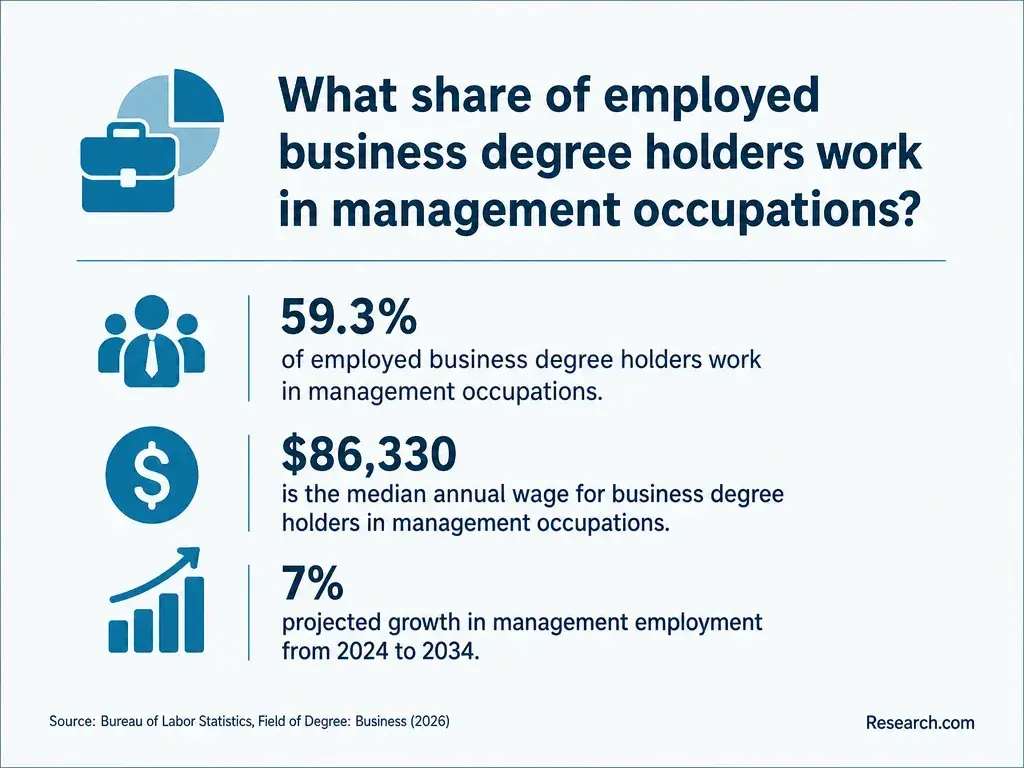
How much does an online bachelor's in business administration cost?
There is no single reliable price for an online BS in Business Administration. Schools may charge by credit, course, or term; a returning student's total also depends on which accepted credits actually satisfy general education, business-core, concentration, and residency requirements. For a final-term payment problem, the most useful figure is the remaining cash obligation by deadline, not the program's advertised tuition.
The following cost categories separate what may be due now from costs that affect the overall value of finishing. Use your own bill and degree audit rather than treating a published price as your final balance.
| Cost or credit | Why it matters in the final term |
| Tuition and required fees | Determine the billed balance and whether a missed installment makes the rest due sooner. |
| Books, software, and proctoring | May require cash even when tuition is covered by aid. |
| Grants, scholarships, and pending disbursements | Can reduce the balance, but only when confirmed and applied to the account. |
| Additional coursework | A missing required class or unmet residency rule can extend both tuition and time to completion. |
| Loan interest and lost work time | Can make a low immediate payment more expensive over the longer term. |
If a delayed term is possible, compare the cost of finishing at your current school with the verified cost of an alternative, including newly required credits. Guides to shorter business administration study options and career prospects can help identify programs to investigate; they cannot establish what those programs would charge you after a transfer evaluation.
Start with aid already associated with your enrollment: ask financial aid what has been awarded, what remains undisbursed, and what condition is preventing release. A FAFSA can establish eligibility for federal aid, but submitting it does not guarantee funds in time to meet an overdue institutional deadline. Grant eligibility, loan limits, satisfactory academic progress, and enrollment intensity all matter.
A Federal Direct Loan generally requires at least half-time enrollment. That makes a light final-term schedule an important constraint: adding a course solely to borrow more may cost more than it solves and could affect your completion plan. Ask about institutional emergency grants or scholarships, an adjusted payment plan, and employer tuition assistance. Employer reimbursement often arrives after grades are posted, so confirm who pays the school in the meantime and whether grade or continued-employment conditions apply.
If a short-term private loan is under consideration, compare its total repayment cost and payment date with the school's written extension terms. Avoid borrowing for a different degree simply to solve a small final-term gap. For example, project management degree tuition comparisons may be useful for a later education decision, but they do not establish aid eligibility for your current business degree.
For an enrolled final-term student, the immediate comparison is practical: will the current online schedule let you finish required work while earning enough to clear the balance? Online delivery can remove commuting costs, but it does not necessarily remove live classes, group meetings, exam appointments, or fixed deadlines. Campus attendance may offer face-to-face access while adding travel or scheduling costs.
Check the syllabus for each remaining course, especially a capstone or team project, before taking extra shifts or changing enrollment. If a payment problem forces a pause or transfer, compare both formats using the same remaining-credit evaluation, tuition and fees, course availability, and graduation timeline. National online business program rankings can help build a shortlist, but the school's written policies and your individual audit should decide whether a move is worthwhile.
A BS in Business Administration commonly includes accounting, economics, finance, marketing, management, operations, quantitative analysis, and business communication, alongside general education. Specific requirements vary. Some programs also require a concentration, internship, or capstone; an elective in a subject does not by itself create an official concentration.
In the final term, course titles matter less than their placement on the official degree audit. Confirm that a completed accounting or statistics course satisfies the required category, that any prerequisite has been cleared, and that the capstone is scheduled in the correct session. An accepted transfer elective cannot automatically replace a missing business-core requirement. If supply chain is your intended field, shorter supply chain degrees and career value is a separate comparison; switching fields now should depend on an approved credit evaluation, not overlapping course names.
A student already in the final term normally does not need to reapply because of one missed payment. Readmission rules become relevant if enrollment is canceled, you withdraw, or you remain away long enough to lose continuing-student status. Ask admissions or the registrar whether you would return under the same catalog and whether any previously completed requirements would be reevaluated.
For a transfer or readmission, schools may request prior transcripts and impose GPA, prerequisite, major-entry, or residency requirements. Admission and credit application are separate decisions: the receiving school might admit you without counting every business course toward graduation. Before considering American colleges offering fast-track business bachelor's, obtain a written evaluation of remaining requirements and course availability. A fast advertised format does not mean a fast finish for someone nearly done elsewhere.
Confirm the institution's current accreditation with its accreditor and the U.S. Department of Education's recognized-accreditor information. Then check whether a claimed business accreditation - such as AACSB, ACBSP, or IACBE - covers the particular school and program. Institutional accreditation and business-specific accreditation are different claims. Neither alone resolves a financial hold or guarantees that another institution will accept transfer credit.
Accreditation is most urgent here if you are weighing a transfer after a payment disruption. Verify the proposed school and exact degree before paying an application fee, then ask for its official transfer and residency evaluation. The same caution applies when comparing adjacent programs: information on human resources bachelor's residency and transfer rules can frame useful questions, but the rules for an HR degree cannot be assumed to govern your business administration degree.
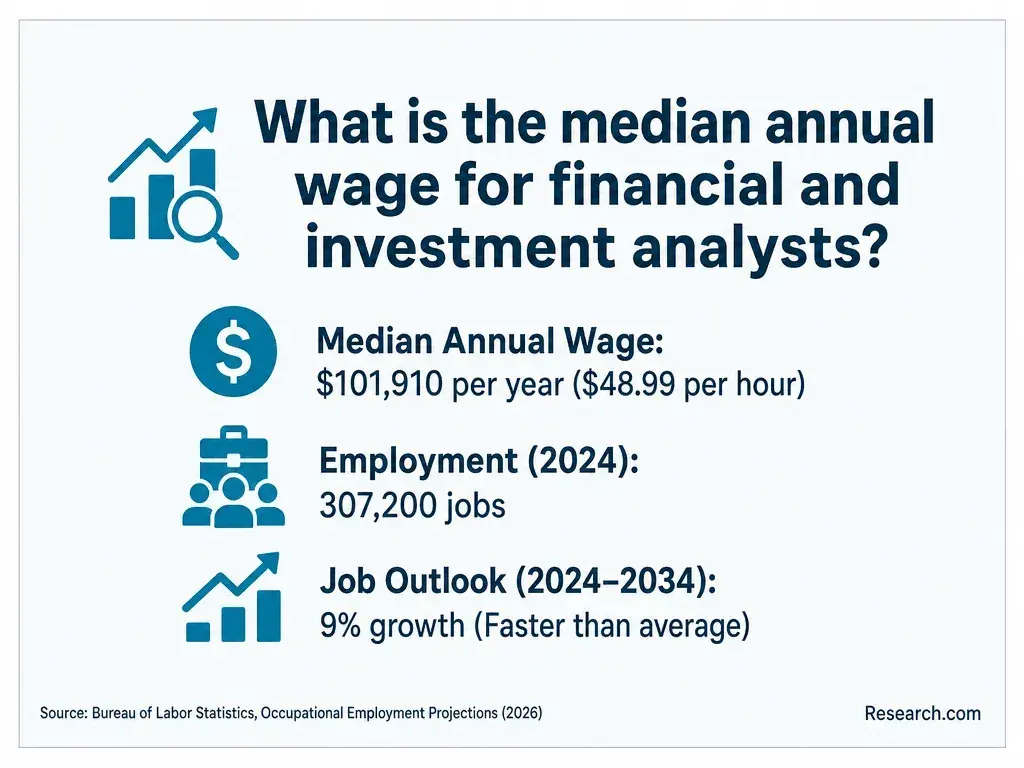
Graduates may pursue roles in operations support, project coordination, sales, marketing support, or HR, depending on their coursework and experience. A business degree can help meet an employer's education requirement, but it does not itself confer a manager title. If a financial hold delays access to your credential, ask the registrar what official evidence of completed coursework or degree status it can provide and when; do not claim that the degree has been awarded before the school confirms it.
For context, the U.S. Bureau of Labor Statistics reports a May 2025 median annual wage of $75,940 for human resources specialists. That occupation-wide median includes experienced workers; it is not a starting salary or a predicted return on your final tuition payment. Weigh the cost of finishing against actual job requirements and the skills you can demonstrate. If your goal is specifically supply chain work, accelerated undergraduate supply chain programs offer a different pathway to compare after you know what finishing your current degree would require.
What certifications or licenses may business administration graduates need?
Most general business support roles do not require a license merely because the applicant studied business administration. Some specialized activities do: accounting licensure and certain financial-services work have separate requirements set by regulators, while HR and project-management certifications have their own eligibility and assessment rules. A BS in Business Administration, a related course, and professional certification are not interchangeable.
If an unpaid balance delays graduation, check whether a target credential requires an awarded degree or will consider coursework while the award is pending. Obtain the rule from the credentialing body rather than relying on a course description. If targeted training would meet your goal without another full degree, compare it with fast-track undergraduate study options only after resolving the cost and status of the degree you are close to completing.
Other Things You Should Know About Business Administration
Possibly. Commencement participation and the formal award of a degree are separate decisions. Ask the registrar or commencement office for its policy and your status; walking in a ceremony is not proof that the degree has been awarded.
Often, but the school may require payment through an approved guest-payment process. Ask student accounts how a third-party payment is applied and when it will appear on your account.
Not necessarily. Refund deadlines and financial-aid adjustments may leave a balance - or increase it. Get a written estimate from student accounts and financial aid before withdrawing.
A missed school installment does not necessarily appear on a credit report. Collections or a missed payment on a separate loan may have different consequences. Ask who owns the debt, whether it has been referred to collections, and what payment terms apply.
- Student Loan Repayment | studentaid.gov https://studentaid.gov/manage-loans/repayment
- The Steps in a Return of Title IV Aid Calculation - Part 1 https://fsapartners.ed.gov/knowledge-center/fsa-handbook/2026-2027/vol5/ch2-steps-return-title-iv-aid-calculation-part-1
- HB22-1049 Prohibiting Transcript & Diploma Withholding | Colorado General Assembly http://leg.colorado.gov/bills/HB22-1049
- Student Care & Resource Center - Emergency Funding https://studentlife.indiana.edu/care-advocacy/care-and-resource-center/emergency-funding/index.html
- Financial Assistance | Student Care & Well-Being https://bamacares.sl.ua.edu/assistance/financial-emergency/
- Financial Obligations and Payment - UAA Catalog | University of Alaska Anchorage Academic Catalog https://catalog.uaa.alaska.edu/academicpoliciesprocesses/tuitionfees/financialobligations/
- Withholding Diplomas and Official Transcripts from Students | umn.edu https://policy.umn.edu/education/withholdingdiplomas
- Payment Policy | Student Business Services | Finance | TTUHSC https://www.fiscal.ttuhsc.edu/studentbusserv/paymentpolicy.aspx
- E-21-5: Collections and Write-off Policy for Student Accounts and Loan Receivable | University Financial Services https://ufs.uky.edu/bpm/e-21-5-collections-and-write-off-policy-student-accounts-and-loan-receivable
- SCHOLARSHIP AND FUNDING GUIDE | uncg.edu https://go.uncg.edu/financeandfundingguide