2027 Retail Management Degree Careers Ranked by Salary, Growth, and Work-Life Balance

Co-Founder and Chief Data Scientist
Choosing the right career path after earning a retail management degree can feel overwhelming due to conflicting priorities—high salary, strong job growth, and a healthy work-life balance. Many graduates face tough decisions without clear data, risking burnout or stagnant careers.
Recent studies show that average salaries in retail management roles vary by over 30%, while job growth rates range widely depending on specialization, affecting long-term stability.
This article ranks retail management degree careers using comprehensive criteria, evaluating each option's earning potential, advancement prospects, and lifestyle impact—to help readers make informed, strategic career choices aligned with their professional and personal goals.
Key Things to Know About Retail Management Degree Careers Ranked by Salary, Growth, and Work-Life Balance
- Retail management careers show median salaries ranging from $45,000 to over $90,000 annually—higher earnings correlate strongly with leadership and specialized roles.
- Job growth in retail management is projected at 6% through 2032, slightly above average, emphasizing positions in e-commerce and supply chain management.
- Work-life balance varies significantly—corporate retail roles often offer more predictable hours compared to frontline store management, which may involve irregular shifts.
How Are Retail Management Degree Careers Evaluated and Ranked Across Salary, Growth, and Work-Life Balance?
Ranking retail management degree careers requires more than just focusing on salary-this article applies a three-pillar framework that considers salary, career growth, and work-life balance for a comprehensive analysis.
These dimensions together create a fuller portrait of career quality and sustainability, addressing financial rewards, future opportunities, and job satisfaction.
- Salary: Median earnings data come from the Bureau of Labor Statistics (BLS) Occupational Employment and Wage Statistics. This source reflects typical income levels for retail management professionals, accounting for experience and industry standards.
- Career Growth: Using BLS ten-year employment projections, this pillar assesses job outlook and expansion potential to identify roles with sustained demand and advancement possibilities within retail management degree careers salary growth analysis.
- Work-Life Balance: This factor goes beyond pay and growth by combining data from the American Time Use Survey, Glassdoor employee reviews, and specialized workforce satisfaction studies. It evaluates flexible scheduling, workload, and overall employee well-being, essential when evaluating retail management career work-life balance.
This framework treats salary, growth, and work-life balance as equally vital, acknowledging that a high salary alone may not guarantee a rewarding or sustainable career. Personal priorities vary-some may prefer flexibility even if income is moderate, while others might accept heavier demands for rapid advancement.
The analysis focuses on five key career paths: store management, supply chain coordination, merchandising management, retail marketing, and corporate retail strategy. These roles are compared objectively using reliable data to guide students, current undergraduates, recent graduates, and mid-career professionals seeking strategic pivots.
For readers exploring how to enhance their education background, consider options such as the easiest EdD programs, which may provide flexible pathways to leadership roles in retail management or related fields.
Which Retail Management Degree Career Paths Offer the Highest Starting and Mid-Career Salaries?
Among the highest paying retail management degree careers in the US, several paths stand out for offering strong starting salaries and significant mid-career salary growth, reflecting both the economic value of their roles and the specific skills they require.
- Supply Chain Manager: Starting salaries typically range from $55,000 to $70,000, rising to $95,000-$130,000 mid-career. The premium reflects expertise in logistics, inventory control, and vendor relations—skills crucial for optimizing product flow in markets facing talent shortages.
- Retail Operations Manager: Entry-level pay nears $50,000-$65,000, with mid-career salaries between $90,000 and $120,000. These managers oversee multiple stores or centers, leveraging strong leadership and strategic planning.
- Category Manager: Graduates start between $52,000 and $68,000, with seasoned professionals earning up to $125,000. Their influence on purchasing and product mix directly drives company revenue, and the scarcity of candidates with sharp analytical and negotiation skills elevates compensation.
- Merchandising Manager: Entry salaries range from $48,000 to $62,000, increasing to $80,000-$115,000 mid-career. Their market knowledge and trend forecasting skills command higher wages, especially in luxury and specialty retail sectors.
- Regional Retail Manager: Salaries start near $53,000 and climb to $90,000-$130,000 over time. Managing multiple stores across regions with travel and complex team coordination underpins the pay premium. Larger chains and metropolitan areas offer the best opportunities for salary and career growth.
Variations in starting and mid-career salary growth for retail management graduates also depend on employer size and sector—large multinational private retailers generally pay more than smaller or public organizations.
Regional differences, particularly those tied to metropolitan areas with high living costs, contribute significantly to salary ranges. For a focused look at these geographic distinctions, see the section addressing location-based salary trends.
Students considering practical pathways to enter retail management should explore 1 year associate degree programs, which can serve as an accessible foundation for advancing into these lucrative careers.
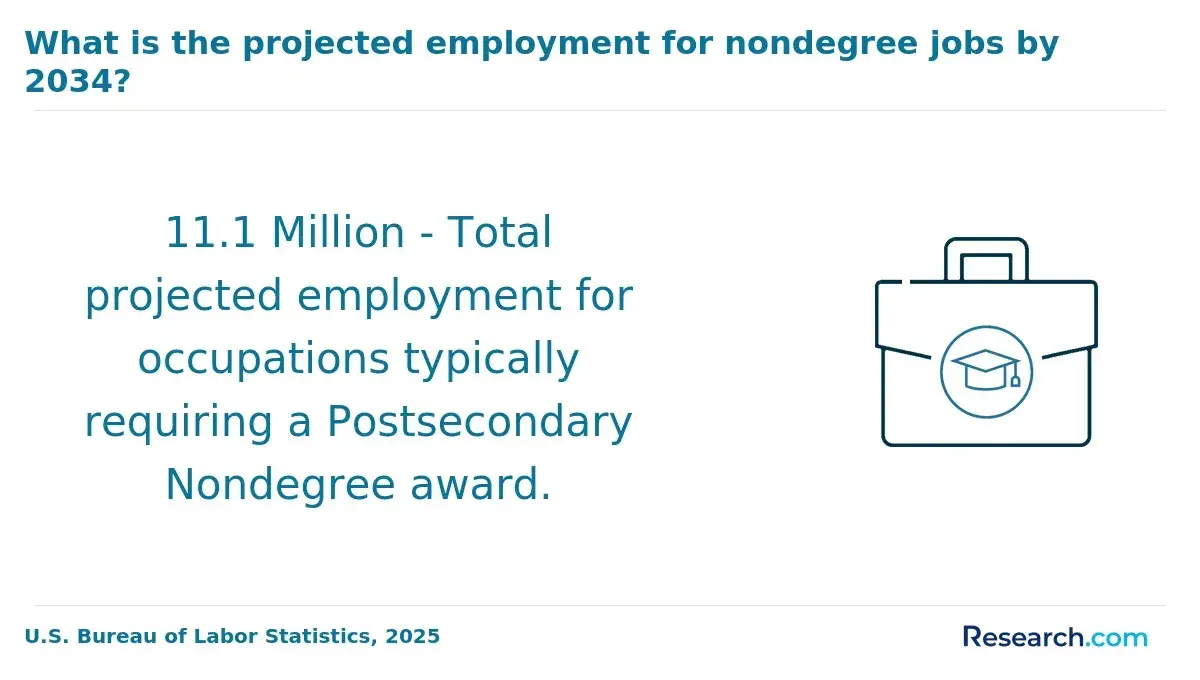
What Do the Bureau of Labor Statistics Job Growth Projections Reveal About the Future of Retail Management Degree Careers?
The Bureau of Labor Statistics projects that several retail management career paths will grow at varying rates over the next decade, compared to the national occupational growth average of about 5% from 2022 to 2032.
Understanding these trends can help professionals align their career choices with expanding sectors and adapt where challenges exist.
- Strong Growth Careers: Roles connected to e-commerce and digital retail operations are expanding rapidly due to the increasing integration of technology in shopping and consumer habits shifting towards online platforms.
- Moderate or Stable Growth Careers: Traditional store management positions remain essential but experience slower growth, tempered by efficiencies and automation improvements that limit job increases.
- Declining or Flat Growth Careers: Entry-level and sales associate roles in physical stores face stagnation or decline as automation and self-checkout systems reduce personnel demand.
- Regional and Sector Variations: These projections reflect broad national data, but local economies, specific retail niches, and geographic demand significantly influence actual opportunities and growth.
A professional who completed a retail management degree shared his perspective on these forecasts, noting the uncertainty encountered early on: "I remember feeling overwhelmed by the shifting retail landscape—I wasn't sure if my skills would stay relevant."
He explained how he navigated this by focusing on digital trends within retail and sought additional training in e-commerce. "It was challenging but worth the effort because those skills opened doors that traditional retail roles couldn't," he said.
This hands-on adaptation to the evolving market underscores how Retail Management graduates can proactively respond to changing career outlooks to build fulfilling, future-proof careers.
Work-life balance is a complex concept captured through specific, measurable indicators including average weekly hours worked, schedule predictability, availability of remote or hybrid work options, paid time off policies, and employee satisfaction ratings from sites like Glassdoor, Indeed, and Payscale.
These metrics offer a detailed understanding of how manageable a retail management role can be, reflecting both quantitative and qualitative experiences.
Profiles of work-life harmony in US retail management jobs show notable differences by career stage and employer type. Entry-level retail supervisors often face unpredictable schedules with frequent weekend and holiday shifts, commonly exceeding 50 hours weekly.
Mid-level store managers generally report more consistent 40-45 hour weeks and greater control over scheduling. Senior roles such as regional directors may have intense workload peaks but benefit from flexible hours and remote work options.
Employer size and sector further influence balance. Larger retail chains tend to offer structured paid leave and hybrid work opportunities, whereas smaller independent stores typically have less formal benefits.
Industry workforce surveys and the BLS American Time Use Survey confirm that early-career professionals bear heavier workloads while those with tenure gain enhanced schedule predictability and time-off advantages.
- Hours Worked: Weekly averages vary widely from 35 to over 50 hours based on role and experience.
- Schedule Predictability: Stability improves from entry-level to managerial positions.
- Remote Work: More common in corporate retail roles; rare for frontline staff.
- Paid Time Off: More robust in larger employers and senior roles.
- Employee Satisfaction: Higher with flexible scheduling and autonomy.
Individuals can actively shape their work-life balance by choosing employers thoughtfully, negotiating work conditions, and selecting career paths deliberately. Viewing balance as an adjustable factor rather than fixed is key for long-term fulfillment in retail management careers.
For students weighing the online psychology degree cost alongside retail management, these insights on work-life balance metrics for retail management careers United States offer a valuable comparison for making informed educational and career choices.
This comprehensive ranking of retail management careers applies an equal weighting to salary, career growth, and work-life balance-three pillars considered equally vital for a rewarding career.
This balanced approach aligns with the values of most graduates seeking competitive pay, upward mobility, and sustainable lifestyle choices. Each role was evaluated across these dimensions, and the aggregate score determined its ranking among peers.
- Category Manager: Leads with strong salary and attractive growth potential, complemented by a moderate work-life balance. It offers notable earning opportunities while maintaining more manageable hours than top executive roles.
- Retail Operations Manager: Combines above-average compensation and solid work-life balance with consistent career advancement, making it ideal for professionals who desire both stability and upward movement.
- Merchandising Manager: Scores highly on career growth and favorable work-life balance, though salary is moderate. This path suits individuals prioritizing steady advancement and reasonable schedules over maximum earnings.
- Store Manager: Features robust salary and growth outlook but demands longer hours, which may impact balance. It remains an appealing first leadership position offering good rewards for effort invested.
- Supply Chain Analyst: Excels in work-life balance and growth prospects, though salary ranks lower relative to peers. Attractive for those who value predictable hours within emerging retail sectors.
- Buyer: Offers steady salary and advancement opportunities alongside a strong balance between professional and personal life, conducive to long-term career sustainability.
- Retail Marketing Specialist: Presents solid growth with a good balance, albeit with modest pay. Suitable for those passionate about retail strategy and maintaining personal time.
Individuals focused primarily on maximizing income might weigh the roles of category manager and store manager more heavily, while those prioritizing lifestyle might favor supply chain analyst or merchandising manager positions. Adjusting these weights allows personalized insight based on unique career priorities.
A professional who built her career after earning a retail management degree reflected on navigating these choices, emphasizing how the equal weighting framework resonated with her experience.
She noted, "Balancing salary with growth and personal time was challenging early on—I had to consider not just the paycheck but how a role fit my lifestyle goals." She described the process of evaluating offers as both complex and eye-opening, realizing the importance of sustainable pacing to avoid burnout.
This perspective highlights how comprehensive rankings can guide graduates and mid-career professionals toward fulfilling roles that align with their personal definitions of success.
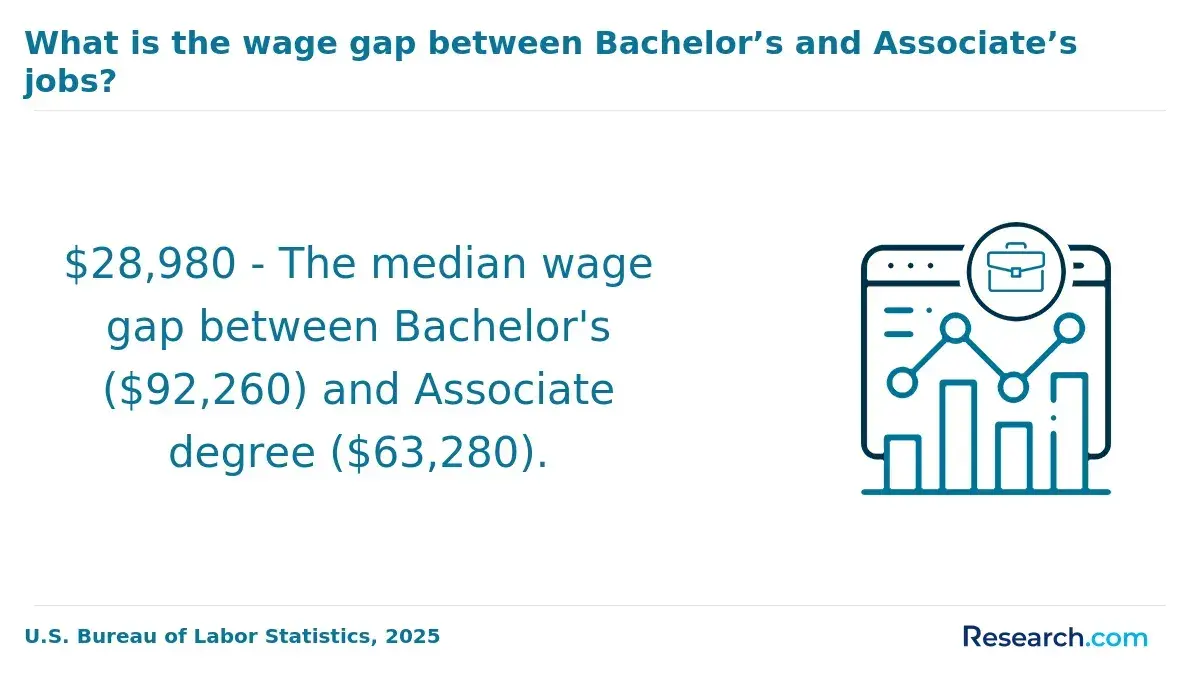
Specializing within retail management shapes outcomes in salary, career progression, and work-life balance more distinctly than a generalist approach. According to BLS data and industry salary reports, focusing on a niche creates varied career paths with unique benefits and compromises.
- Merchandising Management: Tends to offer higher entry salaries due to its direct influence on sales performance. Career advancement is steady but competitive, often tied to successful product campaigns. Seasonal spikes can demand long hours, impacting work-life balance.
- Supply Chain Coordination: Careers in logistics and inventory control show solid growth prospects. Salaries are moderate initially but improve with certifications such as APICS CPIM. These roles usually have regular schedules, promoting better lifestyle stability.
- E-commerce Leadership: One of the fastest-growing areas, it commands premium pay especially in tech-focused firms. The fast-paced environment requires flexibility and often extended hours, which may challenge personal time management.
- Store Operations Management: Offers broad retail skills but typically lower salary levels compared to specialized fields. Growth can plateau earlier, with irregular hours including nights and weekends affecting work-life balance negatively.
- Retail Analytics: Specialists enjoy strong salary potential as data-driven decision-making rises. Career growth is robust and work hours tend to be predictable, supporting a positive lifestyle.
Early decisions-through graduate studies, certifications, or targeted entry roles-significantly influence salary ceilings and advancement. Conversely, generalists who develop broad, strategic skills often surpass narrow specialists in senior roles, capturing higher pay and leadership opportunities.
Notably, retail e-commerce management roles have grown over 15% faster than average recently, emphasizing the value of digital expertise in the industry.
Geographic location significantly influences salary, job growth, and work-life balance for retail management graduates across the U.S., shaped by regional economies, living costs, and employment demand.
- Northeast: Offers relatively high median salaries in major metros like New York City and Boston due to dense retail markets and corporate hubs. However, high housing costs and taxes reduce purchasing power, making mid-sized cities such as Philadelphia or Hartford appealing for better balance.
- Southeast: Characterized by strong employment growth in urban centers like Atlanta and Miami, with moderate salaries and lower living expenses, fostering favorable work-life balance and economic outcomes for many professionals.
- Midwest: Provides steady salary levels combined with some of the nation's most affordable housing markets in cities like Indianapolis and Columbus. Although job growth is slower, work-life balance and retail operations opportunities are typically better.
- Southwest: Includes cities such as Dallas and Phoenix, noted for robust job growth and competitive salaries boosted by population influx and commercial expansion. Despite traffic congestion issues, adjusted incomes often yield strong financial benefits.
- West: High salaries in San Francisco, Los Angeles, and Seattle reflect competitive retail sectors and tech integration, yet very high living costs frequently offset income, requiring nuanced choices between earnings and lifestyle.
Metropolitan areas generally offer elevated salaries but come with greater expenses, often tempering financial advantages. Mid-tier markets tend to balance compensation, housing, and taxes, enhancing disposable income and reducing stress.
Remote and hybrid roles—common in digital merchandising, analytics, and supply chain—have loosened the traditional tie between salary and location. Many professionals now earn wages benchmarked to high-cost cities while living in affordable areas, improving work-life balance and financial stability.
Integrating geographic strategy into career planning is essential. The best location depends on the chosen retail management career path and lifestyle priorities including commute times, community fit, housing affordability, and family proximity. This perspective helps optimize earning potential and long-term wellbeing.
Private sector retail management roles typically offer higher base salaries across all career stages compared to public sector positions. At entry-level, private sector managers often earn 15-25% more than their public counterparts.
This gap widens to 30-40% at mid-level and senior management tiers, especially in large retail chains or specialty sectors. However, total compensation in the public sector is bolstered by defined-benefit pensions, comprehensive health insurance plans, and eligibility for loan forgiveness programs, which can significantly narrow this salary gap.
These benefits contribute to long-term financial security and enhance the overall value of public sector retail management careers, an important consideration for those seeking stability in compensation.
Public sector retail management career growth is focused on agencies prioritizing community development, veteran services, and government-operated retail such as in national parks and transit hubs. These areas experience expansion driven by policies promoting economic revitalization and infrastructure investments.
In contrast, the private sector shows the strongest hiring growth in e-commerce, experiential retail, and sustainable products sectors-fields benefiting from consumer preference shifts and rapid technological innovation.
This creates divergent opportunities for retail management graduates depending on whether they pursue public or private sector paths, with implications for long-term career advancement aligned with the comparative work-life balance in public and private retail management.
Retail management careers in the public sector generally provide better schedule predictability and more generous paid leave benefits compared to private firms. Higher employee satisfaction linked to work-life balance arises from regular hours, union protections, and formal leave policies.
Nevertheless, experiences vary widely within both sectors based on specific roles and agency leadership. Private sector retail managers often face irregular schedules and more stressful work environments, while some public sector positions—particularly field operations-may involve unconventional hours, affecting balance.
For students and professionals exploring these pathways, pursuing a masters in organizational leadership can provide valuable skills to navigate and succeed across these differing retail management career trajectories.
Advanced degrees and certifications play a critical role in boosting salary growth in retail management careers while influencing career growth outlook and work-life balance.
According to data from NACE and the Bureau of Labor Statistics (BLS), each credential type delivers distinct return-on-investment outcomes that professionals should evaluate carefully.
- Master's Degree: Offers a 15-25% salary premium compared to a bachelor's degree. Typically requiring 1-2 years and varying costs, this degree unlocks senior roles like regional manager or director, which demand strategic leadership beyond daily operations.
- Doctoral Degree: Though uncommon in retail management, doctorates support specialized research or academic roles with salary increases over 30%, notably in education or consulting. The 3-5 year time investment and high cost require serious consideration. .
- Professional Certifications: Credentials such as Certified Retail Manager (CRM) or Project Management Professional (PMP) generally require several months of preparation and moderate fees. They tend to provide 10-20% salary raises and enable faster promotions into operational leadership.
- Work-Life Balance Considerations: Advanced credentials frequently open pathways to senior roles offering more control over schedules, enhancing balance. Conversely, certain executive tracks demand longer hours and travel, which may reduce balance while raising earnings.
- Strategic Credentialing: Aligning credential choices with specific career goals is essential-select a master's for growth and autonomy, certification for operational leadership. Avoid accumulating qualifications without purpose to maximize return on investment.
For those exploring credential options or seeking to balance advanced education with career demands, programs like online mental health counseling masters offer examples of how specialized master's degrees can be completed efficiently.
Understanding these credential impacts is especially valuable for anyone evaluating how advanced degrees for retail management professionals affect their overall career trajectory.
Remote and hybrid work options are increasingly shaping career landscapes across retail management roles, though availability varies widely. Positions such as store managers and operations supervisors typically require a steady in-person presence due to the nature of frontline responsibilities.
Conversely, many corporate retail management jobs-especially in merchandising, analytics, and e-commerce-offer greater location flexibility, with about 30% of professionals in these roles working hybrid or fully remote, according to Owl Labs' 2023 State of Remote Work report.
- Salary: Retail management roles allowing remote work generally offer salaries on par with in-person positions. Professionals working remotely for employers based in high-cost metropolitan areas can benefit from geographic arbitrage-earning metropolitan wages while residing in lower-cost regions, increasing their real income.
- Career Growth: Advancement in remote retail management can initially suffer due to less direct visibility. Nonetheless, as hybrid work becomes standard in areas like digital marketing and supply chain management, this effect is diminishing. In-person roles still provide advantages via direct store interaction and organic networking.
- Work-Life Balance: Remote and hybrid schedules typically improve work-life balance by eliminating commutes, allowing flexible hours, and granting autonomy. Challenges exist, such as blurred boundaries and expectations of near-constant availability.
Hybrid job postings in retail management have surged nearly 25% year-over-year, reflecting rising demand for flexibility and underscoring location considerations as pivotal in career planning for professionals in this field.
Certain retail management careers strike a strong balance between salary, career progression, and work-life quality-standing out in employee satisfaction surveys from Glassdoor, PayScale, and the BLS American Time Use Survey.
These roles tend to offer structured environments and realistic workload expectations, making them appealing for those seeking long-term stability without sacrificing growth or compensation.
- Store Manager: Usually working for national or regional chains, store managers earn competitive pay and benefit from clear advancement tracks. Their schedules are often predictable, supported by team delegation and more manageable hours in smaller store formats, which help maintain a healthier work-life rhythm.
- Regional Retail Manager: Responsible for multiple locations, these managers command higher salaries that reflect their broader duties. Flexible travel routines, combined with occasional remote work options, aid in balancing professional demands.
- Merchandise Planner: Focused primarily on inventory and sales analytics rather than direct personnel oversight, these planners typically experience less frontline stress. Operating within standard office hours, often in e-commerce or specialty retail firms, this role offers both a balanced schedule and promising growth potential.
Personal work-life balance may vary based on company culture and team dynamics, so it is important to use these assessments as a guide rather than definitive guarantees.
A 2023 survey found that over 60% of retail managers highlighted flexible scheduling as crucial to job satisfaction, emphasizing the value of choosing employers who prioritize work-life harmony.
What Graduates Say About the Retail Management Degree Careers Ranked by Salary, Growth, and Work-Life Balance
- Aimee: "Completing a retail management degree opened my eyes to the strong salary potential in this field-many roles offer competitive pay early on. What stood out most was the realistic long-term career growth, especially when you're willing to take on leadership challenges and expand your skill set. Day-to-day, the work-life balance was more manageable than I anticipated, giving me time for personal pursuits outside the office."
- Richard: "Looking back, I appreciate how the retail management degree prepared me for the nuanced realities of the profession. While the salaries may start modestly, the trajectory for career advancement is promising if you stay committed. Balancing work with life can be demanding, but the experience taught me to prioritize effectively and maintain my well-being-a crucial insight for anyone in this line of work."
- Steve: "From a professional standpoint, retail management careers offer a unique blend of rewarding financial incentives and significant upward mobility. The salary figures improve substantially with experience and specialization, which reflects the field's dynamic nature. However, the most valuable takeaway for me was learning how to navigate day-to-day work-life balance-mastering this has been key to sustaining long-term success."
Other Things You Should Know About Retail Management Degrees
In 2027, entry-level retail management positions typically offer lower salary ranges but provide robust growth opportunities, with annual earnings around $45,000 to $60,000. Conversely, senior-level roles command higher salaries, often exceeding $100,000, but may involve more responsibilities and affect work-life balance due to increased demands.
The industry sector plays a crucial role in shaping salary, growth, and work-life balance for retail management graduates. Sectors like luxury goods and technology retail usually offer higher salaries and faster growth but may require more demanding schedules. Conversely, grocery and discount retail sectors might provide steadier hours and better work-life balance, though typically with lower pay and slower career progression.
The NRF Retail Industry Fundamentals Certificate and a bachelor’s degree in retail management or business are common credentials for assistant manager and store manager roles. Employers also value Lean Six Sigma or supply-chain certificates for district and operations jobs, which can improve salary potential and advancement speed.
- The Role of Advanced Degrees in Fast-Tracking Career Progression https://debrasmouse.com/the-role-of-advanced-degrees-in-fast-tracking-career-progression/
- Employment statistics for graduates: how country and major shape your career - GLOSS Education Agency https://gloss.education/en/blog/employment-statistics-for-graduates-how-country-and-major-shape-your-career
- the public sector is a more attractive employer than the private sector https://www.randstad.be/en/public-sector-a-more-attractive-employer-private-sector/
- What drives the geography of new graduates? - Centre for Cities https://www.centreforcities.org/reader/great-british-brain-drain/drives-geography-new-graduates/
- Retail Manager - The Career Project https://www.thecareerproject.org/career/retail-management/
- Bringing Candidates and Companies Together https://gablessearch.com/the-impact-of-location-on-your-job-search-destiny/
- Mastering the Modern Workplace: How Retail Environment Candidates Can Thrive in Remote, Hybrid, and On-Site Roles - Glencourt Associates https://glencourtassociates.com/mastering-the-modern-retail-environment-workplace-how-you-can-thrive-in-remote-hybrid-and-on-site-roles/
- CIPD | Flexible and hybrid working practices in 2025 https://www.cipd.org/en/knowledge/reports/flexible-hybrid-working/
- The Rise of Hybrid Work: Redefining Work-Life Balance https://blog.radancy.com/2025/02/06/the-rise-of-hybrid-work-redesigning-work-life-balance/
- Highest Paying Retail Jobs [Six Figure Jobs] | Retail Dogma https://www.retaildogma.com/highest-paying-retail-jobs/