2027 Best Career Pivot Options for People With a Retail Management Degree

Co-Founder and Chief Data Scientist
Graduates with a retail management degree often face the challenge of identifying viable career pivots-especially when their current roles offer limited growth or fulfillment. Despite acquiring skills in leadership, customer relations, and operations, many struggle to translate these competencies into new industries.
Notably, 68% of retail management degree holders report difficulty in framing their resumes to attract employers outside retail sectors. This gap limits access to high-growth fields such as supply chain analytics, digital marketing, and human resources. This article explores actionable strategies to leverage transferable skills, pursue accessible entry-level roles, optimize credentialing, and enhance networking, enabling confident, long-term career transitions.
Key Things to Know About the Best Career Pivot Options for People With a Retail Management Degree
- Leveraging transferable skills, such as customer analytics, inventory oversight, and team leadership, enables entry into roles like supply chain coordination and business analysis within high-growth sectors like e-commerce and logistics.
- Entry-level pivot roles often require credential augmentation; certifications in project management or data analytics enhance competitiveness, complemented by strategic networking through industry associations focused on retail technology and operations.
- Resume reframing that highlights quantitative achievements, sales growth, or process optimization, combined with targeted LinkedIn engagement, significantly improves long-term career outcomes in fields ranging from consulting to digital marketing.
What Career Pivot Options Are Available to People With a Retail Management Degree?
Career pivoting is increasingly common and professionally legitimate as the labor market evolves. Bureau of Labor Statistics data confirm that changing occupational fields remains a persistent pattern across multiple sectors. The National Association of Colleges and Employers (NACE) highlights that graduates and mid-career professionals alike prioritize transferable skills over linear job trajectories, making degrees with broad applicability especially valuable.
A retail management degree exemplifies such versatility, providing competencies in leadership, customer service, inventory control, and data analysis that apply across diverse industries. Retail management degree holders often discover alternative career paths after their retail management degree, finding their skills relevant to numerous professional avenues. LinkedIn Workforce Insights reflects ongoing labor market demands and popular career pivot options for retail management degree holders, including:
- Supply Chain and Logistics: Managing product flows, vendor relationships, and inventory optimization prepares graduates for expanding roles in this high-growth sector.
- Sales and Business Development: Customer engagement and sales expertise enable effective performance in positions focused on revenue growth and network expansion.
- Marketing and Brand Management: Understanding consumer trends and retail dynamics supports successful transitions into creative campaign planning and market analysis roles.
- Human Resources and Training: Experience with workforce management and employee development in retail settings equips graduates for recruiting and HR positions.
- Entrepreneurship and Small Business Management: Skills in budgeting, operations, and customer relations foster the ability to start or manage small businesses effectively.
These pathways leverage core skills from retail management-problem-solving, communication, and strategic planning-while allowing specialization based on interest and opportunity. The following sections will explore credentialing strategies, accessible entry roles, networking approaches, and resume reframing to support a deliberate and informed career pivot.
Far from a limiting credential, a retail management degree provides a strong foundation for meaningful professional growth rather than reactionary change. For those considering how these pivot paths fit into broader career planning, consulting top degrees for the future offers valuable insights into the evolving educational landscape.
Which Industries Outside the Traditional Retail Management Field Hire Retail Management Degree Holders?
Retail management degree holders possess versatile skills that extend well beyond traditional retail environments. Labor market data from BLS Occupational Employment and Wage Statistics, combined with analytics from Lightcast and LinkedIn Talent Insights, highlights several industries that consistently hire retail management degree graduates due to overlapping competencies in operations, customer engagement, and team leadership, key elements of career opportunities outside traditional retail management.
- Wholesale and Distribution: High demand here stems from expertise in inventory control, supply chain coordination, and vendor relations. Roles such as operations coordinator and logistics supervisor frequently seek retail management graduates, making their credentials highly relevant.
- Hospitality and Food Services: Supervisory and operational roles in hotels, restaurants, and catering align well with retail management skills, especially in customer experience and staff management. Though candidates must often frame their experience toward hospitality standards, hiring managers recognize the credential's value.
- Financial Services: Banks, insurance firms, and financial advisors hire retail management holders for client relations, branch management, and sales, emphasizing leadership and customer retention skills over technical finance expertise.
- Consumer Goods Manufacturing: Brand management and sales operations roles benefit from graduates' insights into consumer behavior and merchandising, with hiring success linked to candidates emphasizing product placement and market analysis experience.
- Technology and E-commerce: The growth of online retail sectors offers roles in customer success, account management, and operations. Here, credentials paired with digital literacy and data analytics are favored.
- Healthcare Administration: Although less directly connected, patient services coordinator and operations assistant roles exist for retail management graduates who combine their credentials with targeted healthcare knowledge.
- Nonprofit and Community Services: Some programs and volunteer management openings value transferable skills in resource and team leadership, even if retail management credentials are less commonly a direct pipeline.
Differences between industry-switching and role-switching are vital: entering a new sector while maintaining a familiar function, such as operations or communications, often involves lighter credential requirements than transitioning into entirely new roles. Retail management graduates should strategically pursue lateral pivots within their competency areas to optimize transition outcomes.
Conducting informational interviews with retail management degree holders already established in adjacent industries is an invaluable strategy. These conversations clarify employer expectations, help tailor resumes effectively, and assist in identifying companies that value retail management credentials. Leveraging this approach turns a broad industry overview into a focused, personalized list of target employers to advance a successful career pivot.
For those exploring further education paths that could complement a retail management background or support transitions into new sectors, investigating LMFT programs offers additional professional flexibility and expanded career possibilities.
What Transferable Skills Does a Retail Management Degree Provide for Career Changers?
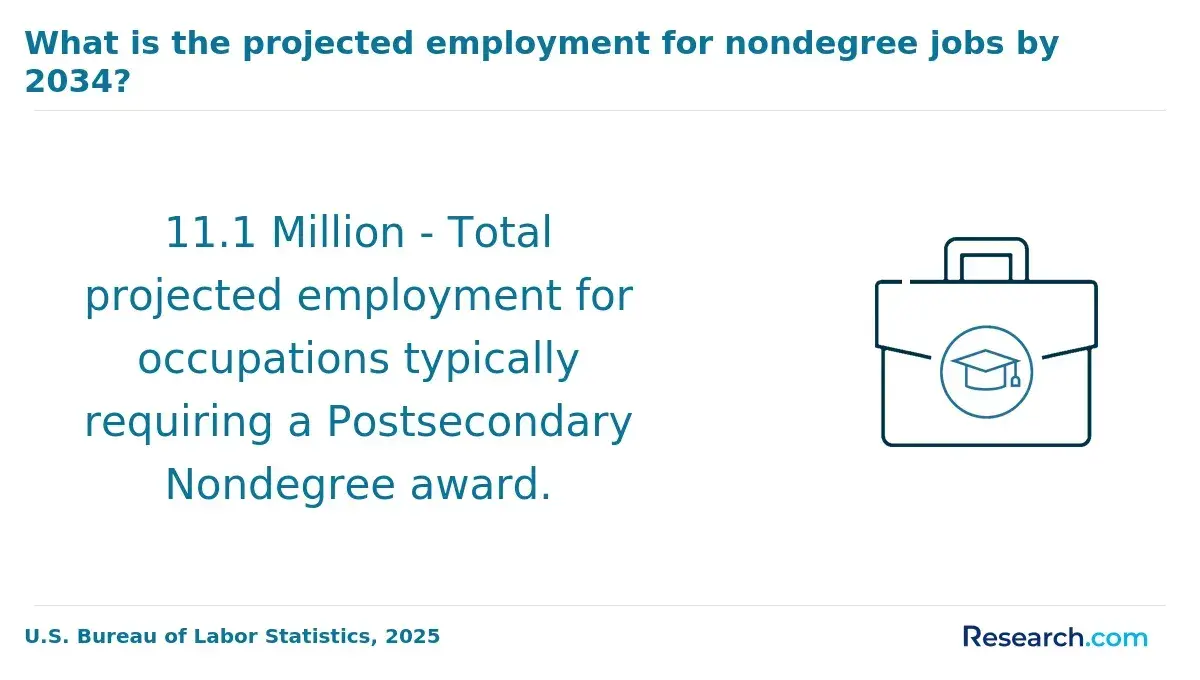
A degree program equips career changers with a versatile set of analytical, research, and problem-solving skills that can be applied across a wide range of industries. It also develops competencies in data interpretation, critical thinking, and professional communication.
- Leadership and Team Management: Retail management programs hone skills in supervising diverse teams, resolving workplace conflicts, and inspiring motivation. These abilities transfer directly to project management, nonprofit leadership, and human resources roles where guiding people and fostering collaboration are paramount.
- Customer Service and Communication: Training emphasizes understanding client needs and effective interpersonal communication. Graduates apply these competencies in client relations, sales consultancy, and community outreach fields requiring empathy and clear, persuasive dialogue.
- Data Analysis and Inventory Management: Interpreting sales trends and managing stock cultivates analytical thinking and quantitative skills. Such expertise is essential in supply chain logistics, market research, and financial analysis jobs demanding data-driven strategies.
- Marketing and Sales Strategy: Crafting promotional campaigns and interpreting consumer behavior provide grounding for careers in digital marketing, advertising, and brand management, where influencing target audiences is crucial.
- Problem-Solving and Adaptability: The fast-paced retail environment develops rapid decision-making and flexibility skills. These are valuable for consulting, operations, and entrepreneurial ventures that require innovative thinking and resilience.
- Financial Acumen: Budgeting, pricing, and cost control fundamentals support roles in corporate finance, nonprofit administration, and budgeting analysis, where stewardship of resources is critical.
- Technology Utilization: Proficiency with retail software and point-of-sale systems builds technical literacy applicable in business analytics, IT support, and e-commerce management.
Job seekers should actively map their academic work, internships, and projects to these competencies to demonstrate relevance beyond retail. For example, a customer satisfaction survey project could showcase user experience research skills. Mastering the art of communicating these transferable skills through resume framing and targeted networking ensures hiring managers recognize their potential in new fields rather than overlooking them.
A professional who completed a retail management degree described his transition as "challenging but eye-opening." He recalled moments of uncertainty when translating retail jargon to hiring managers unfamiliar with the sector. "It wasn't just about listing duties-I had to tell the story behind my experiences." He found that systematically identifying specific skills from coursework and internships made conversations with prospective employers more confident and productive.
Employers in adjacent fields typically evaluate a crime analysis degree based on how well its skills and training align with their specific job requirements. They often focus on the candidate’s analytical abilities, practical experience, and transferable competencies rather than the degree title alone.
- Credential Translation: Hiring managers outside traditional retail fields often encounter challenges interpreting a retail management degree's value. This process-credential translation depends on how well candidates highlight universally transferable skills such as team leadership, data analysis, and customer engagement. Graduates can improve their appeal by tailoring resumes to emphasize these competencies, selectively including project portfolios, and drafting cover letters that clearly connect their retail management experience to the target industry's needs. This strategic reframing helps bridge gaps and eases employer unfamiliarity, an important factor for those exploring career shifts in adjacent sectors.
- Degree Type and Employer Preferences: Data from SHRM and NACE indicate that degree level (bachelor's vs. associate) typically outweighs institution prestige in early screening. Small and medium-sized companies prioritize practical skills and experience over school reputation, whereas larger firms often apply automated filters emphasizing GPA and degree alignment. Understanding these dynamics allows retail management degree holders to better position themselves depending on organizational size.
- Degree Relevance and GPA Considerations: While relevance to the role remains crucial, some hiring managers moderately weigh GPA, especially in competitive markets. Candidates who demonstrate strong transferable skills or hold relevant certifications can offset less directly related academic backgrounds. Clearly articulating applicable coursework and internships related to adjacent industries supports a smoother evaluation process and addresses concerns over retail management degree value in adjacent industries.
- Implicit Bias and Cross-Disciplinary Challenges: Some recruiters may instinctively discount retail management credentials in favor of business, marketing, or finance majors when sourcing candidates for traditional roles. To overcome this bias, graduates should invest effort in employer research, build networks to foster personal connections, and showcase targeted skills to position their background as an advantage rather than a limitation.
- Strategic Employer Targeting: Prioritizing firms with proven records of cross-disciplinary hiring-identifiable through LinkedIn alumni engagement, employee spotlights, and recruitment materials-can ease entry into new sectors. Early roles with these employers provide concrete proof of cross-sector capabilities, enhancing credibility for future applications to more conventional organizations. For those exploring digital and creative pivots, considering programs like the online game design degree may also broaden opportunities.
Career pivots for retail management graduates often begin in functional areas where their skills translate readily, operations, communications, data analysis, policy, sales, and product support. Each of these roles leverages distinct competencies honed during retail management studies and internships, enabling rapid adaptation and progression.
- Operations Coordinator: Manages daily workflows, logistics, and process improvements. Required skills include time management, problem-solving, and familiarity with inventory systems. Reporting usually occurs to supply chain or operations managers. Coursework in forecasting, team coordination, and resource allocation strengthens candidacy.
- Communications Specialist: Develops messaging, handles social media, and supports marketing efforts. Success depends on strong written/verbal communication, creativity, and brand awareness. Collaboration with marketing leadership is common. Training in customer engagement and promotional strategies fuels quick effectiveness.
- Data Analyst (Entry-Level): Focuses on gathering and interpreting sales data to guide decisions. Analytical thinking and proficiency in spreadsheets and visualization tools are essential. Typically reports to analytics teams. Exposure to retail metrics and performance evaluation provides a solid entry point.
- Policy Assistant: Supports compliance reviews, policy drafting, and regulatory research. Attention to detail, legal basics, and documentation skills are key. Reporting lines often lead to policy or legal managers. Education emphasizing ethics and regulatory compliance aids readiness.
- Sales Representative: Engages clients, negotiates deals, and meets sales targets. Strong interpersonal skills, persistence, and product knowledge are necessary. Reports to sales supervisors or managers. Insight into consumer behavior and sales tactics enhances competitiveness.
- Product Assistant: Assists in product development, market research, and cross-functional coordination. Organization, research skills, and product lifecycle understanding matter. Typically reports to product managers. Merchandising and consumer analysis coursework support role effectiveness.
Data consistently show retail management degree holders progress from entry to mid-career roles 20-30% faster than peers lacking such credentials, even outside traditional retail paths. This advantage stems from transferable leadership, analytical, and strategic skills acquired during education and internships, enabling graduates to avoid the common "starting over" trap.
Choosing the right pivot role means assessing alignment with personal strengths, compensation expectations, growth potential, and long-term career objectives. Prioritizing roles that serve as deliberate stepping stones, rather than fallback options, helps graduates build fulfilling, sustainable career trajectories.
One professional in retail management shared her experience navigating entry-level roles after graduation. Though initially uncertain about diverging from traditional retail, she found that emphasizing her project management and analytic skills opened doors in operations and product support.
She recalls feeling challenged but empowered as she reframed her resume to highlight relevant coursework and internships, transforming perceived gaps into evidence of adaptability. Her progression accelerated once she consciously targeted roles aligned with both her competencies and aspirations, illustrating how thoughtful role selection can shape a successful pivot story.
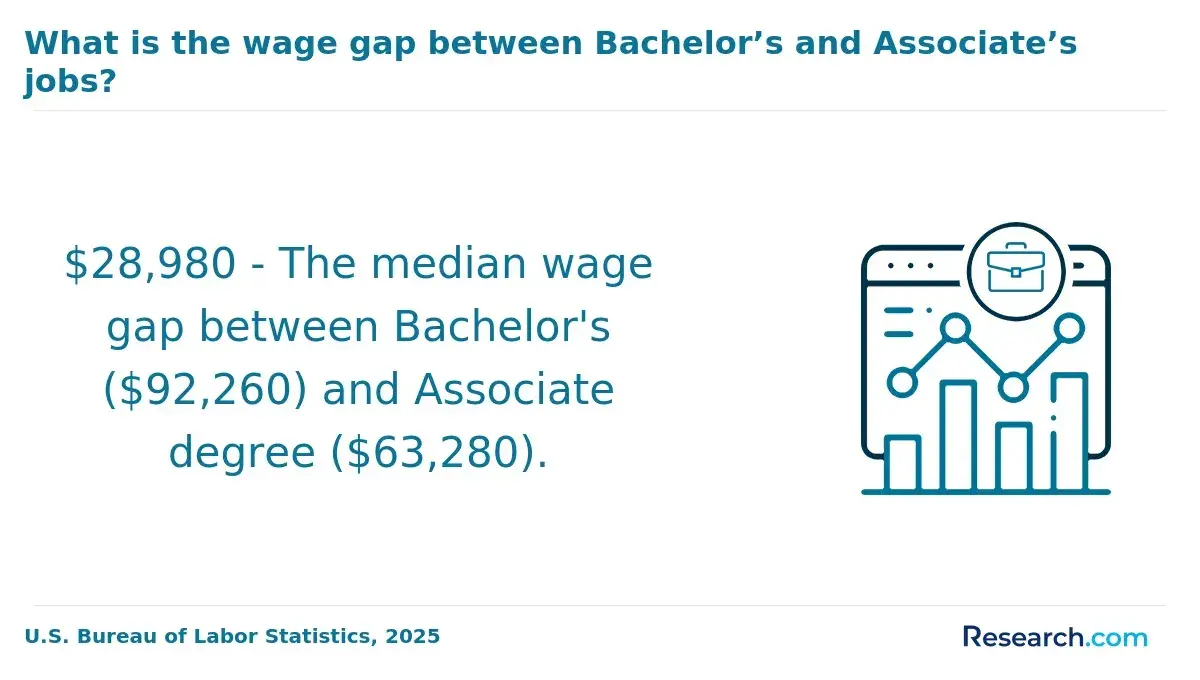
Graduates with retail management backgrounds often find higher earning potential outside the traditional retail sector. Early-career salaries in retail management typically range between $45,000 and $65,000, growing to roughly $70,000 to $90,000 mid-career. Yet, certain pivot paths deliver considerably greater remuneration due to industry profit margins, skill applicability, and incentive structures.
- Financial Services: Retail management skills like client relations and risk evaluation translate well here, with starting salaries usually between $60,000 and $75,000 and mid-career pay reaching $90,000 to $130,000. Additional compensation frequently includes bonuses, profit-sharing, and retirement plans, while credentials in financial planning can speed advancement.
- Management Consulting: Professionals shifting to consulting earn early-career wages from $65,000 to $85,000, rising beyond $120,000 mid-career. This field values strategic problem-solving and analytical abilities nurtured in retail roles. Equity stakes and year-end bonuses are often part of compensation packages, though entry demands strong credentials and networking.
- Enterprise Technology Sales and Product Management: Those adept in customer insights and market alignment often begin around $70,000 to $90,000, with mid-career salaries exceeding $130,000 plus stock options. These roles typically come with robust benefits and flexibility, but require technical proficiency and familiarity with SaaS platforms.
- High-Growth Startups: Base salaries vary widely, but equity and performance incentives present opportunities for outsized financial gains. Experience in scaling customer-centered operations is prized, though these roles involve higher risk and longer timelines before significant returns.
Lower-paying sectors, such as nonprofits or government, tend to offer less cash compensation but may provide other valuable benefits. Understanding how profit margins, revenue dynamics, and investment in employee growth influence pay differences is essential for evaluating offers.
Graduates must assess total compensation beyond base salary. Bonuses, equity awards, retirement matching, health benefits, training budgets, and remote work options all affect the actual value of a position and should be factored into comparisons.
Ambitious pivots with higher financial rewards often demand substantial upfront investments, be it additional certifications, extended skill-building, or broad professional networking. Weighing these preparation costs against potential earnings helps ensure informed, realistic career decisions that align with both goals and resources.
The evolving global economy has fueled robust growth in sectors seeking professionals with retail management expertise, skills centered on customer focus, operations, and team leadership. This makes retail management graduates particularly competitive in areas beyond traditional retail roles.
- Technology Services: E-commerce, SaaS, and digital customer experience firms require managing customer journeys, inventory coordination, and cross-functional teams. Retail management competencies in operational efficiency and agility offer clear entry paths in product management, customer success, and operations roles.
- Healthcare Administration: Aging populations drive demand for roles in patient services, resource allocation, and healthcare facility management. Retail management graduates bring valuable experience in staff coordination and customer communication, crucial to healthcare operations.
- Logistics and Supply Chain: The surge in global trade and online commerce increases demand for supply chain analysts and logistics coordinators. Emphasis on inventory control, demand forecasting, and vendor relations in retail management aligns directly with logistics roles in fast-growing firms prioritizing process optimization.
- Financial Services: Fintech and retail banking sectors seek professionals adept at client relationship management and sales. Skills in customer engagement and sales analytics position retail management graduates well for business development, branch management, and advisory roles.
- Renewable Energy: Expansion in green energy opens roles in project coordination and stakeholder communication. Competencies in budgeting and operational management from retail management degrees equip candidates to handle the complexity of these roles in adaptive organizations.
High-growth companies, often startups or scale-ups, tend to prioritize proven operational skills and learning agility over rigid credentials, making them more accessible to career-pivoting retail management graduates. To identify and approach these employers, graduates should tailor resumes to highlight transferable competencies and leverage networking avenues like LinkedIn groups focused on sector trends, industry meetups, and professional associations.
Graduate certificates offer retail management degree holders an efficient route to pivot careers by supplementing existing knowledge with high-demand, specialized skills. Unlike full degree programs, they typically require six months to a year to complete and cost significantly less, making them attractive for professionals seeking rapid upskilling or reskilling. This flexibility is a key benefit for retail management graduates looking to enhance career pivots without multi-year commitments.
Data from the National Center for Education Statistics (NCES) reveals a 22% increase in graduate certificate enrollments over five years, demonstrating their rising appeal as flexible, practical credentials. The American Council on Education emphasizes that not all certificates hold equal value; career benefits depend on factors like program accreditation, employer recognition, and verified alumni success. Graduate certificates differ from advanced degrees by focusing primarily on applied skills rather than broad theory.
Common certificate categories pursued by career-pivoting retail management graduates include data analytics, project management, financial analysis, UX research, nonprofit management, and public health. Labor market data indicate that certificates in project management and data analytics tend to yield the highest salary premiums, averaging 8% to 15% increases, while nonprofit management and public health certificates improve hiring prospects in specialized sectors, albeit with lower pay differentials.
Addressing credential inflation is vital-simply collecting certificates does not guarantee advancement. Prospective learners should assess programs based on four key factors: accreditation by recognized bodies, employer demand and reputation, tangible alumni career outcomes, and cost relative to expected benefit. This framework helps avoid investing in low-value credentials.
Strategically timing certificate acquisition can enhance career pivot success. Completing a certificate before applying can clear a credential barrier, pursuing one during job searches signals commitment, and obtaining certificates post-placement supports continuing education. Career changers can tailor their approach based on individual financial resources, timing pressures, and target industry requirements.
For those considering broader technology and finance-related pivots, exploring specialized credentials like a blockchain master's degree may also complement graduate certificate benefits for retail management degree holders seeking to expand into high-growth sectors.
Academic credentials primarily demonstrate foundational knowledge through degree programs, while professional certifications function as crucial labor market signals, conveying current expertise, commitment, and specialized skills recognized beyond the retail management sector. For career-pivoting retail management degree graduates, these certifications offer tangible proof of relevant qualifications, often creating a meaningful competitive advantage when aligned with industry expectations.
Conversely, generic certifications not closely tied to the target field's requirements tend to have less impact on hiring outcomes. Identifying the most relevant certifications is essential in credential strategies to support a retail management career transition. Among the top certifications are:
- Project Management Professional (PMP): Requires 3-5 years of project management experience and 35 hours of formal education; exam preparation typically spans 3-6 months; costs approximately $400-$555; valued for project coordinator and operations manager roles.
- Certified Analytics Professional (CAP): Requires a degree and related analytics experience; exam preparation takes several months; fees range from $495 to $695; suited for data analyst and business intelligence positions.
- SHRM Certified Professional (SHRM-CP): Combines education with HR-related work experience; preparation usually 2-4 months; costs about $300-$400; ideal for HR generalist and talent acquisition roles.
- Salesforce Administrator: No formal experience required to attempt the exam; preparation about 1-3 months; exam fee near $200; key roles include CRM administrator and customer success manager.
Before investing time and resources, prospective pivoters should extensively scan job listings in their target roles, analyze LinkedIn profiles of successful professionals, and conduct informational interviews to assess which certifications genuinely influence hiring. This research ensures certification efforts align with employer demand and facilitates smarter credential decisions.
Strategically sequencing certification pursuit within a broader career pivot timeline further enhances outcomes. Referencing in-progress certifications on resumes and during interviews signals active development and dedication-strengthening credibility before official certification is earned. This approach complements transferable competencies and supports more effective resume reframing for alternative professional pathways.
For those considering broader educational options alongside certifications, exploring accredited online speech pathology programs provides additional flexible career avenues with recognized credentials.
The gig economy's 35% growth in freelance labor in the U.S. in 2025 offers fertile ground for retail management graduates seeking career pivots through freelance and contract roles. Platforms like Upwork and Fiverr reveal accessible freelance categories ideal for retail management skills, content creation, market research, data handling, virtual assistance, communications consulting, and project coordination.
Each category helps build a tangible portfolio showcasing expertise in consumer insights, analytics, organization, and client relations, enhancing credibility for future full-time transitions.
- Content Development: Crafting marketing materials and social media content that demonstrate a grasp of customer behavior and brand communication.
- Research: Leveraging retail analytics to perform market or competitor analysis, producing data-driven reports.
- Data Entry and Analysis: Remote management of sales or inventory datasets, proving accuracy and quantitative skill.
- Virtual Assistance: Handling administrative duties such as scheduling, tapping into operational and interpersonal strengths.
- Communications Consulting: Advising small businesses on customer engagement strategies rooted in retail experience.
- Project Coordination: Overseeing timelines and supplier relations, reflecting retail management's operational core.
Starting a freelance career requires choosing platforms aligned with pivot goals and presenting services that emphasize transferable credentials. Early freelancers often set competitive rates under market averages to build references and reviews, positioning a retail management degree as a distinct advantage by highlighting consumer understanding and stakeholder management.
Successfully completed projects translate into résumé assets that validate industry knowledge and dedication. This pathway suits those with adequate financial cushioning and tolerance for income fluctuation; regulated or certain government sectors may lack freelance opportunities, necessitating other pivot methods. For eligible professionals, freelancing expedites establishing cross-sector credibility, accelerating the shift to new career domains.
For retail management graduates pivoting careers, intentional networking is crucial, especially since connections in new fields are often limited. Research from Harvard Business Review and MIT Sloan Management Review, along with labor market sociology, shows that "weak ties" or acquaintances often unlock hidden job opportunities more effectively than close contacts.
Referral hiring further emphasizes how cultivated relationships boost success during career transitions. Five proven networking strategies stand out:
- Alumni Network Activation: Connect with retail management alumni who have transitioned to your target industry. Approach them with specific questions about their path and seek insights rather than generic advice.
- Professional Association Entry: Join relevant associations to attend field-specific events and webinars, enabling direct access to practitioners and current industry knowledge.
- Informational Interview Campaigns: Request brief, structured conversations using clear language that reduces imposter syndrome, for example, "I'm exploring a shift from retail management and would value 20 minutes to learn about your role."
- LinkedIn Strategic Connection-Building: Send personalized, concise messages referencing shared groups or recent posts, like "I admire your work in [field] and would appreciate connecting to learn about career paths from retail management."
- Community of Practice Engagement: Actively participate in informal groups or online forums to contribute insights and build credibility beyond passive observation.
Common anxieties, such as fear of rejection and discomfort promoting oneself, can be eased by rehearsing conversation scripts and viewing networking as mutual knowledge exchange rather than sales. Establish a weekly routine with measurable goals, like reaching out to three new contacts and following up, turning networking into an ongoing career development habit. LinkedIn reports 85% of jobs are filled through networking, underscoring its importance for career changers.
What Graduates Say About the Best Career Pivot Options for People With a Retail Management Degree
- Trace: "Completing my retail management degree opened my eyes to how transferable competencies like customer service and team leadership can be leveraged outside traditional retail settings. I found accessible entry-level pivot roles in sales operations that perfectly matched my skill set. These roles offered a smooth transition while allowing me to build sector-specific knowledge. For anyone considering a change, focusing on networking is essential-attending industry meetups connected me with mentors who truly shaped my long-term career outcomes."
- Sutton: "Reflecting on my journey, I realized that resume reframing was a game-changer when stepping into new opportunities after retail management. Highlighting problem-solving and inventory management skills in a way that resonated with high-growth sectors like e-commerce helped me stand out. Credential strategies, such as obtaining a supply chain certification, enhanced my credibility and opened doors I hadn't imagined before."
- Ezekiel: "My experience with a retail management degree has taught me to be strategic about career pivots, especially by targeting industries undergoing rapid expansion. I focused on high-growth sectors such as technology-driven retail platforms, where my experience in customer engagement translated well. Additionally, building a robust professional network through online platforms diversified my prospects and positively influenced my long-term career outcomes."
Other Things You Should Know About Retail Management Degrees
Retail management degree holders should emphasize transferable skills such as leadership, customer relationship management, and inventory control when reframing their resumes. Highlighting achievements in optimizing operations or improving sales can demonstrate business acumen valuable in many industries. Using action-oriented language to showcase problem-solving and team management increases appeal to hiring managers outside traditional retail roles.
Inventory control, vendor coordination, forecasting, and team scheduling transfer directly to supply chain jobs. Employers often look for proficiency with ERP systems such as SAP or Oracle, plus knowledge of warehouse metrics like fill rate, on-time delivery, and stock turnover.
Graduate programs offer retail management graduates a structured path to acquire specialized knowledge and credentials relevant to new career areas. Pursuing an MBA or a master's in supply chain management, marketing, or data analytics can expand professional opportunities and signal a commitment to a career change. Graduate studies also provide access to alumni networks and internships, which support entry into competitive fields.
- Transferable Skills From Retail Management To Corporate Jobs. How He Moved https://businesstaxhub.us/transferable-skills-from-retail-management-to-corporate-jobs/
- Career after Retail: Where to Apply Your Management Experience https://www.spiceandtea.com/blogs/franchising/career-after-retail
- What Can You Do With a Retail Management Degree? (Careers) https://www.allbusinessschools.com/specialties/retail-management-career/
- Your Guide to Retail Career Paths https://zacharydaniels.co.uk/your-guide-to-retail-career-paths/
- The importance of professional certificates in the labor market with the Institute for Total Development of Training https://mdit.edu.sa/en/blog/the-importance-of-profe-ional-certificate--in-the-labor-market
- 10 retail skills that are transferable life skills https://www.upskilled.edu.au/skillstalk/retail-skills-are-transferable-life-skills
- How professional certifications are reshaping modern career development - AZ Big Media https://azbigmedia.com/business/how-professional-certifications-are-reshaping-modern-career-development/