2027 Retail Management Degree Careers Ranked by Stress Level, Salary, and Job Stability

Co-Founder and Chief Data Scientist
Choosing a career path in retail management often involves balancing trade-offs between salary, stress, and job stability. A recent graduate may question whether pursuing a high-level buyer or merchandising director role justifies the increased pressure and long hours, especially since 60% of retail management graduates report significant workplace stress.
Retail environments range from fast-paced stores to corporate offices, each imposing unique demands and rewards. While some positions offer lucrative earnings, others provide steadier schedules and long-term security. This article ranks retail management careers by stress level, salary, and job stability to provide clear guidance for students and professionals navigating these critical decisions.
Key Things to Know About Retail Management Degree Careers Stress Level, Salary, and Job Stability
- Stress levels vary widely; entry roles often feature high customer interaction stress, while senior positions face strategic pressures affecting long-term well-being and job satisfaction.
- Earning potential generally increases with management responsibility, with mid-level managers earning around $50,000 annually and executives surpassing $90,000, influencing career aspirations.
- Job stability depends on sector and company size; larger retailers offer more security, while startups may provide growth but less predictability, impacting career decisions for graduates.
What Are the Least Stressful Jobs for Retail Management Graduates?
Stress levels can vary widely across careers available to retail management graduates, largely depending on the nature of job responsibilities and work environment stability. Roles with predictable workflows and structured schedules tend to reduce daily pressures, supporting greater job satisfaction. In fact, nearly 60% of professionals report that stable working conditions and high job control are essential factors that lower workplace stress.
Below is a ranking of five lower-stress roles suited for retail management graduates, focusing on positions beyond entry level.
- Inventory Control Manager: This role is considered among the least stressful jobs for retail management graduates due to its consistent routines in monitoring stock levels and replenishment. The work environment typically involves fixed deadlines and minimal emergency issues, fostering a stable daily rhythm.
- Merchandising Analyst: Emphasizing analysis of sales trends and product strategy, this position benefits from a structured workflow with little urgent decision-making. The predictability of tasks helps maintain moderate stress levels throughout the job.
- Procurement Specialist: Procurement Specialists manage vendor relationships and contract negotiations, which usually follow scheduled processes. This stability and clear task delineation contribute to a less stressful work atmosphere.
- Retail Training Coordinator: Responsible for organizing employee training programs, this role allows ample preparation time and features minimal unexpected demands. The emphasis on planning reduces unpredictability and associated stress.
- Customer Experience Manager: This position focuses on gradual service improvements and long-term initiatives rather than immediate problem resolution. The approach helps sustain a lower-stress environment by avoiding the pressures of frontline supervision.
For retail management degree careers with low stress levels, selecting roles that emphasize structured tasks and stable environments can be key for long-term well-being. Those seeking advancement and reduced stress might also consider pursuing MBA programs to broaden their opportunities in more strategic, less time-pressured positions.
What Are the Most Stressful Jobs With a Retail Management Degree?
Careers in retail management are often associated with elevated stress due to the intense workload, constant time pressures, and the emotional demands of managing both staff and customers. High-stakes decision-making and the responsibility for meeting sales targets add further challenges that require resilience and adaptability. These factors combine to create some of the highest stress retail management careers in the US.
Below is a ranking of some of the most demanding jobs for retail management graduates, ordered from most stressful to relatively high stress roles.
- Store Manager: Holding overall responsibility for store performance, including sales goals, inventory control, and staff management, store managers face intense workloads and constant time pressures. They must handle customer complaints swiftly and address operational issues, often working long, unpredictable hours.
- District Manager: Managing multiple store locations increases stress by requiring balancing competing priorities and extensive travel. District managers are accountable for the results of various store managers and must meet high expectations from corporate leadership while managing diverse challenges.
- Operations Manager: Focused on optimizing business processes, this position involves meeting tight deadlines and controlling costs without sacrificing service quality. Coordinating between departments and addressing operational disruptions quickly leads to ongoing pressure.
- Merchandising Manager: This role demands timely market research, trend forecasting, and negotiation with suppliers, all under strict pressure to meet seasonal product demand. Adapting rapidly to changing consumer preferences contributes to significant stress.
- Customer Service Manager: Managing customer satisfaction while handling escalated complaints causes considerable emotional strain. Balancing staff motivation under continuous performance evaluation fosters a challenging work environment.
Students pursuing an advanced degree can explore related fields for stress management techniques and career flexibility, such as MSW programs, which offer training in social work and support services relevant to workplace wellbeing.
Which Entry-Level Retail Management Jobs Have Low Stress?
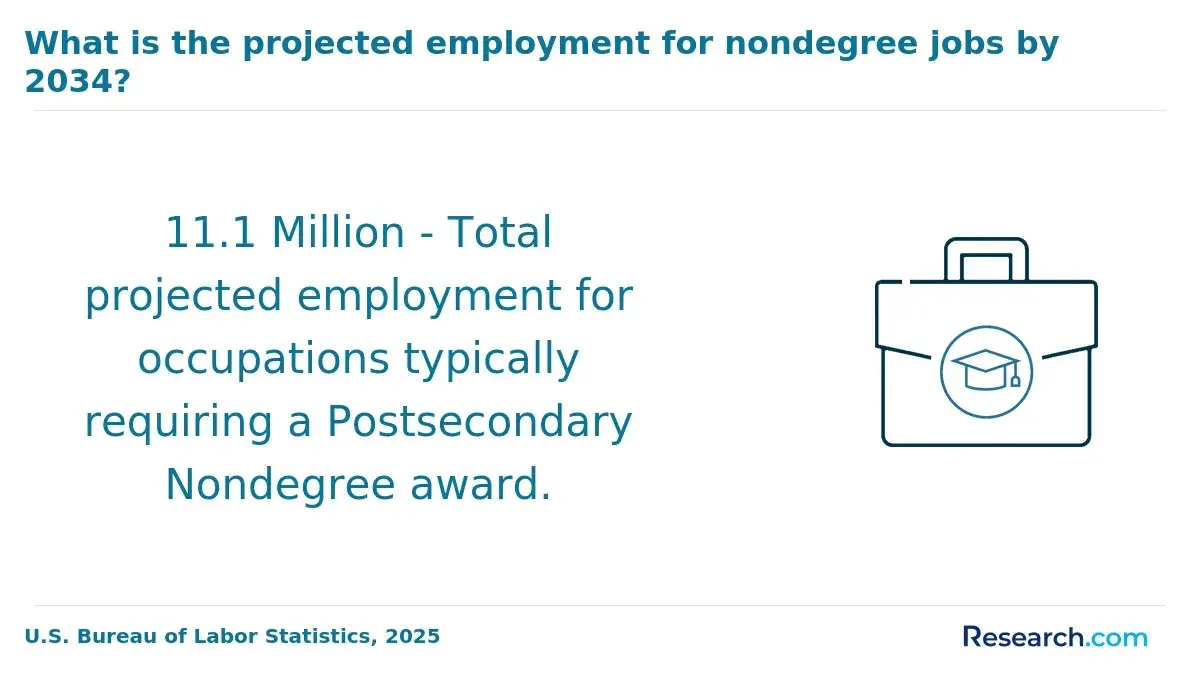
Entry-level jobs in retail management tend to be less stressful when they involve clear responsibilities, steady workloads, effective supervision, and limited decision-making demands. A recent National Retail Federation survey found that 62% of early-career retail workers experience manageable stress levels when tasks and roles are well-defined. Structured environments help newcomers build confidence without excessive pressure.
The following list ranks five entry-level retail management roles from the least stressful to those with relatively low stress.
- Customer Service Team Member: This role is generally the least stressful due to its routine tasks, like assisting customers and restocking items. The presence of close supervision and limited autonomy makes the work predictable and low-pressure.
- Sales Associate: While adding some direct selling duties, this position remains low-stress because supervisors typically set targets and job activities. Customer interactions tend to focus on straightforward support rather than challenging problem-solving.
- Inventory Control Assistant: Focused mainly on stock tracking and data entry, this job's low stress is helped by having clear, task-oriented work and minimal face-to-face customer contact, which reduces emotional strain.
- Cashier Supervisor: Overseeing cashiers introduces extra responsibility, but strict procedures and defined performance standards keep stress manageable. The role benefits from structured operations and limited discretionary decisions.
- Visual Merchandising Assistant: Though elements of creativity are involved, scheduled deadlines and team collaboration provide structure. This balance lowers unpredictability and helps entry-level employees concentrate on specific projects without excessive pressure.
A Retail Management degree graduate currently working in an entry-level role shared that even with a low-stress title, challenges arise from unexpected situations such as last-minute staffing changes or sudden customer issues. He noted, "The key is knowing the processes well and relying on the support system in place."
"When things get busy, having a clear checklist and good communication with supervisors really helps keep stress down." He described how initially feeling overwhelmed gave way to confidence as routines became familiar, and the role's predictability helped maintain calm during peak times.
Certain areas within retail management balance higher pay with lower stress by relying on well-established procedures, focused expertise, and stable work settings. These environments reduce uncertainty, enabling professionals to maintain a healthier work-life balance while earning competitive incomes. Such roles typically have clear responsibilities and predictable demands that keep pressure manageable.
Several retail management careers illustrate how compensation and low stress can align:
- Merchandising Management: Centered on strategic planning and inventory oversight, this field operates within seasonal cycles and relies on data analysis. The structured workflow limits daily surprises, offering stable pay and less stressful conditions.
- Supply Chain Coordination: This area benefits from standardized methods and technology, streamlining vendor relations and logistics. Workers maintain a steady pace and a predictable environment that supports a balanced workload and income.
- Corporate Retail Training: Focused on employee development and policy adherence, these roles are mostly office-based with scheduled projects. The routine nature provides stability paired with managerial-level earnings, fitting for those seeking the best low-stress, high-paying retail management careers in the US.
- Retail Systems Analysis: Combining technical skills with controlled project scopes, this field emphasizes problem-solving with limited unpredictability. It allows specialists to earn well without the high demands common in more variable roles.
Students considering a retail management degree may find value in exploring inexpensive master's programs that enhance expertise for these promising, low-stress, high-salary career paths.
Salary prospects for careers linked to a retail management degree differ significantly, driven largely by the extent of responsibility, specialized skills, and market demand within each role. Positions that require leadership over large operations or deep expertise in areas like supply chain and merchandising generally offer higher wages. Industry trends also influence compensation, favoring roles with strategic impact or niche knowledge.
Below is a ranked list of five of the highest-paying careers available to retail management graduates, organized by median salary.
- Corporate Retail Executive ($110,000-$160,000): These professionals direct company-wide retail strategies and performance, demanding advanced leadership skills and accountability that justify the top-tier earnings. Their decisions affect large-scale operations and profitability, placing them at the highest salary level among retail management careers.
- Retail Supply Chain Manager ($85,000-$130,000): Tasked with overseeing logistics and inventory processes, these managers ensure efficient product movement. Their expertise in coordinating supply chain operations directly influences cost savings and retail success, earning them substantial compensation.
- Merchandising Manager ($75,000-$110,000): Focused on product selection and presentation, merchandising managers play a pivotal role in driving sales and customer appeal. Their influence on revenue generation supports competitive salaries within the retail sector.
- Store Manager of Flagship or High-Volume Stores ($60,000-$90,000): Managing key high-traffic locations involves juggling complex responsibilities, including team leadership and customer experience, resulting in higher pay compared to typical store managers due to increased pressure and accountability.
- Retail Marketing Manager ($55,000-$85,000): These managers craft marketing campaigns targeted to boost retail sales and foot traffic. Their specialized knowledge in consumer behavior and promotional strategies drives their solid earning potential.
Reflecting on her journey, a professional with a retail management degree shared how navigating the complexities of leadership roles shaped her outlook on career earnings. She noted that "earning well often came hand-in-hand with handling unexpected crises, managing diverse teams, and continuously adapting strategies."
She emphasized that success required persistence and learning to balance operational demands with long-term goals. "It wasn't just about the paycheck but growing into roles that challenged me to develop new skills, which naturally opened doors to higher salaries," she added, highlighting the practical realities behind salary growth in this field.
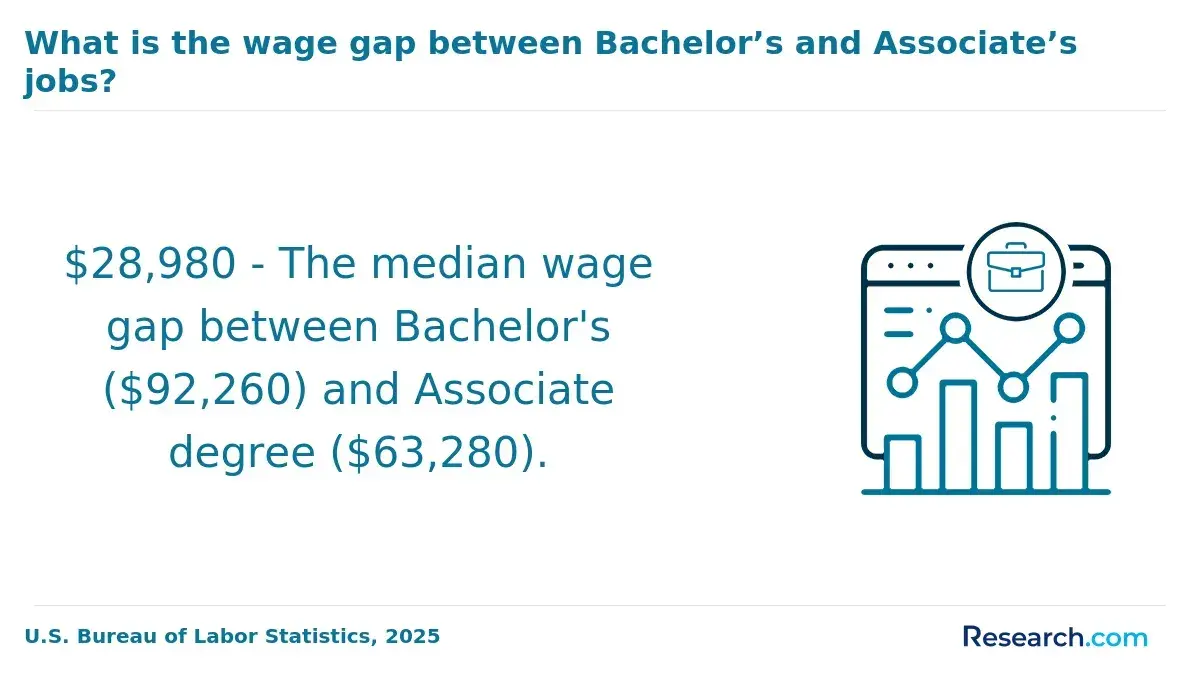
Jobs linked to a retail management degree that offer lower pay often reflect entry-level roles with minimal specialization or limited leadership duties. These positions usually involve routine tasks and provide few opportunities for significant organizational impact, which keeps compensation modest. Their accessibility makes them common starting points in the retail sector but with lower earning potential.
Below is a ranked list of five of the lowest paying careers available to retail management graduates, ordered from the lowest median salary upward:
- Retail Cashier ($25,000 to $30,000): This role centers on basic transactional and customer service duties, involving little to no managerial responsibilities. The limited scope and routine nature of the work contribute to its position as one of the lowest-paid careers for retail management graduates.
- Sales Associate ($27,000 to $33,000): Slightly above cashier roles, sales associates focus on assisting customers and do not handle operations or inventory management. Their limited involvement in broader store functions keeps salary ranges relatively low.
- Stock Clerk ($28,000 to $35,000): Responsible for organizing inventory and restocking shelves, this position requires essential but basic skills. The lack of specialized knowledge or leadership duties restricts salary growth in this role.
- Customer Service Representative ($30,000 to $37,000): Although communication skills are important here, decision-making authority and management oversight are usually absent. This limits the earning potential compared to more advanced retail management positions.
- Retail Administrative Assistant ($32,000 to $40,000): This job involves supporting organizational tasks rather than managing retail operations directly. Its administrative focus and minimal strategic responsibility contribute to the modest salary range.
These roles predominantly serve as foundational career options within the retail field, offering important experience but generally limited compensation without further advancement or specialization.
Careers in retail management that offer strong job security often align with roles essential to daily operations and industries with steady consumer demand. Many of these positions provide stability due to their connection to fundamental retail functions and regulated sectors, where turnover tends to be lower.
According to the U.S. Bureau of Labor Statistics, retail supervisory roles are projected to maintain stable employment rates over the next decade, showcasing their resilience amid economic changes. Below are some notable retail management careers that typically exhibit strong job security:
- Store Management: Store managers who oversee large or multi-unit operations maintain consistent job security because they manage crucial retail activities and employee coordination. Their roles directly impact operational success and require reliable expertise.
- Inventory Control: Professionals specializing in inventory and supply chain management are vital for maintaining stock levels and supporting ongoing sales. The steady need for these skills helps buffer them from market fluctuations.
- Pharmacy Retail Management: These managers operate within a highly regulated healthcare retail sector, demanding compliance with legal standards and professional certifications. This specialization contributes to a secure work environment.
- Automotive Parts Management: Roles in automotive parts and service management benefit from industry-specific knowledge and legal regulations, promoting job stability through ongoing demand for vehicle maintenance and repairs.
- Loss Prevention and Compliance: Retail compliance and loss prevention managers protect company assets by enforcing policies and monitoring security, providing an essential, ongoing function that supports long-term employment.
Certain industries provide retail management graduates with a well-rounded balance of competitive salary, manageable stress levels, and reliable job stability. According to the U.S. Bureau of Labor Statistics, sectors such as healthcare and financial services report employment growth about 5% to 7% above the national average, with median wages exceeding typical retail benchmarks. This illustrates how some industries strategically align compensation and stability to foster job satisfaction.
Below are key industries recognized for offering the best industries for retail management career balance:
- Healthcare and Pharmaceuticals: These sectors feature regulated and predictable workflows, which reduce workplace uncertainty. Their critical services command competitive pay while maintaining low to moderate stress through structured environments and clear operational protocols.
- Consumer Goods: With steady market demand, this industry supports stable revenues and job security. Established procedures and transparent performance metrics help retail management professionals experience fewer escalations and more organizational support, easing occupational stress.
- Financial Services: Operating under strict regulatory frameworks, this sector offers a stable customer base and above-average compensation packages. The consistency of these factors fosters lower unpredictability and favorable work environments.
- Education and Training: Though less prominent, this industry often provides regular schedules and supportive institutional systems that contribute to a balanced workload and steady income, enhancing long-term employment stability.
- Real Estate: Demand fluctuations exist, but many roles benefit from structured sales processes and incentive-based pay. For those interested, pursuing a real estate degree can open pathways within this balanced sector.
Industry sectors that emphasize regulated environments, steady customer demand, and mature organizational systems are known for delivering retail management job stability and salary by industry, creating favorable conditions for professionals seeking a sustainable career trajectory.
Developing certain skills is essential for retail management graduates to effectively manage workplace stress and secure long-term job stability. According to the National Association of Colleges and Employers, 85% of employers prioritize communication and critical thinking skills when assessing candidates, linking these abilities to better retention and success.
Building these strengths equips graduates to thrive in competitive environments and maintain stable careers. Below are key skills that help reduce stress and increase job stability in retail management careers.
- Communication Skills: Strong communication enables clear customer interactions, smooth coordination with colleagues, and timely conflict resolution. These abilities reduce misunderstandings and workplace tension, supporting a less stressful work environment.
- Organizational Skills: Being highly organized helps retail managers juggle multiple responsibilities, meet deadlines, and foresee potential challenges. Efficient task management lowers stress and encourages consistent job performance valued by employers.
- Adaptability: The retail sector often faces shifting demands and seasonal changes. Flexibility allows graduates to quickly adjust to new conditions, minimizing anxiety and enhancing their reputation as reliable professionals, which increases job stability.
- Technical Proficiency: Familiarity with retail software and data analysis streamlines operations and reduces error-related stress. Technical skills promote efficient decision-making, boosting overall workplace performance and retention.
- Critical Thinking: The ability to analyze situations and solve problems effectively aids in navigating complex retail challenges. This skill is highly sought-after for maintaining steady, low-stress employment.
Focusing on US retail management career skills for stability, such as these, can lead to more rewarding and less stressful job experiences. For those interested in exploring further educational opportunities, reviewing the most lucrative master's degrees offers insight into advanced career paths and skill enhancement.
Developing specific skills to reduce stress in retail management jobs remains a strategic approach for graduates aiming for sustainable workplace satisfaction and career longevity.
Graduates considering careers in retail management should weigh factors like work environment, stress tolerance, income goals, and job stability to find roles that align with their lifestyle. Matching a career to personal priorities often enhances job satisfaction, with studies indicating that nearly 80% of workers feel more fulfilled when their job reflects their values and needs. Evaluating these elements carefully helps individuals avoid mismatches that can lead to dissatisfaction or burnout.
Balancing salary ambitions with stress levels and job security is essential when selecting a retail management path. Higher earnings often come with increased responsibility and unpredictable hours, while more stable positions may offer moderate pay but steadier routines. Recognizing how these trade-offs impact personal well-being supports making informed choices that suit varied lifestyle preferences without sacrificing long-term career viability.
What Graduates Say About Retail Management Degree Careers Stress Level, Salary, and Job Stability
- Trace: "Graduating with a retail management degree truly opened my eyes to the industry's demands. The role can be quite stressful, especially when managing large teams and inventory during peak seasons. However, the salary prospects and opportunities for career growth make the challenge worth it."
- Sutton: "From my experience, retail management offers a stable career path, particularly for those willing to adapt to fluctuating market trends. Although the stress level tends to fluctuate with store performance, the consistent paycheck and benefits provide reassurance. I'm grateful for the practical skills my degree gave me, which translated well into real-world job security."
- Ezekiel: "Working in retail management has been a professionally rewarding journey. The salary is competitive compared to other fields, though it varies by region and company size. What stood out most was the degree's focus on leadership and strategic planning, which has helped me handle job pressures and ensure long-term stability."
Other Things You Should Know About Retail Management Degrees
The location of a retail management job can significantly affect stress levels. Urban areas tend to have higher customer traffic and competition, increasing workplace pressure. Conversely, positions in smaller towns or suburban areas often experience lower customer volume, which can reduce stress associated with crowd management and urgent decision-making.
Yes, seasonal fluctuations impact both salary and job stability in retail management. Many positions see increased hours and higher pay during peak retail seasons such as holidays, boosting short-term earnings. However, off-peak times may result in reduced hours or temporary layoffs, which can affect overall job stability throughout the year.
Company size is a crucial factor in salary and job stability within retail management careers. Large national or multinational retailers often offer higher salaries, better benefits, and more stable employment due to established financial resources. Smaller retail businesses might offer less pay and face greater volatility, which can impact long-term job security.
Store manager, district manager, and regional manager roles usually require a bachelor’s degree in retail management, business, or management. Employers often expect 120 semester credits, plus prior retail experience for advancement into these higher-stability, higher-salary jobs.
- 34 of the best high paid low stress jobs that won't kill your vibe | Monarch https://www.monarch.edu.au/blog/high-paying-jobs-low-stress
- The Importance of Human Skills for Retail Workers - Retail Ireland Skillnet https://retailirelandskillnet.com/the-importance-of-human-skills-for-retail-workers
- Top 10 Highest Paying Retail Jobs 2025 (Inc Salaries) | Nexford University https://www.nexford.edu/insights/highest-paying-retail-jobs
- 5 Ways To Progress To Store Manager https://zacharydaniels.co.uk/5-ways-to-progress-to-store-manager/
- Rating My Top 8 Part-Time Jobs as a Student: Pay, Happiness & Tips https://www.lemon8-app.com/@shy4nnl/7527684342148432392
- Management Graduate Scheme - Retail in London at LIDL | Apply now! https://talents.studysmarter.co.uk/companies/lidl-2/london/management-graduate-scheme-retail-16416017/
- Retail Store Management - New Store, Burlington - April 2026 https://www.breakroom.cc/en-us/jobs/listing/35393694-burlington-stores-inc-retail-store-management-new-store-fond
- Career Opportunities After a Retail Management Course https://isbm.org.in/blogs/what-are-the-career-opportunities-after-completing-a-retail-management-course
- What Can You Do With a Retail Management Degree? (Careers) https://www.allbusinessschools.com/specialties/retail-management-career/
- 10 High-Paying Jobs With Retail Experience You Can Transition Into https://qzsolutionsinc.com/10-high-paying-jobs-with-retail-experience-you-can-transition-into/