2027 Which Retail Management Degree Careers Offer the Best Return Without Graduate School?

Co-Founder and Chief Data Scientist
Rising tuition and mounting student debt are forcing many recent graduates to reconsider the value of graduate school, especially in fields like retail management, where bachelor's degrees often lead directly to employment. Nearly 60% of retail management graduates enter the workforce within six months, seeking roles that offer competitive pay without additional schooling.
For career changers, the question is which positions provide reliable salary growth and stability without the time and expense of graduate education. This article examines career paths in retail management that deliver the best return on investment with only a bachelor's degree, helping readers make informed decisions about their futures.
Key Benefits of Retail Management Degree Careers That Offer the Best Return Without Graduate School
- Strong earning potential with median retail management salaries exceeding $50,000 annually enables early salary growth, increasing long-term return on investment without graduate education.
- Consistently growing job demand and promotion opportunities in retail management provide financial stability and career advancement over time.
- Entry-level positions generally require only a bachelor's degree, allowing faster workforce entry and quicker accumulation of professional experience and income.
Which Retail Management Careers Offer the Best Return Without Graduate School?
Evaluating return on investment in retail management roles is crucial for those aiming to build a career without pursuing graduate school. According to the U.S. Bureau of Labor Statistics, retail managers earn a median annual wage of around $45,000, with experienced individuals in certain roles exceeding this significantly.
Exploring positions with strong salary potential and career longevity ensures a solid foundation for long-term success.
Here are some of the best retail management degree jobs with strong salary potential that typically require only a bachelor's degree:
- Store Manager: As the frontline leader overseeing daily operations, store managers handle staffing, inventory, and customer relations. This role offers stable income and clear advancement opportunities, especially in larger chains where promotion to district or regional supervision is common.
- Merchandising Manager: Focused on product presentation and inventory planning, merchandising managers influence sales through strategic purchasing and visual displays. Their impact on profitability creates lasting career growth without needing graduate education.
- Supply Chain Coordinator: These coordinators manage inventory logistics, ensuring timely product delivery and reducing operational costs. Their expertise translates into high demand and prospects for moving into broader operational leadership roles.
- Customer Experience Manager: By enhancing shopper satisfaction through leadership and data analysis, customer experience managers drive brand loyalty and sales. Their role is increasingly vital and financially rewarding in shaping retail brand connections.
What Are the Highest-Paying Retail Management Jobs Without a Master's Degree?
Evaluating income potential in retail management careers without a master's degree is crucial for students aiming for reliable and well-paying roles. The U.S. Bureau of Labor Statistics notes that the median annual wage for first-line supervisors of retail sales workers is about $47,000, while higher-level positions in this field offer significantly more.
The following roles highlight the top-paying opportunities available even with an online bachelor degree.
- Store Manager: Store managers control the day-to-day operations of retail outlets, overseeing staff, inventory, and sales objectives. Annual salaries typically range from $50,000 to $90,000 due to the critical responsibility for store performance and profitability.
- District Manager: District managers lead multiple stores within a region, ensuring consistent operations and staff management. Their pay ranges from $75,000 to $120,000 yearly, reflecting the extensive scope and advanced leadership skills required.
- Operations Manager: Tasked with improving retail processes and supply chain efficiency, operations managers earn between $70,000 and $110,000 per year. Their impact on customer satisfaction and business competitiveness makes this a highly valued role.
- Merchandise Manager: Merchandise managers strategize product selection and inventory planning. With salaries from $60,000 to $100,000 annually, they combine market knowledge with pricing strategies to drive sales growth.
Which Industries Offer High Salaries Without Graduate School?
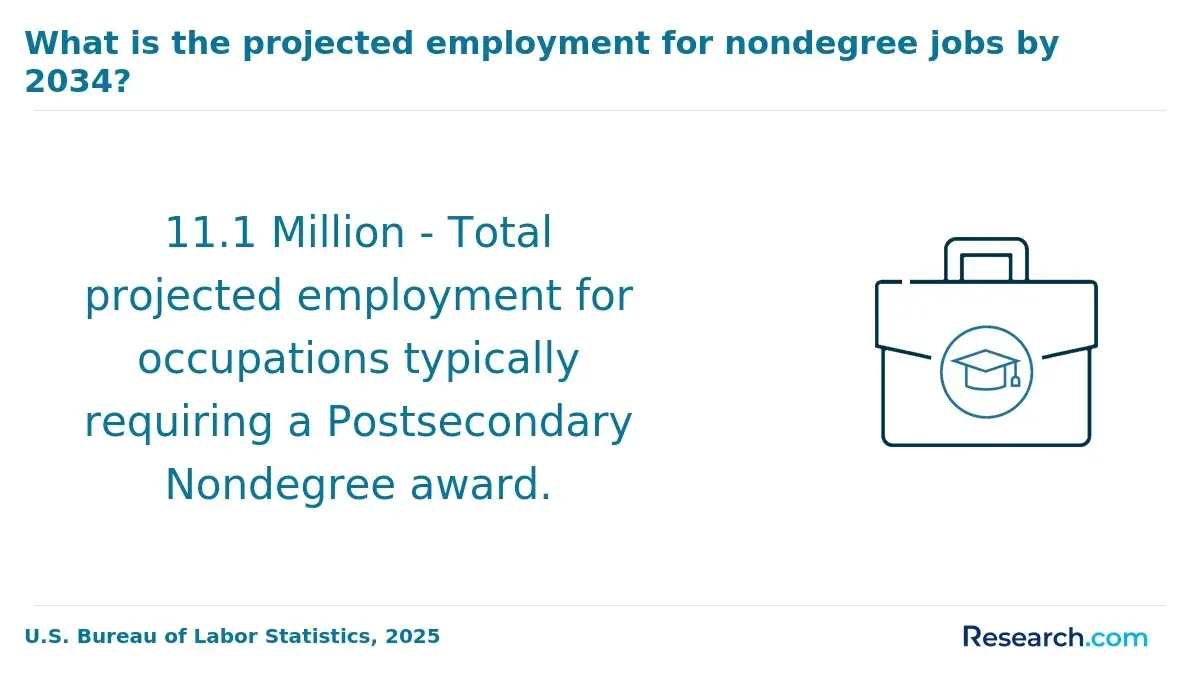
Choosing the right industry significantly impacts salary potential for those with a bachelor's degree in retail management. According to U.S. Bureau of Labor Statistics data, median wages for retail managers can differ by nearly 30% across industries, highlighting the need for careful sector selection.
Below are several industries known for providing competitive pay without requiring advanced degrees.
- Technology Retail: This field involves selling high-value electronics and computing devices. Rapid innovation and the premium nature of products help retailers achieve strong profits. Managers typically earn between $65,000 and $90,000 annually, with salaries driven by sales volume and technical product knowledge.
- Luxury Goods and Apparel: Retailers of upscale fashion and accessories benefit from loyal clientele and high markups. This industry rewards managers with salaries often surpassing $70,000, reflecting the exclusivity of the products and upscale market positioning.
- Automotive Sales: Car dealerships and retail automotive chains offer compensation packages that incorporate commissions and performance bonuses. Retail managers generally earn from $60,000 to $85,000, depending on geographic location and dealership size, benefiting from strong sales incentives.
- Pharmaceutical Retail: Operating in a regulated, health-focused market with stable demand, this sector supports consistent wage levels. Managers often start around $65,000, with potential increases tied to experience and store performance, making it a reliable source of income.
When asked about industries offering high salaries without graduate education, a retail management degree graduate shared firsthand insights. He described navigating the job market as challenging, especially balancing compensation expectations with realistic opportunities. "It took time to identify which sectors valued experience over additional degrees," he recalled.
The graduate emphasized that understanding industry dynamics early helped focus efforts on companies with growth potential and better pay scales, avoiding prolonged uncertainty. His experience highlighted that practical knowledge and industry choice often outweigh formal education beyond the bachelor's level in achieving strong earning outcomes.
Choosing entry-level retail management roles with clear paths for advancement is vital for career growth, especially since management positions in retail are expected to expand by 6% from 2022 to 2032. Early roles that develop leadership and operational skills set the foundation for climbing the career ladder.
Below are some key positions known for strong growth potential.
- Assistant Store Manager: This role serves as an introduction to managing daily store operations, including staff supervision and inventory oversight. Gaining experience here opens doors to becoming a store or district manager, focusing on broader business leadership.
- Sales Supervisor: Responsible for guiding sales teams and enhancing performance, this position builds expertise in motivation and performance analysis. It provides a stepping stone toward regional sales management or retail operations leadership.
- Inventory Control Specialist: Overseeing stock levels and supply chain activities sharpens skills in logistics and procurement, which are critical for advanced roles in supply management within retail.
- Customer Service Manager: Leading customer relations efforts helps professionals understand consumer behavior and brand loyalty, preparing them for higher positions centered on improving customer experiences across stores.
These entry points encourage skill development and create upward mobility. Pursuing roles like these supports long-term career strategies, crucial for individuals aiming to build expertise without pursuing a graduate degree but who may also consider a cheapest online master's degree in psychology to enhance leadership abilities in the future.
Enhancing specific skill sets can play a crucial role in boosting salary prospects for professionals with a retail management degree. Research from the World Economic Forum reveals that 44% of workers worldwide earn higher wages through advanced skills rather than just formal qualifications.
Below are key competencies that can significantly increase earning power without additional graduate education.
- Data Analysis: Understanding sales figures, customer trends, and inventory metrics enables managers to make smarter operational choices. Strong analytical skills help optimize performance and increase profitability, making these professionals more valuable.
- Leadership Abilities: Leading and motivating teams effectively improves employee output and store success. Professionals who build strong workplace culture and resolve conflicts efficiently often see their compensation rise as a result of their positive influence.
- Digital Proficiency: Command of e-commerce tools, POS systems, and online marketing techniques is essential as retail continues to digitize. Skillful use of technology enhances sales growth and process efficiency, providing a competitive salary advantage.
- Negotiation Skills: Managing supplier relationships and negotiating contracts reduce costs and improve product quality. Those who excel in these interactions contribute to healthier margins and thus can command better pay.
- Customer Experience Optimization: Tailoring services to meet shopper preferences strengthens loyalty and drives revenue. Managers adept at analyzing feedback and implementing improvements become indispensable and more financially rewarded.
When discussing what skills increase salary without a master's degree, a professional with a retail management degree shared her journey. She emphasized how transitioning from a purely operational role to focusing on digital tools and negotiation required persistence and confidence. "At first, I felt overwhelmed managing vendor contracts while learning new software, but gradually it became clear these skills opened doors," she explained.
By prioritizing these areas, her ability to impact store profitability grew noticeably, and so did her rewards. She reflected that embracing continual learning and taking initiative were key to advancing financially without returning to school.
Certifications offer a practical way to boost credibility and career advancement in retail management without the commitment of a master's degree. Studies show that professionals holding relevant certifications can earn approximately 15% more than those without, reflecting their value to employers.
The following credentials are especially respected for enhancing expertise and marketability in retail management roles.
- Certified Retail Management Professional (CRMP): Focused on retail operations, customer service, and leadership, the CRMP equips managers with hands-on skills tailored to oversee daily store functions and improve team performance.
- Project Management Professional (PMP): Highly regarded across industries, the PMP certification trains retail managers in effective project planning, budgeting, and coordinating resources, enabling them to lead initiatives like store openings and product rollouts confidently.
- Supply Chain Professional Certification (CSCP): Provided by APICS, this certification deepens knowledge of supply chain logistics and vendor relations, essential for retail managers who handle inventory flow and supplier partnerships effectively.
- Certified Professional in Inventory Management (CPIM): Concentrating on inventory control techniques and cost reduction, the CPIM supports retail leaders in optimizing stock management and boosting profitability.
- Retail Management Certificate by the National Retail Federation (NRF): Developed with industry experts, this certificate delivers foundational retail knowledge and leadership training aligned with current market trends, preparing managers for evolving retail environments.
Professional experience plays a crucial role in career advancement within retail management, often serving as a strong alternative to a graduate degree. Employers tend to prioritize demonstrated skills, proven performance, and on-the-job learning over formal academic credentials.
Practical experience highlights an individual's ability to handle real-world challenges, lead teams, and drive sales, which are critical for success in retail management roles. Many organizations value employees who have developed operational knowledge and customer insights through hands-on work rather than through graduate programs.
However, relying only on experience can limit progression, especially for reaching executive roles or specialized functions like retail analytics and strategic planning. Some industries or employers prefer candidates with advanced degrees for certain leadership or corporate strategy positions.
Experience becomes most valuable when combined with ongoing skill development, such as professional certifications and leadership training, enhancing qualifications without the cost and time of graduate education. This balance enables many retail management professionals to achieve strong career growth and higher salaries without pursuing advanced degrees.
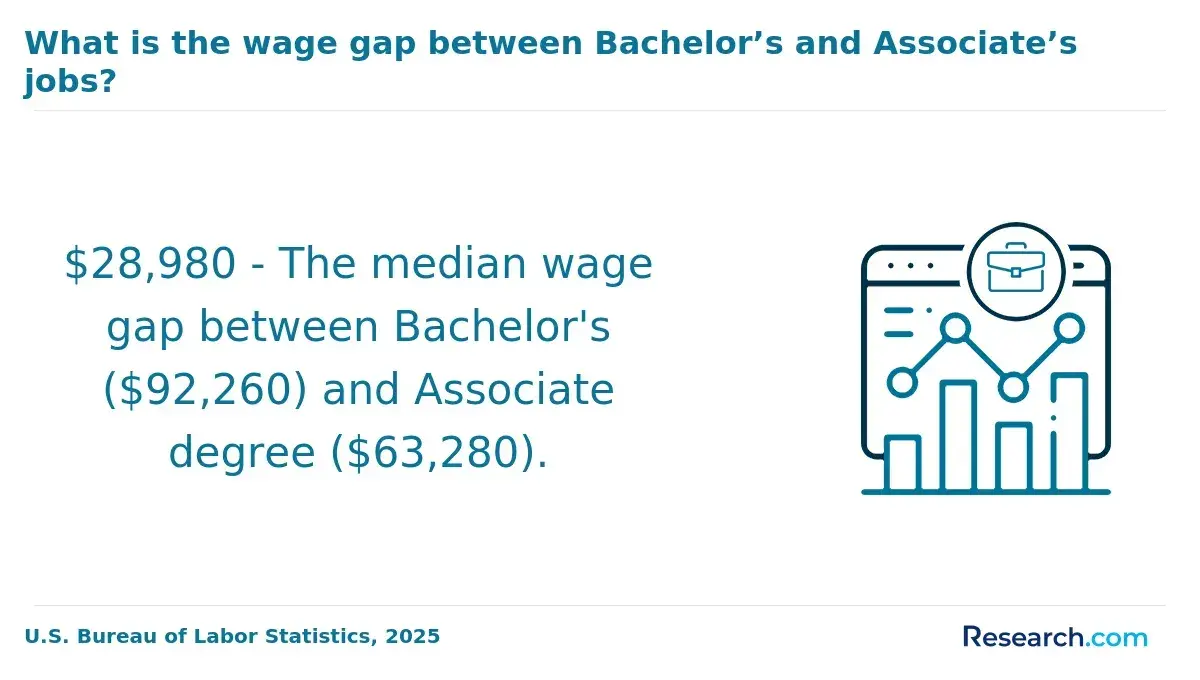
Many retail management professionals weigh the trade-offs of not pursuing graduate education, especially given that workers with advanced degrees often earn 20% to 30% more than those holding only a bachelor's. While entering the workforce sooner might seem advantageous, understanding the potential career limitations without a graduate degree is critical.
The following points outline some challenges faced by those who stop their education after a bachelor's.
- Slower Career Advancement: Management tracks that lead to strategic planning or executive leadership roles frequently favor candidates with graduate degrees. Without this credential, promotion opportunities may take longer and depend more heavily on accumulating work experience.
- Limited Specialized Roles: Graduate programs provide training in areas like supply chain analytics, consumer behavior research, and digital retail innovations. Skipping this education can restrict access to senior positions that require in-depth academic expertise or cutting-edge skills.
- Competitive Hiring Disadvantages: In a crowded job market, candidates with master's degrees or MBAs often stand out by demonstrating advanced leadership education and problem-solving abilities, presenting a potential hurdle for bachelor's-only applicants.
- Reduced Networking Opportunities: Graduate studies connect students with industry leaders and alumni networks, offering valuable mentorship and job referrals. Retail management professionals without this support must invest additional effort in building these relationships independently.
- Cost-Benefit Considerations: Although graduate education requires time and financial investment, it offers structured skill development and credentials that enhance long-term salary growth. Those who stop with a bachelor's may have earlier workforce entry but might face a ceiling in both career progression and earnings potential.
Some retail management students also explore alternative paths offering growth without graduate education, such as specialized certifications or online degrees like a psychology degree online, which can strengthen understanding of consumer behavior without committing to full graduate programs.
Return on investment (ROI) in education considers the balance between the costs and time invested in earning a degree and the financial and professional benefits gained over a career. For retail management degree holders, the median annual wage for retail and wholesale trade managers exceeds $67,000, reflecting strong earning potential.
The following strategies can help maximize career return on investment with a retail management degree.
- Strategic Coursework and Internships: Prioritize classes in analytics, supply chain management, and leadership to build essential skills. Combining this coursework with internships at reputable retail firms strengthens your resume and creates valuable professional connections.
- Focus on High-Value Sectors: Pursue opportunities in specialty retail, luxury brands, e-commerce, or retail technology companies. These sectors often provide higher compensation and career growth compared to traditional discount or grocery retail chains.
- Accelerate Early Career Advancement: Seek management training or rotational programs that expose you to multiple retail functions. This experience fosters rapid skill development and positions you for quicker promotions, helping you advance without additional degrees.
- Network Within the Industry: Building a strong professional network can open doors to mentorship, promotions, and internal opportunities. A well-connected career path enhances your long-term salary growth and job stability.
- Demonstrate Measurable Impact: Early in your career, focus on driving results like increasing sales or improving customer satisfaction. Employers value quantifiable achievements, rewarding employees with faster career progression and raises.
For those interested in enhancing career opportunities further, exploring certifications that pay well can complement your retail management degree. Using the best strategies to advance retail management careers without graduate school ensures you tap the full potential of your education investment.
Deciding on graduate school for retail management careers in the United States depends largely on individual career goals, industry expectations, and the potential return on investment. While many roles in retail management allow for career advancement with just a bachelor's degree, data shows that individuals with a master's degree in business or management often earn around 20% more annually.
This difference underlines the advantages of graduate degrees for retail management advancement in specific cases. Next, we consider when pursuing advanced education truly brings long-term value.
Graduate school is generally worth it when aiming for specialized or leadership positions within retail management, such as senior management or executive roles in large companies. Advanced degrees are also valuable in regulated industries or roles that demand strong negotiation and organizational skills developed through graduate programs.
Additionally, careers focused on research or analytics benefit from graduate-level training. For those evaluating whether to invest in higher education, exploring options like a masters in child psychology online can provide insight into accessible graduate pathways aligned with career ambitions.
What Graduates Say About Retail Management Degree Careers That Offer the Best Return Without Graduate School
- Trace: "Choosing not to pursue a graduate degree in retail management was a calculated decision for me. Instead, I focused on gaining practical experience and building a network within the industry. This approach allowed me to climb the ranks quickly and prove that real-world skills paired with a solid undergraduate degree can open doors just as effectively. The degree gave me a strong foundation, but hands-on experience truly accelerated my career."
- Sutton: "Reflecting on my career, the retail management degree was invaluable, especially since I opted out of graduate school. I made a point to specialize in consumer behavior and supply chain management during my studies, which gave me a competitive edge. Alongside that, seeking internships and leadership roles in retail settings maximized my practical knowledge and helped me secure a managerial position much faster than I anticipated."
- Ezekiel: "As a professional working without a graduate degree, I've witnessed firsthand the impact my retail management degree has had on my development. Prioritizing soft skills like communication and problem-solving alongside my coursework was crucial. It proved that while advanced degrees are valuable, a focused undergraduate education combined with dedication can lead to rewarding career opportunities without the extra time and expense of grad school."
Other Things You Should Know About Retail Management Degrees
Retail managers can boost earnings with the Certified Retail Management Professional credential, the Society for Human Resource Management’s SHRM-CP, or supply chain certificates from APICS/ASCM. These typically require an exam, work experience, and annual renewal fees, and they can strengthen promotions into store, district, or operations roles.
In 2027, technology proficiency is crucial in retail management due to the rise of digital platforms and data analytics. Managers must leverage tech to optimize operations, enhance customer experiences, and analyze market trends effectively, which can significantly improve their career prospects and ROI.
Retail management graduates tend to find better career returns in fast-paced environments such as large retail chains, e-commerce platforms, and specialty stores. These settings often provide more advancement opportunities, higher earning potential, and exposure to a variety of business operations. Niche or boutique retail may offer fewer pathways for rapid growth.
Without graduate education, individuals may encounter limitations in reaching senior executive positions or specialized roles like supply chain director. They might also face fierce competition from candidates who have advanced degrees. However, these challenges can often be mitigated through experience, continuous learning, and demonstrated leadership.
- Professional Certificate in Retail Management | SDA Bocconi https://www.sdabocconi.it/en/executive-online-programs/professional-certificate-in-retail-management/
- Certified Retail Operations Professional/Manager (CROP)/(CROM) - OMI https://operationsmi.org/certified-retail-operations-professional-manager-crop-crom/
- Why Retail Is Not a Dead End Job: A Uni Grad’s Real Experience as a Store Manager https://www.lemon8-app.com/lynyo/7439863198167155216
- 10 High paying jobs that don't need a university degree - SEEK New Zealand https://nz.seek.com/career-advice/article/high-paying-jobs-that-dont-need-a-university-degree
- Transferable Skills from Retail: Moving from the Floor to the Office https://www.rasmussen.edu/degrees/business/blog/transferable-skills-from-retail/
- Top Career Opportunities in Retail Management https://nifglobalchennai.com/top-career-opportunities-in-retail-management/
- Top 10 Careers to Pursue After Retail Management Course - Jobs Academy https://jobsacademy.co/online-degree-programs/top-10-careers-to-pursue-after-retail-management-course/index.php
- Graduate careers advice: you and your retail management degree https://gradireland.com/careers-advice/retail/graduate-careers-advice-you-and-your-retail-management-degree
- What Can You Do With a Retail Management Degree? (Careers) https://www.allbusinessschools.com/specialties/retail-management-career/
- 3 Keys to Maximizing Retail Training’s ROI - MOHR Retail https://mohrretail.com/3-keys-to-maximizing-retail-trainings-roi-leadership-accountability-and-reinforcement/