2027 Which Industries Offer the Best Career Paths for Retail Management Degree Graduates?

Co-Founder and Chief Data Scientist
Landing a rewarding career with a retail management degree can be challenging when industries vary widely in compensation, stability, advancement opportunities, and workplace culture. For example, retail management professionals in the healthcare sector earn a median annual wage nearly 15% higher than their counterparts in traditional retail, highlighting differences that impact long-term career satisfaction. Navigating these nuances matters-some industries offer clearer promotion tracks, others provide stronger job security or better cultural fit.
This article explores key industries that deliver the best career trajectories for retail management graduates-equipping readers to make data-driven decisions aligned with their professional goals and values.
Key Things to Know About the Industries That Offer the Best Career Paths for Retail Management Degree Graduates
- The technology sector offers above-average compensation and robust advancement opportunities-70% of retail management graduates report rapid career growth here compared to traditional retail.
- Consumer goods companies provide workplace cultures emphasizing sustainability and ethics, aligning with millennials' values while ensuring stable, long-term employment.
- Healthcare retail roles blend stable demand with licensing benefits-advancement often integrates cross-functional leadership development, enhancing overall career resilience.
Which Industries Offer the Highest Starting Salaries for Retail Management Degree Graduates?
Recent Bureau of Labor Statistics data highlights key industries offering the highest mean and median starting salaries for retail management degree graduates. These sectors pay premiums driven by economic strength, specialized skills, labor shortages, or high sector profitability-critical factors shaping early career earnings.
- Finance and Insurance: Elevated starting salaries reflect the complexity and regulatory environment of this sector. Retail management roles here often involve banking product management or insurance sales management, demanding skills in handling high-value customer relationships.
- Pharmaceutical and Medical Supplies Retail: Specialized product knowledge and the critical role in healthcare supply chains justify above-average pay. Labor shortages further boost compensation levels in this field.
- Automotive Dealers: High-ticket sales and commission structures underpin strong pay, with retail managers leveraging expertise in inventory, financing options, and customer service excellence.
- Electronics and Appliance Stores: Rapid product innovation and market competition require retail managers with technical understanding and consultative sales skills, leading to higher starting wages.
- Wholesale Trade: Larger transaction volumes and strategic supplier coordination roles command premium salaries, as retail managers drive vendor relations and operational efficiency.
- Luxury Goods and Specialty Retail: Elevated pay reflects the demand for impeccable customer service, advanced merchandising, and adherence to brand positioning.
- Technology Retail: The fast-paced nature of tech product markets rewards retail managers who manage launches, train sales teams, and meet dynamic consumer expectations.
While these industries offer some of the top paying industries for retail management graduates starting salaries, it is important to recognize that starting salary is just one piece of the career puzzle. Factors such as advancement potential, job stability, and mission alignment weigh heavily on long-term success. For individuals exploring the best degrees to get with retail management credentials, understanding these nuances improves strategic career planning.
What Are the Fastest-Growing Industries Actively Hiring Retail Management Graduates Today?
The fastest-growing industries hiring retail management graduates today mirror shifting economic and consumer trends, revealing where professionals can build resilient careers. Labor market data highlights sectors with above-average demand driven by technological progress, demographic changes, and regulatory initiatives.
- E-Commerce and Online Retail: This sector benefits from sustained digital transformation-boosted by mobile commerce, advanced logistics, and refined digital marketing strategies.
- Economic Driver: The pandemic accelerated consumer shifts toward online shopping, creating stable demand for retail management talent adept at omnichannel experiences.
- Growth Outlook: Structurally expanding with long-term potential, it stands out as a premier option for retail management graduates seeking consistent opportunities.
- Health and Wellness Retail: Aging populations and increasing health awareness fuel growth in pharmacies and specialty wellness stores.
- Demographic Driver: Regulatory emphasis on accessible healthcare products also supports expansion.
- Employment Trends: This sector offers sustainable growth linked to personalized retailing, ideal for those targeting stable career paths.
- Renewable Energy and Sustainable Products: Retail focused on eco-friendly living-including solar tech and sustainable home goods-is rapidly emerging.
- Regulatory and Social Drivers: Climate policy and rising consumer eco-consciousness drive this sector's structural growth.
- Job Market: Though still developing, it presents promising retail management roles requiring specialized expertise and customer engagement skills.
- Luxury and Experience-Based Retail: This segment demonstrates resilience due to affluent consumers' desire for unique experiences.
- Economic Driver: Growth here is more cyclical-tied to economic fluctuations-with moderate long-term sustainability.
- Consideration: It offers episodic hiring peaks but can be lucrative for retail managers seeking niche specialization.
- Home Improvement and DIY Retail: Fueled by real estate booms and renovation trends, this field shows cyclical hiring patterns.
- Cyclical Factors: Demand fluctuates with housing market conditions and discretionary spending.
- Outlook: Despite cycles, persistent baseline demand supports steady employment opportunities.
As seniors and career changers evaluate the top sectors recruiting retail management professionals today, it is vital to distinguish between industries offering structural growth and those subject to cyclical demand. This insight can inform strategic career moves aligned with long-term goals and market stability preferences.
For those considering educational pathways before embarking on their careers, exploring accessible options such as engineering degrees online can diversify skills relevant to technological advancement in retail sectors.
How Does Industry Choice Affect Long-Term Earning Potential for Retail Management Professionals?
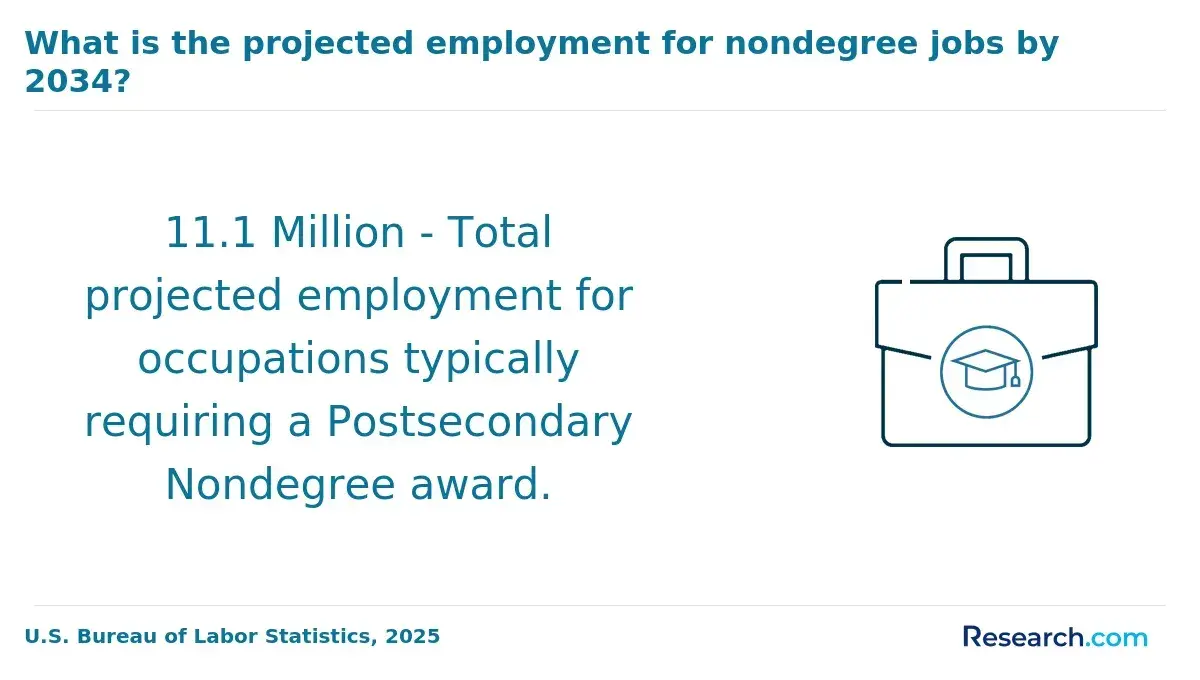
Salary growth in retail management careers varies widely by industry, with some sectors showing dramatic increases over time while others present limited wage mobility. Longitudinal data highlights industries where earnings can double or triple within 10 to 15 years, contrasting sharply with fields that maintain narrow pay ranges despite tenure or achievement.
- Industry Growth Potential: Fast-expanding markets like technology retail and luxury brands often offer rapid salary advancement tied to their profitability and scale.
- Compensation Structure: Sectors such as electronics and automotive retail typically include performance bonuses and profit-sharing, boosting overall compensation beyond base pay.
- Equity and Ownership: Positions in startups or publicly traded companies may come with equity options, adding significant value as the business grows.
- Salary Compression: Traditional grocery and discount retail chains frequently restrict pay increases at higher levels, limiting long-term earnings.
- Career Advancement Paths: Industries investing in professional growth foster faster promotions and higher retention, accelerating pay progression.
- Market Volatility: Retail sectors influenced by changing consumer trends can experience fluctuating compensation, reflecting industry cycles.
One professional who earned his Retail Management degree shared that early on, "choosing a sector felt overwhelming because initial offers vary so much." He recalls navigating between industries and realizing that "focusing only on starting salary missed the bigger picture of bonuses and growth potential." His journey included rejecting stable but capped wages to pursue opportunities with companies offering profit-sharing and equity. He described that process as "challenging but rewarding-balancing risk with a vision for where I wanted to be in ten years helped guide decisions." This perspective underscores the importance of forecasting total compensation over the entire career rather than fixating on entry-level pay.
Historical data from economic recessions such as the 2008 financial crisis and the 2020 COVID-19 pandemic reveal which industries provide recession-proof career paths in retail management for graduates. Among the most resilient sectors are healthcare, government, and essential services-fields where demand for retail management skills has remained stable or countercyclical despite broader market disruptions. These industries tend to emphasize mission-driven roles, supporting community wellbeing, which helps shield them from significant layoffs and hiring freezes.
Healthcare: Retail management roles in pharmacies and medical supply outlets have seen sustained demand, buoyed by the sector's essential nature and relatively low licensing barriers. Managers often benefit from professional development programs, enhancing career longevity during downturns.
Essential Goods: The grocery and household necessities industry experiences consistent consumer demand even amid economic stress, offering graduates clear advancement opportunities and steady employment. The sector's stability stems from its alignment with basic community needs.
Private Sector Trade-Off: Discount and value retailers typically offer higher wages but face greater vulnerability during recessions, with periodic hiring freezes or layoffs. Graduates considering these roles must weigh the appeal of immediate compensation against the risk of volatility.
Government & Nonprofits: These slower-growth areas provide more job security but often at the expense of rapid salary increases. Individuals with lower financial risk tolerance may find these environments more stable over time.
Supply Chain and Logistics: Supporting retail operations with technology-driven processes, this evolving sector appeals to graduates seeking strategic leadership roles and operational efficiency, showing resilience amid changing market conditions.
Trend: Recent labor statistics indicate that employment in essential retail services grew by over 5% during pandemic recovery phases, highlighting their role as anchors for retail management careers.
Graduates prioritizing industry stability alongside compensation should carefully assess their personal financial needs and long-term career goals. For those exploring further education options that complement retail management, reviewing what is the cheapest online master's degree program can provide strategic insight.
Private-sector opportunities for retail management graduates span diverse industries-from established Fortune 500 companies to fast-growing startups-each offering distinct career trajectories shaped by unique business models and cultures.
- Consumer Goods: Industry leaders like Procter & Gamble and Unilever are renowned for robust leadership programs that cultivate talent through structured milestones and clear ties between compensation and sales performance.
- Technology and E-commerce: Companies such as Amazon and Shopify prioritize rapid advancement based on merit, fostering skill enhancement in modern retail technologies within flexible, often remote-friendly environments.
- Apparel and Fashion: Brands like Nike and Lululemon attract those keen on blending traditional retail operations with brand strategy in creative, high-energy workplaces that Glassdoor reviews often highlight for competitive pay.
- Food and Beverage: Organizations including Starbucks and PepsiCo focus on operational excellence and customer-centric roles, offering extensive training and transparent promotion frameworks.
- Compensation Structure: Private employers usually emphasize performance incentives like bonuses and equity, contrasting with the more fixed salaries typical in public-sector jobs.
- Promotional Timelines: Advancement tends to be quicker yet highly competitive, rewarding measurable impact rather than tenure.
- Performance Culture: Success metrics are tightly linked to key performance indicators aligned with business objectives, fostering a results-oriented atmosphere.
- Work Environment: Spanning from casual startup settings encouraging innovation to formal corporate offices offering stability, the choice depends heavily on personal career preferences.
A retail management graduate I spoke with reflected on her journey across the private sector's varied landscapes-she emphasized the initial challenge of navigating different company cultures and expectations. "Early on, it felt like starting from scratch with each new role," she noted. Over time, she learned the value of adaptability and networking to leverage opportunities in settings ranging from nimble startups to multinational corporations. Her experience reinforced how crucial it is to align one's career goals with the employer's pace and values, ultimately shaping a fulfilling retail management career path.
Career Structure: Retail management graduates working in government agencies typically find roles within federal, state, or local entities such as the General Services Administration, Department of Veterans Affairs, and various state commerce departments. These positions often operate under structured civil service systems-offering clear grade-level advancements starting from entry-level analyst or administrative roles, progressing through supervisory and managerial ranks based on performance and tenure.
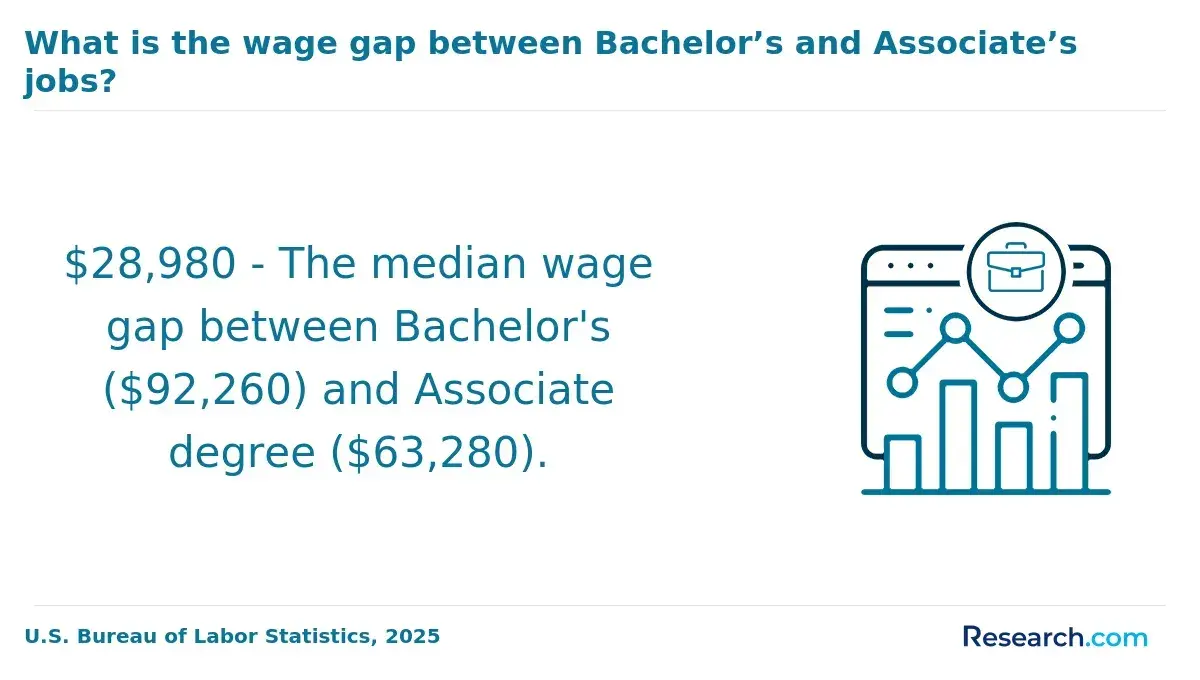
Compensation Model: Salaries in the public sector follow established pay scales with fixed grade ranges. While initial and mid-career earnings might trail behind private sector rivals, government roles compensate through robust benefits-including defined-benefit pensions, healthcare coverage, and eligibility for loan forgiveness programs targeted at public service workers.
Advancement Opportunities: Promotions usually happen more gradually within government jobs due to tenure mandates and budgetary limitations, but the pathway is transparent and offers greater stability. Although there are salary caps limiting income growth when compared to private retail management positions-especially in large firms-the job security and predictable raises provide a trade-off that appeals to many.
Unique Advantages: Public sector employment provides strong job stability and long-term retirement security via defined-benefit pension plans rather than the 401(k)-style defined-contribution plans widespread in private industry. Loan repayment assistance for public employees further supports financial well-being for those entering these careers.
Trade-Offs: Graduates should consider slower career progression speeds and lower starting salaries when opting for government roles. The bureaucratic environment may restrict innovative managerial approaches common in the private sector, but for those motivated by mission-driven work and public impact, government positions offer meaningful fulfillment beyond monetary rewards.
Recent Trend: According to the U.S. Bureau of Labor Statistics, occupations in government retail and procurement have expanded by 5% over the last five years, signaling steady demand despite political and budget fluctuations.
Industries exhibiting the clearest leadership and advancement trajectories for retail management graduates share a few critical traits-structured, merit-based promotion systems; transparent performance metrics; and dedicated investment in professional development. Workforce analyses and alumni outcome data consistently show that sectors like retail and consumer goods, technology and e-commerce, hospitality, and health and pharmaceutical retail excel at elevating professionals from frontline roles to senior leadership within ten to fifteen years.
Retail and consumer goods remain the archetype of traditional advancement, with well-defined pathways from store management to district, regional, and corporate leadership roles. Many large firms in this area actively support graduate education, including MBAs or specialized master's degrees, which accelerate progression into director and executive positions.
Technology and e-commerce sectors prize retail professionals who supplement their experience with advanced degrees in supply chain management or analytics. Their agile and transparent organizational structures allow fast promotion to roles such as product manager or head of operations.
Hospitality and leisure industries offer a visible ladder through management tiers in hotels, casinos, and entertainment venues. Leadership training linked to graduate education often facilitates quicker rises into general manager and director roles. Health and pharmaceutical retail also demonstrates increasingly formalized career paths-mandatory regulatory compliance and domain-specific graduate degrees boost access to managerial and compliance leadership positions.
- Advancement Transparency: Well-documented promotion pathways in retail and technology provide clear skill and education benchmarks needed to reach leadership.
- Graduate Education Impact: Earning an MBA or specialized master's can reduce time to senior management by two to three years.
- Long-Term Growth Ceiling: Industries like retail and e-commerce typically lead in offering senior leadership roles within a decade, beyond initial job availability.
- Recent Trend: More than 60% of retail management graduates in consumer goods firms reach director-level or higher within 12 years-underscoring strong upward mobility.
The rapid evolution of technology is reshaping industries-creating new and fast-growing roles for retail management graduates beyond traditional settings. Emerging and technology-driven sectors such as artificial intelligence, clean energy, biotechnology, advanced manufacturing, and digital health uniquely blend core retail competencies with specialized skills.
- Artificial Intelligence: AI-driven businesses seek retail management expertise to oversee personalized shopping platforms, chatbots, and omni-channel sales. Managing supply chains with predictive analytics and interpreting AI consumer insights are critical competencies in this space.
- Clean Energy: The renewable energy surge demands retail management professionals to lead product distribution and sales, while managing logistics and vendor relations. Educating consumers on eco-friendly technologies helps bridge the gap between producers and end users in this sector.
- Biotechnology: Retail management roles in biotech focus on specialized supply chain oversight that ensures regulatory compliance and sensitive product handling. Strategic inventory control aligned with healthcare standards plays a key role here.
- Advanced Manufacturing: This field values skills in just-in-time inventory, vendor negotiation, and digital tracking technology integration-making retail management knowledge crucial to optimizing delivery of complex products.
- Digital Health: With telemedicine and health tech expanding, retail management graduates support customer acquisition, compliance, service delivery models, and digital product promotion. Understanding healthcare consumer behavior enhances effectiveness.
Employers prioritize soft skills such as adaptability, data literacy, and technological fluency alongside traditional retail strengths. Retail management graduates aiming to thrive in these technology-driven careers for retail management graduates should pursue upskilling in data analytics, supply chain software, or certifications in relevant technologies.
Graduate study that combines retail management with data science, environmental policy, or healthcare administration can amplify prospects. Yet, emerging industries often involve increased risk due to market volatility and regulation-making it essential to evaluate company stability and growth trends carefully before pivoting.
For those exploring emerging industry opportunities in retail management, informed preparation and strategic skill development offer access to rewarding roles aligned with innovation and future demand. Those seeking cost-effective pathways to strengthen credentials might explore the most affordable MBA programs that can enhance versatility in these sectors.
Nonprofit, social enterprise, and mission-driven organizations represent a meaningful avenue for retail management graduates who seek career opportunities in nonprofit organizations for retail management graduates that value purpose alongside professional growth. While average compensation often trails the private sector, several factors balance this disparity.
- Compensation: Salaries in nonprofit retail management roles typically run 15% to 30% lower than equivalent private-sector positions. However, larger nonprofits with robust funding sometimes offer pay competitive with corporate counterparts, as reported in nonprofit compensation surveys by organizations like Nonprofit HR.
- Benefits and Financial Incentives: Nonprofits usually provide comprehensive benefits including health insurance, retirement contributions, and paid leave. Importantly, retail management graduates working in qualifying nonprofits might use the Public Service Loan Forgiveness (PSLF) program-an essential financial incentive that can substantially reduce educational debt and offset lower salaries.
- Advancement Opportunities: While smaller organizations may feature flatter hierarchies limiting upward mobility, many mission-driven entities provide structured career ladders, leadership development programs, and sector-specific professional development, supporting sustained growth for managers.
- Mission Alignment and Culture: Mission-driven retail management roles with professional development attract graduates valuing alignment with organizational values and social impact. Nonprofits foster collaborative, inclusive cultures focused on community benefit-factors strongly linked to higher employee engagement and satisfaction.
- Work Environment and Flexibility: Many nonprofits promote flexible work arrangements-including remote work options-more readily than traditional retail corporations. Such flexibility supports better work-life balance and long-term career sustainability.
Retail management graduates evaluating these sectors should weigh tangible financial considerations against intangible rewards like mission alignment and debt relief incentives. Those pursuing career pivots or advanced credentials can also explore options like an associate degree online to strengthen their qualifications, boosting their prospects within mission-driven organizations that invest in career development and employee wellbeing.
Recent workforce data reveals that about 58% of retail-related roles now offer hybrid or fully remote options-highlighting a clear movement away from strictly on-site positions. The technology and e-commerce industries lead in embracing flexible and remote work for retail management professionals. These sectors prioritize digital merchandising, online customer experience, and supply chain roles that naturally support remote setups and flexible schedules within a results-oriented environment.
In contrast, fields like grocery, apparel, and general merchandise retail continue to demand physical presence due to direct store oversight, inventory control, and employee management responsibilities. While some regional or corporate retail management roles in these industries allow hybrid arrangements, the majority remain tied to in-person work.
Living remotely while accessing salaries from high-cost urban markets offers retail management graduates greater financial stability and improved work-life balance-important advantages amid rising living expenses. Geographic flexibility also broadens career options beyond traditional retail hubs.
To navigate the job market successfully, graduates should evaluate each employer's remote work culture-checking for formal policies and robust technology infrastructure. Investigate industry trends to understand how operational demands influence flexibility. Candidates may also negotiate hybrid schedules during hiring, presenting clear plans for maintaining productivity. Moreover, prioritize companies committed to professional growth through virtual training and fostering remote team engagement.
- Remote Work Culture: Look for firms with established remote policies and investments in enabling location-independent roles.
- Industry Trends: Analyze how each retail sector adapts to remote or hybrid models based on operational needs.
- Negotiation Opportunities: Proactively discuss flexible schedules and hybrid setups during interviews to showcase adaptability.
- Professional Development: Seek employers who provide virtual learning resources and support remote career advancement.
Focusing on sectors with strong digital integration and corporate flexibility will maximize remote work benefits while aligning with evolving industry standards for retail management careers.
Regulatory Demands: Certain sectors impose rigorous licensing requirements that extend beyond a retail management degree-pharmaceutical retail frequently demands pharmacy technician or pharmacist credentials involving formal coursework and state examinations. Financial services retail roles commonly require compliance certifications such as FINRA licenses, essential for handling investment or insurance products. Alcohol retail management often necessitates state-issued liquor licenses alongside mandatory responsible beverage service training.
Accessible Entry: Sectors like apparel, grocery, and electronics retail generally have fewer formal licensing hurdles, allowing graduates to enter the workforce rapidly without additional credentials beyond their degree.
Professional Certifications: Obtaining certifications such as the Certified Retail Management Professional (CRMP) or credentials from the National Retail Federation significantly enhances a candidate's competitiveness and opportunities for promotion within retail careers.
Ongoing Education: To sustain licenses or certifications, retail management professionals typically must complete continuing education-ensuring their skills and knowledge remain aligned with the latest industry standards and legal requirements.
Career Growth: Industry-recognized credentials serve as valuable differentiators in competitive markets, accelerating advancement and expanding access to leadership positions.
Verification: Because licensing rules vary extensively by state and evolve with regulatory changes, it is vital to consult the latest guidance from applicable licensing boards or professional organizations before pursuing employment.
Current Trend: Data from the National Retail Federation reveal that 65% of retail employers increased their preference for candidates holding specialized certifications in 2023, highlighting the growing emphasis on credentialing within the field.
What Graduates Say About the Industries That Offer the Best Career Paths for Retail Management Degree Graduates
- Nelly: "Graduating with a retail management degree opened my eyes to industries where compensation truly reflects dedication and impact-especially in luxury retail and e-commerce sectors. These areas not only offer competitive pay but also provide continual advancement opportunities, making it a dynamic field to grow within. The fast pace and demand might be challenging, but the rewards are well worth the effort."
- Susan: "Looking back, the stability offered by large-scale retail chains was a huge relief after graduation-something I hadn't fully anticipated. Retail management careers there come with a solid foundation and a workplace culture that values teamwork and innovation. It's been fulfilling to contribute to environments where employees feel supported and can develop meaningful relationships."
- Edwin: "From a professional standpoint, the most exciting insight about retail management careers is the blend of advancement opportunities and evolving workplace culture-particularly in tech-driven retail firms. These companies prioritize learning and adaptability, which aligns perfectly with my passion for continuous improvement. The potential for leadership roles combined with an inclusive, forward-thinking atmosphere makes this path truly rewarding."
Other Things You Should Know About Retail Management Degrees
Consumer goods, e-commerce, and wholesale trade often show the fastest salary growth for retail management graduates. U.S. Bureau of Labor Statistics data for 2027-linked roles such as sales managers and purchasing managers show median pay above $130,000, with bonuses and commission adding more in national chains and high-volume operations.
Geographic location significantly affects job availability and industry concentration for retail management graduates. Urban centers and metropolitan areas generally offer a wider range of opportunities in diverse retail sectors compared to rural locations. Regions with robust tourism or luxury retail markets also present specialized roles with unique advancement potential. However, remote work options in e-commerce retail are expanding opportunities regardless of location.
Large retail corporations and the technology-driven e-commerce sector often lead in investing in professional development programs, including leadership training and certifications. These industries recognize the value of upskilling in data analytics, customer experience management, and supply chain technologies. Health and wellness retail and sustainable product sectors also allocate resources to ongoing education, aiming to keep employees informed about industry trends and compliance.
In 2027, the e-commerce, luxury retail, and sustainable goods sectors are leading industries for Retail Management graduates. E-commerce offers dynamic growth, luxury retail provides high-end customer interaction, and sustainable goods allow for values-driven retail innovation.
- View of What Are Students’ Perceptions of Retailing as a Career Choice? https://www.richtmann.org/journal/index.php/ajis/article/view/2099/2086
- Highest Paying Retail Jobs [Six Figure Jobs] | Retail Dogma https://www.retaildogma.com/highest-paying-retail-jobs/
- Differences in Management in Public vs Private Sector https://online.aurora.edu/public-vs-private-sector/
- What Is the Private Sector? Definition, Types, Role, and Examples – Bajaj Finance https://www.bajajfinserv.in/private-sector
- Top 10 Highest Paying Retail Jobs 2025 (Inc Salaries) | Nexford University https://www.nexford.edu/insights/highest-paying-retail-jobs
- Retail Career Pathways: Steps & Training | CareerOne https://www.careerone.com.au/career-advice/career/retail/retail-career-pathways
- What are the careers of the future in retail? - INSEEC https://www.inseec.com/en/guides/career-path-guide/what-are-the-careers-of-the-future-in-retail/
- 10 High-Paying Jobs With Retail Experience You Can Transition Into https://qzsolutionsinc.com/10-high-paying-jobs-with-retail-experience-you-can-transition-into/
- Public VS Private Sector Careers: Which One is Right for You? - MANCOSA https://www.mancosa.co.za/blog/public-vs-private-sector-careers-which-one-is-right-for-you/
- Remote retail jobs: driving revenue, evolving the market https://www.distinctrecruitment.com/uk/resources/blog/remote-retail-jobs-evolving-the-market/