2027 Which Retail Management Degree Careers Offer the Best Long-Term Salary Growth?

Co-Founder and Chief Data Scientist
Which careers in retail management lead to higher salaries over time? For many recent graduates evaluating their options, understanding the long-term earning potential is crucial amid evolving industry demands.
According to the U. S. Bureau of Labor Statistics, retail management roles are expected to grow 5% from 2022 to 2032, highlighting steady opportunities for advancement. Common career paths include store manager, regional manager, and buying specialist, with skill development shaping salary growth trajectories.
This article explores which retail management degree careers offer the best long-term salary growth and provides insight to help students make informed decisions about their future.
Key Benefits of Retail Management Degree Careers That Offer Long-Term Salary Growth
- Careers in retail management often show consistent salary increases, with experienced managers earning up to 40% more within ten years compared to entry-level positions.
- Skill development in areas like supply chain optimization and leadership directly enhances earning potential, supported by industry demand for versatile retail professionals.
- Long-term growth opportunities, including promotions to district or regional management, foster financial stability and sustained career progression in a competitive market.
Which Retail Management Careers Have the Highest Long-Term Salary Growth?
Certain retail management careers consistently demonstrate stronger long-term salary growth compared to others, reflecting their increasing value within the retail sector over time. Roles that combine operational oversight with strategic responsibilities tend to offer the most significant earning potential growth.
According to data from the U.S. Bureau of Labor Statistics, retail managers' median wages can grow by approximately 30% or more over a 10-year span, highlighting solid advancement in compensation as experience and responsibilities increase.
Here are some retail management career paths known for strong salary advancement potential:
- Regional and District Manager: These professionals oversee multiple store locations, leading to higher salary growth as their scope of responsibility expands. Their ability to manage larger teams and geographic areas plays a key role in long-term earnings progression.
- Store Director: General managers of large-format or flagship stores often receive salary increases tied to store performance and sales. Sustained success in driving business results typically translates into notable compensation growth over time.
- Supply Chain and Inventory Manager: These managers experience increasing pay due to the strategic importance of efficiently managing product availability and controlling costs. Their role's impact on operational success supports continued salary advancement.
Students exploring retail management degree careers that offer the best long-term salary growth might also consider the fastest degree to get as a way to enter this evolving field efficiently.
How Does Salary Growth Progress Over Time in Retail Management Careers?
Salary growth in retail management careers generally follows a steady, upward trend characterized by incremental increases over time. Professionals typically see consistent raises as they gain experience and tenure, rather than sudden, large jumps in pay.
Research indicates an average annual wage growth rate of about 3 to 5 percent in retail management positions. Over a full career, this steady progression often results in salaries doubling within 10 to 15 years, reflecting gradual enhancement in compensation rather than abrupt spikes.
The pattern of salary growth in retail management usually unfolds in distinct phases throughout a professional's career. Early years feature moderate earnings growth as foundational experience is established.
Mid-career stages bring more noticeable increases as responsibilities expand and performance solidifies. Later stages often see growth plateauing, with pay rising more slowly but steadily, creating a smooth salary curve that highlights continuous improvement over time.
Which Entry-Level Retail Management Jobs Lead to High-Paying Careers?
Certain entry-level retail management roles are well-known for paving the way to significant salary growth over time.
Typically, these positions offer starting salaries ranging from $30,000 to $45,000 annually, serving as important foundations for upward career mobility. Experience in these roles often leads to opportunities with much higher pay brackets.
Among the key jobs linked to strong long-term earning potential are the following:
- Assistant Store Manager: This position supports overall store operations, including team oversight and customer interactions. It provides broad exposure to leadership responsibilities, often leading to promotions with enhanced salaries.
- Inventory Control Supervisor: Focused on managing stock accuracy and supply processes, this role is vital for operational effectiveness. Success here can open doors to advanced management positions with better compensation.
- Sales Floor Supervisor: Charged with directing sales staff and driving performance goals, this role often serves as a stepping stone to higher-ranking leadership roles within retail.
- Customer Service Manager: Dedicated to ensuring customer satisfaction and addressing complex issues, this role helps develop skills that contribute to advancement and improved earnings.
When discussing career beginnings, a recent retail management graduate shared that early days can be overwhelming. "Adjusting to the fast pace while building confidence in managing staff was challenging," he explained.
He emphasized the importance of learning from day-to-day problems and gradually gaining trust from both employees and supervisors. Despite occasional setbacks, he described the journey as rewarding, with each role offering clear milestones that encouraged him to aim for leadership positions promising greater financial rewards.
Industries with highest long-term salary growth for retail management graduates typically feature broader compensation models or expanding market demand.
A recent study found that retail management positions in the technology sector enjoy salary growth nearly 15% above the retail average over a decade. This trend highlights how certain sectors reward leadership with escalating pay structures.
Several top sectors offer salary advancement for retail management careers as follows:
- Technology Retail: Innovation and high-value products fuel continuous salary increases. Companies often include performance bonuses and stock options, bolstering total compensation for retail managers in this fast-evolving industry.
- Luxury Goods: Premium pricing and wealthy clientele support aggressive salary progression. Retail managers in this sector frequently see pay boosts tied to managing larger, affluent market segments.
- E-Commerce: As online sales and global reach expand, demand for skilled management grows. Employers respond by increasing salary packages to retain experienced leaders navigating complex digital marketplaces.
- Healthcare Retail: Strong regulatory oversight and essential product demand create stable salary growth. Retail managers benefit from the industry's need for seasoned professionals to oversee critical supply chains.
- Specialty Food and Beverage Retail: Rising consumer interest in organic and artisanal items drives salary advancement. Compensation often blends base raises with performance incentives as this niche market grows.
For prospective students aiming to maximize earnings, considering these sectors can be key to long-term success. Exploring options through a cheap online bachelor degree may provide an accessible pathway into these rewarding fields.
Long-term salary growth in retail management careers depends on several key workplace and career progression factors.
These elements interact to shape how earnings evolve as professionals gain experience and responsibilities. Understanding these dynamics offers insight into potential income trends over time.
Below are some important influences on salary advancement in retail management roles:
- Organizational Advancement: Moving up through management levels typically results in increased responsibilities, decision-making authority, and corresponding pay raises. Career progression within a company is a primary driver of salary growth.
- Economic Environment: Market conditions, such as consumer spending patterns and inflation, affect company profits and subsequently influence wage adjustments, bonuses, and merit-based increases.
- Individual Performance: Managers who consistently surpass sales goals or lead successful initiatives often receive higher compensation through raises or bonuses, adding variability to income growth.
- Geographic Location: Regional factors including cost of living and local market competitiveness impact salary potential, with certain areas offering stronger wage growth than others.
- Company Scale and Structure: Larger organizations often have structured advancement paths and more extensive compensation programs, promoting steady salary increases, whereas smaller firms may rely on flexible incentives.
When discussing these factors with a professional holding a retail management degree, she reflected on her own career path. She described the challenge of navigating corporate hierarchy while balancing performance pressures, saying it felt like a constant negotiation between proving value and earning recognition.
She emphasized the importance of persistence through uncertain economic times, recalling moments when market shifts affected bonuses unexpectedly. Her experience highlighted how regional differences required adapting expectations for salary growth. Overall, she viewed these complexities as opportunities to develop resilience and strategic thinking that ultimately bolstered her long-term earnings.
Specialized skills and areas of expertise significantly influence salary growth over time in retail management careers. Professionals who develop targeted capabilities tend to demonstrate greater strategic impact, which leads to enhanced compensation.
In fact, a 2023 National Retail Federation study revealed that specialists in data-driven decision-making earn approximately 18% more across a decade compared to those with general management skills.
The following key skills strongly affect long-term earning potential in retail management:
- Data Analysis: Mastering data interpretation enables managers to make strategic decisions that boost revenues. These insights help optimize sales and inventory, directly supporting higher salary progression.
- Digital and E-Commerce Expertise: Proficiency with online sales platforms and digital marketing aligns professionals with evolving consumer behaviors, improving business results and increasing market value.
- Supply Chain Management: Expertise in logistics and supply chains reduces costs and enhances efficiency. This operational impact translates into stronger financial performance and rewards over time.
- Change Leadership: Leading change initiatives successfully improves team performance and supports innovation. This adaptability is often recognized with greater financial compensation.
Overall, deeper specialization and technical skills make retail management professionals more indispensable to employers, fueling stronger salary growth throughout their careers. Those with broader but shallower skill sets may experience slower income increases as the industry places higher value on targeted expertise.
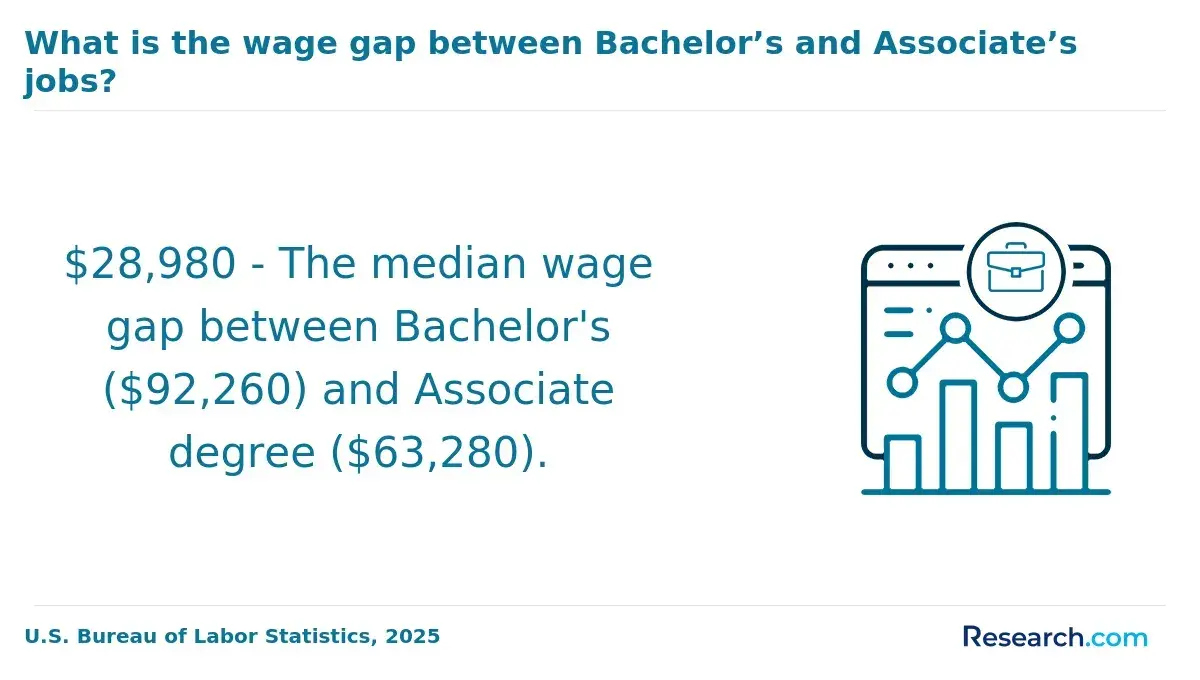
Advanced degrees and professional certifications play a significant role in enhancing long-term earnings in retail management careers. Professionals who earn master's degrees in retail management, business administration, or related fields often qualify for senior roles with greater responsibilities and higher salaries.
Certifications in specialized areas like retail analytics or inventory management also boost qualifications and can lead to niche roles offering salary premiums. Studies indicate that individuals with advanced degrees in relevant fields may earn 15% to 25% more over a 20-year career compared to those holding only a bachelor's degree.
The impact of advanced education on earnings varies across retail management contexts depending on specialization and industry demands. Technical fields such as retail merchandising or category management tend to place more value on targeted certifications, while broader leadership positions often require advanced degrees for strategic oversight.
Industries focusing on rapid technological innovation or complex strategic planning generally reward formal education more heavily. Ultimately, these qualifications complement experience by enhancing both expertise and leadership capabilities, driving stronger long-term salary growth in retail management careers.
Job stability significantly influences long-term salary growth in retail management careers by fostering consistent income increases through raises, promotions, and performance bonuses. Employees maintaining steady employment benefit from accumulated experience and stronger negotiation leverage, which contribute to sustained earnings progression.
According to the Bureau of Labor Statistics, workers with higher job retention rates in retail-related fields are 20% more likely to see steady wage growth over a 10-year period compared to those frequently changing jobs. This correlation between job stability and salary growth highlights why continuous employment is crucial to financial advancement in retail management.
Stability in retail management careers often leads to clearer salary progression patterns, as continuous work experience aligns with incremental pay increases over time. Employers typically reward reliability and skill development with structured pay scales, seniority benefits, and performance reviews that reflect accumulated expertise.
In contrast, frequent job changes may disrupt this progression, causing wage instability or slower growth as professionals adjust to new roles. For those interested in advancing their education to support career stability and growth, exploring affordable master degree programs can be a strategic step to enhance long-term earnings impact of job security in retail management.
Certain retail management careers reach their highest earning levels after 10 or more years of experience, reflecting deep industry knowledge, leadership ability, and strategic impact.
Industry data from 2023 shows that median salaries for senior retail management professionals often surpass $100,000 annually at this career stage, highlighting strong long-term salary growth in retail management careers.
Here are some of the top retail management roles with highest earnings typically attained after a decade or more:
- Senior Retail Manager: These professionals oversee multiple store locations or large teams, holding significant responsibility for operational efficiency and sales performance. Their decisions directly influence company profitability and market presence.
- Regional or District Manager: Charged with managing several stores across geographic areas, these managers implement strategic initiatives and ensure consistent business standards, commanding robust compensation due to scale and complexity of oversight.
- Director of Retail Operations: This executive-level position involves steering retail strategies at a high level, including budgeting, staffing, and expansion plans, often resulting in lucrative salary packages linked to business success.
- Retail Merchandising Leader: Experts in this role guide product assortment and vendor relations at a corporate level, shaping the customer experience and directly impacting revenue generation through well-curated merchandise selection.
- Supply Chain and Logistics Director: Professionals responsible for inventory flow and distribution networks secure high pay because their efficiency directly affects operational costs and customer satisfaction.
Additionally, some seasoned professionals leverage their extensive experience by moving into consulting or advisory roles within retail, obtaining lucrative contracts that capitalize on their expertise. For those looking to boost credentials alongside experience, pursuing the fastest masters degree can be a strategic move to advance in these competitive career paths.
Evaluating long-term earning potential is crucial when choosing retail management careers with the best long-term salary growth.
Studies show that senior roles in retail management can earn up to 50% more annually compared to entry-level management positions, highlighting the benefits of strategic career planning. Recognizing salary variation across roles helps students and professionals focus on opportunities that provide stronger financial returns.
Here are key factors to consider when aiming for retail management career paths with high earning potential:
- Industry Demand: Careers in rapidly growing retail sectors or innovative markets often yield greater salary growth due to increased competition for skilled managers.
- Role Advancement: Positions with well-defined progression routes typically lead to higher pay over time by allowing managers to take on greater responsibilities.
- Geographic Influence: Salaries in retail management vary widely depending on location, affected by cost of living and regional market dynamics.
- Company Size: Larger organizations or those with layered management structures usually offer more lucrative compensation packages and promotion prospects.
- Economic Stability: Focusing on retail segments that are more resilient during downturns can result in steadier and sometimes enhanced salary growth.
Prospective students seeking to optimize their career choice in retail management might also explore 6 week courses with certificates that can accelerate their advancement and earning potential.
What Graduates Say About Retail Management Degree Careers That Offer Long-Term Salary Growth
- Trace: "Choosing a retail management degree was one of the best decisions I made for my career. The insight into operational efficiency and customer behavior gave me a clear edge in the job market. Looking back, the long-term salary growth potential far exceeded my expectations, proving the strong ROI of this field."
- Suri: "Reflecting on my journey, a retail management degree opened doors I hadn't anticipated. The skills I gained not only advanced my career but also increased my earning power steadily over time. It's a field where strategic thinking and leadership consistently translate into salary growth, making the investment truly worthwhile."
- Ezra: "From a professional standpoint, the impact of a retail management degree on my career trajectory has been profound. It equipped me with the tools to navigate complex retail environments and seize advancement opportunities. This degree's focus on real-world application ensures that graduates see measurable salary improvements throughout their careers."
Other Things You Should Know About Retail Management Degrees
Most retail management roles do not require a state license. Employers often prefer or require a bachelor’s degree and may value certifications such as the NRF Foundation’s Retail Industry Fundamentals Certificate or supply chain credentials like APICS CPIM for operations-focused jobs. Management posts can also ask for food-safety or alcohol permits in specific store types.
Yes, retail management careers often have clear advancement paths, starting from assistant manager roles to store manager, regional manager, and corporate leadership positions. Advancing usually depends on demonstrated leadership skills, sales performance, and the ability to manage larger teams and budgets effectively.
Both education and experience are important, but practical experience often carries significant weight in retail management. Hands-on experience in sales, customer service, and team supervision helps graduates apply their knowledge in real-world scenarios, increasing their value to employers and their potential for salary growth.
Retail management graduates should develop leadership, communication, and analytical skills to interpret sales data and customer trends. Additionally, skills in inventory control, marketing, and technology related to retail operations contribute to stronger performance and better promotion prospects.
- The Impact Of Advanced Degrees On Career Advancement And Earnings - FasterCapital https://fastercapital.com/topics/the-impact-of-advanced-degrees-on-career-advancement-and-earnings.html
- Top 5 Factors Affecting Earning Potential | U.S. Career Institute - USCI https://www.uscareerinstitute.edu/blog/top-5-factors-affecting-earning-potential
- Your Guide to Retail Career Paths https://zacharydaniels.co.uk/your-guide-to-retail-career-paths/
- Top Retail Companies With Best Career Growth & Development (2,689) https://builtin.com/companies/type/retail-companies/reputation/career-growth-development