2027 Worst States for Retail Management Degree Graduates: Lower Pay, Weaker Demand, and Career Barriers

Co-Founder and Chief Data Scientist
Location plays a critical role in shaping career prospects for retail management degree graduates. Imagine a recent graduate relocating to a state with sparse retail industry presence and facing limited job openings, heightened competition, and below-average salaries. In fact, median annual wages for retail managers in the lowest-paying states fall nearly 20% below the national average.
Such disparities affect roles from store supervisors to merchandise planners, constraining growth despite a degree. This article explores which states present the toughest barriers for retail management graduates, analyzing job demand, pay scales, and economic factors to guide informed decisions about where to launch or advance a retail career.
Key Things to Know About the Worst States for Retail Management Degree Graduates
- Lower salary levels for retail management graduates vary significantly, with states like West Virginia and Arkansas offering median wages up to 25% below the national average.
- Weaker job demand in rural and economically stagnant states reduces hiring rates, limiting entry-level opportunities and slowing career advancement for retail management professionals.
- Geographic barriers, such as limited urban centers and costly relocations, restrict access to diverse retail markets, curbing long-term growth and leadership prospects.
Which States Are the Worst for Retail Management Degree Graduates?
Certain states pose challenges for retail management degree graduates due to a mix of lower salaries, weaker job demand, and limited career advancement. Some regions report median wages up to 20% below the national average, affecting graduates' financial outlook and stability. These factors combine to restrict opportunities for new professionals in retail management across these states.
The following states exemplify where retail management graduates might face the most difficulties:
- West Virginia: Lower median salaries and high unemployment rates contribute to one of the least favorable environments for retail management graduates. The state's limited job market often means fewer openings and tougher competition.
- Mississippi: This state experiences limited retail industry growth alongside below-average wages, creating a challenging scenario for graduates seeking both employment and career advancement.
- Arkansas: Reduced demand for retail managers and modest pay scales keep opportunities scarce, making it harder for entry-level workers to build sustainable careers.
- Kentucky: Slower retail sector expansion hinders job availability, resulting in weak job demand for retail management graduates and elevated competition for positions.
- New Mexico: The scarcity of large retail employers restricts career opportunities and limits exposure to diverse managerial experiences, affecting long-term professional growth.
For those considering educational pathways in related fields, exploring BCBA certification programs online can provide alternative career options with different market dynamics.
Why Do Some States Offer Lower Salaries for Retail Management Graduates?
Salary differences for retail management graduates across states mainly arise from broad economic and structural factors rather than individual qualifications. A key influence is the regional composition of industries; states with higher concentrations of retail companies, distribution centers, and commercial hubs often offer better wages due to strong demand for skilled managers.
Conversely, regions where retail activity is more limited or dominated by smaller businesses typically see lower salary levels. This phenomenon contributes to lower salaries for retail management graduates in midwestern states and other areas with less developed retail infrastructure.
Data from the U.S. Bureau of Labor Statistics shows that the average wage for retail sales managers can vary by 30-40% between the highest- and lowest-paying states, reflecting these regional disparities.
Broader economic factors affecting retail management pay by state include employer density, market competition, and overall wealth. Areas with many large retailers and a competitive labor market often raise salaries to attract top talent, whereas states with fewer employers and less competition experience slower wage growth.
The economic scale and income levels of a state influence not only what companies can pay but also consumer spending power, which impacts retail business performance and compensation. Prospective students seeking affordable education options might consider exploring the cheapest online MFT programs as part of their broader career planning.
Which States Have the Weakest Job Demand for Retail Management Careers?
Job demand for retail management graduates differs widely across U.S. states, shaped by variations in economic activity and retail industry concentration. Some regions record employment levels in retail management jobs as much as 30% below the national average, revealing clear geographic disparities. This impacts where opportunities and career growth are more accessible within the field.
Several states stand out for having notably weaker demand for retail management professionals:
- Montana: Characterized by a smaller retail sector and limited urban centers, Montana offers fewer large-scale retail employers. This restricts the availability of retail management roles across all career levels.
- Wyoming: With minimal retail chains and a predominantly rural population, Wyoming's retail industry remains narrow. The state's limited employer base means fewer structured management positions.
- North Dakota: The retail landscape here is heavily localized, focusing on small businesses rather than expansive retail operations. Consequently, the need for retail management staff is reduced.
- Vermont: Vermont's retail market emphasizes niche and boutique stores, which tend to require fewer dedicated management roles. The smaller population further affects job availability.
- Alaska: Geographic isolation and low population density contribute to a constrained retail environment. Many operations are smaller or seasonal, lowering demand for retail management professionals.
A retail management degree graduate shared his experience navigating a job search in one of these lower-demand states. He described the process as "frustrating and time-consuming," noting how many postings were either part-time or temporary positions.
"I had to widen my search beyond my home state and even consider relocating," he explained. The uncertainty around stable employment and slower career progression prospects made the situation challenging, highlighting the importance of research and flexibility when entering these markets.
Entry-level job availability for retail management graduates differs widely across states, influenced by factors like employer density and economic activity. Regions with reduced retail employment growth present approximately 20% fewer positions for early-career retail management professionals compared to national levels. This uneven distribution also affects the retail management degree salary growth by industry sectors in these states.
States with relatively scarce entry-level retail management roles include:
- Vermont: With a smaller population and limited metropolitan centers, Vermont has fewer large retail employers. The retail and wholesale trade sectors are less concentrated, resulting in fewer job openings and slower retail management degree salary growth by industry sectors.
- Wyoming: Wyoming's retail market is constrained by a sparse population and predominantly rural economy. These conditions restrict hiring for recent graduates, as large retail chains are less prevalent and retail industry activity remains low.
- Alaska: Geographic isolation and a limited number of major retail establishments reduce opportunities in entry-level retail management. Lower overall economic activity curtails sector expansion despite pockets of niche retail roles.
- North Dakota: This state's smaller employer base and less diverse retail sector hamper early-career hiring. Retail positions for recent graduates often face competition from industries with faster salary increases for retail management graduates.
- Montana: Montana's retail industry concentration is relatively low, with fewer big-city hubs. This results in limited early-stage job openings and a generally slower pace of wage growth within retail management fields.
For prospective students seeking a cybersecurity degree online, these regional disparities highlight the importance of location choice in planning a career path, especially in sectors exhibiting faster salary increase for retail management graduates.
Retail management graduates often face a range of career challenges that vary widely based on their state of residence. Wage differences alone can be striking, with regional disparities in retail roles sometimes surpassing 25%, highlighting significant gaps in earnings and opportunity across locations. These variations influence not only salaries but also the availability and nature of career paths in retail.
Several systemic barriers contribute to these varying career experiences, including the following:
- Limited Industry Presence: States with smaller retail markets usually offer fewer job options and less diversity in available roles, making it difficult for graduates to find positions that match their skills and ambitions.
- Reduced Employer Diversity: When large, multinational retailers are scarce, graduates often rely on smaller firms with limited capacity for professional growth, which can restrict the breadth of experience and advancement possibilities.
- Fewer Advancement Pathways: In less developed markets, promotional opportunities and access to senior or specialized roles are often limited, posing challenges for long-term career development.
- Economic Volatility: Fluctuating local economies can destabilize retail job markets, increasing layoff risks and reducing benefits, thereby affecting financial stability and career confidence.
- Limited Networking Opportunities: Smaller retail sectors tend to host fewer industry events and training programs, which are vital for building contacts and staying informed about sector trends.
A professional with a Retail Management degree shared her reflections on facing these obstacles: she found early roles scarce and often confined to small businesses that offered limited advancement.
"It was frustrating not having many mentors or formal training programs around," she recalled, emphasizing how important those networks became once she moved to a larger market. The experience shaped her understanding of how geography can profoundly affect career trajectory, requiring extra resilience and proactive efforts to connect and grow within the industry.
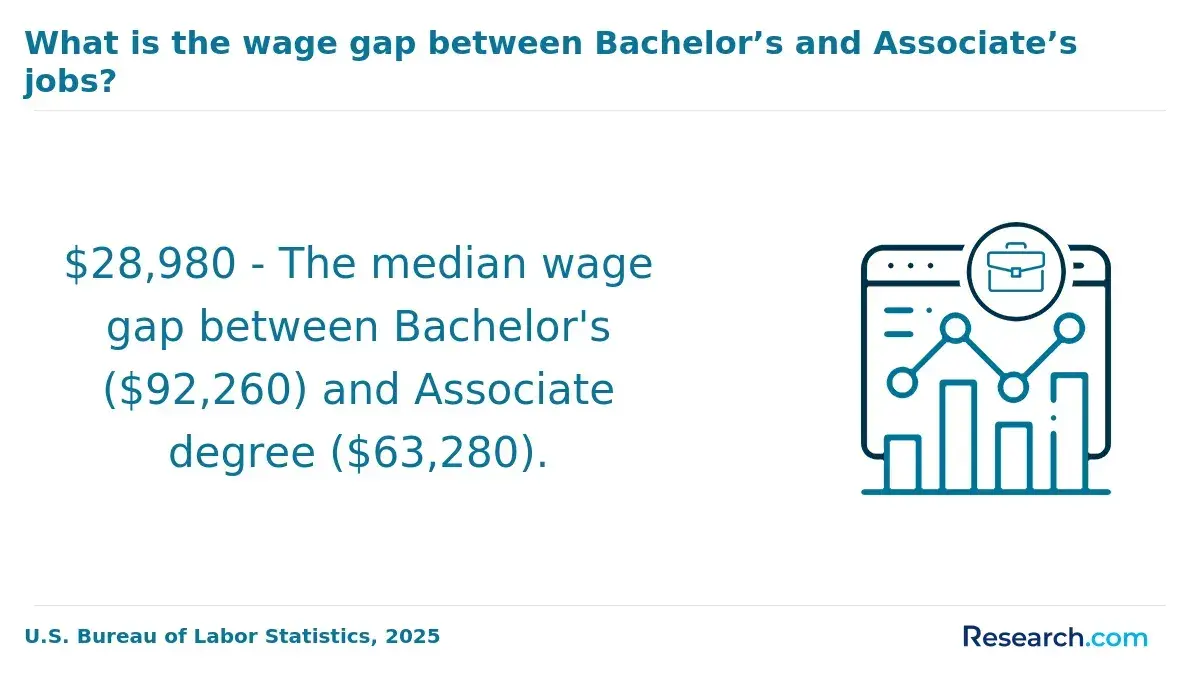
The availability of jobs and salary levels for retail management graduates often hinge on the strength and diversity of key industries within a state. Areas with thriving retail sectors, bolstered by commercial centers, corporate retail headquarters, or strong tourism, tend to offer a wider range of employment options and higher wages.
For instance, Florida and Nevada, with their tourism-driven retail markets, typically provide more varied job prospects than states with fewer commercial activities. According to recent data, there is nearly a 25% difference in average retail management salaries between states with the highest and lowest job concentrations, reflecting how industry health influences compensation.
Broader economic conditions also play a significant role in shaping job stability and opportunities for retail management graduates. States with diverse economies and multiple employers across sectors generally maintain steadier demand for retail leadership roles, shielding workers from sharp downturns.
Conversely, states reliant on a limited number of large retailers or industries may face greater employment volatility and fewer career advancement options. California and New York exemplify regions where economic diversity supports higher wages and job security, while less developed retail infrastructures may restrict growth and earnings for retail management professionals.
Cost of living plays a crucial role in shaping retail management salaries across different states, as employers adjust wages to match regional expenses and maintain competitive pay. Research shows that salary differences can range from 20% to 30% depending on the local cost of living, especially between high-cost urban centers and more affordable rural areas. These adjustments help ensure employees can sustain a reasonable standard of living despite geographic disparities.
The impact of cost of living on retail management salaries can be observed in several important ways:
- Salary Adjustments in High-Cost Areas: Employers raise pay scales in expensive regions where housing, transportation, and everyday costs are significantly higher, aiming to attract and retain skilled workers.
- Lower Base Salaries in Affordable Regions: States with lower living costs often offer reduced wages, which may limit purchasing power even though nominal salaries seem sufficient.
- Variation in Benefits and Bonuses: Compensation packages sometimes emphasize enhanced benefits or additional bonuses in places where salary increases are limited by market or budget constraints.
- Purchasing Power Differences: Although nominal salaries vary, a lower salary in a low-cost region may provide a lifestyle comparable to a higher salary in an expensive location, influencing how graduates evaluate job offers.
Remote work has become a valuable option for retail management graduates facing lower demand and pay in certain states, as it allows access to job opportunities beyond their immediate location. By connecting graduates to employers in broader markets, remote retail management jobs for graduates facing lower demand in certain states can help overcome geographical limitations.
A report from the U.S. Bureau of Labor Statistics notes that about 15% of retail-related roles now incorporate some remote work component, signaling a growing acceptance of flexible arrangements in these fields. This trend can offer increased career prospects by diversifying the pool of potential employers without the need to relocate.
While remote work improves access to employment opportunities, state-level factors such as industry concentration and in-person job requirements still impact the overall landscape for retail management graduates. Certain roles, like those involving direct store supervision, may not be suitable for remote work, limiting its effectiveness in fully mitigating local market challenges.
Nevertheless, the option to work remotely helps reduce the dependence on local retail markets and can enhance career flexibility in low-opportunity states. Those interested in exploring educational paths should also consider programs like the best paralegal certificate programs to broaden their qualifications and adaptability in evolving job markets.
A weak job market for retail management graduates often results in fewer employment opportunities, lower starting salaries, and slower career advancement. Some states experience hiring slowdowns, with entry-level professional positions dropping by as much as 15% year-over-year. Economic downturns, changes in retail landscapes, and population shifts contribute to this reduced demand, posing significant challenges for recent graduates. Navigating career challenges for retail management degree holders in weaker state markets requires targeted strategies.
Consider the following approaches to improve your success in such environments:
- Skill Enhancement: Pursue continuous learning and certifications to build a competitive edge. Keeping skills updated in areas such as retail technology and management practices increases your appeal to employers in a tough market.
- Network Building: Engage actively with industry groups and attend relevant events. A strong professional network can open doors to hidden job opportunities and mentorship that boost your career progression.
- Practical Experience: Secure internships, part-time roles, or volunteer positions that demonstrate your capabilities. Hands-on experience is especially valuable when the job market offers fewer entry-level roles.
- Adaptability Development: Broaden your knowledge to include related business functions and new technologies. Flexibility can help you pivot toward alternative roles or industries when retail management demand is low.
- Personal Branding: Invest time in creating a polished resume and developing your online presence. A strong personal brand helps attract recruiters' attention despite local market limitations.
Graduates facing these challenges can also explore options at non profit universities that offer adaptable, accredited programs to help sustain career growth amid fluctuating job markets.
Location plays a crucial role in shaping career prospects for retail management graduates, impacting salary levels, job availability, and advancement potential. Data reveals up to a 20% difference in job openings for supervisory retail roles across various metropolitan areas, highlighting significant regional variations in opportunity.
When selecting where to build a retail management career, consider these key factors:
- Industry Concentration: Areas with a high density of retail headquarters, distribution centers, and commercial hubs typically offer stronger job markets and more options for employment.
- Salary Conditions: Regional wage differences can be substantial, with some locations providing higher median salaries that reflect local demand and cost structures.
- Opportunity Availability: Diverse retail sectors-including luxury, specialty, and large-scale stores-expand career paths and increase chances for promotion and skill development.
- Long-Term Career Alignment: Locations leading in retail innovation and management leadership support growth beyond entry-level roles, fostering ongoing professional advancement.
- Economic Stability: Regions characterized by steady consumer spending tend to maintain healthier retail employment levels, offering more consistent job security.
What Graduates Say About the Worst States for Retail Management Degree Graduates
- Trace: "When I graduated with my retail management degree, I quickly realized that staying in states with weaker retail demand made finding opportunities a real challenge. The job market was limited, and I had to weigh whether to accept underwhelming positions or relocate for growth potential. Ultimately, moving to a state with a stronger retail sector reshaped my career - my degree truly opened doors once I was in the right place."
- Sutton: "Reflecting on my start after earning a retail management degree, the toughest part was navigating the scarcity of roles in some states known for low demand. I decided to embrace remote opportunities, which allowed me to build experience without geographic constraints. While the degree gave me a solid foundation, adapting my job search to include virtual roles was key in establishing a foothold in this industry."
- Ezekiel: "As a retail management graduate, I encountered considerable hurdles in my home state where retail opportunities were sparse and competition fierce. Choosing to move was a strategic decision; it was about more than just a job, it was about career longevity. My degree proved invaluable, but I learned that aligning location with industry demand was just as crucial as the education itself."
Other Things You Should Know About Retail Management Degrees
Networking is especially crucial in states with weaker job demand for retail management graduates. Building strong professional connections can help graduates learn about hidden job opportunities and gain referrals that might not be publicly advertised. Active participation in industry groups and local business events is key to overcoming the challenges posed by limited demand.
Professional certifications can significantly boost a retail management graduate's employability in states with lower pay and fewer opportunities. Certifications demonstrate specialized skills and a commitment to the profession, which can differentiate candidates in a competitive market. They also may open doors to higher-level positions where practical experience alone might not suffice.
No state license is required for retail management jobs in 2027. Employers usually ask for a bachelor’s degree in retail management, business, or a related field, plus experience with inventory control, staff scheduling, and point-of-sale systems. Some districts require background checks for management access.
Internships and part-time roles provide critical hands-on experience and help graduates build relevant skills that are attractive to employers. In states with career barriers, these positions may be especially valuable for gaining exposure to different retail environments and establishing a professional reputation. Successful internships can often lead to full-time employment despite a tougher job market.
- Retail Recruiting Strategies That Actually Work | JB Search https://www.jbsearchpartners.com/post/retail-recruiting-strategies
- How to Choose a Retail Location: A Data-Driven Guide | GrowthFactor https://www.growthfactor.ai/resources/blog/how-to-choose-retail-location
- Building a Retail Workforce for an Uncertain Future https://www.shrm.org/enterprise-solutions/insights/building-retail-workforce-uncertain-future
- The best and worst U.S. states for finding a good job in 2024 https://www.cbsnews.com/news/best-worst-states-for-jobs-2024/
- Top Growth Strategies for Successful Retail Management – British Academy For Training & Development https://batdacademy.com/en/post/top-growth-strategies-for-successful-retail-management
- Top Tips for Retail Area Managers https://www.c2recruitment.com/blog/2019/04/how-to-be-a-successful-retail-area-manager
- How Unnecessary College Degree Requirements Hurt The Working Class - FREOPP https://freopp.org/whitepapers/how-unnecessary-college-degree-requirements-hurt-the-working-class/
- Career after Retail: Where to Apply Your Management Experience https://www.spiceandtea.com/blogs/franchising/career-after-retail
- Your Guide to Retail Career Paths https://zacharydaniels.co.uk/your-guide-to-retail-career-paths/
- Retail Careers: An Overlooked Pathway to Future Jobs https://www.jff.org/blog/retail-careers-overlooked-pathway-future-jobs/