2027 Is a Retail Management Degree Better Than Experience Alone? Salary, Hiring, and Career Growth Compared

Co-Founder and Chief Data Scientist
The retail management industry presents a clear divide when comparing degree holders to those relying solely on experience and self-teaching. While many employers accept candidates without formal education, 62% of retail management roles filled in 2025 favored applicants with relevant degrees, reflecting stronger salary offers and faster career advancement. Non-degree holders often face limited upward mobility, as managerial and strategic positions increasingly require academic credentials.
However, experienced professionals with proven track records can still excel, especially in smaller companies. This article examines salary disparities, hiring trends, and career growth prospects to help readers decide whether pursuing a retail management degree aligns with their long-term goals.
Key Points About Having Retail Management Degrees vs Experience Alone
- Retail management degree holders earn on average 15% more than experienced non-degree workers, reflecting employer preference for formal education in salary decisions.
- Degree graduates have access to 30% more job openings at mid-to-senior levels, as many employers list degrees as minimum criteria.
- Promotional rates to leadership roles are 25% higher among degree holders due to advanced strategic and operational training included in curricula.
What technical proficiencies can you gain from having Retail Management degrees vs self-teaching?
Foundation principles and practical applications in retail management can be learned both through formal degree programs and on-the-job experience, but degree programs offer a structured, comprehensive path to mastering complex technical skills. On the other hand, hands-on experience often focuses on immediate problem-solving rather than strategic understanding. Here are five key technical proficiencies where a retail management degree typically provides deeper knowledge compared to self-teaching or experience alone:
- Advanced inventory management: Degree programs teach sophisticated software tools and inventory optimization techniques designed to reduce costs and enhance efficiency. Experience may provide familiarity with basic inventory tasks but often lacks strategic insight into supply-demand balance.
- Data analytics and sales forecasting: Formal education integrates statistical methods and software such as Excel or Python to predict sales trends accurately. Self-teaching can introduce some tools, but degree coursework trains managers to apply analytics to real-world business decisions.
- Supply chain coordination: Managing vendor relationships and logistics requires understanding system integration and complex workflows, best conveyed through case studies and formal curriculum. On-the-job learning may be fragmented and miss broader supply chain strategies.
- Customer relationship management (CRM) systems: Training on proprietary CRM software in degree programs helps analyze customer behavior to drive loyalty and targeted marketing, skills rarely acquired through casual learning or isolated experience.
- Financial performance analysis: Degree courses emphasize budgeting, profit and loss evaluation, and key performance indicators, fostering strong business acumen crucial for leadership. Practical experience might cover some basics, but lacks the depth and analytical rigor provided in academic settings.
Incorporating a retail management degree can enhance these core competencies gained from retail management degrees versus relying solely on experience. According to industry surveys, professionals with formal degrees have a higher likelihood of advancing to senior roles. Students interested in combining technical expertise with practical skills might also consider related options like online AI degree programs that complement traditional retail management knowledge.
Are there certifications or licenses that only Retail Management degree holders can obtain?
Continuing education and additional credentials enhance career opportunities, especially as more employers emphasize skills-based hiring. Some certifications and licenses available in the retail sector require a retail management degree, reflecting the value of formal academic training. Here are a few notable credentials reserved for retail management degree holders:
- Certified Retail Management Professional (CRMP): This credential focuses on leadership, strategic planning, and operational efficiency in retail. To qualify, applicants typically need a retail management degree or a closely related field, along with completion of structured training and an exam. It signals mastery of advanced retail concepts often taught in degree programs.
- National Retail Federation (NRF) Advanced Certificate: While some NRF certificates are entry-level, this advanced certificate usually requires formal education credentials like a retail management degree. It validates expertise in retail analytics, customer experience, and logistics, areas requiring theoretical knowledge beyond hands-on skills.
- Merchandising Management Certification: Geared toward professionals knowledgeable in inventory control, buying, and vendor relationships, this certification assumes prior academic exposure to merchandising theories. A retail management degree is generally a prerequisite to be eligible for the certification exams.
These licenses, available exclusively to retail management graduates, demonstrate the advantage of combining formal education with certifications to advance faster in the industry. According to data from the Retail Industry Education Board, 62% of hiring managers say candidates holding both relevant degrees and certifications are promoted 35% faster than those relying solely on experience. This illustrates how a retail management degree certification advantages career growth and salary potential.
For students considering their options, it's worth noting that programs offering a business management degree online can provide accessible pathways to obtaining these credentials while balancing other commitments. This can position them well for exclusive certifications that open doors in retail management careers.
Will a degree in Retail Management make you more employable?
Job prospects for those with a retail management degree generally surpass those relying solely on experience. Employers often favor candidates with formal credentials, particularly for entry-level management jobs where degrees can increase interview chances substantially. However, practical experience remains vital, especially in roles demanding immediate decision-making and adaptability.
This preference is influenced by the structured knowledge retail management programs provide, including finance, marketing, customer insights, and operational strategies. These programs equip students with skills that go beyond what on-the-job learning typically covers. Still, many employers seek candidates who complement education with proven interpersonal and problem-solving abilities developed through hands-on work.
Ultimately, whether a degree or experience is more advantageous depends on individual career ambitions. Those aiming for rapid advancement or leadership may benefit from formal education, while others might succeed by accumulating diverse retail environments experience. Combining both education and practical skills often offers the strongest foundation in this field.
A professional who graduated from an online retail management bachelor's program shared his perspective on employability. He recalled feeling uncertain about investing time and money into a degree but found the structured curriculum helped him develop confidence when tackling real-world retail challenges. "The toughest part was managing coursework alongside a full-time job, but learning about inventory systems and team leadership in a dedicated setting gave me a clearer edge," he said. He emphasized that while experience is important, the degree opened doors to networking opportunities and interviews he might have otherwise missed.
Certain jobs in retail management require candidates to hold a formal degree, while other positions prioritize skills and job readiness, often considering extensive experience as a viable alternative. The difference in job opportunities can be significant, with formal education typically opening doors to higher-level roles. Here are some key career options available to retail management degree holders:
- Retail Store Manager: Overseeing daily operations of retail outlets, this role involves staffing, inventory control, and customer service management. It usually requires a degree because it demands leadership skills, business knowledge, and strategic planning developed through formal education.
- Supply Chain Analyst: Focused on optimizing the flow of goods from suppliers to customers, this position requires data analysis, forecasting, and logistics expertise. A retail management degree provides essential analytical training and market insight, making graduates highly competitive in this field.
- Merchandising Manager: Responsible for product placement and promotions to maximize sales, this career blends creativity with business acumen. Often requiring formal study, employers value the combination of industry knowledge and strategic planning that degrees impart.
- Retail Buyer: Tasked with selecting and purchasing merchandise, retail buyers need strong negotiation skills and market understanding. A degree helps build knowledge of consumer behavior and supplier relations, though exceptional experience can sometimes substitute for formal education.
- Regional Sales Manager: Managing sales strategies across multiple locations, this role demands leadership and financial insight. Degree holders typically possess the necessary skills gained from retail management studies, but significant field experience may also be recognized by some employers.
Retail management degree career opportunities in the US continue to expand as formal education becomes increasingly valued alongside practical experience. According to industry reports, degree holders earn approximately 18% more during their first five years on the job than those relying solely on experience or self-teaching. For students seeking flexible learning options, online courses for moms offer accessible paths to obtaining this valuable qualification.
Holders of retail management degrees typically enjoy structured access to valuable networking resources not easily available to those relying solely on experience. Degree programs often connect students with industry professionals through internships, alumni associations, and dedicated career services. These avenues provide direct contact with hiring managers and mentors, giving degree holders an advantage in building meaningful professional relationships.
On the other hand, individuals without a degree generally depend on their existing workplace contacts or industry meetups to develop networks. Their opportunities may be more limited and less formalized, lacking systems like alumni databases or program-facilitated referrals that can open doors. Both groups, however, benefit from trade events and online communities, though degree students usually gain earlier and broader access to these platforms through their institutions.
The retail management field strongly values connections and recommendations, with a significant portion of hiring influenced by referrals. Networking plays a crucial role in career advancement, making formal educational routes especially useful for establishing these critical ties. While experience alone offers valuable insights, the industry thrives on relationships that degree programs help cultivate systematically, often accelerating professional growth and visibility within the sector.
Pursuing a retail management degree can enhance a professional's eligibility for leadership and advancement within the retail sector. This academic background often provides advantages beyond practical experience. The following points highlight why a degree may influence promotion opportunities:
- Specialized Knowledge: Retail management programs cover critical topics like supply chain logistics, consumer behavior, and strategic planning. This expertise equips candidates with skills that employers value for upper-level roles.
- Career Development Resources: Degree programs often include access to internships, networking events, and mentorships. These resources help graduates build connections and gain insights that prepare them for managerial responsibilities.
- Perceived Reliability: Many companies see a degree as a marker of consistent skill and theoretical understanding. While extensive work experience remains important, a formal education can provide an additional layer of credibility when competing for promotions.
Those without degrees may still progress through strong job performance and leadership, but promotions could take longer, potentially requiring extra certifications. Overall, having a retail management degree tends to smooth the path toward advanced positions by combining practical experience with established industry knowledge.
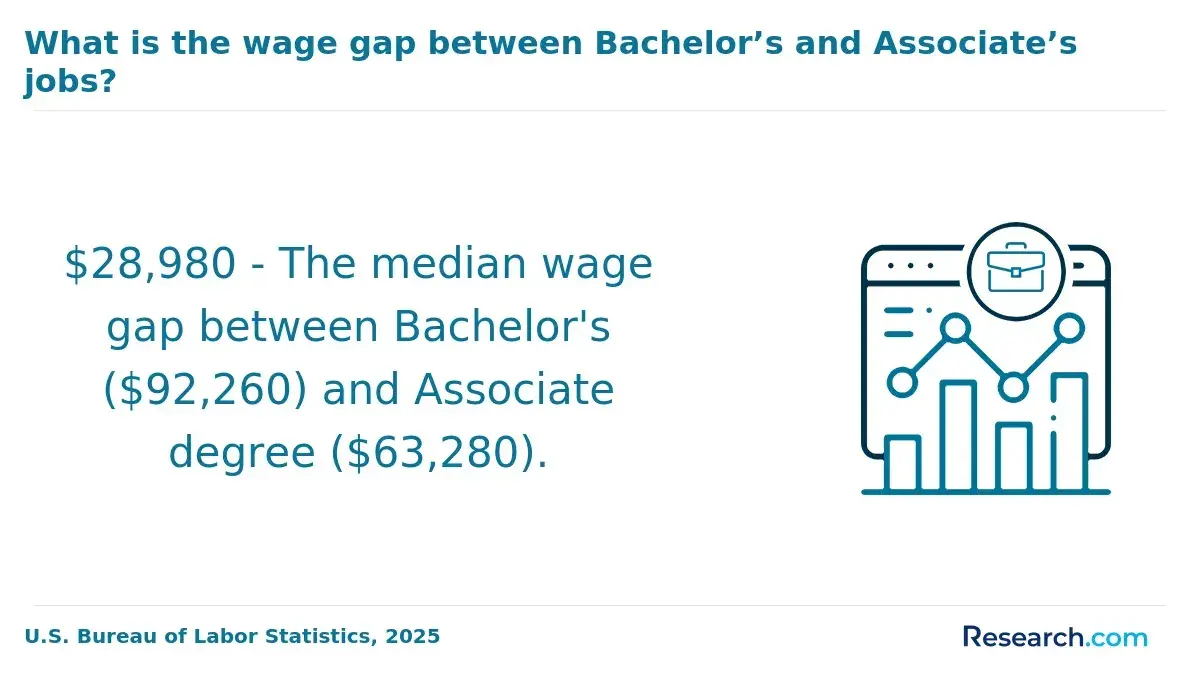
Retail management degree holders typically earn more than their peers who rely solely on experience. On average, those with a degree start around $50,000 annually, about 15% higher than non-degree professionals who generally begin closer to $43,000. Over time, the income gap widens as degree holders more frequently attain higher-level roles like regional managers, with salaries surpassing $90,000. In contrast, the career income ceiling for experienced-only professionals often remains below $75,000 in mid-management positions, reflecting a slower climb in pay and responsibility. This disparity illustrates the impact of retail management education on career income growth, highlighting a clear wage pay gap throughout professional advancement.
Non-degree holders can improve their income outlook by acquiring additional certifications in areas such as supply chain, merchandising, or leadership. While these credentials help, formal education combined with experience remains favored by employers for roles requiring strategic decision-making and operational expertise.
Consistently upskilling makes retail professionals more indispensable during economic downturns and company reorganizations. Developing key skills strengthens job security and adaptability. For students evaluating whether to pursue a Retail Management degree, it is worth considering cheapest accredited online doctoral programs as a long-term investment for career growth and income potential.
The average tuition cost for a retail management degree ranges from $15,000 to $40,000 depending on the institution and program format. Graduates can typically expect to recover their education investment within 4 to 6 years, thanks to higher starting salaries. On average, retail management degree holders earn about 20% more in entry-level roles compared to those relying solely on experience or self-teaching.
Financial aid such as scholarships, grants, and work-study programs are essential tools to lower upfront education costs. Choosing accelerated degree programs also helps students enter the workforce faster, improving return on investment. Additionally, internships and networking opportunities boost job prospects and often lead to higher initial salaries. By strategically managing expenses and leveraging financial aid, aspiring professionals can significantly improve the overall value of a retail management degree relative to experience alone.
As retail increasingly integrates AI and automation, routine tasks such as inventory management and checkout are being streamlined, leading to job displacement risks for workers relying solely on experience. Economic fluctuations add another layer of uncertainty, creating challenges for positions closely tied to operational duties. Those with a retail management degree, however, develop skills in technology adoption, data analysis, and strategic planning, which better equip them to adapt and guide teams through these changes. This adaptability often results in greater job stability during market downturns compared to non-degree holders who may lack formal training in these areas.
Retail management graduates tend to hold roles that focus on leadership and decision-making rather than repetitive tasks vulnerable to automation. Their education fosters competencies in managing technological transitions and navigating economic volatility, making them less likely to be laid off or displaced by automation. Conversely, professionals without a degree may struggle to transition as the industry evolves, facing higher displacement risks due to limited exposure to analytical and strategic management practices.
When asked about the impact of his retail management degree during uncertain times, a professional who completed an online bachelor's program shared that the coursework gave him confidence handling new software and leading remote teams. He recalled moments of anxiety during the pandemic-triggered recession, but noted that his ability to interpret sales data and implement change made him indispensable. "It wasn't just about knowing the day-to-day work, but understanding how to pivot quickly when the market shifted," he explained. This background helped him maintain his position while colleagues without formal education faced layoffs or role reductions.
What Graduates Say About Their Retail Management Degrees
- Tracy: "Choosing a degree in retail management truly set me apart from my peers when I entered the workforce. The practical skills and real-world case studies I encountered during my studies made me immediately job-ready, which employers appreciated. Additionally, having a solid understanding of retail operations helped me advance quickly in my career and negotiate better salary packages."
- Sutton: "Looking back, my retail management degree was invaluable in preparing me for the industry's fast pace and diverse challenges. The course equipped me with critical strategic thinking and leadership skills that employers seek, giving me a competitive edge. It's clear that my degree played a pivotal role in my promotions and positive employment prospects."
- Ezekiel: "My retail management education offered me a comprehensive foundation that directly impacted my career trajectory. From day one, I felt confident stepping into management roles because the curriculum focused heavily on practical application. This degree not only opened doors for employment but also significantly improved my salary outlook as I climbed the retail ladder."
Other Things You Should Know About Retail Management Degrees
Retail management degree holders are more likely to be considered for roles that involve strategic planning, team leadership, and operational analysis. Their academic background prepares them to handle complex decision-making tasks, whereas individuals with experience alone may initially focus on day-to-day store management and customer service. Over time, experienced professionals may move into similar responsibilities, but degree holders often reach those positions faster.
A retail management degree can be a distinguishing factor in competitive job markets, signaling formal education and commitment to the field. Employers may view degree holders as having verified skills in areas like finance, marketing, and human resources relevant to retail. Candidates relying solely on experience need to demonstrate strong practical results to compete effectively, which can sometimes limit opportunities to advance in bigger or corporate retail settings.
Look for regional accreditation from bodies such as the Higher Learning Commission, Middle States Commission on Higher Education, or Southern Association of Colleges and Schools Commission on Colleges. For business-focused programs, AACSB accreditation is a strong signal. Employers use accreditation to judge degree quality and eligibility for tuition reimbursement.
- What Is Return on Investment (ROI) and How to Calculate It https://www.investopedia.com/terms/r/returnoninvestment.asp
- Why On Earth Would You Go Into Retail With A Business Degree? https://www.exforsys.com/career-center/career-articles/why-on-earth-would-you-go-into-retail-with-a-business-degree.html
- I have 10+ years of solid retail experience so why do I need a college degree to get a GM promotion? | Jobcase https://www.jobcase.com/conversations/927a3ad8-710e-519d-bc51-9408e4c57ac8
- AI’s Impact on Job Growth | J.P. Morgan Global Research https://www.jpmorgan.com/insights/global-research/artificial-intelligence/ai-impact-job-growth
- Graduate careers advice: you and your retail management degree https://gradireland.com/careers-advice/retail/graduate-careers-advice-you-and-your-retail-management-degree
- The impact of AI on entry-level jobs: A graduate perspective - IFOW https://www.ifow.org/news-articles/the-impact-of-ai-on-entry-level-jobs-a-graduate-perspective
- College Students Weigh AI's Impact on Majors and Careers https://news.gallup.com/poll/704087/college-students-weigh-impact-majors-careers.aspx
- High-Paying Retail Jobs That Don't Require a Degree — Campbell Morden https://campbellmorden.com/recruitment-articles/high-paying-retail-jobs-that-dont-require-a-degree
- Understanding ROI in Higher Education: How Students Evaluate the Value of an MBA or BBA Degree - MBA Knowledge Base https://www.mbaknol.com/general-business-articles/understanding-roi-in-higher-education-how-students-evaluate-the-value-of-an-mba-or-bba-degree/
- MBA in Retail Management: Best colleges, salary, scope, syllabus, trends and more - MBA Crystal Ball https://www.mbacrystalball.com/blog/2023/11/16/mba-in-retail-management/