
2027 Retail Management Degree vs Bootcamp vs Certificate: Which Path Leads to Better Career Outcomes?

Co-Founder and Chief Data Scientist
Deciding between a retail management degree, bootcamp, or certificate presents a real dilemma for career-focused learners-each offers distinct advantages but varies greatly in salary outcomes, employer preferences, and long-term growth. For instance, graduates from retail management degree programs earn on average 25% higher salaries within five years compared to bootcamp completers, yet bootcamps boast faster job placement rates. Adult learners balancing time and finances often find certificates a practical entry point, though employers may favor degrees for senior roles.
This article examines salary, credential value, placement success, ROI, networking opportunities, and career trajectory, guiding readers to the education pathway best suited to their goals and profiles.
Key Things to Know About Which Path Leads to Better Career Outcomes: Retail Management Degree, Bootcamp, or Certificate
- Retail management degree holders often see higher long-term salary growth-data shows a 15% premium over certificates-due to employer preference for formal education in leadership roles.
- Bootcamps provide rapid job placement, with rates up to 70% within six months-ideal for career changers needing urgent skill acquisition but with limited networking access.
- Certificates offer a strong return on investment for working professionals-flexible and cost-effective-yet generally lead to modest salary gains and slower career advancement compared to degrees.
How Does Retail Management Degree Compare to Bootcamps and Certificates in Total Program Cost and Time to Completion?
Prospective students face a real choice when entering retail management education today-a traditional multi-year degree program or a faster, lower-cost path via bootcamp or professional certificate. Neither route is automatically best for every learner, making it essential to understand each option before deciding.
Traditional retail management degree programs, such as associate's or bachelor's degrees, typically require two to four years of full-time study. These comprehensive programs cover business fundamentals, marketing, and management tailored to retail environments. They generally offer deeper theoretical knowledge and broader career preparation but come with higher costs and longer time commitments.
Bootcamps provide an intensive, skills-focused alternative lasting from eight to twenty-six weeks. These programs concentrate on practical tools, case studies, and technology applications directly relevant to retail management roles. Bootcamps attract career changers and working adults seeking rapid upskilling without the multi-year commitment.
Professional certificates-available through platforms like Coursera, Google, or industry associations-offer flexible, self-paced or instructor-led courses. They typically range from a few weeks to several months, focusing on specific skills or topics. Certificates are often the most affordable option and can supplement existing education or work experience.
- Degree Programs:
- Time: 2 to 4 years full-time; part-time options extend duration.
- Cost: Average tuition ranges from $6,900 annually (public in-state associate) to over $30,000 per year (private school), totaling $20,000 to $100,000 depending on residency and institution.
- Bootcamps:
- Time: 8 to 26 weeks, full-time or part-time.
- Cost: $5,000 to $15,000, offering a lower-cost yet intensive pathway.
- Professional Certificates:
- Time: Self-paced, from weeks to months.
- Cost: $500 to $2,000, with some free or low-cost options through MOOCs.
Comparing retail management degree program cost and duration highlights these significant differences-but total time and investment only partially define value. Learners balancing work or family often weigh time to complete retail management bootcamp vs certificate when deciding their best fit. Later in this guide, we explore salary outcomes, employer preferences, job placement, return on investment, networking opportunities, and long-term growth potential for each pathway.
For those considering further advanced study beyond these options, shorter doctoral programs like the 1 year PhD programs online also offer accelerated paths in related business fields.
What Career Outcomes Can Retail Management Degree Graduates Expect Compared to Bootcamp and Certificate Completers?
Graduates from retail management degree programs generally face different career outcomes compared to those completing bootcamps or certificate courses, though variations depend on labor market trends and employer demands. Data from the Bureau of Labor Statistics (BLS) and NACE Early Career Salary Survey indicate degree holders often enjoy higher median starting salaries and more advanced initial job titles. Retail management degree graduates commonly assume roles like assistant store manager or regional sales coordinator, reflecting mid-level corporate entry points.
- Employment Rate: Retail management degree graduates typically report employment rates within six months of about 75-85%. Bootcamp completers average around 80%, while certificate holders hover near 65%, although these numbers can be influenced by self-reported data biases.
- Median Starting Salary: Degree holders usually start between $40,000 and $50,000 annually, bootcamp completers range from $35,000 to $45,000, and certificate holders earn between $30,000 and $40,000.
- Job Title Level: Degree graduates often secure mid-tier management roles with clearer promotion pathways. Bootcamp and certificate completers typically begin as retail sales supervisors or inventory specialists, positions involving fewer management responsibilities initially.
Many employers are turning to skills-based hiring, allowing bootcamp and certificate completers to compete more effectively-especially where practical skills and technical knowledge carry more weight. However, a retail management degree still confers a competitive edge in larger chains valuing formal education. It's essential to critically assess salary and job placement rates for retail management certificate holders versus degree and bootcamp programs, considering variables like professional networking, portfolio quality, and employment location.
Self-reported bootcamp data often suffer from survivorship bias or selective disclosure. Prospective students should seek programs providing independently audited data, such as verification through the Council on Integrity in Results Reporting (CIRR). This approach aids in distinguishing robust outcome claims from promotional exaggerations.
Readers should apply these insights to ask targeted questions about how educational paths align with personal goals rather than assuming fixed career outcomes based solely on credentials. For those comparing broader executive educational investments, information about the cheapest executive MBA programs provides additional context for advanced career strategies.
Which Retail Management Pathway - Degree, Bootcamp, or Certificate - Offers the Highest Starting Salary for Graduates?
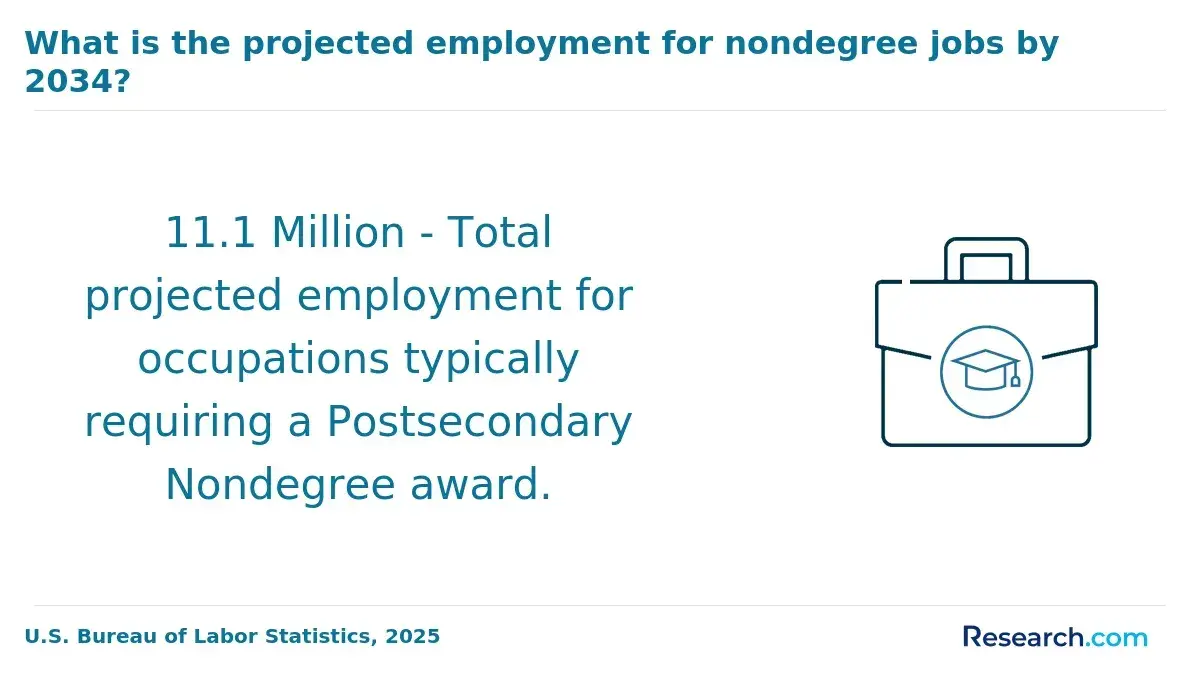
Data from the Bureau of Labor Statistics, NACE, LinkedIn Salary Insights, and Glassdoor suggest clear salary distinctions based on educational background for entry-level retail management roles. Graduates holding a bachelor's degree generally report starting salaries between $45,000 and $55,000, while those completing bootcamps or professional certificates often begin closer to $35,000-$42,000. This gap reflects the higher value many larger retailers place on formal degree credentials.
- Employer Type: Established corporations and large retail chains tend to prioritize degrees, often linking these qualifications to higher initial pay. Conversely, startups and smaller retailers may be more open to candidates with certificates or bootcamp training, sometimes offering competitive compensation when relevant skills are demonstrated.
- Industry Sector: Specialized retail sectors, such as luxury goods or technology-focused stores, often reward degree holders with premium starting salaries due to the increased complexity and responsibility of such roles.
- Job Titles: Positions like assistant store manager or department supervisor usually require formal education and offer higher pay. In contrast, entry-level roles like sales supervisors or store associates-more accessible via bootcamps or certificates-show lower starting wages.
- Geographic Variance: Urban centers and regions with high living costs tend to narrow salary disparities between educational pathways because of intense labor market competition.
- Salary Progression: Degree holders typically experience faster promotion into higher-paying managerial or specialized roles, as many leadership positions require academic credentials. This results in more rapid mid-career salary growth compared to bootcamp or certificate completers.
- Individual Variability: Median salaries do not guarantee specific outcomes. Factors such as previous experience, geographic flexibility, networking, and program quality significantly influence personal earnings trajectories.
A professional who graduated from a retail management degree program reflected on his journey, sharing that finding internships during studies proved challenging but ultimately crucial in securing a competitive starting position. He noted, "The coursework was intense, but it laid the groundwork for my confidence in interviews and connecting with employers. While starting salaries seemed roughly in line with some peers from certificate programs, the degree has opened doors faster for managerial roles." This firsthand insight underscores the interplay between education, practical experience, and career advancement in retail management.
Degree Preference: Employers in established sectors-such as large enterprises, government agencies, and regulated industries-often require formal retail management degrees as a primary hiring filter. SHRM hiring surveys reveal that about 65% of hiring managers in these areas favor candidates with accredited degrees, viewing them as proof of essential knowledge and dedication.
Bootcamp and Certificate Recognition: Conversely, startups, consulting firms, and parts of the tech-driven retail industry increasingly highlight skills-based credentials. According to LinkedIn Talent Insights, practical certificates and bootcamps tied to project portfolios demonstrate immediate competencies, though they usually supplement rather than replace degrees for advanced roles. This distinction is crucial for understanding how employers evaluate retail management degrees versus bootcamps.
Skills-Based Hiring Trends: Several government initiatives and prominent employers promote hiring based on demonstrable skills to widen candidate pools. Federal agencies now accept non-degree credentials for certain retail-related jobs. Nevertheless, labor economics research indicates degree holders still have a hiring and promotion edge, partly due to entrenched HR systems and institutional biases.
Sector-Specific Dynamics: Strict degree requirements persist mainly in regulated retail sectors like pharmaceuticals and financial services. Meanwhile, consumer-facing chains and e-commerce startups often treat bootcamp graduates with strong digital skills as equally viable candidates. Thus, aligning credential choices with the target industry segment is key.
Credential Signaling: Degrees symbolize broad understanding and reliability, while certificates and bootcamps signal agility and specialized skills. Candidates integrating both may achieve the best outcomes. Those exploring further education may also consider a masters degree in data science online to enhance analytical capabilities relevant in retail management.
Accredited retail management degree programs often require applicants to meet several structured criteria that act as both entry barriers and indicators of academic readiness. These usually include:
- GPA Minimums: Many accredited programs require a minimum high school GPA-often around 2.5 to 3.0 on a 4.0 scale-to demonstrate consistent academic performance.
- Prerequisite Coursework: Applicants may need completed coursework in subjects like mathematics, business foundations, or economics to show preparedness for specialized retail management material.
- Standardized Tests: While some schools have waived or relaxed SAT/ACT requirements recently, many still expect these scores as part of the admissions package.
- Letters of Recommendation: These serve to offer qualitative insights into an applicant's character and academic potential and are commonly required by degree programs.
- Application Timelines: Degree programs adhere to fixed deadlines aligned with academic terms, imposing planning discipline on applicants.
By contrast, most retail management bootcamps and certificate programs impose few or no academic requirements. Their open-enrollment models usually waive GPA standards, prerequisite classes, and standardized testing. Instead, they may emphasize demonstrated motivation through simple interviews or skills assessments, and often provide multiple or rolling start dates for flexibility. This approach reduces barriers linked to cost, geography, and scheduling-making bootcamps and certificates especially accessible for career changers, working adults, and underrepresented groups who juggle family or financial constraints.
- Minimal Academic Prerequisites: Most bootcamps and certificates do not require specific prior coursework or GPA benchmarks.
- No Standardized Tests: Admission is often unconditional upon test scores, removing a common barrier.
- Flexible Start Dates: Many programs offer rolling admissions or multiple start dates per year, allowing learners to begin when ready.
- Focus on Demonstrated Skills or Motivation: Some bootcamps assess applicants through short interviews or coding exercises to gauge commitment instead of traditional scores.
Selective admissions in degree programs act as a quality filter that employers often view as a positive signal of graduate caliber. Bootcamps and certificate courses, lacking this selectivity, must instead prove their value through outcomes like job placements, instructor expertise, curricular rigor, and official accreditation. Prospective students should weigh their academic history and life situation-deciding whether degree program requirements represent a meaningful quality benchmark or an unfair obstacle based on their circumstances.
One professional who completed a retail management degree shared how navigating the admissions process was challenging but rewarding. She recalled feeling intimidated by GPA thresholds and the pressure to submit strong recommendation letters, yet those hurdles taught her valuable planning skills and resilience. Reflecting later, she appreciated how the selective entry enhanced her confidence and was recognized by employers as a mark of seriousness. She remarked that while bootcamps might offer faster entry, the structured degree path provided a foundation she still draws from in her career today.
Degree Programs: These offer a broad curriculum that integrates general education with specialized retail management studies. General education covers foundational skills such as communication, economics, and statistics, equipping students with versatile knowledge that supports analytical thinking beyond retail-specific topics. Core courses delve into areas like supply chain management, consumer behavior, marketing strategies, and financial accounting, providing robust theoretical frameworks. Electives enable learners to focus on niche areas like e-commerce or human resources, enhancing their adaptability in various retail sectors. Research projects or thesis requirements develop critical inquiry and analytical skills that foster long-term career resilience, even though this comprehensive approach may extend the time before entering the workforce.
Bootcamps: These concentrate on fast-tracked, hands-on learning tailored to practical Retail Management competencies. Programs are intensely project-based and prioritize immediate application, emphasizing operational management, retail analytics, merchandising, and customer engagement through case studies and simulations. The condensed duration limits exploration of foundational theories and elective options, narrowing the conceptual scope compared to degree programs. Bootcamps efficiently prepare participants for entry-level roles by focusing on job-ready skills but generally exclude elements like research methodologies or strategic planning found in longer academic pathways.
Certificate Programs: These vary significantly between introductory and advanced credentials. Entry-level certificates from providers such as Google or Coursera introduce key retail and business principles, serving as a starting point or skill refresher. Advanced certifications from professional bodies target specialized skill sets including inventory management, retail technologies, or leadership capabilities. Certificates emphasize practical skills over broad theoretical knowledge and tend to carry value depending on prior experience, employer acknowledgment, and how well they complement existing qualifications.
Overall, degree pathways cultivate deep, transferable expertise geared toward sustained career development. Bootcamps focus on rapid skill acquisition for immediate employment opportunities, while certificates offer flexible validation of targeted skills suitable for different professional stages within retail management.
Calculating return on investment (ROI) for each retail management pathway involves totaling all costs-tuition, fees, materials, and the often overlooked opportunity cost of income lost while studying-and comparing this with the cumulative salary premium gained within five and ten years after completion. Opportunity cost is crucial: pursuing a two- or four-year degree requires several years out of the workforce, reducing true ROI significantly compared to shorter-duration paths like bootcamps or certificates.
Consider three representative learner profiles reflecting diverse circumstances:
- Recent High School Graduate: Without a current salary to forego, degree programs typically demonstrate a higher cumulative salary premium over five to ten years despite upfront costs. Bootcamps and certificates show quicker initial returns but generally deliver lower long-term earnings gains.
- Mid-Career Professional: Quitting a $50,000/year job to pursue a degree accumulates a high opportunity cost-lost wages for several years-causing negative or minimal five-year ROI. In contrast, bootcamps and certificates often provide the fastest ROI as they enable quicker workforce re-entry with enhanced earning potential.
- Part-Time Learner: Studying while working limits opportunity cost, making degrees more favorable for long-term earnings due to higher salary premiums. Bootcamps and certificates still offer faster, though relatively smaller, salary boosts.
These ROI outcomes, derived from NCES tuition data, NACE salary benchmarks, and bootcamp reports, emphasize that individual circumstances-not simply credential type-drive financial returns. Some learners prioritize degrees for specialized expertise or employer preferences, accepting slower ROI. Others seek immediate income improvement through certificates or bootcamps.
When comparing job placement rates among retail management degree programs, bootcamps, and certificate offerings, it is essential to recognize how differences in reporting methods affect outcomes. Degree programs generally use data from the Integrated Postsecondary Education Data System (IPEDS) or institutional career services, which focus on graduates obtaining employment specifically related to retail management within a defined period. This approach offers targeted insights into workforce integration.
- Self-Reported vs. Audited Data: Many bootcamps share self-reported placement statistics without external validation-this can inflate success claims. However, bootcamps participating in the Council on Integrity in Results Reporting (CIRR) provide independently audited data, lending greater credibility and facilitating accurate comparison with degree programs.
- Placement Definitions: The meaning of "placement" varies widely. Some bootcamps include any employment in adjacent fields such as general customer service or sales as successful placement, which broadens their reported outcomes. In contrast, degree programs typically count only roles directly linked to retail management, making their placement figures more specific but sometimes lower percentage-wise.
- Career Services Impact: Robust career support-including employer connections, resume coaching, mock interviews, and alumni networks-significantly boosts placement rates across all pathways. Evaluating the quality and extent of these services is critical when choosing between retail management bootcamps versus degree job placement rates.
- Benchmarking Outcomes: Prospective students should seek detailed placement data showing job roles, salary ranges, and time to employment post-completion. Aggregate statistics can conceal important variations in career trajectory and financial return, especially when comparing certificate programs and degree comparison on retail management employment outcomes.
Ultimately, such an evaluative approach helps students and professionals make informed decisions aligned with their career goals. Those interested in expanding their foundational knowledge might also consider pursuing a business administration online degree to complement their retail management education.
Networking opportunities in retail management degree programs versus bootcamps demonstrate significant differences in scale and impact, often shaping long-term career trajectories more than formal instruction alone. Degree Programs: These programs commonly offer extensive networking infrastructures, including active alumni associations, regular career fairs, dedicated faculty mentorship, and engagement with Greek or professional organizations focused on retail and business. Strong institutional employer connections support internships and job placements. The prestige and broad geographic footprint of the university further expand access to diverse professional communities, making these networks particularly valuable for senior career advancement.
Bootcamps: Retail management bootcamps usually operate with smaller, tightly knit cohorts that foster close peer relationships. Although these networks are younger and less expansive than traditional degree alumni systems, some established bootcamps have built vibrant alumni referral cultures and partner with employers-especially in technology-adjacent retail sectors-to create niche hiring pathways. However, bootcamp networking strength varies by program age and reputation, which can limit long-term career growth when compared to degree networks.
Certificates: Credential providers such as Google Career Certificates or Salesforce Trailhead provide access to professional communities linked to their platforms. While these networks may expose learners to hiring managers and peer cohorts, opportunities for direct mentorship and deep alumni engagement are limited. The effectiveness of these connections depends heavily on the industry association's reach and ongoing community involvement. Retail management certificate holders may benefit from these networks but often must proactively develop relationships outside the credential framework to support sustained career growth and job placement. This dynamic is crucial for adult learners and working professionals considering supplemental credentials.
For learners interested in combining formal education with flexible credentials, exploring options like child psychologist masters programs can provide insight into the broader landscape of degree affordability and networking benefits across fields.
Geographic factors heavily influence which retail management education pathway delivers the best career outcomes. Large metropolitan centers like New York, San Francisco, and Chicago offer greater job availability and higher salaries, benefiting graduates from degrees, bootcamps, or certificates. These urban areas often host numerous bootcamp providers partnered with local employers, boosting placement success through close-knit networks and employer recognition of nontraditional credentials.
- Bootcamp Concentration: Bootcamp completers who remain in cities with dense employer ecosystems access frequent hiring events and networking, increasing job prospects. Graduates relocating away from these hubs frequently face lower placement rates, as employers in smaller or rural markets tend to favor traditional degree credentials and may be less familiar with bootcamp certifications.
- Degree Value in Smaller Markets: In mid-sized and rural regions, degrees usually carry greater weight. Lengthy university-business relationships and employer trust in formal academic credentials mean degree holders often achieve better employment stability and recognition.
- Remote Work Impact: The surge in remote opportunities has blurred geographic disparities. Retail management professionals with any credential can now compete for remote roles aligned with metropolitan wage standards, expanding access but also intensifying competition nationally.
- Market-Specific Strategy: Considering local employer density, credential acceptance, and remote work prevalence is essential when choosing a pathway. Bootcamps or certificates highly effective in one urban market may not yield the same returns elsewhere, making thorough labor market research critical.
A 2023 Course Report analysis highlights that over 70% of bootcamp graduates secure employment within their program's city, underscoring the importance of geographic alignment between education and job markets in retail management.
Employer preferences for candidates pursuing retail management roles differ substantially depending on organizational type and growth phase. Data drawn from LinkedIn Talent Insights, SHRM credentialing surveys, and Indeed's hiring manager studies highlight how these preferences shape recruitment decisions.
- Large Enterprises and Government Agencies: These organizations commonly use degree credentials as a firm filtering criterion during initial resume reviews.
- Degrees related to retail management remain a core requirement for many management-track positions.
- Certificates and bootcamps are generally regarded as complementary but rarely serve as full replacements for formal degrees.
- Startups and Skills-Driven Employers: Emphasis here is on demonstrable capabilities rather than formal education.
- Hiring often hinges on candidates' portfolios, project results, and performance on technical assessments.
- Bootcamps and certifications gain traction when paired with proven success, underscoring adaptability and targeted learning.
- Changes Since 2020: Although many large employers have removed degree requirements from job listings to widen applicant pools, this shift has only modestly increased hires without degrees.
- Non-degree credentials like certificates and bootcamps are growing in visibility but have not yet overtaken traditional degrees in formal hiring protocols.
- Practical Recommendations: Publicly stated hiring criteria may not fully mirror actual decisions.
- Informational interviews with hiring managers at prospective companies provide clearer insights into genuine expectations.
- Examining LinkedIn profiles of recent hires helps reveal the credential combinations linked to successful placements.
What Graduates Say About Which Path Leads to Better Career Outcomes: Retail Management Degree, Bootcamp, or Certificate
- Tracy: "Choosing the retail management degree was a game-changer for me-while the bootcamp promised quicker entry, the degree delivered higher salary outcomes and stronger employer credential preferences that really paid off in the long run. The extensive networking access through alumni events and internships opened doors I hadn't expected. If you're looking for solid long-term career growth and can commit to a longer pathway, this degree is definitely worth it."
- Scott: "Looking back, I found the bootcamp to be the best fit for my learning style and immediate job placement needs-its return on investment was impressive since I secured a job within weeks. While it might not carry the same weight with all employers compared to a degree, the practical skills and quick career entry it offered suited my goals perfectly. For those who want fast results and hands-on experience, the bootcamp path is definitely a solid choice."
- Zeke: "The certificate program offered the flexibility I needed while balancing work, and it surprisingly led to meaningful employer recognition-although not as extensive as a degree, it still boosted my salary outcomes modestly. Job placement rates were decent, and the pathway fit well with learners who prefer a shorter commitment without sacrificing too much on career prospects. Reflecting on my journey, this approach aligns best for professionals seeking targeted growth without long-term academic investment."
Other Things You Should Know About Retail Management Degrees
AACSB- or ACBSP-accredited business degrees carry the strongest employer recognition for retail management roles. Certificates from community colleges or industry groups and bootcamp certificates are usually valued only when paired with retail experience, but they do not replace a degree for most management-track hiring decisions.
Retail management degrees typically come from accredited institutions, providing a recognized and comprehensive education. Bootcamps often lack formal accreditation but offer practical skills quickly. Certificates may or may not be accredited, focusing on specific skills or knowledge areas but possibly lacking broader recognition.
In recession or tight labor markets, retail management degree holders usually have an advantage because employers view degrees as evidence of deeper expertise and a greater investment in the field. Bootcamp and certificate graduates may face more competition since their training is often seen as less comprehensive. However, practical skills from bootcamps can be valuable for entry-level roles or businesses needing immediate, specialized capabilities.
- What Hiring Managers Think About Your Resume | Celarity https://www.celarity.com/blog/hiring-managers-think-resume/
- CourseCareers https://coursecareers.com/blog-posts/online-courses-vs-bootcamps-vs-college-which-path-gets-you-job-ready-faster-in-2026
- What Can You Do With a Retail Management Degree? (Careers) https://www.allbusinessschools.com/specialties/retail-management-career/
- Retail Management Resume: Stand Out & Get Hired https://ftp.bills.com.au/lunar-tips/retail-management-resume-stand-out-and-get-hired-1767647144
- Retail Management Courses: What You Need to Know* https://www.jims.in/blogs/guide-retail-management-courses
- College Degree vs Bootcamp ROI Showdown https://oboe.com/learn/college-degree-vs-bootcamp-roi-showdown-17hqq6s/exploring-career-progression-college-degree-vs-bootcamp-roi-showdown-5
- What Hiring Managers Really Want to See on Your Resume - Per Sé Group https://www.persegroup.com/what-hiring-managers-really-want-to-see-on-your-resume/
- Career Pathways and Economic Mobility at California’s Community Colleges - Public Policy Institute of California https://www.ppic.org/publication/career-pathways-and-economic-mobility-at-californias-community-colleges/
- Cybersecurity Bootcamp vs Degree: Complete Comparison 2026 https://unihackers.com/compare/bootcamp-vs-degree
- Beyond graduation: The critical role of institution-owned alumni networks in higher education https://hivebrite.io/blog/institutions-role-in-alumni-networks/


