2027 Regional vs National Accreditation for Online Journalism Bachelor's Degrees

Co-Founder and Chief Data Scientist
Consider a working professional aiming to earn an online journalism bachelor's degree while balancing job commitments. Concerned about whether credits earned will transfer if a better program arises or if employers will value the degree, the choice between national and regional accreditation becomes crucial. Nationally accredited schools often offer more flexible entry but can face skepticism regarding academic rigor. Regional accreditation is typically viewed as the gold standard, impacting graduate school acceptance and employment prospects.
Industry data shows that 65% of journalism graduates prefer programs with regional accreditation due to these factors. This article examines how accreditation type affects credit transfer, recognition, and career paths for online journalism students.
Key Benefits of Regional vs National Accreditation for Online Journalism Bachelor's Degrees
- Regional accreditation generally holds greater recognition by employers and graduate schools, enhancing online journalism degree credibility and long-term career prospects.
- Credits from regionally accredited programs are more widely transferable, easing pursuit of advanced degrees or changes in academic focus within journalism or related fields.
- Regional accreditation supports diverse student goals and rigorous curricula, while national accreditation often targets vocational training and specific career pathways in media industries.
What Is the Difference Between Regional and National Accreditation for an Online Journalism Bachelor's Degree?
Regional and national accreditation represent two main forms of institutional recognition for online journalism bachelor's degrees in the United States, each granted by different types of accrediting bodies. Regional accreditation is awarded by organizations that oversee educational quality within specific geographic regions and is widely regarded as more rigorous, focusing on comprehensive academic standards and continuous institutional improvement. In contrast, national accreditation primarily targets specialized, vocational, or for-profit institutions across the country, often allowing greater flexibility in program structure and delivery.
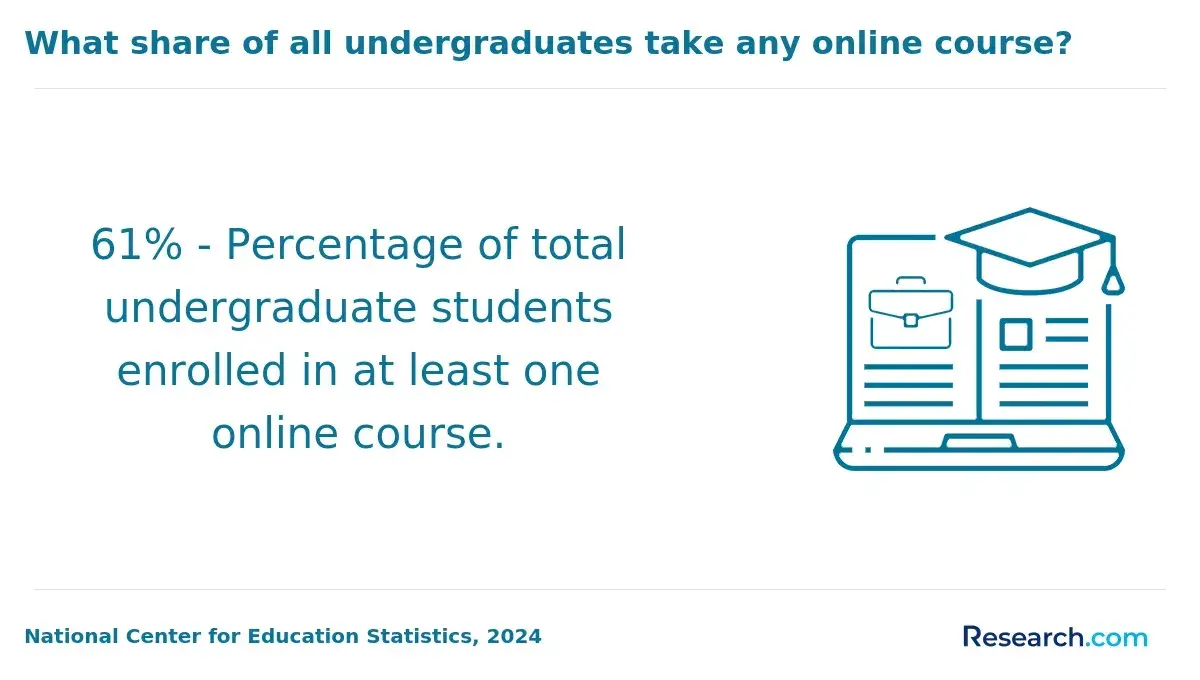
The distinction reflects the key differences between regional and national accredited journalism programs in terms of institutional focus and academic breadth. A notable trend in higher education reveals that over 40% of U.S. students enroll in distance education courses, underlining the growing importance of accreditation when selecting an online degree program.
The practical effects of each accreditation type influence factors such as recognition, credit transfer, and acceptance by employers or graduate schools. Degrees from regionally accredited schools often carry more weight with employers and advanced degree programs due to their association with broader academic standards and established reputations. Credits from these institutions typically transfer more easily to other colleges, offering students greater academic flexibility.
Conversely, nationally accredited programs may appeal to students seeking career-oriented or technical paths, though their credits and degrees might face limitations in recognition and transferability. Prospective students weighing regional vs national accreditation online journalism degrees should consider how these differences align with their academic and professional goals, and may also explore the easiest bachelor degree to get online for further insights on degree pathways.
Which Agencies Provide Regional Accreditation for Online Journalism Bachelor's Degrees?
Regional accreditation in the United States is granted by a select group of agencies recognized by the U.S. Department of Education and the Council for Higher Education Accreditation (CHEA). These organizations evaluate colleges and universities based on academic quality, governance, financial health, and student support. Approximately 94% of degree-granting institutions hold regional accreditation, making it the most widely accepted validation for higher education quality.
For students researching regional accreditation agencies for online journalism bachelor's degrees, it is essential to identify those bodies that ensure rigorous academic standards are met consistently across all instructional modes, including online programs. The primary regional accrediting organizations for journalism programs include:
- Middle States Commission on Higher Education (MSCHE): Accredits institutions in Delaware, District of Columbia, Maryland, New Jersey, New York, Pennsylvania, and Puerto Rico. MSCHE evaluates academic programs for relevance and comprehensiveness, including online journalism bachelor's degrees.
- New England Commission of Higher Education (NECHE): Covers Connecticut, Maine, Massachusetts, New Hampshire, Rhode Island, and Vermont. NECHE emphasizes continuous improvement and broad educational effectiveness in its accredited schools.
- Higher Learning Commission (HLC): Oversees a wide central U.S. region, including Arkansas, Arizona, Colorado, Illinois, Indiana, Iowa, Kansas, Michigan, Minnesota, Missouri, Nebraska, New Mexico, North Dakota, Ohio, Oklahoma, South Dakota, Wisconsin, and Wyoming.
- Southern Association of Colleges and Schools Commission on Colleges (SACSCOC): Accredits institutions in Alabama, Florida, Georgia, Kentucky, Louisiana, Mississippi, North Carolina, South Carolina, Tennessee, Texas, and Virginia.
- Western Association of Schools and Colleges Senior College and University Commission (WSCUC): Covers California, Hawaii, and the U.S. territories of Guam and American Samoa.
- Northwest Commission on Colleges and Universities (NWCCU): Accredits institutions in Alaska, Idaho, Montana, Nevada, Oregon, Utah, and Washington.
Verifying that an online journalism bachelor's degree program has regional accreditation from one of these agencies is critical, as it impacts credit transferability, employer recognition, and eligibility for graduate study. Students should also explore options that suit their career timelines, including one year MSW programs, which reflect accelerated pathways in other disciplines and illustrate the variety of quality programs available online.
What Are the Main National Accrediting Bodies for Online Journalism Bachelor's Degree Programs?
National accreditation is generally awarded by organizations that focus on career-driven, specialized, or technical institutions throughout the United States. These accredited schools often cater to working adults and emphasize practical skills and flexible learning formats like online education.
According to the U.S. Department of Education, many nationally accredited programs offer adaptability for students managing education alongside other commitments. The primary national accrediting bodies overseeing online journalism bachelor's programs include the following:
- The Accrediting Council for Independent Colleges and Schools (ACICS): This agency accredits private for-profit colleges and career-focused institutions, especially those offering technical and professional diploma and degree programs prioritizing job readiness.
- The Distance Education Accrediting Commission (DEAC): DEAC specializes in accrediting institutions that deliver distance and online education, ensuring quality standards for fully online journalism degree offerings.
- The Accrediting Commission of Career Schools and Colleges (ACCSC): ACCSC accredits postsecondary schools focused on career and vocational training, supporting institutions dedicated to student achievement in specialized fields.
Institutions accredited by these agencies frequently emphasize flexible program structures designed for non-traditional students and may not meet regional accreditation criteria. Familiarity with these national accrediting organizations can assist prospective students in assessing which online journalism programs align with accepted educational standards under national accreditation.
Applicants to regionally accredited online journalism bachelor's programs usually face stricter admission standards. These programs often require a high school diploma or equivalent, along with official transcripts and sometimes standardized test scores such as the SAT or ACT, though some schools now waive these tests.
Candidates are typically expected to submit letters of recommendation and personal essays that highlight their writing skills and motivation for the field. This more rigorous screening aims to ensure students are academically prepared and committed, contributing to an average acceptance rate near 65% at these institutions.
Nationally accredited online journalism programs tend to offer more flexible admissions, designed to accommodate nontraditional students like working adults or those returning to school. Criteria often focus on proof of high school completion or a GED, with fewer requirements for test scores or extensive application materials.
The open approach supports a wider range of applicants and reduces barriers, making it easier for many to begin their studies quickly. As a result, nationally accredited programs emphasize accessibility over selectivity, appealing to learners seeking a more straightforward enrollment process.
Tuition for online journalism bachelor's degree programs varies depending on accreditation type, institutional setup, and program design. Typically, nationally accredited schools charge about 15-20% more in tuition than regionally accredited public universities, reflecting differences in fee structures and delivery models. This contrast shapes cost expectations for prospective students comparing programs.
- Pricing Models: Regionally accredited programs often use flat-rate tuition per semester or program-based fees, offering clarity and predictability. Nationally accredited institutions may charge per credit hour plus extra fees for technology or materials, resulting in more variable costs.
- Cost Ranges: Overall tuition tends to be lower and more stable at regionally accredited schools, which are frequently public or non-profit. Nationally accredited institutions, frequently for-profit, usually have higher, less predictable tuition pricing.
- Fee Inclusion: Regionally accredited degrees usually bundle most fees into tuition, reflecting their nonprofit status and subsidies. Nationally accredited programs often add fees separately, increasing the total cost.
- Value Considerations: The accreditation type influences not just tuition but budget planning and perceived value. Prospective students should weigh cost alongside transferability and academic reputation.
- Course Selection: Students interested in expanding their skills may also consider options like office administration classes, which can complement their journalism studies and vary by institution.
Financial aid options for online journalism bachelor's degrees differ based on the institution's accreditation type and its participation in federal and state aid programs. About 85% of full-time undergraduate students in the U.S. receive some form of financial support, underscoring its importance in higher education affordability. These differences affect the range and reliability of aid available to students in regionally versus nationally accredited programs.
- Federal Grants: Primarily accessible through regionally accredited schools that participate in Title IV programs, federal grants like Pell Grants are less frequently available to students at nationally accredited institutions.
- Student Loans: Both regionally and nationally accredited programs generally qualify for Direct Subsidized and Unsubsidized Loans if the school is approved for federal aid, offering broad loan access across accreditation types.
- State Aid: State-funded grants and scholarships usually favor regionally accredited schools, although a few states may include nationally accredited institutions in their programs, affecting eligibility depending on location.
- Institutional Scholarships: Offered by individual schools, these scholarships vary widely and can be merit-based or need-based. Both accreditation types may provide these opportunities, but policies differ by institution.
- Private Scholarships and Loans: These are generally open to students regardless of whether their school has regional or national accreditation, making this aid a flexible option.
Transferring credits from a nationally accredited to a regionally accredited online journalism bachelor's degree often involves navigating complex institutional policies and strict accreditation standards. Regionally accredited schools generally prioritize course equivalency, ensuring that transferred courses align closely in content, credit hours, and academic rigor with their own curriculum.
Because regional accreditation is widely considered a higher standard in higher education, these institutions typically scrutinize credits earned from nationally accredited programs more carefully. A common practice is that regionally accredited schools prefer to accept transfer credits primarily from other regionally accredited institutions, reflecting shared quality assurance expectations. Ultimately, the acceptance of transfer credits depends heavily on each regionally accredited school's evaluation process and willingness to review coursework on a case-by-case basis.
Accreditation type can influence how employers perceive online journalism bachelor's degrees, often shaping hiring decisions based on industry standards and institutional credibility. Studies show nearly 85% of employers favor candidates with degrees from regionally accredited schools, viewing this as a stronger indicator of academic rigor. This trend highlights the impact of accreditation when considering the job prospects for online journalism degree graduates by accreditation type.
- Employer Perception: Regional accreditation is widely regarded as the benchmark for traditional academic quality, causing many employers to prefer graduates from these programs. National accreditation, common among vocational and faith-based schools, may be viewed with more caution in competitive journalism markets.
- Industry Expectations: Beyond accreditation, hiring managers weigh practical experience such as internships and portfolios heavily. Candidates from either accreditation type can succeed if they demonstrate strong professional skills aligned with job requirements.
- Hiring Filters: Some news organizations apply strict educational filters that favor regional accreditation, particularly for higher-tier editorial roles. This can influence initial screening but is often balanced by other competencies during the interview process.
- Role-Specific Requirements: Positions at major media outlets tend to favor regionally accredited degrees due to perceived rigor and transferability. Conversely, community newsrooms and niche media may prioritize skills over accreditation type, allowing more flexibility for nationally accredited graduates.
For students exploring credentials and career pathways beyond a bachelor's degree, considering the best certifications for jobs can also enhance employability in journalism and related fields.
Accreditation type significantly influences eligibility and admissions considerations for advanced degree programs after earning an online journalism bachelor's degree. With approximately 90% of U.S. graduate programs requiring a degree from a regionally accredited institution, understanding these distinctions is critical for academic planning and future opportunities.
- Admissions Recognition: Graduate schools often prioritize applicants from regionally accredited institutions because regional accreditation reflects broader academic quality. National accreditation, commonly associated with vocational or for-profit schools, may face more scrutiny and limited acceptance in some master's or doctoral programs.
- Credit Transfer Challenges: Students with nationally accredited degrees may encounter difficulties transferring credits to regionally accredited graduate programs, which can delay or complicate degree progression and require additional coursework or evaluations.
- Institutional Policies: Graduate schools differ in their stance on accreditation; some maintain flexible admissions criteria that consider professional experience alongside accreditation status, while others strictly require regional accreditation, potentially denying admission or mandating remedial classes.
- Impact on Graduate Programs: Accreditation requirements for pursuing master's degrees in journalism are often stringent, as many top-tier graduate schools prioritize regional accreditation to ensure academic rigor and institutional quality.
- Program Selection: Choosing an accredited program wisely can ease transitions into graduate studies. Students interested in advanced degrees should research accredited options carefully, including non profit universities known for maintaining strong academic standards.
Choosing between regional and national accreditation for an online journalism bachelor's degree involves weighing several important factors. Regional accreditation is typically more respected by employers and academic institutions, which can be pivotal if you plan to transfer credits or pursue graduate education.
National accreditation often emphasizes career-focused programs and may offer enhanced flexibility but lacks the widespread acceptance of regional accreditation. Research shows that fewer than 60% of students fully understand accreditation differences when selecting schools, which underscores the need for careful evaluation. Your choice should align with your educational objectives and how broadly you need your credits to be accepted.
To make an informed decision, start by confirming the school's accreditation status through trusted databases maintained by education authorities. Investigate how the institution handles credit transfers, as regional accreditation usually simplifies this process.
Clarify your long-term plans-such as returning for advanced degrees or working in fields requiring recognized credentials-to determine which accreditation serves you best. Additionally, consider contacting potential graduate programs or employers about their preferences. Understanding these factors will help you select an accredited program that matches both your academic ambitions and professional goals.
What Graduates Say About Regional vs National Accreditation for Online Journalism Bachelor's Degrees
- Louie: "Choosing a regionally accredited online journalism bachelor's program was a pivotal decision for me. I appreciated the rigorous curriculum that mirrored traditional on-campus standards, which gave me confidence in the quality of education I received. The flexibility of the online format allowed me to work alongside my studies, and today, I credit that balanced experience for advancing my career in digital media."
- Zamir: "The reputation of national accreditation initially attracted me to my online journalism program, but adapting to the self-paced format required real discipline. While I sometimes missed live interactions, the program's focus on practical skills and diverse media tools prepared me well for the fast-changing news environment. Reflecting back, earning this degree opened doors to roles I hadn't imagined before, especially in multimedia reporting."
- Matthew: "My experience with a regionally accredited online journalism degree was both challenging and rewarding. The accreditation ensured employers recognized my qualifications, which was essential when competing in today's job market. Additionally, the program's comprehensive approach, combining ethics and investigative techniques, has been invaluable in shaping my approach to responsible journalism in professional settings."
Other Things You Should Know About Journalism Degrees
In 2027, professional organizations often evaluate online journalism degrees based on the accreditation status of the institution. Regional accreditation is generally seen as more rigorous and is usually preferred by professional organizations, which can affect how the degree is perceived in career advancements within journalism.
Many employers in journalism are familiar with accreditation differences and may favor regionally accredited degrees for their emphasis on academic rigor and transferability. Nonetheless, national accreditation is often accepted, especially if the accrediting agency specializes in career-focused or technical education. Candidates should highlight the quality and relevance of their coursework when applying for jobs.
An online journalism bachelor's program should recognize a U.S. institutional accreditor approved by the U.S. Department of Education or CHEA, such as a regional accreditor like HLC, MSCHE, SACSCOC, NECHE, NWCCU, or WSCUC. Journalism-specific review may also come from ACEJMC for the communications unit.
- Regionally Accredited Online Colleges: What You Need to Know | Tiffin University https://go.tiffin.edu/blog/regionally-accredited-online-colleges-what-you-need-to-know/
- Understanding the Difference Between Regional and National Accreditation https://www.qahe.org/article/understanding-the-difference-between-regional-and-national-accreditation/
- What’s the Difference between Regional and National Accreditation for Online College Degree Programs? - Best Colleges Online https://www.bestcollegesonline.org/faq/whats-the-difference-between-regional-and-national-accreditation-for-online-college-degree-programs/
- When to Consider Regional Vs. National Accreditation https://www.onlineu.com/resources/college-planning/regional-vs-institutional-accreditation
- Is Program Accreditation Important for a Journalism Degree? https://www.graphicdesigndegreehub.com/faq/is-program-accreditation-important-for-a-journalism-degree/
- Online Degree Credibility And Employer Trust - the full circle academy https://thefullcircleacademy.com/online-degree-credibility-and-employer-trust/
- Accrediting Council on Education in Journalism and Mass Communications - (ACEJMC) https://www.chea.org/accrediting-council-education-journalism-and-mass-communications
- UNE Accreditation: Regional vs. National https://online.une.edu/blog/regional-vs-national-accreditation-which-is-better/
- Comprehensive Guide to Accredited Online Journalism Degrees: Admission, Curriculum, Jobs, and Accreditation https://www.mdsdy.com/comprehensive-guide-to-accredited-online-journalism-degrees-admission-curriculum-jobs-and-accreditation/
- World's Largest platform as University Common Application https://www.planstudyabroad.uniagents.com/course-details.php