2027 Online Journalism Bachelor's Degree Program Costs: Tuition & Fees

Co-Founder and Chief Data Scientist
Many students considering an online journalism bachelor's degree face uncertainty about the total cost of tuition and fees, risking unexpected financial burdens. A 2023 survey found that 62% of online undergraduate students underestimated their program expenses, leading to increased debt or delayed graduation. This gap in awareness can hinder timely degree completion and career entry. Understanding the various tuition models, additional fees, and potential financial aid options is crucial for budgeting effectively. This article explores the detailed cost components of online journalism bachelor's programs and offers guidance to help prospective students make informed financial decisions before enrollment.
Key Things to Know About Online Journalism Bachelor's Degree Program Costs
- Tuition for online journalism programs often varies by credit hour and institution type, with public universities generally offering lower rates for in-state students compared to private schools.
- Additional fees may include technology, library, and course-specific expenses, which can add significantly to the total cost beyond standard tuition charges.
- Prospective students should evaluate financial aid, scholarships, and payment plans early to manage affordability and reduce reliance on student loans or other debt.
What Is the Average Cost of an Online Journalism Bachelor's Degree?
The average cost of an online journalism bachelor's degree in the U.S. typically ranges from $36,000 to $78,000, depending on the institution and program structure. Most online journalism bachelor's programs require between 120 and 130 credit hours to complete. Tuition rates per credit hour usually fall between $300 and $600, with an often-cited average of about $400 per credit hour. This translates to an approximate total tuition cost of around $48,000 for a 120-credit curriculum, offering a clear benchmark for prospective students assessing online journalism bachelor's degree tuition costs in the U.S.
Tuition is most commonly charged on a per-credit basis, which provides flexibility for students pacing their studies according to personal or professional commitments. Some programs may offer flat rates per semester for full-time enrollment, but pay-per-credit remains standard. Aspiring journalism students should budget roughly $35,000 to $80,000 for tuition alone, with additional application or administrative fees potentially applying. For those exploring further educational paths, information about the cheapest doctorate degree may also be useful when planning long-term academic investment within the broader landscape of accredited online journalism bachelor's program expenses.
What Factors Affect the Cost of an Online Journalism Bachelor's Degree?
The total cost of earning an online journalism bachelor's degree varies widely due to several important factors. These elements shape the overall expense, influencing how much students may need to budget for tuition and related costs. Prospective students should consider the following key aspects when evaluating average tuition rates for online journalism bachelor's programs in the US.
- Credit Requirements: Programs typically require between 120 and 130 credit hours to graduate, but exact numbers vary by institution. Since tuition often charges per credit, higher credit requirements usually increase total program costs.
- Program Length: While many online journalism degrees are structured for completion in four years of full-time study, accelerated programs or part-time options can change the timeline. Longer durations may lead to higher tuition and fees overall.
- Tuition Models: Some schools charge a fixed rate per credit hour, while others offer flat tuition per semester regardless of credits taken. Credit-hour pricing benefits those taking fewer classes, whereas flat rates can be more economical for heavier course loads.
- Residency Status: Tuition often differs for in-state versus out-of-state students. Although some online programs waive this distinction, many maintain higher tuition rates for nonresidents, affecting the total cost.
- Additional Fees: Beyond tuition, online journalism students may incur technology, course material, lab, and administrative fees. These costs, while smaller than tuition, add to the overall expense of completing the degree.
For students comparing costs across fields, resources discussing affordability, such as those for an engineer degree online, can provide useful context when planning educational investments.
2026 Update: Pre-Enrollment Cost Questions to Confirm in Writing
For this 2026 update, the cost guidance was refined to help online journalism students verify their actual out-of-pocket price before committing to a program, instead of relying only on advertised tuition.
- Ask for a written estimate showing total credits required for the journalism major and any general education courses.
- Confirm whether tuition differs for part-time, full-time, in-state, out-of-state, or fully online enrollment.
- Review when charges are posted and whether the school offers interest-free payment plans.
- Check refund and course-drop deadlines, especially for accelerated online terms.
- Request a transfer credit evaluation before enrolling if you have prior college coursework.
- Ask whether capstone, internship, portfolio, or field-reporting courses create extra costs not listed in base tuition.
Getting these answers in writing makes it easier to compare programs fairly and avoid choosing a journalism degree that becomes more expensive after enrollment.
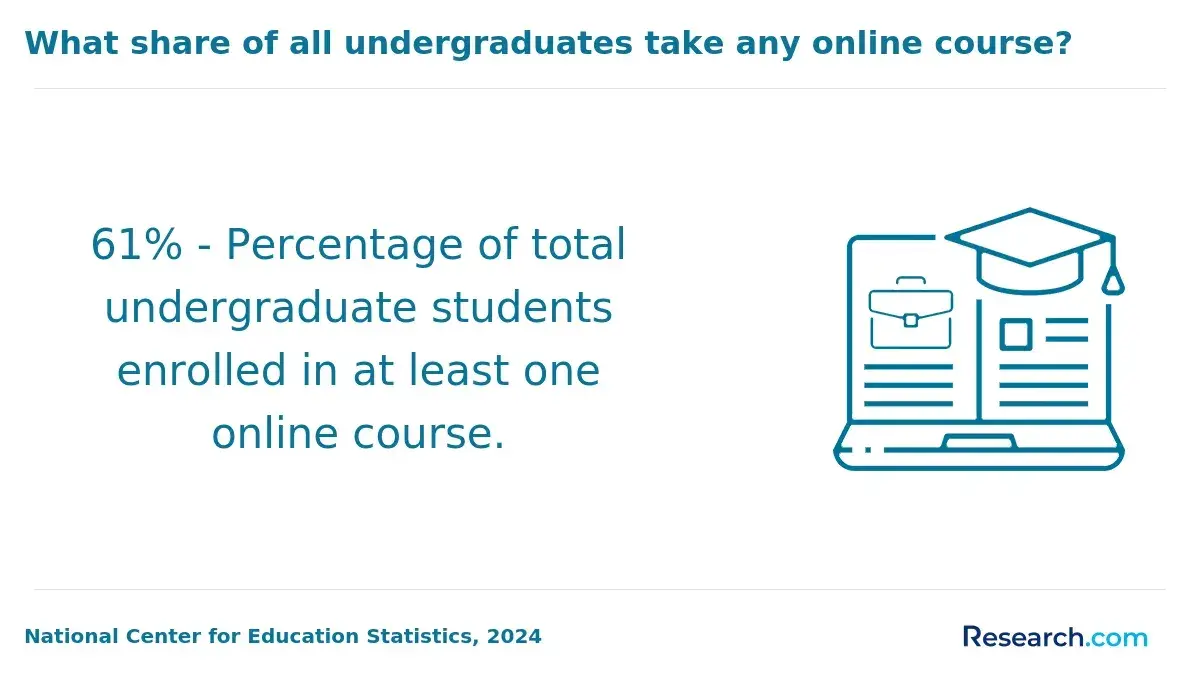
Online bachelor's degrees in journalism generally cost less than traditional on-campus programs, primarily due to differences in ancillary expenses. According to a 2023 National Center for Education Statistics report, annual tuition and fees for online undergraduate programs tend to be about 15% to 25% lower on average than their on-campus equivalents. These savings, however, extend beyond just tuition and fees.
- Reduced Campus Fees: Many online students avoid mandatory charges such as campus facilities, activity, and technology fees that are typically included in traditional programs.
- Commuting Savings: By eliminating the need to travel to campus, students save money on transportation, parking, and even housing in some cases, significantly lowering overall costs.
- Flexible Course Load: Online programs often allow students to spread courses across more semesters, easing the financial burden by avoiding large tuition payments in a single term.
- Variable Tuition Rates: Some online programs offer lower per-credit costs or flat-rate pricing structures, which can make budgeting more predictable throughout the degree.
- Employment Opportunities: The flexibility of online study frequently enables students to maintain part-time or full-time work while completing their degree, helping to offset expenses.
When asked about the cost comparison, a graduate of an online journalism bachelor's degree shared that while tuition was similar to local traditional options, the overall expenses were noticeably lower. He recalled moments of uncertainty juggling coursework and a job, yet appreciated not having to worry about commuting or dorm fees. "I felt the freedom to manage my time and finances better," he said, emphasizing that working throughout the program made the online route financially feasible. His experience highlighted that while direct tuition might not drastically differ, the indirect savings coupled with flexible pacing made the online degree a more economical choice for him.
Tuition rates for online journalism bachelor's degrees can either be fixed or variable, depending on the institution. Fixed tuition offers a consistent cost per term or for the full program, granting predictable expenses, while variable tuition fluctuates based on factors such as credit hours taken. Approximately 40% of U.S. online degree programs implement a flat-rate tuition per term, which benefits students enrolling in a full course load by charging a single price regardless of credits.
Key factors to keep in mind include:
- Per-Credit Billing: Many programs price tuition according to the number of credits enrolled, so your costs will change if you take more or fewer classes each term.
- Flat-Rate Term Pricing: Some institutions offer a fixed tuition for a semester or quarter, allowing students to take unlimited or capped courses for one set fee.
- Residency-Based Rates: Despite being online, some programs differentiate tuition between in-state and out-of-state students, often charging higher fees for nonresidents.
- Tuition Adjustments: Even in fixed-rate models, tuition can rise annually or for new student cohorts, meaning the amount you pay may differ over time.
This variability underscores the importance of understanding cost variability for US online journalism bachelor's programs. For those exploring alternative options, consider exploring the fastest online construction management degree as another accelerated pathway.
Technology fees are a frequent part of tuition in online journalism bachelor's programs, designed to cover the digital tools and platforms needed for effective virtual learning. Typically, these fees range from $50 to $150 per semester, depending on the school and program specifics. Below are key elements commonly included in these fees.
- Learning Management Systems: Platforms like Canvas or Blackboard are foundational for online courses, providing access to lectures, assignments, and grading. These systems ensure students can engage with course content and track their progress efficiently.
- Virtual Labs and Multimedia Tools: Hands-on training through virtual labs or editing software is essential, enabling students to practice audio and video production skills crucial for modern journalism careers.
- Licensed Software: Access to subscription-based programs, such as Adobe Creative Cloud, supports digital storytelling, photo editing, and content creation, which are vital components of journalism education.
- Video Conferencing Platforms: Tools like Zoom or Microsoft Teams facilitate real-time interaction with instructors and classmates, enabling live discussions, presentations, and interviews.
- Digital Resources: Online libraries, specialized databases, and journalistic research tools provide students with the investigative resources necessary to conduct thorough reporting and analysis.
These technology fees play a crucial role in delivering a comprehensive online journalism education by providing access to the digital infrastructure and software essential for skill development in reporting, editing, and multimedia production.
Textbook and course material expenses form a notable part of the overall costs associated with earning an online journalism bachelor's degree. On average, students pursuing any bachelor's program spend around $1,240 annually on textbooks and supplies, according to the College Board. These costs may fluctuate based on several key factors relevant to journalism students.
Various elements influence how much students will pay for required materials in their online journalism courses:
- Required Course Materials: Certain journalism classes require specific textbooks or subscriptions to proprietary digital platforms. The necessity of purchasing the latest editions or access codes can elevate expenses, especially when updates occur frequently.
- Digital Versus Print Formats: Digital textbooks typically cost less than their print counterparts, making them a more affordable choice for many students. However, some learners prefer print copies due to easier annotation and offline reading.
- Bundled Resources: Publishers often sell packaged deals combining textbooks with online tutorials or practice tests. While these bundles can offer convenience and cost savings, they sometimes include unwanted components, forcing additional purchases.
- Supplemental Learning Tools: Journalism programs may require software subscriptions or specialized applications for editing, fact-checking, and content management, which contribute to the total course material costs.
- Edition Updates and Course Changes: Frequent textbook revisions and adjustments to course syllabi can limit the use of secondhand books, causing ongoing purchases of new materials throughout the degree program.
Federal, state, and institutional financial aid options are widely available to support students enrolled in online bachelor's degree programs. Research shows that about 85% of online undergraduate students receive some form of financial aid, making it a significant resource for managing tuition costs. These various sources of aid help ease the financial burden of earning an online journalism bachelor's degree.
Key considerations for accessing financial aid include the following:
- FAFSA Completion: Submitting the Free Application for Federal Student Aid (FAFSA) is essential for determining eligibility for federal grants, loans, and work-study programs. FAFSA evaluates factors such as household income and family size to tailor aid packages.
- State Grants and Scholarships: Many states offer financial support specifically for residents attending in-state colleges, which often includes online programs. These can provide supplemental assistance beyond federal aid.
- Institutional Aid: Colleges frequently have their own grants, payment plans, and loan options designed for online learners. Prospective students should inquire during admissions to understand available institutional support.
- Loan Options: Eligible students may access subsidized and unsubsidized federal loans with competitive interest rates and flexible repayment terms. Though less common for exclusively online students, some work-study opportunities exist through hybrid or nearby campus arrangements.
By exploring all potential avenues, students seeking an online journalism bachelor's degree financial aid options can significantly reduce their education expenses. For more specialized resources related to affordable programs, consider reviewing the cheapest ABA-approved paralegal programs as a reference point for cost-efficient options in related fields.
Online degrees in Journalism are often more affordable than traditional on-campus programs, but tuition and fees can still add up. Students can employ additional strategies to reduce the overall expense of earning an online Journalism bachelor's degree. For example, a 2021 survey by the National Association of College Stores found that students save an average of 30% on textbook costs by choosing digital versions instead of print.
Some practical ways to lower costs include:
- Credit Transfer: Transfer prior college credits to avoid repeating courses and reduce the total number of credits needed to graduate, which shortens time to degree completion and cuts tuition expenses.
- Digital Textbooks: Opt for digital textbooks and open educational resources (OER), which can be free or substantially cheaper than traditional print books, helping to lower material costs.
- Course Load Management: Balance full-time and part-time enrollment strategically to avoid extra fees or tuition penalties related to over-enrollment, maintaining affordability without delaying graduation.
- Community College Pathway: Complete prerequisite or general education courses at community colleges where tuition rates are usually lower before transferring into a Journalism program. Many students start with an associate's degree online to maximize savings alongside quality education.
- Free Skill Development: Utilize free or low-cost online resources to build skills in writing, digital media, and video editing, supplementing coursework without added financial burden.
Careful planning and resourceful choices enable students to minimize the costs of an online Journalism bachelor's degree while still gaining valuable credentials and skills for their media careers. This approach aligns with finding the best scholarships for online Journalism bachelor's degree students in America and overall expense management.
Online journalism bachelor's degree programs often provide greater flexibility and affordability compared to traditional on-campus options, making them accessible to students balancing other responsibilities. This adaptability can be particularly beneficial for non-traditional students seeking to integrate education with work or personal life. According to the U.S. Bureau of Labor Statistics, the median annual wage for reporters and correspondents was about $49,300 in 2022, with job prospects expected to grow alongside the rise of digital media. Earning this degree can lead to diverse career opportunities in media and communications, often enhancing earning potential and job security beyond entry-level roles.
The value of an online journalism degree also depends on individual circumstances such as specific career ambitions, preferred learning styles, and commitment to ongoing skill development. Those pursuing roles in reporting, editing, or strategic communications often benefit from the structured curriculum and networking possibilities these programs offer. Additionally, students comfortable with digital learning environments may find the flexible scheduling and online resources a better fit. Acquiring skills like multimedia storytelling and ethical journalism supports long-term career progression, helping graduates adapt to a rapidly evolving media landscape.
What Graduates Say About Online Journalism Bachelor's Degree Program Costs
- Louie: "Choosing to pursue my online journalism bachelor's degree was largely influenced by the manageable cost compared to traditional programs. While there were concerns about missing the on-campus experience, the flexibility and affordability made it a clear winner. This degree truly opened doors for me professionally, allowing me to step into the industry without the burden of overwhelming debt."
- Zamir: "I took time to weigh the pros and cons of an online journalism bachelor's degree, especially focusing on the tuition fees and associated expenses. It was refreshing to find a program that balanced cost with quality education, even if it meant adapting to virtual learning challenges. Ultimately, completing this degree boosted my confidence and credibility, helping me advance in a competitive media landscape."
- Matthew: "From a professional standpoint, investing in an online journalism bachelor's degree was a strategic move despite the financial consideration. I appreciated how the program's cost was transparent, enabling me to plan my education around my budget effectively. The skills and network I developed since graduating have had a significant impact on my career trajectory in media."
Other Things You Should Know About Journalism Degrees
In 2027, students can expect to pay tuition that ranges from $300 to $600 per credit hour for an online journalism bachelor's degree. Additional costs may include technology fees, course materials, and potentially some fees for optional resources or activities.
In 2027, application fees for online journalism bachelor's degree programs typically range from $50 to $100, while enrollment fees can vary significantly, with some programs charging up to $200. Always check specific program details for exact amounts.
Yes. Many online journalism programs list a separate technology fee, often charged per credit or per term, to cover learning platforms, library access, and support services. Some schools also add course or proctoring fees, so the published tuition total may not be the full price.
Application and enrollment fees are usually separate from the stated tuition and fees for online journalism programs. These one-time costs can vary widely and might include charges for processing applications, verifying transcripts, or setting up student accounts. Prospective students should consider these expenses when budgeting for their degree.
- Scholarships for Journalism Students | Edvisors https://www.edvisors.com/plan-for-college/scholarships/college-scholarships/journalism-scholarships/
- Online Journalism Schools https://www.affordablecollegesonline.org/degrees/journalism-schools/
- Top 50 Low-Cost Online Bachelor's in Journalism https://www.greatvaluecolleges.net/rankings/online-journalism-degree/
- 2025 Most Affordable Online Journalism Degrees https://www.onlineu.com/most-affordable-colleges/journalism-degrees
- 7 Ways to Reduce the Cost of an Online Degree https://ca.news.yahoo.com/7-ways-reduce-cost-online-143825930.html
- The School of Journalism Manchester - Undergraduate fees and funding https://schoolofjournalism.co.uk/studying-journalism/undergraduate-fees-and-funding/
- Journalism Books - Print, and eBook - Page 2 https://www.directtextbook.com/journalism-textbooks/2
- Digital Journalism: How Online Courses Shape the Future https://onlinemodyuniversity.ac.in/digital-journalism-how-online-courses-shape-the-future/
- Tuition fees and costs - Bachelor's Media and Culture https://www.uva.nl/en/programmes/bachelors/media-and-culture/tuition-fees-and-costs/tuition-fees-and-costs.html
- Is Online College More Affordable? | UT San Antonio Online https://online.utsa.edu/blog-content/cost-of-an-online-degree-vs-traditional-education/