2027 Hybrid vs Fully Online Journalism Bachelor's Degree Programs

Co-Founder and Chief Data Scientist
Imagine a working parent juggling unpredictable shifts who wonders if logging in to journalism classes from home outweighs the benefits of occasional campus visits. The choice hinges on balancing flexibility with direct interaction, essential for mastering newsroom skills and building professional networks. For many, access to hands-on opportunities and peer collaboration drives the decision between hybrid and fully online programs.
With 72% of journalism graduates employed within six months, mostly through roles requiring practical experience, the format impacts career readiness. This article explores key differences in hybrid versus fully online journalism bachelor's degrees to guide students toward informed enrollment choices.
Key Benefits of Hybrid vs Fully Online Journalism Bachelor's Degree Programs
- Hybrid programs offer balanced flexibility, allowing students to attend some in-person classes while maintaining online coursework convenience, enhancing time management for busy schedules.
- The in-person interaction in hybrid formats fosters stronger networking and collaboration opportunities compared to fully online programs, which rely heavily on virtual communication tools.
- Fully online programs provide maximum scheduling freedom, ideal for students juggling full-time jobs or family, whereas hybrid formats require periodic campus visits, supporting varied personal and professional commitments.
What Is a Hybrid vs Fully Online Journalism Bachelor's Degree?
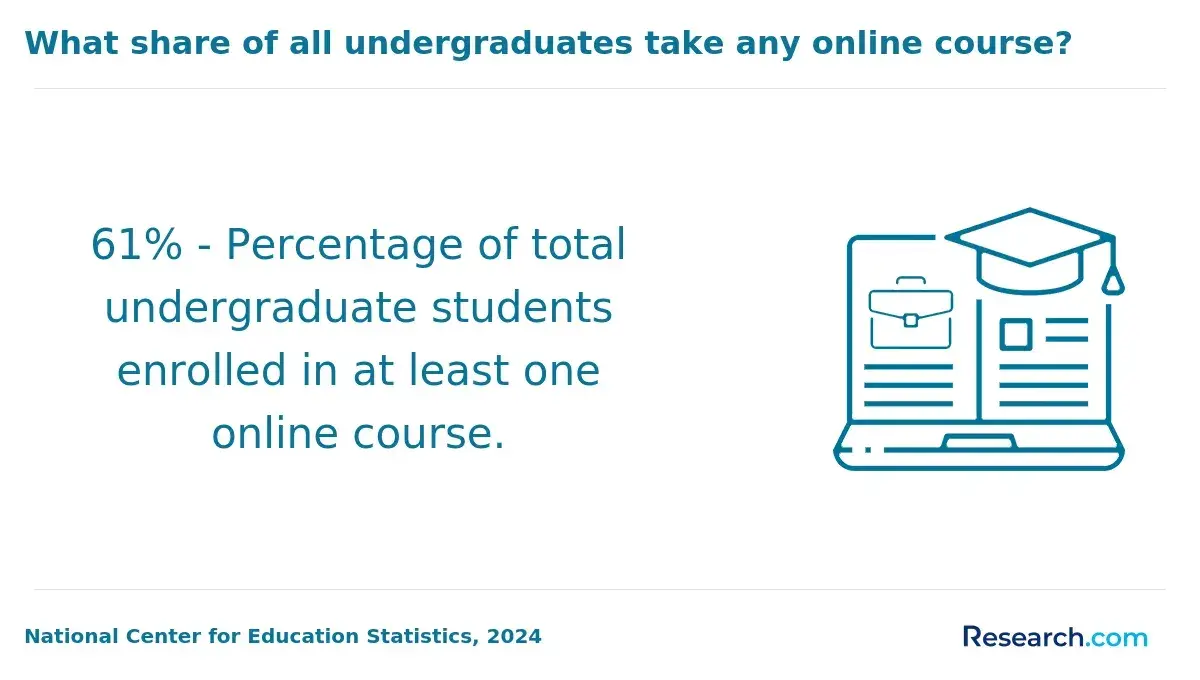
Hybrid and fully online journalism bachelor's degree programs differ primarily in how courses are delivered, the amount of in-person interaction, and their overall learning structure. According to the National Center for Education Statistics, about 33% of undergraduates in the U.S. took at least one online course during the 2018-2019 academic year, highlighting the growing trend toward flexible learning options. Both formats cater to different student needs and preferences, as detailed below.
Hybrid Programs
- These programs combine on-campus classes with online coursework, offering a balanced learning experience that integrates face-to-face interaction and digital tools.
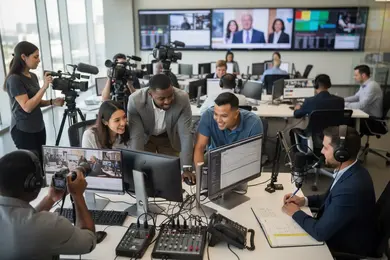
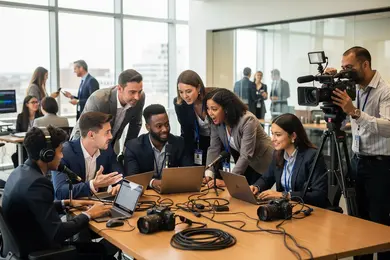
- Students often attend scheduled in-person sessions such as labs, workshops, or collaborative newsroom environments focused on practical journalism skills.
- Hybrid programs usually require attendance at specific times, blending traditional classroom dynamics with remote learning components.
- Interaction includes direct peer and instructor contact during campus hours, enhancing hands-on learning and real-time feedback.
- The structure suits students seeking a combination of structure and flexibility in their hybrid journalism bachelor's degree programs.
Fully Online Programs
- Entirely delivered through virtual platforms, fully online journalism degrees allow students to complete all coursework from any location at their convenience.
- These programs offer asynchronous study, providing maximum scheduling flexibility for students balancing work or family commitments.
- Interaction is mainly virtual via discussion boards, video calls, and online forums, fostering digital communication skills critical in modern journalism.
- The learning experience relies fully on technology to engage students, utilizing video lectures and virtual assignments without in-person meetings.
- Students interested in easy bachelor degrees online may find fully online journalism programs especially accessible and adaptable.
For more information on flexible degree options, consider exploring easy bachelor degrees online that fit varied schedules and learning preferences.
How Does a Hybrid vs Fully Online Journalism Bachelor's Degree Program Work?
Both hybrid and fully online journalism bachelor's degree programs follow structured academic pathways to ensure comprehensive learning experiences. However, they differ in how coursework is delivered and how students interact with instructors and peers. According to the National Center for Education Statistics, over 40% of undergraduate students now take at least one distance education course, highlighting the increasing role of online and hybrid learning formats in higher education. Below is a comparison of the hybrid journalism bachelor's degree program structure and fully online program flexibility.
Hybrid Programs
- Coursework is split between in-person classes on campus and online modules completed remotely.
- Students attend scheduled on-campus sessions for discussions, practical exercises, and multimedia labs.
- Online components include video lectures, readings, and assessments accessible via a learning management system (LMS).
- Class participation combines in-person group projects with online discussion boards and video conferencing.
- The schedule features fixed on-campus session dates along with flexible online deadlines.
Fully Online Programs
- All classes, lectures, assignments, and assessments are delivered entirely online via an LMS platform.
- Interaction with instructors and peers occurs through discussion boards, video conferencing, and email.
- Courses may be synchronous with live virtual sessions or asynchronous, allowing work on flexible timelines.
- Course materials consist of recorded lectures, digital readings, multimedia content, and virtual simulations designed for remote learning.
- Students must manage their time effectively to meet deadlines and actively participate in virtual activities without face-to-face support.
Students considering these options should evaluate how the hybrid journalism bachelor's degree program structure or fully online journalism degree program flexibility align with their learning preferences and schedules, especially given trends in the highest paid college majors.
Are Admission Requirements Different for Hybrid and Fully Online Journalism Bachelor's Degrees?
Admission criteria for hybrid and fully online journalism bachelor's programs largely overlap but may differ subtly depending on each institution's approach and the program's format. While both require a high school diploma and standard documents like transcripts, some distinctive requirements reflect the differing demands of hybrid versus online study. Here's a closer look at key variations.
- On-Campus Commitments: Hybrid programs frequently expect students to demonstrate availability for in-person activities such as orientations, campus visits, or residencies, which are uncommon in fully online options. This in-person element can influence admissions by assessing candidates' readiness for both face-to-face and remote learning.
- Technical Specifications: Fully online applicants often need to verify steady access to high-speed internet, a working webcam, and compatible software since all coursework is completed remotely. Hybrid programs may have lighter technical demands, relying on some classroom sessions to supplement learning.
- Application Documentation: Hybrid applicants might be asked to prove local residency or proximity to campus, while online candidates typically focus on submitting digital portfolios showcasing writing or multimedia work, emphasizing their remote capabilities.
- Prerequisites and Experience: Some hybrid tracks prefer candidates with prior hands-on media production experience or completed relevant coursework due to on-campus labs. Fully online programs often provide foundational courses to build necessary skills for remote learners, requiring less prior experience.
- Interview Formats: Hybrid admissions may involve in-person interviews to evaluate suitability for combined learning environments, whereas online programs lean toward virtual interviews or sometimes waive them.
When asked about her experience navigating these differences, a student enrolled fully online shared that she appreciated the flexibility but found the process demanding in unique ways. "Submitting a digital portfolio was both exciting and nerve-wracking because it had to reflect my actual skills without any face-to-face interaction," she explained. She also valued the electronic interview option, which felt less stressful than traditional interviews. Despite initial worries about technical requirements, she found her preparation ensured a smooth start. The clarity around online-specific expectations helped her feel confident in choosing this format for her journalism education.
Hybrid journalism bachelor's degree programs provide a more interactive and community-driven learning environment by blending face-to-face and online instruction. This mix allows students to engage directly with their instructors and classmates during in-person sessions, fostering clearer communication and quicker feedback. The opportunity to collaborate in physical settings supports teamwork and networking, which can be harder to achieve through purely digital means. Students also benefit from campus facilities like media labs, libraries, and specialized equipment that enhance hands-on learning. Despite offering these advantages, hybrid programs maintain flexibility by enabling some coursework to be completed remotely, accommodating various schedules.
Fully online journalism bachelor's degrees prioritize accessibility and convenience, allowing students to study from any location without attending physical classes. Interaction is largely dependent on virtual tools such as video conferencing, discussion forums, and shared workspaces, which may limit spontaneous conversations and reduce the dynamic exchanges typical of face-to-face interactions. While some learners flourish in this self-directed, technology-focused setup, others might struggle with motivation or feel disconnected due to fewer direct contacts with peers and instructors. To address this, many programs provide extensive digital resources and simulate newsroom experiences virtually to maintain practical skill development. Success in an online format often depends on a student's ability to stay disciplined and comfortable using digital platforms.
Hybrid journalism bachelor's degree program flexibility often depends on the institution's scheduling of on-campus requirements. Some programs ask students to attend weekly classes or labs in person, while others condense these sessions into intensive weekends or blocks, providing a compromise between traditional and remote learning. This format allows learners to engage directly with instructors and peers, supporting those who value face-to-face interaction. It offers more structure than fully online programs but limits the ability to study entirely on one's own schedule. For many, hybrid programs strike a balance by combining hands-on experiences with the convenience of online coursework.
Fully online journalism degree program scheduling advantages are significant for students needing maximum autonomy. These programs feature asynchronous classes that enable students to access lectures and complete assignments whenever it fits their lifestyle. This flexibility is especially beneficial for people juggling jobs, family, or other responsibilities. A 2023 study by the National Center for Education Statistics found that nearly 70% of online learners prioritize scheduling flexibility as their main reason for choosing remote education. Prospective students aiming for the greatest freedom to manage their time might also explore options like a cheap criminal justice degree, which often shares similar online learning advantages.
While hybrid and fully online journalism bachelor's degree programs maintain comparable academic expectations, they differ in pacing, course organization, and how students manage their time. Research indicates that learners in these formats typically dedicate six to nine hours weekly per course, though actual time invested varies based on individual habits and program design. These distinctions significantly shape how students balance their studies with other responsibilities.
In hybrid programs, coursework is split between scheduled in-person classes and digital assignments. Physical attendance at lectures and workshops creates structured blocks of time for learning and interaction, which can help students establish a steady routine and receive prompt feedback. Between these face-to-face sessions, students engage with readings, projects, and other tasks online, with deadlines dispersed throughout the semester. This blend requires careful coordination but offers the advantage of combining guided instruction with self-directed study.
Fully online programs, however, mostly utilize asynchronous formats where students access materials and complete coursework on their own schedules. This flexibility demands strong time management and self-motivation to stay current with deadlines and maintain progress. Typical workload includes online discussions, multimedia projects, and various digital submissions, which require active engagement without real-time instructor support. The absence of fixed class times necessitates discipline to avoid delays or falling behind.
Tuition for hybrid and fully online journalism bachelor's degree programs varies depending on factors like delivery format, institutional policies, credit load, and additional student fees. Generally, fully online programs tend to offer lower tuition costs compared to hybrid options, with some studies showing online course tuition per credit is 10% to 20% less than hybrid or in-person classes.
- Per-Credit Costs: Hybrid programs usually have per-credit tuition similar to on-campus rates because students benefit from physical campus resources. In contrast, fully online programs often reduce per-credit charges reflecting lower facility overhead and operational costs.
- Technology and Campus Fees: Fully online students may avoid certain campus or facility fees but often pay dedicated technology fees to support online platforms. Hybrid students typically incur both campus and technology fees, given their mixed in-person and online engagement.
- Residency or Facility Charges: Hybrid students often face extra fees related to classroom use and campus facilities, which online-only students usually do not have to pay.
- Payment Flexibility: Online programs tend to offer more flexible tuition payment plans to accommodate a wider range of students. Hybrid program payments often adhere to traditional semester billing cycles, requiring more structured payment timing.
- Additional Course Fees: Hybrid formats may include costs for in-person labs or workshops, while online equivalents typically use virtual methods that can be less expensive or free for students.
When discussing tuition, a graduate of a hybrid journalism bachelor's degree shared that managing the combination of fees was sometimes confusing. "I had to track multiple charges-from campus facility fees to tech fees-and make sure I understood what I was paying each semester," he said. He also described the process of aligning payments with each semester's deadlines as a challenge, especially balancing work and study. Despite this, he felt the structure ultimately made sense after a few cycles, giving a clearer picture of the total cost compared to the fully online programs some classmates attended.
Employer perceptions of hybrid and fully online journalism bachelor's degrees have significantly evolved as online education gained broader acceptance. A 2022 survey by the National Association of Colleges and Employers (NACE) revealed that over 75% of employers now regard online degrees as equivalent to traditional on-campus degrees, reflecting a shift in trust toward flexible learning options. This trend shapes how employers view candidates from hybrid and fully online journalism programs.
The following points highlight key employer perspectives on hybrid versus fully online journalism degrees, illustrating the nuances behind their preferences:
- Practical Experience: Hybrid programs combine online coursework with in-person internships and newsroom practice, giving graduates hands-on skills valued by employers. Fully online degrees may lack some direct real-world exposure, though many now incorporate virtual simulations and remote internships.
- Collaboration Opportunities: Employers value hybrid graduates for face-to-face networking and teamwork experience, which are crucial in traditional newsrooms. Fully online graduates sometimes face skepticism about developing peer and mentor relationships, but remote collaborative tools help bridge this gap.
- Digital Competency: In fields emphasizing digital skills like social media management, fully online degree holders are often seen as well-prepared due to their comfort with technology. Hybrid graduates benefit from a balanced skill set that includes both digital and interpersonal abilities.
- Skill and Portfolio Focus: Employers ultimately prioritize demonstrated skills, portfolio quality, and relevant work experience over the program format. This focus helps to equalize respect for both hybrid and fully online pathways to journalism careers.
Students weighing employer perceptions of hybrid versus online journalism degrees should consider how these factors align with their career goals and learning preferences. For those interested in programs blending flexibility with real-world application, exploring options like MSW online programs may provide insights into how online education continues adapting across disciplines.
The choice between hybrid and fully online journalism bachelor's degree programs depends on individual learning preferences, schedule flexibility, and lifestyle needs. Hybrid programs offer a blend of in-person and online instruction, while fully online formats provide maximum convenience and independence. Below is a comparison to help identify which students may benefit most from each option.
- Structured Learning: Students early in their academic journey or those who prefer a clear routine often benefit from hybrid journalism bachelor's degree advantages for working professionals. The combination of face-to-face classes and online sessions offers guided support and direct access to campus resources.
- Flexibility Needs: Learners with full-time jobs, family responsibilities, or living in remote areas are better suited for a fully online journalism degree flexibility and career goals. This approach allows for self-paced study and the ability to balance education with other commitments.
- Hands-On Experience: Individuals who value hands-on workshops, live discussions, and physical access to studios find hybrid programs advantageous. This interaction fosters skill development through in-person collaboration and practical activities.
- Independent Study: Students comfortable with digital platforms and autonomous learning commonly prefer fully online programs, benefiting from the ability to manage their own schedules and coursework remotely.
- Access to Campus: Those who want to use campus equipment or attend occasional on-site sessions while maintaining some schedule flexibility should consider hybrid programs. This option suits part-time workers who can commit to limited campus visits.
For students exploring degree options beyond journalism, programs such as a bachelor in mathematics online also offer a range of flexible formats tailored to different learning styles.
Success in hybrid and fully online journalism bachelor's programs requires different approaches due to their distinct structures and interaction levels. Hybrid programs blend in-person and online learning, demanding regular campus attendance and active participation. Fully online formats rely on self-motivation and independent study, emphasizing consistent routines and virtual engagement. Below are practical strategies tailored to each learning style.
- Time Management: Hybrid students should organize schedules to balance on-campus classes and online tasks smoothly, while online learners benefit from setting fixed daily study periods to maintain momentum without physical reminders.
- Active Participation: In hybrid courses, engaging in face-to-face discussions enhances comprehension and networking; online students must compensate by contributing frequently in forums and video chats.
- Study Environment: Creating distraction-free spaces is critical for online learners to concentrate, whereas hybrid students juggle between home and classroom settings, requiring flexibility.
- Digital Fluency: Both formats demand fluency with multimedia journalism tools and learning platforms to navigate assignments efficiently and build technical skills.
- Organization: Hybrid students benefit from keeping digital and physical notes orderly for quick reference, while online learners should maintain centralized digital files for easier access.
- Communication: Proactive outreach to instructors and peers through emails or video calls is essential online, whereas hybrid students can engage directly but still gain from virtual check-ins.
- Progress Tracking: Regular self-assessments help all students identify knowledge gaps and reinforce learning, ensuring steady advancement in their journalism studies.
What Graduates Say About Hybrid vs Fully Online Journalism Bachelor's Degree Programs
- Louie: "Choosing a fully online journalism bachelor's program was the best decision for me because it offered unmatched flexibility while I balanced work and family commitments. Navigating the coursework required a lot of self-discipline, but the interactive platforms and timely feedback from professors made it manageable and engaging. Graduating from this program has opened doors to remote reporting opportunities, allowing me to shape my career on my own terms."
- Amy: "My reason for enrolling in a hybrid journalism bachelor's degree was the blend of in-person collaboration with online convenience, which suited my learning style perfectly. The combination of face-to-face workshops and digital assignments challenged me to adapt and refine my storytelling skills effectively in both formats. This dual approach definitely strengthened my portfolio and helped me secure a position in a competitive newsroom."
- Matthew: "Reflecting on my journey through a fully online journalism bachelor's program, I appreciate how it honed my time management and critical thinking abilities. The program's rigorous online seminars and real-world assignments taught me to navigate digital media's ever-changing landscape. Professionally, holding this degree has positioned me well for multimedia journalism roles that demand versatility and initiative."
Other Things You Should Know About Journalism Degrees
Both hybrid and fully online journalism bachelor's degrees incorporate practical experience, but in different ways. Hybrid programs usually include on-campus labs or internships that allow students to work directly with equipment and in newsrooms. Fully online programs often simulate hands-on experiences through virtual newsrooms, digital reporting tools, and remote internships arranged by the institution.
Most fully online journalism bachelor’s programs require a laptop with a webcam, reliable broadband, and current software for writing, editing, and video work. Many also expect access to a microphone, headphones, and a smartphone or camera for reporting assignments, digital storytelling, and recorded interviews.
Research indicates that hybrid journalism programs tend to have higher graduation rates than fully online programs. The combination of in-person support and access to campus resources can help keep students engaged and on track. Fully online programs offer flexibility but may require more self-discipline to complete the degree on time.
- Online or hybrid training? The 5 differences https://www.dyndevice.com/en/news/online-or-hybrid-training-the-5-differences-ELN-1808/
- Hybrid vs. fully online: how different teaching models impact satisfaction https://www.amba-bga.com/insights/hybrid-vs-fully-online-how-different-teaching-models-impact-satisfaction
- Online Journalism Degrees https://mycollegeguide.org/online-journalism-degrees/
- How To Choose Between Online Vs. Traditional Education Programs | PLNU https://www.pointloma.edu/resources/accelerated-undergraduate/how-choose-between-online-vs-traditional-education-programs
- 4 Flexible Ways to Earn a College Degree on Your Schedule https://www.stjohns.edu/news-media/johnnies-blog/4-flexible-ways-earn-college-degree-your-schedule-0
- Hybrid Learning: Where Students and Institutions Currently Stand https://encoura.org/resources/wake-up-call/hybrid-learning-where-students-and-institutions-currently-stand
- Program search – UniPage https://www.unipage.net/en/programs
- What is the difference between an online and hybrid degree program? https://www.topmanagementdegrees.com/difference-online-hybrid/
- Online Journalism Degrees: What You Need to Know in 2025 https://www.allassignmenthelp.com/blog/online-journalism-degrees/
- Hybrid class vs. online: Choosing the best for your student https://www.asuprepdigital.org/blog/hybrid-class-vs-online/