2027 Online Journalism Bachelor's Degree Programs Under $10,000

Co-Founder and Chief Data Scientist
Many aspiring journalists face a common barrier—how to obtain a bachelor's degree in journalism without incurring overwhelming debt. Online journalism bachelor's degree programs under $10,000 offer an affordable route, especially for those balancing jobs or family commitments.
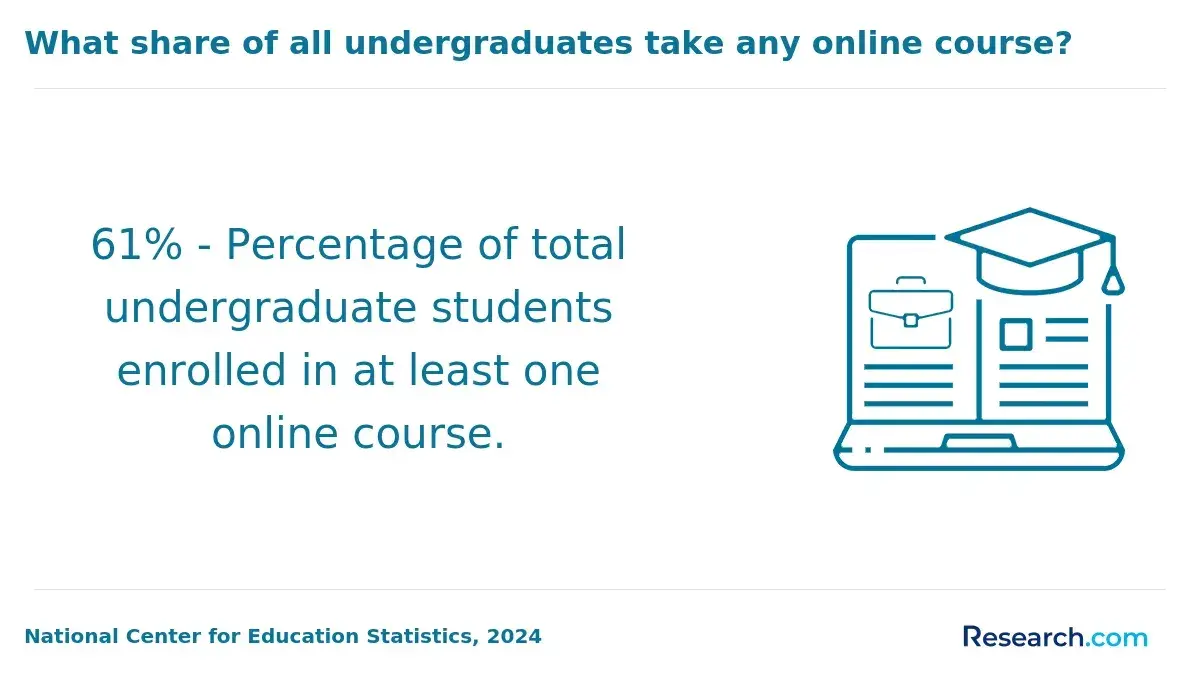
Recent data shows that nearly 40% of online journalism programs priced below $10,000 lead to career placements within six months, highlighting their practical value in today's market.
This article examines top-quality, accredited options that combine flexibility, cost-effectiveness, and industry relevance, helping prospective students efficiently navigate their educational investments and career transitions in journalism.
Key Things to Know About Online Journalism Bachelor's Degree Programs Under $10,000
- Online journalism bachelor's degrees under $10,000 reduce student debt significantly, allowing graduates to start careers without the burden of hefty loans.
- These affordable programs offer strong returns on investment, with median graduate salaries nearing national averages for journalism-related roles.
- Flexibility in scheduling, transfer credits, and prior learning assessments support working adults and military students balancing education with other responsibilities.
What Are the Most Affordable Accredited Online Journalism Bachelor's Degree Programs Under $10,000?
"Under $10,000 total" refers to the full tuition cost required to earn an online bachelor's degree in journalism or communication, excluding additional fees, books, or living expenses. For students prioritizing affordability, accreditation remains a vital factor, ensuring the program meets recognized quality standards by employers and other academic institutions.
Regional accreditations such as those from the Southern Association of Colleges and Schools Commission on Colleges (SACSCOC), Higher Learning Commission (HLC), and Northwest Commission on Colleges and Universities (NWCCU) confirm institutional credibility.
While programmatic accreditation from entities like the Accrediting Council on Education in Journalism and Mass Communications (ACEJMC) is less common among these ultra-low-cost options, it adds notable value.
Here are several most affordable accredited online journalism bachelor's degree programs in the United States, each costing under $10,000 total tuition:
- Fort Hays State University: Online bachelor's in mass communication requiring approximately 120 credits at $218 per credit hour; accredited by HLC.
- Western Governors University: Competency-based bachelor's in communication with journalism tracks; tuition roughly $3,500 per six-month term; NWCCU accredited.
- Columbia Southern University: Bachelor's in communication includes journalism courses; about $250 per credit hour for 120 credits; SACSCOC accredited.
- Clarendon College: Mass communication online degree at $80 per credit hour for 120 credits; accredited by SACSCOC.
- American Public University System: Bachelor's with journalism focus at $270 per credit hour, totaling 120 credits; accredited by HLC.
- Eastern New Mexico University: BA in communication with journalism emphasis, tuition ranges $120-$150 per credit; 120 credits required; HLC accredited.
- Black Hills State University: Online communication studies with journalism courses; $213 per credit hour for 120 credits; HLC accredited.
- Mississippi University for Women: Communication bachelor's with journalism electives; approximately $200 per credit and 120 credits; SACSCOC accredited.
These programs differ from mid-range options by offering fewer specialized courses, reduced access to on-campus facilities, and less focus on faculty research, yet they uphold solid academic foundations relevant to career preparation.
Many provide flexible pacing, generous transfer credit acceptance, and prior learning assessments to support working adults and first-generation college students navigating higher education costs.
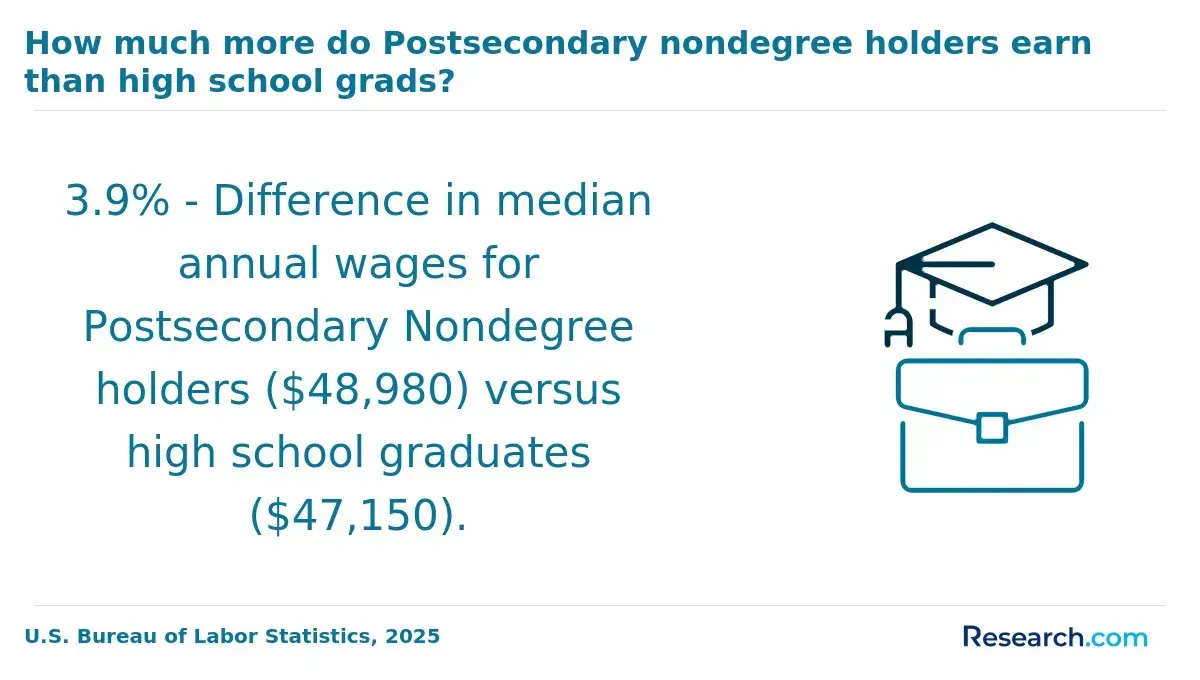
Graduates can anticipate entry-level salaries near national averages for journalism and communication roles, making these affordable options practical. Additionally, students exploring budget-friendly paths may consider related degrees such as AI degrees online.
How Do Tuition Costs for Online Journalism Bachelor's Programs Under $10,000 Compare Across Public and Private Universities?
Tuition costs for affordable accredited online journalism degrees under $10,000 vary notably between public and private nonprofit universities. Public institutions generally offer lower per-credit rates, often between $150 and $300, due to state funding and subsidies that reduce fees for in-state students.
These savings typically result in total program costs well below $10,000 for the standard 120-credit bachelor's degree. Private universities achieving similar price points often do so by offering accelerated programs or limiting credit requirements, making them competitive alternatives.
- Tuition Rates: Public universities usually charge less per credit hour, directly influencing the total cost and benefiting students seeking budget-friendly options.
- Total Program Cost: Private nonprofit schools under the $10,000 threshold may provide fixed tuition rates or accept more transfer credits, allowing them to maintain affordability comparable to public institutions.
- State Subsidies: Public institutions rely heavily on government funding to offset operational costs, whereas private universities leverage endowments and donations alongside tuition revenue to offer reduced pricing.
- Enrollment Size and Economies of Scale: Larger public universities spread administrative and technology expenses across a bigger student body, lowering per-student costs. Smaller private programs often use innovative delivery methods to keep tuition low.
- Program Delivery Format: Both sectors use asynchronous online classes; however, private schools may incorporate competency-based education and credit for prior learning, shortening the time to degree and reducing costs.
- Financial Aid and Credit Flexibility: Private universities tend to provide personalized financial aid packages, while public schools often have more flexible transfer credit policies aligning with the needs of adult learners and those changing careers.
When comparing tuition costs for online journalism bachelor's programs at public vs private universities, prospective students should weigh these factors carefully to find a program that fits their financial situation and career goals. Salary outcomes for journalism graduates can also depend on program reputation and accreditation, making these choices critical.
For those also curious about management degrees, resources on online executive MBA cost can provide insight into graduate earning potential beyond journalism.
What Is the Typical Duration of an Online Journalism Bachelor's Degree Under $10,000, and How Can Students Graduate Faster?
Most online journalism bachelor's degree programs require about 120 credit hours, typically spread over four years of full-time study. This structure balances core education in journalism fundamentals with general coursework and electives. However, programs priced under $10,000 often adopt different scheduling approaches to help students save both time and money.
- Standard Credit Requirements: Around 120 credits remain the baseline, covering essential journalism skills and liberal arts courses necessary for graduation.
- Shortened Terms: Many affordable programs use eight-week course formats instead of traditional 15-week semesters, allowing students to complete more classes annually without lowering instructional quality.
- Continuous Enrollment: Offering courses throughout the year including summer terms lets learners accelerate their pace by avoiding long breaks, enabling degree completion in as little as two to three years.
- Competency Models: Some schools utilize competency-based education, where progression depends on demonstrating mastery rather than accumulating credit hours-ideal for motivated students and those with prior experience.
- Notable Institutions: Western Governors University and Fort Hays State University provide accredited bachelor's tracks under $10,000 with average completion times ranging from 2.5 to 4 years, depending largely on each student's pace and credit transfers.
- Reduced Costs and Time: Finishing a program more quickly not only slashes tuition expenses but also decreases opportunity costs related to lost earnings, offering a significant benefit for working adults and career changers.
A professional who enrolled in an online journalism bachelor's program under $10,000 after his military service shared that balancing family responsibilities and coursework was initially overwhelming. He explained, "The accelerated course pace was challenging, but the ability to enroll year-round helped me stay on track."
He appreciated how proving certain skills through prior learning assessments shortened his study time, saying, "That flexibility made it possible to finish faster without sacrificing learning quality." This experience underscores how alternative degree models can support career transitions while managing financial constraints.
Concentration tracks within affordable online journalism bachelor's programs under 10000 often influence graduate earning power significantly. Choosing a specialization that aligns with market demand is essential for maximizing post-graduation salary potential.
- Digital Media and Multimedia Journalism: Graduates focusing in this area can pursue careers as multimedia journalists or digital content producers. The Bureau of Labor Statistics (BLS) and PayScale note median salaries typically range from $50,000 to $60,000. Programs emphasizing skills in video editing, podcasting, and social media management yield strong employability in expanding digital content markets.
- Public Relations and Corporate Communications: This track offers solid financial prospects with communication specialists reporting median earnings near $62,000 according to BLS data. Students benefit from combined training in strategic messaging and writing, enhancing job placement rates in PR roles.
- Broadcast Journalism: Traditional TV and radio reporters earn around a $48,000 median salary. Blending broadcast experience with digital skill sets increases competitiveness, especially in online journalism bachelor's programs costing less than $10,000.
- Technical and Science Writing: Specializing in technical journalism opens doors to higher pay, with median salaries reaching up to $72,000. Programs providing certificates or electives in scientific communication appeal to those merging journalism with STEM fields.
Cost-effective degree options also vary in transfer credit flexibility, financial aid, and career services quality.
Prospective students seeking the best-paying online journalism degrees under ten thousand tuition should evaluate these factors alongside salary outcomes to ensure optimal return on investment. Be sure to look up data on the cost of accounting degree online for comparison.
- Federal Pell Grants: Need-based awards from the U.S. Department of Education designed to assist low- and moderate-income students. These grants require no repayment and can cover a large portion of tuition, with FAFSA data showing many full-time students qualify for up to $7,395 annually.
- Subsidized Federal Loans: Loans available based on financial need, with interest paid by the government during enrollment. It's important to exhaust grant and scholarship options before considering these, since loans must be repaid. Loan limits vary by academic year and dependency status.
- Institutional Scholarships: Many schools offer both merit- and need-based scholarships specifically for online journalism students. These awards can range widely in value and are often renewable each year. Early research and timely applications are key to securing these funds.
- State-Based Grants and Aid: Certain states provide grants for residents pursuing approved in-state or online journalism degrees. Such aid lowers out-of-pocket costs through tuition assistance and completion incentives.
- Professional Association Scholarships: Organizations like the Society of Professional Journalists and the Online News Association offer scholarships recognizing academic excellence and potential within the journalism field, providing critical additional support.
Filing the FAFSA promptly is crucial since many aid programs distribute funds on a first-come, first-served basis. Combining federal grants, state funding, institutional awards, and industry scholarships can reduce tuition well below $10,000, often minimizing the need for loans.
One professional who completed her online journalism degree under $10,000 reflected that navigating the financial aid maze was initially overwhelming but ultimately rewarding. She recalled, "Applying early and staying organized made a huge difference. I kept track of multiple deadlines and submitted extra applications for niche scholarships."
The flexibility to combine various aid sources "meant I didn't have to take on much debt," enabling her to focus on building a strong career after graduation. Her experience underscores how thoughtful financial planning and persistence open doors to affordable, quality education.
Generous transfer credit policies can dramatically lower tuition costs and shorten time to graduation in online journalism bachelor's programs priced under $10,000. Many affordable schools accept substantial transfer credits-including CLEP, DSST, and military training-that help learners avoid repeating prior coursework, making these policies a critical factor for budget-sensitive students.
Several institutions offer exceptional flexibility in credit transfers:
- University of Arkansas at Little Rock: Accepts up to 90 transfer credits, encompassing CLEP, DSST, and military training, allowing students to apply credits toward core and electives to reduce both cost and program length.
- Western Governors University: Provides extensive prior learning assessments awarding credit for certifications, military training, and proficiency exams, with a maximum transfer of 75 credits into journalism programs.
- Thomas Edison State University: Recognizes up to 90 semester hours in transfer credits, including CLEP, DSST, and military credits, enabling students to bypass costly repeated classes.
For example, in a 120-credit journalism degree, transferring 60 credits means paying for only half the coursework. At an average of $100 per credit, this cuts tuition by $6,000 or more, often bringing total costs below $10,000 when combined with exam credit discounts. This affordability attracts working adults and first-generation college students seeking efficient, cost-effective degree paths.
Prospective students should carefully review their existing credits, including CLEP, AP, and military training, before applying. Auditing prior learning ensures the maximum credits transfer, reducing tuition expenses and accelerating graduation.
Because transfer policies differ widely, contacting admissions and reviewing official guidelines is crucial to strategize credit use and maximize savings. When evaluating affordable online journalism programs, prioritizing those with flexible credit acceptance is essential for reducing costs and time to degree completion while supporting career advancement.
Accreditation plays a crucial role in identifying quality online journalism bachelor's degree programs under $10,000. Employers and graduate schools tend to prefer degrees from regionally accredited institutions because these schools meet rigorous, consistent standards that support credit transfer and recognized credentials.
Regional accreditation is the most respected form in the U.S., with the primary bodies including:
- Higher Learning Commission (HLC): Covers numerous central U.S. institutions, known for thorough evaluation processes.
- Southern Association of Colleges and Schools Commission on Colleges (SACSCOC): Accredits many southeastern colleges and universities and is highly regarded.
- New England Commission of Higher Education (NECHE): Oversees several key northeastern institutions.
Some affordable journalism programs also carry specialized accreditation from field-specific organizations like the Accrediting Council on Education in Journalism and Mass Communications (ACEJMC), signifying focused quality in journalism curricula.
While often more affordable, nationally accredited programs generally impose less rigorous standards. Credits earned may be harder to transfer, and employers may view degrees from these institutions with skepticism. This can hamper career advancement or graduate school acceptance.
However, degrees from non-accredited programs may lack recognition from employers and other schools, affecting job prospects and further education. Always confirm accreditation status using the U.S. Department of Education's accreditation database before enrolling, to avoid programs that appear legitimate but lack recognized accreditation.
Research indicates more than 85% of employers prefer candidates from regionally accredited schools, highlighting the importance of accreditation choices when seeking quality journalism education within a limited budget.
Admission requirements for affordable online journalism bachelor programs under $10,000 generally include a high school diploma or GED. Minimum GPA thresholds typically range from 2.0 to 3.0, but many low-cost institutions offer flexible or open-admission policies to increase accessibility for diverse learners.
Standardized tests such as the SAT or ACT are often optional or waived, reflecting wider trends toward test-optional admissions that benefit non-traditional and returning adult students. Prerequisite courses are usually limited to basic English or communication classes, with specialized journalism coursework beginning after acceptance.
These factors contribute to the eligibility criteria for online journalism degrees under 10,000, making such programs approachable for career changers and first-generation college students.
Programs with open-admission or rolling-admission policies reduce barriers by allowing more flexible enrollment timelines and less stringent application requirements. In contrast, selective programs tend to demand higher GPAs, essays, portfolios, or interviews. These selective programs may provide stronger academic support and better employer recognition, though they require a more rigorous application.
Applicants who do not initially meet admissions standards can strengthen their application by completing community college courses, gaining relevant work experience, or securing recommendation letters. Some schools also offer conditional admission or probationary periods to demonstrate capability once enrolled.
For students interested in advancing beyond a journalism bachelor's degree, exploring paths such as a masters in organizational leadership can open additional career opportunities and leadership roles in various sectors.
Online journalism bachelor's programs under $10,000 often feature essential student support and career resources for journalism graduates that foster academic success and career readiness. For working adults, first-generation students, and career changers, these affordable programs provide guidance to navigate higher education costs effectively.
- Academic Advising: Personalized academic advising helps students plan efficient course sequences, manage credit transfers, and utilize prior learning assessments. These services decrease time to graduation and minimize tuition expenses.
- Tutoring and Mentorship: Tutoring and mentorship connect students with faculty and industry professionals, nurturing skill development and helping maintain motivation throughout the degree completion process.
- Mental Health Resources: Comprehensive programs address students' well-being by offering counseling services and wellness workshops, assisting those balancing studies, work, and personal commitments.
- Internship and Job Placement Coordination: Even at budget-friendly tuition levels, strong online journalism programs partner with media organizations to facilitate internships. Dedicated career services also maintain job boards and provide coaching, crucial for career advancement.
- Alumni Networks and Career Coaching: Accessible alumni networks offer valuable connections and tailored career advice. Career coaches aid students in resume building, interview preparation, and job search strategies, which enhance employment prospects.
- Student Satisfaction and Graduation Success: NSSE data show some affordable programs deliver remarkable satisfaction with advising and career services, which aligns with increased on-time graduation rates-key to preventing extra tuition costs due to prolonged enrollment.
Prospective students can also explore resources focused on veteran learners, such as online colleges for military, which often provide relevant support structures. Incorporating robust career advising services within online journalism bachelor's programs significantly impacts timely degree completion and post-graduate opportunities.
- Broadcast Journalism: This area emphasizes delivering news via television, radio, and digital video. Students gain skills in video production, audio editing, and on-camera reporting. Careers typically include broadcast reporter or producer roles-with a steady job outlook and an expected 4% growth rate. Entry-level salaries usually fall between $35,000 and $50,000.
- Digital Media and Social Journalism: This specialization centers on creating content for social platforms, blogs, and online news. It teaches multimedia storytelling, social media metrics, and search engine optimization. Job prospects in this fast-expanding field are especially strong, fueled by rising demand for online content developers and social media managers.
- Investigative Journalism: Focused on deep research and detailed reporting, this track prepares students for investigative reporting careers. Additional certifications in data journalism or legal issues may be necessary, potentially increasing overall costs. Nonetheless, this path offers significant earnings potential and influence, particularly within nonprofit or major news organizations.
- Public Relations and Corporate Communications: Combining journalism with strategic messaging, this concentration equips graduates for corporate PR, media relations, or internal communications roles. According to Bureau of Labor Statistics data, employment in these professions is forecasted to grow robustly, often accompanied by higher median pay compared to traditional journalism positions.
Some programs may recommend certifications, such as digital editing credentials or PR accreditation, that add expenses beyond tuition. Prospective students should evaluate these factors alongside career prospects to select a focus area that aligns with both financial constraints and long-term goals.
Affordable online journalism bachelor's programs commonly use learning management systems like Canvas, Blackboard, and Moodle to facilitate course delivery.
The effectiveness of these platforms influences the overall student experience, even budget-friendly programs profit from user-friendly, reliable, and mobile-compatible LMS that minimize technical issues and ensure steady access to resources.
Students can also expect to engage with essential industry tools that vary by program and may impact total costs. These include:
- Content Management Systems: Tools such as WordPress are often integrated to teach digital publishing skills and web journalism, frequently included in tuition without extra charges.
- Multimedia Editing Software: Programs may require software like Audacity or Adobe Premiere Elements for audio and video projects; some offer free access, while others add fees that can raise expenses.
- Simulation Labs: Virtual newsroom settings and social media simulators help hone practical reporting abilities; availability and costs vary across institutions.
Accessibility remains crucial for students with limited internet or older devices. Many LMS platforms offer offline modes or low-bandwidth options. Nonetheless, students should have reliable computers with updated browsers, steady internet connections and basic multimedia support to participate fully.
What Graduates Say About Their Online Journalism Bachelor's Degree Programs Under $10,000
- Louie: "I chose the online journalism bachelor's degree program under $10,000 because it offered a perfect balance of quality and affordability-something rare in higher education. The cost allowed me to avoid overwhelming student debt while still gaining practical skills I could apply immediately at work. Reflecting back, this program truly opened doors in my career that I never thought possible."
- Zamir: "What stood out to me about this online journalism degree was how accessible it made my education without sacrificing depth. Being able to study on my own schedule allowed me to maintain my full-time job, making the under $10,000 price tag even more valuable. Pursuing this degree enhanced my confidence and credibility in the field, helping me secure freelance opportunities and build a professional network."
- Matthew: "The decision to enroll in an affordable online journalism bachelor's degree was driven by a realistic budget and a desire to stay relevant in a competitive industry. The program's curriculum focused heavily on digital reporting techniques-which are essential today-and the cost efficiency meant I could invest more in equipment and software. Completing the degree gave me a professional edge and positioned me for exciting roles in media organizations."
Other Things You Should Know About Journalism Degrees
Yes, several fully online journalism bachelor's programs under $10,000 offer uniform tuition rates regardless of a student's residency. This means out-of-state students pay the same tuition as in-state students, eliminating extra fees. Such programs are particularly advantageous for those who live outside the institution's home state but want affordable access to quality online journalism education.
Many low-cost online journalism bachelor's programs accept up to 90 transfer credits from regionally accredited colleges, which can shorten the degree and keep total tuition under $10,000. Schools usually require a minimum 2.0 GPA on transfer coursework, and the final 30 credits are often completed in residence.
Many affordable online journalism programs accept credit from CLEP, DSST exams, and prior learning assessments, allowing students to bypass certain required courses. Utilizing these options helps reduce the total number of credits needed - and therefore the overall tuition cost. This flexibility supports students in completing their degrees faster and more economically.
- Scholarships & Grants to Reduce Your Degree Cost https://www.umassglobal.edu/tuition-and-aid/financing-your-education/scholarship-and-grants
- Communication — Digital Journalism and Media Emphasis https://online.umkc.edu/programs/ba-digital-journalism-media/index.php
- Bachelor's Degree in Digital Journalism with a Major in Digital Communications Management - Florida Global University https://floridaglobal.university/bachelors-degree-in-digital-journalism-with-a-major-in-digital-communications-management/
- Online Journalism Degrees: Industry Validation & Credibility https://amityonline.com/blog/online-journalism-degrees-recognised
- Online Journalism Schools https://www.affordablecollegesonline.org/degrees/journalism-schools/
- Journalism, BS | USU Online | USU https://www.usu.edu/online/degrees/bachelor/journalism