2027 Part-Time vs Full-Time Online Journalism Bachelor's Degree Programs

Co-Founder and Chief Data Scientist
Balancing a full-time job while pursuing higher education challenges many aspiring journalists. Imagine a mid-career professional eager to transition into journalism but hesitant to commit to a demanding full-time schedule due to financial and time constraints. This dilemma is common as 64% of online journalism bachelor's degree students report managing work alongside study. Choosing between part-time and full-time online programs affects not only learning pace but also career outcomes and personal well-being. This article examines the differences between part-time and full-time online journalism bachelor's degree programs to help prospective students make an informed decision aligned with their goals and circumstances.
Key Benefits of Part-Time vs Full-Time Online Journalism Bachelor's Degree Programs
- Part-time programs offer greater scheduling flexibility, allowing students to balance coursework with work or family commitments more effectively than full-time options.
- Full-time students typically complete their journalism degree faster, often within four years, while part-time students may take six years or more.
- Balancing personal and career responsibilities is easier in part-time studies, reducing stress, though it requires sustained long-term commitment compared to the intensive pace of full-time study.
What Is the Difference Between Part-Time and Full-Time Online Journalism Bachelor's Degree Programs?
Part-time and full-time online journalism bachelor's degree programs differ mainly in workload, pacing, and the overall time commitment. Full-time students face a more demanding schedule, while part-time learners benefit from increased flexibility. According to the National Center for Education Statistics, about 34% of online students in bachelor's programs enroll part-time, highlighting the preference for adaptable study options.
Below is a closer look at these two enrollment types.
Part-Time Online Programs
- Course Load: Students typically take fewer than 12 credit hours per semester, which allows for manageable pacing alongside other obligations.
- Scheduling Flexibility: Part-time enrollment enables students to space out classes and study hours, accommodating work, family, or personal schedules more easily.
- Study Intensity: Learners can spread their coursework over longer periods within the same term, reducing pressure from frequent deadlines and projects.
Full-Time Online Programs
- Course Load: Full-time students usually register for 12 or more credit hours each semester, requiring a heavier, more concentrated workload.
- Scheduling Structure: These programs follow a set timetable with consistent deadlines and assignments, demanding regular, ongoing effort.
- Study Intensity: The pace is faster, with expectations for continuous focus and quicker completion of tasks compared to part-time tracks.
For prospective students juggling different priorities, understanding flexibility and workload in online journalism degrees is vital. Those seeking additional guidance on balancing work and academics might also explore options like the MSW degree, which similarly offers adaptable enrollment choices.
How Long Does It Take to Complete Part-Time vs Full-Time Online Journalism Bachelor's Degrees?
Completion time for an online journalism bachelor's degree depends largely on whether students enroll full-time or part-time, as well as on their individual pacing preferences. Data from the National Center for Education Statistics shows that online and nontraditional bachelor's degree students often take five to six years to finish, exceeding the traditional four-year expectation.
Below is a comparison that highlights key differences between part-time and full-time paths.
Part-Time Online Programs
- Extended Duration: Part-time students often take five or six years or more to complete their degree, reflecting a slower pace that accommodates other obligations.
- Reduced Course Load: Enrolling in six to nine credit hours per term allows flexibility but limits academic progress per semester.
- Course Scheduling Challenges: Limited course availability each term may require careful planning to avoid delays, especially for core journalism courses.
- Balancing Commitments: This option suits those juggling work, family, or other responsibilities while pursuing the degree.
Full-Time Online Programs
- Standard Completion Time: Full-time students typically finish their online journalism bachelor's degree in about four years, aligning with traditional programs.
- Heavier Course Load: Taking 12 to 18 credit hours per semester enables steady progress through required coursework.
- Consistent Scheduling: Full-time programs usually offer a structured semester or quarter system, providing reliable course options each term.
- Efficient Pacing: This intensity supports faster completion but may require fewer outside commitments.
Prospective students considering a part-time online journalism degree completion time or full-time online journalism bachelor's degree duration should weigh their personal schedules carefully. For those seeking flexible yet affordable options, exploring a cheap psychology degree online program can offer insights into balancing cost and time effectively across online degree pathways.
What Is the Workload for a Part-Time vs Full-Time Online Journalism Bachelor's Degree?
The workload for part-time and full-time online journalism bachelor's degree students differs largely in course load and study hours. Full-time learners usually take about 12 to 15 credit hours per semester, which translates to four or five classes, while part-time students often register for around 6 to 9 credit hours, or two to three courses. This lighter course load allows part-time students to spread their studies over a longer period, dedicating roughly 15 to 25 hours each week.
Full-time students, however, typically invest 30 to 40 hours weekly to keep up with their coursework. Despite these differences in pacing, both groups generally follow the same term schedules and course expectations in their online programs.
In terms of academic demands, full-time students face a more compressed and intense schedule, juggling multiple overlapping deadlines and simultaneous assignments. The frequency of tasks such as projects, readings, and group work remains consistent regardless of enrollment status, but full-time learners must manage a heavier workload within condensed timeframes.
Part-time students benefit from a more flexible, less crowded calendar, which can ease immediate time pressures but requires consistent discipline to meet ongoing deadlines over a longer duration. For adult learners balancing work and family, strategic time management and steady progress are essential to handle the continuous demands of either format effectively.
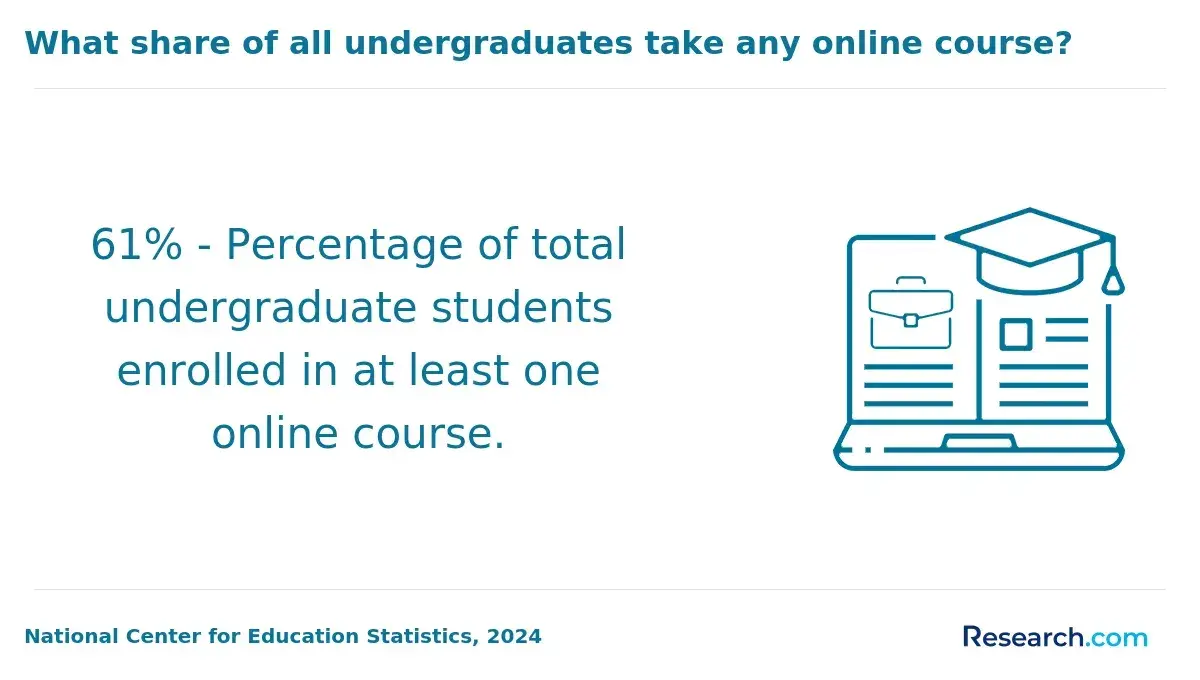
Online journalism bachelor's degree programs can accommodate working adults through either part-time or full-time enrollment, depending largely on individual schedules, workload tolerance, and personal obligations. Data from the National Center for Education Statistics reveals that nearly 39% of online undergraduate students hold full-time jobs while studying, reflecting a strong preference for flexible education options.
Below are key factors to weigh when choosing between part-time and full-time paths.
- Scheduling Flexibility: Part-time enrollment often provides greater adaptability, enabling students to balance employment and family responsibilities with coursework. Full-time programs usually require a more structured timetable and a heavier course load per term.
- Workload Intensity: Those studying full-time tend to manage a more demanding number of classes simultaneously, which can lead to a more immersive learning experience but demands significant daily commitment.
- Time Management: Full-time students must carefully coordinate their study hours with professional duties to maintain progress. Part-time students experience less daily pressure but must sustain consistent effort over a longer period.
- Pace of Completion: Full-time study supports quicker degree attainment, appealing to those eager to advance professionally, while part-time study extends completion timelines, offering reduced immediate academic stress.
Many online journalism bachelor's degree programs offer the flexibility to change enrollment status between part-time and full-time as students' needs evolve. This option often helps learners manage shifting work schedules, personal commitments, or adjustments in their academic goals. Research shows that nearly 40% of online students take advantage of flexible enrollment options to better balance education with other responsibilities.
Changing between study loads usually involves notifying academic advisors or program coordinators, who assist with required procedures. For those wondering, can I switch from part-time to full-time online journalism bachelor's degree program options are generally designed to support such transitions.
Switching enrollment status requires considering several factors, including changes in academic workload and the pace of course completion. Full-time study generally demands more intensive time management than part-time enrollment, which could affect student performance if not carefully planned. Programs may have specific policies about when and how enrollment changes can be made, potentially involving deadlines or formal approvals.
Understanding these guidelines helps minimize disruptions and aligns enrollment shifts with program requirements. Students exploring this should also be aware of how changing enrollment status in online journalism bachelor's degrees might impact course sequencing or graduation timelines.
For those balancing budget concerns, comparing options like the cheapest online accounting degree programs may offer additional financial perspective.
Tuition for online journalism bachelor's degree programs varies based on enrollment status, pacing, and institutional billing methods. The overall cost often depends on whether students attend part-time or full-time, with most programs charging per credit. Average tuition for these degrees typically ranges between $15,000 and $40,000, influenced by credit load and payment structure.
Below is a comparison of how tuition generally differs for part-time versus full-time students.
Part-Time Online Programs
- Per-Credit Pricing: Part-time students usually pay tuition based on the exact number of credits they take each term, allowing payments to be spread out.
- Extended Timeline: Enrolling in fewer credits lengthens the time required to finish the degree and may result in more total payments over semesters.
- Gradual Financial Impact: Smaller charges each term reduce immediate financial strain but can lead to higher accumulated costs due to fees and additional enrollment periods.
- Flexible Scheduling: Payment deadlines align with the number of courses taken, matching the adaptable pace many part-time learners prefer.
Full-Time Online Programs
- Flat-Rate Tuition: Many schools offer a fixed tuition fee for full-time students up to a certain credit threshold, facilitating predictable semester costs.
- Higher Upfront Payment: Full-time enrollment means paying more per semester, reflecting the larger credit load and accelerated program completion.
- Shortened Duration: Taking more credits at once helps students finish the degree faster but requires managing larger tuition payments in fewer installments.
- Potential Additional Fees: Some institutions may add fees based on full-time status or course delivery, impacting the overall semester bill.
Financial aid availability for an online journalism bachelor's degree often varies based on whether a student enrolls full-time or part-time, as well as on eligibility requirements and institutional policies. Around 43% of part-time online undergraduate students receive some form of financial aid, illustrating that while aid is accessible, the extent differs notably between enrollment statuses.
Below is a comparison of common financial aid options between part-time and full-time students.
- Federal Pell Grants: Both part-time and full-time students with financial need can typically qualify. However, part-time students usually receive prorated awards based on their credit load, which can reduce the overall grant amount compared to full-time students.
- Federal Student Loans: These loans are available regardless of enrollment status, but full-time students can often borrow larger sums and may benefit from more flexible repayment deferment options during school.
- Institutional Scholarships: Many colleges prioritize full-time students for merit- or need-based scholarships, making these awards less common or smaller for part-time students pursuing online journalism degrees.
- Work-Study Programs: These programs typically favor full-time students because of institutional budgeting priorities, often resulting in limited opportunities for part-time students.
Ultimately, while full-time students generally receive broader financial aid packages, part-time students remain eligible for key supports, especially federal grants and loans. Prospective students should consult financial aid offices to understand policies and maximize funding tailored to their enrollment choice.
Choosing between part-time and full-time online journalism bachelor's degree programs requires carefully weighing different factors that affect both lifestyle and career objectives. The flexibility and workload differences in online journalism bachelor's programs influence student experience and outcomes. Below is a clear comparison of the key pros and cons associated with each study format.
Pros
- Schedule Flexibility: Part-time programs allow students to balance work, family, and other commitments by spreading coursework across a longer period.
- Deeper Learning: Part-time study often facilitates more thorough understanding by giving learners additional time to absorb and engage with material.
- Faster Completion: Full-time students typically finish their degrees in three to four years, entering the job market sooner.
- Community Engagement: Full-time study promotes frequent interaction with peers and faculty, enhancing networking crucial in journalism careers.
Cons
- Extended Timeline: Part-time programs take longer to complete, potentially delaying career advancements or graduate studies.
- Limited Immersion: Lower course loads in part-time study may reduce opportunities for connection and collaboration within the academic community.
- Time Commitment: Full-time study demands significant time weekly, which can be tough for working adults or those with family duties.
- Stress and Constraints: Accelerated full-time pace can increase stress and limit time for professional experiences like internships.
Prospective students should also explore related fields for alternative degree options, such as an urban planning online degree, which may offer different formats and scheduling advantages suited to individual needs.
Whether students enroll part-time or full-time in an online journalism bachelor's degree typically does not majorly impact their career outcomes. About 72% of hiring managers prioritize demonstrated skills and portfolio work over the mode or pace of study, reflecting a growing skills-based hiring trend in journalism and related fields.
Understanding how enrollment type influences journalism graduate outcomes involves several key factors.
- Skill Development: Continuous improvement of technical and editorial skills is essential, regardless of whether students study part-time or full-time. Employers look for candidates who can write, report, and edit effectively, highlighting skills over speed of degree completion.
- Work Experience Integration: Part-time students often juggle work and study, gaining real-world experience that can complement their academic background and improve employability. This is a significant advantage in narratives that value practical experience alongside education.
- Degree Credibility: Accreditation and curriculum relevance play a critical role, with media employers favoring programs aligned with industry standards and ethical journalism practices. This factor outweighs differences caused by enrollment type.
- Progression Opportunities: Full-time learners may access internships or entry-level jobs more quickly, while part-time students benefit from steady career growth aided by simultaneous employment. Both paths offer valid routes to advancement.
- Networking and Resources: Engagement with faculty, peers, and guest speakers builds professional connections. Some students also explore related fields by researching graphic design schools online to diversify their skill set, enhancing long-term prospects.
Ultimately, the choice between part-time vs full-time online journalism degrees should fit personal life circumstances and learning preferences rather than concerns about how enrollment type influences journalism graduate outcomes.
Selecting between part-time and full-time study for an online journalism bachelor's degree demands strategic planning to balance personal and professional obligations. Research shows nearly 40% of online students struggle with retention due to workload and scheduling challenges. Avoiding common mistakes can improve the learning experience and academic success.
- Underestimating Workload: Full-time students often assume managing multiple courses is straightforward, yet the intensive pace can cause burnout. Part-time students may think a lighter course load means less effort, but stretched-out timelines can hinder motivation and delay completion.
- Poor Time Management: Both study modes require consistent scheduling. Part-time learners frequently juggle jobs and classes, risking conflicts, while full-time students might sacrifice self-care and social interactions, impacting their well-being and performance.
- Misaligned Schedules: Part-time students sometimes pick courses that conflict with work or family demands, causing attendance issues. Full-time students may overlook whether synchronous classes fit their availability, leading to missed sessions.
- Unrealistic Expectations: Full-time students might expect rapid mastering of skills, leading to frustration when progress slows. Part-time students often anticipate an easy pace, which can result in under-preparation before deadlines.
What Graduates Say About Part-Time vs Full-Time Online Journalism Bachelor's Degree Programs
- Louie: "Choosing a part-time online journalism bachelor's program was a game-changer for me because it allowed me to balance work and study without sacrificing either. The flexibility meant I could dive deep into coursework during weekends, while still gaining real-world experience on weekdays. Completing the degree expanded my reporting skills and opened doors to freelance opportunities I never imagined."
- Zamir: "Enrolling full-time in an online journalism bachelor's program was intense but incredibly rewarding. Managing deadlines and virtual group projects taught me discipline and collaboration in a digital environment, crucial skills for modern newsrooms. Now, I feel more confident pitching stories and using multimedia tools, which has significantly boosted my career prospects."
- Matthew: "Opting for part-time studies in an online journalism bachelor's program was a strategic decision to advance my existing career while upgrading my credentials. The challenge of juggling assignments with a full workload was tough, yet it sharpened my time management skills like never before. Graduating has directly impacted my role, leading to a promotion and more responsibility in investigative reporting."
Other Things You Should Know About Journalism Degrees
Most programs require a laptop or desktop computer, reliable high-speed internet, a webcam, a microphone, and current software for writing, editing, and video or audio production. Some courses also require access to Adobe Creative Cloud or similar tools for multimedia assignments and live class meetings.
Most online journalism programs provide equal access to academic resources regardless of enrollment status. Part-time and full-time students generally have the same opportunities to use digital libraries, writing centers, career services, and faculty office hours. However, availability of some real-time events or synchronous classes might require careful scheduling, especially for part-time students balancing other commitments.
Part-time students might face some challenges due to limited time, but reputable online journalism programs strive to offer internships and networking support to all students. Virtual internships and remote networking events are commonly accessible, which helps part-time students engage with the professional community. The responsibility to seek and manage these opportunities remains with the student regardless of enrollment status.
In 2027, job prospects for online journalism graduates largely depend on skills and experiences rather than part-time or full-time study. Both programs aim to prepare students effectively for careers, but full-time students may gain slightly more from immersive learning and networking opportunities.
- Is it possible to transfer from full-time to part-time and vice versa? https://bizbase.techinfus.com/en/mojno-li-perevestis-s-ochnogo-na-zaochnoe-i-naoborot.html
- From Newsrooms to Boardrooms: 10 High-Impact Jobs You Can Land With a Journalism Degree https://www.ucumberlands.edu/blog/high-impact-jobs-with-a-journalism-degree
- Full-time, part-time, online - which study mode is right for you? https://www.studentspace.pl/en/blog/post/studia-stacjonarne-zaoczne-wieczorowe---ktory-tryb-wybrac
- Is Earning a Journalism Degree Online Worth It? https://www.allartschools.com/5-reasons-journalism-degree-matters/
- 2025 Most Affordable Online Bachelors in Journalism [100% Unbiased] https://www.collegeranker.com/most-affordable-online-bachelors-in-journalism/
- Part-time College Degree vs. Online Full-time College Degree: Which is Better? https://www.knowledge.net.in/blog/post/part-time-college-degree-vs-online-full-time-college-degree-which-is-better
- Average Cost of Online College [2025]: Yearly Tuition + Fees https://educationdata.org/average-cost-of-online-college
- Can I change from full time to part time study? https://usqassist.custhelp.com/app/answers/detail/a_id/1447/~/can-i-change-from-full-time-to-part-time-study%3F
- The Pros and Cons of Pursuing a Degree in Journalism - NewEduTrend: Find Your Educator https://search.newedutrend.com/blog/53-the-pros-and-cons-of-pursuing-a-degree-in-journalism
- is online degree is consider for regular or part time? https://collegevidya.com/question-answer/is-online-degree-is-consider-for-regular-or-part-time/