2027 Online Journalism Bachelor's Degree Programs With No SAT or ACT Requirements

Co-Founder and Chief Data Scientist
Many prospective students face barriers when standardized tests like the SAT or ACT are mandatory for online journalism bachelor's degree admissions. This requirement can limit access for nontraditional applicants who excel in writing or have professional experience but perform poorly in standardized exams. Recent data show over 60% of journalism programs nationwide have adopted test-optional policies, reflecting a shift towards evaluating applicants holistically.
This trend benefits students seeking flexibility without compromising educational quality. This article examines various online journalism bachelor's degree programs that do not require SAT or ACT scores, helping applicants identify suitable paths tailored to their needs.
Key Benefits of Online Journalism Bachelor's Degree Programs With No SAT or ACT
- Online journalism bachelor's programs without SAT or ACT requirements broaden access for diverse applicants, including adult learners and underrepresented groups, fostering greater educational equity.
- Flexible course schedules in online formats benefit working students, enabling them to balance professional commitments while advancing their journalism education without rigid testing prerequisites.
- Streamlined admissions eliminate standardized testing delays, allowing quicker enrollment and reducing barriers that disproportionately affect low-income and nontraditional students pursuing journalism degrees.
Who Should Consider an Online Journalism Bachelor's Degree With No SAT or ACT?
Online journalism bachelor's degree programs with no SAT or ACT requirements attract a diverse range of students, offering more inclusive access to higher education. With over 65% of four-year institutions adopting test-optional policies by 2023, more learners can pursue their academic goals without the pressure of standardized testing. These flexible, test-optional online pathways appeal to individuals from varied academic and professional backgrounds. Below are key groups who might consider such programs for their unique advantages.
- Working Adults: Professionals balancing careers and family life often need education options that fit their busy schedules. Online journalism degree programs without SAT requirements provide the flexibility to advance education without interrupting personal or professional commitments.
- Nontraditional Students: Those returning to college after time away or starting later in life benefit from reduced admissions barriers. Test-optional programs recognize prior experiences and make re-entry into academia more approachable.
- Individuals with Prior College Credits: Students seeking to shift their career focus toward journalism can leverage these programs to build on previous academic work without retaking standardized tests, streamlining their path to degree completion.
- Applicants Seeking Accessible Admissions: Many prefer a holistic approach where skills and experiences weigh more than test scores. This less stressful admissions process aligns well with students prioritizing flexibility and accessibility in their education choices.
For those interested in fast-tracking advanced studies after earning a journalism degree, exploring options such as a 1 year masters program can further enhance career prospects.
What Is the Difference Between Test-Optional and Test-Free Online Journalism Bachelor's Degrees?
Test-optional and test-free policies in online journalism bachelor's degree programs are often mistaken for the same approach, but they differ notably in how admissions offices consider standardized test scores. Recent enrollment data shows that institutions using test-free admissions have experienced a 15% increase in applicant diversity, highlighting this approach's potential to remove barriers for many students. These distinctions can help applicants select the best program to meet their individual needs.
Below is a comparison of these two admissions policies.
Test-Optional Online Program
- SAT/ACT scores are considered if submitted but are not required.
- Applicant evaluation combines test scores with transcripts, essays, and recommendation letters.
- Offers flexibility; students with strong scores may submit them to enhance their application, while others can rely on other credentials.
- Admissions may still expect some applicants to provide test results depending on individual circumstances.
Test-Free Online Program
- SAT/ACT scores are neither accepted nor reviewed during admissions.
- Evaluation is based solely on non-test factors such as academic records, personal statements, interviews, or portfolios.
- Removes testing barriers entirely, increasing access for those unable or unwilling to take standardized tests.
- Uniformly disregards test scores, providing a simplified application process.
For students seeking test-optional online journalism degree programs or test-free bachelor's degrees in online journalism, understanding these options is vital. Additionally, learners interested in pursuing other flexible STEM fields might explore online engineering programs that also offer accessible pathways without strict testing requirements.
2026 Update: Evaluating Online Journalism Program Quality Beyond Test Policies
For 2026, this section adds a practical way to compare no-SAT and no-ACT online journalism bachelor’s programs by looking past admissions flexibility and focusing on the learning experience students will actually receive.
- Check whether the curriculum covers reporting, media law, ethics, editing, multimedia storytelling, and audience engagement.
- Look for portfolio-building opportunities, such as published clips, capstone projects, podcasts, video packages, or digital news features.
- Review whether instructors have current or recent journalism, broadcasting, editing, or digital media experience.
- Confirm that online students can access advising, writing support, library databases, and career services remotely.
- Ask whether the program uses industry-relevant tools for content management, audio, video, data, or social publishing.
- Consider whether internships, student media, or remote newsroom experiences are available to online learners.
Using these checks helps students choose a program that is not only easier to access without test scores, but also strong enough to support real journalism skill development.
Admissions for online journalism bachelor's programs that waive SAT or ACT requirements rely heavily on alternative indicators of a student's preparedness. This shift reflects a growing national trend, with approximately 65% of colleges adopting test-optional or test-free policies to evaluate candidates more holistically. These programs assess academic background and personal qualities through various components.
- Academic Transcripts: Applicants must submit official records from previous educational institutions to illustrate coursework completion and academic performance over time, providing admissions committees with context beyond standardized testing.
- Personal Statement: A well-crafted essay demonstrates the applicant's passion for journalism and clarifies their professional ambitions, allowing admissions officers to gauge motivation and communication skills.
- Letters of Recommendation: Endorsements from educators or mentors validate the candidate's character and abilities, offering insight into strengths that may not appear in transcripts or essays.
- College Readiness Evidence: Some programs require proof of capability for college-level work, which might involve placement testing or documentation of prior relevant classes, ensuring students can handle curriculum demands.
A graduate from such a program shared that the absence of SAT or ACT scores initially made him anxious about standing out among applicants. However, he found that the process encouraged him to focus on expressing his genuine interest in journalism through storytelling in his essay and securing thoughtful recommendations. "It felt like the admissions team wanted to understand who I was beyond a number," he explained. Navigating these requirements, he said, gave him confidence that the program valued diverse experiences and perspectives, which ultimately made the application process feel more personalized and rewarding.
Expectations for minimum GPA vary widely among online journalism bachelor's degree programs that do not require SAT or ACT scores. Many institutions prefer a holistic admissions process, evaluating academic records alongside other achievements. Data shows about 60% of online undergraduate programs consider multiple factors rather than relying solely on GPA thresholds.
Common considerations related to GPA in these programs include:
- Flexible GPA Thresholds: Programs often accept applicants with a broad range of academic records, recognizing potential beyond numerical GPA values.
- Holistic Academic Review: Admissions committees tend to weigh overall academic history, including grade trends and course difficulty, rather than demanding a strict minimum GPA.
- Value of Non-Academic Experience: Professional work, internships, or writing portfolios frequently enhance applications, sometimes mitigating the impact of lower GPAs.
- Alternative Pathways: Some programs offer conditional admissions or pathway options for students with lower GPAs, allowing them to demonstrate their abilities through initial coursework.
Students exploring their options can also find related flexible degree paths by considering programs like a cyber security degree online, which often apply similar test-optional and holistic review practices.
Removing SAT or ACT requirements in online journalism bachelor's degree admissions can increase opportunities for a wider range of applicants, particularly those who may not excel at standardized testing or have been away from academics for a while. Nonetheless, this shift doesn't guarantee simpler acceptance since selectivity varies, with nearly 40% of online undergraduate programs reporting acceptance rates below 50%. Instead of test scores, admissions committees rely on a holistic review considering factors like prior academic performance, personal statements, recommendation letters, and relevant experience. This evaluation method enables programs to gauge an applicant's readiness beyond exams. Consequently, competitiveness depends on each institution's applicant pool and enrollment priorities, making admission difficulty program-specific.
When asked about her experience, a current student in an online journalism bachelor's program without SAT or ACT requirements shared that the application demanded thoughtful preparation, especially in showcasing her writing samples and volunteer work in media. She emphasized that while not having to submit test scores reduced stress, presenting a compelling portfolio and strong recommendations was crucial. She reflected, "It wasn't necessarily easier, but the process felt more personal, focusing on who I am and what I can do rather than a single test." Her experience highlights that success in this route requires dedication to communicating one's strengths in varied ways beyond traditional metrics.
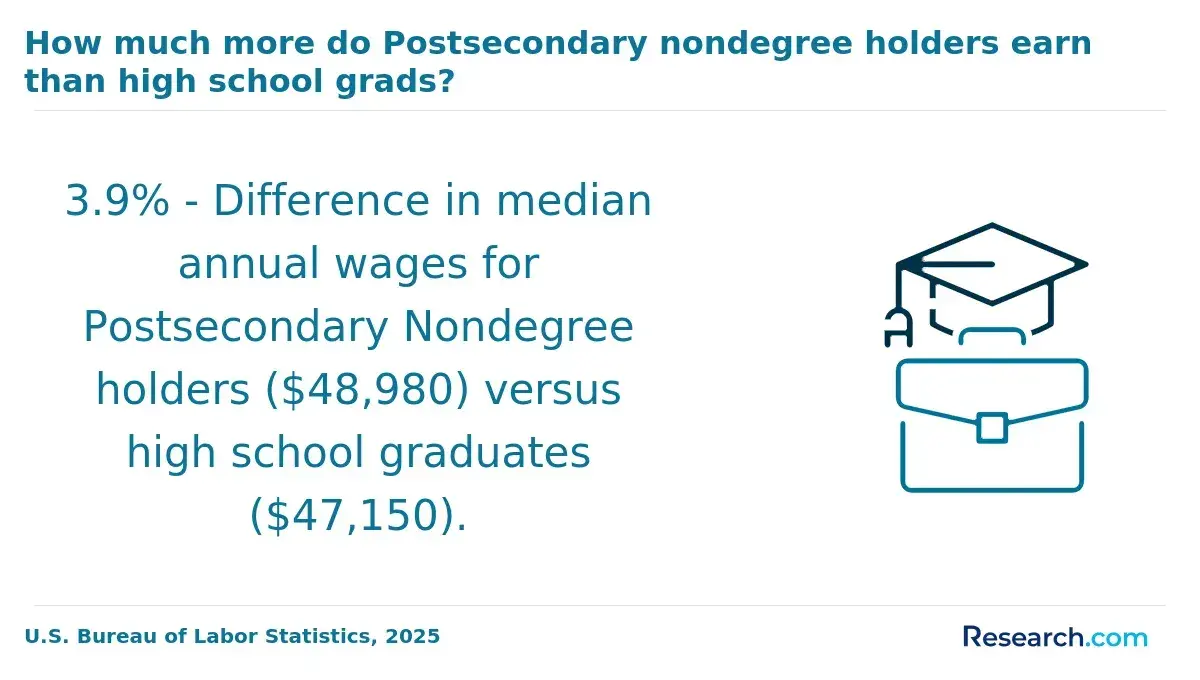
Test-optional and test-free admissions policies have become increasingly common across many online degree programs, including journalism. This shift supports increased access and flexibility, with enrollment in fully online programs rising more than 30% over the last five years. These journalism programs often assess students using factors beyond standardized testing.
Common focuses within online journalism bachelor's degrees that waive SAT or ACT requirements include:
- Digital Media and Multimedia Reporting: Programs in this area concentrate on skills related to creating and managing digital content using various multimedia platforms. Students learn to report stories with a mix of text, video, and audio to engage diverse audiences.
- Broadcast and Video Journalism: These specializations train students to produce news for television, radio, or online video outlets. Emphasis is placed on storytelling, video editing, and on-camera presentation skills, without relying on test scores for admissions.
- Investigative and Data Journalism: Focused on in-depth reporting, this track develops skills in researching complex stories, analyzing data sets, and uncovering information critical to the public interest. Admissions prioritize relevant experience and academic preparedness over standardized exams.
- Public Relations and Strategic Communications: This category teaches how to craft effective messaging and manage media relations within organizations. Applicants are evaluated on portfolios and letters of recommendation rather than ACT or SAT results.
- Editorial Writing and Content Creation: Students study how to produce compelling written content, opinion pieces, and editorial strategies. Admissions committees look at writing samples and holistic academic criteria instead of test scores.
Rather than emphasizing standardized testing, these online journalism programs seek applicants demonstrating strong academic readiness through transcripts, recommendations, and relevant skills. This approach broadens opportunities for students with diverse backgrounds and career goals.
Applying to online journalism bachelor's degree programs that do not require SAT or ACT scores is generally a simple process focused on submitting application materials via an online portal. These flexible programs prioritize written content and communication over standardized testing. The steps below outline the typical workflow applicants can expect.
- Account Creation: Begin by registering for an online application portal where you create a secure user profile to track your progress and submit documents.
- Personal and Educational Information: Enter your basic personal details along with your educational background, such as high schools attended and any prior college courses.
- Document Submission: Upload key materials like your personal statement or essay that explain your interest in journalism and career aspirations. Depending on the program, you may also submit letters of recommendation or a resume.
- Portfolio Upload (If Required): Some programs ask for a writing portfolio or samples of media work to showcase your practical experience beyond test scores.
- Application Review and Payment: Carefully review all entered information for accuracy before submitting your application, and pay any applicable fees or request fee waivers as needed.
- Communication and Follow-Up: After submission, monitor your email and application portal for confirmation, additional requests, or interview invitations to stay informed throughout the admission process.
Applicants to online journalism bachelor's degree programs that do not require SAT or ACT scores can strengthen their chances of admission by focusing on academic performance, relevant experience, and personal motivation. Research indicates that about 70% of four-year colleges in the U.S. use holistic admissions processes, evaluating applicants by a broad assessment of qualifications rather than test scores alone. Here are effective strategies for applying to online journalism programs test-free that can enhance your overall application:
- Strong Academic Records: Maintaining solid grades in high school or previous college coursework is essential. Admissions committees especially value performance in English, communications, and related subjects, as these reflect your capability to succeed in journalism studies.
- Compelling Personal Statement: Craft a personal essay that expresses your passion for journalism and explains why you are a suitable candidate. Highlight unique perspectives, career goals, or experiences that demonstrate your commitment.
- Relevant Experience: Showcase internships, freelance writing, blogging, or involvement with school newspapers to provide concrete evidence of your skills. Including samples or links to your work helps illustrate your journalism capabilities effectively.
- High-Quality Recommendations: Secure strong letters of recommendation from teachers or mentors who can attest to your writing skills, work ethic, and intellectual curiosity, reinforcing your readiness for an online program.
For students considering flexible education pathways, exploring options like the cryptocurrency degree can also broaden career prospects. These complementary fields often intersect with media and communications, opening new opportunities beyond traditional journalism roles.
Applying to online journalism bachelor's degree programs without SAT or ACT requirements expands access but can also present challenges. Admissions officers often adopt a holistic review approach, evaluating every part of the application carefully. Studies show that about 30% of applications in test-optional settings suffer from incomplete or poorly presented materials, which can significantly diminish admission chances. To improve your application strength, avoid these common pitfalls:
- Submitting Incomplete Materials: Omitting transcripts, recommendation letters, or writing samples leaves gaps in your application that hinder proper assessment of your readiness for journalism study. Ensure all required documents are included and clearly formatted.
- Writing Weak Personal Statements: Generic or unfocused essays fail to showcase your passion for journalism or unique perspective. A strong personal narrative helps distinguish your application and conveys genuine commitment.
- Failing to Highlight Relevant Experience: Work experience, internships, or extracurricular activities related to journalism demonstrate your skills and dedication. Clearly emphasizing these elements strengthens your case and aligns with common application pitfalls for online journalism programs without SAT or ACT.
- Not Reviewing Application Details Carefully: Small errors or missing information create an impression of carelessness. Double-check every section to avoid mistakes that can undermine your professionalism.
Addressing these areas carefully will allow test-optional applicants to present a well-rounded and compelling case for admission. Additionally, keeping an eye on factors like the mechanical engineering cost of education can provide useful context for budgeting your educational journey, even if your primary focus remains on journalism.
Standardized test scores such as the SAT or ACT rarely have a lasting impact on career outcomes for graduates with an online journalism bachelor's degree. Employers in media and communications typically emphasize demonstrated skills, relevant experience, and academic achievements over test results submitted during college admissions. In fact, a survey by the National Association of Colleges and Employers found that 92% of employers prioritize skills and practical experience above standardized test scores when evaluating candidates. This trend reflects a strong shift toward competency-based hiring practices rather than reliance on traditional test metrics.
Success in journalism careers largely depends on the development of essential skills like writing, research, multimedia storytelling, and ethical reporting. Academic performance, internships, freelance projects, and involvement in campus media often provide more significant evidence of readiness for the professional world. Additionally, proficiency in digital tools and effective communication can greatly enhance employability, making these real-world competencies far more critical than test scores once the degree is completed.
What Graduates Say About Online Journalism Bachelor's Degree Programs With No SAT or ACT
- Louie: "Choosing an online journalism bachelor's program without the pressure of SAT or ACT scores was a game-changer for me. It opened doors that traditional admission tests would have closed, allowing me to focus on honing my writing and storytelling skills. The flexibility of the program helped me juggle work and study, which has been invaluable in advancing my career as a multimedia journalist."
- Amy: "Getting into an online journalism bachelor's degree without any SAT or ACT requirement felt daunting at first, as I worried about competing with more conventional candidates. However, the program's emphasis on practical experience and creativity helped me gain confidence and grow my portfolio. Now, I see how this path allowed me to develop a unique voice and land opportunities in investigative reporting that I hadn't imagined before."
- Matthew: "Pursuing an online journalism bachelor's degree with no standardized test barriers was a strategic move for me. It meant I could apply directly based on my professional background and motivation rather than exam scores. The skills I gained through the curriculum have directly enhanced my credibility and writing precision, which have been crucial as I transitioned into a senior editorial role."
Other Things You Should Know About Journalism Degrees
In 2027, students enrolling in online journalism bachelor's degree programs without SAT or ACT scores can explore scholarships provided by universities, private organizations, and journalism-focused associations. Eligibility often depends on academic performance, financial need, or a demonstrated passion for journalism.
Yes, reputable online journalism bachelor's degree programs without SAT or ACT requirements maintain accreditation from recognized accrediting bodies. Accreditation ensures the program meets quality standards in journalism education and is essential for transferability of credits and employer recognition. Applicants should verify the accreditation status before enrolling.
Most programs ask for a writing sample, a résumé, and a personal statement. Some also request 1–2 letters of recommendation and a minimum 2.0 or 2.5 GPA from prior coursework. High school transcripts or GED records are usually required, even when SAT and ACT scores are waived.
- Is Earning a Journalism Degree Online Worth It? https://www.allartschools.com/5-reasons-journalism-degree-matters/
- What are good online schools for a Bachelor of Journalism degree? - Answers https://www.answers.com/education/What_are_good_online_schools_for_a_Bachelor_of_Journalism_degree
- Journalism, BS | USU Online | USU https://www.usu.edu/online/degrees/bachelor/journalism
- Online journalists:Requirements https://concordia-molson.vault.com/professions/online-journalists/requirements
- Communication — Digital Journalism and Media Emphasis https://online.umkc.edu/programs/ba-digital-journalism-media/index.php
- You don’t need to be a journalism major to go into journalism https://dailycollegian.com/2024/12/you-dont-need-to-be-a-journalism-major-to-go-into-journalism/
- 10 Mistakes to Avoid When Pursuing an Online Degree - Peterson's https://www.petersons.com/blog/10-mistakes-to-avoid-when-pursuing-an-online-degree/
- Studying Journalism Online Without Prior Experience https://amityonline.com/blog/can-i-study-journalism-online-without-prior-experience
- College Application To Stand Out Without ACT or SAT Test Scores https://www.brightfuturesllc.com/7-ways-to-get-your-college-application-to-stand-out-without-act-sat-test-scores/
- Online Journalism Degrees https://mycollegeguide.org/online-journalism-degrees/