2027 Cheapest Online Journalism Bachelor's Degrees That Pay Well: Tuition, Duration, and Earnings

Co-Founder and Chief Data Scientist
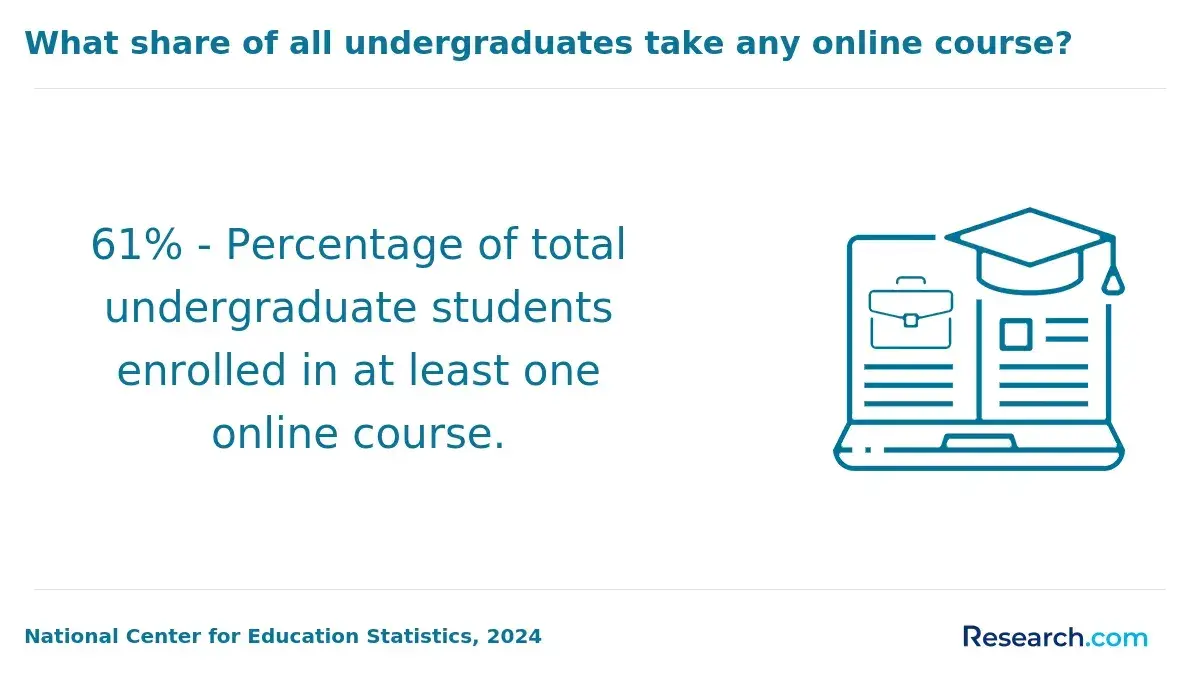
Many prospective students face the dilemma of finding affordable online journalism bachelor's programs that also offer strong career prospects. Balancing cost, program length, and earning potential is challenging, especially for working adults seeking a career pivot. According to the National Center for Education Statistics, over 45% of online undergraduate students choose programs aligned with vocational success. This trend reflects the growing demand for credential paths that accelerate entry into competitive fields like journalism.
This article analyzes the cheapest online journalism bachelor's degrees, detailing tuition fees, program durations, and post-graduation earnings to guide informed decision-making.
Key Benefits of the Cheapest Online Journalism Bachelor's Degree That Pays Well
- Affordable online journalism bachelor's degrees often feature lower tuition rates and generous financial aid, reducing student debt and maximizing lifetime earnings potential for graduates entering competitive media markets.
- These programs typically offer flexible schedules and asynchronous courses, enabling working professionals to balance education with employment and complete degrees without sacrificing income.
- Accelerated curriculum options and global networking opportunities enhance practical skills and career connections, supporting faster job placement and higher salaries in diverse journalism fields.
What Are the Most Affordable Accredited Online Journalism Bachelor's Degree Programs Available Today?
Accreditation ensures an affordable online journalism bachelor's degree program meets rigorous quality standards, which affects both employer recognition and eligibility for federal financial aid. Regional accreditation is a key factor because it validates the institution's credibility and facilitates transfer credits, a crucial consideration for students seeking flexible pathways. Here are five accredited institutions known for offering the top low-cost online journalism bachelor degrees with transfer credit options, along with their estimated in-state tuition rates per credit hour:
- Fort Hays State University: Providing an affordable option at approximately $226 per credit hour, this Kansas university focuses on practical journalism skills and allows students to transfer up to 84 credits, enhancing degree completion flexibility.
- Southern New Hampshire University: With tuition around $320 per credit hour, SNHU offers a regionally accredited curriculum, no application fees, and robust financial aid, making it attractive for cost-conscious students pursuing an online journalism degree.
- University of Central Florida: Charging about $212.60 per credit hour, UCF's AACSB-accredited communications program combines affordability with strong career support and transfer-friendly policies for online learners.
- Liberty University: Liberty's online journalism bachelor's program rates near $390 per credit hour, integrating Christian values with professional training and flexible start dates and transfer credit options.
- Appalachian State University: At approximately $264 per credit hour, Appalachian State emphasizes multimedia journalism with regional accreditation and provides excellent support for adult learners and veterans.
The least expensive online journalism programs generally offer lower tuition paired with generous transfer credit policies and financial aid, while mid-range options may justify higher costs with specialized concentrations and personalized career services. Incorporating affordability alongside regional accreditation remains essential for students aiming to maximize return on investment. Prospective students may also find the easiest bachelor degree to get online helpful when researching accessible and affordable programs suited to their goals.
How Does Tuition Cost for Online Journalism Bachelor's Programs Compare Across Public and Private Universities?
Tuition costs for online journalism bachelor's degree programs vary notably between public and private nonprofit universities, influencing the choice for students prioritizing affordability and educational value.
- Per-Credit Cost Differences: Public universities typically charge lower per-credit tuition rates for in-state students, supported by state subsidies that reduce costs. Out-of-state students may face higher fees that approach rates charged by private institutions, where tuition is generally consistent regardless of residency.
- Total Program Expenses: Private nonprofit universities often list higher per-credit tuition, but some alleviate total costs through accelerated programs or fewer required credits. Conversely, public universities tend to have longer program durations at lower rates for residents, affecting overall expenditures.
- State Subsidies Impact: State funding is a key factor lowering tuition at public universities for local students. Private universities lack direct access to these subsidies, leading to higher sticker prices, although institutional financial aid can offset costs for eligible students.
- Program Delivery and Enrollment: Larger enrollments at public universities create economies of scale that can stabilize tuition pricing. Private institutions may invest more in personalized instruction or specialized technology, occasionally increasing costs despite smaller class sizes.
- When Privates Can Be Cheaper: Some private programs offer generous scholarships, grants, or aid packages that reduce net costs below those of certain public schools. Additionally, streamlined credit requirements at some private universities lower total tuition bills for select students pursuing the cheapest online journalism bachelor's degree tuition comparison.
In evaluating tuition, prospective students should also consider how financial aid, transfer credit policies, and accreditation influence affordability and program quality. Data on graduate earnings reinforces decisions by showing real-world outcomes linked to various institutions. For those exploring related options, more information is available on affordable options in fields like psychology degree online.
2026 Update: Hidden Online Journalism Program Costs to Compare
For the 2026 refresh, this section was added to help students look beyond advertised tuition and compare the full cost of completing an online journalism bachelor’s degree.
- Technology fees, online course fees, and platform access charges added each term
- Required equipment such as a laptop, audio recorder, camera, editing software, or reliable mobile setup
- Costs for journalism labs, portfolio platforms, media production tools, or digital subscriptions
- Travel expenses for optional campus visits, reporting assignments, internships, or graduation events
- Textbooks, style guides, research database access, and news subscription requirements
- Extra charges for transcript reviews, graduation applications, proctored exams, or late registration
Checking these expenses early helps students compare programs more accurately and avoid choosing a “cheap” degree that becomes less affordable over time.
The typical journalism bachelor's degree requires around 120 credit hours, commonly completed over four years following a semester system. This structure usually involves eight semesters of 15 weeks each, assuming full-time study without interruptions.
- Standard Framework: Most programs maintain a 120-credit curriculum, spread across four years, providing a comprehensive foundation in journalism principles and practices within a traditional academic schedule.
- Accelerated Scheduling: Many institutions offer compressed eight-week courses that allow students to take more classes annually. Continuous enrollment without summer breaks often helps shorten the overall duration.
- Competency-Based Progression: Some universities enable students to advance by demonstrating their skills through assessments rather than adhering strictly to time-based terms. This system benefits motivated learners seeking expedited graduation.
- Fast-Track Schools: Universities such as Southern New Hampshire University and Western Governors University present accelerated journalism degree programs, with average completion times ranging between 2.5 and 3 years, well below the standard timeline.
- Cost and Career Benefits: Completing a degree sooner reduces total tuition expenses and the financial impact of time away from work. Students also gain quicker access to career opportunities, potentially boosting long-term earnings.
A professional who pursued an online journalism bachelor's degree to change careers shared that balancing study with existing job responsibilities was initially overwhelming. He explained, "At first, managing coursework alongside work commitments felt like juggling too many balls." However, he appreciated flexible pacing offered by his program, noting that the freedom to accelerate courses depending on personal circumstances made a significant difference. "Being able to move ahead after mastering material rather than waiting out a fixed semester helped keep me motivated," he added. His experience highlights how tailored online options can address individual challenges while enabling students to complete degrees in less time than traditional paths.
Career prospects for graduates of journalism bachelor's programs vary widely across sectors such as reporting, editing, public relations, and media analysis. According to the Bureau of Labor Statistics Occupational Outlook Handbook, those with concentrations in digital media, strategic communication, or public relations typically earn higher median salaries than those focused on general journalism studies. Accredited online programs showing the best post-graduation earnings often highlight specializations in digital journalism and multimedia reporting, where graduates experience above-average salary growth.
- Digital Media Focus: Emphasizing digital journalism and multimedia storytelling equips students with skills in demand, leading to greater employability and increased entry-level salaries, especially in content strategy and digital communications.
- Public Relations Tracks: Concentrations in public relations or strategic communication blend journalism principles with marketing, positioning graduates for roles with median salaries often exceeding $60,000 annually, per BLS data.
- Accreditation and Career Services: Selecting accredited programs with strong employer networks and internship support enhances job placement and long-term earnings, proving vital in competitive media markets.
- Regional Salary Differences: Graduates working in metro areas or states with robust media industries command higher wages; programs linking students to these markets can improve salary outcomes.
- Transfer Credit Flexibility: Programs that accept extensive transfer credits and offer accelerated formats reduce time to degree completion, enabling earlier workforce entry and higher lifetime earnings.
Prospective students seeking the cheapest accredited online journalism bachelor's programs with high salary outcomes should weigh both tuition costs and career growth potential. For those considering alternatives, exploring online paralegal programs may also offer promising pathways.
Federal Pell Grants remain crucial for many online journalism students, offering need-based funding that does not require repayment. The Free Application for Federal Student Aid (FAFSA) acts as the gateway to these grants and other federal aid options, including subsidized loans that provide lower interest rates while students are enrolled. Data from the College Board's Trends in Student Aid reveal that more than 75% of full-time undergraduates in online and hybrid programs receive some type of financial aid, highlighting the accessibility of these resources.
Beyond federal sources, institutional scholarships distributed by universities frequently aim to support journalism students who demonstrate academic merit or financial need. Professional groups like the Society of Professional Journalists and the Journalism Education Association contribute additional scholarships targeted exclusively at students pursuing journalism degrees. These awards can significantly reduce education costs and serve as vital supplements to federal aid.
State grant programs also offer financial assistance for eligible residents, often requiring enrollment in accredited online journalism programs within the state. Prospective students should strategically prioritize these free aid options such as grants and scholarships before considering loans to minimize long-term debt.
- Federal Pell Grants: Offer essential no-repayment financial support to students with demonstrated need, helping make online journalism degrees more affordable.
- Subsidized Loans: Available through federal programs, these loans carry lower interest rates while students remain enrolled, providing a cost-effective borrowing option.
- Institutional Scholarships: Universities often provide merit- and need-based awards explicitly for journalism students, significantly offsetting tuition expenses.
- Professional Association Awards: Groups like the Society of Professional Journalists grant scholarships rewarding academic achievement and dedication to the field.
- State Grants: These aid programs support residents attending accredited online programs and require compliance with specific regional guidelines.
A professional who built her career after completing an online journalism bachelor's degree shared that navigating financial aid was challenging but ultimately rewarding. She recalled spending hours reviewing scholarship deadlines and carefully completing FAFSA forms each year. "It felt overwhelming at first," she said, "but identifying specialized scholarships within journalism organizations really made the difference." Her advice emphasized patience and persistence, noting that securing multiple smaller awards combined with federal aid eased the financial burden substantially and allowed her to focus on her studies without excessive worry about costs.
Transfer credit acceptance can vary greatly among online journalism bachelor's degree programs, significantly impacting both the overall cost and duration of study. Some institutions have notably accommodating policies, such as the University of Central Florida's Nicholson School of Communication, which allows students to transfer up to 90 credits from accredited colleges. Southern New Hampshire University and Liberty University also stand out for accepting substantial transfer credits and CLEP exam results, providing additional routes to convert prior learning into college credit. Military veterans may find helpful options at American Public University, which grants credit for military training evaluated by the American Council on Education.
Prospective students should conduct a thorough review of their existing academic records before applying. Obtaining an official transcript evaluation and consulting with admissions advisors can prevent redundant coursework and maximize transferred credits, thereby lowering tuition expenses and accelerating degree completion.
According to recent data from the National Center for Education Statistics, nearly 70% of online college students transfer credits from previous studies, underscoring the growing importance of flexible credit policies in contemporary online education.
- Credit Limits: Most programs place a cap on accepted transfer credits, typically between 60 and 90 semester hours, influencing how quickly students can finish their degrees.
- Accepted Credit Types: Transfer sources often include regionally accredited institutions, CLEP examination results, and military training credits, expanding options for credit accumulation.
- Cost Efficiency: Leveraging transfer credits reduces tuition costs by decreasing the number of required classes, a vital consideration for budget-minded students.
- Time to Graduation: Programs with higher transfer credit allowances enable students to graduate sooner, benefiting working adults and career changers.
- Strategic Evaluation: Early transcript assessment and advisor consultation are key to optimizing credit transfer and avoiding course duplication.
Regional accreditation remains the benchmark of quality in U.S. higher education and enjoys broader acceptance among employers and graduate schools than national accreditation, particularly for journalism degrees. Major regional accrediting agencies include the Higher Learning Commission (HLC), the Southern Association of Colleges and Schools Commission on Colleges (SACSCOC), and the New England Commission of Higher Education (NECHE). These bodies rigorously evaluate institutions to maintain high academic standards.
In addition to institutional accreditation, some journalism programs obtain programmatic accreditation from specialized organizations such as the Accrediting Council on Education in Journalism and Mass Communications (ACEJMC). This additional layer focuses specifically on journalism curricula quality and industry relevance, enhancing a program's credibility. However, programmatic accreditation is less common for online journalism degrees.
Choosing non-accredited or solely nationally accredited programs carries significant risks. Credits from these programs often do not transfer easily, limiting opportunities for further education. Employers may perceive such degrees as less credible, negatively affecting career prospects. According to the U.S. Department of Education, credit transfer between nationally accredited schools and regionally accredited institutions is frequently challenging.
Verification of accreditation status through the U.S. Department of Education's database is essential to ensure academic investment value and avoid low-quality or unrecognized programs. Notably, online education enrollment grew by 10% in 2023, highlighting the increasing importance of flexible, accredited options in journalism education.
- Regional Accreditation: Recognized as the highest standard in U.S. education, regional accreditation by agencies like HLC, SACSCOC, and NECHE ensures wide acceptance by employers and graduate programs.
- Programmatic Accreditation: Organizations such as ACEJMC provide specialized evaluation of journalism curricula, improving program quality beyond institutional accreditation.
- Credit Transfer Risks: Degrees from non-accredited or nationally accredited-only schools often face transferability issues, restricting academic and professional advancement.
- Employer Perception: Accredited programs convey credibility to employers; lack of accreditation may reduce job opportunities in competitive journalism markets.
- Verification Tools: The U.S. Department of Education's searchable database helps confirm program accreditation, protecting students from investing in substandard offerings.
Most affordable online journalism bachelor's programs require applicants to provide proof of a high school diploma or GED certificate, establishing essential academic preparation. Standardized test scores like the SAT or ACT are often optional or not required, accommodating many working adults and non-traditional students. Open-admission and rolling-admission policies are favored by low-cost programs to increase accessibility, allowing enrollment without strict GPA minimums or prerequisite courses. This flexibility supports adult learners managing work or family commitments and aligns well with typical online journalism degree enrollment requirements and processes.
Selective admission programs, by contrast, may demand minimum GPA thresholds, letters of recommendation, or personal statements. These institutions often offer enhanced academic advising and career support, contributing to stronger graduate outcomes and employer perceptions. Students should weigh the trade-offs between open and selective admission models, considering their own academic readiness and career goals. For applicants who fall short of criteria, practical strategies include retaking standardized tests, acquiring relevant work or volunteer experience, or completing online prerequisite courses. Transfer credits can also strengthen applications and reduce time to degree completion.
Prospective students are encouraged to reach out to admissions counselors to clarify specific requirements and available resources. Those interested in related fields might also explore clinical psychology master's programs online to broaden understanding of graduate study frameworks.
- High School or GED Required: Proof of high school graduation or GED is a standard baseline for admission, ensuring foundational skills are in place.
- Test-Optional Policies: Many low-cost programs do not require SAT or ACT scores, easing entry for working adults and returning students.
- Open vs. Selective Admission: Open-admission policies offer flexible access but might have limited support, whereas selective programs provide stronger academic resources but require higher standards.
- Prerequisite Courses: Basic coursework in English or communication may be expected but is often waived to increase accessibility in affordable programs.
- Application Strengthening: Applicants can improve chances by gaining relevant experience, earning transfer credits, or completing preparatory courses before applying.
Affordable online journalism bachelor degree specializations often include focused tracks that target specific career paths based on labor market demand and median earnings reported by the U.S. Bureau of Labor Statistics (BLS). These concentrations help students tailor their education to align with professional goals and industry needs.
- Digital Media and Social Journalism: This specialization emphasizes multimedia storytelling and social media strategies. Graduates typically become social media managers or digital content producers, with median salaries near $60,000 reflecting growing job opportunities in the digital landscape.
- Broadcast Journalism: Focusing on radio, television, and podcast production, this track prepares students for roles such as reporters and anchors. Although some states may require broadcasting licenses, median earnings usually range between $40,000 and $65,000.
- Investigative and Data Journalism: Ideal for those who prefer in-depth reporting and data analysis, this specialization highlights research methods and newsroom ethics. Professionals in this area often work for nonprofits or specialized outlets, earning $50,000 to $70,000 annually.
- Public Relations and Corporate Communication: Combining journalism with marketing, this track prepares graduates for PR roles with strong demand and salaries frequently exceeding $70,000. Some positions, however, may require certification such as APR (Accredited in Public Relations).
- Sports Journalism: Concentrated on athletic event coverage, this field is competitive but offers earnings upward of $60,000 for established professionals.
Selecting the best journalism concentrations in online bachelor's programs involves weighing personal interest against job market trends and potential licensing requirements. Prospective students should consider affordable online journalism bachelor's degree specializations that offer flexibility in program length, financial aid eligibility, and credit transfer options to maximize value.
For those exploring related online degrees, resources for naab-accredited online architecture degrees offer additional insights into accredited program structures and cost comparisons across disciplines.
Many affordable online journalism programs enable students to earn college credit through CLEP, DSST, and Prior Learning Assessment (PLA) options, saving time and tuition. Leading programs often permit up to 45 PLA credits by accepting exams, portfolios, and evaluations of military or professional training. The American Council on Education (ACE) plays a vital role by providing credit recommendations that translate military and workplace learning into transferable credits. Students should contact their programs to learn the maximum PLA credits accepted and approved assessment methods.
Proper documentation-including employer letters, training certificates, and detailed portfolios-is essential to support prior learning credit requests and ensure successful evaluation. Using these options, students can significantly accelerate graduation and reduce costs.
- CLEP and DSST Exams: Allow demonstration of subject mastery to bypass certain general education or introductory courses, reducing required credits.
- Generous PLA Policies: Many affordable programs offer up to 45 credits via combined methods such as exams, portfolios, and military training assessments.
- ACE Credit Recommendations: Standardize the translation of military and workplace learning into academic credits, easing transfer processes.
- Documentation Requirements: Comprehensive evidence-like employer attestations and training records-is crucial for approval of prior learning credits.
- Cost and Time Efficiency: Leveraging these credit options can shorten degree timelines and substantially lower educational expenses.
Return on investment (ROI) in higher education quantifies the financial return of a degree by comparing the total cost of tuition and fees against expected lifetime earnings in journalism-related fields. Using data from sources like the Georgetown University Center on Education and the Workforce and Payscale College ROI, ROI benchmarks help evaluate program value. Low-cost online journalism bachelor's degrees often deliver higher ROI than more expensive programs by minimizing upfront costs while maintaining competitive salaries.
The average ROI for bachelor's degrees over 20 years is about $500,000, with affordable online journalism programs approaching or surpassing this, especially when graduates find roles in digital media, communications, or content strategy. Comparing 10- and 20-year career earnings highlights increases in financial gains over time for journalism graduates.
- Cost Efficiency: Lower tuition limits debt, allowing graduates to recover education expenses faster and improve their financial outlook post-graduation.
- Career Earnings: Entry-level journalism salaries range from $40,000 to $60,000 annually, with potential growth to over $80,000 as experience accumulates, enhancing long-term ROI.
- Skill Development: Expertise in digital content, multimedia, and emerging platforms makes graduates more marketable, positively influencing salary growth and job security.
- Long-Term Growth: Earnings generally increase over 20 years, resulting in a higher ROI compared to the first decade after graduation.
- Program Quality: Accredited online programs offering flexible schedules and access to financial aid improve education accessibility and contribute to better career outcomes.
What Graduates Say About Earning the Cheapest Online Journalism Bachelor's Degree That Pays Well
- Louisa: "Choosing the online Journalism bachelor's degree program was a practical decision for me since it allowed flexibility while I worked full-time. I appreciated that the tuition fees were reasonable compared to traditional programs, making it accessible without sacrificing quality. Since graduating, I've landed opportunities in digital media that wouldn't have been possible without the program's comprehensive curriculum and real-world assignments."
- Liam: "Pursuing the online Journalism bachelor's degree was a reflective journey that provided me with both theoretical knowledge and technical skills. The cost-effectiveness of the program helped ease the financial burden, enabling me to focus on honing my reporting and storytelling abilities. Now, I confidently work as a correspondent, attributing much of my career growth to the insightful guidance and networking the program offered."
- Angie: "From a professional standpoint, the online Journalism bachelor's degree program was an excellent investment in my future. The program's affordability combined with its dynamic online format made it ideal for balancing family and studies. Earning this degree has significantly strengthened my resume, opening doors to editorial roles I once thought were out of reach."
Other Things You Should Know About Journalism Degrees
In 2027, the cost per credit hour for online journalism degrees varies but often falls below the national average for all bachelor’s programs. Many affordable programs offer rates around $350, while the national average for all online bachelor's programs is approximately $400 per credit hour. This makes online journalism programs an affordable option.
Yes. Many accredited online journalism bachelor’s programs require a 3-credit capstone, senior seminar, or portfolio review in the final term. Students usually submit published clips, multimedia stories, and a website portfolio to meet graduation standards and show job-ready reporting skills.
- Return on Education for Bachelor’s Degrees | SoFi https://www.sofi.com/learn/content/roi-by-bachelor-degree/
- Average Cost of Online College [2025]: Yearly Tuition + Fees https://educationdata.org/average-cost-of-online-college
- 2025 Most Affordable Online Journalism Degrees https://www.onlineu.com/most-affordable-colleges/journalism-degrees
- Course Accreditation https://britishcollegeofjournalism.com/course-accreditation
- Bachelor’s Degrees With the Best and Worst Returns on Investment https://www.investopedia.com/bachelor-s-degrees-with-the-best-and-worst-return-on-investment-11906462
- Online Journalism Degree | Programs & Career Options https://www.learnhowtobecome.org/best-online-bachelors-in-journalism-degree-programs/
- Scholarships for Journalism & Media Studies in Top Universities https://uniplusglobal.com/blog/955/scholarships-for-journalism-media-studies-in-top-universities/
- Cost of Online College vs. In-Person | Touro University Worldwide https://www.tuw.edu/school-news/cost-of-online-college-vs-in-person/
- CLEP vs. DSST vs. ECE: Which Credit-by-Exam Option Is Right for You? https://www.straighterline.com/blog/test-comparison-clep-vs-dsst-vs-ece
- Online Journalism Degrees: Industry Validation & Credibility https://amityonline.com/blog/online-journalism-degrees-recognised