2027 Online Journalism Bachelor's Degree Programs With Open Enrollment

Co-Founder and Chief Data Scientist
Imagine a working adult seeking to switch careers into journalism without delaying employment due to strict admission deadlines. Online journalism bachelor's degree programs with open enrollment accommodate such students by allowing flexible start dates. Currently, enrollment in online journalism programs has surged by over 30% in the past five years, reflecting growing industry demand and the need for adaptable education paths. This article explores the best online journalism bachelor's degree programs offering open enrollment, guiding prospective students through options that balance accessibility, quality, and career readiness to help them enter the media field efficiently and effectively.
Key Benefits of Online Journalism Bachelor's Degree Programs With Open Enrollment
- Flexible start dates allow students to begin coursework throughout the year, accommodating varying schedules and minimizing delays in earning a degree.
- Open enrollment simplifies admissions, often removing GPA and test score requirements to increase access for nontraditional and returning students.
- Online formats provide convenience for working students by enabling study from any location, supporting career advancement alongside education.
Who Qualifies for an Online Journalism Bachelor's Degree With Open Enrollment?
Open enrollment policies for online journalism bachelor's degrees are intended to widen access to higher education by reducing stringent admission barriers. Data from the National Center for Education Statistics shows that about 40% of undergraduate students at open enrollment institutions are over 25 years old, highlighting how these programs accommodate a diverse and often nontraditional student population. This flexibility supports various learners seeking higher education opportunities beyond conventional pathways. Below are typical groups who meet eligibility criteria for online journalism bachelor's programs with open enrollment.
- Recent High School Graduates: These students benefit from fewer admission hurdles as they start their college journey, gaining a flexible introduction to journalism studies that fits different learning styles and schedules.
- Working Adults: Adults balancing employment seek online journalism degrees to advance or pivot careers without sacrificing work commitments, making requirements to enroll in open admission online journalism degrees particularly appealing.
- Nontraditional Students: Individuals who delayed or paused their education can resume their academic goals with programs that recognize diverse life experiences and provide supportive enrollment options.
- Prior College Experience: Those with some college credit often use open enrollment policies to complete their bachelor's degree, leveraging past coursework to accelerate their progress.
Such open enrollment programs provide adaptable pathways tailored to the needs of these groups. For those exploring advanced education options beyond just journalism, this flexibility is comparable to what is offered in edd online programs, which also emphasize accessibility and speed in degree completion.
What Is the Difference Between Open Enrollment and Rolling Admission in an Online Journalism Bachelor's Degree?
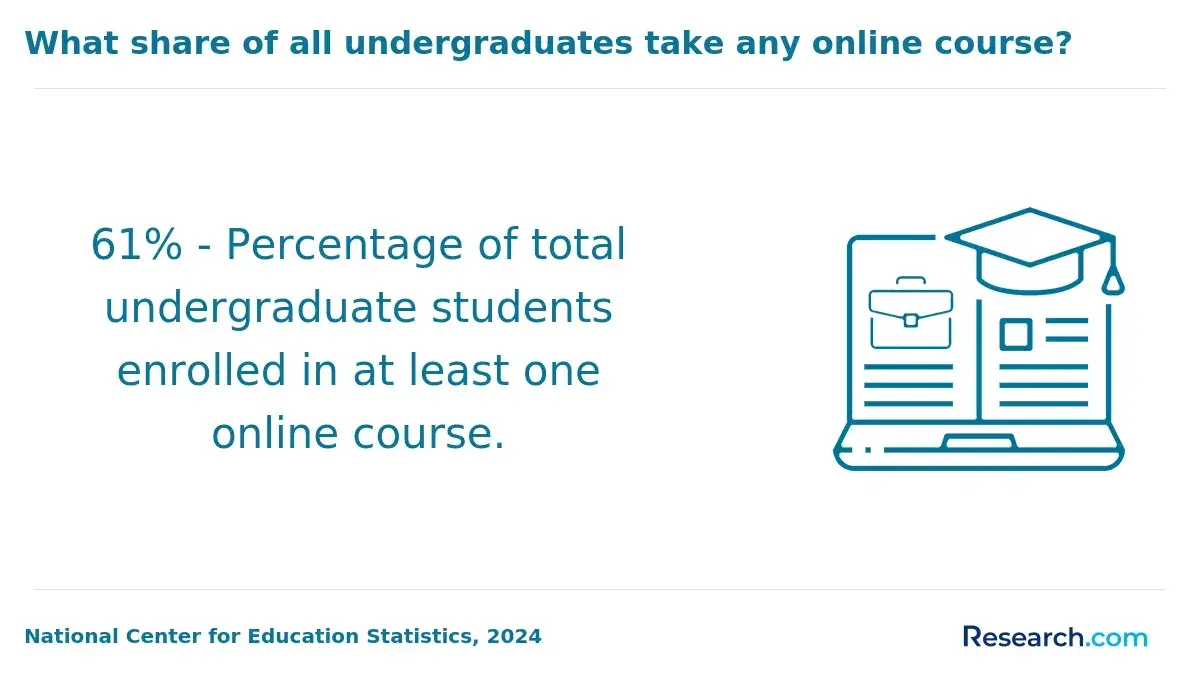
Open enrollment and rolling admission are often confused but represent distinct approaches to admissions and enrollment timing for online journalism bachelor's degree programs. More than 60% of online undergraduate enrollments in the U.S. now use flexible models like open enrollment or rolling admission, appealing to nontraditional and adaptable learners. Exploring the differences between these systems can help prospective students choose the best path for their needs.
Open Enrollment
- Admission Flexibility: Open enrollment allows students to register at any time without strict deadlines, offering unconditional entry for most applicants.
- Application Timing: There are no fixed application windows, enabling students to apply and start coursework immediately throughout the academic year.
- Evaluation Process: Application review is minimal or sometimes waived, focusing on broad accessibility rather than rigorous assessment.
- Enrollment Structure: Students can begin courses almost instantly, benefiting those who need immediate or rolling access to classes.
Rolling Admission
- Continuous Review: Applications are evaluated as they are submitted, providing faster decisions compared to traditional deadlines.
- Scheduled Enrollment: Despite continuous application review, students are enrolled in cohorts that start at predetermined intervals like semesters or quarters.
- Application Evaluation: Rolling admission involves a more thorough assessment of candidates to ensure fit within cohort groups.
- Structured Calendar: Courses begin on set dates, helping those who prefer a more structured academic schedule.
The contrasting approaches between open enrollment vs rolling admission for online journalism degrees highlight important considerations for flexible learners. For students seeking accessible education alternatives, including cacrep-accredited programs online, understanding these enrollment options aids in making the best educational choice.
2026 Update: Portfolio and Newsroom Readiness Checks
This 2026 update adds a practical quality check for students comparing open-enrollment online journalism degrees: whether the program helps you graduate with real reporting samples, not just completed coursework.
- Look for courses that require published-style articles, interviews, fact-checking, multimedia packages, and deadline-based assignments.
- Check whether students can contribute to a campus news site, digital magazine, podcast, or broadcast-style project remotely.
- Review how the program teaches media law, ethics, verification, source development, and responsible use of digital reporting tools.
- Ask whether faculty have current or recent journalism, editing, production, or media management experience.
- Confirm that internship, practicum, or capstone options can be completed near your location or fully online.
- Find out whether graduates receive support building a portfolio, clips page, resume, and professional writing samples.
These checks help students choose an accessible open-enrollment program that also builds credible journalism skills and work samples for future employers.
Open enrollment online journalism bachelor's degree programs provide a flexible path compared to traditional selective admissions. Nearly 60% of these programs operate without competitive entry processes, promoting accessibility for a wider range of students. This model emphasizes straightforward criteria that prioritize readiness over academic competition. Below are common admission components used by many of these programs.
- Proof of Prior Education: Applicants usually need to present a high school diploma or its equivalent as confirmation of their eligibility for undergraduate studies. This basic requirement helps ensure students have foundational academic skills before starting the program.
- Application Materials: Completion of standard forms and submission of identification documents streamline the enrollment process. These materials focus on verifying eligibility and organizing student records without complex paperwork.
- Identity Verification: Confirming the applicant's identity is essential to maintain the integrity of the program. This step reduces the potential for fraud and guarantees that the enrolled student matches the person completing coursework.
- Readiness for Online Learning: Many programs require students to affirm their understanding of virtual education demands and necessary technology. This ensures candidates are prepared for self-directed study and the unique challenges of an online environment.
A current student of an online journalism bachelor's degree with open enrollment shared that starting the program was less intimidating than expected. "The straightforward admission steps really helped me focus on what mattered-getting ready to learn," he said. He mentioned feeling reassured by the clear instructions and supportive communication during the initial process. Although he faced challenges adjusting to online coursework, the accessible enrollment made pursuing his degree possible without the stress of competitive applications.
Open enrollment options are becoming more widespread across numerous academic fields to enhance access for a variety of learners, including working professionals and career changers. Currently, over 60% of online degree programs nationwide offer some form of open enrollment, illustrating the push for increased flexibility in higher education. This approach allows students to pursue an accredited open enrollment journalism bachelor's degree program online without traditional admission barriers.
The following areas represent common specializations within journalism bachelor's degree programs that frequently implement open enrollment pathways:
- Broadcast Journalism: This specialization centers on multimedia reporting, preparing students for careers in television and radio news production by teaching storytelling and live reporting skills.
- Digital Journalism: Emphasizing online content creation, this area covers social media strategies, digital storytelling, and adapting journalism techniques for internet platforms.
- Investigative Journalism: Focused on in-depth research and data analysis, students develop the ability to uncover and report complex stories with accuracy and integrity.
- Photojournalism: Combining visual arts with journalism, this track teaches students how to produce compelling imagery that complements news stories while adhering to ethical standards.
- Public Relations and Media Communications: Blending journalism with audience engagement tactics, this specialization equips students to manage brand messaging and media relations effectively.
Students interested in flexible options might also explore other fields; for example, those considering an online building construction degree offer similar accessibility benefits through open enrollment.
Applying to an online journalism bachelor's degree with open enrollment is generally simple and user-friendly, removing many common admission hurdles. This approach caters to students seeking flexibility and a quick start. Here's how to navigate the typical steps involved:
- Create an Account: Begin by registering on the university's application portal. This account acts as your dashboard for submitting materials and monitoring your application status.
- Complete Application Form: Fill out the online form with basic personal and academic information. Most programs do not require test scores or recommendation letters, minimizing complications.
- Submit Documents: Upload necessary paperwork such as your high school diploma or equivalent and transcripts from previous studies. Some programs might ask for a personal statement outlining your interest in journalism.
- Confirm Enrollment: Review your course selections, agree to tuition fees, and provide financial details. Advisors or support staff may assist you at this stage to finalize your schedule.
- Receive Confirmation: Look out for official acceptance notifications via your email or application portal. These communications include orientation details, start dates, and how to access online classes.
A graduate of an online journalism bachelor's degree with open enrollment shared that the process felt "less intimidating than traditional college applications." She appreciated how straightforward it was to navigate the portal and valued the real-time help offered when selecting classes. While managing work and family commitments was challenging, the ability to apply quickly without standardized tests or lengthy essays made pursuing her degree feel attainable and encouraging.
Many online journalism bachelor's degree programs with open enrollment provide flexible start dates to accommodate diverse student needs. Nearly 65% of these programs offer more than three annual start dates or rolling admission, allowing learners to begin their studies without waiting for traditional semester cycles. However, the exact availability of start times often depends on the specific framework of each program.
Several factors should be evaluated when considering start date flexibility:
- Continuous Enrollment: Some programs allow students to register and begin classes any week or month, eliminating delays commonly associated with fixed academic calendars.
- Multiple Start Dates: Availability can range from several official start dates per year to fewer options tied to semester or quarter systems.
- Program Pacing: Self-paced courses may offer greater freedom to commence studies at varied times, while more structured schedules could restrict possible start dates.
- Administrative Processing: Time needed for application review, acceptance, and enrollment procedures varies and can impact how quickly students begin their coursework.
- Prerequisite Requirements: Some programs require completion of onboarding or preparatory courses before full enrollment, which can influence the actual start time.
Assessing these elements helps prospective students select programs that best match their timing preferences and support a smooth start to their online journalism education.
Online journalism bachelor's degree programs with open enrollment typically reduce many traditional admission barriers, such as minimum GPA requirements and standardized test scores. This approach significantly improves accessibility for nontraditional students or those balancing work and family, offering a streamlined admission path. Some institutions report acceptance rates exceeding 90% for their online programs, reflecting how open enrollment expands educational opportunities. As a result, learners motivated to pursue a degree often find it easier to start their academic journey with fewer obstacles.
Despite simplifying the admissions process, open enrollment does not guarantee automatic acceptance. Students are still required to submit application materials, including transcripts or proof of a high school diploma, and demonstrate basic college readiness. Many programs expect proficiency in literacy and writing skills and may require placement tests or introductory coursework to assess and address support needs. Open enrollment encourages wider access but maintains essential standards to help students succeed once admitted.
Costs for an online journalism bachelor's degree with open enrollment vary widely based on program structure and institutional policies. On average, public online bachelor's degree programs in the U.S. charge between $300 and $500 per credit hour, although fees and curriculum demands can cause significant fluctuations. These factors play a crucial role in the overall financial commitment required. Below are some key cost components to consider for those seeking affordable online journalism bachelor's degree programs with no admission requirements.
- Tuition Per Credit: Tuition typically represents the largest expense, with most online bachelor's degrees requiring around 120 credit hours. Calculating your total tuition involves multiplying your institution's per-credit rate by the number of credits needed to graduate.
- Technology and Online Learning Fees: Many programs charge supplementary fees that cover digital platforms, technical support, and learning management systems critical for virtual instruction.
- Course Materials: Costs for textbooks, software access codes, and subscriptions to relevant news databases can add up. Some courses may reduce costs by using open educational resources, but others require paid materials.
- Administrative Fees: Application fees, graduation fees, transcript requests, and student service charges are additional smaller expenses that should be included when budgeting.
Students interested in flexible learning options might also explore programs like an urban development degree online for comparative perspective on costs and enrollment flexibility.
Open enrollment policies in online journalism bachelor's degree programs increase accessibility for many students, but they also come with certain limitations that affect student success. Nationally, the average retention rate for fully online bachelor's programs is about 58%, which is lower than traditional on-campus programs. This statistic reflects challenges related to student completion and engagement. The following points outline some key disadvantages of open enrollment programs.
- Less Selective Admissions: Open enrollment means students enter with varied academic backgrounds and preparedness levels. This diversity can impact both individual learning and the overall cohort experience in online journalism programs.
- Limited Cohort Interaction: Opportunities for meaningful collaboration and networking are often reduced in flexible, open enrollment settings, which may hinder professional relationship-building crucial to journalism careers.
- Self-Discipline Required: Students in open enrollment programs typically need strong time management and self-motivation to succeed without consistent in-person supervision or structured pacing.
- Support Services: Personalized tutoring, advising, and career counseling may be less extensive compared to more selective programs, potentially limiting student support options when challenges arise.
For prospective students considering open enrollment, it is essential to weigh these challenges against the benefits of flexibility. Those exploring alternatives might also look into other fields with similar online structures, such as environmental engineering schools online. Being aware of the limitations of flexible admission online journalism programs helps learners select programs that align with their discipline needs and career goals.
Mastering time management is vital for thriving in flexible, self-directed online journalism bachelor's degree programs. Research from the Online Learning Consortium shows that students who maintain organized study habits are 42% more likely to finish their coursework. Taking control of your schedule and focus enables steady progress even without fixed class times.
Below are key strategies to help build effective study routines and stay on track:
- Consistent Scheduling: Block out dedicated study periods daily or weekly to establish a dependable routine. This regularity reduces procrastination and supports steady momentum.
- Task Prioritization: Organize assignments by urgency and complexity so that you tackle the most critical or challenging work first, avoiding last-minute pressure.
- Distraction Reduction: Choose quiet, comfortable places to study and silence devices. Consider using apps that block distracting websites during focus sessions.
- Progress Monitoring: Keep track of assignments and goals with checklists or digital planners. Regular review of your achievements boosts motivation and highlights areas needing more attention.
What Graduates Say About Online Journalism Bachelor's Degree Programs With Open Enrollment
- Louie: "Choosing an online journalism bachelor's degree program with open enrollment was perfect for me since I needed flexibility due to my full-time job. The self-paced nature allowed me to balance work and study, though sometimes staying motivated without a fixed cohort was tough. Ultimately, this degree opened doors to freelance writing gigs that have significantly grown my portfolio and confidence."
- Zamir: "What drew me to an open enrollment online journalism program was the immediate start date, which meant I didn't have to wait months to begin pursuing my passion. Navigating the asynchronous coursework challenged me to develop strong time-management skills and self-discipline. Professionally, earning this degree helped me transition into a digital content editor role, sharpening both my writing and editorial judgment."
- Matthew: "I appreciated the accessibility of an open enrollment online journalism bachelor's, as it removed traditional admissions barriers and allowed me to prove my commitment through coursework. Adapting to fully virtual collaboration pushed me to improve my communication skills across different platforms. Since graduating, I've secured a position in broadcast journalism, where the program's emphasis on multimedia storytelling has been invaluable."
Other Things You Should Know About Journalism Degrees
Online journalism bachelor's programs generally include courses in news writing, media ethics, digital reporting, and multimedia storytelling. Students also study subjects like media law, investigative journalism, and data journalism to develop well-rounded skills. Many programs incorporate practical assignments to simulate real-world journalism experiences.
Yes, many online journalism programs support internships, either virtually or in local media outlets near students' locations. These internships provide hands-on experience and professional networking opportunities critical to career development. Programs often assist students in finding placements that align with their schedules and educational goals.
Most programs require a final portfolio or capstone project before graduation. Students usually submit published articles, multimedia stories, and broadcast or digital reporting samples, often totaling 10 to 15 pieces. The requirement is reviewed by faculty and is separate from the standard 120-credit bachelor’s degree plan.
- Online BA Degree in Journalism & Mass Comm While Working https://www.onlinecu.in/blog/cu/can-i-do-online-bajmc-while-working-full-time.php
- Time Management Strategies for Online Learners https://online.nmu.edu/time-management-strategies-for-online-learners/
- Studying Journalism Online Without Prior Experience https://amityonline.com/blog/can-i-study-journalism-online-without-prior-experience
- Time management and how it benefits journalists https://newsroom.journalists.org/2023/08/25/time-management-and-how-it-benefits-journalists/
- Journalism Courses Online https://www.open.edu.au/study-online/media-communications/journalism
- Pros and Cons of Online Learning | National University https://www.nu.edu/blog/weighing-the-pros-and-cons-of-online-vs-in-person-learning/
- Online Bachelor of Journalism | CGU Online Programs https://www.cguonline.edu.ge/bachelor-programs/bachelor-of-journalism/
- Advantages and Disadvantages of Online Degree Programs - OnlineEducation.com https://www.onlineeducation.com/features/advantages-and-disadvantages-of-online-education
- 10 Benefits to Earning a Degree Online - New Hampshire Magazine https://www.nhmagazine.com/10-benefits-to-earning-a-degree-online/
- Affordable Online Colleges With Open Enrollment & Flexible Start Dates https://www.affordablecollegesonline.org/college-resource-center/start-anytime-open-enrollment/