2027 Online Journalism Bachelor's Degree Programs With No Prerequisites

Co-Founder and Chief Data Scientist
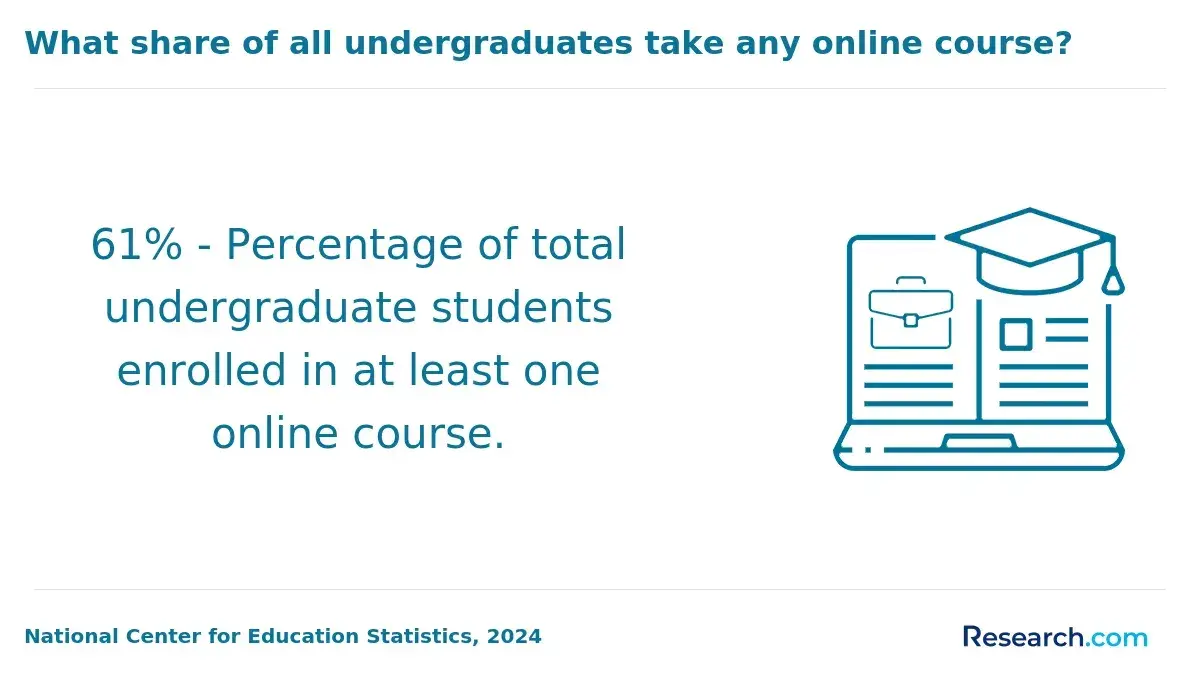
Professionals eager to switch careers often face barriers when enrolling in journalism programs due to prerequisite requirements. This creates a challenge for those with unrelated undergraduate degrees who seek to enter the journalism field quickly and without repeating basic coursework. According to the National Center for Education Statistics, enrollment in fully online bachelor's programs without prerequisites has increased by 35% from 2018 to 2023, reflecting demand for flexible access. This article explores fully online journalism bachelor's degree programs that require no prior coursework, providing a practical guide for prospective students aiming for a smooth transition into the industry.
Key Benefits of Online Journalism Bachelor's Degree Programs With No Prerequisites
- Programs with no prerequisites offer flexible scheduling ideal for working professionals balancing career and education, enabling study without disrupting existing job commitments.
- Accelerated curricula focus on core journalism skills, allowing students to quickly gain practical knowledge and enter the workforce sooner than traditional programs.
- These degrees build recognized credentials within an affordable timeline, often supported by financial aid and credit transfer options for cost-effective career advancement.
What Does 'No Prerequisites' Mean for Online Journalism Bachelor's Degree Programs, and Who Benefits Most?
In online journalism bachelor's degree programs, the term no prerequisites refers to admissions policies that do not require prior coursework or specific academic qualifications for enrollment. This differs from open admission, where schools accept all applicants meeting minimal criteria like a high school diploma, and from low-barrier enrollment, which may allow quicker entry but sometimes imposes conditional requirements. No-prerequisite programs eliminate curricular obstacles, enabling entry regardless of an applicant's previous exposure or academic background in journalism or related fields.
This enrollment model particularly benefits non-traditional student populations-such as career changers, working adults, returning learners, and first-generation college students-who seek flexible, accessible pathways into journalism degrees. Career changers can start without foundational media studies, while working adults appreciate immediate access to coursework. Returning learners often find these programs welcoming after interruptions in education. According to the National Center for Education Statistics (NCES), non-traditional students-characterized by delayed enrollment, part-time attendance, or full-time employment-now represent a growing share of college undergraduates, underscoring the importance of such programs for diverse educational needs.
Key topics this article will address include:
- Open Admission vs. No Prerequisites: Clarifies differences between policies and what they mean for prospective online journalism students.
- Institutional Quality: Offers guidance on evaluating program accreditation and maintaining academic standards despite no prerequisites.
- Financial Aid Access: Highlights funding opportunities available to those enrolling in no-prerequisite online journalism bachelor programs.
- Support Services: Reviews resources like tutoring, advising, and career counseling that boost student success.
- Credit Transfer: Explains how previous college credits can accelerate degree completion.
- Career Outcomes: Examines employment prospects and industry connections fostered by flexible journalism degrees.
For students planning long-term academic goals, exploring the most affordable online phd programs can provide insight into advanced degree options after completing a bachelor's in journalism.
Which Accredited Online Journalism Bachelor's Programs Accept Students With No Prior College Coursework?
Several regionally accredited institutions offer online bachelor's degree programs in journalism that accept students without prior college coursework, making them accessible to working adults, first-generation students, and career changers. These programs either waive traditional prerequisites outright or provide foundational bridge coursework as a pathway to full degree enrollment, meeting the needs of students new to higher education.
- Southern New Hampshire University: With an open-admission policy, SNHU's online Bachelor of Arts in Communication with a focus on journalism requires no previous college experience. Students start immediately, combining foundational general education with journalism coursework. Accredited by the New England Commission of Higher Education, SNHU supports over 100,000 online learners with comprehensive advising and financial aid.
- Liberty University: Liberty's online Bachelor of Science in Communication - Journalism is designed for students without prerequisites, offering bridge courses in writing and research before advancing to core journalism topics. Accredited by the Southern Association of Colleges and Schools Commission on Colleges, Liberty provides strong career services and financial aid for student success.
- University of Florida Online: UF Online's competitive Bachelor of Arts in Journalism admits students through self-directed foundational coursework if lacking prior credits. Accredited by the Southern Association of Colleges and Schools, the program emphasizes rigorous curriculum and boasts strong post-graduation employment. Online enrollments continue to grow steadily.
- Fort Hays State University: Offering a Bachelor of Science in Journalism without requiring prior college coursework, Fort Hays uses an open admission process. Accredited by the Higher Learning Commission, this affordable program focuses on practical journalism skills supported by flexible online classes and dedicated student services.
- Colorado State University Global: CSU Global's Bachelor's in Communication - Journalism features minimal entry requirements and foundational courses to ease students into academic work. Accredited by the Higher Learning Commission, it offers clear transfer pathways and financial aid programs tailored to returning students.
These accredited online journalism bachelor's programs with no prior college coursework share open-admission policies or foundational options that accommodate first-time higher education students. Prospective students should confirm institutional accreditation to ensure program quality and transferability. Evaluating student support services such as academic advising, career placement, and financial aid availability is essential. Combining practical journalism training with academic flexibility is key for career changers or those restarting education without prior credits. For those seeking pathways aligned with the easiest college majors with high pay, these no-prerequisite journalism programs offer credible, accessible options.
2026 Update: Portfolio and Technology Readiness Before You Enroll
This 2026 update adds a practical check for students entering online journalism bachelor's programs without prerequisites: whether the program helps beginners build publishable work and handle current newsroom tools from the start.
- Whether early courses teach reporting, interviewing, fact-checking, and media ethics before advanced assignments begin.
- If students create a digital portfolio with articles, multimedia stories, or capstone projects they can show employers.
- What equipment is expected, such as a reliable laptop, recording tools, camera access, or editing software.
- Whether the curriculum includes digital journalism skills like audience engagement, data basics, podcasts, video, or newsletters.
- If assignments require local reporting, and whether remote students can complete them in their own communities.
- How faculty feedback is handled for writing quality, source development, and revision practice.
Checking these details helps students choose a no-prerequisite program that is accessible but still builds the practical evidence needed for journalism opportunities.
Open-admission policies in online journalism bachelor's degree programs allow enrollment without high school GPA requirements, standardized test scores, or previous college credits. This inclusive approach differs from selective admissions, where schools carefully screen applicants based on transcripts, essays, or interviews to ensure specific academic standards. Rolling admission models accept applications over an extended period but still maintain selective criteria, while conditional admission grants provisional entry subject to completing certain conditions first.
Examples of schools with openly stated open-admission policies include Southern New Hampshire University and Western Governors University, as confirmed by their admissions websites and IPEDS reporting. These programs expand access to students from varied academic backgrounds but often include initial courses to build essential writing and research skills. Prospective students should confirm that chosen programs possess regional or national accreditation to guarantee quality and positive career prospects.
- Inclusive Access: Open-admission programs welcome non-traditional learners-including working adults and first-generation students-by eliminating typical entry barriers and reducing application stress.
- Academic Variation: Students enter with diverse levels of preparation; many programs incorporate foundational coursework and orientations to strengthen competencies early on.
- Quality Assurance: Accreditation ensures standards are met despite relaxed admission criteria, supporting degree recognition and employability.
- Support Services: Services like tutoring, career advising, and flexible class schedules help students manage education alongside personal or professional duties.
- Credit Transfer and Aid: Many programs accept transfer credits and provide financial aid, easing the cost and time to degree completion.
Recent data from the National Center for Education Statistics shows that approximately 28% of bachelor's degree students attended open-admission institutions in 2022, underscoring the growing role of accessible higher education options.
A professional who enrolled in an online journalism bachelor's program with no prerequisites shared that the ability to start without prior credentials felt "like a door finally opened after years of uncertainty." He described confronting initial doubts about academic preparedness but found the orientation and early courses "well-structured to build confidence and skills step by step." Balancing coursework with a full-time job posed challenges, yet access to online tutoring and flexible deadlines made persistence possible. Reflecting on his journey, he noted, "The open-admission policy didn't just let me in-it created a pathway where I could truly grow into the career I wanted."
The typical enrollment requirements for online journalism bachelor's degree programs with no prerequisites include the following:
- Proof of High School Completion: Even for no-prerequisite online journalism bachelor's programs, most schools require evidence of finishing high school through a diploma or equivalent qualification like a GED. This step assures a basic level of academic preparedness necessary for college study.
- English Proficiency: Since journalism programs emphasize communication skills, non-native English speakers often need to submit scores from standardized tests such as TOEFL or IELTS. Some institutions may provide alternative routes like English language development courses to fulfill this requirement.
- Minimum Age Requirement: Applicants generally must be at least 17 or 18 years old to meet enrollment standards. This criterion is typical across both public and private nonprofit universities and supports legal and academic readiness.
- Alternative Credentials: For students lacking traditional academic qualifications, programs may accept a GED or offer dual-enrollment arrangements with community colleges. These options create flexible pathways into journalism degrees while providing additional academic support.
- Application Materials: Thoughtfully prepared applications-complete with forms, personal statements, and recommendation letters where necessary-help admissions staff evaluate candidates efficiently. Meeting these criteria expedites the enrollment process for no-prerequisite online journalism degrees.
Students exploring enrollment should also consider the quality and accreditation of programs. Reliable options can be found by reviewing online degree programs accredited by recognized authorities to ensure educational standards hold firm.
Regionally accredited colleges offering no-prerequisite online journalism programs ensure a level of quality that national accreditation often lacks. Regional accreditation agencies, recognized by the U.S. Department of Education and CHEA, enforce stricter academic standards, which means credits earned are more likely to transfer smoothly between institutions. This accreditation is also widely respected by employers, boosting graduates' job prospects. Additionally, attending a regionally accredited institution is essential to qualify for federal financial aid programs such as Pell Grants and student loans, making education more affordable for many students.
Regional accreditation differs significantly from national accreditation, which is typically granted to vocational or trade schools. These tend to have limited transferability and reduced employer recognition. Therefore, prospective students should prioritize regionally accredited programs-even if seeking admissions with no formal prerequisites-to ensure their degree holds value for future academic or career advancement.
Students can use the following checklist to confirm accreditation before enrolling:
- Check Accreditor: Verify the accrediting body is recognized by the U.S. Department of Education or CHEA, focusing on regional accreditors such as WASC, MSCHE, or HLC.
- Verify Accreditation Status: Confirm the institution's current accreditation status applies to its online journalism programs by consulting official databases.
- Transfer Credit Policy: Investigate whether the program accepts transfer credits from other regionally accredited schools to preserve previous coursework.
- Financial Aid Eligibility: Ensure the school's accreditation qualifies students for federal aid, including grants and loans.
- Employer Acceptance: Research whether employers in media sectors recognize and respect the institution's credentials.
A professional who completed such a program shared that despite initial doubts about returning to school without traditional requirements, the regionally accredited online journalism degree enabled a smooth transition into the media field. She described the flexibility of no-prerequisite admission as a "lifeline" that allowed her to focus on developing practical skills while balancing work and family. Her reflections highlighted how the program's recognized accreditation opened doors for internships and job placements, providing reassurance that the degree carried genuine value beyond mere accessibility.
Online journalism programs without entry requirements often provide targeted academic supports to help students gain essential skills. These interventions address common challenges in adapting to college-level writing, research, and digital tools.
- Developmental Courses: Many institutions include foundational classes that focus on critical reading, academic writing, and digital literacy. For instance, the University of Massachusetts Dartmouth features a "Foundations of Writing" course designed to boost writing proficiency before tackling core journalism subjects.
- Peer Mentoring: Connecting newcomers with experienced students, peer mentoring offers personalized guidance on managing coursework and navigating online education. This support builds a sense of community and alleviates the isolation often felt in virtual programs.
- Tutoring Services: Accredited programs typically provide access to tutoring in writing, research methods, and multimedia skills. Southern New Hampshire University, for example, allows students to book virtual tutoring sessions tailored to their specific academic needs in journalism.
- Self-Assessment Tools: Prospective enrollees are encouraged to complete diagnostic quizzes or sample assignments that help identify areas needing improvement. Early self-evaluation empowers students to access resources proactively, which contributes to better academic persistence.
- NSSE Data Insights: The National Survey of Student Engagement highlights that students who utilize support services online report higher retention rates and more timely graduation, emphasizing the importance of these programs.
- Accessibility and Inclusion: Flexible start dates and modular course structures in no-prerequisite journalism programs accommodate diverse learners-including working adults and first-generation students-enhancing participation and success.
Since 2020, enrollment among adult learners in journalism programs without formal prerequisites has risen by 15%, reflecting increased demand for adaptable education paths in media fields. Engaging with available supports early is key to a successful academic journey.
Students enrolling in online journalism bachelor's degree programs with no prerequisites often access a range of support services that significantly enhance their academic success and personal well-being. These resources are crucial for learners balancing coursework alongside work and family obligations, improving their chances of completion.
- Academic Advising: Personalized advising helps students plan course schedules, meet degree requirements, and connect with tutoring resources. Many advisors provide virtual appointments, accommodating different time zones and busy lifestyles.
- Mental Health Resources: Confidential online counseling and wellness services, including crisis support and stress management workshops, promote mental well-being, which positively impacts academic performance.
- Disability Accommodations: Dedicated offices ensure students with disabilities receive necessary support such as extended testing time or screen reader compatibility, all accessible through user-friendly online platforms.
- Career Counseling: Virtual career services offer resume reviews, interview coaching, job search strategies, and networking opportunities with alumni, often available asynchronously to suit varied schedules.
Institutions recognized in the U.S. News Best Online Bachelor's Programs rankings tend to have robust support infrastructures. Recent survey data show that 78% of online learners experienced higher satisfaction and lower dropout rates when these services were accessible. Asynchronous and virtual options enable adult learners without prior academic experience to maintain steady progress amid competing commitments.
Investing in a no-prerequisite journalism program with strong support services aligns with open admission policies focusing on student potential, not prior credentials. This combination helps remove barriers while fostering persistence through coursework toward earning a quality, accredited degree.
Many online bachelor's degree programs in journalism accept transfer credits and Prior Learning Assessments (PLAs) as substitutes for traditional prerequisite courses, significantly benefiting working adults and career changers. This flexibility helps reduce time and costs by recognizing previously earned credits or documented skills. Common PLA options include CLEP (College-Level Examination Program) and DSST (DANTES Subject Standardized Tests), which are often accepted to waive foundational classes.
- Transfer Credit Flexibility: Accredited institutions frequently allow transfer credits from other colleges, especially community colleges, to satisfy prerequisite requirements. Some schools accept 60 to 90 transfer credits toward a bachelor's degree, accommodating a variety of academic backgrounds.
- PLA Programs and Exams: CLEP and DSST are widely recognized under the American Council on Education (ACE) guidelines. These exams assess college-level knowledge in key journalism-related areas such as writing, communication, and social sciences.
- ACE Credit Recommendations: ACE supports both traditional and non-traditional learning, including workplace training, military service, and certifications. Institutions following ACE guidelines often have comprehensive PLA policies enabling students to replace prerequisites by submitting appropriate evidence of prior learning.
- Documentation and Submission: To maximize prerequisites waived, students should prepare official transcripts, military or workplace training documentation, and professional certificates. Schools may also require portfolios or challenge exams to validate prior competencies.
- Institutional Examples: Thomas Edison State University and Charter Oak State College are known for generous transfer and PLA policies, accepting up to 90 transfer credits and many CLEP/DSST exams for prerequisite fulfillment.
- Recent Trends: The National Center for Education Statistics (NCES) reports that over 60% of adult learners in online programs leverage transfer credits or PLAs, reflecting increased institutional support for these options.
Adults reentering education benefit from understanding transfer credits for online journalism degrees as well as prior learning assessment policies in journalism programs. These pathways reduce barriers, making programs more accessible and affordable without sacrificing quality. For those exploring related fields, opportunities also exist in areas like social media marketing through reputable programs-see more about the social media marketing degree.
The average time to complete no-prerequisite online journalism bachelor's degree programs typically follows the standard 120-credit-hour framework required for bachelor's degrees. This translates to roughly four years of full-time study, though actual completion time depends on factors such as enrollment pace, term length, and any prior transferable credits a student might bring to the program.
- Credit Requirements: Bachelor's degrees generally require about 120 credit hours, equating to around 40 courses. Meeting these requirements is essential regardless of the program's low or open-admission policies.
- Enrollment Pace: While full-time students often finish in four years, many programs offer part-time options. Career changers and working adults may opt for slower paces, extending time to completion, whereas accelerated enrollment can shorten it.
- Term Length Variations: Several accredited online journalism programs offer eight-week terms and year-round enrollment rather than traditional 16-week semesters. Such formats allow motivated students to complete courses faster and potentially graduate in less than four years.
- Competency-Based Formats: Some institutions provide competency-based degrees enabling students to advance through demonstrating skills and knowledge instead of accumulating credit hours. These formats can decrease time to completion, especially for self-directed learners.
- Admission Selectivity & Completion Rates: According to IPEDS data, open-admission online journalism programs often have lower four-year graduation rates compared to selective admissions programs. However, the flexible pacing at open-admission schools may better support nontraditional students.
- Impact on Costs: Time to completion directly affects tuition and opportunity costs. Shorter programs reduce expenses and time away from work, making duration a key factor when comparing no-prerequisite online journalism bachelor's degree options.
- Transfer Opportunities & Resources: Many programs accept prior credits and provide robust student support services, including guidance on credit transfer and financial aid, enhancing pathways to degree completion. For more specialized pathways, consider slp bridge programs as examples of flexible online offerings tailored to career changers.
Tuition rates for no-prerequisite online journalism bachelor's programs often differ notably from standard-admission programs, influenced by factors such as institutional type and delivery methods.
- Tuition Rates: Open-admission programs frequently feature lower per-credit costs, particularly when hosted by public community colleges or regional universities. Conversely, some no-prerequisite options at private or for-profit colleges may carry higher tuition to support flexible enrollment and added services.
- Extra Fees: Programs without admission requirements may mandate developmental or remedial classes to build essential skills, increasing overall expenses. Such additional credits and fees are less common in selective programs, which can make no-prerequisite paths appear more costly despite lower base tuition.
- Institutional Funding: Public schools often subsidize tuition through state funding, resulting in more affordable tuition compared to private or for-profit institutions that depend heavily on tuition revenue, regardless of program selectivity.
- Program Format: Fully online no-prerequisite journalism programs tailored to adult learners might include charges for enhanced tutoring, technology access, and other support services, which can raise total costs relative to traditional online options.
- Total Cost Consideration: It's essential to assess the entire expected degree cost-including extra coursework and fees-rather than just per-credit rates, to accurately compare no-prerequisite and standard journalism degree programs.
Many accredited online journalism bachelor's programs welcome applicants with high school equivalency credentials such as a GED or HiSET, treating them comparably to those with traditional diplomas. These programs often feature open admission or low-barrier policies to improve accessibility, aligning with standards outlined by the College Board and regional accreditation bodies.
- Admission Flexibility: GED holders can usually apply directly without needing extra qualifying courses, simplifying the entry process and reducing common obstacles faced by nontraditional students.
- Conditional Enrollment: Some schools require GED applicants to pass placement tests or complete foundational English and writing classes to ensure readiness for journalism coursework before full admission.
- International Applicants: Prospective students educated outside the U.S. must often submit credential evaluations or demonstrate English proficiency through exams like the TOEFL to verify equivalency and eligibility for admission.
- Accreditation Assurance: Reputable programs maintain regional accreditation regardless of flexible admissions, safeguarding educational quality and federal financial aid eligibility.
- Student Support: Dedicated advising, tutoring, and career services help GED students navigate academic challenges and career planning effectively.
- Credit Transfer: Some institutions accelerate degree completion by accepting prior college credits or providing credit-by-exam options for adult learners without traditional diplomas.
- Financial Aid: Accredited schools offering open enrollment typically provide access to federal aid and scholarships, contingent on proper FAFSA submission and GED documentation.
What Graduates Say About Their Online Journalism Bachelor's Degree Program With No Prerequisites
- Louie: "Choosing an online journalism bachelor's degree program with no prerequisites was a game changer for me because it allowed me to start right away without worrying about prior credits. The affordability made it easy to manage alongside my part-time job, and the flexibility gave me the freedom to focus on real-world projects that directly boosted my portfolio. This program truly set the foundation for my journalism career with practical skills and confidence."
- Zamir: "Reflecting on my decision to pursue an online bachelor's degree in journalism without any prerequisites, I appreciate how accessible it was for someone like me who switched careers. The lower overall cost compared to traditional programs meant I could invest more in tools and software rather than tuition stress. Completing it opened doors to roles I hadn't imagined possible, proving that a well-structured curriculum online can equip you just as well as on-campus courses."
- Matthew: "I was drawn to the online journalism bachelor's program with no prerequisites because it eliminated the usual barriers to entry-allowing me to focus entirely on honing my writing and reporting skills. The competitive pricing meant it was a realistic investment in my professional future, and the career support services helped me transition from student to working journalist smoothly. This degree gave me the credentials and confidence needed to launch my career in media."
Other Things You Should Know About Journalism Degrees
Yes. Many no-prerequisite online journalism programs accept transfer credits from regionally accredited colleges, usually up to 60 credits toward a 120-credit bachelor’s degree. Schools review official transcripts course by course and may require a minimum 2.0 GPA for transfer eligibility.
Employer perceptions of journalism degrees from open-admission online programs vary based on the institution's reputation and accreditation status. Degrees from accredited, regionally recognized schools carry similar weight as those earned in traditional settings. Employers often focus on graduates' portfolios, practical skills, and internship experience in journalism rather than solely the admission criteria of the program. Demonstrating strong writing, research, and multimedia skills can improve job prospects regardless of entry prerequisites.
The unique features of 2027 online Journalism Bachelor's programs without prerequisites include open enrollment policies and typically flexible schedules. These programs might focus more on modern digital journalism skills, like social media reporting and multimedia content creation, compared to traditionally structured programs.
Online journalism programs without prerequisites can lack fundamental course groundwork, potentially leading to challenges in grasping advanced concepts. Students may find it difficult to compete with peers from traditional programs who have a stronger academic foundation in journalism studies.
- Is Online College More Affordable? | UT San Antonio Online https://online.utsa.edu/blog-content/cost-of-an-online-degree-vs-traditional-education/
- Top 10 Careers You Can Pursue with a Master’s Degree in Journalism and Media Production https://www.sacredheart.edu/news-room/news-listing/top-10-careers-you-can-pursue-with-a-masters-degree-in-journalism-and-media-production/
- Why a BAJMC Degree Matters for Aspiring Journalists. https://amityonline.com/blog/bajmc-degree-necessary-for-career-in-journalism
- Can I Transfer Credits to an Online University? What You Need to Know | University of the People | https://www.uopeople.edu/blog/can-i-transfer-credits-to-an-online-university/
- The College Admission Process at Less Selective Colleges | College Coach Blog https://blog.getintocollege.com/blogs/2021/09/21/20/07/the-college-admission-process-at-less-selective-colleges
- Digital Journalism: How Online Courses Shape the Future https://onlinemodyuniversity.ac.in/digital-journalism-how-online-courses-shape-the-future/
- Journalism Degree Online | Sheffield State University https://www.sheffieldstateuniversity.com/journalism-degree-online/
- 5 reasons to why Study Journalism https://studyfans.com/en/blogs/576
- Bachelor of Journalism https://adelaideuni.edu.au/study/degrees/online/bachelor-of-journalism/
- How Can Institutions Best Support Their Online Learners? https://www.higheredtoday.org/2025/04/21/how-can-institutions-best-support-their-online-learners/