2027 Return on Investment of an Online Journalism Bachelor's Degree: Salary vs Cost

Co-Founder and Chief Data Scientist
Consider a professional with an unrelated bachelor's degree aiming to shift into journalism through an online program. The challenge lies in assessing whether the time and tuition investment justify potential earnings in this competitive field. According to the Bureau of Labor Statistics, the median annual wage for reporters and correspondents was $49,300 in recent years, a figure that may influence decisions about enrolling in a journalism bachelor's degree online.
This article examines the balance between tuition costs, salary prospects, and career growth to help prospective students evaluate the true return on investment of an online journalism degree.
Key Things to Know About the Return on Investment of an Online Journalism Bachelor's Degree
- Average tuition for online journalism bachelor's programs ranges from $15,000 to $40,000-significantly lower than many traditional degrees, reducing upfront debt for first-generation and budget-minded students.
- Graduates report median salaries around $50,000 annually, with experienced professionals earning up to $75,000, indicating moderate but stable financial returns in media-related fields.
- Non-financial benefits include enhanced career mobility, greater job security amid digital media expansion, and access to ongoing professional development essential for industry adaptability.
What is the true cost of earning an online journalism bachelor's degree from enrollment to graduation?
Costs associated with earning an online journalism bachelor's degree include more than tuition alone, and each factor impacts the overall financial commitment. These expenses must be analyzed carefully to understand the true price of the program and its value in terms of career outcomes.
- Tuition Costs: Published tuition typically ranges from $18,000 to $35,000 depending on whether the institution is public or private, with public schools offering lower rates for in-state students. These figures represent sticker price and do not account for financial aid.
- Technology and Access Fees: Many programs require additional fees that cover online platform access and software licenses. Over the four-year course, these can total between $300 and $1,200.
- Course Materials and Textbooks: Required textbooks, digital subscriptions, and multimedia tools add roughly $1,000 to $2,500. Some schools bundle these materials into tuition or provide rental options to lower costs.
- Proctoring and Exam Fees: Online proctoring services needed for assessments usually cost between $100 and $400 for the entire degree.
- Net Price After Aid: According to the National Center for Education Statistics, many students benefit from scholarships and grants that reduce net costs by 30 to 50 percent, resulting in actual expenses of about $10,000 to $20,000.
- Indirect Costs: While online study reduces relocation and campus housing fees, students should budget for reliable internet access and a dedicated workspace as ongoing smaller expenses.
Taking these factors together, a realistic total estimated cost for an online journalism bachelor's degree falls between $12,000 and $25,000. This cost breakdown of earning an online Journalism bachelor's degree helps first-generation college students, working professionals, and career changers evaluate their investment. Those looking to accelerate their studies might consider a fast track associates degree online to help manage tuition and fees for online journalism degree programs more effectively.
How does the starting salary for journalism bachelor's degree graduates compare to the total cost of the degree?
Graduates with a journalism bachelor's degree typically begin their careers as reporters, correspondents, or public relations specialists. The Bureau of Labor Statistics (BLS) Occupational Outlook Handbook reports median annual starting salaries around $42,000 for entry-level reporters and correspondents, while public relations specialists start closer to $47,000.
Comparing these figures to the average total cost of an online journalism degree-which ranges from $20,000 to $60,000 depending on tuition and financial aid-helps measure the financial return on investment.
In a best-case scenario with total degree costs near $20,000 and a $47,000 starting salary, students could recoup tuition expenses in under six months of gross income. Conversely, a worst-case scenario with $60,000 in expenses paired with a $42,000 starting salary means it might take about 17 months' worth of earnings to offset the degree investment. This comparison provides a practical view of the return on investment of online journalism bachelor's degree programs in the United States.
Beyond starting salaries, the BLS projects steady salary growth as professionals gain experience and advance, reducing the time necessary to justify initial costs. Alongside financial considerations, career advancement, job security, and skill development contribute important non-financial returns for graduates.
Those aiming to balance cost with outcomes may also explore related fields or consider how to study psychology online as a comparison in online program affordability and return metrics.
- Entry-Level Salary Benchmarks: Median starting salaries for journalism graduates range from $42,000 to $47,000 annually based on career path, providing a key baseline for financial evaluation.
- Degree Cost Variability: Total costs of online journalism degrees vary broadly from $20,000 to $60,000, with financial aid significantly impacting affordability.
- Months to Offset Cost: Best-case scenarios can recover investment in less than six months while worst cases may require up to 17 months of gross income.
- Projected Salary Growth: Experience and promotions typically yield steady salary increases that improve long-term return on investment beyond initial starting salary.
- Beyond Finances: Professional skills, career progression, and job security add meaningful value beyond purely financial returns.
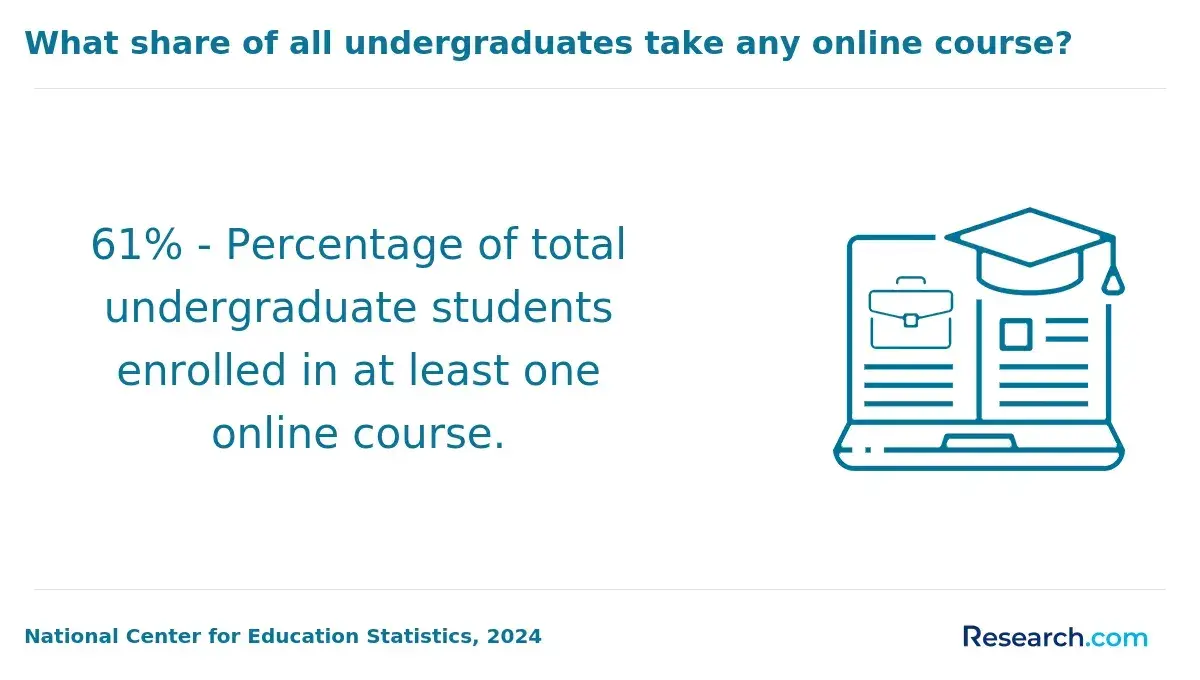
What is the average return on investment (ROI) for an online journalism bachelor's degree over a 10-year career?
Return on investment (ROI) in higher education measures the extra money earned by degree holders compared to those with only a high school diploma or associate degree-the total additional earnings over a decade minus the degree's full cost. According to data from the Georgetown University Center on Education and the Workforce and PayScale's College ROI Report, this provides a clear financial benchmark.
For journalism graduates, median annual salaries reported by the Bureau of Labor Statistics in 2023 were about $48,700. With a consistent 3% yearly raise factored in, total earnings across 10 years approach $532,000. In contrast, individuals with just a high school diploma can expect roughly $349,000 under similar conditions. Deducting an estimated $30,000 tuition fee for an online bachelor's degree in journalism results in a net gain near $153,000 over 10 years.
When compared to all bachelor's degrees nationally, which typically return between $100,000 and $160,000 of additional earnings over 10 years, journalism's ROI sits comfortably within this range, signaling its competitive value in the education marketplace.
- Clear ROI Definition: ROI equals the total extra earnings over 10 years after subtracting the degree's total expense, clarifying how much financial gain a degree offers against upfront costs.
- Earnings Illustration: Using BLS median wages plus a 3% annual raise, the 10-year earning gap between journalism graduates and non-degree holders reaches approximately $183,000.
- Cost Impact: Typical online tuition costs around $30,000 are deducted, highlighting the solid financial return after expenses.
- National ROI Context: Journalism's return compares well with the national average for bachelor's degrees, which ranges from $100,000 to $160,000 extra earnings over a decade.
A professional who enrolled in an online journalism bachelor's program after thoroughly analyzing its costs versus potential returns shared that the decision was driven by a desire to avoid excessive debt while ensuring career viability. "I spent weeks mapping out the investment versus expected salary growth," he recalled. Navigating coursework alongside a full-time job was demanding, but flexibility in the program allowed steady progress.
Reflecting on the experience, he noted that understanding both the financial and personal commitments upfront was crucial in maintaining motivation. "Seeing that clear ROI projection gave me the confidence to commit-and it's empowered my career growth beyond just the paycheck," he added, emphasizing how the balance of cost and long-term benefit informed his choice.
When assessing online journalism program tuition rates by institution type, costs and outcomes vary notably among public, private nonprofit, and for-profit schools.
- Public Institutions: These universities frequently offer the most cost-effective tuition, especially for residents. Many provide flat-rate online tuition for out-of-state students, maintaining affordability. For the 2023-2024 academic year, average in-state tuition for online bachelor's programs ranges from $7,000 to $10,000 annually, making public options an attractive balance of price and quality.
- Private Nonprofit Colleges: Tuition at these colleges is generally higher, often between $25,000 and $40,000 per year. They may provide enhanced academic support, networking, and alumni relations, which can positively influence job prospects. However, prospective students must weigh higher upfront costs against potential future earnings carefully.
- For-Profit Institutions: While tuition is sometimes lower than private nonprofits and competitive with public out-of-state rates-typically $10,000 to $20,000-graduates may face drawbacks such as lower completion rates and employer hesitation. These factors can limit career advancement despite initial savings.
In comparing the cost comparison for online journalism degrees at public vs private schools, it is clear that lowest tuition does not always ensure the best return on investment. For-profit schools might appeal with low prices, but career outcomes and job security may be weaker. Public universities often deliver stronger salary growth and job opportunities. Private nonprofits offer enriched experiences but at the risk of greater debt. Students considering programs should also explore options like an associate degree in office management online to broaden their career pathways.
Salary growth for journalism bachelor's degree holders typically progresses in stages aligned with experience and career development. Data from the Bureau of Labor Statistics highlight gradual increases in the first five years, where entry-level roles such as reporters or content creators generally earn between $40,000 and $50,000 annually. This initial phase focuses on acquiring skills and building a professional portfolio.
- Mid-Career Growth: At around 10 years, journalists often assume senior reporting or editorial positions. PayScale data reflects this shift, showing salaries rising to roughly $60,000 to $70,000 as responsibilities expand to leadership and specialized content areas.
- Advanced Career Milestones: Between 15 and 20 years, many progress into management or investigative roles with salaries commonly exceeding $75,000. Compensation at this stage varies by location and employer type but generally signals higher career stability and expertise.
- Lifelong Earnings Premium: Studies from the American Community Survey demonstrate a significant cumulative earnings advantage for degree holders, estimating an additional $400,000 to $600,000 over a 20- to 30-year career compared to non-degree peers, attributable to better starting salaries and faster wage growth.
- Job Security and Growth: Beyond income, degree holders benefit from improved job stability and access to ongoing professional development, enhancing their long-term career prospects.
A professional who built a career after completing an online journalism bachelor's degree shared that the transition was both challenging and rewarding. She described navigating early roles with limited pay but emphasized how the program's flexible structure allowed her to gain relevant experience while working.
Over time, she saw tangible increases in responsibility and earnings, reflecting the typical career trajectory. Her experience underscored how commitment to continuous learning and adaptability played crucial roles in achieving gradual salary growth and job security within a competitive field.
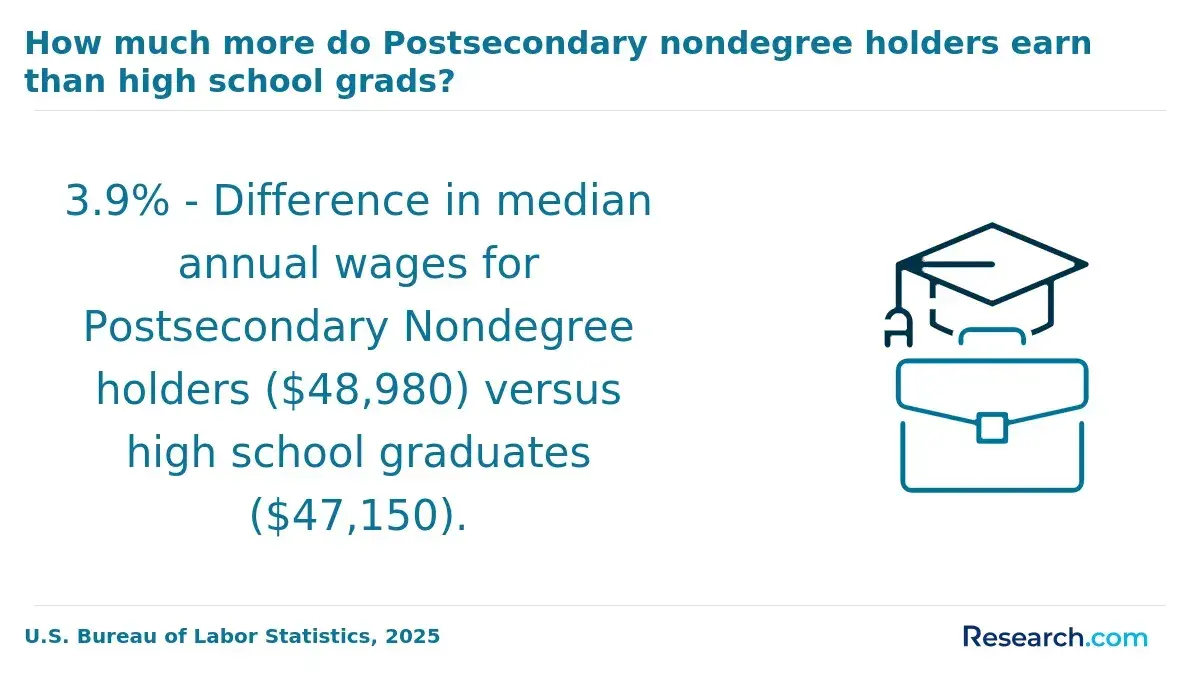
Cost considerations differ notably between credentials in online journalism. A bachelor's degree typically demands $30,000 to $60,000 in tuition, while associate degrees fall between $10,000 and $20,000. Certificates are the most affordable, often costing less than $5,000, making them accessible for immediate skill-building.
- Salary: Median earnings reflect the level of education attained. According to Bureau of Labor Statistics data, bachelor's degree holders in journalism-related roles earn about $50,000 annually, whereas those with associate degrees earn close to $35,000. Certificate holders generally start around $30,000 and see slower salary growth over time.
- Short-Term Investment Benefits: Certificates and associate degrees require lower upfront costs and shorter completion times. This suits individuals aiming for quick workforce entry or managing financial constraints, providing essential skills suitable for entry-level newsroom or digital media jobs.
- Long-Term Returns: Graduates with bachelor's degrees often outpace peers in lifetime earnings thanks to diverse skills and qualifications. They gain access to advanced positions such as editors, producers, and content managers, enjoying better job security and career mobility.
- Career Advancement and Stability: Bachelor's degree programs often facilitate stronger professional networks, internships, and mentorship opportunities, which are typically not as available to those with lower-level credentials. This contributes to sustained professional growth and job stability.
- Decision Framework: Choosing between certificate, associate, or bachelor's level credentials depends on career goals and financial reality. For those prioritizing rapid employment and minimal debt, certificates or associate degrees offer practical paths. Students focusing on long-term advancement, higher earning potential, and professional development may justify the higher bachelor's degree investment.
Specializing within online journalism bachelor's programs can significantly increase earning potential compared to generalist paths. According to the Bureau of Labor Statistics (BLS), graduates with specific skills in particular journalism fields command higher median salaries, reflecting the value of technical expertise and industry knowledge.
- Data Journalism: Integrates data analysis and visualization with reporting. Graduates typically earn between $60,000 and $75,000 annually in roles at digital media or analytics-driven newsrooms. Though it seldom requires formal certification, it often demands coursework in statistics or computer programming, which may affect upfront costs.
- Multimedia Journalism: Focuses on producing video, audio, and interactive content for broadcasting or online platforms. Median salaries range from $55,000 to $70,000. No licensure is required, but proficiency with editing and production software may involve additional training expenses.
- Health or Science Journalism: Covers specialized scientific topics with salaries usually from $65,000 to $80,000. Employers may prefer candidates with continued education or certifications in science communication, increasing the total investment beyond tuition.
- Political or Investigative Journalism: Leads to positions in notable news organizations or think tanks, with salaries between $60,000 and $78,000. Additional professional development such as legal training or investigative workshops can enhance employability but raise expenses.
Generalist journalism graduates earn a median near $50,000 annually, making specialization a 10% to 60% salary premium. For first-generation students or career changers on tight budgets, data journalism and multimedia journalism provide quicker returns due to lower certification costs and high digital demand.
Meanwhile, health and political journalism may offer greater long-term earnings but require more upfront continuing education investment. Aligning specialization choice with your background and goals maximizes both financial results and career growth.
Employer tuition reimbursement programs play a significant role in making an online journalism bachelor's degree more affordable for working professionals and career changers. According to the Society for Human Resource Management (SHRM), nearly 40% of U.S. employers provide tuition assistance, often requiring coursework relevancy and a minimum grade to maintain eligibility. Under IRS Section 127, employers can offer up to $5,250 in tax-free tuition reimbursement annually, effectively lowering out-of-pocket costs without increasing tax burden.
When combined with federal and institutional financial aid options for online journalism bachelor's students, the net tuition can be reduced substantially. Programs like Pell Grants and subsidized loans specifically target students with financial need, enabling many to cover a large portion of their education costs.
Additionally, colleges often provide scholarships geared toward online or journalism majors, further alleviating the financial load. These layered funding sources are essential for first-generation college students on tight budgets seeking sustainable paths to degree completion.
For example, a student facing $15,000 in annual tuition might reduce this to less than $6,000 by combining $5,250 in employer reimbursement with a $4,000 Pell Grant and subsidized loans. This approach allows students to pursue their degrees while balancing work and family responsibilities without accumulating excessive debt.
Those considering advancing their education might also explore related opportunities to strengthen their qualifications, such as a masters in organizational leadership online, which can complement a journalism background with strong leadership skills.
- Employer Tuition Reimbursement: Many employers offer up to $5,250 annually in tuition assistance under IRS Section 127, lowering education costs without tax penalties.
- Prevalence of Benefits: Nearly 40% of U.S. employers provide tuition support, often tying eligibility to course relevance and satisfactory grades.
- Federal Financial Aid: Grants and subsidized loans help students with financial need cover a significant portion of tuition.
- Institutional Scholarships: Colleges frequently offer scholarships specifically for online students or journalism majors, further reducing expenses.
- Worked Example: Combining employer reimbursement, Pell Grants, and loans can bring a $15,000 tuition bill down to under $6,000, easing financial strain for students.
Accreditation plays a critical role in enhancing a journalism graduate's career prospects and earning potential. Regional accreditation evaluates entire institutions and is the most widely respected standard, while programmatic accreditation focuses specifically on the quality of journalism or communication studies within a school.
Employers, according to National Association of Colleges and Employers (NACE) data, prefer candidates from regionally accredited programs because these credentials signal a more rigorous education and reliable skill set.
Graduates from nationally accredited-only or non-accredited institutions often encounter skepticism from hiring managers, which can restrict job opportunities and weaken their position in salary negotiations.
Additionally, improper accreditation may block access to essential licensure exams, graduate programs, and government or healthcare roles that mandate degrees from properly accredited schools.
Prospective students should confirm a program's accreditation status through the U.S. Department of Education's accreditation database or the Council for Higher Education Accreditation to avoid investing in a program that could limit career growth.
- Regional vs Programmatic Accreditation: Regional accreditation covers the entire institution and is widely accepted; programmatic accreditation evaluates specific journalism programs to ensure specialized quality.
- Employer Preferences: NACE surveys reveal hiring managers favor regionally accredited degrees, associating them with preparedness and dependability.
- Salary Negotiations: Graduates from accredited programs often receive better salary offers, reflecting greater employer confidence in their education.
- Licensure and Advanced Education Access: Without proper accreditation, graduates may be ineligible for some licensure tests and master's degree programs, limiting career advancement.
- Accreditation Verification: Utilizing official accreditation resources helps students make informed decisions and avoid future obstacles in their careers.
Graduates with online journalism bachelor's degrees typically assume roles with varied starting salaries and industry opportunities, influencing how quickly they recoup their educational investment.
- Reporter: Entry pay usually falls between $38,000 and $47,000. Higher salaries appear in government positions and specialized areas like healthcare reporting.
- Content Writer: Starting salaries range from $35,000 to $45,000, often found in tech, marketing, and finance sectors. Certification in digital marketing can raise earnings.
- Social Media Coordinator: Initial compensation typically spans $40,000 to $50,000, with technology and media industries offering premium rates, especially for those with analytics or platform certifications.
- Editorial Assistant: Salaries generally range from $32,000 to $42,000, common in publishing and education, where pay is stable yet modest.
- Broadcast Journalist: Median starting wage lies between $40,000 and $48,000, with top pay in major urban markets and large media firms.
- Public Relations Assistant: Starting pay from $38,000 to $46,000 is typical; government and corporate finance sectors pay more for certified or experienced graduates.
- News Assistant: Entry salaries are broadly $30,000 to $40,000, often a pathway role in media companies emphasizing experience over pay.
- Copy Editor: Starting compensation usually falls between $37,000 and $45,000, rising in specialized fields like healthcare and financial publications.
Gaining targeted certifications such as SEO, PR, or multimedia skills and completing internships can shift salary outcomes significantly upward. Selecting program concentrations aligned with industry demands enables faster ROI recovery and better positions graduates for advancement and job stability in competitive fields.
What Graduates Say About the Return on Investment of Their Online Journalism Bachelor's Degree
- Louie: "Choosing an online journalism bachelor's degree was a strategic decision for me-I carefully weighed the cost against the potential career benefits and found the ROI to be very promising. Beyond just the financial aspect, this program opened doors to professional networking and skill-building that significantly boosted my job security. The flexibility of online learning allowed me to continue working while studying, which made advancing my career both practical and rewarding."
- Zamir: "Reflecting on my experience, the non-financial returns of the online journalism degree truly stood out-career advancement opportunities and industry credibility were invaluable to me. I initially hesitated because of the cost, but the knowledge and connections I gained far exceeded my expectations. This degree has had a measurable impact on my professional life, giving me the confidence to tackle bigger projects and leadership roles."
- Matthew: "From a professional perspective, the ROI of the online journalism bachelor's degree exceeded what I anticipated. Not only did it provide a strong foundation in storytelling and ethics, but it also enhanced my prospects through practical experience and internship opportunities. Investing in this program was a wise choice because it directly influenced my ability to secure stable, fulfilling employment in a competitive field."
Other Things You Should Know About Journalism Degrees
Geographic location plays a significant role in salary variations for journalism graduates. Urban areas with large media hubs tend to offer higher wages compared to rural regions. Industry sectors such as digital media, public relations, and corporate communications also influence earnings, with some sectors paying more than traditional news outlets. Understanding these differences helps graduates target opportunities that align with their financial goals.
Many programs require a writing portfolio or 2–3 published clips, especially for transfer or upper-division admission. Some also ask for a 2.0–2.5 GPA, a personal statement, and official transcripts. Standardized test scores are usually not required at public universities in 2027.
Apart from financial gains, obtaining an online journalism degree offers valuable non-monetary benefits such as professional networking, personal development, and increased job security. Graduates often experience enhanced career mobility and access to specialized roles that require formal training. These factors contribute to the overall value of the degree by supporting long-term career satisfaction and stability.
- The Hidden Costs of Higher Education http://perspectives.acct.org/stories/the-hidden-costs-of-higher-education-0
- Journalism degree ranked near lowest ROI - PR Daily https://www.prdaily.com/journalism-degree-ranked-near-lowest-roi/
- The Hidden Costs of Paying for Higher Education https://www.futurityinvest.com.au/insights/futurity-blog/2025/02/11/the-hidden-costs-of-paying-for-higher-education
- Tuition Reimbursement Programs [A Guide for HR and Employers] https://compt.io/blog/employee-tuition-reimbursement/
- As enrollment in online college grows, students wonder: Why does it cost more? https://www.npr.org/2025/03/15/nx-s1-5311603/why-does-online-college-cost-more
- Hidden Costs of Study / Jschool.com.au / Journalism Education and Training https://www.jschool.com.au/hiddencost.php
- Hiring Graduates with Journalism Major or Concentration https://www.growandconvert.com/hiring-graduates-with-journalism-major-or-concentration/
- What Can You Do with a Journalism Degree? (2026) | Extern https://www.extern.com/post/what-can-you-do-with-a-journalism-degree-guide