2027 Online Journalism Bachelor's Degree Programs With Weekly Start Dates

Co-Founder and Chief Data Scientist
Many working professionals face a catch-22 when seeking a bachelor's degree in journalism-they need a flexible program that fits unpredictable schedules but want to start immediately without waiting for traditional semester dates. This dilemma often delays career transitions by months or longer. With 38% of online journalism bachelor's degree programs now offering weekly start dates, students can enroll at any time, gaining expedited access to essential skills and industry knowledge.
This article explores how these programs provide continuous admission flexibility, helping career changers and busy individuals seamlessly enter journalism fields without prolonged waiting periods or disruptions.
Key Benefits of Online Journalism Bachelor's Degree Programs With Weekly Start Dates
- Online journalism bachelor's programs with weekly start dates offer unmatched flexibility-ideal for working professionals and career changers balancing jobs and family commitments.
- These programs eliminate semester-based enrollment waits, allowing students to begin coursework within days of acceptance, reducing delays and sustaining motivation.
- Students can earn a regionally accredited journalism degree while managing personal and professional responsibilities, enhancing career prospects efficiently and without interruption.
What Are Weekly Start Dates in Online Journalism Bachelor's Programs, and How Do They Differ From Traditional Term-Based Enrollment?
Weekly start dates in online journalism bachelor's programs refer to enrollment options that let students begin their coursework at the start of any week rather than waiting for traditional semester or quarter start dates. This system contrasts with conventional semester schedules, which limit new students to a few fixed enrollment windows each academic year. The difference between rolling enrollment and semester schedules in online journalism degrees means students gain significantly more flexibility in managing their academic timelines and avoid long delays between acceptance and starting classes.
Institutions like Western Governors University and Purdue Global are well-known for their continuous enrollment models, enabling students to apply, get admitted, and start classes within the same week. This approach supports online learners by accommodating diverse schedules and reducing barriers to education. For many adult learners and working professionals, weekly start dates are especially attractive, as they offer more immediate access to coursework without waiting months for the next term, which fits busy lifestyles and career advancement plans. Programs with these rolling start options often pair well with credit transfer policies and prior learning assessments, which help students accelerate degree completion and reduce tuition expenses.
This enrollment structure aligns with modern needs by enhancing access, minimizing wait times, and personalizing the academic journey. Students can progress at their own pace-taking advantage of prior knowledge and transfer credits to save time and money. For those interested in complementary certification, exploring medical coding certification programs may also provide career benefits.
- Increased Flexibility: Weekly start dates allow students to begin classes whenever they're ready, rather than waiting months for the next academic term to start.
- Reduced Wait Times: This model minimizes the gap between application and enrollment, allowing learners to begin their education promptly without unnecessary delays.
- Adult Learner Friendly: Continuous enrollment fits the schedules of working professionals and those returning to education after time away by providing immediate access to courses.
- Supports Accelerated Progress: Pairing weekly starts with generous transfer credit policies or prior learning assessments helps students complete degrees faster and potentially save on tuition costs.
Which Accredited Institutions Offer Online Journalism Bachelor's Degree Programs With Weekly or Rolling Start Dates?
Several regionally accredited institutions provide affordable, flexible online journalism bachelor's degree programs with weekly or rolling enrollment, ideal for working adults and those reentering higher education without waiting for traditional semesters. These accredited online journalism programs with rolling enrollment offer multiple start dates that allow students to begin courses frequently, accelerating degree completion and adapting to diverse schedules.
- American Public University System: Offering a Bachelor of Arts in communication with journalism coursework at $285 per credit hour, APU is accredited by the Higher Learning Commission (HLC). It supports working professionals with multiple monthly start dates-often weekly-and accepts up to 90 transfer credits. Financial aid is available for military and civilian students.
- Southern New Hampshire University: This program features a bachelor's degree in communication focused on journalism, charging about $320 per credit. SNHU holds regional accreditation from the New England Commission of Higher Education (NECHE) and permits rolling enrollment with weekly classes starting every Monday. Its generous transfer credit policy and various financial aid options enable students to reduce costs and finish faster.
- Capella University: With a bachelor's in communication and journalism specialization, Capella costs approximately $360 per credit and is accredited by the Higher Learning Commission. Its competency-based FlexPath model allows weekly starts and self-paced learning, rewarding demonstrated knowledge with credit to shorten time and expense.
- Liberty University: Liberty's communication bachelor's with a journalism concentration charges around $390 per credit and holds SACSCOC accreditation. It offers weekly course launches year-round and recognizes prior learning assessments to lower tuition costs and expedite degree completion.
- University of the People: Distinguished by its tuition-free model, this accredited institution offers an online bachelor's in communications covering journalism fundamentals. Accredited by the Distance Education Accrediting Commission (DEAC), it features monthly starts and charges a $120 assessment fee per exam instead of traditional tuition.
Compared to traditional semester-based formats, programs with weekly enrollment windows provide continuous opportunities to start, enabling students to progress at an individualized pace. Many schools also offer generous transfer credit allowances and accept prior learning assessments, which help learners maximize both speed and savings. For those exploring options beyond journalism degrees, specialized healthcare administration courses can similarly offer flexible, affordable pathways to advancing careers.
How Do Weekly Start Dates in Online Journalism Programs Benefit Working Adults and Non-Traditional Students?
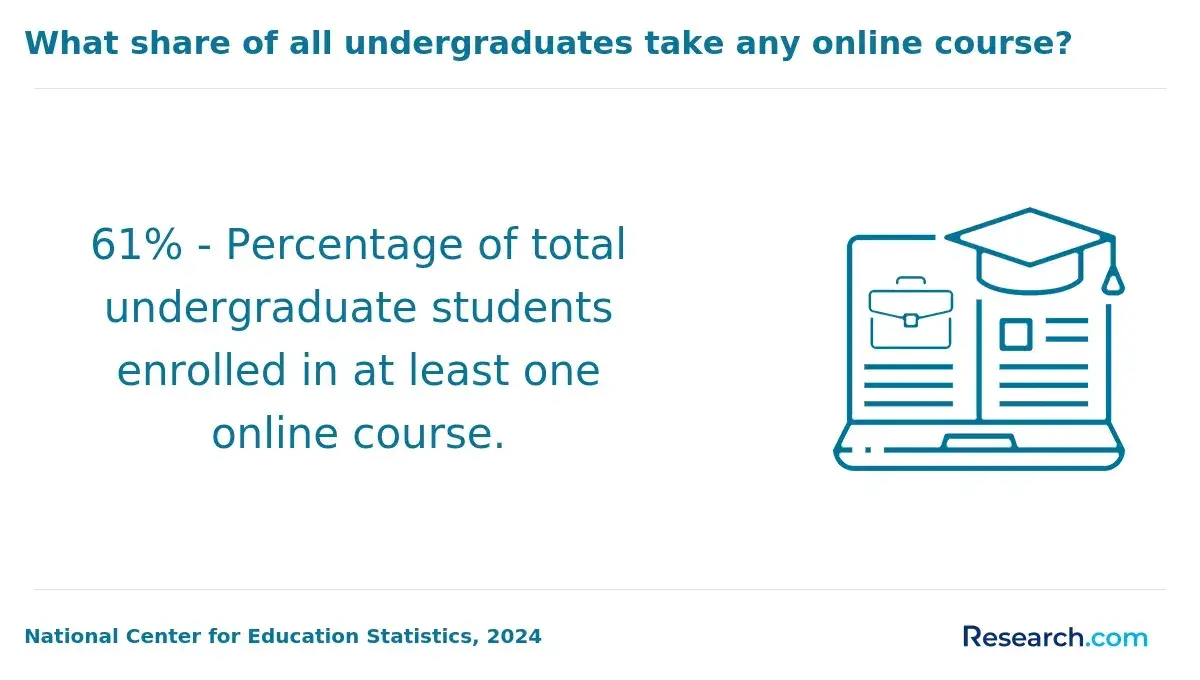
Weekly start dates in online journalism bachelor's programs directly address scheduling challenges faced by working adults and non-traditional students by offering flexible enrollment options outside the typical semester calendar. Without fixed enrollment deadlines, students can start their courses soon after acceptance-minimizing delays that often disrupt motivation and hinder progress. Research from the National Center for Education Statistics and the Lumina Foundation confirms that adaptable academic models with multiple or rolling start points improve retention and graduation rates among adult learners by fitting education into complex life demands.
- Immediate Enrollment: Students can move swiftly from deciding to enroll into active coursework, maintaining momentum and enabling quicker progress toward career objectives.
- Flexible Scheduling: Juggling job responsibilities, family, and other commitments, adult learners benefit from several start dates throughout the year, allowing education to seamlessly fit their individual routines.
- Higher Persistence: Programs with frequent start opportunities see improved persistence and completion rates, as students face fewer barriers to continuous enrollment.
- Financial Advantage: Starting courses promptly enables learners to gain skills and credentials faster, accelerating career advancement and income potential while lowering costs tied to extended education timelines.
A professional who enrolled in an online journalism bachelor's program with weekly start dates shared how this approach worked in practice for him. Facing a demanding job and family obligations, he found traditional semester schedules too rigid to accommodate unexpected work shifts and personal matters. The weekly enrollment model allowed him to begin classes immediately after application approval, providing a sense of control over his educational pace. He recalled, "Being able to start when I was ready kept me motivated-there was no waiting around, no losing time." This flexibility also helped him adjust coursework around busy periods, making steady progress without sacrificing his responsibilities. He emphasized that this blend of autonomy and structure was crucial in enabling him to maintain confidence and continuity throughout his degree journey.
Estimating the average tuition cost for online journalism bachelor's programs with weekly start dates involves considering both per-credit fees and alternative tuition structures. Typically, these programs require about 120 credit hours, with per-credit charges ranging from $250 to over $500. Students should be aware that some schools utilize flat-rate tuition per term or block pricing, which can benefit those pursuing an accelerated pace by taking heavier course loads.
Several institutions offer affordable online journalism degree programs with rolling enrollment that include uniform in-state tuition rates for all online students, regardless of their residency. This model helps reduce uncertainty in overall costs and often makes these programs more budget-friendly. Additionally, prospective students must include extra expenses such as technology fees and course materials, which can raise the total financial commitment by several hundred to a few thousand dollars.
- Credit Hour Pricing: The majority of programs calculate tuition on a per-credit basis, with costs between $250 and $500, leading to estimated total tuition from $30,000 up to $60,000 for 120 credits.
- Flat-Rate Tuition: Some schools apply a fixed tuition fee per term or per block of credits, advantageous for students who complete courses rapidly through continuous weekly enrollment.
- In-State Tuition for All: Certain universities provide in-state online tuition rates to every student regardless of geographic location, contributing to more predictable and often lower educational costs.
- Additional Fees: Expenses such as technology or course materials fees should be included in budget planning as they significantly affect the total program cost.
For students exploring options, it's helpful to research programs offering free application online colleges to reduce upfront costs while pursuing an accredited journalism bachelor's degree online with flexible weekly start dates.
Flexible Enrollment: Weekly start dates let students begin classes anytime without waiting for traditional semesters, helping to maintain consistent progress and avoid delays common in fixed schedules.
Credit Load Per Term: Full-time learners often take four to five courses each term, finishing in about four years. Part-time students, enrolling in fewer classes, may extend their studies to six years or beyond depending on their availability and pacing.
Prior Learning Credit Acceptance: Many programs allow transferring up to 90 credits from past college work or military experience, significantly cutting down degree completion time-sometimes to as little as 18 to 24 months for driven students.
Self-Paced or Competency-Based Options: Some online programs enable students to advance by demonstrating skills rather than adhering to fixed schedules. This approach benefits adults with relevant backgrounds by accelerating their path to graduation.
Multiple Courses Per Term: Certain programs offer the flexibility to enroll in several classes simultaneously each term. Combining this with rolling starts empowers students to design schedules that balance work and life while advancing efficiently.
A professional who completed a self-paced online journalism bachelor's degree with weekly starts shared that juggling coursework alongside a full-time job was initially overwhelming. She described how the ability to start whenever ready and accelerate through material she already knew allowed her to stay motivated and avoid burnout. "At first, fitting everything felt impossible, but breaking it down into manageable chunks and leveraging my prior experience made it achievable," she explained. Her journey showcased how this flexible model can transform challenges into opportunities for steady progress and timely graduation.
Online bachelor's degree programs in journalism with weekly start dates typically have more lenient admission requirements compared to traditional semester-based programs. Many institutions adopt open or rolling admissions policies, often requiring only a high school diploma or GED equivalency. Minimum GPA thresholds are generally low or absent, and standardized tests like the SAT or ACT are frequently optional or waived altogether. This flexible approach broadens access, making these programs ideal for working adults and learners returning to education after time away.
While easier admissions increase accessibility, there is a balance to consider between simplicity and academic rigor. Programs with minimal entry criteria usually offer enhanced academic support-such as tutoring, writing centers, and dedicated advisors-to help students navigate coursework successfully. On the other hand, more selective programs may require higher GPAs and additional documentation but provide a more structured and potentially prestigious learning environment.
Applicants with unconventional academic backgrounds should focus on showcasing relevant work experience, motivational personal statements, or strong letters of recommendation to strengthen their applications. Demonstrating readiness for college-level work can offset lower test scores or gaps in formal education. Additionally, many schools accept transfer credits and prior learning assessments, enabling students to accelerate degree progress and reduce costs.
Recent data shows enrollment in online journalism programs with rolling or weekly start options has risen by nearly 15% over the past five years, highlighting growing demand for flexible learning formats.
- Flexible Entry Requirements: High school diploma or GED is usually sufficient, with relaxed GPA and testing requirements easing access.
- Rolling Admissions: Continuous enrollment lets students begin any week without waiting for semester deadlines, supporting prompt starts.
- Academic Support Services: Open admissions programs often provide tutoring and advising to ensure student success despite lower entry barriers.
- Application Strategy: Highlight relevant experience and demonstrate motivation through personal statements or recommendations, especially if academic history is non-traditional.
- Enrollment Growth: Programs with weekly start dates have experienced a 15% increase in enrollment over five years, reflecting rising popularity among diverse learners.
Many online bachelor's degree programs in journalism with weekly or rolling start dates offer flexible transfer credit policies, which can greatly reduce the time and cost required to earn a degree. Institutions such as Southern New Hampshire University and Liberty University accept up to 90 transfer credits from accredited community colleges, military training programs, and employer-based learning experiences. These generous policies enable students to leverage prior learning and accelerate their graduation timeline.
The American Council on Education (ACE) credit recommendation service plays a crucial role in this process by evaluating non-traditional learning-including military training, workforce certifications, and corporate education-and recommending academic credit that schools often accept. This helps students convert experiences outside the classroom into transferable credits, making degree completion more efficient. Prospective students should always request a transcript evaluation before enrolling to clearly understand how many credits will transfer and what remains to graduate.
According to the National Center for Education Statistics, about 50% of undergraduates nationally transfer credits between institutions, highlighting how essential this process is for online journalism programs with flexible start dates. By allowing for significant transfer credit acceptance, these programs offer a major cost-saving benefit, reducing both tuition expenses and time spent in school.
- Flexible Credit Acceptance: Many programs accept credits from community colleges, military service, and employer-based learning to customize student pathways.
- ACE Evaluation: The American Council on Education's credit recommendations help translate various non-traditional learning into transferable academic credits.
- Transcript Review: Prospective students should obtain credit evaluations before enrollment to clarify transfer options and degree requirements.
- Cost Reduction: Higher transfer credit allowances decrease time-to-degree, significantly lowering tuition and related costs.
- Prevalence of Transfer: Half of all undergraduates transfer credits, underscoring the importance of credit acceptance in online journalism education.
Students enrolled in online journalism bachelor's programs with weekly enrollment must navigate a distinct financial aid landscape shaped by rolling start dates. Federal aid like Pell Grants and subsidized or unsubsidized Stafford loans is generally accessible to eligible students regardless of program format. However, because financial disbursements in weekly-start programs do not follow a traditional semester calendar, verifying that the institution's financial aid office accommodates funding based on individual enrollment dates is essential.
Work-study funding may also be available, but eligibility depends on each school's program participation and timing. According to College Board Trends in Student Aid, the average undergraduate aid package ranges between $5,500 and $6,000, combining grants and federal loans to help offset tuition and living expenses. This range provides a useful benchmark, though actual awards vary widely by family income, residency, and enrollment status. For those seeking additional support, scholarship opportunities for online journalism bachelor's with rolling start dates are offered by professional associations like the Society of Professional Journalists and nonprofit organizations. Many institutions also award scholarships to online students or journalism majors on a first-come, first-served basis.
Filing the Free Application for Federal Student Aid (FAFSA) early is critical, especially for rolling admissions programs, to maximize access to grants, loans, and institutional scholarships before funding deadlines pass. Prospective students can also explore credit-saving strategies through transfer credit acceptance and prior learning assessments, potentially accelerating graduation and reducing costs. Those interested can compare options at resources such as online ultrasound tech school listings for insight into program flexibility and aid.
- Federal Aid Flexibility: Pell Grants and Stafford loans are available for weekly-start programs, but students must confirm their school aligns aid disbursements with the rolling calendar to ensure timely funding.
- Average Aid Estimates: The College Board reports typical undergraduate aid packages around $5,500-$6,000, providing a benchmark though actual amounts vary by individual circumstances.
- Scholarships for Journalism Students: Professional associations and online program providers offer targeted scholarships based on merit or financial need, frequently awarding on a first-come, first-served basis.
- FAFSA Importance: Early FAFSA submission is crucial for maximizing financial aid opportunities and aligning funding with weekly enrollment periods.
- Work-Study Opportunities: Work-study options exist but require verification of program participation and timing depending on each institution's policies.
Regional accreditation remains the most trusted benchmark in higher education for journalism degrees, especially for regionally accredited online journalism bachelor's degrees with rolling start dates. Unlike national accreditation-which is typically granted to vocational or technical schools-regional accreditation is provided by seven agencies recognized by the U.S. Department of Education. These are the Middle States Commission on Higher Education (MSCHE), New England Commission of Higher Education (NECHE), Higher Learning Commission (HLC), Northwest Commission on Colleges and Universities (NWCCU), Southern Association of Colleges and Schools Commission on Colleges (SACSCOC), Western Association of Schools and Colleges Senior College and University Commission (WSCUC), and the Accrediting Commission for Community and Junior Colleges (ACCJC).
Most online journalism programs with weekly or rolling start dates are accredited by regional bodies such as HLC or SACSCOC, which have tailored their enrollment policies to accommodate adult learners and working professionals. Before selecting a program, always verify accreditation status directly through the U.S. Department of Education's official database to ensure legitimacy and proper recognition. This step is critical when considering programs that feature flexible start dates and transfer credit policies.
Attending a nationally accredited-only institution can pose significant challenges for credit transfer and graduate school admission. Most regionally accredited colleges and graduate programs prefer degrees from regionally accredited institutions, making regional accreditation vital for career mobility and academic advancement in journalism. For adult learners aiming to accelerate their education, factors like prior learning assessments and generous transfer credit acceptance also play an important role in maximizing speed and savings.
- Regional Accreditation Gold Standard: Widely recognized by employers and graduate schools, regional accreditation guarantees rigorous academic quality essential for journalism careers.
- Seven Agencies: The U.S. Department of Education recognizes seven regional accreditors; HLC and SACSCOC most commonly accredit online programs offering weekly start options.
- Verify Accreditation: Always confirm a program's accreditation via the Department of Education's database to avoid unrecognized institutions and ensure credit transferability.
- Risks of National Accreditation: Programs with only national accreditation may restrict transfer credits and limit graduate program acceptance.
- Career Mobility Impact: Regional accreditation ensures your degree remains competitive and respected by journalism employers and academic institutions.
For students budgeting their education, comparing tuition costs alongside financial aid opportunities is essential. Considering the flexibility of weekly enrollment windows, students can start faster than traditional semester formats and potentially reduce overall time and expense. Adult learners should also explore options like an affordable online mba in healthcare management or similar programs to supplement skills and enhance career outcomes.
Online journalism programs with weekly start dates usually deliver coursework through asynchronous video lectures combined with active discussion boards. Students access materials on flexible schedules, while weekly assignment deadlines encourage steady progress. Digital tools support remote collaboration, mimicking team dynamics in professional environments. Compared to traditional 15-week semesters, these modules-typically five to eight weeks long-require heightened self-discipline and effective time management to keep pace with the accelerated format.
This model emphasizes practical journalism skills such as multimedia reporting, media ethics, and digital storytelling. The intense, focused periods suit learners seeking quick skill acquisition, but may reduce opportunities for deep exploration or lengthy research projects found in longer terms.
Success in these programs depends on mental preparedness to absorb information rapidly and logistical setup like dependable internet access and distraction-free study spaces. According to the National Center for Education Statistics, enrollment in online courses with flexible starts has grown more than 25% recently, highlighting the shift toward adaptable learning approaches.
- Flexible Engagement Through Weekly Deadlines: Structured short modules with regular assignments promote consistent study habits and prevent backlog.
- Discipline and Time Management: The fast pace demands careful scheduling and prioritization to meet tight deadlines and absorb content efficiently.
- Focused Skill Development: Concentrated learning hones key journalism competencies ideal for fast-paced industry demands.
- Limited Depth Compared to Semesters: Shorter terms may restrict in-depth analysis and complex project opportunities.
- Preparation Is Key to Success: Students should build strong routines, cultivate motivation, and use digital communication tools effectively to thrive.
Credit by Examination programs like CLEP and DSST, along with Prior Learning Assessment (PLA) options, enable students to earn college credit for knowledge gained outside traditional classrooms. These pathways let learners skip courses they already know, saving both time and tuition costs when pursuing a journalism bachelor's degree. The College Board's CLEP program and the American Council on Education (ACE) credit recommendation system set the standard for awarding credits through exams and documented prior learning.
Many online journalism programs with weekly start dates offer flexible PLA policies. These often include acceptance of portfolio-based assessments or military training transcripts evaluated via the ACE Military Guide. Institutions typically cap prior learning credits between 30 and 45 semester hours but frequently apply them toward key journalism core or elective requirements.
Students should thoroughly document their prior experience by collecting work samples, course syllabi, certifications, or military records. This evidence must be submitted to the registrar or PLA office for an official credit evaluation following each school's process. Proper preparation can accelerate progress toward graduation and reduce expenses.
- Standardized Credit Exams: CLEP and DSST exams measure college-level knowledge, allowing students to bypass introductory classes by passing subject-specific tests relevant to journalism and general education.
- Prior Learning Assessment (PLA): PLA offers a personalized evaluation of skills and expertise through portfolios or professional documentation, granting credit beyond exam-based methods.
- Military Training Credits: Students with military backgrounds can submit evaluated transcripts for credit, which many weekly-start journalism programs recognize to support degree completion.
- Credit Limits and Policies: Institutions generally restrict the amount of credit earned through exams and PLA to maintain academic standards, commonly capping at 30-45 semester hours.
- Documentation and Submission: Successful credit transfer depends on careful record-keeping and following school-specific submission protocols, typically managed by the registrar or a dedicated PLA department.
What Graduates Say About Online Journalism Bachelor's Degree Programs With Weekly Start Dates
- Louise: "I chose the online journalism bachelor's degree with weekly start dates because it gave me the flexibility to balance work and study without waiting months to begin. The program was surprisingly affordable, which made investing in my future feel doable. Since graduating, I've landed a position at a reputable media outlet, and the practical skills I gained have been invaluable in advancing my career."
- Fiona: "What attracted me most to this online journalism degree was the continuous weekly starts-there was never a reason to delay my educational goals. The cost was reasonable compared to traditional programs, which took a weight off my shoulders financially. Reflecting on my career now, this program was a crucial step that opened doors to freelance opportunities I hadn't anticipated."
- Stephanie: "The professional structure of the online journalism bachelor's degree with weekly start dates suited my busy schedule perfectly-allowing me to progress steadily at my own pace. I was pleased with the program's cost-effectiveness, which made returning to school feasible without burdening myself with debt. This degree helped me build a strong portfolio and gave me the confidence to pitch stories to major outlets."
Other Things You Should Know About Journalism Degrees
Most programs accept up to 90 semester credits toward a 120-credit bachelor’s degree, and transfer work usually must come from regionally accredited colleges with a minimum 2.0 GPA. Programs also review journalism, English, and general education courses separately before awarding credit.
Student support services in these programs often include academic advising, tutoring, and technical assistance tailored to online learners. Career counseling and internship placement support are commonly available to help students build professional networks and gain practical experience. Many programs offer writing centers and libraries with digital resources to help strengthen reporting and research skills. Additionally, online orientation sessions and peer discussion groups support student engagement and retention throughout flexible weekly terms.
Programs are designed to cater to a diverse range of technical skills by offering introductory courses and tutorials. Online platforms often include tech-support resources and user-friendly interfaces to ensure students with different backgrounds can navigate successfully.
- Journalism Accreditation Body | BJTC | Learn more about us here https://bjtc.org.uk/about
- Credit for Prior Learning - NECC https://necc.edu/academics/beyond-the-classroom/credit-prior-learning/
- What are the benefits of e-learning for journalism students? https://www.umu.com/ask/a11122301573854154391
- Non-traditional journalism students need more diverse courses from SMPA https://gwhatchet.com/2018/04/16/non-traditional-journalism-students-need-more-diverse-courses-from-smpa/
- Transfer-Friendly Online Degrees: Maximize Your Past Credits https://www.indwes.edu/articles/2025/10/transfer-friendly-online-degrees-maximize-past-credits
- Top 30 Journalism Scholarships to Apply for in November 2025 https://bold.org/scholarships/by-major/journalism-scholarships/
- Stellic: Academic Planning and Advising Tool https://prospective-pba.stellic.com/app/program/info
- How to Transfer Credits and Maximize What You’ve Already Done - ReUp Education https://reupeducation.com/blog/how-to-transfer-credits-and-maximize-what-youve-already-done/
- How to Earn Credits Before College: A Guide for Non-Traditional Students https://www.edumed.org/resources/how-to-earn-credits-before-college/
- Bachelor of Journalism https://adelaideuni.edu.au/study/degrees/online/bachelor-of-journalism/