2027 Radiology Technician Practicum Requirements Explained

Co-Founder and Chief Data Scientist
Students pursuing a Radiology Technician degree often confront complex practicum requirements that can impact their path to licensure and employment. Securing clinical placement may be challenging due to strict supervision ratios, background checks, GPA thresholds, and state-specific mandates. These variables influence the number of required practicum hours and the types of approved clinical settings, directly affecting graduation timelines and certification eligibility. A 2023 survey found that 72% of Radiology Technician programs reported increased competition for clinical placements, heightening the importance of early preparation.
This article explains practicum expectations, highlighting how to navigate diverse rules and optimize placement success to stay on track professionally.
Key Things To Know About Radiology Technician Practicum Requirements
- Completing practicum hours allows students to apply theoretical knowledge in real clinical settings-enhancing diagnostic skills and patient communication for career readiness.
- Internships provide essential exposure to diverse imaging technologies and day-to-day workflow, building confidence and professional competence.
- Supervised clinical placements foster mentorship opportunities-guiding students through technical challenges and ethical considerations integral to radiology technician practice.
What Is A Practicum In Radiology Technician Program?
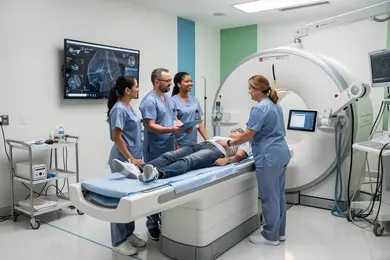
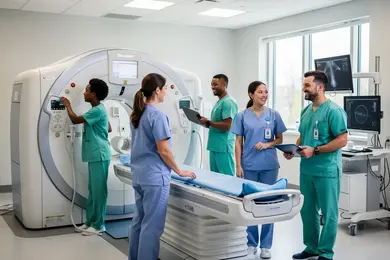
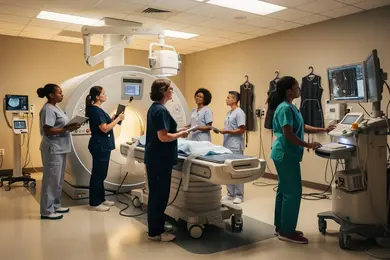
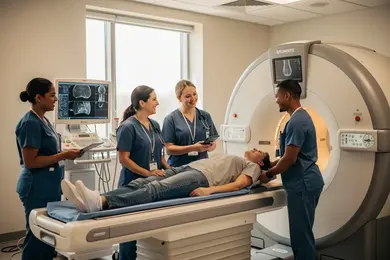
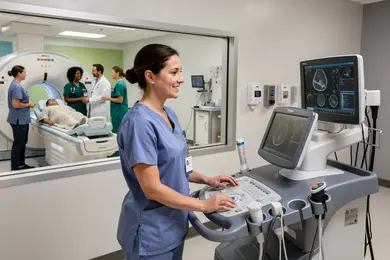
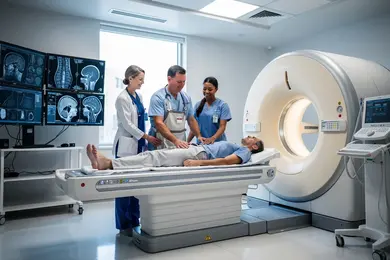
A practicum in a Radiology Technician degree program is a structured, supervised clinical experience that links academic theory with practical skills in medical imaging settings. These practicums are an integral part of most U.S. higher education curricula, designed to prepare students for real-world patient care environments. Research indicates that over 85% of employers in healthcare prioritize candidates with verified hands-on clinical experience.
Core aspects of the clinical practicum experience for Radiology Technician students include:
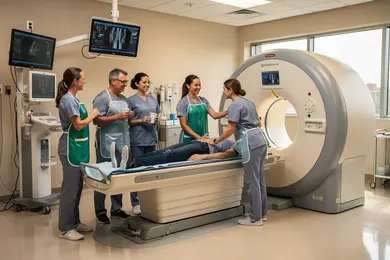
- Applied Fieldwork: Practicums involve clinical rotations at hospitals, clinics, or imaging centers where students perform diagnostic imaging tasks under direct supervision. This active learning environment differs from internships or capstone projects by emphasizing consistent hands-on responsibilities that replicate typical job functions.
- Timing Within Curriculum: Most practicums occur after foundational coursework and prerequisite classes are completed, ensuring students possess necessary knowledge before engaging in patient-facing activities. This sequencing supports safe, effective learning and skill application.
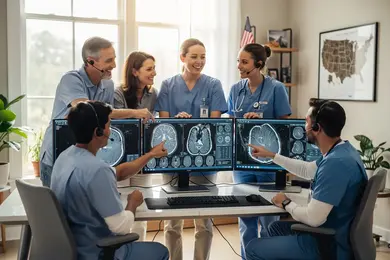
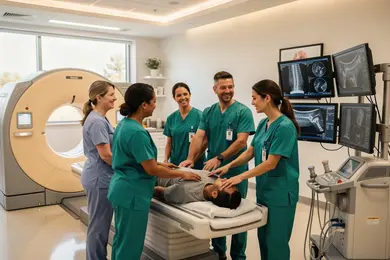
- Supervision and Feedback: Licensed radiology professionals or clinical instructors continuously monitor student performance, providing real-time guidance and formal evaluations. Structured feedback helps students improve technical proficiency, professionalism, and adherence to safety protocols.
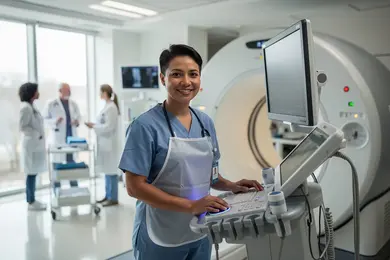
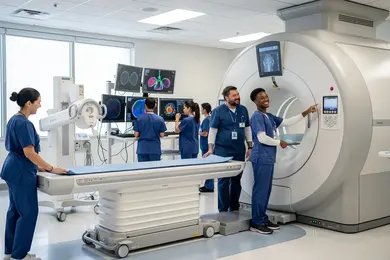
- Skill Development and Readiness: The practicum framework builds critical competencies including equipment operation, patient communication, and clinical problem-solving. These experiences contribute to workforce readiness, helping students transition smoothly from academic settings to licensed practice.
- Certification Connection: Successful completion of practicum requirements is often mandatory for graduation and eligibility to sit for credentialing exams such as those from the American Registry of Radiologic Technologists (ARRT), linking educational outcomes directly to licensure.
The radiology technician practicum program overview makes clear how these placements systematically enhance employability and professional growth, acting as a cornerstone of experiential learning. For students exploring accelerated paths in allied health, consider programs like the medical assistant program to complement your clinical skills development.
What Are The Eligibility Requirements For Radiology Technician Practicum?
Practicum eligibility standards in radiology technician programs serve to verify that students are academically prepared and professionally equipped before beginning supervised clinical experiences. These requirements help safeguard patient safety and ensure effective learning during hands-on training. Studies indicate that over 85% of allied health programs enforce minimum GPA and health clearance standards to uphold high levels of student readiness and educational quality.
Common eligibility requirements for radiology technician practicum placement include the following:
- Minimum GPA: Programs typically mandate a cumulative GPA between 2.5 and 3.0 on a 4.0 scale. This benchmark reflects sustained academic achievement necessary to manage clinical duties and complex technical tasks.
- Prerequisite Coursework: Completion of foundational courses such as anatomy, physiology, and other required coursework for radiology technician practicum placement is essential. These classes establish the theoretical framework needed for competent clinical performance.
- Competency Demonstration: Students often must demonstrate proficiency through skills assessments or simulated exercises. This ensures they can safely apply radiologic procedures and adhere to relevant safety protocols prior to hands-on patient care.
- Faculty Approval: Clinical coordinators or faculty advisors conduct evaluations that confirm a student's academic progress aligns with the practicum site's expectations. This step formalizes readiness and placement eligibility.
- Health and Compliance Checks: Administrative clearances are mandatory and generally require:
- Criminal background checks and drug screenings for patient safety and legal compliance.
- Immunization records and physical health clearances to meet infection control standards.
- Proof of liability insurance or signed agreements acknowledging practicum site policies and student responsibilities.
Programs may also consider active enrollment where students have reached specific credit hours or semesters. This confirms progression in their educational pathway. For prospective students exploring alternatives in allied health, information about nursing schools that don t require TEAS test in Texas can provide comparative insights into program structures and entry criteria.

How Many Practicum Hours Are Required For Radiology Technician Program?
Practicum hour requirements in radiology technician programs ensure students gain essential clinical experience, crucial for developing job-ready skills. These requirements vary widely by institution, state mandates, and accreditation standards, with many programs expecting around 1,000 hours of supervised clinical training. Hands-on experience remains a top priority among employers when evaluating new graduates.
Below are important factors that shape practicum hour expectations in these programs.
- Hour Ranges: Most radiology technician programs mandate between 900 and 1,200 practicum hours, reflecting differences in program design and accreditor criteria. This range aims to balance sufficient exposure to procedures and patient care while meeting regulatory benchmarks.
- Training Composition: Practicum hours mix observation with direct patient interaction and technical tasks. While initial phases may emphasize shadowing, the bulk of hours focus on hands-on duties to build practical competence under supervision.
- Phased Rotations: Clinical training is usually segmented into rotations covering various modalities such as general radiography, fluoroscopy, and CT scanning. This phased approach cultivates diverse clinical skills across distinct imaging specialties.
- Supervision and Verification: Programs require continuous oversight by qualified professionals. Students' hours and skill mastery are documented through logs, supervisor verifications, and competency assessments to ensure accountability and readiness.
- Scheduling and Duration: Students typically complete practicum commitments through 16 to 24 hours weekly over several months or semesters. Hours may be allocated during days, evenings, or weekends to match clinical site operations.
A professional who pursued a radiology technician degree shared that meeting the practicum hour requirements posed both logistical and emotional challenges. "Balancing coursework with clinical shifts required rigorous time management," he recalled. The hands-on experience was demanding but rewarding, especially during busy rotations where applying learned theory to real patient cases was sometimes overwhelming yet immensely satisfying. "Completing nearly 1,100 hours felt like a rite of passage-a true test of commitment and adaptability that really prepared me for the workplace," he reflected.
What Courses Must Be Completed Before Starting Practicum?
Prerequisite coursework is essential for preparing students for practicum experiences by establishing a strong academic and professional base before hands-on clinical training. Academic programs require these foundational courses to ensure students are equipped with the knowledge and skills needed for real-world application. A 2022 survey found that 87% of radiology technicians believe early coursework significantly enhances readiness for practicum challenges.
Programs typically require several key areas of study before students can begin field placements, including:
- Foundational Sciences: Coursework in anatomy, physiology, and medical terminology lays the groundwork for understanding the human body and health care language, which supports accurate imaging and patient care throughout the practicum.
- Radiologic Principles: Students learn radiation physics, safety protocols, and equipment handling to manage exposure risks and produce high-quality images under supervision.
- Professional Ethics and Communication: Training in ethical standards and effective communication helps students navigate patient interactions and collaborate within healthcare teams professionally and compassionately.
- Clinical Assessment: Introductory courses in patient care, health assessments, and infection control build the competencies necessary for safe, hygienic patient assistance and initial evaluations in clinical settings.
- Research and Critical Thinking: Instruction in research methods and evidence-based practices strengthens analytical skills crucial for applying clinical guidelines and making informed decisions during practicums.
These prerequisite structures may vary across disciplines such as nursing, education, or counseling, reflecting differences in skill emphasis and curriculum sequencing. Specifically, Radiology Technician prerequisite courses in the United States often align with allied health program standards to ensure academic progression enables successful practicum participation. Students interested in related fields, including medical coding, may explore the best online medical billing and coding schools for additional career pathways.
How Does The Radiology Technician Practicum Placement Process Work?
Practicum placement in radiology technician programs connects academic learning with supervised clinical work-crucial for developing job-ready skills. Institutions collaborate with healthcare facilities, ensuring students gain practical experience aligned with professional standards. Research shows that 85% of healthcare employers prefer candidates with validated practicum or fieldwork experience.
The placement process typically involves these key components:
- Eligibility Verification: Students must meet academic and health requirements-such as completing prerequisite courses, immunizations, and background checks-before being approved for placement.
- Application and Matching: The program's placement office collects student preferences and matches individuals to appropriate clinical sites based on availability and compatibility.
- Host Organization Coordination: Partnerships with clinical sites define student roles, supervision terms, and liability, ensuring compliance with accreditation and quality standards.
- Screening and Interviews: Some sites require additional interviews or evaluations to confirm student readiness and adherence to specific protocols or safety policies.
- Faculty Oversight: Instructors regularly monitor student progress via site visits and communication with supervisors to guarantee learning objectives are met and challenges addressed.
- Placement Confirmation and Onboarding: Once placements are finalized, students complete orientations and training on confidentiality and safety, while adhering to a specified timeframe and documentation of clinical hours.
One radiology technician professional who completed the practicum shared that navigating initial paperwork and meeting health clearance deadlines was more demanding than expected. She recalled that adapting to varying clinical protocols at different sites required flexibility, but faculty support eased transitions. Reflecting on the experience, she emphasized how the structured placement process provided critical exposure to real-world radiologic procedures under guidance, building her confidence and shaping her professional identity as she progressed toward graduation and employment.
What Documents And Paperwork Are Required Before Practicum?
Pre-practicum paperwork in Radiology Technician programs ensures students meet health, legal, and academic standards essential for clinical placements. These requirements support institutional compliance and student preparedness, with studies showing that over 85% of health sciences programs have increased onboarding documentation to enhance safety and reduce delays in clinical placements.
Common paperwork and approvals required before practicum enrollment include:
- Practicum Application: Submission of a detailed application form is the first step, confirming a student's current academic standing and eligibility. This formal documentation streamlines placement processing and helps institutions manage student placements efficiently.
- Institutional Approvals: Programs typically require official academic clearances, such as verified transcripts or instructor recommendations. These confirm that prerequisite coursework has been completed and that the student is prepared for clinical responsibilities.
- Medical Clearances: Proof of physical fitness, including general health assessments and specific screenings like tuberculosis or drug tests, is often mandatory. These verifications safeguard both the student and patients by ensuring clinical readiness.
- Immunization Records: Up-to-date vaccinations-including hepatitis B, MMR, and flu shots-must be documented and verified. Compliance with immunization standards helps protect public health within clinical environments.
- Background Checks and Consent Forms: Criminal history screenings and signed agreement forms, often including confidentiality contracts, are required to maintain workplace safety and uphold patient privacy.
- Liability Insurance Verification: Many programs insist on proof of malpractice insurance or institutional coverage confirmation. This requirement protects students and clinical sites against potential liabilities during hands-on training.
What Background Checks, Immunizations, Or Clearances Are Needed?
Pre-practicum compliance measures are essential for protecting both radiology technician students and the patients they will serve during clinical placements. These health, safety, and legal screenings create a secure environment and ensure programs meet regulatory standards. According to a Joint Commission survey, over 85% of healthcare education programs have enhanced their background and health screening processes to mitigate clinical placement risks.
Commonly required background checks, immunizations, and clearances include:
- Criminal Background Checks: Nearly all programs mandate comprehensive criminal history reviews, often including fingerprinting and searches of state and federal databases. This protects vulnerable patient populations and complies with legal mandates governing clinical education.
- Immunizations and Tuberculosis Testing: Proof of immunizations for diseases like MMR, Hepatitis B, and influenza is required to prevent infection spread. Tuberculosis screenings are also standard to safeguard healthcare settings, with timing and specific tests varying by institution and state.
- CPR and First Aid Certification: Basic life support qualifications are obligatory before beginning practicum hours. These certifications ensure students can respond adeptly to emergencies, aligning with facility policies and patient safety protocols.
- Drug Screening: Many clinical sites require initial and periodic negative drug tests to maintain drug-free learning environments, supporting safety and professionalism in patient care.
- Child Abuse and Fingerprint Clearances: Required especially when working with sensitive populations, these clearances confirm no history of abuse or neglect, meeting ethical and legal standards for placements in pediatric or elder care settings.
- Institutional and Regulatory Compliance: Documentation and renewal timelines vary widely depending on state laws, clinical sites, and institutional policies. Students are advised to confirm and adhere to these requirements early to avoid delays in practicum eligibility.
What Should Students Expect During Radiology Technician Practicum Placement?
Practicum placements in Radiology Technician programs serve as an essential link between academic instruction and real-world clinical practice. These supervised field experiences allow students to apply theoretical knowledge practically, building critical skills necessary for patient care and imaging procedures. Studies show that students engaged in experiential learning report up to 25% greater preparedness for clinical roles, highlighting the growing employer demand for applied experience in healthcare fields.
During their radiology technician practicum, students should be ready to engage in several core areas:
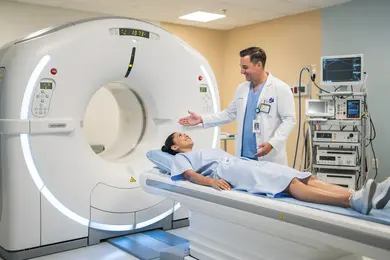
- Daily Responsibilities: Students perform routine radiologic tasks such as positioning patients and operating imaging equipment. These experiences give practical insight into the workflow, safety protocols, and technical demands of clinical environments, aligning with radiology technician practicum daily responsibilities expected by programs.
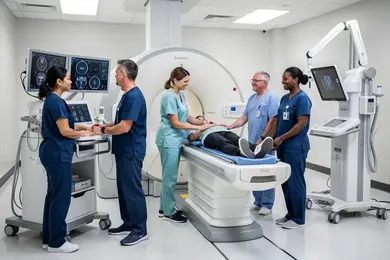
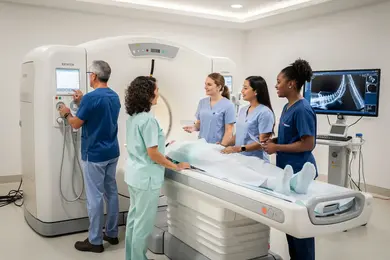
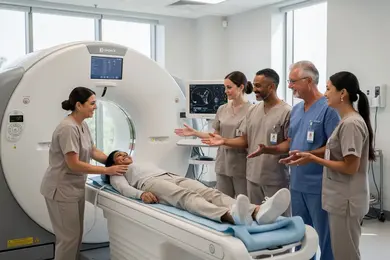
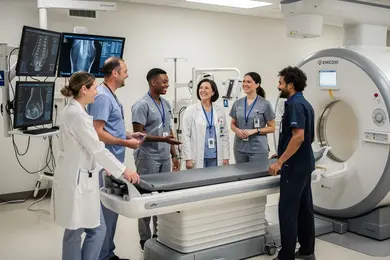
- Supervision and Mentorship: Experienced technicians and clinical instructors provide continuous oversight and mentoring. This guidance helps correct techniques, reinforces professional standards, and supports student development through regular feedback and evaluation, consistent with supervision and evaluation in radiology technician practicum standards.
- Professional Conduct: Students must maintain confidentiality, demonstrate punctuality, and observe workplace ethics. Respecting hospital policies and professional relationships teaches students to navigate real clinical settings responsibly.
- Performance Evaluations: Supervisors conduct assessments focused on clinical skills, adherence to safety, and communication abilities. These evaluations identify progress and areas needing improvement, ensuring students meet accreditation and certification criteria.
- Communication Skills: Effective interaction with patients, radiologists, and healthcare teams is emphasized. Students learn to explain procedures clearly and respond empathetically, which is vital for quality patient care.
- Applied Skill Development: Hands-on experiences build confidence and competence, transforming classroom concepts into job-ready skills. This active learning bridges academic theory with the complexities of everyday clinical practice.
- Common Challenges: Exposure to fast-paced, sometimes stressful situations helps students develop adaptability and focus. Overcoming these obstacles fosters resilience and highlights the importance of precision in patient imaging.
For those interested in further advancing their healthcare education, exploring an online pharmacy school program can be a valuable next step in expanding professional competencies and career opportunities.
How Are Practicum Students Supervised And Evaluated?
Supervision and evaluation in radiology technician practicum experiences are critical for developing clinical skills and ensuring academic accountability. These processes support continuous student development through structured oversight commonly implemented across U.S. educational programs. Research shows that well-designed experiential learning can increase effectiveness by up to 30%, emphasizing the value of practical training in workforce readiness.
The following points summarize key elements of how practicum students are supervised and evaluated:
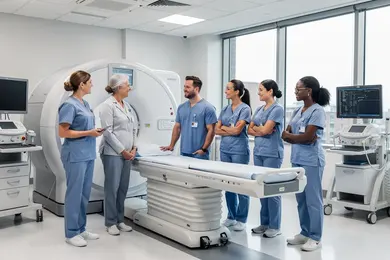
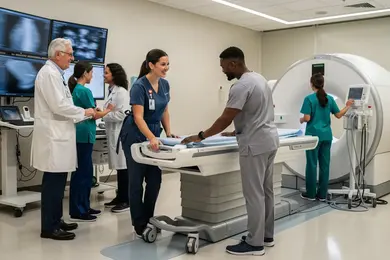
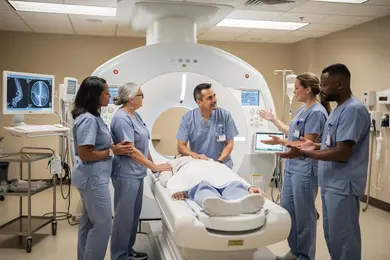
- Supervisory Roles: Clinical supervisors, typically seasoned radiology professionals, provide daily guidance on technical skills and patient safety. Faculty advisors and site coordinators work together to align practicum expectations with academic standards and maintain consistent student support.
- Ongoing Guidance: Regular communication happens through both informal check-ins and scheduled meetings. This continuous dialogue addresses obstacles, encourages professional growth, and helps students internalize feedback relevant to their practicum supervision methods for radiology technician students.
- Feedback Mechanisms: Supervisors use direct observation to assess clinical skills and deliver constructive feedback. Written evaluations and verbal coaching are vital elements that enable students to refine techniques and professional behaviors throughout their fieldwork.
- Assessment Methods: A combination of competency checklists, reflective journals, and progress reviews provides multiple dimensions of evaluation. These tools document milestones and culminate in final performance assessments, determining student readiness for independent practice and meeting evaluation criteria during radiology technician practicum in the United States.
- Documentation and Variation: Documentation practices differ among institutions but generally comply with accreditation requirements to ensure quality. Some programs utilize digital platforms for tracking student progress, while others maintain traditional logs and reports, reflecting broader trends in supervised clinical training.
Students interested in expanding their qualifications after the radiology technician practicum phase might explore related fields, including shortest post master's PMHNP online programs, as part of strategic career development pathways.
How Does Practicum Help With Licensure Or Certification Requirements?
Practicum experiences are essential for students seeking licensure or certification in radiology technician programs-providing supervised clinical training that aligns academic knowledge with regulatory requirements. Recent data from the American Registry of Radiologic Technologists shows that over 85% of employers favor hiring licensed technologists who have completed verified practicum hours, highlighting its impact on employability. These real-world placements ensure that students meet both technical and professional standards necessary for credentialing.
Key aspects of practicum requirements include:
- Clinical Hour Fulfillment: Students must complete a mandated number of supervised clinical hours, demonstrating hands-on proficiency in areas like patient positioning, radiation safety, and equipment use under authentic conditions required by accrediting bodies.
- Competency Benchmarks: Performance evaluations during practicum assess technical skills, critical thinking, and effective patient communication-core competencies needed to qualify for licensure exams.
- Supervised Oversight: Licensed professionals and academic supervisors monitor student progress on-site to ensure adherence to state and national standards. Their evaluations form part of the official compliance records.
- Documentation and Verification: Institutions rigorously track practicum hours and competency achievements through formal records and supervisor endorsements, which are essential for validating eligibility during licensing applications.
- Cross-Field Parallels: Practicum requirements in radiology technician programs reflect broader credentialing practices across healthcare, counseling, and education fields that rely on supervised experiential learning as a certification foundation.
What Do Students Say About Their Radiology Technician Practicum Experience?
- Becca: "During my Radiology Technician practicum, I initially faced some challenges with meeting the eligibility criteria, especially the required immunizations, which delayed my start date. However, once placed, the hands-on experience far exceeded my expectations-I got to work with a variety of imaging machines under supportive supervision. My clinical instructor provided detailed feedback after each session, which really helped me improve my technical skills and confidence."
- Zev: "Reflecting on my practicum, I appreciated how strictly the facility followed protocols for supervision and evaluation-each task I completed was observed closely by certified techs who ensured I adhered to safety standards. Although I expected a more relaxed pace, the fast-moving environment pushed me to develop effective multitasking abilities quickly. One tricky part was balancing the clinical hours with school assignments, but it was definitely worth the effort."
- Grant: "I was excited to begin my Radiology Technician practicum, but had some concerns about the compatibility of the placement schedule with my personal commitments. The onboarding process clarified these issues, and the staff were flexible in arranging shadowing shifts. Supervision was professional and consistent, with evaluations focusing equally on technical precision and patient interaction; this comprehensive approach gave me a well-rounded practical foundation."
Other Things You Should Know About Radiology Technician Degrees
Many Radiology Technician programs allow students to complete practicum placements in different states, but approval is required from the educational institution. Students must ensure that the chosen site meets accreditation standards and complies with any state-specific regulations regarding clinical training.
In 2027, radiology technician practicum requirements typically include direct clinical experience under supervision, specific hour commitments, and successful completion of tasks related to patient care, imaging techniques, and equipment handling. Requirements may vary by institution but generally adhere to accreditation standards ensuring comprehensive practical training.
Students are often required to carry professional liability insurance during their practicum to protect against potential claims related to clinical performance. This coverage is typically arranged through the school or professional associations and must be active throughout the practicum period.
Programs usually have a formal procedure for students to report issues involving supervision, safety, or clinical experiences. Prompt communication with faculty advisors or practicum coordinators is essential to resolve conflicts and ensure a supportive learning environment.
References
- Medical Imaging Technologist Education https://www.brighamandwomens.org/radiology/education-and-training/medical-imaging-technologist-education-internship-program
- Medical Radiologic Technology https://www.sait.ca/programs-and-courses/diplomas/medical-radiologic-technology
- How to become a radiologic technologist | NWHSU https://www.nwhealth.edu/blog/how-to-become-a-radiologic-technologist/
- Healthcare Background Checks - Accurate https://www.accurate.com/solutions/healthcare/
- learndirect - How to Become a Radiology Technician? https://www.learndirect.com/blog/how-to-become-a-radiology-technician
- Background Checks and Security Clearances for Federal Jobs https://gogovernment.org/application-process/background-checks-and-security-clearances-for-federal-jobs/
- Radiologic Technology Program Overview | Rochester General College of Health Careers https://www.rgcohc.edu/index.cfm
- Healthcare Background Check Requirements: What You Need to Know https://www.cisive.com/blog/healthcare-background-check-requirements
- What are background checks and security clearances? https://help.usajobs.gov/faq/job-announcement/security-clearances
- LibGuides: Internship Guide: Internship Documentation Checklist https://guides.centralpenn.edu/internship/documentationchecklist