2027 Cheapest Accelerated Radiology Technician Degree Programs Online

Co-Founder and Chief Data Scientist
Balancing work, family, and education creates a significant challenge for nontraditional students seeking to earn a radiology technician degree quickly-especially as tuition costs rise nationwide. Flexible online learning and accelerated formats offer promising solutions, yet hidden fees, strict residency rules, and complicated transfer credit policies can undermine affordability and extend graduation timelines unexpectedly. With over 75% of registered radiologic technologists employed full time, timely degree completion aligns closely with licensure eligibility and competitive salaries, which average around $63,000 annually. Understanding program accreditation, pacing, and cost structures early is crucial for minimizing debt while advancing a radiology technician career efficiently. This article explores how to identify the cheapest accelerated radiology technician degree programs online and navigate factors affecting cost, speed, and quality to achieve optimal career outcomes.
Key Things to Know About the Cheapest Accelerated Radiology Technician Degree Programs Online
- Accelerated online radiology technician programs cut time and tuition costs by offering flexible schedules, transfer credit options, and fast-track pathways tailored for working adults.
- Comparing accreditation, total costs-including hidden fees-and available financial aid is crucial to identify truly affordable programs without sacrificing quality.
- Students must verify transfer policies, pacing rules, residency requirements, and licensure outcomes to ensure low-cost options meet career and credentialing goals before enrolling.
What Are the Cheapest Accelerated Radiology Technician Degree Programs Online?
The appeal of accelerated online radiology technician degree programs lies in their potential to reduce both tuition costs and time to graduation-two critical factors for cost-conscious working adults and career changers. According to recent data, accelerated online pathways can shorten degree timelines by up to 50%, making education more affordable and accessible. Below are key categories offering some of the cheapest accelerated radiology technician degree programs online.
- Public Community Colleges: These colleges are known for the lowest per-credit tuition rates and often feature accelerated tracks that can be completed in 12 to 18 months. Their transfer-friendly policies allow students to apply existing credits, making these programs popular for students seeking affordable accelerated online radiology technician programs.
- Competency-Based Programs: These innovative models let students progress by demonstrating mastery rather than seat time, effectively shortening degree completion. Public universities frequently offer competency-based education tailored to adults with prior healthcare experience, lowering both cost and duration.
- Workforce Partnerships: Collaborations between colleges and healthcare employers fund expedited degree paths through grants and tuition assistance. Employed students benefit from prioritized clinical placements and reduced costs, making these among the most affordable accelerated options.
- Transfer-Friendly Institutions: Schools with clear articulation agreements recognize prior credits from military service, certifications, or other programs. Increased credit acceptance reduces redundancy, cuts tuition expenses, and accelerates degree completion.
For those interested in healthcare careers beyond radiology technician degrees, the fastest way to become a medical assistant offers another cost-efficient accelerated pathway.
How Much Does an Accelerated Online Radiology Technician Degree Cost?
Estimating the total cost of accelerated online Radiology Technician degrees is critical for working adults and career changers balancing budgets and busy schedules. Recent trends show that tuition rates for online accelerated programs often remain below $15,000 total-an increasingly affordable figure for nontraditional students aiming to minimize debt. These competitive price points promote faster degree completion without escalating costs, which supports financial and professional goals.
- Public University Pricing: Public institutions frequently offer the most budget-friendly tuition-especially for in-state students-due to state subsidies. Their accelerated, online formats use flat-rate tuition models that keep costs stable regardless of course load intensity.
- Competency-Based Models: Some colleges use fixed fees per term allowing self-paced learners to save money by completing courses ahead of schedule. This structure rewards efficiency and helps reduce overall tuition expenses for accelerated online Radiology Technician programs.
- Transfer Credit Savings: Schools that accept extensive transfer credits or prior healthcare experience shorten the program length and slash tuition costs. This flexibility helps reduce total credit hours and thus tuition owed.
- Online Program Expansion: Fully online programs continue growing-providing multiple start dates and digital resources that facilitate quicker credentialing with transparent fee policies. These options offer affordability paired with flexibility crucial to working adults and nontraditional students.
Additional affordability factors include prior learning assessments that can reduce credit requirements, making accelerated online Radiology Technician degree cost more attainable. For those exploring cost-effective healthcare education routes, it can also be helpful to compare with the expenses of online nursing degrees-which sometimes share tuition pricing strategies and adult learner benefits.
Are Cheap Accelerated Radiology Technician Degree Programs Accredited and Legitimate?
For working adults and career changers, accreditation and institutional legitimacy are essential when choosing affordable, accelerated online radiology technician degree programs. With online education enrollment rising by over 30% in the last decade, ensuring a program meets recognized standards is vital for future job prospects and transferring credits. Below are key accreditation and quality factors that determine if a low-cost accelerated program is credible and employer-approved.
- Regional and National Accreditation: Accreditation by recognized agencies-approved by the U.S. Department of Education or CHEA-is the baseline marker of quality. Programs from regionally or nationally accredited institutions ensure rigorous academics, validated student support, and credit acceptability, which is especially important for accelerated online formats.
- Specialized JRCERT Approval: The Joint Review Committee on Education in Radiologic Technology uniquely accredits radiology technician programs. JRCERT's endorsement guarantees the curriculum and clinical training meet industry-specific standards that employers and certification boards respect.
- State Authorization: Compliance with state regulations and licensure requirements adds legitimacy, confirming the program aligns with local workforce demands and legal guidelines. This is crucial for fast-track online offerings aiming to prepare graduates for relevant licensing exams.
One professional who completed an accelerated radiology technician degree reflected on his experience: "Starting out, I worried a low-cost, quick program wouldn't hold up with employers. But my school's accreditation meant my clinical hours counted, and my diploma was recognized. Balancing work and study was tough, but the program's clear standards and flexible schedule helped me succeed and feel confident entering the field."
What Are the Fastest Online Radiology Technician Degree Programs?
Accelerated online radiology technician degree programs attract working adults, career changers, and nontraditional students who seek to finish their education swiftly while managing job and family obligations. With adult learners now making up over 40% of all college enrollments, these fast-track options offer a practical way to gain credentials without long delays. Below are key approaches that characterize the top accelerated radiology technician degrees for quick online certification.
- Competency-Based Education: Programs using this model let students advance by proving skill mastery instead of adhering to standard semester timelines. This flexibility is ideal for learners with prior healthcare experience, often allowing graduation within 12 to 18 months.
- Transfer-Credit-Optimized Pathways: Many schools accept extensive transfer credits-whether from previous college coursework or professional certifications-helping students avoid redundant classes and complete their degree in 18 to 24 months, whether full- or part-time.
- 8-Week Course Formats: Offering intensive, shorter terms enables students to concentrate on fewer subjects at once, speeding up completion and fitting well around demanding work schedules with multiple start dates annually.
- Year-Round Enrollment Systems: By running continuous sessions throughout fall, spring, and summer, programs reduce downtime between terms, allowing learners to progress steadily and shorten overall time to graduation.
For those seeking the fastest online radiology technician degree programs with accelerated completion times, exploring these structures can reveal options that balance speed, flexibility, and academic rigor. More details on tailored pathways can be found in this accelerated degree program guide.
Which Online Radiology Technician Degree Programs Are Best for Working Adults?
Working adults increasingly turn to online accelerated radiology technician degree programs to juggle employment, family, and career growth efficiently. With online enrollments for adult learners growing by over 10% annually, these flexible degrees offer critical pathways to fast-track qualifications without sacrificing job or home responsibilities. Below are key program types tailored to such needs.
- Asynchronous Learning: Students can access coursework on their own schedules, making it ideal for those with variable work shifts or caregiving duties. This flexibility allows steady progress without the constraints of fixed class times.
- Competency-Based Models: These programs accelerate completion by letting learners demonstrate skill mastery at their own pace, often rewarding prior knowledge and reducing redundant instruction.
- Transfer-Friendly Colleges: Institutions welcoming transfer credits help working adults shorten their degree paths and lower costs by recognizing previous academic work or certifications.
- Part-Time Flexible Schedules: Programs designed for part-time attendance accommodate steady learning through lighter course loads and may offer evening or weekend classes to fit around work hours.
A professional who established her career after graduating from a radiology technician program shared how managing work and study demanded persistent time management and self-discipline. She appreciated how her chosen program's asynchronous format enabled her to learn during quiet hours at night or weekends. The ability to transfer credits from her prior college courses shortened her pathway substantially, cutting both time and expenses. She also found that steady part-time pacing helped avoid burnout while balancing family needs. Reflecting on her journey, she noted that the program's flexibility and accelerated options were crucial to completing her degree without sacrificing income or personal life-ultimately making the difference in achieving her career goals efficiently.
What Flexible Scheduling Options Are Available in Accelerated Radiology Technician Programs?
Flexible scheduling is a major draw for students enrolling in accelerated online radiology technician programs, with adult learners now representing nearly 40% of all online education participants. These programs are tailored to fit busy lives-helping students balance work, family, and personal commitments. The following formats showcase the most common scheduling options designed to meet diverse needs.
- Asynchronous Learning: This option lets students complete lectures and assignments at their convenience, providing essential flexibility for those managing irregular work hours or caregiving duties.
- Competency-Based Progression: Learners advance by proving mastery of skills instead of following strict timelines, allowing faster completion if ready or a slower pace when necessary.
- Evening and Weekend Classes: Live sessions scheduled outside standard work hours foster interaction with instructors and peers without conflicting with daytime responsibilities.
- Rolling Enrollment: Multiple start dates throughout the year reduce wait times between terms, enabling students to begin or resume coursework as soon as they are prepared.
- Condensed Terms: Intensive 8-week courses accelerate degree completion but require disciplined time management to maintain steady progress.
These flexible arrangements-supported by improved online platforms and student services-help working adults and career changers navigate academic workloads alongside other life demands while pursuing fast-track credentials.
Which Accelerated Radiology Technician Degree Programs Accept the Most Transfer Credits?
Generous transfer-credit policies are crucial in accelerated online radiology technician programs-especially for working adults and nontraditional students aiming to save time and reduce costs. Research shows that prior learning assessments can shorten degree completion by up to one-third, making credit portability a key factor in affordability and faster career entry. The following outlines common program types that accept the most transfer credits while supporting flexible, accelerated study.
- Community College Articulation: Many public institutions partner with community colleges through formal articulation agreements, guaranteeing credit acceptance for general education and technical courses. This pathway is ideal for transfer students, minimizing duplicated coursework and tuition fees.
- Military-Friendly Programs: These universities recognize extensive credit for military training, certifications, and exams like CLEP or DSST. Typically, they waive or reduce residency requirements and offer adaptable schedules that accommodate service members and veterans pursuing rapid degree completion.
- Prior Learning Assessment (PLA): Some accelerated programs evaluate candidates' professional experience, industry certifications, and competency exams to award college credit without traditional classes. This policy significantly lowers program length and overall expenses.
- Adult Learner-Focused Pathways: Colleges with dedicated adult education departments often use online credit evaluation tools and participate in statewide transfer initiatives. These features streamline the transfer process for busy adults seeking convenient and affordable degree completion.
Maximizing transfer credits in accelerated online radiology technician degrees helps cut down student debt and speeds entry into the healthcare workforce. Prospective students should carefully compare transfer limits and residency rules before enrollment to find programs best aligned with their prior education and professional experience.
Can Prior Learning or Work Experience Reduce the Time and Cost of a Radiology Technician Degree?
Many accelerated online radiology technician programs evaluate prior academic coursework, professional experience, and military training to award academic credit-helping students reduce both time and tuition costs. In fact, around 60% of adult learners utilize transfer credits or prior-learning assessments to accelerate degree completion. These policies offer flexible pathways for working adults, career changers, and military-affiliated learners seeking affordable options. Below are key methods that contribute to shortening program duration and lowering expenses.
- Transfer Credit Articulation: Colleges often have agreements to accept credits from accredited institutions, including community colleges and universities. This option is common for students transferring general education or related health courses and is essential to understanding transfer credit options for accelerated online radiology technician programs.
- Competency-Based Education: These programs allow progression based on demonstrated skills rather than seat time-enabling students to focus only on unmet competencies. As a result, students can complete their degree more quickly while reducing tuition costs by avoiding redundant classes.
- Credit-by-Examination: Exams such as CLEP or DSST let students earn credit for knowledge obtained outside formal education. This option covers foundational subjects and can significantly cut down overall credit hours required.
- Portfolio Assessments and Military Training: Documenting relevant work experience, certifications, or military coursework may earn academic credits tailored to radiology technician curricula. Many schools accept military transcripts and workforce certifications as part of credit evaluations.
To explore affordable degree pathways, working adults might also compare these options with other cost-conscious programs like online associate nursing programs that similarly emphasize credit transfer and prior learning. Students should always verify credit transfer policies to ensure prior work experience can shorten radiology technician degree duration effectively.
What Financial Aid Options Are Available for Online Radiology Technician Students?
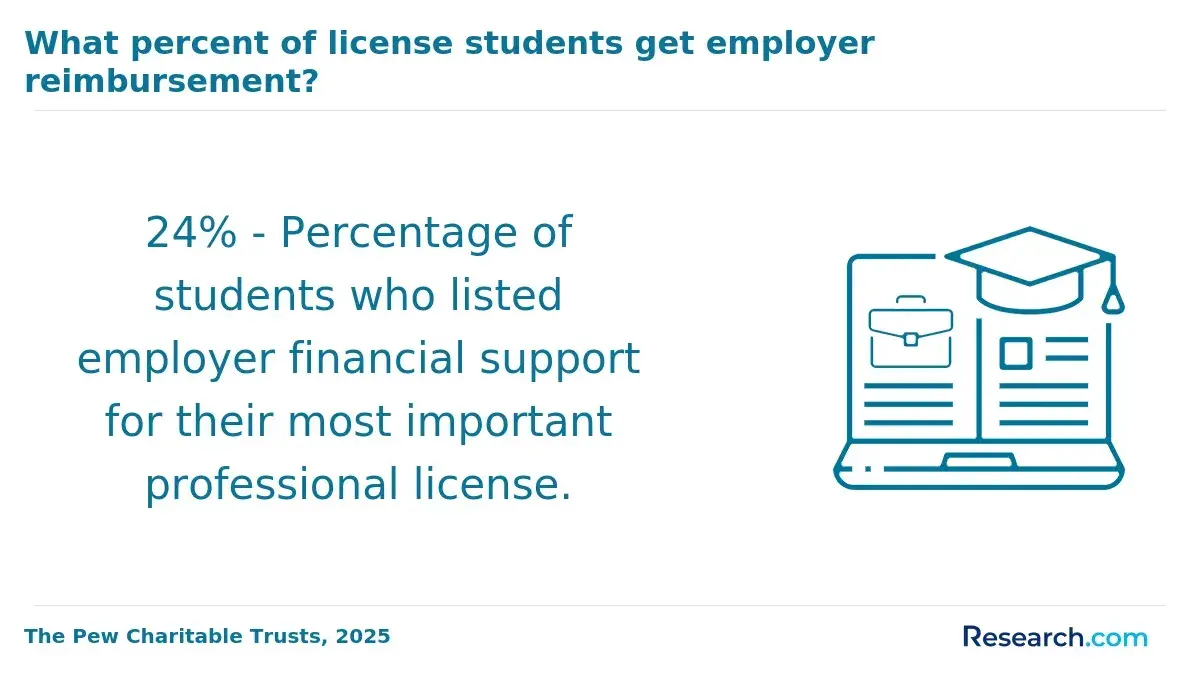
Even in affordable accelerated online radiology technician programs, financial aid remains essential-nearly 60% of online students rely on some form of aid, including grants and employer tuition reimbursement, to manage costs. For cost-conscious working adults and career changers, strategic use of available funding sources can significantly reduce debt and speed degree completion. Below are key financial aid options that enhance affordability for these students.
- Federal Grants and Loans: FAFSA applications unlock Pell Grants, which do not require repayment and target need-based aid-ideal for students enrolled in accelerated tracks. Federal student loans also offer competitive interest rates and flexible repayment plans tailored to those completing fast-paced radiology technician courses.
- Employer Tuition Assistance: Many healthcare employers extend tuition reimbursement benefits, which allow working adults to pursue degrees without income loss. This aid works particularly well combined with accelerated or competency-based coursework, reducing overall educational expenses and time.
- Institutional Scholarships: Accredited schools often provide merit- or need-based scholarships specifically for radiology technician students. These awards frequently support transfer students or those maintaining high academic performance within accelerated schedules-helping curb tuition costs.
- Workforce Retraining Programs: State and local initiatives may offer grants or vouchers for adults transitioning into healthcare careers. These programs often recognize transfer credits and accommodate accelerated enrollment, easing financial barriers for career changers seeking affordable pathways.
Maximizing financial aid through stacking these options-while verifying program accreditation and maintaining full-time enrollment-helps students manage their education expenses effectively. For those seeking rapidly accessible nursing education options alongside radiology technician training, exploring a 6 month RN to BSN program can further optimize educational investment and career advancement prospects.
Among financial aid programs for online radiology technician students, a focus on scholarships and grants for accelerated radiology technician degrees online offers the most direct route to affordability without excessive borrowing.
What Should Students Look for When Choosing an Affordable Accelerated Radiology Technician Program?
Choosing the right accelerated online Radiology Technician program can impact long-term value by balancing cost, completion speed, and career readiness. Approximately 60% of online learners rely on transfer credits or prior experience to shorten degree timelines, underscoring the need for flexible credit policies. Several core factors help identify affordable, quality programs for working adults and nontraditional students.
- Accreditation Validity: Confirm the program holds recognized regional or national accreditation to ensure academic rigor and federal financial aid eligibility. Proper accreditation affects employer recognition and eases credit transfer, which is critical for nontraditional learners.
- Total Tuition Costs: Account for all expenses beyond base tuition, including fees and clinical materials. Programs with surprisingly low rates sometimes compromise on student resources or reputation, so balance fees against educational quality and support.
- Transfer Credit Acceptance: Prior college coursework or certifications can reduce costs and time to degree. Look for transparent, generous transfer policies to avoid unnecessary repetition and expedite graduation.
- Flexible Accelerated Scheduling: Programs should offer compact courses that maintain manageable pacing-this reduces debt and gets students into the workforce faster without overwhelming them.
- Support Services Availability: Comprehensive online advising, career counseling, and tech support improve retention and job readiness. Asynchronous classes and competency-based options help working adults balance study with other commitments.
What Do Students Say About Cheap Accelerated Online Radiology Technician Degree Programs?
- Valentino: "Finding an accelerated radiology technician degree online that fit my hectic work schedule was a game changer. The flexible class timings allowed me to study without compromising my job. Plus, the availability of financial aid for online students really eased the burden on my budget."
- Zev: "As someone switching careers, affordability was my top priority when choosing an accelerated radiology technician program. I carefully researched programs that balanced cost with quality, and the online format made the transition manageable. The tailored financial aid options truly made pursuing this new path possible for me."
- Grayson: "The variety in accelerated radiology technician programs can be overwhelming, but focusing on those that offer lower tuition yet comprehensive curricula helped me select the best fit. I appreciated programs designed specifically for nontraditional students, especially those that provided scholarships or grants to reduce expenses. Flexibility in coursework scheduling was essential to accommodate my prior commitments."
Other Things You Should Know About Radiology Technician Degrees
In 2027, the cheapest accelerated radiology technician degree programs typically require students to complete clinical rotations at affiliated healthcare facilities. These hands-on experiences, varying in length and depth, are essential for ensuring that the students gain practical skills alongside their online coursework.
These programs typically integrate coursework that aligns with state licensing requirements and the American Registry of Radiologic Technologists (ARRT) certification exam content. Many include dedicated exam preparation resources and mock tests to help students become familiar with the format and relevant material. Successfully passing the ARRT exam is a mandatory step after completing the degree to obtain state licensure and begin professional practice.
Yes, reputable affordable programs usually offer a range of support services such as academic advising, tutoring, and career counseling. These services help students navigate course challenges, clinical placements, and job searches. Online programs may additionally provide virtual workshops and student forums to foster engagement and peer support despite the distance learning format.
Many low-cost accelerated programs focus on general radiologic technology and may offer fewer opportunities for specialization compared to larger or more expensive schools. Specializations like MRI, CT scanning, or mammography often require additional training or certifications beyond the initial degree. Students seeking specialized career tracks should verify the availability of such options or plan for continued education after completing an accelerated program.
References
- Site-Wide Callout https://www.asrt.org/foundation/programs/additional-scholarship-resources
- Online/Hybrid Radiologic Technology | 18 Month Program |WVJC https://www.wvjc.edu/radiologic-technology-online-hybrid/
- Find Online Radiation Therapy Programs with Financial Aid https://www.edumed.org/online-schools/radiation-therapy/financial-aid/
- Marian University Introduces Low-Tuition Online Bachelor of Science in Radiologic Technology Completion Program - Envision Greater Fond du Lac https://www.envisiongreaterfdl.com/marian-university-introduces-low-tuition-online-bachelor-of-science-in-radiologic-technology-completion-program/
- Affiliated Radiology Technology Programs https://www.vumc.org/radiology/affiliated-radiology-technology-programs
- Radiology Training Programs https://www.radiologytrainingprograms.com/financial-aid-and-student-loan-info.html
- Radiologic Technology - Flex Option, (AS) http://catalog.massbay.edu/preview_program.php
- Building a Career Ladder for Medical Imaging Technologists https://link.ahra.org/Article/building-a-career-ladder-for-medical-imaging-technologists
- Find a Program - JRCERT https://www.jrcert.org/find-a-program/
- Fast-track Radiology Certification programs | CCI Training https://ccitraining.edu/radiology-technician-training/