2027 Does a Radiology Technician Program Require In-Person Clinical Training?

Co-Founder and Chief Data Scientist
Determining whether a radiology technician program requires in-person clinical training often challenges prospective students facing geographic limitations or demanding personal schedules. Accreditation bodies like JRCERT mandate specific clock hours-typically around 1,000-to ensure competency before placement. Missing these hours can hinder eligibility for essential certification exams such as the ARRT, impacting licensure and employment prospects. Given radiology technicians earn a median annual wage of approximately $63,000, understanding these requirements shapes career and life decisions.
This article unpacks clinical training obligations from accreditation standards to licensure impacts, guiding readers through the full clinical training lifecycle with clarity and practical insight.
Key Things to Know About the Radiology Technician Programs That Require In-Person Clinical Training
- Accreditation mandates require programs to include a minimum number of in-person clinical clock hours-often exceeding 1,200-to ensure hands-on proficiency and compliance with professional standards.
- Placement logistics can challenge students, as programs must secure clinical sites where background checks and liability insurance align with institutional policies and local regulations.
- Geographic constraints impact accessibility; students in rural areas may face longer travel times or fewer placement options, potentially delaying program completion and delaying eligibility for licensure exams.
What Is In-Person Clinical Training in the Context of a Radiology Technician Program, and Why Does It Matter for Prospective Students?
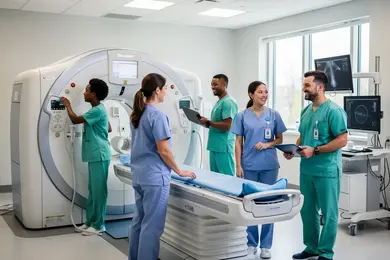
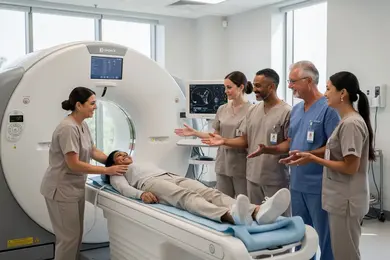
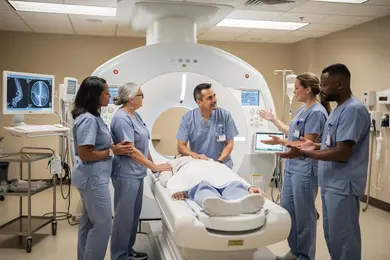
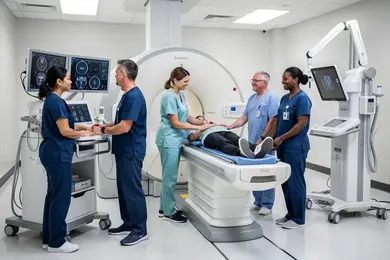
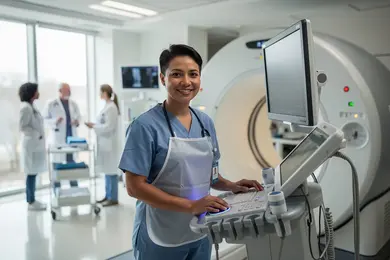
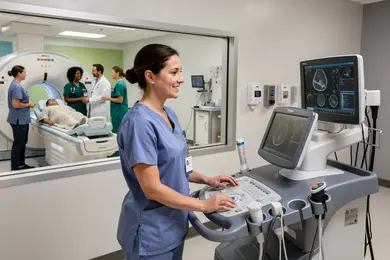
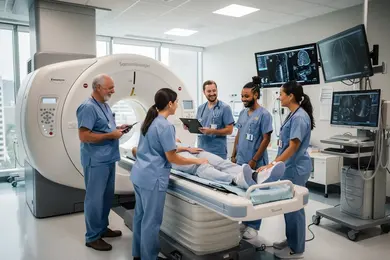
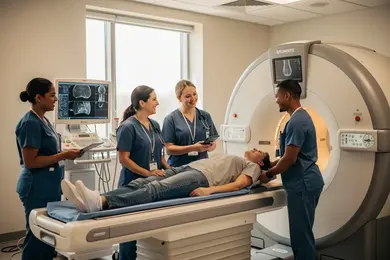
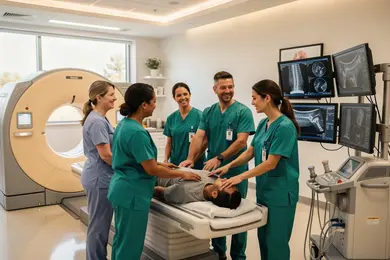
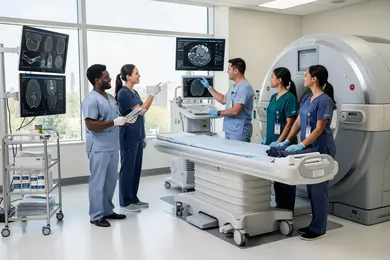
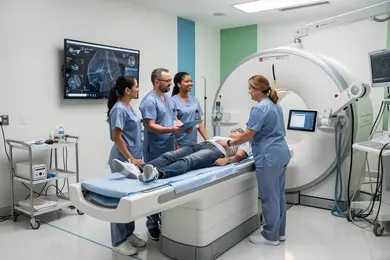
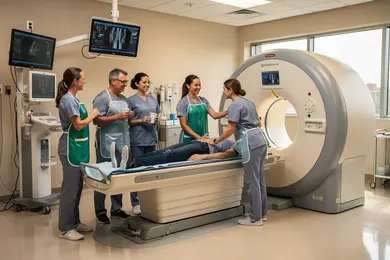
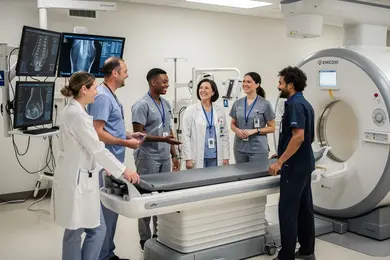
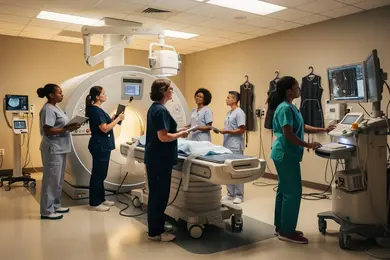
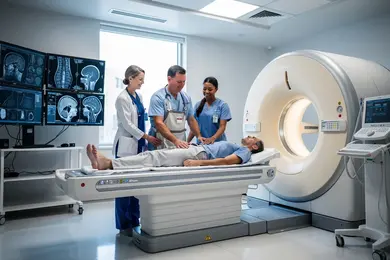
In-person clinical training within radiology technician programs involves supervised, hands-on practice conducted in approved real-world settings such as hospitals, clinics, or imaging centers. This essential component differs fundamentally from classroom instruction, simulation labs, or virtual practicums by requiring direct interaction with patients and medical imaging equipment under professional supervision. Accrediting bodies like the Joint Review Committee on Education in Radiologic Technology (JRCERT) and professional organizations such as the American Registry of Radiologic Technologists (ARRT) define this training as a mandatory requirement, ensuring students develop practical skills and maintain professional competency before entering the workforce.
The significance of this distinction is critical for students evaluating program options-some may confuse clinical hours with coursework that can be completed remotely or on flexible schedules. However, in-person clinical training demands physical presence on-site for specific hours, often mandated by law and accreditation standards. Failure to complete these supervised hours can delay graduation and prevent eligibility for licensure exams, directly affecting career progression in radiology technician fields.
This requirement also impacts students' scheduling flexibility and geographic decisions. Clinical hours usually necessitate commuting to approved sites and committing to fixed shifts, which might include early mornings or weekends. Due to accreditation and professional practice standards, virtual alternatives for these hands-on experiences are rare or nonexistent, highlighting the importance of planning accordingly for in-person clinical training requirements for radiology technician programs.
Prospective students should consider key decision points when assessing programs, including:
- Hours Required: The minimum supervised clinical clock hours mandated by licensing bodies and accrediting organizations.
- Virtual Alternatives: The scarcity or absence of online clinical components within accredited radiology technician education.
- Placement Arrangements: Whether programs assign clinical sites or require student-initiated placement and what support is offered during this process.
- Accreditation Influence: The role of bodies like JRCERT in shaping the clinical training's content, duration, and approved settings.
- Impact on Diverse Students: How working adults, geographically constrained learners, and those with family obligations manage clinical scheduling and site accessibility challenges.
Students navigating clinical placement for the first time should also be aware of professional preparation essentials such as background checks and hour documentation to ensure compliance with program and licensing standards. Those exploring related healthcare fields might compare requirements with other areas, such as medical billing and coding courses, which offer different flexibility regarding clinical training demands.
Is In-Person Clinical Training Legally or Professionally Required to Earn a Radiology Technician Degree?
In-person clinical training requirements for radiology technician programs in the United States are governed by a combination of accreditation standards and state licensing board mandates. The primary accrediting authority-the Joint Review Committee on Education in Radiologic Technology (JRCERT)-requires students to complete a set number of supervised clinical hours to ensure hands-on proficiency. These accreditation-level mandates focus on program quality and approval, while licensing boards in individual states set specific clinical hour minimums that graduates must fulfill to qualify for licensure. Compliance with both is essential: programs that do not meet JRCERT clinical standards risk losing accreditation, effectively disqualifying their graduates from licensing eligibility across most regulated jurisdictions.
States' radiology technician licensing boards may have requirements differing slightly from JRCERT standards, emphasizing the need for students to verify that their clinical hours comply with their chosen state's regulations-especially if they plan to pursue licensure or certification. While some programs may advertise virtual clinical experiences or reduced in-person requirements, these options often do not satisfy state or accreditation criteria and can jeopardize licensure prospects.
- Accreditation Requirements: JRCERT mandates specific hands-on clinical training hours under supervised conditions that cannot be completed entirely online.
- Licensing Board Rules: State boards determine minimum clinical hours for licensure eligibility-students must review their target state's regulations carefully.
- Program-Level Policies: Individual programs may impose stricter clinical requirements and typically do not allow virtual substitutions due to accreditation and licensure constraints.
- Consequences of Non-Compliance: Failure to meet clinical training thresholds risks program accreditation loss and renders graduates ineligible for licensure, making in-person clinical training mandatory.
- Student Guidance: Prospective and current students should consult three key sources for clarity:
- Published JRCERT standards detailing accreditation clinical expectations
- Their state's radiology technician licensing board clinical training regulations
- The specific program's student handbook with program-level clinical policies
- Practical Considerations: Students must plan clinical placements carefully-addressing background check requirements, accurate hour documentation, and geographic restrictions at placement sites to meet all standards.
These in-person clinical training requirements represent significant time and logistical commitments, but they are indispensable for students balancing work, family, and geographic challenges. For those comparing expenses and program structures, understanding these mandates may also influence decisions about affordability and program viability-similar in importance to considerations like healthcare administration degree cost.

How Many Hours of In-Person Clinical Training Does a Typical Radiology Technician Program Require?
Accreditation Minimums: Accredited radiology technician programs typically mandate at least 400 to 500 in-person clinical hours, establishing a foundational level of hands-on experience required for competent practice in clinical settings.
National Median Requirements: Data from NACE and program curricula reveal that the average clinical hour requirement usually ranges between 500 and 600 hours. These hours are often distributed over two semesters to balance clinical exposure and academic workload effectively.
Intensive Program Hours: Some curricula demand upwards of 700 clinical hours to offer extensive practical training and exposure to diverse cases and equipment. While this strengthens clinical readiness and certification prospects, it also requires a notable time investment.
Phased Clinical Training:
- Practicum Phase: Early clinical experiences focus on supervised observation and limited direct tasks, generally making up about one-third of clinical hours.
- Internship/Residency Phase: Later stages emphasize more autonomous patient interaction under supervision, accounting for the remaining two-thirds of hours and demanding increased flexibility.
Weekly Time Commitment: Completing 600 clinical hours across two semesters equates to roughly 15-20 hours per week in clinical settings alongside coursework and documentation-an important consideration for students managing jobs or family responsibilities.
Program Selection Trade-Offs: Programs near the minimum clinical hours may provide more flexible schedules and faster completion, whereas those with higher hour requirements generally lead to stronger clinical skills and potentially higher licensure exam success, impacting students' professional development.
A radiology technician graduate shared insights on navigating these requirements: "Balancing 18 to 20 hours weekly in clinical rotations was tougher than I expected-especially coordinating with site supervisors and maintaining accurate hour logs. The practicum felt less demanding, but once the internship phase began, the responsibilities and hands-on workload increased dramatically. It was a challenge juggling clinical time with family commitments, but the experience made me confident in my skills and boosted my readiness for certification exams."
Can Any Part of the Radiology Technician Clinical Training Requirement Be Completed Online or Virtually?
Virtual, telehealth, or simulation-based training in radiology technician clinical training programs remains a limited and carefully regulated option. During the COVID-19 pandemic, emergency provisions permitted some substitution of hands-on clinical hours with telehealth experiences or high-fidelity simulations. However, most accrediting bodies and state licensing boards rescinded these flexibilities by 2022-emphasizing the essential nature of direct patient interaction for core skills.
- Accreditation Standards: Programs accredited under national bodies require extensive in-person activities, particularly for patient assessment, equipment use, positioning, and emergency response. Limited simulation lab hours may supplement-never replace-clinical placements involving real patients.
- Simulation Labs vs. Clinical Placements: Simulation labs offer controlled environments on campus but do not typically count as full clinical hours for accreditation or licensure. True clinical placements occur in healthcare settings with supervised patient care.
- Telehealth Training: Some programs incorporate virtual case reviews, remote supervision, or administrative documentation tasks as minor components but do not allow these to fulfill the majority of clinical hour requirements.
- State Licensing Boards: States closely adhere to documented, supervised clinical hours performed in approved settings. They generally do not recognize telehealth experiences as substitutes unless explicitly permitted in state-specific rules.
- Essential In-Person Skills: Critical competencies demanding physical intervention and immediate patient evaluation remain non-negotiable for both accreditation and licensure.
- Program Variability: Students should consult their target programs and state boards carefully to clarify what portion-if any-of clinical hours can be completed virtually or through telehealth under current regulations.
- Policy Evolution: As technology advances, telehealth training policies continue to evolve, making it important for prospective students to stay updated on potential future changes affecting radiology technician clinical training online options.
Prospective students balancing competing demands may explore options like an LPN fast track program to complement their educational goals while navigating clinical hour requirements safely and effectively.
Who Is Responsible for Arranging Clinical Placements in a Radiology Technician Program - the Student or the School?
Radiology Technician programs typically use two clinical placement models that impact student experience significantly. One model involves the school managing clinical site affiliations and assigning placements directly-this streamlines logistics and frees students to concentrate on clinical preparation. The alternative requires students to identify, vet, and secure their own clinical sites, subject to program approval before clinical hours commence.
Programs with student-arranged placements demand that students begin the search several months in advance, ensuring prospective supervisors hold appropriate credentials and can provide mandated supervision hours. This self-directed approach often depends heavily on the student's professional network and local healthcare landscape-adding stress and limiting flexibility, especially for those in rural or underserved regions.
Prospective students should investigate a program's clinical placement support through key questions such as:
- Affiliation Agreements: Does the program have formal partnerships with clinical sites near where the student lives?
- Local Placement Success: What percentage of students secure placements in their preferred geographic area?
- Support Services: Are there resources or assistance for students struggling to find placements?
- Coverage of Underserved Areas: Does the clinical network effectively serve rural or smaller markets?
Choosing programs with minimal placement infrastructure-especially where student-arranged placements are required-poses serious risks. Without a confirmed clinical site, students might face delays that disrupt timely graduation and jeopardize eligibility for licensure. This threat predominantly affects those outside metropolitan centers and is a crucial factor for careful program evaluation.
A professional who established her career as a Radiology Technician shared that her program required students to secure their own clinical sites-a process she recalls as "lengthy and emotionally taxing." While her school offered guidance, much of the legwork depended on her outreach and persistence, including repeated calls to potential supervisors to verify credentials and supervision availability. She explained, "It felt like balancing a part-time job before even starting clinical hours." However, this challenge also "built resilience and networking skills," proving invaluable once she entered the workforce. Her experience underscores the importance of understanding placement responsibilities before enrollment.
How Do Accreditation Standards Shape the In-Person Clinical Training Requirements of Radiology Technician Programs?
Accreditation bodies like the Joint Review Committee on Education in Radiologic Technology (JRCERT) set strict rules for in-person clinical training in radiology technician programs, prescribing both quantitative and qualitative criteria.
Minimum Clock Hours: Students typically must complete over 1,200 supervised clinical hours to guarantee substantial practical experience with imaging technology and patient care.
Supervisor Credentials: Clinical training requires oversight by licensed radiologic technologists with significant experience, ensuring knowledgeable supervision and mentorship during hands-on learning.
Supervision Ratios: Accreditation limits student-to-supervisor ratios-commonly to no more than 3:1-to maintain instructional quality and safeguard patient well-being throughout clinical rotations.
Clinical Settings and Populations: Students must train in diverse healthcare environments such as hospitals, outpatient centers, and specialty clinics, encountering varied patient groups and diagnostic procedures that reflect real-world practice.
Enforcement and Consequences: Noncompliance with these standards risks program accreditation loss, which disqualifies graduates from national certification exams and state licensure-making adherence essential for professional eligibility rather than a mere administrative step.
Accreditation Types: Regional institutional accreditation covers the whole school but does not guarantee that a radiology technician program meets specialized accreditation requirements, which are critical for licensure and certification.
Verification Resources: Prospective and current students should confirm accreditation status by consulting the accrediting body's online directories, requesting the program's latest self-study or site visit reports, and checking state licensing board acceptance to ensure clinical training compliance.
What Types of Clinical Settings Are Accepted for Radiology Technician Clinical Training Hours?
Clinical training hours for radiology technician programs must be completed in settings approved by accrediting bodies such as the Joint Review Committee on Education in Radiologic Technology (JRCERT) and guided by professional organizations like the American Registry of Radiologic Technologists (ARRT). These standards outline a variety of acceptable clinical environments where students gain supervised, hands-on radiologic experience.
- Healthcare Systems: Large hospitals, outpatient imaging centers, and specialized clinics within integrated networks are common clinical sites due to their diverse equipment and patient populations.
- Community Mental Health Centers: Some programs accept clinical hours here if radiologic services are available and supervision meets accreditation criteria.
- Schools and Educational Institutions: Programs offering on-site imaging services for students or community members may qualify these settings.
- Private Practices: Small radiology offices and private imaging centers often serve as accessible clinical sites, especially in rural areas.
- Government Agencies: Facilities like veterans' hospitals and public health departments with radiology capabilities satisfy accreditation requirements.
- Nonprofit Organizations: Clinics operated by nonprofits providing diagnostic imaging can be approved, particularly where underserved populations are served.
To qualify as approved clinical sites, settings must provide supervised radiologic procedures consistent with program curriculum and accreditation standards. Supervision must be by credentialed professionals-typically licensed radiologic technologists certified by the ARRT or equivalent-ensuring adequate supervision contact hours. The setting type influences which professionals are available to fulfill this role and the quality of clinical training.
Programs allowing diverse approved clinical settings offer students greater flexibility to find placements within their geographic and personal constraints. Conversely, restrictions to specific settings or patient populations may limit options, especially in smaller markets, affecting timely completion of clinical hours.
Prospective and current students should prioritize clinical sites aligned with their career goals and location realities. Reviewing program-approved site lists, recent graduate placement data, and consulting with clinical coordinators provides insights into commonly used settings-helpful for strategic placement planning and successful clinical training completion.
How Does In-Person Clinical Training in a Radiology Technician Program Affect Students Who Work Full-Time?
Scheduling in-person clinical training around full-time work presents significant challenges for radiology technician students, as shown by NACE First-Destination Survey data and research on adult learner program completion rates. Most clinical sites operate during weekday business hours and do not offer evening or weekend shifts-times that working students often rely on-resulting in conflicts that many underestimate before enrollment. Employer leave policies rarely accommodate the continuous weekly commitment clinical training requires, forcing students to struggle with balancing job duties and placements.
Practitioner accounts highlight that students frequently face coordination difficulties when clinical programs assume availability only for traditional daytime hours. This misalignment can lead to withdrawal or delayed completion for many working students. Some radiology technician programs, however, recognize these challenges and provide accommodations to ease clinical hour completion while working.
- Flexible Scheduling: Programs extend timelines, spreading clinical hours across multiple semesters to ease weekly demands.
- Alternative Placement Options: Partnerships with clinical sites offering evening or weekend shifts help resolve availability conflicts.
- Employer-Partnered Placements: Students employed in relevant settings may complete hours at their workplaces, simplifying scheduling and reducing travel.
- Leave Policies: Formal leave-of-absence options allow temporary pauses during especially intensive clinical phases.
Prospective students must ask these questions before enrolling to manage clinical training hours with full-time work effectively in radiology technician programs:
- Employment Demographics: What percentage of enrolled students work full-time during clinical training?
- Scheduling Accommodations: Does the program provide evening or weekend clinical placements within the student's geographic area?
- Program Flexibility: Are timeline extensions or adjusted scheduling options available to balance work and clinical commitments?
Addressing these logistics upfront helps prevent unexpected barriers and supports smoother progress toward certification and licensure.
For those evaluating program options, including related healthcare degrees, resources such as the best online nutrition degree listings offer insight into flexible learning paths that may complement clinical training demands.
Do Hybrid or Online Radiology Technician Programs Still Require In-Person Clinical Training?
Hybrid and online radiology technician programs do still require in-person clinical training as a fundamental part of their curriculum. Accreditation bodies such as the Joint Review Committee on Education in Radiologic Technology (JRCERT) and state licensing boards mandate students must demonstrate core competencies through supervised clinical experiences-requirements that cannot be fulfilled by online coursework or virtual simulations alone. This ensures students gain real-world skills in patient positioning, equipment operation, and safety protocols that remote learning platforms cannot replicate.
Despite the flexibility remote didactic learning offers, the hands-on nature of radiologic technology means clinical training must be completed at approved healthcare facilities close to the student's home. Most online radiology technician clinical training mandates that students carry out their clinical hours under the supervision of locally credentialed professionals, with coordination support from the program's clinical placement office. This distributed clinical model provides geographic flexibility-students can fulfill clinical requirements without relocating-but it also introduces risks like variability in site quality and supervisor expertise.
- Accreditation Standards: Accrediting organizations require a set minimum of clinical hours and demonstrated competencies in live, supervised settings to ensure graduates are prepared for licensure exams and professional practice.
- Delivery Modality: Didactic coursework is delivered online or in a hybrid format, while clinical training remains strictly in-person and locally arranged.
- Clinical Site Coordination: Programs establish formal partnerships with healthcare facilities across various regions to accommodate students' geographic needs.
- Advantages: Geographic flexibility allows students living far from campuses to complete clinical hours locally.
- Risks: Inconsistencies in the quality of clinical sites and supervisor credentialing can affect the training experience and internship outcomes.
- Student Considerations: Prospective students should inquire about formal clinical partnerships in their area, how site and supervisor vetting is conducted, support for clinical scheduling and documentation, and documented placement success rates beyond the program's home location.
Students evaluating programs should also consider how clinical training affects eligibility for post-graduation licensure and certification-since incomplete or poorly supervised clinical hours may delay or prevent qualification. Additionally, those comparing pathways to advance in healthcare may explore various degree bridges, including ADN to MSN NP programs, which highlight the importance of meeting clinical requirements at every educational level to maintain licensure compliance and professional readiness.
How Far in Advance Do Radiology Technician Students Typically Need to Secure Their Clinical Placement Sites?
Students preparing for clinical placements in Radiology Technician programs must begin the process several months before their clinical training semester commences-often 4 to 6 months in advance-to meet all necessary requirements. A comprehensive approach involves completing multiple overlapping steps well ahead of time to avoid delays and complications.
- Site Identification: Early research is vital to find clinical sites that align with program criteria and personal location preferences.
- Application and Interviews: After selecting potential sites, students submit applications and attend interviews with clinical supervisors, a process that can extend over several weeks depending on site schedules.
- Supervisor Agreements: Formal approval and agreements from site supervisors must be secured before placement is finalized, often involving negotiation and follow-ups.
- Background Checks and Health Screenings: Mandatory clearances, including vaccination verification, require 2 to 4 weeks for processing and must be completed before clinical hours can begin.
- Professional Liability Insurance and Program Approval: Liability coverage must be obtained, and official program authorization granted, adding administrative steps that consume additional time.
Delaying these preparations commonly leads to lost opportunities at preferred clinical sites due to capacity limits, slower-than-expected background check results, and bureaucratic holdups in program approvals. Such setbacks risk semester deferrals, extended completion timelines, and extra tuition fees. Students benefit from planning backward from their clinical start date-mapping out realistic timeframes for each essential milestone-which ensures timely readiness, reduces disruptions, and supports successful progression through clinical training.
What Background Check, Health, and Liability Requirements Must Radiology Technician Students Meet Before Starting Clinical Training?
Background Checks: These safeguard patient welfare by screening criminal history for offenses that could jeopardize safety. Checks typically review national and state records and may require fingerprinting, taking two to eight weeks to complete.
Health Clearances and Immunizations: Compliance with healthcare infection control policies necessitates verification of immunizations such as MMR, varicella, hepatitis B, and tuberculosis screening. Additional requirements like seasonal flu shots or N95 respirator fit testing may apply. Obtaining medical records or additional vaccinations can lengthen preparations and incur extra costs.
Professional Liability Insurance: Malpractice coverage protects both students and clinical sites from litigation arising from clinical errors. Students must secure insurance from approved carriers offering policies tailored for student eligibility before beginning placements.
HIPAA Training: Before accessing protected health data, students must complete mandatory training on patient confidentiality laws to ensure full compliance with privacy regulations.
Site-Specific Requirements: Clinical facilities may impose further clearances-including drug screening, child abuse background checks, fingerprinting, or specialized orientations-leading to longer lead times and additional expenses beyond program standards.
Because requirements fluctuate depending on clinical site type-hospital, outpatient center, or school setting-students should proactively consult assigned locations for detailed, site-specific checklists. Initiating these steps early prevents delays, ensures the fulfillment of prerequisites, and supports timely clinical placement.
What Graduates Say About the Radiology Technician Programs That Require In-Person Clinical Training
- Valentino: "Completing the radiology technician program truly opened my eyes to the strict accreditation mandates that govern clinical training-it's reassuring to know these standards protect both students and future patients. The required clock hours felt intense at first but ultimately made me confident in my skills. What really surprised me was how crucial these hours are for state licensure and certification eligibility-without them, you simply can't advance professionally."
- Zev: "Reflecting on my time in the radiology technician program, I found that placement logistics were more complex than I expected, especially coordinating between the school and clinical sites. Geographic constraints posed a real challenge since I had to commute significantly to fulfill my clinical hours, which sometimes tested my patience. Still, that hands-on experience was indispensable; it was the key to meeting both practical requirements and passing the certification exams."
- Grayson: "From a professional standpoint, the in-person clinical training in the radiology technician program laid the foundation for competent practice and licensure-the clock hour requirements demanded discipline and time management. Navigating the geographic constraints meant I had to be flexible with locations, but that also broadened my exposure to varied clinical environments. Ultimately, these factors combined to make the transition from student to certified technician seamless and credible."
Other Things You Should Know About Radiology Technician Degrees
In 2027, students should consider program affiliations with reputable hospitals or diagnostic centers, proximity and ease of commuting to training sites, and opportunities for diverse clinical experiences in various imaging modalities when location affects clinical training availability and quality.
Most accredited radiology technician programs and certifying bodies require completion of in-person clinical hours to ensure hands-on proficiency. Alternatives or waivers are rarely granted, except in extraordinary circumstances such as documented medical emergencies or pandemics. Some programs may offer limited virtual simulations or supplementary training, but these do not replace the mandatory live patient contact hours necessary for licensure eligibility. Students unable to complete clinical hours typically must retake them to qualify for certification exams.
Successful completion of the in-person clinical training component is a critical prerequisite for licensure and certification as a radiology technician. Accreditation organizations and state licensing boards mandate documented clinical hours as proof of competency. Failure to complete these requirements can delay or prevent eligibility to sit for certification exams such as those administered by the American Registry of Radiologic Technologists (ARRT). Therefore, clinical training is not only educational-it is a formal credentialing requirement.
Prospective students should verify that the program has formal agreements with accredited healthcare facilities offering robust clinical rotations. Key factors include the number and variety of clinical sites, supervision quality, and clear scheduling policies. It is also important to confirm the program's accreditation status and alumni success rates in fulfilling clinical hours and obtaining certification. Asking about support services-such as assistance with background checks, documentation of hours, and transportation logistics-helps students prepare for the practical realities of the clinical training component.
References
- Radiology Training Programs https://www.radiologytrainingprograms.com/radiology-training-what-to-expect.html
- Most Common Clinical Settings For Radiologic Technologists | Incredible Health https://www.incrediblehealth.com/tech/which-clinical-setting-is-right-for-you-as-a-radiologic-technologist/
- Are students responsible for finding their own clinical placements? https://support.axoneducation.com/portal/en/kb/articles/are-students-responsible-for-finding-their-own-clinical-placements-25-9-2024
- Światowa Organizacja Zdrowia – Wikipedia, wolna encyklopedia https://pl.wikipedia.org/wiki/%C5%9Awiatowa_Organizacja_Zdrowia
- Światowa Organizacja Zdrowia (WHO) - Ministerstwo Zdrowia - Portal Gov.pl https://www.gov.pl/web/zdrowie/swiatowa-organizacja-zdrowia-who-
- What to Look for in a Radiologic Technology Program | NWHSU https://www.nwhealth.edu/blog/what-to-look-for-in-a-radiologic-technology-program/
- Exploring Radiology Technology Schools: What to Expect https://www.lemon8-app.com/@acoupleofradtechs/7451942760598340138
- Rad Tech Background & Drug Screen Requirements | MCC https://www.mclennan.edu/health-professions/radiologic-technology/admission-process/background.html
- Searching for a Clinical Site? https://www.asrt.org/main/career-center/clinical-site-search
- World Health Organization - Wikipedia https://en.wikipedia.org/wiki/World_Health_Organization