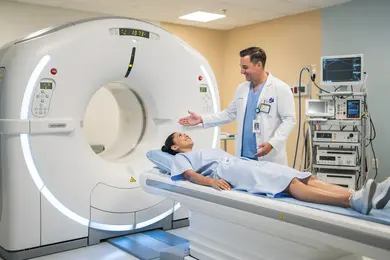
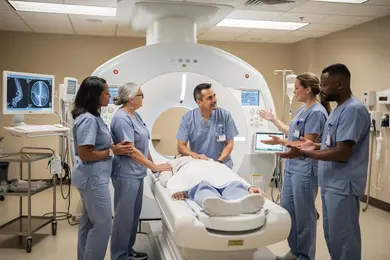
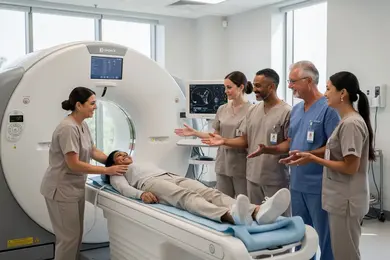
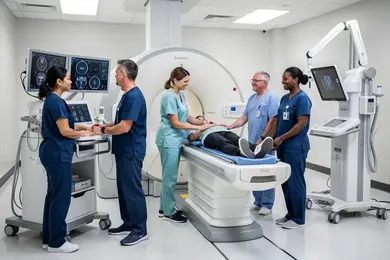
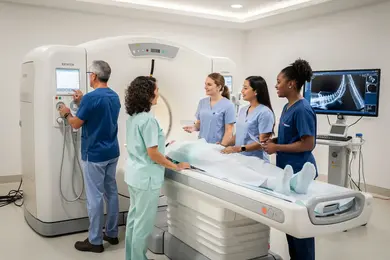
2027 Radiology Technician Degree Completion Programs for Working Adults

Co-Founder and Chief Data Scientist
Working adults pursuing a radiology technician degree completion face challenges balancing employment, family, and education. Programs designed for such students offer flexible scheduling, robust credit transfer policies, and accreditation from recognized bodies-key factors that distinguish them from generic undergraduate programs.
With a median annual salary of $61,000 nationally and licensure required in most states, selecting a quality program directly impacts career advancement and ROI. Understanding how cost, accreditation, and credit recognition intersect with personal obligations helps prospective students avoid costly delays. This article explores these factors in depth-guiding readers to choose radiology technician degree completion programs that align with their goals and circumstances.
Key Things to Know About Radiology Technician Degree Completion Programs for Working Adults
- Maximize credit for prior learning by submitting ACE transcripts and portfolios-many programs grant up to 50% credit for military or healthcare experience, reducing time and cost to degree completion.
- Choose programs with JRCERT accreditation and employer partnerships, ensuring licensure eligibility and alignment with industry standards critical for career advancement in radiology technician roles.
- Access financial aid through employer tuition reimbursement, veterans' benefits, and federal aid-working adults should prioritize programs offering flexible payment plans and scholarships targeting healthcare students.
What Are Radiology Technician Degree Completion Programs, and Who Are They Designed For?
Degree completion programs for radiology technicians are designed to help students with prior college credits-often from associate degrees or technical training-finish their bachelor's degree focused on radiologic technology. These accelerated programs differ from traditional four-year or graduate programs by emphasizing flexible scheduling and credit-for-prior-learning policies, making them ideal for working adults.
Many recognize military training and professional certifications, shortening the path to degree completion while allowing students to balance work and family responsibilities. This approach reflects the growing demand for flexible radiology technician degree completion options.
- Structural Features: Programs provide accelerated coursework through online or evening classes and implement credit transfer policies endorsed by organizations like the American Association of State Colleges and Universities (AASCU), supporting efficient degree progress for adult learners.
- Target Audiences: These programs primarily serve adults who paused their education without earning a degree; military veterans with ACE-credited training; mid-career radiology technicians pursuing credential-gated promotions; and career changers entering the healthcare field requiring recognized qualifications.
- Accreditation and Quality: High-quality completion programs meet licensure and certification standards respected by employers, ensuring graduates qualify for roles requiring bachelor's credentials. The National Student Clearinghouse and Lumina Foundation emphasize the legitimacy and expansion of these pathways.
- Financial and Career Considerations: Designed to optimize access to financial aid suitable for working adults, these programs focus on career advancement outcomes such as salary increases and professional mobility.
Prospective students should evaluate how programs credit prior learning and maintain accreditation recognized by radiology professional organizations to align with employer expectations. Careful consideration ensures that the chosen degree completion option effectively supports long-term career aspirations while accommodating life's demands.
Adults interested in nursing pathways will find comparable flexibility in MSN to DNP online programs, which similarly balance academic rigor and pragmatic scheduling.
Radiology technician degree completion programs for working adults represent a critical educational route for those seeking flexible, credible, and career-focused options within the healthcare sector.
How Do Radiology Technician Degree Completion Programs Differ From Traditional On-Campus Degree Programs?
Radiology technician degree completion programs for working adults offer structural features that differ markedly from traditional campus-based programs, catering especially to those balancing employment and family commitments. These programs include:
- Scheduling Formats: Flexible options like evening, weekend, online, and hybrid classes dominate, contrasting with traditional programs' daytime, weekday campus attendance. Most completion programs allow asynchronous coursework, enabling students to study around their schedules.
- Pacing Options: Accelerated cohorts and self-paced enrollment permit learners to adjust their progression rate, while traditional programs generally enforce a rigid semester structure with full-time enrollment.
- Residency Requirements: Completion programs often minimize or remove on-campus credit hour mandates, allowing substantial remote study, unlike the residency-heavy demands of many traditional degrees.
- Start Dates and Advising: Multiple or rolling start dates throughout the year enhance accessibility. Streamlined advising tailored for transfer students and returning adults improves degree navigation compared to the standard academic calendar and freshman-focused advising of traditional programs.
- Credit Transfer Flexibility: Recognizing prior learning-from military training to professional certifications-completion programs enable significant credit transfer, cutting time and cost. Traditional models are generally less accommodating in this regard.
National Center for Education Statistics (NCES) and IPEDS data highlight that degree completion enrollments-especially among adults 25 and older-have grown robustly, reflecting rising demand for flexible postsecondary pathways. Although these programs confer the same Bachelor of Science or Bachelor of Arts in Radiology Technician, their design reduces disruption to ongoing work and family life.
High-quality radiology technician degree completion programs emphasize accreditation to ensure credentials meet employer and licensure standards. Financial aid options frequently include targeted scholarships and payment plans suitable for working adults.
Prospective students should focus on maximizing credit for prior learning, choosing programs recognized by employers and licensing boards, and accessing financial aid effectively.
Those considering radiology technician online completion options must weigh these factors carefully against traditional campus models to find a pathway aligned with their career goals and life circumstances. Some may also explore further education opportunities-such as a master in health administration-to support long-term advancement in healthcare.

What Prior Credits and Experiences Count Toward a Radiology Technician Degree Completion Program?
Most radiology technician degree completion programs accept credits from regionally accredited colleges, provided the courses match the program's curriculum and meet grade requirements. Students should confirm alignment before applying.
- Military Training Credits: Credits reviewed and recommended by the American Council on Education (ACE) are widely honored, especially for veterans, shortening program duration by converting military experience into academic credit.
- Professional Certifications: Credentials like those from the American Registry of Radiologic Technologists (ARRT) can grant advanced standing or credit, particularly when linked to clinical skills relevant to the degree.
- Prior Learning Assessment (PLA): Many institutions evaluate workplace learning and professional experience submitted through portfolios. Upon approval, these contribute valuable credits toward degree requirements.
- Credit-by-Examination: Standardized exams such as CLEP and DSST are often accepted for foundational subjects, enabling students to bypass introductory classes and accelerate progress.
Policies for credit acceptance differ significantly depending on the school and accreditation status of the course origin. Regionally accredited institutions generally uphold strict standards, yet some schools may cap or deny transfer credits without transparent rationale-potentially increasing time and cost.
Prospective students should request official transcripts and seek a pre-enrollment credit evaluation to understand how much prior learning applies.
Research by the Council for Adult and Experiential Learning (CAEL) indicates that validating prior learning can cut degree completion time by as much as half, greatly reducing tuition expenses for working adults balancing career and personal commitments.
Applicants should avoid programs that overlook ACE-recommended military credits or enforce arbitrary transfer credit limits. The American Association of Collegiate Registrars and Admissions Officers (AACRAO) guidelines serve as a crucial reference for fair, transparent transfer policies that honor prior education and experience.
One professional who graduated from a radiology technician degree program recalls the challenge of coordinating military training evaluations and submitting detailed PLA documentation.
He shared, "Navigating the credit assessment process was initially overwhelming, but receiving clear credit for my certifications and experience gave me the motivation to stay on track. The upfront work paid off by allowing me to finish faster than I expected and enter the workforce equipped with recognized credentials."
What Is the Minimum GPA Requirement for Radiology Technician Degree Completion Programs?
Most radiology technician degree completion programs require a minimum cumulative GPA-typically between 2.0 and 2.5 on a 4.0 scale-to demonstrate satisfactory academic standing for upper-division coursework. This baseline ensures readiness for advanced study.
- Conditional Admission: Some schools offer conditional acceptance for applicants below the minimum GPA. These students often participate in academic support plans featuring tutoring, modified course loads, or developmental classes, allowing working adults to enhance their skills while advancing toward their degree.
- Professional Experience: Institutions serving adult learners may waive strict GPA rules for candidates with substantial documented work experience, certifications, or military training that aligns with ACE credit recommendations-providing an alternate pathway for those with strong career backgrounds.
- Holistic Review: GPA is seldom the sole admission factor. Programs-many accredited by regional bodies like the Higher Learning Commission-consider multiple elements, including professional tenure, letters of recommendation, and personal statements. This comprehensive evaluation assesses a candidate's overall readiness beyond transcripts.
- Academic Forgiveness: Returning adults with previously low GPAs might benefit from fresh-start policies, which reset or exclude prior academic performance after a period of non-enrollment, reducing barriers to re-entry.
- Pre-Admission Evaluation: Prospective students should request formal academic reviews from programs to confirm how prior coursework, experience, and credentials align with admission standards-avoiding surprises during application and optimizing effort invested.
20 careers in biology salary data illustrates the potential advancement a radiology technician degree completion program can unlock for mid-career professionals seeking credential-gated promotions.
How Are Radiology Technician Degree Completion Programs Structured Around Full-Time Work Schedules?
Radiology technician degree completion programs often offer flexible scheduling designed for students working 40 or more hours weekly-options include evening cohorts, weekend intensives, fully asynchronous online courses, and hybrid formats combining online and in-person learning. These structures aim to balance academic progress with professional and personal commitments.
Typically, programs recommend a credit load of 6 to 9 credits per term for full-time working students, allowing steady advancement without overwhelming workloads.
Many programs utilize a cohort learning model, where students progress through courses as a set group, fostering accountability and peer support. This model also provides predictable schedules, enabling students to plan months ahead around work shifts and family obligations.
Data from the National Student Clearinghouse Research Center shows that students engaged in cohort-based radiology technician completion programs have higher persistence and graduation rates compared to those taking traditional self-paced courses-highlighting the benefits of structured learning environments tailored to adult learners.
- Cancellation Policies: Clarify how programs manage low enrollment or course cancellations to avoid unexpected delays.
- Make-Up Provisions: Confirm availability of flexible options for missed classes caused by work conflicts to maintain progress.
- Student Success Support: Check if a dedicated advisor assists with scheduling challenges and academic planning to prevent falling behind.
When reflecting on how these programs accommodate full-time work, a professional who advanced his career after graduating from a radiology technician degree shared that juggling night shifts and coursework was initially stressful.
However, the predictable cohort schedule allowed him to communicate clearly with his employer and family. Having access to a student advisor who promptly offered makeup options for occasional missed sessions made a difference-he described the experience as 'challenging but manageable,' appreciating the structured support that kept him motivated and on track through unpredictable work demands.
Is Online or Hybrid Delivery Available for Radiology Technician Degree Completion Programs?
As of 2023, data from the NCES Integrated Postsecondary Education Data System indicates that 55% of adult learners in healthcare-related degree completion programs enroll fully online, with 30% choosing hybrid formats combining digital coursework and occasional in-person sessions.
The Online Learning Consortium confirms ongoing growth in institutions offering tailored synchronous and asynchronous delivery options for working adults.
Key delivery formats include:
- Synchronous Sessions: Live video classes facilitate real-time interaction with instructors and peers, providing structure ideal for learners seeking scheduled engagement. However, this can challenge those with variable work hours or caregiving commitments.
- Asynchronous Lectures: Recorded materials allow flexible access anytime, suiting self-motivated students who can manage time independently amid professional responsibilities.
- Hybrid Models: These programs blend online learning with compulsory on-site or clinical components, benefiting students who live nearby and require in-person skill development aligned with licensure standards.
Prospective students should assess programs by considering:
- Faculty Credentials: Instructors must hold relevant certifications and clinical expertise in Radiology Technician skills.
- Student-to-Faculty Ratios: Smaller online class sizes enhance personalized instruction and engagement.
- Virtual Academic Support: Availability of remote tutoring, advising, and technical assistance is critical.
- Accreditation: Ensure online offerings share the same institutional accreditation as campus programs to guarantee quality and credit transferability.
The COVID-19 pandemic significantly accelerated online program development-including Radiology Technician completion degrees-enabling institutions to better serve adult learners.
When exploring options, students should ask enrollment advisors about the proportion of online versus in-person content, how clinical skills are taught, and the support services provided to accommodate working professionals and varied learning preferences.
How Long Does It Take to Complete a Radiology Technician Degree Completion Program?
Completion times for radiology technician degree completion programs vary significantly based on prior credits, enrollment status, and program design. Students entering with approximately 60 prior credits-often transferred from an associate degree or equivalent coursework-usually take around two years to finish.
Those with 90 credits or more-close to a bachelor's degree threshold-can complete within 12 to 18 months if enrolled full-time with steady progress.
Credit awarded through prior learning assessments (PLA) or military training credits further shorten completion, but progress depends on program policies and mandatory clinical internships or capstone projects requiring fixed durations.
- Credit Transfer and PLA: Maximizing credit for prior coursework or training reduces remaining requirements and total time to graduate.
- Enrollment Intensity: Full-time or accelerated formats speed up completion, though accelerated schedules may increase workload and stress.
- Clinical Requirements: Internships or practicum components usually have set hour requirements scheduled over weeks or months, limiting acceleration possibilities.
- Financial Impact: Faster completion lowers overall tuition costs, reduces lost income during study, and enables earlier entry into the post-degree salary bracket-key factors for working adults managing budgets and career goals.
- Program Accountability: Students should request documented average time-to-degree data for their credit profile rather than relying on marketing minimums that apply only under ideal conditions.
Careful evaluation of these factors helps adult learners make informed decisions about selecting accredited, employer-recognized programs that align with their professional aspirations and life obligations while accessing financial aid and maximizing prior learning credit.
What Accreditation Should a Radiology Technician Degree Completion Program Hold?
Regional accreditation is the most respected form of institutional accreditation for degree completion programs in Radiology Technician fields, awarded by agencies like the Higher Learning Commission (HLC), the Middle States Commission on Higher Education, and the Southern Association of Colleges and Schools Commission on Colleges (SACSCOC).
Employers, graduate schools, and federal financial aid programs typically require institutions to hold regional accreditation.
This status also ensures higher academic standards and better credit transferability-an essential factor for working adults, veterans with ACE-credited training, and mid-career professionals seeking promotions who rely on prior learning or military training to advance in regionally accredited radiology technician programs for working adults.
- National Accreditation: Typically granted by organizations such as the Distance Education Accrediting Commission (DEAC), national accreditation carries less prestige and may hinder students' ability to transfer credits to regionally accredited institutions. Programs with only national accreditation might face skepticism from employers and licensing boards, which can affect employment and licensure eligibility.
- Programmatic Accreditation: Beyond institutional accreditation, programmatic accreditation signals that a specific program meets industry standards. Radiology Technician completions often seek JRCERT accreditation, while some technology-focused programs pursue ABET recognition. Such accreditations influence licensing, hiring outcomes, and graduate admissions, adding value to the credential earned.
- Accreditation Risks: Prospective students should be cautious about programs with only national accreditation or connections to unrecognized accreditors. Such credentials may not qualify for financial aid and might be rejected by employers or licensing authorities-leading to wasted effort and expense.
- Verification Tools: Always confirm accreditation independently through the U.S. Department of Education's Database of Accredited Postsecondary Institutions and Programs (DAPIP) rather than relying on an institution's promotional literature.
For those comparing options, consider how a regionally accredited Radiology Technician degree completion program accreditation standard affects career possibilities and financial aid access. For further guidance on flexible adult degree pathways, additional fields such as exercise science online degree programs may share similar accreditation and credit transfer considerations.
How Much Do Radiology Technician Degree Completion Programs Cost, and What Financial Aid Is Available?
Radiology technician degree completion program tuition typically charges per-credit-hour rates that vary by institution type. Public regional universities tend to offer the most affordable rates-from $250 to $400 per credit hour for in-state students-while private nonprofit institutions usually range between $400 and $700. For-profit schools show broader variation, charging between $300 and $600 per credit hour.
Beyond tuition, mandatory fees for technology access, course materials, and clinical residencies or intensives can add several hundred dollars per term, contributing to overall expenses. Evaluating radiology technician degree completion program tuition costs requires careful consideration of these additional fees to understand the full cost of attendance.
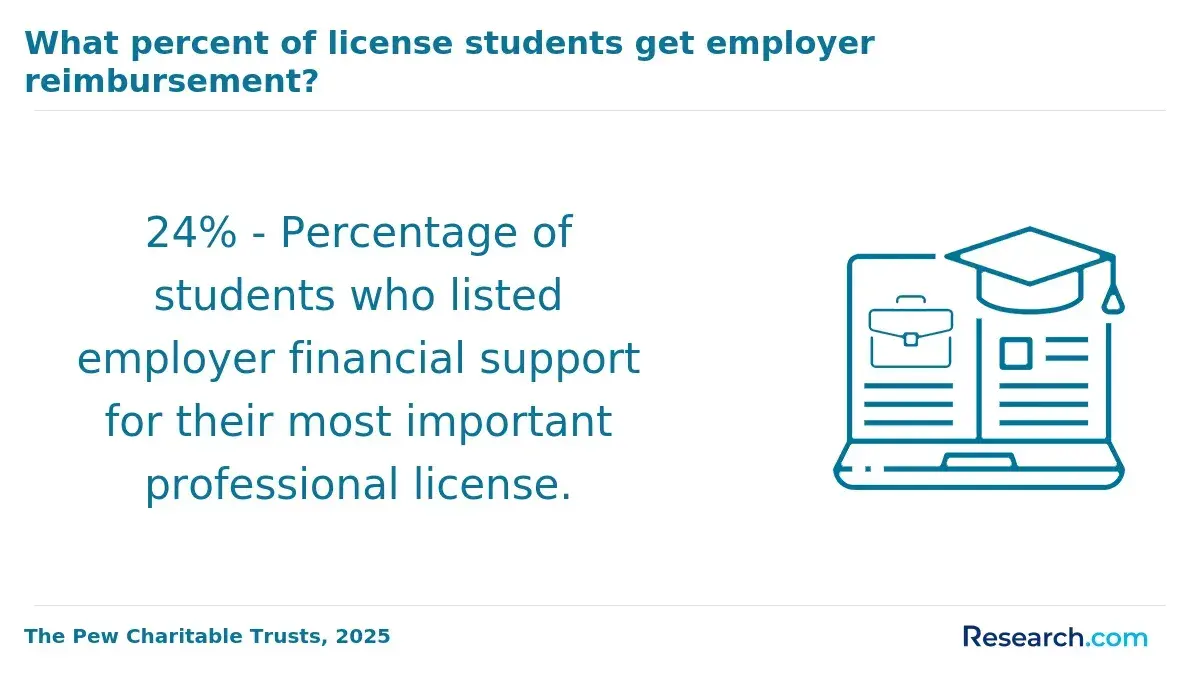
Working adults in radiology technician programs can access various financial aid options. Pell Grants cater to part-time adult learners demonstrating financial need. Employer tuition reimbursement programs often cover part or all of course costs, substantially reducing out-of-pocket payments.
Military-affiliated students may qualify for GI Bill benefits or the MyCAA program, which provides educational funding for service members and spouses. Many schools offer scholarships targeted at non-traditional adult students. Navigating the FAFSA as an independent adult filer is critical to securing these aids and maximizing affordability.
Adults paying out-of-pocket tuition may benefit from tax credits like the Lifetime Learning Credit, which can reduce federal taxes owed. Employer-provided educational assistance-excluded from taxable income under IRS Section 127-offers an additional tax benefit by allowing up to a set annual limit in tax-free tuition contributions.
Consulting a tax professional helps determine eligibility based on income and filing status.
When comparing radiology technician degree completion program tuition costs, working adults should look beyond sticker prices. Maximizing credit transfer savings-especially for veterans with ACE credits-and factoring in employer reimbursement eligibility can significantly lower net tuition.
Ranking programs by net cost after aid and residual expenses offers a clearer picture of real affordability. This kind of thorough cost comparison enables students to identify programs that combine quality with value despite possibly higher published tuition.
Understanding this also informs decisions aligned with long-term career outcomes, including potential earnings like those reflected in the mental health nurse practitioner salary landscape for related healthcare paths.
What Career Outcomes Can Working Adults Expect After Completing a Radiology Technician Degree?
Completing a radiology technician bachelor's degree while working often leads to significant career growth-building on prior professional experience to ease transitions into supervisory or specialized roles such as lead radiologic technologist or imaging coordinator.
Data from federal labor statistics and institutional alumni surveys consistently show these graduates earn 15% to 25% more than those with some college but no degree.
- Promotion Eligibility: Degree graduates are more frequently considered for advanced positions that require formal credentials, including leadership and management roles within healthcare settings.
- Credential-Gated Roles: Many well-paid jobs in diagnostic imaging and departmental management mandate a bachelor's degree or specific licensure-completing such programs opens access to these opportunities.
- Salary Advantages: Median wages for degree holders in radiology technology surpass those of individuals without a completed credential, reflecting the value employers place on official qualifications combined with work experience.
- Experienced Professional Leverage: Unlike traditional graduates, working adults who earn their degree already possess relevant skills and industry insight-enabling immediate targeting of senior roles after program completion rather than starting at entry level.
- Licensure and Advanced Study: Prospective students aiming for licensed positions, administrative promotions, or graduate education should verify their program's accreditation and ensure it meets all required credentialing standards before enrolling.
Prospective radiology technicians should carefully evaluate program features-such as transfer credit policies for prior learning, recognized accreditation, flexible scheduling, and financial aid options-to select a degree completion pathway aligned with their career ambitions, personal obligations, and financial situation. Choosing a program that balances these factors maximizes the likelihood of timely graduation and career success.
How Do Employers View a Radiology Technician Degree Completed Through a Completion Program?
Employers place the greatest emphasis on the accreditation status and recognized legitimacy of the institution granting the radiology technician degree-rather than the route taken to earn it or the amount of credit gained through prior learning assessments (PLA).
Research from the Society for Human Resource Management and the National Association of Colleges and Employers supports the view that hiring managers prioritize well-accredited credentials over enrollment methods.
- Accreditation: Degrees from accredited schools-especially those approved by relevant radiologic or healthcare agencies-hold equal value regardless of whether earned via traditional or completion programs.
- Diploma Consistency: Diplomas awarded to completion program graduates typically mirror those of traditional students, eliminating any visible distinctions on resumes or applications.
- Resume Strategy: Job applicants should list their degree plainly without highlighting its completion program origin but can mention the program's accelerated or flexible format during interviews to demonstrate initiative and adaptability.
- Employer Variances: Certain employers-such as federal agencies governed by Office of Personnel Management rules or licensing boards overseeing technologists-may carefully scrutinize how the degree was obtained.
- Credential Verification: Professionals aiming for regulated careers should confirm with licensing authorities or human resources that completion program degrees meet required standards before enrolling.
- Private Sector Priorities: Work experience, proven skills, and strong references often outweigh concerns about degree format in private-sector hiring, positioning completion degrees as valuable for career progression or entry.
What Graduates Say About Radiology Technician Degree Completion Programs for Working Adults
- Valentino: "Completing the radiology technician degree online while working full-time was a game changer for me-flexible scheduling formats meant I could attend classes without quitting my job. What stood out was the program's strong accreditation, which gave me confidence that my credential would be respected by employers nationwide. The credit transfer policies were also remarkably straightforward, enabling me to build on previous coursework seamlessly. This pathway truly balanced my career goals with life's demands."
- Zev: "Reflecting on my journey, I appreciate how the cost considerations of my radiology technician degree program made it accessible without sacrificing quality. It was reassuring to know the program met rigorous accreditation standards-something that many cheaper alternatives lack. The real difference, though, was how effectively the curriculum aligned with actual career outcomes, preparing me to hit the ground running in diverse clinical settings. For anyone juggling work and study, this pathway is worth serious consideration."
- Grayson: "From a professional standpoint, what impressed me most about my radiology technician degree completion program were its structural features tailored specifically for working adults. The hybrid format gave me a mix of real-time instruction and asynchronous work-perfect for managing unpredictable work shifts. Coupled with transparent credit transfer options and a clear focus on employment rates after graduation, it became clear this wasn't just another generic undergraduate course but a strategic investment in my healthcare career."
Other Things You Should Know About Radiology Technician Degrees
Radiology technician degree completion programs often provide tailored support services such as academic advising, tutoring, and career counseling. Many programs also offer flexible scheduling and online resources to accommodate working adults. Additional services may include technical support for online learning platforms and networking opportunities specifically designed for adult learners balancing work and study.
Credits earned in radiology technician degree completion programs are generally transferable to graduate programs, especially those related to healthcare administration or advanced medical imaging. However, acceptance of these credits depends on the graduate school's policies and accreditation standards. It is important for students to confirm credit transferability with prospective graduate programs before enrolling.
Networking is a key component in radiology technician degree completion programs as it helps working adults connect with industry professionals and potential employers. Programs often facilitate networking through clinical placements, professional associations, and alumni events. This can lead to job opportunities and mentorships that enhance career advancement.
References
- Radiologic Technology: AAS (CTE) https://catalog.slcc.edu/preview_degree_planner.php
- Accreditation https://applebaum.wayne.edu/radiologic-technology/accreditation
- How Long Does It Take to Become a Radiologic Technician? https://www.cambridgehealth.edu/radiologic-tech/radiology-technologist/how-long-does-it-take-to-become-a-radiologic-technician/
- How to become a radiologic technologist | NWHSU https://www.nwhealth.edu/blog/how-to-become-a-radiologic-technologist/
- Online Radiologic Technology AAS Degree | CHCP https://www.chcp.edu/degrees-certificates/radiologic-technology-aas-degree/online/
- Associate of Applied Science Degree in Radiologic Technology… https://mercycollege.edu/academics/programs/associate/radiologic-technology/associate-of-radiologic-technology-requirements
- How Long Does it Take to Become a Radiologist Technician? https://radiologyed.org/how-long-does-it-take-to-become-a-radiologist-technician/
- 9 High-Paying Radiology Tech Jobs with a Bright Future https://www.mtmi.net/blog/9-high-paying-radiology-tech-jobs
- Radiology Training Programs https://www.radiologytrainingprograms.com/tuition-and-costs-for-radiology-technician-school.html
- How Much Is a Radiology Technology Program? https://medcareernow.com/articles/how-much-is-a-radiology-technology-program