2027 Best Online Biological Sciences Degrees for Environment-and-Life-Science Careers

Co-Founder and Chief Data Scientist
Professionals aiming to shift into environment-and-life-science roles confront a crucial bottleneck: balancing career advancement with accessible, accredited education that fits diverse schedules. The National Center for Education Statistics reports a 12% surge in online biology-related program enrollments among adult learners since 2023, signaling growing demand for flexible pathways that deliver credible credentials without geographic constraints. This reflects a broader labor market shift where employers increasingly prioritize demonstrable skills over traditional campus attendance, yet still require rigorous scientific training. Navigating this landscape demands understanding which online biological sciences degrees effectively reconcile academic rigor, practical experience, and timely completion.
This article evaluates the best online degrees tailored for environment-and-life-science careers, helping prospective students identify programs that optimize employability, flexibility, and real-world impact.
Key Things You Should Know
- Graduates with online biological sciences degrees focused on environmental and life sciences face a 15% wage penalty versus in-person cohorts, requiring cost-benefit analysis of tuition versus employer valuation, as per recent National Center for Education Statistics data.
- Employers increasingly demand hands-on lab experience; programs with integrated internships see 35% higher job placement rates, underscoring the need to prioritize applied learning components when evaluating curriculums.
- Flexible pacing extends completion time by 20% on average, increasing opportunity costs for midcareer professionals compared to on-campus degree timelines detailed in the 2024 U.S. Department of Labor workforce study.
What is an online biological sciences degree and how does it prepare you for environment and life science careers?
Online biological sciences degree programs for environment careers deliver foundational expertise in biology, genetics, ecology, and environmental systems, but prospective students must weigh notable practical tradeoffs. Digital coursework combined with virtual labs offers flexibility crucial for working professionals, yet such formats often limit direct hands-on experience employers prioritize. Bridging this gap usually requires supplementary fieldwork or certifications. The path prepares candidates for roles demanding applied skills such as data analysis, ecological modeling, and lab techniques, supporting jobs that span environmental consulting, conservation management, and biotechnology development.
How a biological sciences degree prepares you for life science jobs hinges on practical engagement with complex tools and real-world challenges. Coursework frequently includes biostatistics and molecular biology, utilizing remote lab kits or specialized software to simulate field conditions. For example, students might analyze environmental impact data to meet regulatory guidelines or design sustainable agricultural models. Capstone projects and internships embedded in many programs increase employability but vary widely in quality and accessibility.
The credential carries economic value reflected in the median annual wage for life, physical, and social science occupations at $87,710, a substantial premium over the $48,060 median for all U.S. jobs. However, graduates must navigate evolving sector demands, ensuring programs hold proper accreditation and offer meaningful employer connections. Fully virtual models often necessitate proactive pursuit of experiential learning to maintain competitiveness. Those evaluating options should also consider specific industry outcomes found when researching jobs with elementary education and environmental science degree.
Are online biological sciences degrees respected and properly accredited like traditional campus programs?
Online biological sciences degree accreditation and recognition increasingly parallel traditional campus degrees when programs are vetted by established regional or national agencies. This validation confirms curriculum rigor, faculty expertise, and measurable outcomes valued by employers, especially in environmental consulting and pharmaceutical research fields. However, candidates should scrutinize how accredited online biological sciences programs in the United States address the essential element of laboratory training, a critical factor for roles requiring hands-on molecular biology or ecological fieldwork skills.
Many programs blend virtual instruction with partnerships for local lab access or brief on-campus residencies, which can pose scheduling challenges for full-time professionals or those in remote locations. This practical tradeoff means prospective students must align program structures with their ability to commit to experiential learning components or plan for supplementary internships and certifications to bridge any skill gaps.
Employment sectors such as biotechnology, government research, and environmental agencies show increasing acceptance of online degrees, driven in part by a 39% surge in distance-education undergraduate enrollments from fall 2019 to fall 2024 by NCES data. Yet, this acceptance often favors competencies in data analysis or environmental modeling over manual laboratory expertise, influencing workforce readiness and hiring preferences.
For those weighing educational investments, comparing offerings in biological sciences with data science programs may reveal complementary skills that enhance employability in interdisciplinary roles.
What types of online biological sciences degrees can you earn and which level is best for your goals?
Choosing the right types of online biological sciences degrees for environmental careers requires aligning education with specific workforce demands and credentialing norms. An associate degree typically fills entry-level roles such as environmental monitoring or wildlife management but restricts long-term salary growth without further education. In contrast, bachelor's degrees serve as the best degree level in biological sciences for life science jobs that demand versatility; they prepare graduates for roles in conservation, biotech, and public health. For example, alumni from Kean University's online biology bachelor's program report median annual earnings of $56,463, placing them in the top 20% nationwide according to OnlineU's 2024 analysis.
Master's programs target candidates seeking leadership or specialized scientific roles, supporting pivots into bioinformatics or environmental policy. These programs emphasize advanced quantitative skills necessary for senior research positions, while doctorates remain primarily essential for academic and high-level R&D careers. Online students must also evaluate program components like internships and experiential learning to meet certification requirements, such as those mandated by EPA or states.
For professionals balancing financial constraints with career goals, evaluating the cost of computer science degree programs can provide contextual insight into investing in STEM education affordability broadly linked to biological sciences pathways.
How do online biological sciences programs compare to on-campus options for labs, fieldwork, and research?
Online biological sciences programs inherently struggle to replicate the comprehensive hands-on lab experiences and fieldwork integral to on-campus training. This limitation particularly affects practical skills development in areas such as genetics, ecology, and physiology. Employers, especially in environmental sciences, expect competencies that fully online credits rarely cultivate, such as soil sampling, water testing, or species identification. This disconnect emphasizes the challenge when assessing online biological sciences lab experiences comparison for genuine workforce readiness.
Effective online programs address these gaps by integrating local field placements or short, intensive residencies that mimic in-person lab conditions. For instance, an online student targeting a role as an environmental scientist may need to secure internships with state agencies or conservation nonprofits. Such fieldwork and research opportunities in online biological sciences programs are critical to meeting professional standards-but they demand students proactively arrange access to relevant mentors and sites within their communities.
The U.S. Bureau of Labor Statistics projects a 6% employment growth for environmental scientists and specialists from 2022 to 2032, with approximately 6,900 new openings annually. This growth amplifies the premium on verified field and research experience, often requiring hybrid or supplemental in-person components alongside virtual instruction. Online degrees lacking supervised fieldwork risk underpreparing graduates for practical environmental monitoring and data collection roles.
Students evaluating online options must weigh program convenience against the presence of coordinated in-person elements and rigorous virtual simulations, which together shape credible pathways to employment across government, industry, and research sectors. For more detailed guidance on cost-efficient pathways in related fields, consider exploring programs listed under environmental engineering degree.
What courses and concentrations are typically offered in online biological sciences programs?
Graduates of online biological sciences programs must weigh how effectively these programs translate into market-ready skills, especially given the challenges of remote laboratory experience. Employers in environmental consulting or biotechnology increasingly seek candidates with applied competencies in ecology, molecular techniques, and data analysis rather than purely theoretical knowledge. For instance, an environmental consultancy prioritizes hires familiar with environmental impact assessment and biostatistics, skills emphasized in focused concentrations like environmental biology and bioinformatics.
Programs typically cover foundational topics such as genetics, cell biology, and biochemistry, while offering electives in pharmacology or neurobiology that support career shifts into pharmaceuticals or research roles. However, the limited hands-on laboratory presence in online formats necessitates verifying whether virtual labs or local partnerships provide sufficient practical training to meet job-entry expectations.
The U.S. Bureau of Labor Statistics projects a 6% growth in life, physical, and social science roles through 2032, driven partly by demand for expertise in emerging fields like biotechnology and environmental science. This growth underscores a critical tradeoff for students: the balance between theoretical breadth and specialized, applied skills. Prospective students should also investigate internship availability and curriculum focus to enhance employability within competitive sectors.
What are the usual admission requirements for online biological sciences degrees?
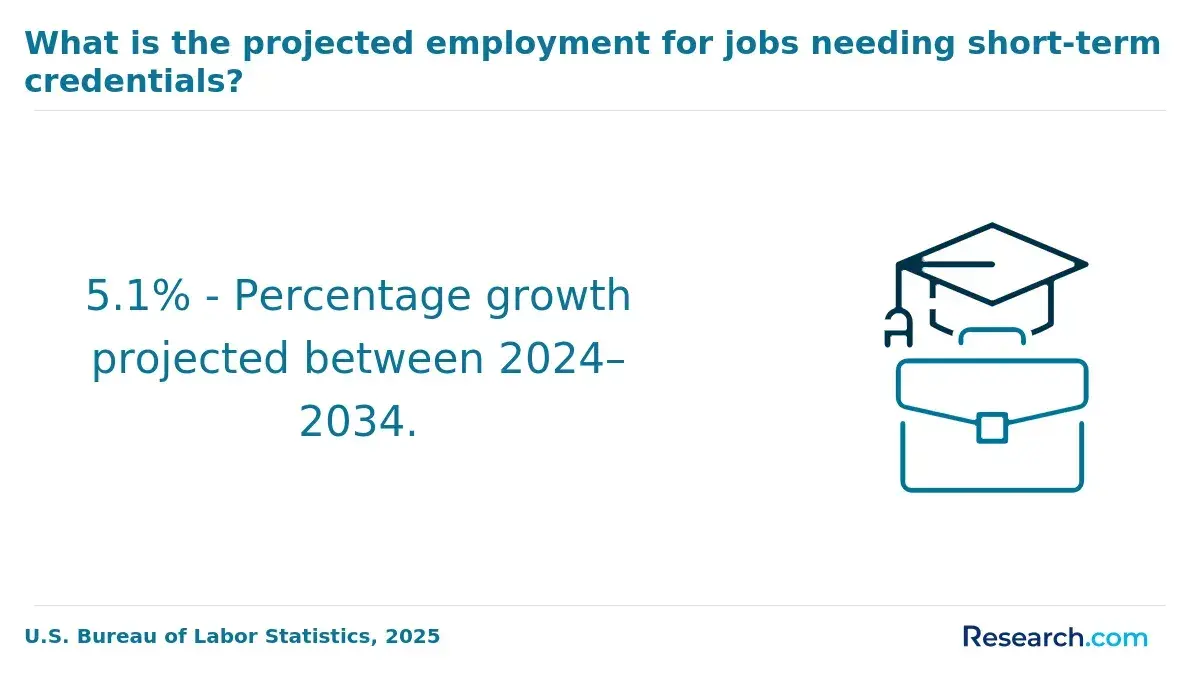
Admission to online biological sciences degrees hinges on more than just academic records; it demands demonstrated quantitative skills essential for navigating demanding scientific curricula. Most programs require applicants to hold a high school diploma or equivalent, with transcripts evidencing coursework in biology, chemistry, physics, and math-often including calculus or statistics. Minimum GPAs typically range from 2.5 to 3.0 on a 4.0 scale, reflecting a baseline capacity for academic rigor. While SAT or ACT scores are increasingly optional, submitting them can enhance competitiveness in selective programs.
Transfer students must provide detailed official transcripts showcasing foundational science coursework, but many working professionals face the practical barrier of completing prerequisite courses before moving into advanced topics, which can extend time-to-degree. Online formats often supplement this with preparatory bridge classes. Admissions committees value personal statements and letters of recommendation that convey analytical aptitude, especially in programs with limited slots. Some programs require local lab work or in-person sessions to verify proficiency, highlighting a logistical tradeoff for remote learners.
Applicants must also demonstrate technology readiness, as stable internet and compatible devices are vital for virtual labs and synchronous classes. These practical factors directly correlate with student retention and completion rates.
The economic context underscores program selectivity: microbiologists earn a median wage of $87,990, while zoologists and wildlife biologists make $76,780, according to the U.S. Bureau of Labor Statistics. This wage differential rewards candidates with strong quantitative and biological skills, which entrance requirements aim to identify early to align talent with workplace demands.
How long do online biological sciences degrees take and what do they typically cost?
Online biological sciences degrees extend the opportunity for adults balancing full-time work to pursue credentials, though this flexibility typically increases total completion time beyond the standard four years. Working professionals often take asynchronous courses, allowing study around job commitments, but those schedules may stretch duration to six years or more. Cost ranges widely-from $15,000 to over $50,000 depending on public versus private institutions and residency status-with additional expenses such as lab fees elevating the financial burden.
Employers prioritize hands-on skills and relevant field experience, so prospective learners must assess how online programs incorporate essential lab work or internships. For example, environmental consulting roles demand exposure to project-based learning rather than purely theoretical content, influencing employability.
Data from the National Center for Education Statistics (NCES) highlights that primarily online biological sciences students are notably older and more likely to be working full-time compared to in-person cohorts, which shapes pacing and financial planning decisions.
Key considerations include:
- Tradeoffs between program length, cost, and experiential components.
- Impact of integrated lab access and certification preparation on time to employment.
- State residency policies and accelerated credit options to reduce investment and duration.
Choosing programs with robust practical elements can improve return on investment despite higher upfront costs and longer timelines. These insights come from independent analysis and align with workforce-driven outcomes relevant to prospective U.S. students and professionals evaluating biological sciences degrees for strategic career moves.
What careers can you pursue with an online biological sciences degree in environmental and life sciences?
Pursuing an online biological sciences degree with an environmental and life sciences focus prepares students for roles that require both scientific expertise and practical field skills. For instance, ecological consultants physically assess land development projects to ensure environmental compliance, blending laboratory knowledge with onsite evaluation. This illustrates the necessity for programs to integrate multidisciplinary training and hands-on assignments, often through local partnerships, to meet employer expectations.
Financially, the median tuition runs about $9,600 annually at public institutions and over $15,000 at private ones. Graduates from public programs report median early-career salaries near $50,000, mostly in entry- to mid-level positions such as regulatory compliance or environmental education. This salary context is key to assessing the return on investment, especially given the likelihood of needing advanced degrees or certifications for specialized roles like conservation biologist or environmental scientist lead.
Job candidates benefit from competencies in data analysis, GIS technology, and scientific communication, alongside credentials like hazardous materials handling or environmental policy experience. Unlike traditional biology tracks, the environmental focus demands adaptability to field conditions and interdisciplinary knowledge. Planning for further education is crucial since many leadership positions require master's degrees or specialized certifications, underscoring the balance between moderate tuition costs and ongoing credentialing.
What salary ranges and job outlook can biological sciences graduates expect in environment-related roles?
Starting salaries for biological sciences graduates targeting environment-related roles vary widely, with initial offers typically between $50,000 and $70,000. Geographic location and sector influence this range heavily, while mid-career professionals in roles like environmental scientists or conservation biologists can expect $70,000 to $90,000 annually, according to U.S. Bureau of Labor Statistics (BLS) 2024 data. Specialized fields such as environmental health or biotechnology often require advanced degrees or certifications but can surpass $90,000.
Entry-level roles often focus on fieldwork, data collection, and regulatory compliance, which aligns with bachelor's-level qualifications. However, positions involving research, policy advising, or complex data analysis usually demand graduate credentials. Employers place high value on practical experience; for instance, firms providing environmental consulting prioritize candidates with GIS skills and cooperative education backgrounds. Public sector employers may offer salary increments of 10-15% for credentials like Certified Ecologist.
The environment-focused biological sciences job market is set to grow around 5% through 2032, modest but steady compared to other scientific fields. Expansion in regulatory frameworks and climate initiatives fuels demand, but without specific skillsets or professional certifications, advancement may stall. The proliferation of 40+ fully online biology bachelor's programs as of 2025 presents varied outcomes-accreditation, curriculum rigor, and industry ties are critical factors impacting employability and earnings.
Prospective students should weigh program quality, the availability of embedded research or partnerships, and realistic expectations about starting roles to strategically plan workforce entry.
How can you choose a reputable online biological sciences program that aligns with your career plans?
Choosing an online biological sciences program requires prioritizing accreditation, as it directly affects graduate eligibility for certification and employer recognition. For instance, a candidate aiming to work in biomedical engineering should avoid generic biology programs lacking engineering integration, since real-world roles demand cross-disciplinary competencies. Graduates face a labor market growing at 7% through 2032 for biochemists and biophysicists, but only those with strong laboratory and applied research skills will meet employer expectations.
Prospective students should examine program outcomes such as graduation rates and job placements to gauge effectiveness. Flexibility in course delivery is crucial for working professionals-programs offering asynchronous learning combined with virtual labs or local internships help maintain skill development without geographic constraints.
Direct engagement with faculty profiles and current students helps assess the program's connection to ongoing research and industry trends, a key factor in staying scientifically relevant. Finally, balancing tuition costs against opportunities like employer tuition assistance and industry-recognized certifications ensures educational investments align with realistic return on investment expectations.
- Verify institutional accreditation with recognized agencies endorsed by the U.S. Department of Education.
- Target programs offering specialization tracks aligned with your career goals.
- Prioritize curricula emphasizing hands-on laboratory experience and real-world research projects.
- Seek flexible scheduling and virtual or local practical training options.
- Engage with faculty and alumni to evaluate program relevancy and industry ties.
- Consider total cost relative to post-graduation earning potential and available financial support.
Other Things You Should Know About Biological Sciences
Online biological sciences programs vary in how they incorporate practical experience. Many require some form of in-person lab or field component, which may involve local facility partnerships or summer residencies. If your goal involves frequent or advanced fieldwork, prioritize programs with clearly stated, accessible field experiences rather than purely virtual labs, as practical skills from these settings are critical for employer readiness in environmental careers.
Yes, in 2027, many online biological sciences programs offer specializations, allowing students to focus on areas such as environmental biology, ecology, or conservation. These specialized tracks can enhance career prospects by targeting specific skills and knowledge tailored to certain sectors.
Employers in environmental biology increasingly accept online degrees if the program includes hands-on training and is from an accredited institution. However, online graduates often face skepticism about preparedness for technical or collaborative field roles. To overcome this, highlight practical experiences, internships, and demonstrated skills on your resume. Prioritize programs that integrate real-world projects and networking opportunities, as these directly affect employability.
Online biological sciences degrees require significant self-discipline, especially when balancing work and study. Coursework may demand asynchronous learning combined with fixed-schedule labs or live sessions, creating potential conflicts. Programs vary widely in flexibility; choose those with modular content, recorded lectures, and multiple lab scheduling options to manage workload effectively. Expect longer completion times if you prioritize work-life balance, and plan accordingly to avoid burnout.
References
- Careers in Biology https://www.aibs.org/careers/
- Courses and careers in biology - Student Info and Guides | StudyMalaysia.com https://studymalaysia.com/education/top-stories/courses-and-careers-in-biology
- 60+ places your environmental and biological science degree could take you. https://juliacooke.net/2016/10/18/60-places-your-environmental-and-biological-science-degree/
- Fast Way to Get an Online Biology Degree | Straighterline https://www.straighterline.com/blog/how-to-earn-an-online-biology-degree
- Environmental Careers for Biology Majors: Protecting Our Planet https://www.shawnee.edu/blog/what-can-you-do-with-a-biology-degree-biology-major-careers
- Bioscience Course in Malaysia - Subjects & Requirements https://eduadvisor.my/course-guide/bioscience
- Biology Major Jobs: Careers in the Biological Sciences | Houston Christian University https://hc.edu/articles/biology-major-jobs-careers-in-the-biological-sciences/
- Online Bachelor's Degrees in Biology: Top Schools & Programs https://www.edumed.org/online-schools/biology-degrees/
- School of Biological and Environmental Sciences https://www.nottingham.edu.my/biological-environmental-sciences/index.aspx
- Careers Guidance https://www.rsb.org.uk/career-guidance.html