2027 Industries Hiring Graduates With a Radiology Technician Degree

Co-Founder and Chief Data Scientist
Where can radiology technician degree holders find meaningful employment beyond traditional hospital settings? This question matters as the healthcare landscape shifts, increasing demand for specialized imaging professionals across diverse industries. According to the U.S. Bureau of Labor Statistics, employment for radiologic technologists is projected to grow 6% through 2032, reflecting steady career opportunities.
Radiology technician graduates often possess transferable skills applicable in outpatient care centers, research facilities, and even industrial fields requiring imaging expertise. This article explores key industries hiring graduates with a radiology technician degree, helping prospective students and professionals identify viable job markets and career paths.
Key Benefits of Industries Hiring Graduates With a Radiology Technician Degree
- Diverse industries offer radiology technician graduates a wider range of career paths and the flexibility to work in hospitals, outpatient clinics, research, and industrial settings.
- High and growing demand for radiology technician skills supports long-term job security and professional advancement across multiple sectors.
- Experience across industries develops transferable skills, enhancing adaptability and broadening professional expertise beyond clinical roles.
What Industries Have the Highest Demand for Radiology Technician Majors?
Employer demand for radiology technician majors varies across a range of industries where imaging plays a critical role in diagnosis and treatment. According to the U.S. Bureau of Labor Statistics, employment of radiologic technologists is expected to grow 7% over the next decade, reflecting strong workforce needs in several key sectors.
Below are industries with the highest demand for radiology technician jobs and the roles these graduates typically fill.
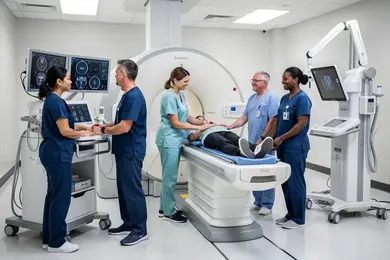
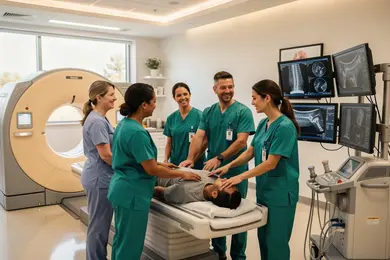
- Healthcare Providers: Hospitals, outpatient clinics, and specialized diagnostic centers are primary employers, placing a high priority on diagnostic imaging to support patient care. Radiology technicians operate equipment like X-rays and MRIs to assist physicians in accurate diagnoses and treatment planning.
- Medical and Diagnostic Laboratories: These labs rely on detailed imaging to complement laboratory tests and pathology investigations. Radiology technicians ensure high-quality imaging procedures that help in precise diagnosis and research initiatives within these settings.
- Veterinary Clinics: The veterinary sector is increasingly adopting imaging technology to assess and treat animal health conditions. Radiology technicians contribute specialized knowledge to operate equipment adapted specifically for animal diagnostics, mirroring practices in human healthcare.
- Rehabilitation Centers: Physical therapy and rehabilitation clinics use radiology technicians to provide imaging support in monitoring musculoskeletal injuries and post-surgical recovery. Their work aids therapists and physicians in adjusting treatment plans based on imaging results.
For students interested in advancing their healthcare careers beyond radiology technician roles, exploring online pharmacy programs can be a valuable next step toward broader clinical expertise.
Which Industries Have the Strongest Job Outlook for Radiology Technician Graduates?
Job outlook for radiology technician graduates is shaped by factors such as industry growth, workforce demand, and projected hiring rates across healthcare sectors. The U.S. Bureau of Labor Statistics forecasts a 13% increase in employment for radiologic technologists and technicians through 2032, well above the average for most occupations. This robust growth reflects rising needs for diagnostic imaging driven by technological advances and demographic trends.
Below are industries with particularly strong or expanding opportunities for radiology technician professionals.
- Outpatient Care Centers: These centers provide diagnostic services outside hospitals, offering patients convenient and cost-effective imaging options. Their growing popularity is fueling demand for skilled radiology technicians trained to operate diverse imaging equipment in these settings.
- Physician Offices and Clinics: With many specialists and primary care providers integrating imaging into routine care, these medical practices require radiology technicians to support diagnostic needs onsite, creating steady employment growth.
- Long-Term Care and Rehabilitation Facilities: An aging population increases the prevalence of chronic conditions that demand frequent imaging for monitoring, supporting consistent demand for technicians within these care environments.
- Specialized Imaging Centers: Advanced diagnostic sites focusing on MRI, CT, and mammography continue to expand as imaging technology evolves, requiring radiology technicians skilled in sophisticated procedures and equipment maintenance.
Ongoing innovations in imaging technologies combined with regulatory standards mandating timely and accurate diagnostics reinforce strong staffing needs. Radiology technician graduates entering these sectors can expect sustained opportunities fueled by evolving healthcare delivery and demographic shifts.
What Entry-Level Jobs Are Available for Radiology Technician Graduates?
Entry-level roles enable radiology technician graduates to apply classroom knowledge in real-world healthcare environments, gaining vital hands-on experience. Recent data indicate that nearly 65% of these graduates secure entry-level positions within six months of finishing their program.
Below are some common starting positions that help develop practical skills and industry familiarity.
- Radiologic Technologist Assistant: Assists certified technologists by preparing patients for imaging exams such as X-rays, maintaining equipment, and following safety procedures. This role provides essential exposure to clinical workflows and patient interaction.
- Diagnostic Imaging Technician Trainee: Performs standard imaging tasks under supervision while learning appropriate patient positioning and managing imaging documentation. It strengthens technical accuracy and attention to quality control.
- MRI/CT Scan Technician: Operates specialized machines like MRI or CT scanners, helps prepare patients, and monitors scan quality. This entry-level job builds expertise in advanced imaging technology.
- Radiology Department Aide: Supports administrative and operational functions, such as scheduling, record organization, and basic equipment upkeep. Though less technical, it offers insight into the department's organizational processes.
A radiology technician degree graduate shared that securing an entry-level job involved balancing eagerness with patience during the job search. He found that initial roles, especially assisting positions, were challenging because translating theoretical knowledge to hands-on tasks required repeated practice and learning under supervision.
"It took persistence to build confidence," he noted. "Each patient interaction felt like a step forward, even if the pace seemed slow at first." This gradual adjustment helped him appreciate the multifaceted nature of radiologic work beyond textbooks.
What Industries Are Easiest to Enter After Graduation?
Industries with high entry-level hiring rates, broad acceptance of relevant degrees, and limited specialized prerequisites tend to be simpler to break into for recent radiology technician graduates. For instance, healthcare entry-level roles have experienced around a 6% growth nationally, underscoring sustained demand.
Below are some sectors known for offering accessible opportunities.
- Healthcare Facilities: Hospitals and related medical centers consistently recruit radiology technicians due to continual patient needs and workforce turnover. These environments prioritize candidates with formal education and often welcome newcomers with foundational skills.
- Diagnostic Imaging Centers: Focused solely on imaging services, these centers maintain steady hiring to support high patient volumes. They typically value degree completion over extensive work experience, making them favorable for recent graduates.
- Educational and Research Institutions: Schools and research sites employ radiology technicians to assist in clinical studies or academic programs. These structured settings can provide valuable experience and often have flexible entry requirements.
- Outpatient Care Centers: Facilities like urgent care and specialty clinics expand their diagnostic teams regularly. Their fast-paced yet adaptable nature frequently opens doors to new radiology technician professionals.
What Industries Offer the Best Starting Salaries for Radiology Technician Graduates?
Starting salaries for radiology technician graduates differ widely depending on industry, influenced by factors such as demand for specialized expertise, budget allocations, and workforce shortages. National data suggests entry-level compensation typically falls between $50,000 and $60,000, with certain sectors offering higher wages.
The following summarizes industries with the highest starting salaries for radiology technician graduates.
- Outpatient Care Centers usually top the list, with starting salaries ranging from $55,000 to $65,000 annually. These facilities focus on advanced imaging technologies and high patient volume, which drives higher pay compared to general hospital settings.
- Hospital Sector remains the largest employer but offers varied entry-level pay. Large urban hospitals and trauma centers often provide salaries between $53,000 and $62,000 due to complex cases and the critical nature of imaging services required.
- Federal Government Health Services, including military and veterans' hospitals, typically start technicians near $58,000. Competitive pay coupled with structured advancement opportunities makes this a lucrative option.
- Diagnostic Laboratories and Research Institutions offer competitive salaries averaging around $56,000. These roles often involve work with cutting-edge imaging equipment in specialized studies, rewarding technical skills accordingly.
For those exploring options among the best-paying sectors for entry-level radiology technician jobs, evaluating industry-specific trends can guide career decisions. Prospective students might also consider training at a nursing school that does not require TEAS test to streamline entry into allied health fields.
Which Skills Do Industries Expect From Radiology Technician Graduates?
Employer demands for graduates with a radiology technician degree vary by sector but consistently prioritize a blend of hands-on expertise and professional readiness. A survey indicates that over 70% of healthcare organizations emphasize a balance of technical skills and interpersonal qualities when hiring radiology technicians.
Below are key skills commonly sought across industries.
- Technical Proficiency: Mastery of imaging equipment, such as X-ray machines and CT scanners, is essential. Graduates must ensure precise image quality to support accurate diagnoses and treatment plans, which directly affects patient outcomes and clinical efficiency.
- Attention to Detail: Careful positioning of patients and exact calibration of devices reduce errors and enhance image clarity. This focus on precision builds confidence among medical teams and contributes to reliable diagnostic results.
- Communication: Clear, compassionate explanation of procedures helps ease patient concerns, while effective collaboration with healthcare professionals ensures timely information exchange and smooth workflow in bustling clinical settings.
- Problem Solving: The ability to swiftly address technical failures or unexpected patient responses is critical. Adaptable decision-making helps maintain uninterrupted service and safeguards patient safety during both routine and emergency care.
- Regulatory Knowledge: Understanding radiation safety protocols and patient privacy laws is non-negotiable. Adherence to these standards promotes legal compliance and protects health, reinforcing institutional credibility and professional responsibility.
A professional with a radiology technician degree shared that early in her career, managing unexpected machine errors while maintaining a calm demeanor was one of her biggest challenges. "You quickly learn that staying composed and thinking through problems step-by-step makes all the difference," she recalled.
She described how explaining complex procedures in simple terms to nervous patients creates trust and eases their anxiety. Reflecting on teamwork, she noted, "Coordinating with doctors and nurses requires solid communication and respect, especially during high-pressure moments." Her experience underscores how a combination of technical skill and interpersonal awareness shapes a successful career in this field.
Which Industries Require Certifications for Radiology Technician Graduates?
Industries often require certifications for radiology technician graduates to ensure compliance with strict safety regulations, technical competence, and ethical standards. Approximately 85% of employers in healthcare and related sectors prefer or mandate professional credentials beyond the initial degree. These certifications demonstrate a candidate's readiness to operate complex imaging technology while maintaining patient safety and regulatory adherence.
The following industries commonly require such credentials.
- Healthcare Facilities: Hospitals, outpatient clinics, and specialized imaging centers emphasize certifications to validate clinical skills and safety practices. Strict adherence to federal and state radiation laws necessitates ongoing credential renewals, ensuring technicians provide safe, high-quality care.
- Research Institutions: Laboratories and academic research centers value certifications that confirm specialized knowledge in imaging protocols and equipment handling. Credentials support compliance with ethical standards and facilitate collaboration in advanced diagnostic projects.
- Forensic Radiology: Agencies involved in legal investigations prefer certified technicians to guarantee accuracy and reliability in imaging used for evidence. Certifications ensure understanding of confidentiality and chain-of-custody protocols critical in forensic settings.
- Medical Equipment Manufacturing: Technicians with credentials are favored for their expertise in operating and testing imaging devices during product development and quality assurance. Certification underlines a commitment to safety and technological proficiency essential in this industry.
In these sectors, certifications function not only as proof of technical competence but also as indicators of professionalism and commitment to continuous learning. Earning relevant credentials markedly improves employability and aligns workforce skills with evolving industry demands and regulatory frameworks.
Which Industries Offer Remote, Hybrid, or Flexible Careers for Radiology Technician Graduates?
Workplace flexibility has grown significantly with advances in digital technology and shifting workforce expectations, with nearly 60% of professional employees now engaged in remote or hybrid work. This trend opens diverse pathways for graduates seeking remote radiology technician job opportunities in various fields.
Several industries leverage adaptable workflows and virtual collaboration to offer such arrangements.
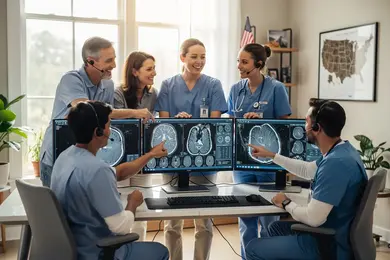
- Telehealth and Teleradiology: This sector thrives on electronic transmission of imaging and diagnostic data, enabling radiology technicians to review and interpret procedures remotely. The nature of the work supports both remote and hybrid schedules, allowing flexible coordination with radiologists and healthcare providers.
- Healthcare Consulting: Radiology technicians involved in consulting focus on project-based tasks such as workflow optimization and equipment evaluation. These responsibilities often require virtual meetings and digital reporting, promoting remote or hybrid careers that fit client needs and personal availability.
- Medical Research: Research institutions conducting studies on radiological technology depend on data analysis and image assessment, activities suitable for remote work supported by specialized software and secure data transfers. The flexible, project-driven work enhances autonomy in scheduling.
- Medical Education: With the rise of online and blended learning, radiology technicians engaged in curriculum development or training can perform many duties remotely. Digital tools enable virtual classrooms and educational content creation with scheduling flexibility.
- Hospital Systems and Diagnostic Centers: Large healthcare facilities increasingly implement hybrid models that combine onsite clinical duties with remote administrative or reporting work. This approach enhances work-life balance while maintaining essential patient care and efficient image processing.
For those evaluating career paths, understanding how these industries support flexible scheduling is key to finding the right fit. Additionally, exploring related fields can reveal options for remote roles; for example, questions like 'Is medical coding a dying career?' highlight ongoing evolution in health information roles alongside radiology opportunities.
What Industries Have the Strongest Promotion Opportunities?
Promotion opportunities for radiology technician graduates are influenced by industry growth, organizational structures, and the demand for experienced professionals. Studies show that internal promotions account for over 70% of leadership role appointments across several healthcare and technical industries. Industries with established career advancement pipelines provide the most attractive chances for radiology technician career advancement opportunities.
Below are key industries known for strong promotion potential.
- Healthcare Systems and Hospitals: Large hospital networks typically have well-defined leadership pipelines, allowing radiology technicians to advance into supervisory and managerial positions. The ongoing expansion of healthcare services increases the need for specialized roles, fostering structured promotion paths.
- Outpatient Imaging Centers: Focused on growth, these centers offer radiology technicians the chance to quickly gain leadership experience. Their smaller scale compared to hospitals often enables motivated professionals to step into roles like lead technologist or operations coordinator sooner.
- Equipment Manufacturers and Suppliers: Radiology technicians skilled in imaging technologies find long-term growth opportunities here. Companies invest in training and career development, facilitating advancement into product training, clinical support, and technical management roles.
- Academic and Research Institutions: These environments provide structured career development where technicians can move into coordinating clinical trials, managing labs, or supporting education programs. This sector rewards increasing leadership and responsibility.
- Healthcare Consulting: As an emerging field, consulting offers radiology technicians operational expertise pathways into advisory and project management positions, reflecting the growing demand for optimized imaging services.
For those seeking to supplement their credentials and expand promotion opportunities, exploring programs like an HIM degree online can be a strategic step in career development.
How Do You Choose the Best Industry With a Radiology Technician Degree?
Choosing the best industry with a radiology technician degree involves weighing factors such as career interests, preferred work environments, long-term growth potential, and alignment with personal strengths. For example, some may value working in patient-facing hospital roles, while others seek settings with more predictable schedules like outpatient clinics.
Industries like diagnostic imaging are projected to grow by about 7% over the next decade, reflecting a strong demand that can positively impact job satisfaction. Considering these elements helps individuals pursue the best industries for radiology technician careers that suit their goals.
Graduates can further compare industries by examining advancement opportunities, professional development, industry stability, and workplace flexibility. Some sectors may offer clear pathways to supervisory roles and support continuing education, while others provide options like part-time work or telehealth positions.
Researching industry expectations and aligning them with career ambitions clarifies how to choose a radiology technician industry path effectively. This approach mirrors the careful planning needed for other health careers, such as understanding 'How long is NP school?', to ensure a well-informed decision.
What Graduates Say About Industries Hiring Graduates With a Radiology Technician Degree
- Valentino: "Starting my career in the radiology technician field opened my eyes to the diversity of industries that rely on our skills, from hospitals to outpatient clinics and even sports medicine. For new graduates, I'd say it's crucial to explore different settings early on to find the best fit. Working hands-on with imaging technology has sharpened my problem-solving skills, which have been invaluable throughout my professional journey."
- Zev: "The radiology technician industry helped me develop a level of attention to detail and patient communication that few other professions demand. I began in a fast-paced emergency department, which taught me to stay calm under pressure and work efficiently. Reflecting back, these experiences have not only made me a better technician but also prepared me well for leadership roles within healthcare."
- Grayson: "Choosing to become a radiology technician was a strategic decision that has significantly impacted my career growth. The ability to interpret and manage medical imaging has provided me with a specialized skill set that many employers highly seek. Looking ahead, I feel confident that this foundation will keep opening doors in both clinical and technical healthcare environments."
Other Things You Should Know About Radiology Technician Degrees
Different industries often employ specialized imaging technologies tailored to their diagnostic needs. Graduates may encounter diagnostic tools such as computed tomography (CT), magnetic resonance imaging (MRI), or fluoroscopy equipment, depending on the employer's focus. For example, research institutions may use advanced imaging modalities for detailed analysis, while outpatient centers often rely on standard X-ray machines. Familiarity with various industry-specific software for image processing and patient record management is also common.
Many industries emphasize ongoing education to keep radiology technician graduates updated on new technologies, safety standards, and procedural protocols. Employers commonly support certifications in advanced imaging techniques or modalities such as MRI or sonography. Additionally, continuing education credits are often required to maintain professional licensure and ensure compliance with state and federal regulations. Some industries may offer in-house training programs or partnerships with educational institutions for skill enhancement.
Workplace safety is a critical focus for industries hiring radiology technician graduates, particularly regarding radiation exposure. Employers implement strict safety protocols, including lead shielding, regular equipment maintenance, and personal dosimeter use to monitor exposure levels. Training on radiation safety is mandatory and is often incorporated into onboarding and ongoing education programs. Industries also adhere to federal regulations set by agencies such as the Nuclear Regulatory Commission and the Occupational Safety and Health Administration to minimize health risks.
References
- Remote Radiology Jobs | Work from home as a Radiologist https://www.everlightradiology.com/careers/choice-and-flexibility
- Exploring the Daily Duties and Benefits of a Radiologic Technologist https://mlee.com/exploring-the-daily-duties-and-benefits-of-a-radiologic-technologist
- 7 Specialty Areas for Radiologic Technicians https://chartercollege.edu/news-hub/specialties-rad-tech/
- Travel Radiology Tech Jobs | Nomad Health https://nomadhealth.com/healthcare-jobs/allied/travel-allied/radiology-tech
- 5 well-paid careers for radiologic technologists https://www.northeastcollege.edu/learn/jobs-for-radiologic-technologists
- Radiology Technician Remote & Hybrid Only Jobs https://www.ihireradiology.com/t-radiology-technician-remote-jobs.html
- 5 Tips to Land Your First Radiology Technologist Job | Career Advice https://radiologytechnologistjobbank.com/articles/5-tips-first-rad-tech-job-after-graduation
- Radiologic Technologist Pros And Cons: Best Guide - Liv Hospital https://int.livhospital.com/radiologic-technologist-pros-and-cons-guide/
- Industry Pathway: Radiological Technologist https://careerrecon.com/radiological-technologist-career-pathway/
- Top 10 Skills Every Radiologic Technologist Needs https://www.directshifts.com/clinician-resources/top-10-skills-every-radiologic-technologist-needs