2027 Radiology Technician Degree Programs You Can Start Without Meeting All Requirements

Co-Founder and Chief Data Scientist
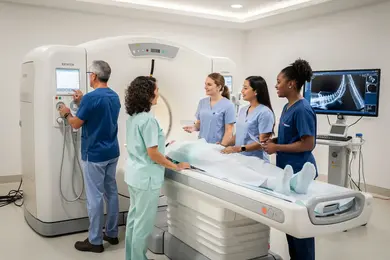
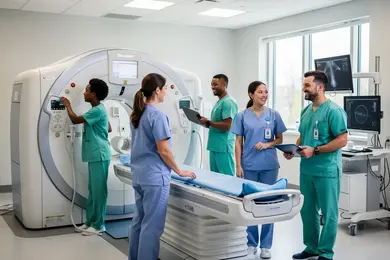
Many aspiring radiology technician students face hurdles like not meeting GPA requirements or incomplete prerequisite courses, barriers that can delay or derail their educational goals. For example, the median annual salary for radiology technicians in the U. S. exceeded $60,000 in 2023, reflecting strong career prospects for qualified graduates. Recognizing this demand, numerous programs offer conditional admission, bridge courses, or alternative credential evaluations to support early enrollment. These pathways help diverse learners, such as adult students and career changers, access training earlier while meeting academic benchmarks over time. This article explores these flexible admission options and institutional supports to guide readers in starting their radiology technician education without full initial qualifications.
Key Things to Know About Radiology Technician Degree Programs You Can Start Without Meeting All Requirements
- Conditional admission policies allow students to enroll in radiology technician programs while completing missing prerequisites, typically with academic performance benchmarks to maintain enrollment status.
- Bridge and foundational courses help applicants strengthen core skills before full program entry-these often target students with incomplete transcripts or below-threshold GPAs.
- Institutions increasingly accept alternative credential reviews, such as relevant work experience or certifications, facilitating early enrollment for career changers and adult learners re-entering education.
What Is the Minimum GPA Requirement for a Radiology Technician Degree Program?
The minimum GPA requirement for radiology technician degree programs in the US varies widely depending on institutional selectivity. Highly selective schools often require a GPA between 3.0 and 3.5, reflecting competitive applicant pools and rigorous academic standards. Moderately competitive programs typically set GPA thresholds from 2.5 to 3.0, while open-admission institutions may accept GPAs as low as 2.0 to accommodate diverse learners, including career changers and adult learners re-entering higher education. These differences illustrate the broad spectrum of academic expectations across program types.
Admissions committees also evaluate more than just the average GPA needed for admission to radiology technician degree programs. They consider course rigor-prioritizing strong performance in science and math prerequisites-and positive grade trends over time. Some programs apply grade replacement policies, allowing retaken courses with higher grades to offset earlier lower marks.
For students whose GPA falls below the stated minimum, the crucial first step is consulting an admissions counselor. This allows candidates to explore options like holistic review, where work experience, personal statements, and recommendations supplement academic records, or conditional admission, which grants enrollment contingent on meeting certain academic benchmarks during initial coursework.
- Variability: GPA standards range widely across institutional tiers, from highly selective to open admission.
- Evaluation Factors: Course rigor, grade trends, and grade replacement policies influence GPA assessment.
- Advisory Step: Students with low GPA should engage admissions counselors for personalized guidance.
- Alternative Considerations: Holistic review and conditional admission offer pathways despite academic shortfalls.
Next, we will explore schools with explicit policies and structured options tailored for students entering with academic deficiencies, outlining how these programs support early progression and eventual degree completion. For related information on advanced healthcare tracks, prospective students might also consider DNP online programs that accommodate varied academic backgrounds.
Which Radiology Technician Programs Accept Applicants on Academic Probation or With Academic Deficiencies?
Several radiology technician programs accepting academic probation students provide conditional or provisional admission paths that allow enrollment before fully meeting all typical entry requirements. These routes often demand achieving a minimum GPA-usually near 2.0 or slightly higher-within the first term or after completing a designated number of credit hours, which commonly ranges from 6 to 15 credits. Advisor oversight is integral to these programs, offering essential academic support and mentoring throughout the probationary period.
- Midwestern Community College (Regionally Accredited, Associate Degree): Allows conditional admission for those with lower GPAs, requiring a 2.0 GPA in the first 9 credit hours. • Advisor oversight includes mandatory monthly meetings to track progress and provide tutoring referrals.
- Southeastern State University (Regionally Accredited, Bachelor's Degree): Offers a provisional acceptance track for students with academic probation records. • Students must complete 12 credits with a 2.5 GPA and attend bi-weekly advising sessions with a dedicated academic counselor.
- Great Lakes Technical Institute (Regionally Accredited, Certificate Program): Runs a bridge program addressing transcript deficiencies, requiring a 2.0 GPA across 6 credits in foundational courses. • Weekly meetings with an academic coach ensure continuous review and help with academic challenges.
- Pacific Northwest College (Regionally Accredited, Associate Degree): Employs a conditional enrollment policy permitting up to 15 credit hours in the first term, obliging a minimum 2.0 GPA to continue. • Academic advisors design tailored support plans and require progress reporting every four weeks.
- Southern Regional University (Regionally Accredited, Bachelor's Degree): Maintains a provisional admission route for applicants with incomplete prerequisites or low GPA. • Students must complete 9 credit hours with at least a 2.3 GPA, attending scheduled advising appointments and academic workshops.
Because radiology technician schools with flexible admission for academic deficiencies vary significantly in their policies, and these can differ markedly even between undergraduate and graduate tracks within the same institution, prospective students must verify current criteria with program offices. Applying with a checkered academic history is not automatically disqualifying; a compelling personal statement that thoughtfully addresses past challenges alongside strong professional or academic references can substantially strengthen an application.
Those exploring these pathways may also consider similar flexible options in allied health fields like nursing, where programs such as the cheapest fastest RN to BSN online degrees provide alternative routes for students overcoming previous academic hurdles.
How Do Conditional Admission and Provisional Enrollment Work for Radiology Technician Degree Seekers?
Conditional Admission: This status requires students to meet specific academic or prerequisite conditions to continue. Typical requirements include achieving a minimum GPA in early coursework or completing designated foundation classes within one or two semesters. For example, students might need to earn at least a C in anatomy and physiology to maintain their standing.
Provisional Enrollment: Usually a temporary, unclassified status given while students submit pending documents like test scores or official transcripts. Unlike conditional admission, it doesn't impose strict academic requirements but expects completion of missing paperwork promptly.
Performance Benchmarks: Both options monitor student progress closely. Meeting the conditions-such as completing courses on time and earning required grades-usually leads to full program acceptance with access to all courses.
Consequences of Non-Compliance: Failure to fulfill stipulated requirements typically results in dismissal or suspension until the student resolves outstanding issues.
Support Systems: These pathways are designed to support students rather than exclude them. Most conditionally admitted students successfully transition to full program status after meeting necessary benchmarks.
Admission Questions: Prospective candidates should ask what triggers conditional status, timelines for review, and the decision-making authority-ensuring clarity from the outset.
Reflecting on this process, a professional who graduated from a radiology technician degree recalled the anxiety of waiting to confirm foundation course results while juggling work commitments. He shared, "It felt daunting at first, not knowing if I'd meet the GPA requirement, but the program's clear milestones and supportive advisors helped me stay focused. Once I finished the required courses with the grades needed, moving to full standing strengthened my confidence to excel professionally."
What Alternative Admission Pathways Are Available for Radiology Technician Programs When Prerequisites Are Not Met?
Many accredited institutions provide flexible admission options for prospective radiology technician students whose prerequisite requirements, or conditional acceptance criteria for radiology technician degrees, are not fully met. These alternative admission pathways accommodate diverse backgrounds while upholding academic expectations.
- Portfolio Review: Applicants submit a detailed portfolio highlighting relevant skills, certifications, volunteer activities, or healthcare experience.
- Programs Most Likely To Recognize It: Competency-based and hybrid radiology technician programs emphasizing practical expertise often accept this.
- Documentation Required: Clinical observation logs, training certificates, letters of recommendation, and allied health credentials.
- Institutional Support: Schools with specialized admissions committees and formal experiential evaluation processes handle these portfolios efficiently.
- Demonstrated Professional Experience: Prior healthcare employment-as radiology aides or medical assistants-can satisfy some entry criteria.
- Programs Most Likely To Recognize It: Career-focused associate degree programs and those supporting workforce development typically credit hands-on work experience.
- Documentation Required: Employer verification, comprehensive job descriptions, supervisor references, and proof of clinical skills.
- Institutional Support: Partnerships with local healthcare providers enable systematic assessment and integration of professional experience.
- Prior Learning Assessment Credit: Credits awarded based on nontraditional learning validated through exams or faculty-reviewed portfolios.
- Programs Most Likely To Recognize It: Institutions with flexible curricula and competency-based education often grant PLA credits.
- Documentation Required: Exam scores (e.g., CLEP, DSST), faculty evaluations, and prior coursework transcripts.
- Institutional Support: Dedicated PLA offices and trained faculty streamline assessment and credit awarding.
- Placement Testing as a Substitute for Prerequisite Coursework: High placement test scores in subjects like anatomy or math can replace full prerequisite classes.
- Programs Most Likely To Recognize It: Programs with open or conditional admissions and accelerated tracks commonly offer this route.
- Documentation Required: Results from institution-specific placement tests or approved assessments.
- Institutional Support: Established testing centers and clear conditional enrollment policies facilitate this alternative.
Direct contact with program directors or department chairs is essential when exploring alternative admission options for radiology technician programs, many of which are managed informally and may not be detailed on official websites or centralized admissions materials. Personalized communication clarifies documentation needs and timeline expectations, ensuring timely progress and adherence to performance standards vital for continued enrollment.
Applicants looking to expedite their healthcare education journey may also explore fast track medical programs for additional opportunities aligned with their career goals.
Which Radiology Technician Programs Allow Students to Begin While Completing Remaining Prerequisites Concurrently?
Some radiology technician programs let students begin core degree classes while still completing required prerequisite courses-a setup called concurrent or co-requisite enrollment. This differs from conditional admission, which typically allows entry only if students meet specified criteria before fully joining the program. With concurrent enrollment, students actively take prerequisite and major courses at the same time, rather than waiting until all prerequisites are finished.
Programs often arrange early semesters, so foundational radiology technician subjects run alongside prerequisites like introductory statistics, chemistry, or medical terminology. For example, a first-semester imaging fundamentals course might be paired with anatomy or research methods. While this accelerates progress, it also increases the academic load, requiring focused time management and strong study habits.
To see if a program offers concurrent prerequisite enrollment, students should:
- Course Catalogs: Examine program details thoroughly to find policies on co-requisites and which prerequisites may overlap with core coursework.
- Academic Advisors: Discuss options with advisors who can clarify enrollment choices and help tailor a manageable course pathway.
- Degree Audits: Obtain formal assessments comparing completed credits with program requirements to determine remaining prerequisites and eligibility for concurrent enrollment.
Taking on concurrent enrollment means juggling multiple demanding classes, so students should consider:
- Workload Intensity: Balancing diverse subjects requires steady discipline, especially for those managing jobs or family commitments.
- Time Management: Using planners, setting study schedules, and limiting distractions are crucial for success.
- Support Systems: Accessing tutoring, study groups, and instructor office hours provides essential assistance throughout the term.
One radiology technician professional who navigated this path recalled, "Starting my core courses while still finishing a few prerequisites was challenging but necessary. It meant late nights and constant planning, but having an academic advisor who understood my situation made a huge difference. I learned quickly how important it was to use every resource available, from study groups to office hours. Looking back, juggling these simultaneous classes taught me resilience and time management skills that have stayed with me throughout my career."
How Do Community College Partnerships Help Students Enter Radiology Technician Programs Without Full Qualifications?
Community college partnerships, such as 2+2 articulation agreements and dual-enrollment programs, offer flexible pathways allowing students to begin radiology technician coursework at a two-year college before transferring to a four-year program. These structures help students without full admission credentials ease into the academic requirements while maintaining momentum toward degree completion.
Admissions committees at four-year radiology technician programs often value specific types of community college coursework, especially when evaluating applicants with conditional status or non-traditional backgrounds:
- Prerequisite Completion: Essential courses like anatomy, physiology, and medical terminology that form the foundation for radiologic technology studies.
- GPA Rebuilding: Chances to improve academic standing by retaking courses or excelling in general education subjects to meet minimum GPA requirements.
- Foundational Skill Development: Building critical thinking, patient communication, and technical skills applicable to radiology technician roles.
Students should verify whether their targeted program maintains formal articulation agreements with community colleges, information typically available via school websites or advising centers. If no agreement exists, reaching out proactively to admissions counselors and academic advisors can uncover alternative transfer options or custom pathways.
Transfer admissions often apply more lenient evaluations to community college coursework compared to freshman admission criteria, recognizing recent academic achievements over older high school records. Notably, a 2023 National Student Clearinghouse report indicated an 8% national increase in transfer enrollment to health sciences programs, underscoring growing reliance on these pathways.
What Role Do Personal Statements and Letters of Recommendation Play in Gaining Radiology Technician Program Access Without Meeting All Requirements?
When applicants do not meet key quantitative thresholds such as GPA, prerequisite completion, or standardized test scores, personal statements and letters of recommendation become essential tools for gaining admission to radiology technician programs. These elements provide admissions committees with a deeper understanding of an applicant's potential beyond numbers alone.
An effective personal statement should present a candid yet forward-looking narrative that acknowledges past academic challenges without excuses. It needs to clearly convey how previous professional, volunteer, or educational experiences have prepared the candidate for the academically demanding radiology technician curriculum. Equally important is a detailed explanation of why the specific radiology technician program aligns with the applicant's career aspirations and learning style, showing genuine interest supported by thoughtful research.
Letters of recommendation carry the most influence when written by supervisors or clinical mentors who have direct experience observing the applicant's intellectual capabilities and relevant work performance. Such recommenders provide concrete examples of skills and professionalism, which hold more weight than generic character references.
- Honesty: Address academic setbacks transparently while emphasizing growth and future commitment.
- Experience: Highlight applicable hands-on experience and transferable competencies that support readiness.
- Fit: Explain how the chosen radiology technician program matches personal goals and study preferences.
- Recommenders: Prioritize supervisors with firsthand knowledge of your abilities and professional accomplishments.
The personal statement remains the primary means through which a conditionally admitted radiology technician applicant shapes their narrative-offering context, motivation, and evidence of academic readiness that numeric metrics alone cannot capture.
Which Radiology Technician Programs Offer Bridge or Foundational Courses That Replace Unmet Admission Requirements?
Many radiology technician programs with bridge courses for admission provide alternative routes to replace unmet prerequisites-helping students with diverse academic backgrounds gain entry sooner. These programs typically fall into four categories, each suited to different needs and timelines.
- Non-Credit Boot Camps: Offered mainly by community colleges or technical schools, these short, intensive sessions cover essential topics like anatomy and basic math. Completion is noted as a certificate of participation-not on official transcripts-and costs are typically lower. Duration ranges from days to weeks, ideal for those seeking quick readiness without formal credit. Students may still need to complete full prerequisites after.
- Post-Baccalaureate Preparatory Sequences: Usually available at universities or four-year colleges, these credit-bearing courses help students lacking prerequisites or relevant backgrounds. They appear on academic records and sometimes count toward degrees after formal admission. These longer, semester-based sequences tend to be more costly and suit adult learners or career changers planning careful academic progression.
- Certificate-Level Prerequisite Bundles: Found at technical colleges or specialty centers, bundled prerequisite courses form a single certificate program recorded on transcripts. This pathway balances cost and time, taking one to two semesters and often easing admission by fulfilling key foundational skills in a consolidated format.
- Self-Paced Online Remediation Modules: Increasingly popular at institutions with flexible learning options, these modules let students address missing skills on their own schedule. Completion may be recognized by badges, certificates, or transcript notations. They offer time and cost flexibility but require strong self-motivation-perfect for those juggling work or family commitments.
Because foundational courses replacing unmet admission requirements in radiology technician programs are not always listed in catalogs or brochures, students should directly contact admissions offices to inquire about conditional admission and bridge options. This proactive approach reveals opportunities to start programs while fulfilling prerequisites.
For those exploring health career transitions, similar bridging options exist elsewhere-as seen in a notable medical assistant to LPN bridge program.
How Does Work Experience or Professional Background Substitute for Academic Requirements in Radiology Technician Programs?
Many radiology technician degree programs use holistic admission reviews that allow professional experience to substitute for some academic requirements. This approach recognizes that relevant work history and credentials can demonstrate readiness, even for candidates who have not completed all traditional prerequisites. Such flexibility is crucial for adult learners re-entering education, career changers with strong work backgrounds, community college transfers, and high school graduates below GPA thresholds.
- Industry Certifications: Credentials like CPR, radiologic safety, or specialized imaging modalities validate essential skills directly related to radiology technician roles.
- Field-Specific Employment: Years of experience as a radiology aide, medical imaging assistant, or in related allied health fields provide strong evidence of practical competence.
- Leadership Roles: Management or supervisory experience in clinical or imaging environments highlights responsibility and professional maturity valued by admissions committees.
- Professional Contributions: Published works, conference presentations, or training activities within radiology-related areas demonstrate expertise and initiative.
- Volunteer Service: Relevant community involvement, such as supporting patient care or medical imaging outreach, adds further proof of commitment and skills.
Applicants should carefully document experience in a professional resume tailored for evaluation by academic admissions teams. Clear job descriptions, measurable achievements, and emphasis on radiology technician competencies strengthen the case. Supporting materials might include letters from supervisors or colleagues focusing on professional abilities rather than academic performance. Admissions committees may request certificates, employment records, or portfolios to verify claims. It is wise to confirm beforehand that programs formally consider non-academic credentials, avoiding unnecessary effort.
While professional background credits for radiology technician program admission can be decisive, they do not guarantee acceptance unless explicitly incorporated into the committee's evaluation. Exploring conditional admission policies, bridge course options, and institutional support systems can also facilitate early enrollment and academic progress. Prospective students seeking guidance on flexible educational pathways might also review recognized options by consulting sources such as the best PMHNP programs, which offer comparative insight into flexible healthcare education delivery and admissions.
What Financial Aid and Scholarship Options Are Available to Conditionally Admitted Radiology Technician Students?
Students admitted conditionally to Radiology Technician programs often remain eligible for federal financial aid if they enroll at least half-time. Maintaining satisfactory academic progress, usually measured by GPA minimums and credit completion, is essential to continue receiving aid throughout the conditional period. Falling short of these benchmarks can jeopardize funding.
- Federal Aid: FAFSA-based aid is available to provisional students meeting enrollment and academic standards, ensuring access to grants and loans despite incomplete admission requirements.
- Institutional Scholarships: Many colleges reserve scholarships for those in alternative admission pathways, targeting non-traditional learners, transfer students, or applicants with interrupted academic records who show dedication to completing their Radiology Technician training.
- Private Scholarships: Organizations often offer awards for adult learners, career changers, or those overcoming gaps in their academic history. These scholarships frequently require personal statements linking career goals to the Radiology Technician field.
- Specialized Re-Entry Programs: Funding options exist to support students returning to education after absences, many of whom hold conditional status, recognizing the value of diverse experiences and encouraging persistence in healthcare technical careers.
- Advising Coordination: Prior to enrolling conditionally, consulting both the financial aid office and program advisors is crucial. Aid packaging depends on precise enrollment status, and miscommunication may result in unexpected financial liabilities or loss of aid during the conditional phase.
How Do Online Radiology Technician Programs Compare to Campus-Based Programs in Admission Flexibility?
Online radiology technician programs-especially those within large public university systems or for-profit schools-often provide more lenient admission options compared to traditional campus programs. These flexible entry points may allow students to begin coursework before completing all prerequisites or achieving minimum GPA requirements. Conditional admission frequently permits provisional enrollment while students finish missing classes or demonstrate skills through alternative credentials like relevant work experience or certifications.
Many online programs offer options to waive or substitute prerequisite courses, including bridge classes that help students build foundational knowledge alongside core material. In contrast, campus-based programs tend to enforce prerequisite completion more strictly, although some may allow limited conditional or probationary enrollment.
Conditional acceptance in online radiology technician programs usually involves meeting academic benchmarks, such as maintaining a specific GPA or successfully completing bridge courses within established timeframes. These measures ensure students progress appropriately while upholding accreditation and program standards.
Prospective students should carefully compare available support services, which differ widely by delivery method and institution:
- Academic Advisors: Online learners may have less face-to-face interaction but often rely on dedicated remote advising teams.
- Tutoring Services: Virtual tutoring is common online, whereas on-campus programs typically offer in-person assistance.
- Disability Accommodations: Compliance with federal regulations applies to both, though access and implementation vary.
- Mental Health Resources: On-campus programs generally provide in-person counseling centers, while online options usually offer telehealth or referral services.
Flexible admission policies do not imply reduced academic quality. Prospective students must confirm that programs maintain regional accreditation from recognized agencies and review graduation and licensure exam pass rates. These indicators reveal whether programs deliver trusted education despite more accessible entry pathways.
What Graduates Say About Radiology Technician Degree Programs You Can Start Without Meeting All Requirements
- Valentino: "Starting my radiology technician degree without meeting all the initial requirements felt daunting-but the program's clear academic obligations helped me focus on what mattered most. They set specific performance benchmarks that, once met, allowed me to continue confidently, knowing that the timeline expectations were realistic and supportive. This approach gave me the motivation to keep pushing forward and achieve my goals."
- Zev: "Looking back, the conditional admission to the radiology technician program was a blessing in disguise. The detailed performance benchmarks and timeline expectations made it clear what was expected, which helped me stay disciplined throughout the coursework. I appreciated that the program allowed flexibility in starting while maintaining rigorous academic standards to ensure success."
- Grayson: "From a professional standpoint, entering the radiology technician degree with conditional admission taught me how to manage my academic duties meticulously-the program's requirements weren't just hurdles but stepping stones. The timeline expectations ensured I balanced my studies effectively, and the performance benchmarks reinforced a standard of excellence essential for my future career. This structure truly prepared me for the realities of the healthcare field."
Other Things You Should Know About Radiology Technician Degrees
Students can strengthen their case for early admission by demonstrating relevant work experience, submitting strong letters of recommendation, and completing foundational coursework before formal enrollment. Highlighting commitment through volunteer or paid roles in healthcare settings can also support conditional acceptance. Academic advisors often encourage applicants to present a detailed plan for completing outstanding requirements while in the program.
Some programs let you complete missing prerequisites during the first year, such as anatomy and physiology, medical terminology, or algebra, but they still require minimum grades, often C or better. Programs usually set a deadline, such as before clinical placement or by the end of the first 2 semesters.
Transfer students are usually evaluated on a case-by-case basis, with their previous coursework reviewed for equivalency to program prerequisites. Programs may require completion of specific core classes that were not covered previously. Academic advisors work closely with transfer students to create personalized plans addressing any gaps and to facilitate a smooth integration into the program.
References
- Medical Radiography - Bunker Hill Community College https://www.bhcc.edu/academics/divisions/healthsciences/medicalimaging/medicalradiography/
- Radiologic Technology at MCC https://www.middlesex.edu/academics/health/healthprograms/radtech.html
- Academic Scholarships https://www.asrt.org/foundation/programs/academic-scholarships
- Radiologic Technology, AS https://catalog.lsue.edu/preview_program.php
- Radiologic Sciences Bridge Program - Georgia ONmyLINE https://georgiaonmyline.org/degree-program/georgia-southern-university/radiologic-sciences-bridge-program
- Guide to Top Scholarships for Online Radiology Tech Students https://www.edumed.org/financial-aid/scholarships/radiology-tech-programs/
- Online vs. On-Campus LSRT Programs: The Definitive Comparison https://ccitraining.edu/blog/online-vs-on-campus-lsrt-programs-the-definitive-comparison/
- Personal Statement for Radiological Technology Program https://essayforum.com/undergraduate/statement-radiological-technology-program-15029/
- Radiologic Technologist - KP Allied Health Scholars Academy | Kaiser Permanente Northern California https://scholarsacademy.kaiserpermanente.org/alliedhealthscholars/career-pathways/radiologic-technologist/
- Online vs On-Campus Radiology Tech Programs: Which Is Right for You? https://pathways2advancement.org/education-planning/online-vs-on-campus-radiology-tech-programs/