2027 Can You Complete Radiology Technician Clinicals Locally?

Co-Founder and Chief Data Scientist
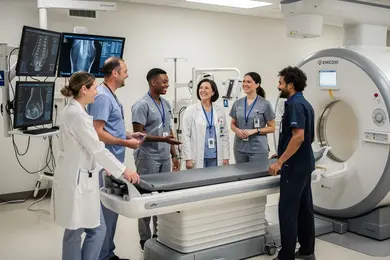
Many students pursuing a radiology technician degree juggle part-time jobs, family care, and schooling simultaneously. Finding clinical placements close to home can ease this burden by minimizing commute times and fitting supervised training into hectic schedules. With approximately 25% of radiologic technologist education programs reporting difficulty securing local clinical sites, understanding how placement partnerships work is crucial.
Local healthcare networks and educational institutions often collaborate to offer clinical opportunities within a student's community, but availability varies by region and program accreditation. This article examines whether radiology technician students can complete clinicals locally and outlines the key factors shaping these options.
Key Things to Know About Completing Radiology Technician Clinicals Locally
- Programs often assist students in securing local clinical placements through partnerships with nearby hospitals and medical centers to satisfy supervised hour requirements.
- Completing clinicals locally offers scheduling flexibility, reduces relocation costs, and helps maintain work-life balance during training.
- Students must verify state licensing mandates, site capacity, and program approval to ensure clinical hours completed locally are recognized and valid.
Can you complete radiology technician clinicals near your home or hometown?
Completing clinical placements in radiology technician programs locally depends largely on how a school structures its partnerships and the availability of healthcare facilities nearby. Local clinical opportunities can improve scheduling flexibility and accessibility, allowing students to integrate training more easily with their daily lives. In fact, around 65% of students undertake clinical placements within 50 miles of their home, highlighting a preference for nearby experiential learning in healthcare fields.
Several key factors influence the availability of local radiology technician clinical placement options, including:
- School Affiliation Networks: Educational institutions often establish agreements with local hospitals and imaging centers to provide students with nearby clinical opportunities. These partnerships can significantly expand the number of accessible sites for completing practical training close to home.
- Geographic Location: Urban and metropolitan areas typically offer more healthcare providers, making local clinical placements more plentiful. Conversely, students in rural or underserved areas may find fewer approved facilities nearby, which can limit their options for completing radiology technician clinicals near hometown.
- State and Regional Requirements: Some states have specific regulations on the types of facilities and supervised experiences required for licensure, which can affect where clinicals are permitted. Meeting these criteria ensures training aligns with professional standards but may restrict placement locations.
- Availability of Approved Facilities: Clinical sites must meet approval standards related to supervision, equipment, and case diversity to be viable training partners. The quantity and quality of such facilities in a region directly impact local placement availability.
- Placement Coordination: Program administrators play a vital role in securing suitable rotations nearby through effective scheduling and communication with clinical sites. Timely coordination helps students manage logistics and access clinical hours without excessive travel or disruption.
Students interested in distance learning combined with practical experience can explore options like RN to BSN online programs, which exemplify how some healthcare training pathways are adapting to flexible clinical arrangements.
How do radiology technician clinical placements work?
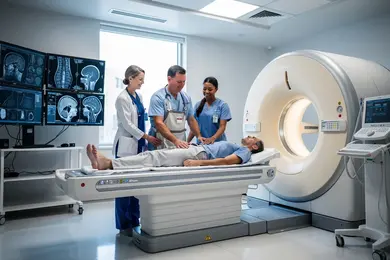
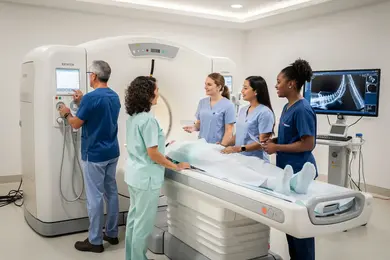
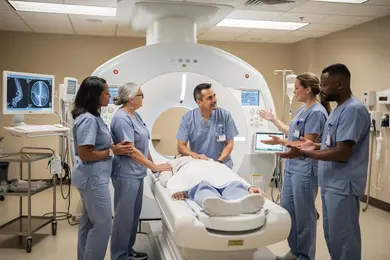
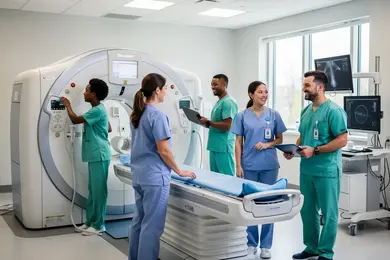
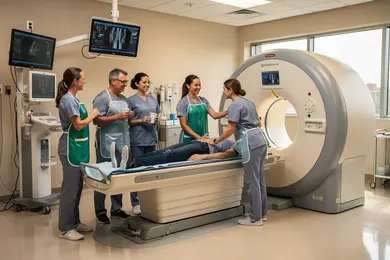
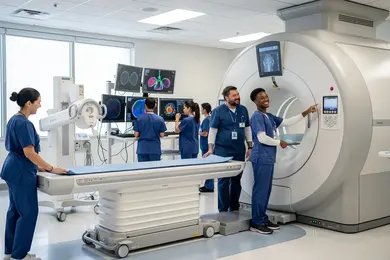
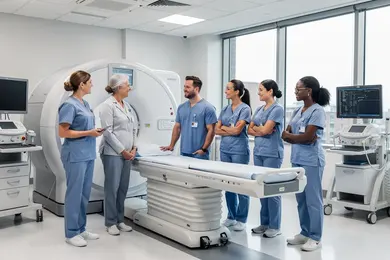
Clinical placements in radiology technician programs are usually organized through partnerships between academic institutions and approved healthcare facilities. These supervised, hands-on experiences allow students to apply classroom instruction in real-world clinical environments.
Placement structures, scheduling flexibility, and the availability of training sites often influence where and how students complete their clinical requirements. Research shows that over 80% of radiologic technologists credit hands-on clinical experience for their job readiness.
Key aspects of radiology technician clinical placements include:
- School Partnerships: Programs maintain collaborations with hospitals, imaging centers, and clinics that meet accreditation standards. Such networks ensure clinical sites offer appropriate educational opportunities aligned with state and federal guidelines.
- Placement Coordination: Program coordinators or clinical instructors work closely with partner sites to arrange student assignments. They consider factors like site capacity, accreditation compliance, and student preferences to facilitate successful placements.
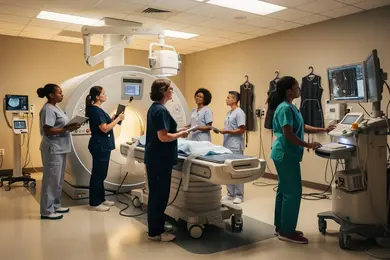
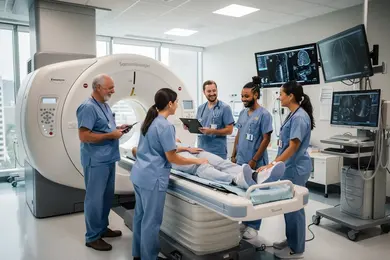
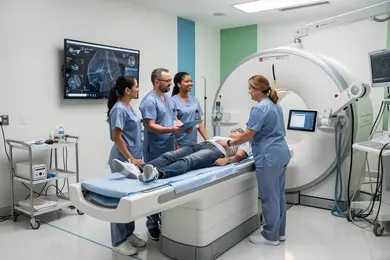
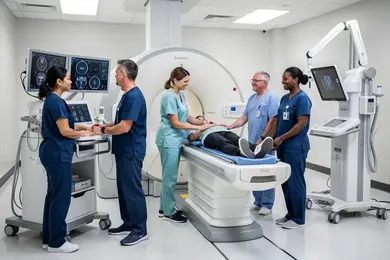
- Supervised Practice: Students conduct imaging procedures under the direct supervision of licensed radiologic technologists. This oversight guarantees patient safety and reinforces skill development in a controlled setting.
- Approved Training Environments: Only facilities approved by accrediting bodies like JRCERT qualify as clinical sites. These locations must comply with strict guidelines for equipment, supervision, and educational quality.
- Geographic Considerations: While many students can find radiology technician clinical placements near me or close to their residence, some may need to travel if local clinical training opportunities for radiology technicians are limited. Programs often try to accommodate proximity to reduce travel burdens.
For students exploring options beyond clinicals, pursuing an affordable online master's in healthcare administration may offer additional pathways in healthcare education and management.

What state authorization and licensing rules affect local clinicals?
State authorization policies, regional education regulations, and professional licensing standards significantly impact whether students enrolled in radiology technician programs can complete their clinical placements near their homes. Variations in state requirements often determine eligibility for local training sites, the need for administrative approvals, and access to in-state clinical facilities. Notably, nearly 40% of students face interstate hurdles when securing clinical experiences due to these regulatory differences.
Several key regulatory and authorization factors affect local clinical placement possibilities:
- State Authorization Agreements: Educational programs must obtain formal permission from state authorities to provide clinical education within that jurisdiction. Without these agreements, students may be prohibited from training at nearby healthcare sites even if geographically convenient.
- Professional Board Approval: Each state's radiologic technologist licensing board enforces standards on clinical hour requirements and supervision. Often, students must complete their training only under licensed supervisors, limiting eligible local facilities.
- Interstate Clinical Restrictions: Licensure and liability concerns frequently restrict students from completing clinical hours outside authorized states, impacting those near state borders who might otherwise access closer facilities across state lines.
- School Compliance and Affiliation: Institutions must establish formal contracts with clinical sites to ensure that training adheres to academic and regulatory standards. Without these affiliations, students may find limited local options despite proximity.
- Documentation and Oversight Standards: Accrediting agencies require proper supervision and reporting protocols at clinical sites, which can further narrow the pool of qualified local facilities able to host students.
A radiology technician degree graduate shared insights on navigating these restrictions: "I was initially surprised by how many approval steps were involved just to secure a clinical spot nearby. Coordinating between the school and local hospitals meant lots of paperwork and waiting. It could get frustrating when a facility seemed perfect but wasn't affiliated with my program or didn't meet supervisor requirements. I learned early on that patience and proactive communication were just as important as clinical skills in managing placement challenges."
Can online radiology technician programs arrange local clinical placements?
Many online radiology technician programs support students in completing their required clinical hours close to home by partnering with local healthcare providers or coordinating placements at approved facilities in multiple regions. Offering local clinical placement options for radiology technician students enhances accessibility and scheduling flexibility, making online or hybrid programs more convenient for those balancing other commitments.
According to a 2023 survey by the Association for Health Professions Education, nearly 78% of online healthcare programs provide experiential learning through local clinical partnerships.
Several factors impact how online radiology technician programs arrange nearby clinical sites for online radiology technician programs:
- Affiliation Agreements: Schools usually establish formal agreements with hospitals and imaging centers to guarantee that students receive supervised clinical training near their residences. These contracts detail supervision standards and responsibilities, which can affect placement availability and timing.
- Geographic Availability: The presence of approved clinical sites varies by region; thus, programs rely on regional healthcare networks and community organizations to secure suitable local clinical placement options for radiology technician students.
- State Authorization Restrictions: Many institutions face regulatory limits that restrict clinical placements to facilities within states where they hold authorization, potentially narrowing options for students living out-of-state.
- Student Coordination Role: Some programs involve students in proposing and identifying local healthcare sites for evaluation, expanding possible clinical locations if those sites meet educational and accreditation criteria.
- Facility Approval Standards: Clinical sites must meet standards set by accrediting bodies such as the Joint Review Committee on Education in Radiologic Technology (JRCERT), ensuring quality training environments for students.
Students interested in programs offering flexible clinical locations may also consider accelerated options like the 9 month LPN program online, which similarly accommodate local clinical experiences.
What types of facilities can you use for radiology technician clinicals?
Many radiology technician programs accommodate students by allowing clinical experiences close to home, increasing accessibility and convenience. Industry data shows that more than 70% of radiology technology students complete clinical hours at multiple types of healthcare sites, reflecting strong partnerships between educational institutions and diverse local providers. This trend supports the growing demand for flexible hands-on training options within community settings.
Clinical placements may include several types of facilities with unique learning opportunities:
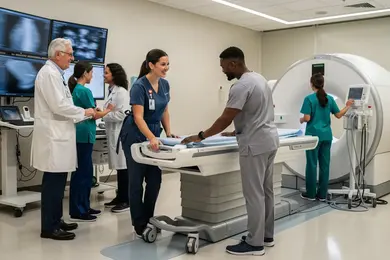
- Hospital Settings: These sites provide access to sophisticated imaging technology and a wide range of case varieties under expert supervision. Students benefit from intensive, structured environments that emphasize practical skills and multidisciplinary collaboration.
- Outpatient Clinics: Often focused on routine imaging and ambulatory care, outpatient clinics expose students to a fast-paced workflow and frequent patient contact, helping refine technical aptitude and communication.
- Rehabilitation Centers: These environments specialize in imaging for musculoskeletal and neurological conditions. Students gain experience in follow-up care and imaging's role in therapy, broadening their clinical perspective.
- Community Health Practices: Specialty offices like orthopedics or cardiology occasionally partner for clinical placements, enabling students to develop focused imaging skills in niche areas of radiology.
A professional with a Radiology Technician degree I spoke with recalled the challenge of coordinating clinical placements near her home due to limited availability in certain rural areas. "It was stressful trying to find sites that accepted students locally," she shared, "but once I connected with a community hospital, the support and exposure I received were invaluable."
She emphasized how those clinical experiences shaped her confidence, especially working directly with patients and adjusting to different equipment and departments. "Having hands-on practice in varied settings made all the difference when I began my career."
How flexible are radiology technician clinical schedules and locations?
Radiology technician programs often provide adaptability in clinical placement schedules and locations to meet diverse student needs and geographical situations. Recent data shows that around 60% of healthcare education programs integrate hybrid or online coursework, which helps students manage hands-on clinical training alongside other responsibilities. This flexibility can significantly ease challenges related to commuting and time management.
Here are several common ways clinical scheduling and placement offer support to radiology technician students:
- Nearby Clinical Sites: Programs frequently collaborate with local hospitals, clinics, and imaging centers to enable students to fulfill clinical hours close to where they live. This setup minimizes travel time and accommodates those juggling family or employment commitments.
- Alternative Shift Hours: Some clinical rotations include evening or weekend slots, allowing students to arrange clinical work around daytime classes or jobs. These options are particularly helpful for learners balancing multiple obligations.
- Partner Healthcare Facilities: Established ties between educational institutions and regional health providers broaden placement possibilities, often facilitating schedules tailored to individual student availability and personal situations.
- Travel Considerations: Although many students can secure local placements, certain programs may require traveling to specialized sites for advanced imaging techniques. Nonetheless, schools generally aim to limit such travel to reduce the strain on students.
- Hybrid Program Models: With the increasing presence of hybrid healthcare education, students can complete theoretical instruction online while scheduling clinical hours nearby. This blend enhances accessibility without sacrificing essential hands-on experience.
How do preceptors and clinical site approvals work?
Radiology Technician programs often collaborate with healthcare facilities to assign qualified preceptors and approve clinical sites where students complete their supervised training near their homes. Over 60% of allied health training programs face challenges securing enough preceptors annually, making these partnerships essential for clinical placement capacity and accreditation compliance. Effective coordination ensures students gain meaningful, hands-on experience that meets educational standards.
Several key factors govern how preceptors and clinical sites are approved and managed for Radiology Technician clinical education:
- Preceptor Qualifications: Preceptors are typically licensed, certified radiology professionals with clinical experience. Their expertise allows them to guide students effectively and evaluate clinical competencies consistently.
- Affiliation Agreements: Programs and clinical sites enter contracts outlining responsibilities, liability, and roles. These agreements formalize partnerships and ensure adherence to legal and educational requirements.
- Site Evaluation Processes: Clinical sites undergo thorough reviews to confirm availability of appropriate equipment, patient volume, and supportive learning environments. This vetting process guarantees quality training settings.
- Supervision Standards: Preceptors provide direct supervision and timely feedback, promoting skill development and maintaining student safety. Clear expectations help uphold consistent instructional quality.
- Approval Timelines: Clinical site and preceptor approvals are finalized well before clinical rotations, allowing time to resolve issues or gaps. This advance planning supports smooth program operation.
- Student Coordination: Students collaborate with program coordinators to select clinical sites near their residence, balancing site availability and capacity. This helps students complete required clinical hours without relocating.
What costs should you expect when completing radiology technician clinicals locally?
Students completing radiology technician clinical placement costs in your area often face several direct and indirect expenses beyond tuition fees. Research shows that non-tuition costs, including transportation and compliance requirements, can reach hundreds of dollars, affecting overall affordability in healthcare education. Planning for these local expenses for completing radiology technician clinicals helps manage financial challenges during clinical training.
Common costs to consider include:
- Transportation and Fuel: Traveling frequently to clinical sites may lead to significant monthly expenses, especially if the facility is not nearby. Fuel costs typically range from $50 to $150 monthly, depending on the distance and vehicle efficiency.
- Parking Fees: Some healthcare facilities charge parking fees for students during their clinical shifts. Daily rates usually fall between $5 and $15, potentially adding up over the course of several weeks.
- Uniforms and Supplies: Clinical programs often require specific uniforms like scrubs, along with protective equipment such as radiation badges. These items may cost anywhere from $100 to $250 depending on program guidelines and replacement needs.
- Immunizations and Background Checks: Compliance with site requirements including immunizations, tuberculosis testing, and criminal background checks is mandatory. These measures generally total between $75 and $200 depending on local service fees.
- Onboarding and Administrative Fees: Some sites impose orientation or administrative fees to cover necessary training and paperwork. Such fees range from $25 to $100 and ensure students meet facility policies.
Those considering clinical education options might also explore related degree programs, like MHA programs online, which can offer flexible learning choices alongside clinical commitments.
What challenges can students face with local clinical placements?
Some students may find opportunities to complete radiology technician clinicals close to their home or hometown, but local placements often come with logistical, administrative, or geographic challenges. These challenges can depend heavily on the program's structure and regional healthcare facility availability. For example, a 2022 survey showed that nearly 40% of healthcare training programs experienced significant shortages of qualified clinical preceptors, affecting access to local clinical experiences.
The following are common obstacles students face when trying to complete local radiology technician clinical placements:
- Limited Nearby Sites: Availability of nearby radiology technician clinical sites can be scarce in some regions, forcing students to compete for a small number of openings, especially in rural or underserved areas.
- Scheduling Conflicts: Aligning academic course requirements with clinical site hours is often complicated, as clinical facilities may have restricted schedules or maximum student capacity, which can limit placement flexibility.
- School Approval Processes: Clinical sites usually require approval from the educational institution, and some facilities have strict criteria or paperwork that must be completed before student placement can begin.
- Qualified Supervision Shortage: The shortage of experienced supervisors and preceptors means students may wait longer or must travel further to find approved mentors essential for hands-on learning.
Practical challenges like these mean students need strong communication and time management skills to navigate local clinical placements successfully. Students weighing their options should also explore alternative programs, such as the shortest online nurse practitioner program, which may offer different clinical placement structures to help satisfy experiential learning requirements.
Considering local challenges for radiology technician clinical placements is crucial when deciding if relocation or distant commuting is necessary to complete essential training hours.
Can local radiology technician clinicals help you get a job after graduation?
Completing clinical placements locally can provide Radiology Technician students with crucial hands-on experience and help them become familiar with nearby healthcare environments. Studies indicate that over 70% of healthcare employers prefer candidates who have completed local clinical training, as it often leads to better workplace integration and higher chances of job retention.
Local clinical experiences may also offer several advantages that support job prospects after finishing your program, such as:
- Professional Networking: Working alongside healthcare professionals in your community allows you to build relationships that can lead to job referrals or professional recommendations.
- Workplace Familiarity: Training in a local facility exposes you to specific healthcare protocols and operational procedures, helping reduce adjustment time once hired.
- Employer Recognition: Consistently strong clinical performance at local sites can increase your visibility among potential employers who value candidates they've observed firsthand.
- Local Workforce Demand: Completing clinical hours within your community may align with local healthcare staffing needs, enhancing your chances of filling open positions nearby.
- Team Communication: Experiences gained in multidisciplinary care teams develop essential interpersonal skills that employers actively seek in new hires.
What Students Say About Completing Radiology Technician Clinicals Locally
- Valentino: "Pursuing my radiology technician degree has been an exciting journey, especially because I've been able to complete my required supervised clinical hours right here in my hometown. The program coordinated well with several local healthcare facilities, and they provided clear requirements like vaccination records and background checks upfront. This local hands-on experience has boosted my confidence, making me feel ready and valued in a real work environment."
- Zev: "I found the process of arranging clinical placements near me more complicated than I expected. Limited affiliations with nearby hospitals meant I had to be flexible with scheduling and sometimes travel further than planned, which was a challenge balancing with my classes. However, this taught me to be proactive and resourceful-skills that I believe will serve me well throughout my radiology technician career."
- Grayson: "Completing my supervised clinical hours close to home has given me a practical understanding of the local healthcare landscape, which I find invaluable. Being immersed in community hospitals helped me develop a strong sense of patient care tailored to our area's specific needs. This proximity has not only eased logistical concerns but also enriched my readiness to step confidently into my radiology technician role."
Other Things You Should Know About Radiology Technician Degrees
Most programs require students to complete certain prerequisite courses or certifications such as CPR before starting radiology technician clinicals locally. These requirements ensure that students are prepared for the clinical environment and can adhere to safety protocols. It is important to verify these details with both your educational institution and the clinical site.
Supervision standards typically remain consistent regardless of location, with qualified radiology technologists overseeing students during clinicals. Local clinical sites must meet the accrediting program's standards for supervision and evaluation. Therefore, students can expect similar levels of guidance and assessment whether their clinicals are local or elsewhere.
Yes, the variety of imaging procedures students perform can vary with local clinical placements. Local facilities may offer a different range of equipment and procedures compared to larger or specialized centers, which might impact the breadth of clinical experience. It's beneficial for students to ensure their local placements provide comprehensive exposure to diverse procedures to meet their educational requirements in 2027.
References
- Exploring Career Opportunities After Medical Graduation & postgraduation https://www.clinverseedge.com/exploring-career-opportunities-after-medical-graduation-postgraduation-a-comprehensive-guide-to-clinical-research-regular-paths-qualifications-skills-salaries-and-promotions/
- Clinical Trial Start-Up Costs: A Breakdown & Benchmarks | IntuitionLabs https://intuitionlabs.ai/articles/clinical-trial-start-up-costs
- Clinical Preceptor Guide https://www.aacnnursing.org/our-initiatives/education-practice/teaching-resources/aprn-education/clinical-preceptor-guide
- Hospital Teaching Sites | AUC Medical School Clinical Rotations https://www.aucmed.edu/academics/hospital-teaching-sites
- Licensing and Regulation – State Health Workforce Toolkit https://www.nga.org/state-health-workforce-toolkit/licensing-and-regulation/
- State Authorization https://www.utoledo.edu/offices/internalaudit/institutional-compliance/state-authorization
- CRO Perspective: 4 Surprising Reasons Clinical Trials Are So Expensive - Palleos https://www.palleos.com/resource-library/blog/why-clinical-trials-are-so-expensive/
- The Pros and Cons of Hiring Locally | CA Global https://www.caglobalint.com/post/the-pros-and-cons-of-hiring-locally/
- Can Graduates Expect Job Offers Right After Nursing School? https://nursingeducation.org/insights/job-offers-after-nursing-school/
- Residents and Fellows: Benefits of Locum Tenens after Training https://medicushcs.com/locum-tenens/resources/residents-and-fellows-benefits-of-locum-tenens-after-training