2027 Is University of Washington Good for Transfer Students?

Co-Founder and Chief Data Scientist
Choosing a transfer-friendly school requires careful evaluation of credit acceptance, cost efficiency, and available support systems. University of Washington faces a common challenge for many transfer students: how many of their previous credits will apply toward degree requirements and how that affects time and cost to completion. This is particularly important for returning adult learners or students who paused their studies and now want a streamlined path to finish. Current trends show a rebound in transfer enrollment nationwide, reflecting more students seeking flexible, cost-conscious options to navigate complex academic transitions.
University of Washington's transfer admissions processes, credit evaluation policies, and academic culture can significantly affect whether the institution is a practical fit. Understanding potential cost implications, online and evening course availability, plus student resources, offers clarity for those balancing education with other commitments. This article analyzes these factors to help readers determine the realistic advantages and limitations of transferring to University of Washington.
Key Points to Know About University of Washington for Transfer Students
- The University of Washington accepts transfer credits from ACE recommendations and AP tests, applying them toward major or elective courses, enabling focused degree progression. Transfers are possible across all four academic terms, enhancing enrollment flexibility.
- Admission demands a minimum secondary GPA, college-prep completion, and TOEFL scores, with no open admission policy. Variable deadlines and GPA thresholds differ by program, shaping competitive transfer prospects according to discipline-specific standards.
- Total cost of attendance is $30,282. While financial aid exists, transfer students must assess credit transfer efficiency and affordability relative to alternatives to avoid extended time and excess expenses before degree completion.
Is University of Washington a Transfer-Friendly College for New Students?
University of Washington offers a transfer admission process that meets common expectations with centralized resources and a dedicated transfer center. Its acceptance of transfer credits, including those endorsed by the American Council on Education (ACE), supports credit recognition beyond a single institution. However, competition is strong, reflecting its overall selectivity, which may require strategic planning for applicants navigating course equivalencies and deadlines.
A recent trend shows a 12% increase in transfer enrollment among research universities with strong articulation policies, especially for the best college majors. This signals that University of Washington aligns with growing student mobility demands. Still, prospective transfers should judge affordability and credit applicability cautiously. Costs and credit acceptance vary, and flexibility across all academic terms benefits those balancing work or family. Transfer students must weigh the risk of extended degree timelines against the benefits of credit transfers and institutional support when evaluating this option.
How Easy Is It to Transfer Credits to University of Washington?
Transferring credits to University of Washington requires alignment with specific course equivalencies and academic standards. The university evaluates credits based on prior accreditation, course content, and a secondary school GPA, but it does not require a high school diploma for transfer consideration. Credits must meet grade minimums and fit either major requirements or electives, with advisement helping clarify applicability.
Transfer students face a practical challenge: about 75% nationally lose some credits due to mismatched curricula, a trend reflected at University of Washington. For example, a student moving from a community college may have general education credits accepted but find major-specific courses unrecognized. This impacts time-to-degree and tuition costs through repeated classes, which demands careful planning with academic advisors.
University of Washington offers structured advising and uses credit equivalency databases, but acceptance varies widely by discipline. Dual credit and life experience credits are excluded, which narrows options for nontraditional learners. Cost-conscious students should weigh potential credit losses against added semesters before transferring to avoid unexpected financial and time burdens.
Effectively transferring credits for the best majors at University of Washington hinges on how closely prior coursework matches program requirements. Without strategic review, redundant credits and delays are common, undermining transfer benefits. Prospective students must engage deeply with advising resources to optimize pathways and minimize credit loss in pursuit of degree completion.
What Transfer Admission Requirements Does University of Washington Have?
University of Washington's transfer admission requirements reflect a selective process prioritizing demonstrated college-level academic success over standardized tests. For students navigating transfer application criteria for Pacific Northwest students or beyond, understanding key factors like GPA thresholds, transferable credits, and prerequisite coursework is essential to plan a realistic pathway. Below is a focused summary of critical transfer admission considerations to evaluate before applying.
- Minimum GPA Requirement: Applicants from Washington community colleges must maintain at least a 2.75 cumulative GPA. Non-Washington transfer students often face a higher GPA threshold due to competitive demand. Meeting the GPA minimum does not guarantee admission, as limited space in popular majors means strong grades are crucial for acceptance.
- Completed Transferable Credits: At least 24 transferable quarter credits must be completed before applying. These credits verify college readiness and foundational knowledge. Prospective transfers should prioritize accumulating these credits early to meet eligibility benchmarks and avoid delays.
- Prerequisite Coursework Completion: Transfer applicants must submit transcripts showing prerequisite course completion aligned with intended majors. This typically includes fundamental courses such as English composition and college-level math. These prerequisites influence chances of admission and ensure preparedness for upper-division coursework.
- Standardized Test Policy and Transcript Evaluation: University of Washington no longer requires SAT or ACT scores for transfer applicants, emphasizing college performance instead. Official transcripts must demonstrate readiness and academic rigor instead of high school metrics, an important consideration for returning and adult students.
- Program-Specific Capacity Limits and Deadlines: Certain high-demand programs impose stricter admissions due to limited capacity, necessitating early and strategic application planning. Meeting application deadlines and consulting program advisors improves the chance of gaining entry to competitive fields.
A 2024 report by the National Center for Education Statistics highlights that transfer applicants nationwide with GPAs below 3.0 encounter significantly lower acceptance rates, underscoring a rising academic standard that aligns with University of Washington's approach. This makes it imperative for community college or returning students to focus on strong college GPA and prerequisite alignment.
For those comparing options for affordability and flexibility, especially adult learners considering the cheapest doctorate degree pathways, University of Washington's data-driven transfer criteria provide a strategic framework but demand disciplined academic planning and early course alignment for successful transfer admission.
How Many Credits Can Transfer Students Bring to University of Washington?
Transfer students at University of Washington face clear maximum limits and specific conditions that shape credit acceptance and degree progress. While students can bring a large volume of transfer credits, the university caps these at 135 quarter credits, roughly 90 semester credits, from accredited sources. This ceiling ensures students complete a significant portion of their studies on campus. A practical example involves a student transferring from a community college with many lower-division credits; although these credits may satisfy general education, they often do not apply directly to upper-division major requirements. This scoring discrepancy means time-to-degree can lengthen, especially if students overestimate the transferability of their credits. A recent 2024 analysis demonstrates that excessive or irrelevant transfer credits delay graduation for many, a crucial insight for students comparing pathways such as a traditional route versus an accelerated associate degree available at some institutions. Below are key transfer-credit limits and rules at University of Washington that transfer students must consider.
- Maximum Transferable Credits:Students can transfer up to 135 quarter credits total. This limit restricts credit overaccumulation and ensures a balance between prior learning and UW's academic standards. Students with extensive coursework from multiple institutions benefit if they align these credits strategically.
- Residency Credit Requirement:UW mandates completing a minimum of 45 credits in residence. Transfer students must plan to finish essential upper-division courses on campus to fulfill major prerequisites and residency rules that preserve degree quality.
- Lower-Division versus Upper-Division Credits:Lower-division credits from community colleges generally transfer and satisfy general education, but upper-division major courses often require direct UW enrollment. This distinction impacts degree planning for those aiming to accelerate graduation.
- Elective Credit Limitations:Not all transfer credits apply to major requirements; many count only as electives. This can create hidden obstacles by extending time and tuition costs if major electives or core classes need retaking at UW.
- Credit Transfer Evaluation:UW evaluates each transfer credit individually. Students benefit from pre-admission advising to identify which courses count toward specific degree paths, avoiding unexpected delays or excess expenses related to non-applicable credits.
Does University of Washington Have Transfer Pathways or Community College Agreements?
University of Washington benefits transfer students by maintaining structured articulation agreements that reduce credit loss and clarify course selection, but admission remains selective. A student finishing required coursework at a Washington community college under the Direct Transfer Agreement (DTA) can gain guaranteed admission if applying to a participating major, easing degree planning and lowering the risk of wasted credits. Yet, competitive admission at UW, with a 43% acceptance rate, means transfer students must still meet prerequisites carefully. A 2024 study in the Journal of Higher Education Policy found that guided transfer pathways tied to community college partnerships increased bachelor's degree completion by around 15% within three years, indicating UW's approach adds tangible value when combined with informed academic advising. Below are key facets of UW's transfer pathways and agreements explaining their scope and benefits.
- Direct Transfer Agreement (DTA) Guarantee: This statewide agreement guarantees admission to UW for students completing required general education credits at partner community colleges. It streamlines transfer planning by assuring eligibility for many majors, benefiting students focused on completing foundational coursework cost-effectively before transferring.
- Articulation Agreements with Washington Community Colleges: UW collaborates with many local colleges to recognize specific courses and minimize redundant credits. These agreements help students avoid retaking courses and maintain steady progress, saving time and tuition costs during their transfer journey.
- Transfer Maps for Major-Specific Planning: UW provides detailed transfer maps outlining recommended courses aligned with bachelor's degrees. These maps guide students toward meeting program prerequisites and credit requirements, reducing uncertainty and helping prioritize efficient course selection.
- Credit Applicability and Evaluation Support: Through institutional advising, UW evaluates prior credits early to maximize transfer applicability. This reduces risks of lost credits and accelerates degree completion, particularly valuable for students transferring with a mix of general education and specialized coursework.
- Competitive Admission with Selectivity Considerations: Despite pathway supports, UW's competitive acceptance rate requires students to strategically plan course rigor and GPA. Transfer students should supplement pathway completion with strong academic records and advising to improve admission chances, especially in high-demand majors.
Is University of Washington Affordable for Transfer Students?
The University of Washington's posted tuition and fees arrive at $36,679, while the total cost of attendance is $30,282 after financial aid and scholarships. Transfer students must carefully assess this gap, as aid eligibility depends heavily on FAFSA completion, residency, and program specifics, which shape their net price.
Credit transfer acceptance impacts affordability. Lost credits can extend time to degree, increasing overall expenses. Part-time enrollment or online study options may reduce immediate tuition but can delay graduation and raise total costs, especially when housing or program fees add financial pressure.
A 2024 study reveals transfer students face notable financial aid gaps nationwide, worsening affordability and persistence rates. For University of Washington transfers, transparent tuition communication and verifying all institutional, federal, and specialized aid sources is critical to minimizing unexpected costs.
Before enrolling, confirm transfer credit applicability with academic advisors and financial aid offices. Track billing deadlines and program fees closely. Prioritize the lowest-cost path by understanding the interplay of aid, enrollment intensity, and degree requirements to avoid hidden expenses.
One recent graduate shared, "I almost dropped out because the software licensing fee wasn't in the brochure. I had to juggle part-time hours to cover housing and tuition while waiting months for transfer credits to post. It felt like the costs weren't clear upfront, which nearly derailed my plan." This experience highlights the importance of thorough planning and detailed cost awareness for transfer students at the University of Washington.
What Academic Programs at University of Washington Are Best for Transfer Students?
Programs that align well with transfer credits and have structured prerequisites tend to serve transfer students best at University of Washington. Particularly, majors within the College of Arts and Sciences and the Information School offer clear degree-completion pathways. STEM fields like computer science and engineering attract many transfer students but often require completing specific prerequisites upfront, which can affect graduation timelines.
Programs in Business and Health Sciences also rank highly in transfer-friendliness due to practical curricula and established articulation agreements with community colleges. These agreements maximize credit applicability and reduce lost time. A 2024 National Student Clearinghouse Research Center study found transfer students completing degrees in Information Technology and health-related fields experienced 15% higher median salary growth within five years, highlighting the advantage of workforce-aligned majors. Choosing the right program directly impacts not just credit transfer but also the total cost and course sequencing critical for timely degree completion.
Transfer students should thoroughly verify prerequisite requirements and confirm transfer equivalencies before enrollment. Accessing advising support is essential to identify gaps and plan course sequences that minimize added semesters. This proactive approach helps align academic choices with long-term career goals and avoids costly delays in graduation.
For those evaluating short certificate programs that pay well or looking for efficient pathways, exploring UW's transfer-friendly majors with transparent credit policies can be a strategic move toward economic and academic efficiency. This is especially pertinent for transfers from community colleges aiming for degrees with strong labor market connections.
Does University of Washington Offer Online or Flexible Options for Transfer Students?
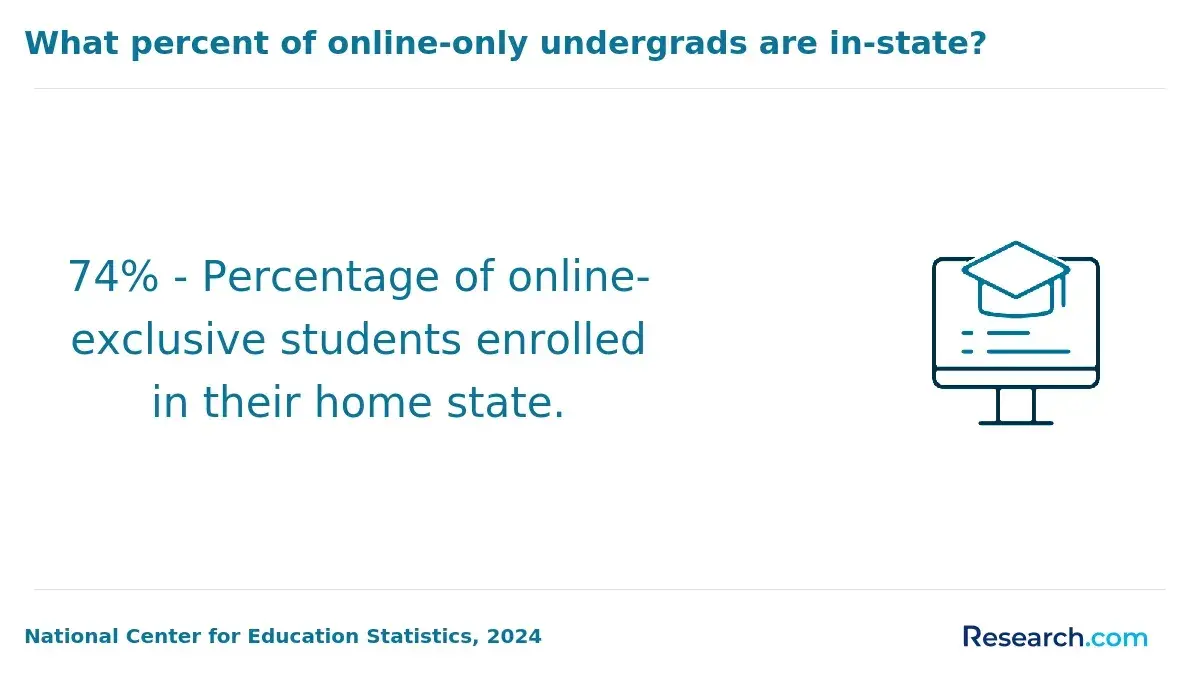
Evaluating online and flexible options at University of Washington as a transfer student involves navigating a patchwork of part-time enrollment, evening courses, and select hybrid classes while managing prior credit acceptance, work, or family commitments. Transfer students must assess how well flexible offerings align with their program's course sequencing, enrollment limits, and credit policies. This process is critical because while some majors provide evening or hybrid classes easing commute and schedule pressures, fully online degree pathways remain limited. The 17.8% growth in online enrollment among adult learners reported by the National Center for Education Statistics highlights rising demand for asynchronous and remote study, pressuring institutions to expand such options. At University of Washington, transfer students face a mix of partial flexibility and program-specific restrictions affecting cost, timing, and balancing nonacademic responsibilities. Below are key factors that shape whether this institution's flexible options genuinely support transfer student success.
- Part-Time Enrollment Possibility: Allows students to reduce course loads per quarter, enabling work or family balancing but may extend time to degree. Compared with traditional full-time transfer paths, this can lower immediate costs but increase total expenses and delay graduation.
- Evening and Hybrid Courses: Available in some majors, these classes provide alternatives to daytime campus attendance. They help mitigate commuting challenges and enable working students to maintain employment, but offerings are uneven and often limited in number.
- Transfer Credit Evaluations: Varied acceptance of prior coursework influences program fit and course sequencing. Delays or uncertainties in credit articulation can disrupt flexible enrollment planning and lengthen degree timelines.
- Advising Support for Transfers: Specialized advising aids in navigating program restrictions and scheduling options but transfer students must proactively seek this guidance to optimize flexible course pathways.
- Limited Fully Online Degree Options: Most degree completion requires some on-campus presence. This restricts accessibility for students needing fully remote study and can increase opportunity costs due to commute or rigid scheduling.
- Course Sequencing Constraints: Some majors restrict when key courses are offered (e.g., only certain quarters or times). This reduces flexibility and may prolong completion if transfers miss prerequisite or core courses early.
- Graduation Timeline Pressure: Balancing part-time enrollment with transfer credit variability forces careful planning to avoid extended time-to-degree that can increase overall program cost and delay workforce entry.
A University of Washington graduate recalls, "I was juggling two jobs and wasn't sure if my community college credits would transfer cleanly. Evening classes helped, but some essential courses were only daytime, which meant rearranging work shifts constantly. I almost dropped out because the software licensing fee wasn't in the brochure, and managing unexpected fees alongside a tight schedule made things stressful. The advisors were helpful once I found them, but I felt like I had to keep pushing just to keep my plan on track." This highlights the real complexities transfer students face using UW's partial online and flexible offerings amid competing personal demands.
What Support Services Does University of Washington Provide for Transfer Students?
A transfer student at University of Washington faces the challenge of verifying how previous credits apply and selecting the right remaining courses to avoid unnecessary repetitions that delay graduation. Managing affordability while adjusting to a new academic environment demands effective use of tailored support services. These services determine whether transfer students can progress efficiently without losing time or money. Transfer advising, credit evaluation support, degree planning tools, orientation for transfer students, financial aid guidance, academic tutoring, career services, and resources for online or flexible learners all contribute critically. Below are key elements that shape transfer student success at University of Washington.
- Transfer Advising and Credit Evaluation: Transfer advising provides customized guidance to assess course equivalencies, helping students preserve prior credits and avoid costly excess coursework. Students should compare this with advising at other institutions to ensure timely degree progress.
- Orientation Programs for Transfer Students: Specialized orientations integrate transfers into campus culture and clarify academic planning steps. This reduces confusion and credit loss common during transitions.
- Financial Aid Counseling Services: With about 55% of students receiving aid, these services ensure transfer students manage costs effectively. Comparing aid access with other schools informs affordability decisions, especially for nontraditional learners.
- Academic Tutoring and Career Services: Dedicated tutoring supports academic persistence, while career services build employer-relevant skills. Both enhance student retention and workforce readiness, important factors for degree completion.
- Resources for Nontraditional and Online Students: The university explicitly supports returning, working, and online transfer students, recognizing diverse schedules and responsibilities. This flexibility can improve persistence compared to less adaptable programs.
- Personalized Degree Planning Tools: Research shows effective planning tools reduce credit loss by up to 18%, improving graduation odds. Transfer students benefit from such resources to tailor academic paths based on their prior coursework and career goals.
- Academic Advising and Resources for University of Washington Transfer Students: Comprehensive advising supports navigating complex credit transfers and aligns remaining courses with graduation requirements, a crucial factor in minimizing time and expense.
Prospective students examining transfer student support services at University of Washington should weigh these offerings carefully. Efficient credit transfer and personalized academic planning, combined with accessible financial aid, differentiate this institution from less transfer-friendly colleges. Those needing flexible learning or affordability may also consult the list of cheapest online colleges to compare options that align with their unique academic histories and professional ambitions.
Is University of Washington Worth It for Transfer Students Based on Graduation and Career Outcomes?
University of Washington's 84% graduation rate for transfer students signals a strong likelihood of degree completion, especially for those entering with prior college credit. Transfer students benefit from credit applicability that often accelerates time-to-degree. For example, a student transferring with an associate degree finds a reliable pathway to finish a bachelor's without redoing foundational coursework.
Career outcomes reinforce the value proposition. The median alumni salary of $78,466 demonstrates competitive earnings after graduation, reflecting employers' acceptance of transfer credentials. Research indicates that transfer students at flagship public universities like University of Washington close earnings gaps with native graduates within five years, supporting long-term workforce integration and return on investment.
Careful consideration is required due to potential total cost and graduate debt variation. Balancing affordability with career readiness means transfer students should evaluate financial aid and support services, including options suited for online degrees for military spouses, which can impact overall educational expenses.
Choosing University of Washington hinges on program fit and transfer credit policies. Cost-conscious and career-focused students often find that practical credit transfer, degree completion speed, and competitive salary outcomes outweigh the upfront investment, making it a sound option compared to staying at a less flexible institution.
What Do Graduates Say About University of Washington for Transfer Students?
- Ethan: "Transferring to the University of Washington was a calculated choice for me after my community college where only about 70% of my credits applied directly to my major requirements. The transfer advising was helpful but I quickly realized not all credits counted equally, which introduced some unexpected delays in my graduation timeline. Still, the balance of quality education and relatively affordable tuition, supplemented by partial scholarships and financial aid, made it a practical decision. The degree's strong reputation within the tech industry definitely improved my career prospects once I graduated."
- Martin: "My experience transferring to the University of Washington was mostly positive, especially because they accepted nearly all my credits and allowed me to enroll part-time while working. This flexibility, including some online courses, helped me manage my schedule without extending my degree duration significantly. However, mandatory fees and living costs in Seattle did impact my overall budget more than I anticipated. Even so, the supportive transfer advising and clear articulation agreements made the process smoother and left me confident that completing my degree here was worthwhile for advancing my career."
- Fernando: "I approached the University of Washington cautiously because I heard mixed reviews about credit transfer and extra costs. Only about 60% of my credits transferred toward my major, with the rest counting as electives, which meant I had to take additional classes and pay more tuition than planned. The advising was informative but I wish there had been more transparent information upfront about how this could affect my degree timeline and total cost. In the end, I valued the university's academic rigor and career services, but I came away realizing that transfer-friendliness is just one factor and you need to assess your individual academic goals and finances carefully before committing."
Other Things You Should Know About University of Washington Degrees
In 2027, the University of Washington offers support systems such as transfer student orientations, peer mentorship programs, and dedicated transfer academic advising to help transfer students connect and succeed on campus. These resources aim to facilitate a smoother transition and integration process.
Many transfer students report a significant jump in workload intensity, especially in STEM and pre-professional fields, where University of Washington maintains rigorous standards. Coursework often assumes foundational knowledge that may not align perfectly with previous institutions' curricula, creating catch-up pressure. Students who do not allocate time for adjusting study habits and leveraging campus academic resources risk falling behind, which can delay graduation or reduce competitiveness in internships.
Entering University of Washington as a transfer student typically means fewer semesters to build relationships with faculty or career advisors, which can limit access to competitive internships or research roles. Prospective transfers should actively seek these opportunities early and consider programs that facilitate direct employer connections. Those in career fields reliant on internships for job placement may face tougher timelines and need to prioritize networking from the outset over additional extracurricular activities.
Transfer students aiming for on-time graduation should strongly consider less impacted majors at University of Washington, as bottlenecks in core courses for high-demand programs can extend time to degree beyond the expected two years post-transfer. While popular majors may offer strong employment prospects, the risk of delayed graduation and increased tuition costs can offset this advantage. Selecting a major with reliable course availability allows for steadier progress and may enhance overall return on investment.
References
- How to transfer to University of Washington - Transfer Savvy https://transfersavvy.com/how-to-transfer-to-university-of-washington/
- Washington College Approves Transfer-Friendly Pathway for Community College Students https://www.washcoll.edu/live/news/direct-transfer.php
- Career Connections - Undergraduate Admissions https://www.uwb.edu/admissions/why-uw-bothell/career-connections
- Transferring colleges can be a puzzle. One WA program is hoping to fix that. https://www.seattletimes.com/education-lab/wa-colleges-help-transfer-students-chart-a-part-to-four-year-degrees/
- Ppl Who Transferred To UW With Or Without An AA-DTA, How Were Your Credits Evaluated? https://talk.collegeconfidential.com/t/ppl-who-transferred-to-uw-with-or-without-an-aa-dta-how-were-your-credits-evaluated/3649921
- Flexible Learning Options | Washington Public Universities https://wapublicuniversities.org/explore/flexible-learning/
- College Transfer https://northseattle.edu/programs/college-transfer/uw-transfer-tips
- University of Washington (UW) https://www.princetonreview.com/college/university-washington-1023567
- University of Washington Out of State Tuition: What Nobody Tells You About the Real Costs https://outpost.me/blog/university-of-washington-out-of-state-tuition-what-nobody-tells-you-about-the-real-costs
- University of Washington Transfer Acceptance Rate — 2025 https://www.collegetransitions.com/blog/university-of-washington-transfer-acceptance-rate-requirements-application-deadlines/