2027 School and Community Program Roles You Can Target With a Social & Behavioral Sciences Degree

Co-Founder and Chief Data Scientist
Facing an evolving job market, individuals pursuing a social & behavioral sciences degree often confront the challenge of translating their academic background into tangible roles within schools and communities. With the National Center for Education Statistics reporting a 34% increase in adult learners enrolling in flexible and online programs since 2023, accessibility shifts have expanded career entry points but also intensified competition for midlevel roles requiring both practical experience and advanced interdisciplinary skills. Navigating this landscape demands awareness of where degree holders can effectively position themselves for meaningful employment and sustainable career growth. This article identifies targeted school and community program roles suited to social & behavioral sciences graduates, providing actionable guidance to optimize career pathways amid these shifting dynamics.
Key Things You Should Know
- Workforce data from the U.S. Bureau of Labor Statistics shows community health educator roles, closely tied to social & behavioral sciences degrees, growing 13% by 2028, but certification requirements create entry delays impacting short-term earning potential.
- Employers prioritize applied data analysis and culturally responsive communication skills in school and community roles, with a recent RAND Corporation study indicating a 40% hiring preference for candidates demonstrating these competencies over purely academic credentials.
- Public funding shifts toward integrated mental health programs drive demand for social & behavioral sciences graduates, yet uneven state-level grant distributions create geographic disparities in job availability and salary scales, complicating strategic location choices for graduates.
What school and community program roles can you pursue with a social and behavioral sciences degree?
Employment projections for school and community program careers for social and behavioral sciences graduates point to targeted roles driven by urgent mental health needs and evolving institutional dynamics. Substance abuse counselors and behavioral specialists, for example, face state licensure requirements that significantly affect the timeframe from graduation to employment. The Bureau of Labor Statistics expects 17% growth for substance abuse and mental health counselors through 2034, signaling stronger-than-average labor demand but also heightened competition for credentialed candidates.
In educational settings, mental health counselors must adeptly manage cross-sector collaboration-working with teachers, parents, and agencies-while navigating mandated reporting and policy constraints. Community program roles often focus on preventive education or social service facilitation, requiring data-driven assessment and program adjustment skills. Choosing between these pathways depends largely on one's capacity to operate within differing regulatory environments and stakeholder complexities, which influences career sustainability.
Median wages in these positions are around $59,190 annually, but costs and timing of certification can impact long-term earning potential. For professionals weighing a social and behavioral sciences degree job opportunities in education and community services, understanding these operational realities is crucial. Those seeking to bolster credentials may explore the top MSW online programs as a strategic next step, particularly given the credentialing demands and diverse occupational niches within this labor market.
What types of social and behavioral sciences degrees best prepare you for school and community work?
Degrees in social work, community health, and psychology form the most robust foundation for school and community careers in 2026, each targeting distinct workforce needs and requiring careful alignment with licensure or certification demands. Social work programs prioritize case management and direct intervention, essential for roles entailing individual support in educational or community settings, while community health degrees emphasize preventive care and health education, aligning with an 11% projected employment growth.
Psychology offers insights into behavioral health crucial for program design and collaboration with schools and nonprofits. Selecting the best social and behavioral sciences programs for community and school roles means evaluating where practical training, such as internships and fieldwork, fit within the curriculum to meet employer expectations.
Practical considerations include compliance with varied state certification requirements-especially for positions like school counselors-and balancing part-time or online options to maintain income during studies. Candidates aiming for public health outreach must ensure their education covers epidemiology and health policy for effective navigation of complex regulatory environments. Tradeoffs often revolve around whether a program provides a clear career pathway or necessitates additional certifications. For professionals pivoting or advancing in the social and behavioral sciences sector, prioritizing programs with embedded employer engagement enhances job placement success.
Prospective students seeking advanced specialization might investigate options such as masters in child psychology to supplement foundational degrees and better position themselves in competitive labor markets.
How do online social and behavioral sciences programs compare to campus-based options for these careers?
Online social and behavioral sciences degree programs versus campus-based studies present distinct tradeoffs in practical skill development critical for roles such as youth development coordinators or after-school program managers. Campus students gain structured access to internships and community engagement through partnerships that cultivate leadership and regulatory navigation skills employers expect. In contrast, online learners must independently secure local field placements, which often delays hands-on experience and hinders early networking, critical in social and community service management careers.
Employers prioritize verifiable, real-world experience due to the intricate interpersonal dynamics and compliance demands of these roles. While the remote format provides cost and schedule flexibility attractive to working adults or those outside metro areas, it limits spontaneous peer interaction and direct community exposure. For instance, an online student aiming for leadership in urban after-school initiatives may struggle to match the immersive environment of campus cohorts collaborating through neighborhood agencies.
The labor market projects a 6% growth for social and community service managers from 2024 to 2034, emphasizing that credential recognition plus experiential learning together influence employability and wage potential, which averaged $78,240 annually in May 2024. Students evaluating career outcomes for social and behavioral sciences graduates in online and traditional formats should weigh these practical considerations carefully.
Prospective learners can compare program options and outcomes by exploring resources like the sociology bachelor degree online to align educational choices with their professional goals.
What core courses and skills do social and behavioral sciences majors develop for school and community roles?
Social and behavioral sciences majors must reconcile theoretical foundations with applied demands, focusing on core courses that integrate statistics, psychology, and sociology to interpret social trends and evaluate program outcomes. This blend addresses employer expectations, particularly for roles requiring precise assessment of community needs and intervention strategies relevant to school environments. The curricula emphasize essential skills developed by social and behavioral sciences majors for school roles, including communication, cultural competency, and conflict resolution-skills critical when managing multifaceted relationships among families, educators, and social service agencies.
A practical example is the school-community partnership specialist, who coordinates resources across stakeholders and must adeptly navigate conflicting interests through collaborative problem-solving. Labor data from Canada illustrates this role's prominence, with 7.1% of young female social science bachelor's graduates employed as social and community service workers, underscoring vocational relevance in service coordination. Majors also engage in experiential learning via case studies, field placements, or community research, cultivating competencies in program evaluation, policy analysis, and stakeholder engagement.
Challenges for graduates include mastering data management tools and comprehending funding streams governing community programs. Effective navigation of bureaucratic structures and alignment with evidence-based practices are crucial for operational success. Graduates should consider the tradeoffs between theoretical instruction and applied skill development carefully to ensure readiness for community-focused careers.
Those seeking related healthcare administration credentials might explore an accredited online health information management degree CAHIIM as a complementary credential.
What admission requirements and prerequisites do social and behavioral sciences programs typically have?
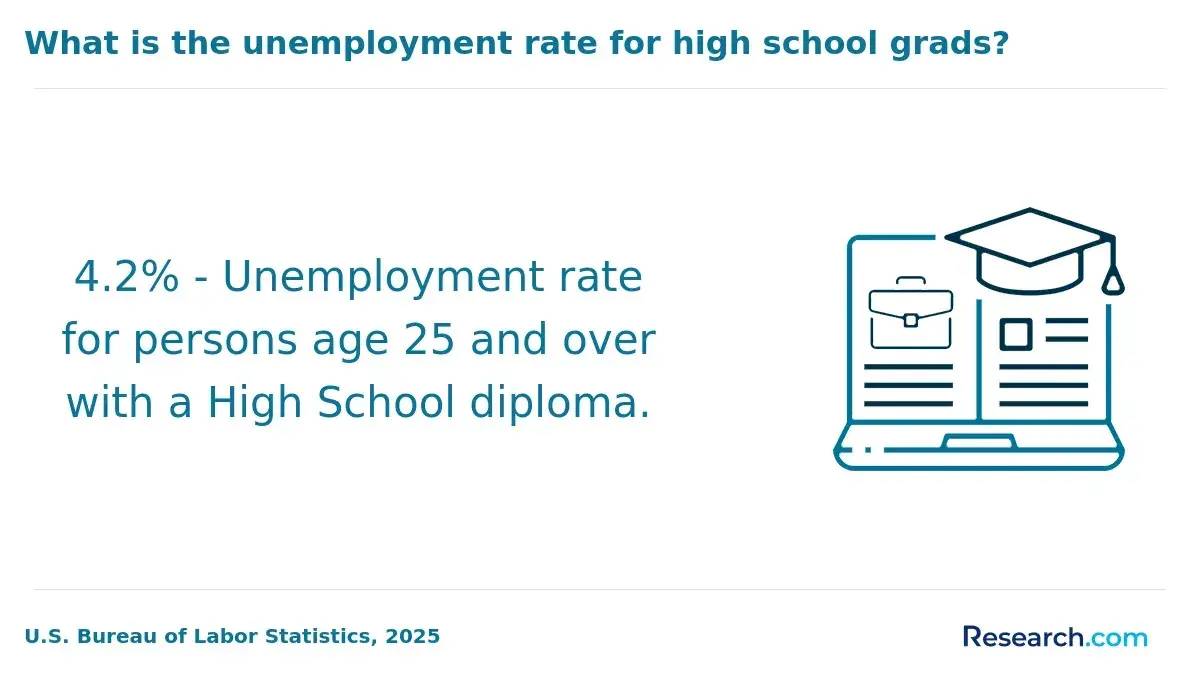
Meeting admission requirements for social and behavioral sciences programs involves more than just academic thresholds; it reflects the evolving complexity of workforce demands in this sector. A typical baseline includes a high school diploma with a GPA around 2.5 to 3.0 and completion of core courses such as English, math (including statistics or algebra), plus introductory social sciences like psychology or sociology. Selective programs may still consider standardized test scores, although their role has diminished.
Prerequisites serve as gatekeepers for program success, with foundational coursework in research methods, statistics, and ethics particularly vital for careers in areas like restorative justice or school violence prevention. These requirements ensure students possess quantitative proficiency and ethical understanding necessary for applied roles.
From a labor market perspective, occupations in life, physical, and social sciences are expected to grow faster than average, producing about 144,700 openings annually. This growth stems from both sector expansion and replacement needs, which raises the stakes for students to fulfill rigorous entrance criteria that ensure readiness and competitiveness.
Tradeoffs include potentially extended time-to-degree if remedial classes are needed, and significant demands on quantitative and ethical competencies for research-intensive tracks. Practical training through internships or career-focused coursework often differentiates candidates by linking theory to real settings, aligning education directly with employer expectations and actual job functions.
How long do social and behavioral sciences programs take, and what do they cost at accredited U.S. schools?
Choosing a social & behavioral sciences program involves weighing both duration and cost against career objectives and financial capacity. Bachelor's degrees typically require four years at accredited U.S. institutions, with public in-state tuition averaging about $10,000 annually, while out-of-state or private options range from $25,000 to $50,000 per year. Associate degrees usually take two years but offer more limited entry-level potential.
Graduate programs, necessary for roles such as School Health Promotion and Wellness Program Coordinators, generally last two years and cost between $15,000 and $40,000 yearly. For working adults aiming to maintain employment while upskilling, part-time or online bachelor's programs stretch beyond four years but make tuition and time commitments more manageable. Recent high school graduates often prioritize a full-time path to enter the workforce sooner.
Certificate programs exist but rarely lead to wages comparable to degree holders; health education specialists with degrees earned a median wage of $63,000 in May 2024, with job growth projected at 4% through 2034. This demand arises from employers seeking candidates with accredited training and practical skills to lead effective wellness initiatives.
Indirect costs such as textbooks and unpaid internships should also influence program choice. Students must balance upfront expenses with long-term earnings and job security while verifying accreditation and graduate outcomes to ensure alignment with workforce expectations.
What certifications, licenses, or clearances are needed for school and community program positions?
Licensing and clearance requirements sharply shape career trajectories for those with a social & behavioral sciences degree pursuing roles in education or community programs. For example, school social workers or counselors must secure state-issued licenses, typically requiring a Master's degree, supervised clinical hours, and passing a state exam. Without these credentials, direct student engagement or intervention leadership remains inaccessible, limiting job opportunities substantially.
Community-based roles often demand fewer formal licenses but require certifications such as Certified Community Health Worker or sector-specific credentials related to mental health or substance abuse. Background checks, including child abuse clearances and FBI fingerprinting, are universally mandatory for positions involving minors, making early compliance essential to avoid onboarding delays and missed employment windows.
Employers emphasize candidates who present completed clearances to meet regulatory deadlines and avoid operational disruptions. The U.S. Bureau of Labor Statistics reports a median annual wage of $101,690 for sociologists engaged in program evaluation and community research, with a projected employment growth of 4% through 2034, underscoring steady demand for analysis-driven roles.
Professionals considering relocation or state-to-state licensure conversions must weigh supervisory hour requirements and licensing timelines that can postpone employment start dates. Prioritizing educational pathways integrated with certification benchmarks mitigates these gaps, smoothing transitions between graduation and full qualification for critical roles.
What are typical salary ranges and benefits for school and community program roles in this field?
Graduates with a social & behavioral sciences degree encounter a wide salary range influenced heavily by employer type, role complexity, and geographic context. For example, Diversity, Equity, and Inclusion (DEI) coordinators in urban public school districts managing extensive grants often approach $85,000 annually, reflecting advanced expertise and accountability demands. By contrast, entry-level community outreach specialists in smaller nonprofits may begin closer to $45,000, managing more limited resources and benefits.
The median wage for life, physical, and social science occupations stands at $78,980, significantly higher than the $49,500 general workforce median reported by the U.S. Bureau of Labor Statistics in May 2024. This divergence signals the premium for proficiencies in data-driven program evaluation and complex social behavior interventions essential to these roles.
Compensation packages differ substantially:
- Public education roles often offer more robust retirement benefits and union protections but slower salary growth.
- Nonprofit positions typically trade salary and retirement benefits for greater flexibility and faster promotional opportunities.
Employers prioritize candidates who combine academic credentials with applied skills in community engagement and measurable outcomes. Professionals should balance salary potential with job stability and seek interdisciplinary experience to strengthen negotiating leverage within socially complex, financially constrained environments.
What is the job outlook and hiring demand for social and behavioral sciences graduates in schools and communities?
The labor market for social and behavioral sciences graduates in educational and community settings is shaped heavily by funding variability and skill specialization. While roles such as college and career readiness advisors, school counselors, and community outreach coordinators offer a median annual salary around $50,609-with the middle 50% earning between $46,500 and $53,000-candidates lacking expertise in grant writing or outcome evaluation often encounter hiring barriers.
Districts serving large and socioeconomically diverse student bodies increasingly prioritize graduates who can implement data-driven behavioral interventions and provide career guidance. This creates a competitive advantage for those with certifications or practical experience tailored to accountability measures and funding cycles. Conversely, limited experience with program evaluation or inter-agency coordination can constrain advancement, especially in urban community centers where balancing client interaction and administrative responsibilities is the norm.
Workforce implications include:
- The need for targeted internships that align with district and community program priorities.
- Awareness of federal and local funding fluctuations as critical to job security.
- Tradeoffs between direct service roles and administrative duties influencing career trajectory.
Prospective students should weigh these practical realities against the pursuit of specific credentials to optimize employability and long-term stability in social & behavioral sciences occupations.
How can you evaluate and choose a reputable, accredited social and behavioral sciences program in the U.S.?
Selecting a social and behavioral sciences program requires prioritizing recognized regional or national accreditation to ensure employer recognition and smooth credential transfer. Specialized accreditation by bodies such as the Council on Social Work Education or the American Psychological Association adds discipline-specific credibility that can directly influence hiring decisions in fields like social work or psychology.
Programs without clear graduation or employment metrics carry risk for students pursuing timely workforce entry. For instance, a program reporting a placement rate of at least 70% within six months after graduation in community service roles indicates stronger alignment with labor demand. This metric becomes particularly significant when aimed at roles like nonprofit management or school counseling, where employer expectations include practical experience alongside academic credentials.
Flexibility in course delivery-part-time, evening, or online options-can mitigate logistical constraints for working students but should not come at the cost of curriculum rigor or hands-on internships, essential for acquiring real-world skills and enhancing employability.
Faculty expertise with active community or research involvement offers networking leverage and keeps curricula relevant to evolving job markets. Labor data showing social and community service managers earn median wages around $78,240 with projected 6% growth through 2034 underscores leadership roles' financial viability. However, students must weigh this against program transparency in outcomes, availability of career services, and agency partnerships that materially affect return on investment.
Neglecting these factors risks enrolling in programs with unclear pathways into social and behavioral sciences careers, potentially delaying professional progress and diminishing practical returns.
Other Things You Should Know About Social & Behavioral Sciences
Social & behavioral sciences programs often emphasize theory and research methods, which can limit hands-on experience with real-world applications. Students aiming for school and community roles may face difficulty if their program offers few practicums or fieldwork opportunities. Prioritize programs that integrate applied projects or internships directly related to community settings to develop practical skills employers expect.
The broad range of subjects under social & behavioral sciences can create a disconnect between coursework and specific job skills needed for school and community roles. Students should carefully choose electives or specialization tracks that align with their intended career path rather than opting for a generalized curriculum. Programs allowing targeted skill-building and contextual knowledge produce graduates better prepared for employer demands.
While reputation often correlates with stronger networks and employer recognition, flexible programs offer accessibility for working professionals and career changers. For immediate job entry or advancement, prioritize accredited programs with strong local connections and field placement options. Flexibility is critical only if you can supplement practical experience externally; otherwise, a well-regarded program with built-in experiential learning yields better long-term outcomes.
In 2027, a Social & Behavioral Sciences degree can lead to roles such as school counselor, community outreach coordinator, and social services manager. These positions utilize skills in human behavior understanding, program development, and support service facilitation to address educational and societal challenges.
References
- Community Support Workers | Salary & Benefits https://wcc.ca/blog/community-support-workers-salary-benefits/
- 1302.91 Staff qualifications and competency requirements. | HeadStart.gov https://headstart.gov/policy/45-cfr-chap-xiii/1302-91-staff-qualifications-competency-requirements
- Teacher Salary, Career, and Benefits Guide https://teach.com/careers/become-a-teacher/teaching-career/salary-and-benefits/
- Social & Behavioral Sciences Career Community - Academic Programs & Career Paths - Pasadena City College https://pasadena.edu/explore-your-career/social-and-behavioral-sciences.php
- How Long Does It Take to Earn a PsyD? https://www.calsouthern.edu/articles/how-long-does-it-take-to-earn-a-psyd/
- Interdisciplinary Studies: Behavioral & Social Sciences (AAT) https://www.lasc.edu/academics/aos/issbs-1
- How Long Does it Take to Become a Social Worker? https://socialworklicensemap.com/become-a-social-worker/how-long-does-it-take/
- Community School Program Specialist - New Haven Unified School District https://mynhusd.org/departments/employment/job-descriptions/community-school-program-specialist/
- Teach For America Salary and Benefits | Teach For America https://www.teachforamerica.org/corps/salary-and-benefits
- Behavioral Sciences https://www.southmountaincc.edu/degrees-certificates/behavioral-science-human-services/behavioral-sciences-9300-bs