2027 Environmental Biology Roles You Can Target With a Biological Sciences Degree

Co-Founder and Chief Data Scientist
Facing tightening environmental regulations and escalating biodiversity crises, professionals with biological sciences degrees must navigate a job market demanding specialized skills alongside adaptability to rapid technological change. Employment projections from the U. S. Bureau of Labor Statistics indicate a 7% growth in environmental scientist roles over the next decade, signaling steady but competitive demand.
Meanwhile, 2024 data from the National Center for Education Statistics reveal a 15% rise in online biological sciences enrollment among working adults, reflecting a shift toward flexible learning models that accommodate career transitions and upskilling. This article examines current environmental biology roles that align with these evolving workforce and education trends, guiding readers to identify viable career targets based on real-world applicability and advancing market needs.
Key Things You Should Know
- Federal Labor Statistics project a 13% job growth for environmental biologists by 2030, but 70% of hiring favors candidates with master's degrees, creating a strategic tradeoff between entry speed and earning potential.
- Employers increasingly require proficiency in GIS and remote sensing, with 62% of 2024 job postings listing these skills, signifying a workforce shift demanding integrated tech-literacy beyond core biological sciences knowledge.
- Undergraduate programs average $28,000 annual cost, with median student debt doubling over five years per the College Board, pressuring students to balance education debt against delayed workforce entry in specialized environmental roles.
What environmental biology careers can you pursue with a biological sciences degree?
Graduates with a biological sciences degree targeting environmental biology job opportunities face a landscape where analytical rigor and specialized skills dictate employability. Environmental scientists and specialists commonly occupy the most accessible and financially viable roles, with median wages near $80,060 and upper earnings surpassing $130,000. These positions demand proficiency in data collection, environmental impact assessments, and regulatory frameworks.
For example, a local government environmental scientist might assess water quality after industrial incidents, requiring expertise in chemical analysis and precise regulatory reporting. Comparatively, wildlife biologists often focus more on species behavior and habitat preservation, frequently necessitating further specialization or graduate study and offering direct ecological management roles typically within state wildlife agencies.
Employers prioritize candidates with hands-on experience in geographic information systems (GIS) and statistical software, underscoring the need to integrate these tools into biological sciences curricula. Entry-level roles may include environmental lab technician duties or multidisciplinary projects, but consulting firm opportunities require understanding cost-benefit analyses and strict regulatory timelines.
Career trajectories often hinge on credentials like Certified Environmental Professional (CEP) or advanced academic qualifications for research and policy roles. Practical decision-making in environmental biology demands awareness of local laws and economic contexts affecting project viability and job stability. Students evaluating career paths in environmental biology for biological sciences graduates should consult resources explaining what can you get with an environmental science degree to align educational choices with workforce realities.
Which environmental biology roles offer the strongest salary potential and advancement opportunities?
Environmental consulting presents some of the highest salary growth among environmental biology careers, driven by increasing demand for expertise in regulatory compliance, remediation, and sustainability across diverse sectors such as energy and government contracting. Employment for environmental scientists and specialists, including consultants, is expected to grow 6% from 2022 to 2032, adding roughly 4,800 new jobs and nearly 6,900 annual openings according to the U.S. Bureau of Labor Statistics.
Entry-level consultants often focus on environmental assessments, data collection, and regulatory reporting, but advancement depends heavily on securing certifications like the Certified Environmental Professional (CEP) and cultivating niche expertise-for example, hazardous waste management or ecological risk assessment. Mid-career progression typically moves toward project management or client advisory roles, requiring stronger analytical and communication skills compared to some other biology positions, which explains the premium in compensation.
For instance, a consultant assessing site contamination can materially affect federal or corporate decisions with significant financial consequences. The top advancing environmental biology jobs in the United States also demand readiness for ongoing specialization and regulatory updates, with leadership roles frequently requiring a master's degree.
Transitions into related policy or environmental law advisory careers offer higher earnings but often call for interdisciplinary education. Prospective professionals should weigh these educational and professional tradeoffs carefully. For those considering further education, affordable pathways like the cheapest data science masters in USA can complement environmental consulting by enhancing data analytics skills increasingly relevant in this field.
What is the job outlook for environmental biology careers in the United States?
The job outlook for environmental biology career growth in the United States reveals a steady 5% expansion for conservation scientists and foresters between 2023 and 2033, mirroring average occupational growth. This growth is tempered by funding cycles and policy fluctuations, especially within public sectors, which place a premium on geographic flexibility and project-based roles. Graduates analyzing job prospects for environmental biology graduates in the US should anticipate competitive entry points predominantly in government or non-profit settings, where median wages start near $69,060 annually as of May 2024.
Advancement beyond this baseline often demands specialized skills beyond foundational biology, particularly in private sector environmental consulting or natural resource roles, where salaries increase alongside expertise in GIS, statistical analysis, and regulatory frameworks. Employers prioritize candidates who pair fieldwork proficiency with versatile data analysis capabilities and adapt to seasonal workflow demands.
Long-term occupational positioning frequently requires a master's degree to qualify for research-intensive or leadership positions, balancing upfront education costs against limited job expansion. Practical considerations include supplementing biological sciences coursework with certifications or internships designed to bridge gaps in applied skills. Students and professionals navigating this pathway may also consider related options such as library science degrees online to diversify their qualifications in environmental information management and resource curation.
What types of biological sciences degrees best prepare you for environmental biology roles?
Employers seeking candidates for environmental biology roles prioritize specialized bachelor's degrees that emphasize applied skills such as fieldwork, GIS mapping, and ecosystem analysis. For instance, a wildlife agency will expect proficiency in habitat assessment and species population monitoring-competencies more reliably gained through targeted ecology or wildlife biology degree programs rather than broader biology tracks. This practical training is a common requirement within environmental biology degree programs with practical field experience.
Programs integrating environmental policy, toxicology, and conservation biology provide interdisciplinary insight crucial for evaluating ecological data against regulatory standards. Pure molecular or cellular biology degrees often fail to prepare graduates for ecosystem-level challenges. Students benefit most when their education includes internships or partnerships with government agencies or research institutions, offering real-world data collection experience.
The U.S. Bureau of Labor Statistics forecasts 4% employment growth for wildlife biologists through 2033, alongside a median 2024 wage of $72,860, indicating market stability but underscoring the value of hands-on expertise. Graduate degrees can enhance prospects for roles emphasizing advanced data modeling and project management within environmental consulting. Nonetheless, the additional expense should be weighed against entry-level hiring trends that frequently favor tangible field skills over advanced credentials.
Overall, success in these fields hinges on selecting programs that balance ecology, applied data analysis, field techniques, and environmental policy. Prospective students evaluating top biological sciences degrees for environmental research careers should also consider best online geology degree options as complementary pathways for broadening relevant technical expertise.
What core courses and concentrations support a career in environmental biology?
Environmental biology programs that integrate ecological science with applied methods and policy provide targeted preparation but demand carefully aligned coursework and experience. Core classes-ecology, environmental chemistry, conservation biology, and statistics-build essential expertise in ecosystem function and quantitative techniques. Specializations such as environmental policy or resource management sharpen capabilities in navigating governance and stakeholder relations, critical for roles like environmental policy analysts.
Practitioners in scientific consulting often manage collaborations between regulatory bodies and private clients, using skills in GIS, environmental toxicology, and ecological modeling to evaluate impacts and recommend sustainable solutions. Federal roles contrast with consulting positions by emphasizing deep policy analysis and compliance expertise, which explains median wage differences of approximately $103,180 for federal employees versus $71,690 in consulting, according to U.S. Bureau of Labor Statistics data.
Employability hinges on blending theoretical and practical skill sets: the consulting sector values interdisciplinary agility and field experience, while federal positions require advanced knowledge in environmental law and public administration alongside biological sciences fundamentals. Students must weigh these divergent expectations when selecting courses and internships to align with industry requirements and salary realities.
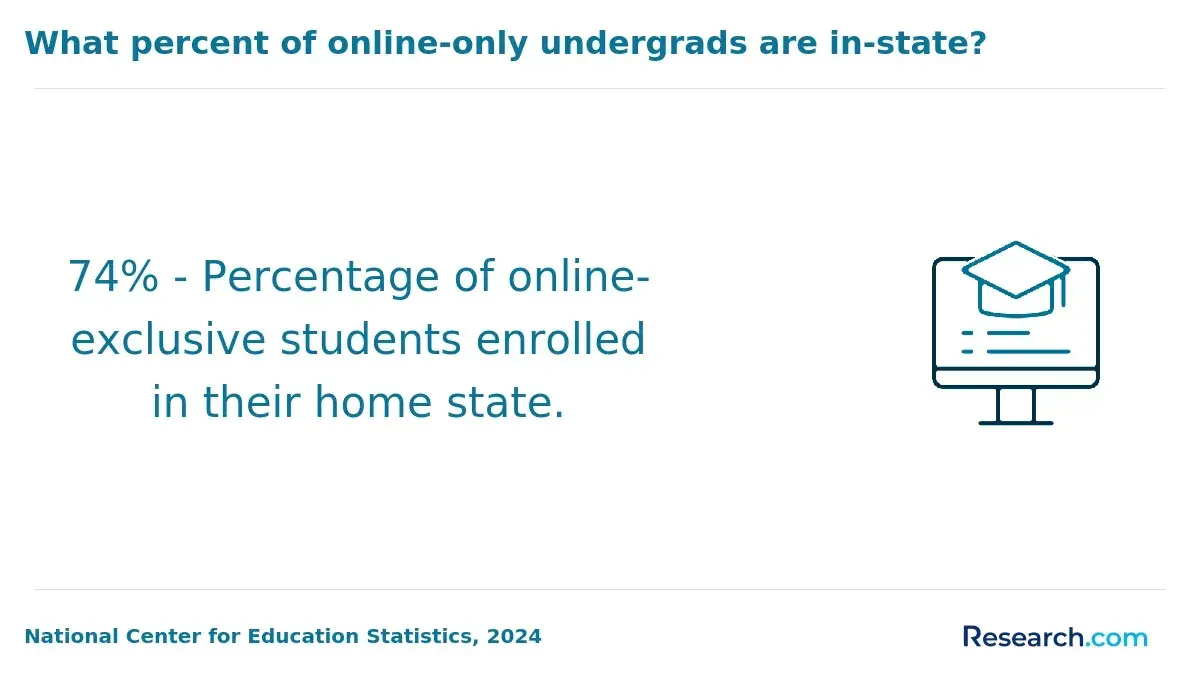
How do online biological sciences programs compare with campus programs for environmental careers?
Online biological sciences programs often deliver comparable theoretical content to campus-based degrees but typically lack integrated hands-on training essential for many environmental careers. For example, environmental educators or outreach specialists require direct experience with ecosystem sampling, lab methods, and community engagement-skills best developed through on-site labs and local fieldwork, which are frequently missing or minimal in fully online curricula.
Employers, including those hiring environmental science and protection technicians with a reported median wage of $49,490 and a 7% projected job growth to 2033 (according to the U.S. Bureau of Labor Statistics), consistently emphasize the importance of demonstrable applied skills and verified practical experience. Campus programs often incorporate cooperative education or partnerships with agencies, providing a distinct pathway to real-world skill development and professional networking.
For working professionals or residents in remote locations, online biological sciences degrees offer critical flexibility. However, students in these programs must independently pursue local internships or practicums to bridge gaps in experiential learning. Selecting online programs that embed active career services and local field integration is vital to offset inherent limitations.
The decision between campus-based and online biological sciences education hinges on balancing direct access to physical resources and employer connections versus accessibility and scheduling needs. Professionals aiming for rapid technical certification and workforce entry will find campus paths more efficient, while those balancing work and study may lean toward hybrid models that supplement online instruction with targeted local fieldwork.
What accreditation and program quality indicators matter for environmental biology preparation?
Accreditation from recognized bodies remains the essential baseline for evaluating environmental biology programs, directly influencing employer trust and graduate marketability. Beyond general institutional approval, specialized certifications like ABET demonstrate alignment with evolving ecological challenges and workforce needs. These accreditations serve as a preliminary filter but do not guarantee job readiness.
Practical experience weighs heavily in hiring decisions. Candidates with internships or hands-on projects in habitat restoration or environmental impact assessment are better positioned for roles demanding immediate operational competence, such as corporate environmental compliance managers. Programs lacking experiential opportunities risk producing graduates with theoretical knowledge but limited applicability.
Interdisciplinary curriculum that combines biology with policy and data analytics prepares students for emerging roles like sustainability specialists. Given the expected doubling of green talent globally by 2050 (LinkedIn's 2024 Global Green Skills Report), practical skills paired with verified credentials are essential to meet complex job demands bridging science and management.
Students must critically weigh tradeoffs:
- Highly specialized programs may restrict adaptability to varied sectors.
- Broadly accredited programs offer flexibility but may sacrifice depth in niche areas.
- Evaluating graduation rates, job placement, and employer feedback provides crucial insights into real-world outcomes.
Strategic decisions balancing program prestige with outcome data reduce risks of credential irrelevance or underpreparedness, key in a shifting environmental job market.
What entry-level experience, internships, or research help you qualify for environmental biology jobs?
Practical experience tied directly to environmental monitoring, data analysis, and regulatory compliance is non-negotiable for those targeting environmental biology roles. Internships with entities like the U.S. Environmental Protection Agency or state natural resource departments provide candidates essential exposure to field sampling, ecological modeling, and impact reporting-skills employers expect early on.
Research assistantships focusing on pollution control or habitat restoration further hone technical abilities such as lab methods, statistical software use, and scientific communication, foundational for careers like Environmental Health and Safety (EHS) specialists. Key competencies also include managing field logistics-scheduling samples, calibrating equipment, and enforcing site-specific safety standards.
Employers consistently favor candidates who deliver reliable, verifiable data within tight regulatory frameworks. For example, practical experience with Geographic Information Systems (GIS) mapping and real-time data collection can provide a measurable advantage in a competitive job market.
Prospective environmental biology professionals face a strategic tradeoff between unpaid internships offering mentorship and paid roles with less specialized training. Positions linked to published research or remediation projects tend to enhance long-term employability more than short-term financial gain. The U.S. Bureau of Labor Statistics reported a mean annual wage of $88,640 in May 2024 for environmental scientists and specialists, reflecting substantial market value for advanced technical skills.
Are there licenses or professional certifications required for specific environmental biology roles?
Licenses and certifications act as crucial gatekeepers in specialized environmental biology roles, significantly shaping employability and earning potential. For instance, hydrologists working with federal or state agencies often require Professional Engineer (PE) licensure to lead water resource projects involving infrastructure modeling. Without such credentials, their responsibilities and project scopes are notably constrained.
Practical tradeoffs should not be underestimated. Preparation for state-issued licenses, such as those needed by water quality specialists, involves extensive exam preparation and ongoing continuing education to remain compliant with evolving legal standards. Candidates must weigh these time and financial costs against career objectives early on to avoid unnecessary setbacks.
Certifications like the Certified Ecological Restoration Practitioner (CERP) or Professional Wetland Scientist (PWS) credential serve as highly valued markers of expertise, particularly when sought by regulatory agencies or conservation-focused employers. Their presence on a resume often differentiates applicants in competitive hiring scenarios.
Key points for prospective students and professionals include:
- Licensure requirements directly impact the scope and authority of environmental biology roles, especially in regulatory or public safety contexts.
- Employers expect candidates to arrive with appropriate credentials due to legal accountability and data integrity concerns.
- Certification and license maintenance impose ongoing educational demands and associated costs.
Failing to secure these credentials typically restricts professionals to entry-level or contract roles, which tend to offer lower pay and less job security. Given a projected 3% job growth for hydrologists (median wage $92,060), strategic credential planning is essential for those targeting advanced environmental science positions within government or industry sectors.
How can you choose a reputable U.S. college for environmental biology-focused study?
Choosing a U.S. college for environmental biology requires weighing program accreditation alongside tangible employer expectations. Graduates face a labor market that values proficiency in data science, GIS mapping, ecological modeling, and hands-on field methods. For instance, environmental science technicians earned a median wage of $51,630, with top earners reaching $87,730, emphasizing the need for skills directly applicable to these roles.
Programs connected to local environmental agencies or nonprofits provide essential experiential learning, which supports employability. Access to current research tools and faculty expertise blending applied and academic perspectives further shapes workforce readiness. Lack of these resources often leaves graduates underprepared for technical demands in ecological data analysis or environmental management roles.
When evaluating options, prospective students should prioritize:
- Accreditation by specialized bodies such as the Society for Conservation Biology or regional boards.
- Programs offering advanced technological training and fieldwork integration.
- Graduate placement rates in relevant environmental data analyst or ecological modeler positions.
- Geographic factors influencing internship and employment opportunities.
Balancing cost against expected earnings at entry-level technician jobs is critical to avoid debt undermining financial returns. This pragmatic framework moves beyond institutional prestige, focusing on practical outcomes essential for strategic career shifts within the biological sciences.
Other Things You Should Know About Biological Sciences
Hands-on laboratory and fieldwork experience is essential in biological sciences programs because employers prioritize practical skills over theoretical knowledge alone. Students who focus exclusively on lectures or theoretical study may struggle to demonstrate real-world competencies. Programs that integrate extensive lab and fieldwork better prepare graduates for environmental biology roles by developing technical expertise and data analysis skills demanded by employers. Prioritizing programs with strong experiential components improves job readiness and career mobility.
While specialization can increase expertise in a niche area, a broad curriculum often offers more flexibility in environmental biology careers, which span diverse ecosystems and roles. Employers value adaptability and interdisciplinary understanding due to the complexity of environmental challenges. Students seeking immediate entry into specialized roles should choose focused tracks, but those aiming for versatile career paths or leadership roles benefit from balanced, comprehensive coursework. Prioritize curriculum breadth when unsure about future specialization to retain more long-term options.
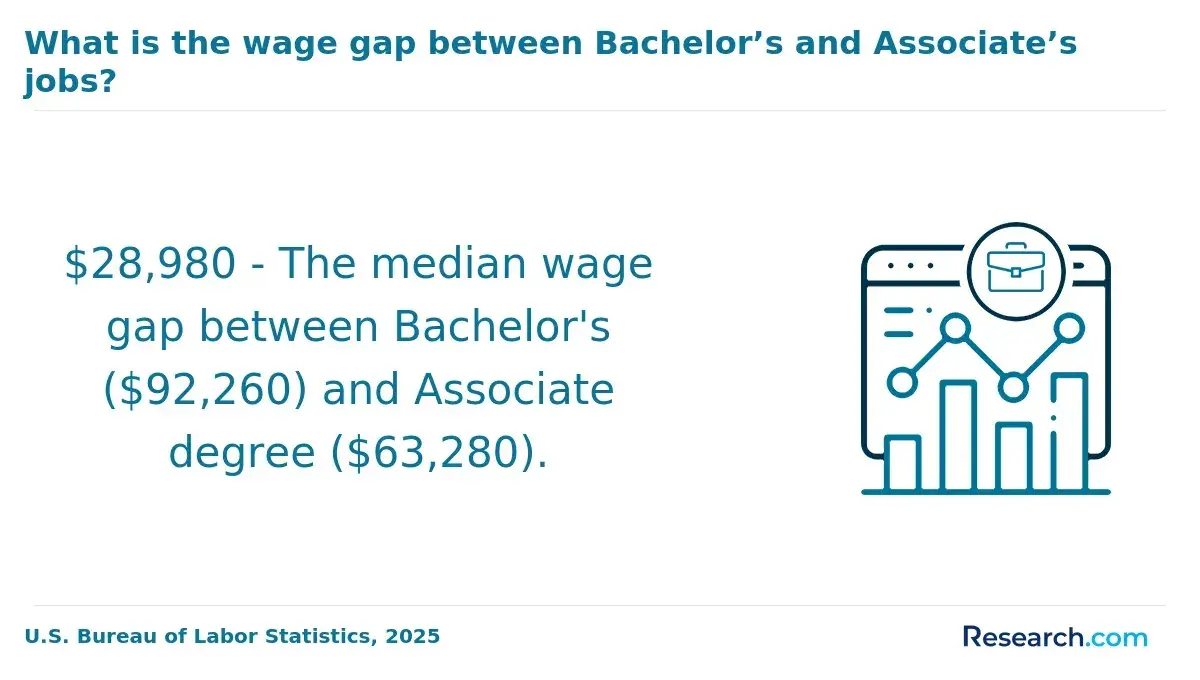
In 2027, while many entry-level environmental biology roles are accessible with an undergraduate degree, employer expectations for higher-level positions increasingly favor candidates with a graduate degree. This is due to the advanced skill set and specialized knowledge acquired in graduate programs that are essential for complex problem-solving and leadership roles in the field.
Part-time or working student pathways in biological sciences offer flexibility but extend time to completion and limit immersive learning opportunities. Employers often favor candidates with concentrated, uninterrupted study and substantial lab or field experience. Balancing work and study risks reduced engagement with research projects, internships, or networking critical for environmental biology careers. If rapid entry or career pivot is a priority, full-time programs with integrated experiential learning provide stronger preparation despite the higher short-term time commitment.
References
- How to Find the Best Schools for Environmental Studies https://www.pacificu.edu/blog/the-best-schools-for-environmental-science
- How to become an ecologist? | Conservation Careers https://www.conservation-careers.com/how-to-become-an-ecologist/
- Certification Guide for Young Professionals - Board for Global EHS Credentialing https://gobgc.org/professional-environmental-certifications-professionals/
- How to Find Entry Level Jobs with an Environmental Science Degree https://facs.com/blog/how-to-find-entry-level-jobs-with-an-environmental-science-degree/
- New Certifications https://www.nrep.org/certifications
- Match me: parent looking for schools with robust environmental science/conservation biology/organismal biology programs [MA resident, <$50-60k] https://talk.collegeconfidential.com/t/match-me-parent-looking-for-schools-with-robust-environmental-science-conservation-biology-organismal-biology-programs-ma-resident-50-60k/3668461
- 60+ places your environmental and biological science degree could take you. https://juliacooke.net/2016/10/18/60-places-your-environmental-and-biological-science-degree/
- Subjects you should consider at school to become a marine biologist https://wiseoceans.com/subjects-you-should-consider/
- Streamlining Accreditation Preparation with Program Review https://www.qualitymatters.org/qa-resources/resource-center/articles-resources/streamline-accreditation-prep
- Environmental Certifications for entry-level and career changers https://www.theenvironmentalcareercoach.com/certification-links