2027 Radiology Technician Clinical Hours Requirements: What Counts and How to Complete Them

Co-Founder and Chief Data Scientist
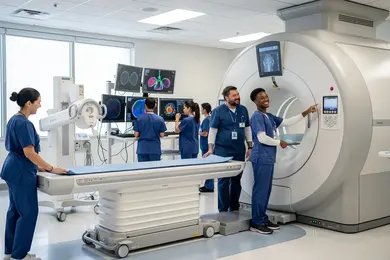
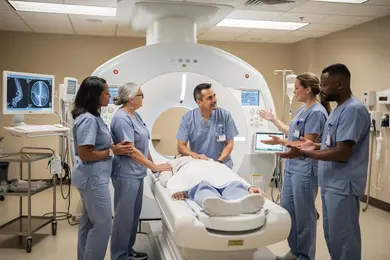
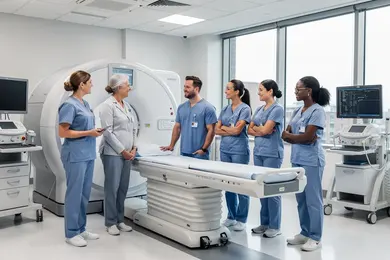
How much supervised clinical training counts toward radiology technician certification can confuse many students. Prospective and current radiology technician students often wonder what types of field experience qualify as clinical hours and how they can efficiently complete practicum training. On average, radiology technician programs require around 1,200 clinical hours to meet graduation and licensing standards. These hours typically involve hands-on responsibilities in hospitals, outpatient clinics, or imaging centers under professional supervision.
Understanding what counts as clinical hours and how to fulfill them is essential for timely program completion. This article explains clinical hour requirements and offers guidance on completing them successfully in radiology technician programs.
Key Things to Know About Radiology Technician Clinical Hours Requirements
- Clinical hours provide supervised hands-on experience, enabling students to apply classroom learning in real-world radiology settings, enhancing practical skills and patient interaction confidence.
- Clinical placements depend on approved healthcare facilities, influencing where and how students complete mandated hours, often requiring coordination between schools and clinical sites.
- Strict documentation, supervision, and evaluation protocols ensure clinical hour authenticity and competency, crucial for program completion and eligibility for professional certification exams.
What Are the Clinical Hours Requirements for Radiology Technician Programs?
Radiology technician programs in the United States typically require between 1,200 and 2,000 clinical hours to be completed. Experiential learning through clinical education significantly boosts student competence and confidence, with studies showing that participation in hands-on training improves readiness for professional roles. These clinical hours serve to bridge the gap between theoretical coursework and practical skills, allowing students to apply their knowledge in real healthcare settings. As such, the clinical component is an essential part of training aimed at preparing students for success in radiologic technology careers.
The ultraradiology technician clinical hour requirements in the United States are usually embedded as mandatory program components necessary for graduation and certification eligibility. Meeting these hours ensures students gain applied competency in operating diagnostic equipment, patient care, and safety protocols, fostering workplace readiness. Programs structure clinical hours to be an integral part of the curriculum rather than a separate or optional experience, emphasizing skill development and professional growth. This approach helps students transition smoothly from classroom learning to real-world healthcare environments while aligning with credentialing prerequisites.
Clinical hour fulfillment also aligns with certification standards that many radiology technician students pursue, such as those set by the American Registry of Radiologic Technologists. These hours validate that students have attained the practical experience required for industry entry. For those researching program intensity and acceptance metrics in allied health fields, factors like clinical training duration often influence the overall nursing school acceptance rate, illustrative of competitive admission contexts across health disciplines.
What Counts as Clinical Hours in Radiology Technician Programs?
Clinical hours in radiology technician programs provide essential hands-on experience, bridging classroom theory with real-world patient care. Research shows that students engaged in practical learning environments improve their skills by up to 30% compared to those with less direct exposure. The following outlines common activities that qualify as valid clinical experiences.
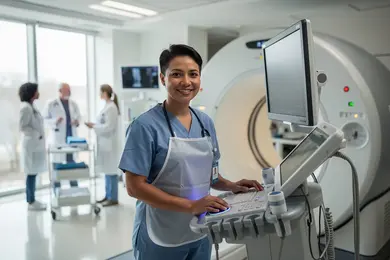
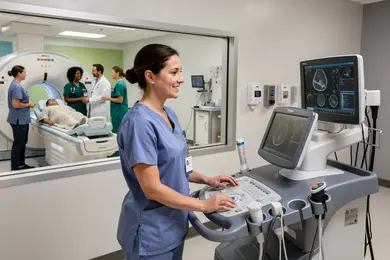
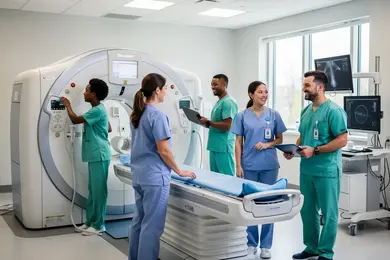
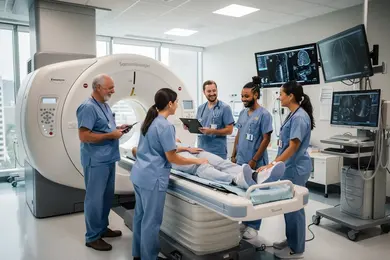
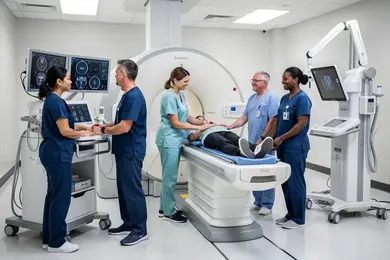
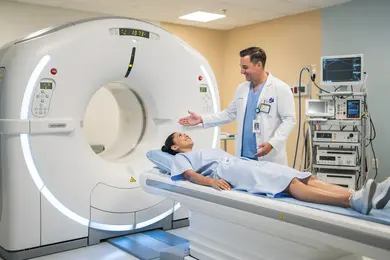
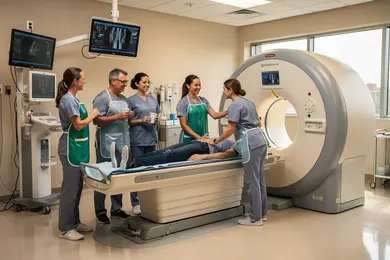
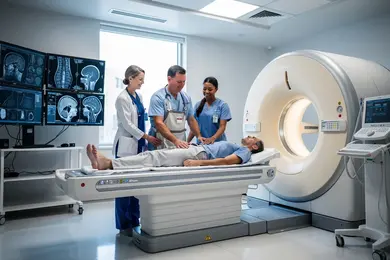
- Imaging Equipment Operation: Students actively operate diagnostic machines like X-ray, MRI, CT, or ultrasound devices. This practical use of technology enhances familiarity with imaging protocols and safety measures necessary for accurate results.
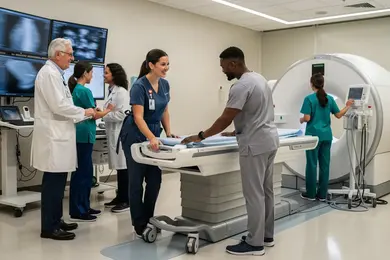
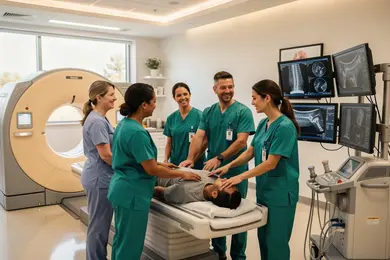
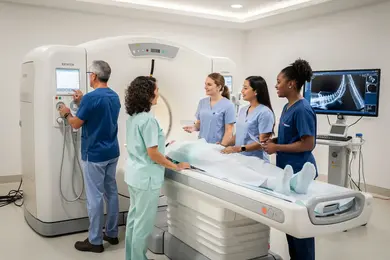
- Patient Positioning: Correctly positioning patients is critical to obtaining clear diagnostic images. Students learn to adjust patients carefully, ensuring proper alignment and comfort during procedures.
- Patient Preparation: Preparing patients involves explaining procedures, answering questions, and ensuring all safety guidelines are followed. This step helps build communication skills and patient trust.
- Radiologist Assistance: Assisting with steps such as contrast media administration requires precision and understanding of clinical protocols, reinforcing technical knowledge and teamwork.
- Documentation: Maintaining accurate imaging records and logs contributes to patient care continuity and legal compliance, emphasizing thoroughness and attention to detail.
A Radiology Technician degree graduate reflected on these clinical hours by noting, "Facing real patients for the first time was intimidating, but it taught me the importance of empathy alongside technical skill." He described the early challenges of remembering detailed protocols and the pressure of working under supervisors, but said these experiences helped build resilience and confidence. "By the end, those hours felt like the core of my education-where theory truly came alive."

Do Clinical Hour Requirements Vary by State?
State regulatory agencies and professional licensing boards play a significant role in shaping clinical training requirements for radiology technician programs. About 40% of states impose specific clinical hour mandates that differ from national accreditation guidelines. These variations result in diverse expectations for hands-on experience and completion protocols across different jurisdictions.
- Minimum Hour Requirements: Some states set higher minimum clinical hours than national standards, aiming to guarantee thorough practical exposure. These elevated hour thresholds influence program curricula and student training schedules.
- Approved Clinical Settings: States may vary in defining which healthcare environments qualify for clinical hour credit. This affects where students can fulfill their hands-on requirements and determines the types of clinical partnerships programs must establish.
- Verification Processes: Requirements for documenting and reporting clinical hours often differ by state. These rules impact how programs track student progress and submit evidence to licensing authorities.
- Licensure Renewal Ties: Certain states link clinical hour completion not only to initial licensure but also to ongoing certification renewal, integrating practical experience into continuing education mandates.
- Eligibility for Exams: Clinical hour prerequisites in some states directly affect eligibility for state licensure examinations, enforcing strict minimums students must meet before applying to test.
Recognizing these state-specific distinctions is essential for radiology technician students when planning their clinical education to ensure compliance and successful program completion.
Where Do Students Complete Radiology Technician Clinical Hours?
Over 80% of health profession students complete clinical placements across multiple facility types, which strengthens their practical skills and readiness. Radiology technician students similarly benefit from diverse hands-on experiences that enhance their understanding of imaging technologies and patient care. Below are common settings where these clinical hours are fulfilled.
- Hospitals: Large hospital radiology departments provide students with exposure to varied imaging methods, including X-rays, CT scans, and MRIs. This environment offers a broad spectrum of cases, from emergencies to scheduled diagnostics, helping students build strong technical and decision-making abilities.
- Outpatient Imaging Centers: These centers focus on planned imaging services and routine screenings. The high-volume yet controlled workflow sharpens students' efficiency and patient interaction skills during standardized procedures.
- Specialty Clinics: Clinics such as orthopedic or oncology centers use targeted imaging protocols. Clinical rotations here allow students to learn specialized imaging applications and adapt to specific medical fields.
- Rehabilitation Facilities: Radiology technicians in rehab settings provide imaging that tracks patient recovery progress. Students gain insight into the integration of imaging with treatment plans and therapeutic monitoring.
- Veterans and Military Medical Centers: These institutions expose students to unique healthcare populations and occupational imaging cases. Experience in these settings broadens knowledge of radiologic services within government healthcare systems.
How Are Clinical Placements Assigned in Radiology Technician Programs?
Clinical placements provide critical supervised training for radiology technician students to complete their required clinical hours, bridging classroom learning with hands-on practice. Studies show over 80% of healthcare students gain confidence through placement-based experiential learning. The following are common methods used in clinical placement assignment.
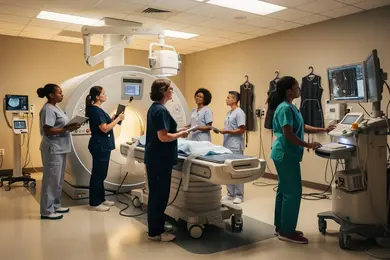
- Pre-Established Partnerships: Programs often rely on agreements with hospitals and imaging centers, assigning students to sites vetted for quality and accreditation to ensure proper training environments.
- Rotation Scheduling: Students typically rotate through various clinical sites to receive diverse exposure. Coordinators manage these schedules to align site capacity with the radiology technician clinical rotation scheduling and supervision needs.
- Geographical Matching: Assignments frequently consider a student's location to reduce commute challenges, connecting them with nearby clinical opportunities when feasible.
- Cohort-Based Placement: Some programs assign placements by student groups or cohorts, which helps streamline supervision and enhances collaborative learning through shared clinical experiences.
- Student Input: Occasionally, programs incorporate student preferences regarding specialties or facility types to tailor placements within available site options.
Students seeking the cheapest RN to BSN pathway may find similar placement strategies applied in their clinical education to meet program requirements.
Can Radiology Technician Clinical Hours Be Completed Online or Part-Time?
Clinical hours for radiology technicians generally cannot be completed entirely online due to the essential hands-on nature of the training, which requires in-person practice with imaging equipment and patient interaction. Although about 40% of allied health programs now incorporate hybrid models that combine online coursework with in-person clinical experiences, the practical components demand physical presence to ensure proficiency and safety. This necessity stems from the need for direct supervision and real-world application in approved healthcare environments. The restrictions on fully remote clinical training help maintain high standards in skill development and patient care.
Some programs may allow part-time completion of clinical hours, offering flexibility through evening or weekend shifts to accommodate students' personal or work commitments. However, this option depends on the specific program's design and accreditation requirements, which insist on supervised, hands-on involvement with actual patients and equipment. The clinical environment must meet strict safety and procedural protocols, so students cannot complete these hours remotely or without direct oversight. Therefore, any flexibility is limited and carefully structured to preserve the quality of practical training.
A professional with a radiology technician degree shared her experience regarding clinical hours. She recalled the challenge of balancing her shifts around a full-time job and the need to secure approved clinical sites that matched program rules. "It was intense at times, especially working late evenings to fit everything in," she explained, "but I understood why being physically present was non-negotiable-there's no substitute for learning by doing." Her reflections highlight the dedication required and the invaluable skills gained through direct patient care and equipment handling during clinical rotations.
What Supervision Is Required During Radiology Technician Clinical Hours?
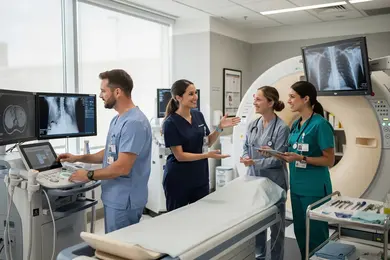
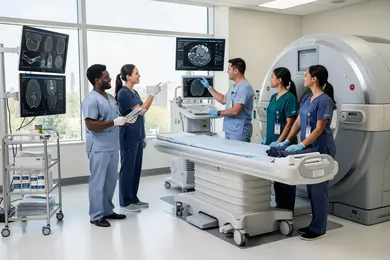
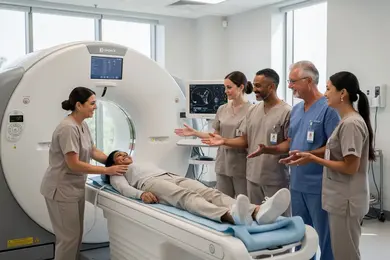
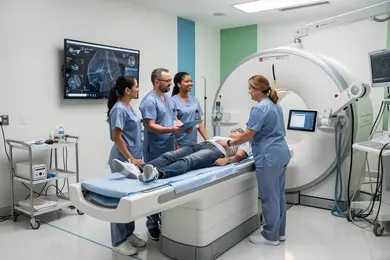
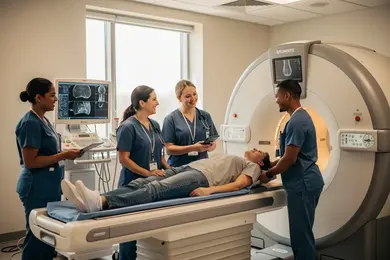
During radiology technician clinical hours, students typically require supervision from licensed radiologic technologists or certified clinical instructors. This supervision is essential to ensure student safety, adherence to protocols, and effective skill development within a clinical environment. Supervisors provide direct oversight, guiding students through imaging procedures and preventing errors that could impact patient well-being. Studies in healthcare education reveal that nearly 85% of clinical learning effectiveness is linked to proper supervision and mentoring, underscoring its vital role in professional training.
Supervision during clinical training supports skill acquisition by allowing students to apply theoretical knowledge in real-world settings under expert guidance. It also enables supervisors to evaluate student competency, offering real-time feedback on technique, communication, and professional conduct. Radiology technician programs generally require continuous supervision, either direct-where the supervisor is physically present-or indirect-where the supervisor is immediately available on site. This structured oversight balances the need for student independence with necessary protection, ensuring readiness for certification and safe clinical practice.
How Are Radiology Technician Clinical Hours Tracked?
Tracking clinical hours is essential for documenting student progress and verifying that radiology technician students complete their required hands-on training. Accurate records help ensure compliance with accreditation standards and maintain high-quality education. A study by the Association of American Medical Colleges shows that over 85% of healthcare programs use formal systems to document experiential learning for accountability. Here are some of the best methods for documenting radiology technician clinical training hours.
- Digital Logging Systems: These platforms allow students to record clinical hours electronically, often in real-time. This method provides convenience for students and enables supervisors to quickly review and verify completed hours, increasing accuracy and reducing errors.
- Supervisor Verification Forms: Clinical instructors or onsite supervisors sign these forms to confirm completed hours and competencies. This direct oversight improves the reliability of the documentation by linking student performance with professional validation.
- Attendance Documentation: Many clinical sites keep detailed logs of student presence during scheduled shifts or rotations. Educational institutions review these logs to ensure students meet the minimum hour requirements.
- Progress Reports: Prepared by clinical educators, these reports offer qualitative insights into the student's growth and readiness. They supplement hour counts by assessing skills and knowledge in conjunction with tracked time.
- Academic Tracking Platforms: Integrated with course management systems, these platforms streamline clinical hour recording alongside academic coursework. Both faculty and students benefit from real-time monitoring and administrative efficiency.
Students aiming to successfully meet their clinical hours requirements should explore resources such as universities with no application fee for affordable program options that offer robust clinical hour tracking systems.
What Challenges Do Students Face During Clinical Training?
Clinical training is a demanding phase for radiology technician students, often requiring substantial time, effort, and emotional resilience. Studies indicate that nearly 70% of healthcare students experience increased stress from clinical workload and real-world responsibilities. These challenges are especially evident in meeting clinical hour challenges for radiology technician students while completing their education. Below are some common obstacles encountered during this critical period.
- Balancing Responsibilities: Students must juggle clinical hours, coursework, exams, and assignments, which often leads to fatigue and reduced focus. This balancing act impacts both academic performance and wellbeing, making consistent progress challenging.
- Adjusting to Professional Settings: Transitioning into a healthcare environment requires learning to use complex equipment and follow strict protocols. Collaborating with diverse medical teams demands adaptability and confidence, which can initially overwhelm students.
- Scheduling Conflicts: Clinical rotations may fall during irregular hours or long shifts, conflicting with personal life and rest. These demanding schedules contribute to fatigue and may disrupt steady progress toward fulfilling clinical hour challenges for radiology technician students.
- Emotional Stress: Facing high-pressure situations and difficult patient cases creates emotional strain. Developing coping mechanisms is essential to maintain focus, compassion, and effective clinical performance during training.
- Hands-On Learning Curve: Performing procedures under supervision requires precision and confidence. The steep learning curve can cause anxiety and affect skill development necessary for successful completion processes.
Prospective students interested in expanding their healthcare management skills alongside clinical training might explore online MHA programs to complement their radiology technician education and future career opportunities.
What Strategies Help Students Succeed in Clinical Environments?
Success during radiology technician clinical training depends heavily on preparation and adaptability. Students who engage in hands-on experiential learning often demonstrate up to 70% higher readiness and performance compared to those relying only on lectures. These skills are crucial when completing clinical hours and meeting the practical requirements of the program.
Key strategies to excel in clinical environments include:
- Effective Communication: Clear and empathetic exchanges with patients and healthcare teams build trust and reduce errors. Strong communication is essential for fulfilling best practices for radiology technician clinical hour completion.
- Time Management: Prioritizing tasks during busy clinical shifts allows students to complete procedures and documentation promptly, enhancing efficiency and reducing stress.
- Professionalism: Demonstrating punctuality, accountability, and ethical behavior fosters respect and creates a positive clinical atmosphere, which supports student growth and credibility.
- Active Learning: Asking questions, seeking feedback, and reflecting on experiences deepen understanding and skill development, helping students confidently navigate clinical challenges.
- Organization: Efficiently managing clinical notes and materials eases multitasking demands and improves overall performance during clinical hour requirements.
Those seeking further educational advancement may explore opportunities like post masters FNP certification to broaden their clinical expertise and career options.
What Graduates Say About Radiology Technician Clinical Hours Requirements
- Valentino: "Completing the clinical hour requirements was undeniably challenging, but it truly solidified my practical skills and boosted my confidence. I didn't expect the costs related to transportation and uniforms to add up, but it was a necessary investment in my career growth. Those hours gave me hands-on experience that employers value, making the entire process worthwhile."
- Zev: "Reflecting on my time fulfilling the clinical hours, I realize how essential they were in bridging the gap between theory and practice. Although managing work and clinical shifts was demanding, the relatively manageable expenses helped ease my financial concerns. These clinical experiences have had a lasting impact, shaping my approach as a radiology technician in ways textbooks never could."
- Grayson: "From a professional standpoint, completing the clinical hours was crucial in gaining real-world exposure and networking opportunities. It was an unexpected surprise to see how the cost of extra certifications and site-specific fees contributed to the overall expenses. Ultimately, the hands-on training during these hours distinguished me in the job market and prepared me thoroughly for my role."
Other Things You Should Know About Radiology Technician Degrees
Yes, clinical hours are designed to help students develop practical skills such as patient positioning, operation of imaging equipment, radiation safety protocols, and effective communication with patients and medical staff. This hands-on experience is essential for building competence and confidence in a real healthcare setting. Students also learn to follow established procedures and adapt to various patient needs.
The clinical component usually ranges from several hundred to over a thousand hours, depending on the program's accreditation standards and curriculum design. This ensures students acquire adequate real-world practice before entering professional roles. Though exact hours vary, program lengths are structured to meet national certification requirements.
Yes, completing the required clinical hours from an accredited program is mandatory to qualify for certification exams such as those offered by the American Registry of Radiologic Technologists (ARRT). Failure to meet clinical hour requirements can delay certification and professional licensure. Programs typically provide documentation verifying completion for exam applications.
References
- How to Survive Radiologic Technology School: 5 Things I Wish I Knew https://ccimagingservices.com/podcast/9-things-i-wish-i-knew-before-starting-radiology-tech-school/
- Rad / X-Ray Tech State Licensure https://jacksonhealthpros.com/knowledge-center/radiologic-technologist/x-ray-tech
- Radiography (AAS.RAD) https://rcbc.edu/radiography/associate-applied-science
- Legislation, Regulations and Advocacy States That Regulate https://www.asrt.org/main/standards-and-regulations/legislation-regulations-and-advocacy/states-that-regulate
- Fast-track Radiology Certification programs | CCI Training https://ccitraining.edu/radiology-technician-training/
- Radiologic Technologist - Explore Healthcare Careers - Mayo Clinic College of Medicine & Science https://college.mayo.edu/academics/explore-health-care-careers/careers-a-z/radiologic-technologist/
- Opportunities and Resources for Medical Students Interested in Radiology https://www.acr.org/News-and-Publications/Radiology-Resources-for-Medical-Students
- It’s Your First Day of X-Ray Clinicals: Here’s How to Succeed https://www.herzing.edu/blog/its-your-first-day-x-ray-clinicals-heres-how-succeed
- Challenges Faced by Radiography Students During Clinical Training https://www.sciencepublishinggroup.com/article/10.11648/j.cmr.s.2015040301.18
- Student Placement - RAYUS Radiology https://rayusradiology.com/careers/student-placement/