2027 Is William Paterson University Good for Transfer Students?

Co-Founder and Chief Data Scientist
Choosing a transfer-friendly school involves more than just checking if credits will transfer. Many students face uncertainty over how prior coursework applies toward degree requirements and whether their credits will shorten time to graduation. William Paterson University navigates these challenges through a structured evaluation process. Prospective transfers, especially those balancing cost or returning after time away, should weigh how many credits the university accepts and if flexible schedules or online options fit their needs.
Transfer admissions also shape cost feasibility and academic experience at William Paterson University. Transfer students often want to understand real tuition costs after aid and what support exists to help them integrate academically and socially. This article examines credit transfer policies, cost factors, flexible learning opportunities, and campus resources so readers can objectively assess if William Paterson University aligns with their transfer goals and practical constraints.
Key Points to Know About William Paterson University for Transfer Students
- William Paterson University has average transfer entrance difficulty and recognizes various transfer credits (CLEP, DSST/Dantes, ACE, AP, life experience), accepted across fall, spring, and summer terms with variable applicability to major or elective requirements, impacting time to degree completion.
- Transfer admission requires GED, secondary GPA, college-preparatory coursework, and TOEFL for nonnative English speakers; no open admission or dual credit acceptance exists, and tests like Wonderlic are recommended but not mandatory, shaping applicant readiness evaluation.
- Total cost of attendance is $26,555, with financial aid options available; cost-conscious students must assess credit transfer acceptance and evaluation timelines carefully against affordability and potential delays affecting graduation speed and overall expense.
Is William Paterson University a Transfer-Friendly College for New Students?
William Paterson University offers a moderately transfer-friendly environment, but it falls short of top transfer-support standards. The acceptance of ACE, CLEP, and DSST credits aligns with broader institutional trends that improve transfer student retention, a factor highlighted by a 2024 study showing faster degree completion when multiple credit types are recognized. However, the lack of a dedicated transfer center or widely promoted advising resources may hinder seamless credit applicability and personalized academic planning for new transfers.
Consider a working adult transferring credits from community college exams to save time and tuition. William Paterson's flexible entry points in fall, spring, and summer support this student's scheduling needs. Yet, the real challenge lies in how efficiently transferred credits fit degree requirements and how proactive advising guides them through potential gaps, affecting affordability and on-time graduation risk. Prospective transfer students should weigh this practical credit review process and advising access critically against their academic goals.
How Easy Is It to Transfer Credits to William Paterson University?
Transferring credits to William Paterson University requires a detailed evaluation emphasizing course equivalency and academic rigor. The registrar's office assesses prior coursework alongside academic advisors, focusing on alignment with the university's college-preparatory standards and secondary school performance. Importantly, only credits meeting minimum grade requirements and proper accreditation are considered. Advanced Placement credits are accepted, but dual credits are excluded, limiting some transfer options.
About 13% of credits with vertical transfer nationally are lost due to misalignment with major requirements. William Paterson's course-by-course evaluation reflects this trend by often allocating transferred credits to electives rather than core courses. For example, a student transferring general education credits may face delayed degree progression if those credits do not satisfy major prerequisites, extending time and costs.
Transfer students should weigh the university's selective credit acceptance against the financial and time investment required to complete additional coursework. Though advising support exists to clarify credit applicability, the potential credit loss complicates planning. Students should realistically calculate how many accepted credits count toward their major to avoid unexpected semesters and tuition expenses.
Ultimately, transferring credits to William Paterson demands careful strategic decisions. For students prioritizing degree relevance and timely graduation, this process necessitates anticipating some credit denial and balancing cost with academic progress rather than assuming smooth, direct credit transfer.
What Transfer Admission Requirements Does William Paterson University Have?
Transfer admission at William Paterson University demands a clear demonstration of college-level academic readiness but offers flexibility by waiving standardized test requirements. Transfer students face a selective process shaped by a minimum GPA threshold and prerequisite coursework aligned with their intended major.
For example, a returning adult student aiming to shift careers into a technical field must ensure completed credits not only meet the cumulative GPA but also satisfy specific course prerequisites to avoid extending their time to degree completion. Below are key transfer admission requirements applicants should understand when navigating the William Paterson University transfer student application process.
- Minimum GPA Requirement: Transfers typically need a cumulative GPA around 2.0, though some competitive programs enforce higher standards. Students from community colleges or those with interrupted academic careers must focus on attaining stronger recent performance to meet these expectations.
- Official Transcripts Submission: Applicants must provide official transcripts from all previously attended institutions, verifying completed college-level credits. Accurate transcript review is critical to ensure eligibility and credit transfer without delays or denials.
- Prerequisite Coursework Completion: Specific courses related to the chosen major are required prior to admission. This prevents credit loss and reduces additional coursework, affecting students who wish to transfer mid-path or change academic tracks.
- Standardized Test Policy: William Paterson University does not require SAT or ACT scores for transfer applicants, reflecting a focus on actual college performance, which benefits adult learners and nontraditional students who may not retake standardized tests.
- Program-Specific Admission Factors: Certain programs apply stricter transfer requirements including earlier application deadlines or portfolio submissions. Prospective transfers must review departmental criteria to align their academic planning accurately.
According to recent studies from the National Student Clearinghouse Research Center, 58% of public four-year institutions have heightened transfer admission selectivity or prerequisite demands to improve degree completion outcomes. This trend underscores the necessity for transfer applicants to prepare meticulously, particularly those seeking accelerated or online pathways, including 2 year online degrees that pay well. Effective planning can maximize credit acceptance and reduce total education time, making William Paterson University a strategic choice conditioned on meeting these admission requirements.
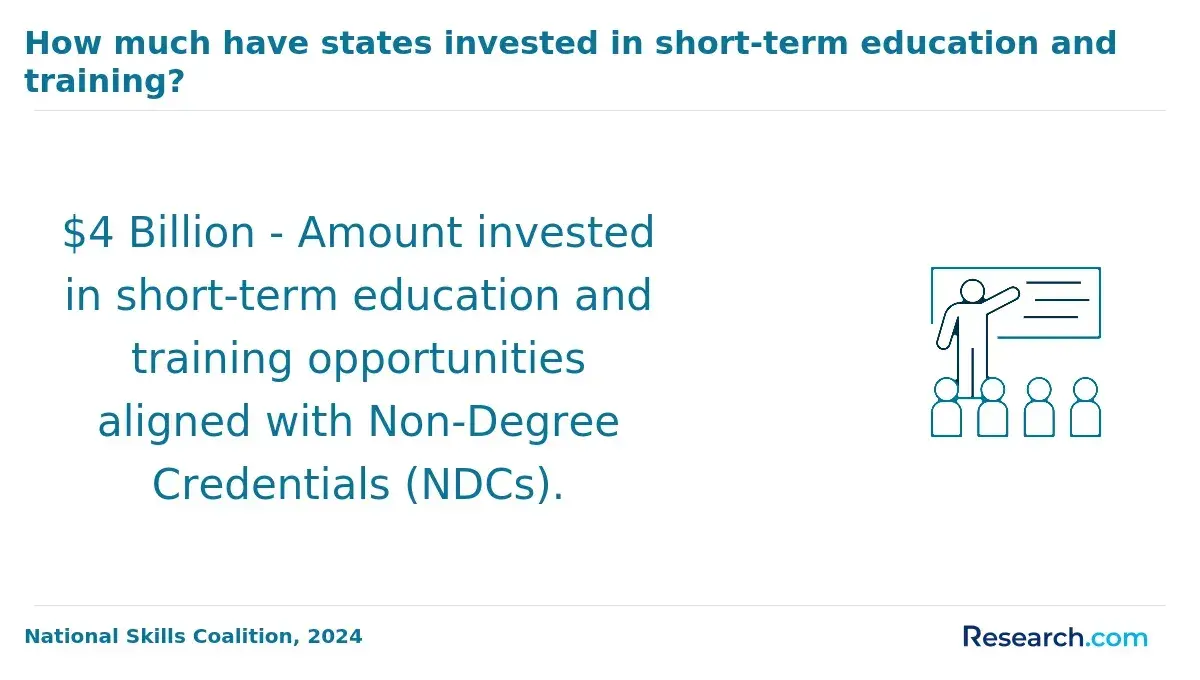
Transfer students can bring up to 90 credits to William Paterson University, but strict limits shape how these credits apply toward degree requirements. A maximum of 24 credits from two-year community colleges are accepted toward major requirements, emphasizing the institution's focus on rigorous upper-level coursework. Many transfer credits go toward general education or electives instead. The university mandates at least 30 credits completed in residency, ensuring that students earn a meaningful portion of their degree on campus.
This framework impacts graduation timelines, particularly for students transferring primarily from community colleges. It also affects employer perception, since degrees blending foundational transfer credits with advanced in-residence coursework tend to have stronger recognition.
A recent 2024 study found that about 25% of transfer students nationwide face delays caused by credit residency policies, reflecting challenges students may encounter at William Paterson. Below are critical credit transfer factors to consider for effective academic planning.
- Maximum Transferable Credits: The university caps total transfer credits at 90, which can accelerate time to degree but requires careful review to avoid credit wastage or unnecessary course repetition.
- Community College Credit Limits: Only 24 community college credits count toward major requirements, encouraging transfer students to focus on completing upper-division major courses at William Paterson for timely graduation.
- Residency Credit Requirement: A minimum of 30 credits must be earned in residence, meaning students must plan for several semesters of on-campus study to meet degree requirements.
- Elective versus Major Credit Application: Credits beyond major or general education limits often apply solely as electives, potentially extending time and cost to graduate for those with many lower-division credits.
- Balance of Coursework for Employers: Degrees completed with a clear mix of transferable and in-residence advanced coursework tend to carry better labor market value, reinforcing the need to strategically target credits that fit into major requirements.
Students weighing William Paterson's transfer credit policy at William Paterson University should also explore online certificates that complement their academic goals and enhance marketable skills without adding significant credit load or delay.
William Paterson University offers structured transfer pathways and articulation agreements that provide practical benefits while stopping short of blanket guaranteed admissions. Transfer students can leverage these agreements to reduce credit loss and plan course sequences effectively. For example, a student transferring with an associate degree from a partnered community college can align their completed credits with William Paterson's degree requirements to avoid redundant coursework, thus minimizing both time and cost to graduation. However, the success of these pathways depends heavily on proactive advising and student adherence to specific plans.
Recent research indicates that clear articulation agreements can raise bachelor's degree completion rates by up to 18% compared to less formal methods, underscoring the potential value of William Paterson's community college agreements when fully utilized. Below are five key aspects of William Paterson's transfer framework relevant to credit transfer and degree completion.
- Articulation Agreements with Community Colleges: These formal agreements specify course equivalencies and prerequisites, helping students transfer credits with minimal loss. They mainly benefit those seeking clear credit paths from associate degrees to bachelor's programs.
- Transfer Pathway Plans: Structured major-specific maps guide students on which courses to take before transferring. This reduces guesswork and supports students aiming to graduate on time.
- Credit Applicability and Evaluation: William Paterson applies earned credits carefully based on established equivalencies, which helps prevent unnecessary repeats and limits extra tuition expenses for transfers.
- Advising Support for Transfer Students: The university's active advising is crucial for keeping transfers on track through complex requirements, particularly for nontraditional students balancing multiple commitments.
- Reduction of Credit Loss and Cost: Through agreements and advising, students can retain more credits, cutting down added academic terms and associated expenses, which is vital for cost-conscious learners.
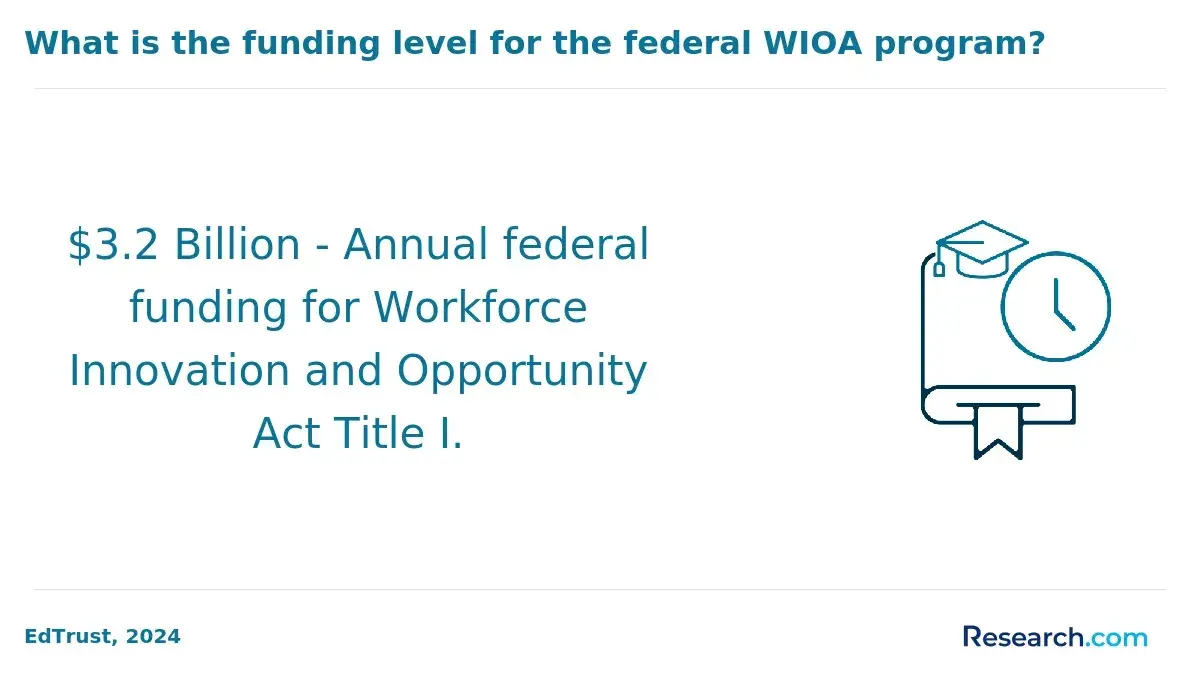
William Paterson University's sticker price lists tuition at $34,542 with a total cost of attendance at $26,555, reflecting applied financial aid and fee structures. Transfer students face a net price gap over $3,000 compared to first-time students, driven by credit transfer losses and uneven tuition transparency, which complicates cost predictability.
Students enrolling part-time or in non-degree programs-common among transfers balancing work or family-often find their financial aid eligibility reduced. Online options maintain access to most aid programs but can incur additional fees or housing costs if transitioning from on-campus living. Failure to maximize credit transfer may extend time to degree, raising overall expenses.
Those who do not verify transfer credit applicability against degree requirements risk paying for excess credits, delaying graduation. Financial aid eligibility also hinges on FAFSA completion and residency status, making early, thorough financial planning essential. Billing deadlines and program-specific fees further impact affordability and should be carefully tracked.
Prospective transfer students should confirm credit acceptance, explore all scholarship and aid options, and map the lowest-cost enrollment path before committing. This reduces unforeseen expenses and helps align educational investments with workforce goals.
One graduate recalled, "I almost dropped out because the software licensing fee wasn't in the brochure, and some credits didn't transfer as I expected. Managing part-time work and bills was tough. I had to call the financial office multiple times to understand my aid status and avoid late fees. It wasn't cheap, but checking credit transfer before enrollment saved me from extra tuition."
Business Administration, Nursing, and Computer Science stand out as transfer-friendly academic programs at William Paterson University. These programs accept a high percentage of relevant transfer credits and have clear prerequisite sequences that align closely with typical community college coursework. This alignment minimizes credit loss and simplifies degree completion for transfer students.
Choosing one of these programs can significantly affect graduation timelines and total cost. For example, a student transferring into Nursing benefits from strong demand in healthcare and above-average starting salaries, while Business Administration connects graduates with local finance and management employers offering competitive entry-level wages. Computer Science offers solid long-term prospects in tech industries but requires adequate prior technical preparation.
A study from the National Student Clearinghouse Research Center highlights that transfer students in programs with flexible credit policies are 1.6 times more likely to graduate within four years. This statistic underscores the importance of program design and credit applicability, especially for those exploring the best degree pathways for transfer students in New Jersey.
Transfer students should verify major requirements, transfer equivalencies, and any prerequisite gaps before enrolling. Utilize advising resources to ensure alignment with career goals. Additionally, exploring certificate programs that pay well can complement degree plans and boost employability in a competitive job market.
Evaluating online and flexible options at William Paterson University requires attention to transfer credit policies, course scheduling, and enrollment intensity. Transfer students who need prior credits to apply cleanly must weigh these factors alongside personal constraints like work hours, family care, or commuting limits. The university provides some hybrid, evening, and part-time courses, but fully online or accelerated degree paths are limited. Such constraints mean transfer students must carefully plan course sequencing and major-specific requirements to avoid extending their graduation timeline.
Access to academic advising plays a crucial role in aligning these options with career goals and reducing unexpected delays. The growing demand for distance education-39.3% of all students nationwide now enroll in some form of it-reflects why assessing William Paterson's offerings in this lens matters for time-to-degree and overall costs. Below are key considerations transfer students should evaluate in comparison to traditional on-campus paths.
- Limited Fully Online Programs: William Paterson offers few fully online degree-completion options, pushing many transfer students to hybrid or in-person formats. This restricts flexibility for those needing asynchronous courses to manage work and family commitments.
- Hybrid and Evening Courses Availability: While some hybrid and evening classes exist, not all majors provide these options consistently. Transfer students should verify which required courses fit their schedules to prevent delays in matriculation.
- Transfer Credit Evaluation: Prior credits must be evaluated carefully to ensure they apply toward degree requirements. Incomplete or delayed credit transfer can prolong enrollment, increasing tuition and related expenses.
- Part-Time Enrollment Impact: Part-time study helps balance responsibilities but can extend graduation timelines beyond what full-time degree-seekers encounter, potentially raising indirect costs.
- Academic Advising Support: Advising availability influences how effectively transfer students navigate complex course sequences, especially when juggling flexible or hybrid schedules, reducing risks of losing credits or falling behind.
- Textbook and Technology Costs: Although flexible courses reduce some costs, expenses for required materials remain significant unless mitigated by institutional support, affecting total affordability.
- Major-Specific Scheduling Restrictions: Degree requirements vary widely, with some fields enforcing strict sequencing that limits when flexible options can be used, making the pathway less adaptable than it might appear.
One graduate recalled juggling evening classes at William Paterson University while working full-time and caring for two young children. "The hybrid courses helped, but some classes I needed were only offered during the day, which forced me to take a semester off and caused real stress," she said. "Also, I almost dropped out because the software licensing fee wasn't in the brochure, and that unexpected cost caught me off guard." Her experience highlights the importance of transparent advising and thoroughly verifying course schedules and fees for transfer students relying on William Paterson's flexible options. Despite frustrations, the ability to stay local and enroll part-time was key to eventually earning her degree within a reasonable timeline.
Transfer students at William Paterson University face the challenge of confirming how previous credits apply, planning remaining courses, managing affordability, and adapting to a new academic environment without losing time. Efficient transfer advising and credit evaluation help avoid unnecessary credit loss, a critical factor since a 2024 National Student Clearinghouse study found effective academic planning can reduce credit loss by up to 30%, improving both cost and time-to-degree outcomes. Students must also balance access to financial aid and tutoring designed for nontraditional and working learners. Below are important support services that influence transfer student success and should be compared with those at other institutions offering transfer-friendly pathways.
- Dedicated Transfer Advising: Focuses on aligning past coursework with degree requirements to minimize excess credits. Transfer students should evaluate how personalized and responsive this advising is compared to peers, as it greatly affects credit preservation and graduation timelines.
- Orientation Programs for Transfers: Tailored sessions help new transfer students integrate academically and socially. Comparing these to other colleges' orientation can clarify how well William Paterson addresses transfer-specific challenges.
- Academic Tutoring Services: Provides support for transfer and nontraditional learners including online and working students. Students should assess availability and format flexibility of these services in relation to their schedules.
- Career Services Guidance: Offers tailored career planning linking education with workforce outcomes. Transfer students need to verify the relevance of this guidance to their intended fields for smoother employment transitions.
- Financial Aid Counseling: Critical given 91% of students receive assistance. This service's effectiveness impacts affordability and overall student persistence.
- Credit Evaluation Support: Helps ensure previous college credits are properly assessed. Transfer students should confirm the robustness of this process to avoid unexpected course requirements or delays.
- Flexible Learning Options: Accommodates online and self-paced learners, important for those balancing work and study. Exploring resources like best accredited self-paced online colleges can offer additional context for assessing William Paterson's flexibility.
William Paterson University's transfer student graduation rate of 48% signals moderate challenges in degree completion, a common issue when integrating prior credits with new degree requirements. Transfer students, especially those entering with community college credits, often navigate obstacles in credit applicability that can delay time-to-degree, despite evidence national trends show such students usually complete faster than first-time freshmen.
For transfer students evaluating William Paterson University, the median alumni salary of $57,780 highlights a reasonable mid-career income but must be balanced against total costs and the debt burden incurred during study. This upfront expense can vary widely in return on investment depending on chosen majors, making program fit and careful credit transfer evaluation essential to improving career outcomes for transfer students at William Paterson University.
Flexible public institutions like William Paterson can be practical pathways for those prioritizing completion, but assessing transfer credit policies and local labor market demands remains critical. For example, a transfer student with nursing prerequisites must verify all credits count to avoid added semesters, which increase cost and delay workforce entry.
Nontraditional and cost-conscious learners should also explore alternative educational resources, such as open university free courses for over 60s, to complement or accelerate their degree completion plans while managing expenses effectively.
What Do Graduates Say About William Paterson University for Transfer Students?
- Zachary: "Transferring to William Paterson University was a largely practical decision for me. About 60% of my previous credits transferred, but only a portion counted toward my major, so I faced extra coursework for degree completion. The flexible online classes and part-time enrollment options helped me stay on track despite working full-time, though navigating the financial aid process with mandatory fees required some patience. Overall, it was an affordable route that balanced my career goals with academic progress, but prospective transfers should carefully review how their specific credits apply."
- Tanner: "My experience at William Paterson University was cautiously optimistic. While the university accepted most of my general education credits, fewer transferred to my major requirements than I'd hoped, slightly extending my graduation timeline. The transfer advising was helpful but could be more proactive about articulating degree pathways. On the plus side, generous scholarships and lower tuition compared to other local schools made a significant difference in affordability, and I appreciated the online classes that accommodated my busy schedule. For me, the degree was a smart investment, but I recommend future students assess the credit evaluation deeply before committing."
- Vincent: "Choosing William Paterson University as a transfer student worked well for advancing my career plans, but it wasn't without trade-offs. About three-quarters of my credits transferred, mostly to electives rather than core courses, so I had to extend my studies by a semester. However, staff advising helped me create a realistic timeline, and the career services were instrumental in securing an internship aligned with my field. Tuition and fees felt reasonable for the quality of education and the flexible scheduling offered. I'd say William Paterson University is a practical choice if you value support and flexibility, but confirm credit transfer details early to minimize surprises."
Other Things You Should Know About William Paterson University Degrees
William Paterson University evaluates transfer credit through the Office of Admissions and the academic department. Students usually need official transcripts from all colleges attended, and courses must match William Paterson offerings with a grade of C or better. At least 30 of the final 60 credits must be earned at William Paterson.
Some academic programs at William Paterson University have rigid prerequisite chains and limited course offerings each term, which can delay degree timelines for transfers whose credits do not align perfectly. Transfer students need to carefully audit course equivalencies and plan their schedules with academic advisors early, as otherwise they may face wait times or extra semesters that increase costs and postpone career entry. For those with tight schedules or financial constraints, this structural limitation is a significant factor in evaluating the university.
Employers familiar with regional institutions generally recognize William Paterson University degrees, but the impact on a transfer student's resume depends heavily on program reputation and completed coursework rather than transfer status alone. Transfer students should prioritize majors with stronger employer connections and actively develop relevant experience through internships or projects to offset any employer uncertainty about transfer pathways. Simply transferring credits does not guarantee return on investment without complementary professional preparation.
In 2027, William Paterson University continues to uphold its reputation as a valuable option for transfer students. With a dedicated Office of Student Financial Aid and effective academic support, students often benefit from scholarship opportunities and programs that facilitate a successful transition to degree completion.
- William Paterson University | Bergen Community College https://bergen.edu/center-for-student-success/transfer-and-articulation-services/colleges-with-agreements-transfer-partnerships/william-paterson-university/
- NJ PLAN: New Jersey Prior Learning Assessment Network https://njplan.org/schools/wp.php
- William Paterson University Tuition and Financial Aid https://www.prepscholar.com/sat/s/colleges/William-Paterson-University-tuition-financial-aid
- William Paterson University https://www.brookdalecc.edu/transfer-resources/transfer-agreements/william-paterson-university/
- William Paterson University of New Jersey http://www.collegetransfer.org/WilliamPatersonUniversityOfNewJersey/TransferProfile/tabid/145/Default.aspx
- Transfer Contact Information https://www.njtransfer.org/profile/
- Apply to William Paterson University of NJ https://www.commonapp.org/explore/william-paterson-university-nj/
- SCCC Signs Articulation Agreement with William Paterson University https://www.sussex.edu/about-sussex/news-announcements/news/wpu-signing/
- William Paterson University, Passaic County Community College sign 3+1 degree programs agreement https://njascu.org/2025/09/william-paterson-university-passaic-county-community-college-sign-31-degree-programs-agreement/
- Empowering First-Generation Students: William Paterson University's Commitment to Success https://www.firstgenforward.org/blog/empowering-first-generation-students-william-paterson-universitys-commitment-to-success