2027 Online Political Science Degrees With Research-Ready Public Affairs Curricula

Co-Founder and Chief Data Scientist
Mid-career professionals seeking to pivot into public affairs increasingly encounter a choice between programs promising flexibility and those offering rigorous research training. Yet 58% of online political science enrollees in 2024, according to NCES data, report difficulty balancing coursework depth with job demands, signaling a persistent gap in curriculum design that hinders both skill acquisition and career advancement.
As employers weigh analytical rigor alongside field experience, students must navigate program structures that align with evolving workforce expectations without sacrificing accessibility or timely completion. This article evaluates online political science degrees featuring research-ready public affairs curricula, focusing on how they address practical training needs, flexibility tradeoffs, and employability outcomes to guide strategic enrollment decisions.
Key Things You Should Know
- Online political science degrees with public affairs curricula average 28 months to completion, yet accelerated tracks reduce this to under 18 months, pressuring students to balance cost savings with concentrated workload intensity, per NCES 2024 data.
- Employers increasingly demand combined policy analysis and data literacy skills; programs with integrated quantitative methods boost graduate hiring rates by 23%, highlighting critical tradeoffs between specialization depth and market-ready versatility.
- Federal workforce projections estimate a 12% growth in public affairs roles by 2030, making timing key: delayed degree completion risks skill obsolescence amid evolving digital governance and legislative priorities analyzed by OPM.
What is an online political science degree with a public affairs-focused curriculum?
Online political science degree programs with public affairs specialization offer more than foundational theory by integrating practical governance, policy design, and legislative affairs training tailored to public sector work. This specialization better aligns with municipal government, nonprofit, and advocacy career trajectories than general political science degrees, which often lack applied focus.
The normalization of digital learning-illustrated by 51% of U.S. undergraduates taking at least one online course-supports flexible study models essential for working adults balancing professional demands. A public affairs-focused political science online program tends to embed applied coursework in quantitative tools like SPSS or R, responding to employer demand for data literacy in policy roles. The main tradeoff lies in confirming accreditation and employer recognition to maintain competitive hireability.
Employers increasingly regard online formats favorably when degrees demonstrate measurable policy engagement and applicable skills. This pathway is relevant for professionals targeting roles in legislative assistance, community development, and nonprofit leadership, particularly those seeking to pivot careers or deepen expertise without geographic constraints. For those interested in related fields with practical workforce pathways, consider exploring forensic careers as a comparative example of specialized, applied education aligned to market demand.
How do online political science programs compare to on-campus options for public affairs study?
Choosing between online political science programs versus on-campus public affairs degrees entails critical tradeoffs affecting employability and skill acquisition. While academic rigor is comparable, on-campus programs offer superior experiential learning through local internships and face-to-face collaborations, aligning with employer expectations for roles requiring direct policy engagement and community interaction. For example, urban planning positions often demand firsthand experience with municipal environments, which online programs struggle to replicate beyond virtual simulations.
The differences between online and traditional political science public affairs studies become apparent in networking and cohort dynamics. On-campus students benefit from immediate mentorship, live debates, and networking access, whereas online learners must proactively build these connections remotely, often facing barriers to institutional career services. Given that urban and regional planner employment is projected to grow 4% by 2033 due to expanding needs in transportation and climate resilience, candidates without practical experience may face competitive disadvantages.
Working professionals may prioritize online study formats for scheduling flexibility, yet must complement theoretical coursework with local internships or volunteer roles to meet employer criteria. Recent graduates aiming for immersive skill application might find on-campus programs better suited for fostering real-world readiness. Decision-making should factor in program accreditation, practicum availability, and the capacity to integrate learning with existing employment demands.
Prospective students considering an online dietitian degree pathway or political science should remain aware that online modalities require deliberate efforts to overcome engagement and networking limitations inherent in distance learning.
Which accreditations should online political science degrees have to be widely recognized?
Choosing an accredited online political science degree program is a strategic necessity for professionals aiming to enter or advance in government, policy analysis, or public management fields. Regional accreditation, such as from the Higher Learning Commission or Middle States Commission on Higher Education, is the minimum benchmark to ensure academic standards meet employer expectations and graduate program prerequisites. Programs with additional endorsements from the Network of Schools of Public Policy, Affairs, and Administration (NASPAA) provide a marked advantage for students seeking roles requiring industry-aligned competencies focused on applied research and public affairs skills.
Employment in government-affiliated management and policy positions is projected to grow significantly faster than overall government jobs. This growth elevates the premium on candidates who combine foundational political science knowledge with practical credentials validated by recognized accreditations. Degrees without these accreditations may limit eligibility for federal financial aid, professional licensing, and competitive fellowships, while also risking delayed recognition of qualifications.
Working professionals should confirm accreditation status before enrolling to avoid costly missteps resulting from credentials with limited employer acceptance or transferability. Accreditation also safeguards access to federal research grants. To assess practical affordability alongside academic quality, prospective students can reference resources such as MLIS programs, which provide context for cost-effective degree investments.
Overall, accredited online political science degree programs that combine regional and NASPAA recognition align better with workforce demands and enhance long-term career mobility within public sector roles.
What core courses and research methods are included in public affairs-oriented curricula?
Online political science degrees with public affairs core courses and research methods stress analytical rigor tailored to policy impact and practical governance. Employers require graduates adept in quantitative and qualitative research techniques in online political science programs, including regression analysis, econometrics, and GIS mapping. For instance, a municipal analyst must translate survey data and budget impact studies into actionable advice for elected officials-a skill formed through complex program assessment frameworks.
These curricula integrate ethics and administrative law alongside technical training, reflecting real-world expectations for balancing data integrity with political feasibility. Students confront the tradeoff between acquiring broad policy knowledge and mastering specialized research tools, which influences employability in federal or global agencies where median wages approach $128,020, with senior roles in the federal executive branch offering upwards of $133,990.
Practical programming often hinges on access to advanced software and data platforms; thus, program selection hinges on verified hands-on opportunities. Given the demand for evidence-based decision-making roles in government and think tanks, understanding workforce implications is key. For those exploring law enforcement adjacent careers, comparing these outcomes with fields such as criminal profiler salary may inform strategic educational investments; more details can be found at criminal profiler salary.
What admission requirements do online political science and public affairs programs typically have?
The admissions criteria for online political science and public affairs programs often hinge on a minimum 2.5 to 3.0 GPA and submission of standardized test scores, though test-optional policies increasingly moderate entry barriers. For mid-career professionals, the requirement of a completed undergraduate degree is coupled with letters of recommendation and a detailed statement of purpose, reflecting an emphasis on applicant intent and practical fit. Candidates with substantial experience in government or nonprofit roles sometimes bypass traditional requirements, a growing recognition that professional expertise can rival academic metrics in predicting success.
This pragmatic flexibility shapes candidate pools but places responsibility on applicants to demonstrate readiness for quantitative and analytical coursework integral to these programs. Some institutions mandate prior coursework in statistics or social sciences, while others offer bridge courses, illustrating a strategic tension between accessibility and academic rigor.
Rising tuition-marked by a 23% increase in public four-year institutions' fees over a decade-exacts greater financial scrutiny. The slower pace of institutional aid growth intensifies this pressure. Prospective students must therefore coordinate early transcript collection, reinforce quantitative skills, and secure strong professional endorsements to avoid delays that could postpone workforce re-entry or compromise career transitions.
Ultimately, success depends on balancing institutional requirements with real-world constraints, where conditional enrolments or prerequisite gaps may extend timelines, impacting the strategic value of online political science education for working professionals seeking timely impact.
How long do online political science degrees take and what do they usually cost?
Online political science degrees typically require four to six years, but working professionals often face extended timelines due to balancing employment and academic commitments. Full-time students may finish in about four years, while part-time learners often stretch completion to five or six years. Accelerated paths exist but impose heavier course loads and limited flexibility, which can hinder those managing jobs or families.
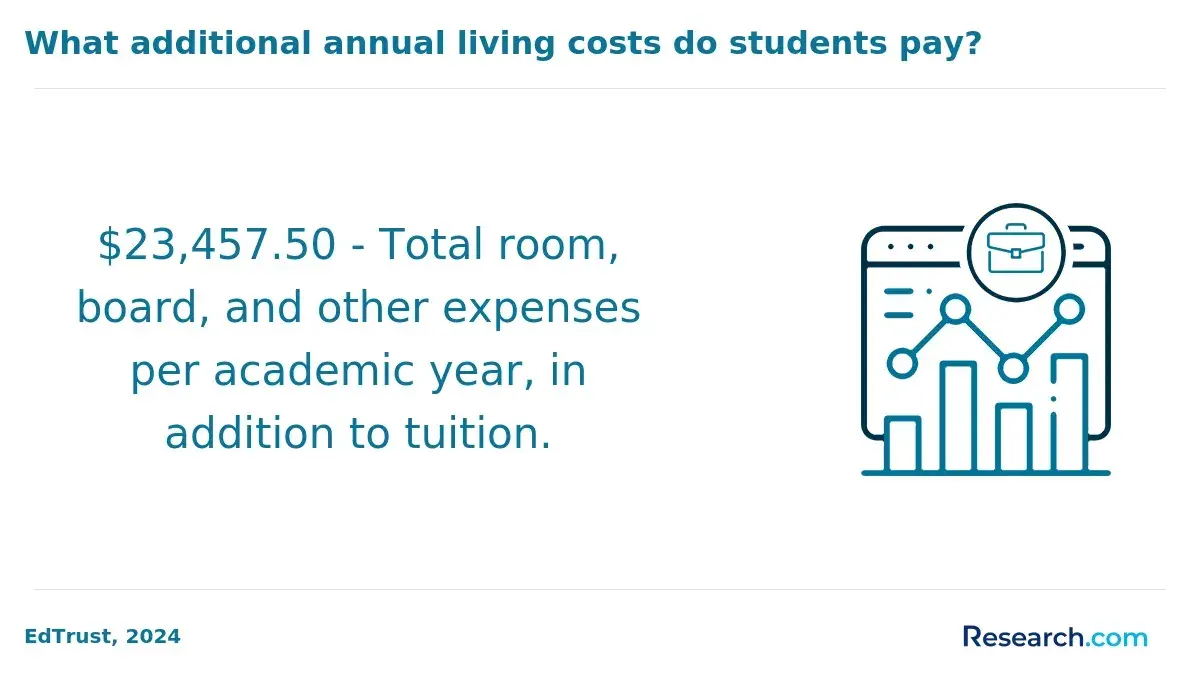
Cost variability is significant: public in-state tuition ranges from roughly $7,000 to $12,000 annually, while private programs may exceed $20,000 per year, pushing total expenses between $28,000 and $80,000 or more. Although online formats reduce housing and commuting expenses, technology fees and textbook costs persist. Independent learners must carefully assess financial aid options for effective funding strategies.
Employer expectations emphasize quantitative skills, with 87% of accredited public affairs programs requiring research methods or data analysis coursework, as reported by the Network of Schools of Public Policy, Affairs, and Administration (NASPAA). This focus demands that prospective students allocate time and cognitive resources to mastering these often challenging subjects, especially when transitioning to data-intensive policy roles.
Mid-career professionals should prioritize programs that combine transparent pricing, flexible pacing, and rigorous research training. Such alignment supports practical career pivots to policy analysis, lobbying, or government consulting while mitigating time and financial tradeoffs inherent in online political science education.
What careers can graduates of online political science and public affairs programs pursue?
An online political science and public affairs degree primarily positions graduates for roles centered on policy analysis, program coordination, and community engagement, predominantly within government and nonprofit sectors. Anticipated growth for social and community service manager roles is notable at 9% between 2022 and 2032, outpacing average occupational expansion and signaling that practical skills in public policy and outreach remain in consistent demand.
In government settings, typical positions include policy analysts and legislative aides who must rapidly interpret legislative developments and predict their impact on public programs. For example, a policy analyst in a state agency often balances complex regulatory frameworks while delivering actionable recommendations under tight deadlines.
Nonprofit roles, such as grant writers and community outreach coordinators, require proficiency beyond theory-grasping funding landscapes and demonstrating measurable impacts to diverse stakeholders. Public affairs graduates may also compete for strategic roles in lobbying or public relations, where success depends as much on networking and real-world experience as academic credentials.
Employers increasingly prioritize candidates who combine political science knowledge with data analysis, project management, or legal expertise. The ability to produce research-ready, evidence-based solutions is a distinct advantage in navigating constraints typical of public and nonprofit budgets.
What salary ranges and job outlook can political science and public affairs graduates expect?
Political science and public affairs graduates face a nuanced salary landscape where sector, geography, and experience shape earning potential more than degree alone. Entry-level salaries range from $50,000 to $65,000, with government roles generally starting near $55,000. Nonprofit or private consulting positions often begin lower but may exceed initial government wages with swift specialization. Mid-career professionals-those with 5 to 10 years of experience-can expect compensation between $75,000 and $95,000, especially when pursuing roles in policy analysis, legislative assistance, or program management.
Job growth for political scientists is projected at 6% from 2024 to 2034, a rate faster than average, driven by demand for expertise in governance, regulatory compliance, and public policy across public and private sectors. However, niches such as intelligence analysis and electoral consultancy present stiffer competition and often require advanced certifications or graduate degrees.
How can students evaluate the research opportunities in an online public affairs curriculum?
Online public affairs programs lacking applied research components risk producing graduates ill-prepared for analytically demanding roles in policy analysis or program evaluation. Employers in government and nonprofit sectors expect demonstrated capability in real-world data collection and evaluation, which requires coursework or capstone projects emphasizing substantive research. Programs incorporating more than 70% explicit diversity, equity, and inclusion (DEI) learning outcomes align better with the evolving demands of equitable policy work, as indicated by the 2024 NASPAA Annual Data Report.
For working professionals pursuing a career pivot, tradeoffs often arise between research rigor and scheduling flexibility. Candidates aiming for analyst or evaluation roles must prioritize programs with mandated research projects and partnerships that provide hands-on experiences. Without these, graduates risk diminished credibility and limited post-graduate networking with faculty engaged in active research portfolios-connections critical to employment in policy advising or nonprofit leadership positions.
Key factors for evaluating programs include:
- Requirement of DEI-focused coursework, present in 62% of NASPAA member programs, to address complex social variables in policy research
- Availability of synchronous collaboration tools and access to research databases within the online platform
- Faculty mentorship and active research engagement, essential for producing impactful, employable outputs
Failing to assess these operational realities may result in a misalignment between program features and the practical demands of Political Science careers focused on data-driven policymaking and evaluation.
How should prospective students choose a reputable online political science program in the U.S.?
Political science programs that fail to integrate quantitative and technical skills risk limiting graduate employability, especially as data-driven policy roles grow faster than average. The U.S. Bureau of Labor Statistics projects a 23% increase in demand for operations research analysts through 2032, highlighting the premium placed on robust training in data analysis, operations research, and digital governance methods. Graduates proficient in applied statistics, policy modeling, and tools like R or Python are demonstrably more competitive in government and public-sector positions where policy decisions increasingly rely on empirical evidence.
A program's curriculum specificity directly affects career outcomes. Those emphasizing econometrics, GIS mapping, and statistical software present clearer pathways to roles such as policy analysts who model urban development impacts using real-time data-candidates with these skills outperform peers lacking technical competencies. Conversely, broadly theoretical tracks risk inadequate preparation for practical policy research demands.
Beyond curriculum, outcomes hinge on tangible workforce integration opportunities. High graduate employment rates and employer feedback validate program effectiveness, while partnerships or internships with government agencies, think tanks, or NGOs provide critical hands-on exposure, improving job market transition.
Logistics-flexible scheduling, credit transfer policies, and cost-also weigh heavily in assessing program value. Graduates benefit when schools support ongoing skill development through alumni networks and continuing education, ensuring relevance amid rapidly evolving digital governance trends.
Other Things You Should Know About Political Science
Online political science programs with research-ready public affairs curricula typically include complex research projects and data-driven assessments that demand significant time investment beyond lectures. Those programs that offer asynchronous coursework provide greater scheduling flexibility but may increase the need for disciplined self-management due to tighter deadlines on research deliverables. Prospective students should weigh how flexible program design is against the realistic workload, especially if balancing full-time employment or caregiving responsibilities.
Research-ready public affairs tracks usually require a 6- to 9-credit capstone, such as a thesis, policy analysis, or applied research seminar. Many programs also require a faculty-approved proposal, a literature review, and a final presentation or defense before graduation.
Prioritizing political science programs that embed internships or applied research projects significantly enhances employability and practical skill development. Coursework alone rarely equips graduates with the networks and firsthand experience public affairs employers require. Choosing programs with these experiential components leads to stronger job placement rates by enabling students to translate research theory into real-world policy analysis or service delivery, which is critical for career advancement in a competitive labor market.
References
- International Relations – Online Studies. A new field of online studies at Vistula University - Vistula University https://vistula.edu.pl/en/news/international-relations-online-studies-a-new-field-of-online-studies-at-vistula-university
- Top Career Paths for Public Affairs and Political Science Majors - MaKami College https://makamicollege.com/news/top-career-paths-for-public-affairs-and-political-science-majors/
- Master of Arts in Public Policy https://www.ceu.edu/academics/degrees/ma-public-policy
- 2025's Best Online Master’s Programs in Political Science https://www.onlinemastersdegrees.org/best-programs/political-science/
- Political Science - Bachelor's Degree - The Institute of Political Science https://politologia.uwr.edu.pl/en/candidates/bachelor-degree-political-science/
- Curriculum of Research: Trends in Student Affairs Assessment Syllabi https://studentaffairsassessment.org/entries/blog/curriculum-of-research-trends-in-student-affairs-assessment-syllabi
- Undergraduate Education http://www.commissionpred.org/the-professional-bond/undergraduate-education/
- IPSAMOOCs: Essential Resources for Teaching and Learning Online https://www.ipsa.org/na/news/ipsamoocs-essential-resources-teaching-and-learning-online
- Online Degree Programs from GMC's Global Online Leadership College https://online.gmc.edu/programs/political-science/
- Online Political Science Degrees: Find Your School https://www.degreesforgood.org/online-degrees/political-science-degrees/