2027 Cheapest Radiology Technician Degree Programs for Working Adults

Co-Founder and Chief Data Scientist
Is it possible to balance a full-time job, family responsibilities, and college courses without sacrificing financial stability? For many working adults, affordability and scheduling flexibility are critical when pursuing a radiology technician degree. Accredited programs often offer asynchronous learning options and generous transfer credit policies to help manage these challenges.
According to the Bureau of Labor Statistics, employment for radiologic technologists is projected to grow 9% through 2032, signaling strong career prospects. This article examines the cheapest radiology technician degree programs tailored for working adults and highlights essential factors such as cost, accreditation, and program flexibility to consider.
Key Things to Know About the Cheapest Radiology Technician Degree Programs for Working Adults
- Cheapest radiology technician degree programs often offer low tuition, online or hybrid formats, generous transfer credit policies, and flexible scheduling to accommodate working adults balancing multiple responsibilities.
- Choosing low-cost options improves accessibility and may offer accelerated timelines, but students should weigh accreditation status and employer recognition to ensure quality and career value.
- Evaluating total costs, financial aid, state licensure eligibility, institutional accreditation, student support, and long-term job prospects is crucial before enrolling in any radiology technician program.
What Are the Cheapest Accredited Radiology Technician Degree Programs Online?
Accredited online radiology technician degree programs offer working adults flexible, lower-cost educational pathways that adapt to their busy schedules. Elements such as tuition structure, transfer credit policies, course delivery format, and institutional accreditation all influence affordability and accessibility.
With over 40% of postsecondary students having taken at least one online course, these options are increasingly popular among adults balancing work and family commitments.
Several important factors can help students identify the most affordable and practical programs available. Consider the following:
- Accreditation Status: Accreditation ensures that the program meets industry standards and is recognized by employers and certification boards. It can also be a prerequisite for accessing federal financial aid, which reduces overall costs for working adults.
- Tuition and Fee Structure: Look for programs that offer flat-rate tuition or per-credit pricing, which enable clearer budgeting. Some schools provide discounted rates for in-state residents or part-time students, improving affordability without sacrificing quality.
- Transfer Credit Acceptance: Many adult learners bring prior coursework or certifications. Programs that accept transfer credits let students shorten their degree timeline and lower tuition expenses by building on previously earned credits.
- Scheduling Flexibility: Asynchronous classes allow students to complete assignments on their own time, which fits well with varied work and family responsibilities. Some programs also offer accelerated formats for those wanting to finish faster, though these may require a more intensive commitment.
- Financial Aid Opportunities: Scholarships, grants, employer tuition assistance, and flexible payment plans can all reduce out-of-pocket costs. Exploring these options is key for adults pursuing affordable online radiology technician programs for working adults.
For those interested in related healthcare degrees, exploring programs like the easiest DNP program may provide additional flexible learning opportunities aligned with career goals.
How Much Does an Online Radiology Technician Degree Cost for Working Adults?
The cost of an online Radiology Technician degree for working adults varies widely depending on tuition structure, school type, transfer credits, residency status, and program format. Affordability and flexible scheduling play crucial roles for nontraditional learners balancing employment or family obligations.
About 40% of adult learners in online programs use financial aid to help manage costs, which can extend beyond tuition to include various mandatory fees.
Several factors influence the overall expenses associated with these affordable online radiology technician degree programs for working adults:
- Tuition Models: Programs often charge per credit or offer flat-rate tuition. Per-credit pricing can be economical for part-time students who take fewer classes, while flat rates may benefit those enrolled full-time or in accelerated formats.
- Transfer Credit Acceptance: Schools that accept transfer credits or prior certifications reduce the total number of classes needed. This policy can shorten program length and lower tuition costs significantly.
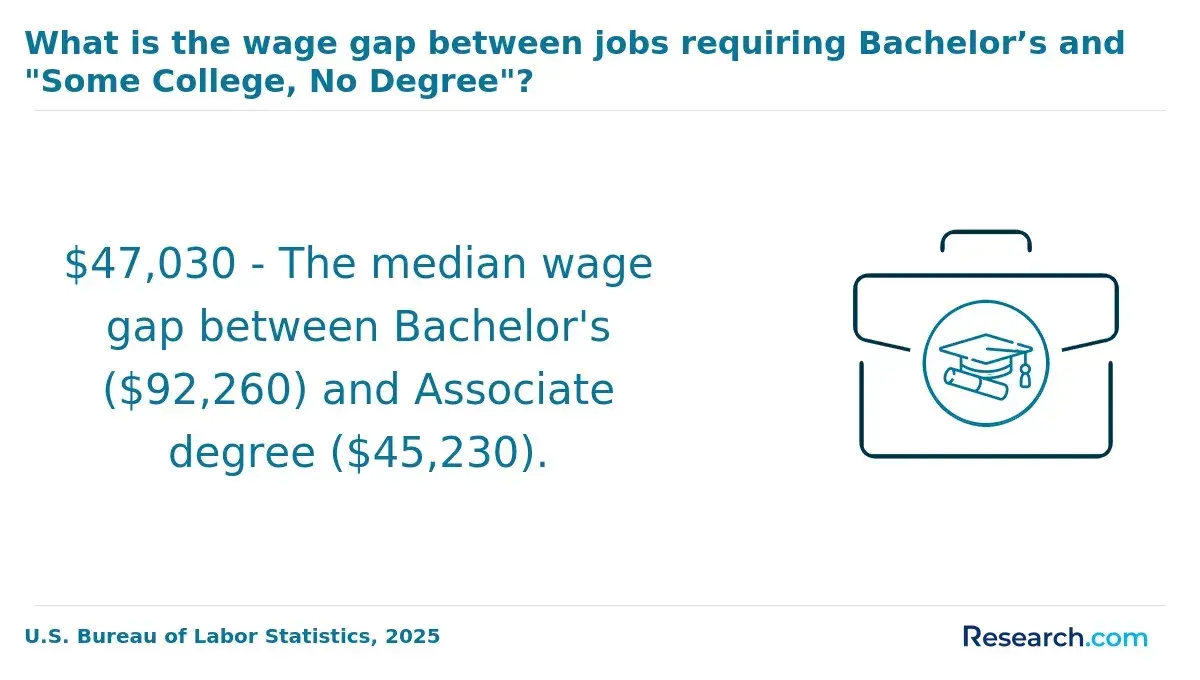
- Financial Aid Opportunities: Access to federal aid, scholarships, and employer tuition assistance is critical. Many adult learners qualify for healthcare-focused scholarships, while employer programs can reimburse part or all tuition costs.
- Technology and Fees: Online formats often require technology, course materials, and lab fees. These additional expenses vary by institution and should be factored into total educational costs.
- Program Format: Accelerated or year-round options let students finish sooner, reducing costs, but may require a heavier course load. Part-time enrollment allows balancing work and study but can extend the time and overall expenses.
Choosing an accredited program ensures quality education and eligibility for financial assistance. Working adults should also consider exploring funding options when evaluating the cost of accredited radiology technician degrees for adult learners.
For those seeking a comprehensive view of affordable healthcare pathways, resources like an affordable healthcare administration degree online can provide additional guidance.
Are Cheap Radiology Technician Degree Programs Legitimate and Respected by Employers?
Choosing an affordable radiology technician degree program doesn't mean sacrificing legitimacy or employer respect. The reputation of a program often depends on factors like accreditation, institutional standing, curriculum rigor, and relevance to current workforce needs.
Working adults tend to weigh these criteria differently based on their schedules, career aspirations, and credential requirements. Notably, research shows that nearly 65% of employers now accept online degrees from accredited schools, reflecting a rise in trust toward flexible education options.
Several key elements influence how cheap radiology technician degrees are perceived by employers:
- Institutional Accreditation: Accredited schools are overseen by authoritative bodies that enforce minimum quality standards, which reassures employers about the program's overall credibility and adherence to academic norms.
- Programmatic Quality: Specialized accreditation for radiologic technology programs ensures curriculum content, clinical training, and faculty qualifications meet industry-specific benchmarks, giving graduates a competitive edge.
- Employer Acceptance of Online Degrees: Many employers increasingly trust degrees earned online when offered by accredited institutions, especially as flexible learning becomes more common for working adults balancing multiple responsibilities.
- Curriculum and Workforce Alignment: Programs that update coursework to match evolving skills demanded by healthcare employers help graduates remain job-ready and relevant in a changing labor market.
- Transfer Credit Recognition: Acceptance of prior coursework or certifications adds flexibility for adult learners who want to accelerate or customize their education without redundant training.
A radiology technician degree graduate shared that one of the most important skills developed during the program was communication under pressure. Balancing clinical rotations while working part-time challenged his time management and adaptability, but it taught him how to explain procedures patiently and clearly to anxious patients.
He reflected, "It wasn't just about learning the machines but also connecting with people who might be scared or confused. Those soft skills made a huge difference when I started working." This mix of technical training and emotional intelligence proved invaluable as he transitioned into the workforce.
What Are the Best Radiology Technician Degree Programs for Working Adults?
Programs considered the best online radiology technician degree programs for working adults combine affordability with flexibility, accreditation, and strong student support. Increasingly, online and hybrid pathways have expanded access to degree completion, with nearly 40% of postsecondary learners now enrolled in such formats.
These options make it easier for adults balancing work and family commitments to pursue relevant credentials in healthcare.
Several key factors influence whether a radiology technician degree program suits nontraditional students, including:
- Accreditation Standards: Enrollment in accredited programs ensures the coursework meets recognized industry benchmarks, which enhances employability and eligibility for federal financial aid. Proper accreditation signals to employers that the degree holds real value.
- Scheduling Flexibility: Programs offering asynchronous or self-paced classes allow students to study around irregular work shifts or family responsibilities. This flexibility helps reduce stress and supports steady degree progress despite competing demands.
- Transfer Credit Acceptance: Many affordable accredited radiology technician programs with flexible schedules accept prior college credits or certifications. This policy can shorten time to completion and reduce tuition expenses by preventing repetition of already mastered material.
- Student Support Services: Access to academic advising, tutoring, and career counseling tailored for adult learners enhances retention and graduation rates. Support mechanisms that accommodate the needs of working adults increase the chance of degree completion.
- Workforce Relevance: Programs that maintain strong ties with healthcare employers update curricula to reflect current technologies and practices. This alignment ensures graduates gain practical skills aligned with evolving workplace demands.
For those seeking faster options, some institutions offer accelerated paths like a 6 month LPN program online that can complement radiology technician training and facilitate quicker entry into healthcare roles.
Which Radiology Technician Degree Programs Offer the Most Flexible Schedules?
Flexible scheduling options are vital for working adults pursuing a radiology technician degree, allowing them to juggle employment, family duties, and personal commitments. Online and hybrid program formats have broadened access by offering adaptable methods of coursework delivery.
In fact, over 40% of adult learners in postsecondary education now prefer programs featuring asynchronous or flexible learning opportunities.
Several key program features contribute to increased flexibility for nontraditional students, including:
- Asynchronous Coursework: Many programs offer lectures and assignments that students can complete on their own schedule, freeing them from fixed class times and supporting self-paced progress.
- Part-Time Enrollment: Allowing students to take fewer courses each term helps balance study with professional and family responsibilities, making steady degree progress manageable.
- Multiple Start Dates: Offering several enrollment periods throughout the year enables learners to begin their studies when it best fits their life circumstances, avoiding long delays.
- Transfer Credit Flexibility: Accepting credits from prior college work allows returning adults to shorten the time needed to complete their degree.
- Evening and Weekend Classes: Scheduling courses outside traditional daytime hours increases accessibility for those who cannot attend during the standard workday.
A professional with a radiology technician degree shared how balancing work, childcare, and studies was initially overwhelming. They recounted, "The option to complete assignments asynchronously was a game changer because it let me study late at night after my kids slept."
They also emphasized how multiple start dates relieved the pressure of timing their education perfectly: "Being able to begin in spring instead of waiting for fall made all the difference." This flexibility enabled them to stay employed and supported their family while successfully finishing the program, demonstrating how adaptable scheduling can transform an adult learner's educational journey.
What Are the Fastest and Cheapest Radiology Technician Degree Programs?
Many accredited radiology technician degree programs are structured to help working adults finish their education faster and more affordably by offering flexible schedules, accelerated coursework, transfer credit options, and online learning formats.
Balancing speed, cost, and educational quality is essential for nontraditional learners; notably, adult enrollment in online programs has grown by over 40% in the past decade, reflecting this increasing demand.
Key features of fast and affordable radiology technician programs often include:
- Accelerated Coursework: Shortened terms, such as 8-week sessions, compress the traditional academic calendar, allowing students to complete required credits more rapidly without sacrificing instructional quality.
- Transfer Credit Acceptance: Recognition of previous college coursework or certifications can reduce redundant classes, lowering the time and tuition needed to graduate.
- Flexible Scheduling: Asynchronous online classes enable learners to access lectures and submit assignments at convenient times, accommodating work hours and family commitments.
- Competency-Based Models: Some programs grant credit for verified skills and knowledge gained outside the classroom, further accelerating degree completion.
- Multiple Start Dates and Reduced Tuition: Frequent enrollment opportunities coupled with discounted per-credit fees or flat-rate pricing enhance affordability and allow students to begin their studies without delay.
Which Schools Accept the Most Transfer Credits for a Radiology Technician Degree?
Transfer credit policies can significantly reduce both the time and cost for working adults pursuing a radiology technician degree by allowing previously earned college credits, military training, professional certifications, or documented prior learning experiences to count toward degree requirements.
Nearly 70% of transfer students successfully apply prior credits when enrolling in new programs, although transfer flexibility varies depending on institutional policies, accreditation standards, and program structures.
Several key factors influence how many transfer credits radiology technician programs accept for working adults:
- Accreditation Compatibility: Schools often accept credits only from regionally accredited institutions or those accredited by recognized health science agencies. This ensures coursework quality and relevance, affecting how credits apply toward degree fulfillment.
- Transfer Equivalency Evaluations: Institutions conduct careful reviews to equate prior coursework with their curriculum. These evaluations can differ greatly, impacting how quickly students progress and complete their degrees.
- Residency Requirements: Many programs require students to complete a minimum number of credits in-house to maintain educational integrity, which can limit the total transferable credits but ensures program standards.
- Articulation Agreements: Formal partnerships between community colleges and four-year institutions facilitate credit transfers, particularly for foundational courses, making the path more affordable and less time-consuming for adult learners.
- Prior Learning Assessments (PLA): Some schools recognize professional certifications, military experience, or relevant workforce skills through PLA, allowing students to bypass certain courses and accelerate degree completion.
What Financial Aid Options Are Available for Radiology Technician Students?
Financial aid opportunities can significantly reduce the cost of earning a radiology technician degree for working adults, who often balance education with job and family responsibilities. Eligibility and availability vary based on factors like school, enrollment status, and accreditation, but many adult learners rely on such support to manage tuition affordability.
According to the National Center for Education Statistics, over 70% of postsecondary students use some form of financial aid, underscoring its importance in educational access.
Various financial aid options and institutional supports help working adults pursue radiology technician degrees within budget and on flexible schedules. These include:
- Federal Grants and Loans: Programs such as Pell Grants and subsidized loans provide funding based on financial need, lowering out-of-pocket costs. These aid options are often essential for students who may not be able to pay tuition upfront.
- Employer Tuition Assistance: Many employers offer partial or full tuition reimbursement, often requiring continued employment or minimum work hours. This support is especially valuable for working adults seeking tuition assistance programs for online radiology technician degrees without disrupting their job schedules.
- Scholarships for Adult Learners: Institutions and private organizations offer scholarships tailored to adult learners and healthcare professionals. These awards help reduce debt burdens and improve financial stability during the course of study.
- Military and Veteran Benefits: Veterans and active service members can access the GI Bill and tuition assistance programs, sometimes combining them with other aid to increase financial flexibility.
- Institutional Affordability Programs: Payment plans and transfer credit policies allow students to spread out tuition payments and shorten degree timelines. Prior learning assessments may also reduce total costs by recognizing relevant previous experience or coursework.
Working adults searching for affordable, accredited, and flexible programs might also explore options tailored for nontraditional students. Resources like the best online DNP programs illustrate how professional healthcare education continues to evolve in accessibility and financial support.
What Jobs Can You Get With a Radiology Technician Degree?
A radiology technician degree equips working adults with the skills needed for diverse roles in healthcare, from entry-level to specialized and management positions. Affordable and flexible degree pathways allow adult learners to balance work and study while pursuing career advancement or transitioning into new fields.
Employment of radiologic technologists is projected to grow 9% from 2022 to 2032, reflecting ongoing demand for these professionals.
Common job opportunities for graduates with a radiology technician degree include:
- Entry-Level Technologist: These roles involve operating X-ray, CT, or MRI machines to perform diagnostic imaging. They provide foundational hands-on experience with imaging technology and patient care, essential for professionals seeking direct clinical work.
- Specialized Technical Roles: Positions such as mammography, sonography, or radiation therapy technicians require additional certifications after completing the degree. These careers focus on specific imaging modalities and demand precise procedural knowledge.
- Support and Administrative Positions: Graduates may work as imaging department coordinators, scheduling specialists, or quality assurance assistants. These roles utilize knowledge of clinical workflows and imaging technology without performing scans directly.
- Supervisory and Management Roles: Mid-level careers include overseeing radiology teams or departmental operations. Such positions benefit from a blend of clinical expertise and leadership skills developed through flexible curricula designed for working adults.
- Community-Based Imaging: Jobs in outpatient centers emphasize patient interaction and public health. Flexible and affordable degree programs support those seeking to enter community health settings without pausing their current employment, providing viable options for finding radiology technician job opportunities near me.
For those aiming to explore further healthcare credentials alongside a radiology technician degree, the best online post master's PMHNP programs offer flexible pathways to expand clinical expertise and career mobility.
What Should Working Adults Look for When Choosing a Radiology Technician Degree Program?
Working adults often weigh affordability, program flexibility, accreditation, and career relevance when selecting a radiology technician degree, aiming to balance education with work and family demands. Online and hybrid learning pathways have notably increased access, with recent data showing that over 40% of healthcare adult learners pursue such options to accommodate their schedules.
These factors contribute to efficient degree completion and lasting professional value.
Key considerations include:
- Accreditation: Choosing a program accredited by recognized bodies ensures quality education and is typically necessary for certification and employment opportunities.
- Flexible Scheduling: Programs offering asynchronous or part-time formats help students manage coursework alongside existing commitments, reducing stress and potential burnout.
- Transfer Credits: Acceptance of prior coursework or relevant experience can shorten time to degree completion, making education more affordable and convenient for adult learners.
- Online Accessibility: Robust online or hybrid delivery options expand access, although students should confirm any on-site clinical requirements before enrolling.
- Workforce Readiness: Curricula aligned with current industry standards prepare graduates for evolving healthcare environments, enhancing employability and long-term career success.
What Do Students Say About Affordable Radiology Technician Degree Programs?
- Valentino: "As a working dad, affordability was my top priority when searching for a radiology technician degree program. I quickly learned that the cheapest programs aren't always the best, so I made sure to choose one that was properly accredited and recognized by employers. Balancing night shifts with classes was challenging, but flexible online options made it manageable without sacrificing quality."
- Zev: "Switching careers in my 30s meant I needed a radiology technician program that respected my existing credits and professional experience. The most important thing I found was identifying schools that allowed transfer credits, which saved me a lot of time and money. I also appreciated programs that offered hybrid schedules because they gave me the freedom to attend hands-on labs while keeping my current job."
- Grayson: "What stood out to me when choosing a radiology technician degree was verifying the legitimacy of the program. Many affordable options looked promising, but I prioritized those accredited by respected agencies and had solid employer networks. The ability to attend evening or weekend classes really helped me balance my studies with a full-time job, making the entire experience more realistic and doable."
Other Things You Should Know About Radiology Technician Degrees
Yes, many programs designed for working adults accommodate clinical hours with flexible scheduling or offer placements at healthcare facilities near students' workplaces. It is important to confirm that the program you choose has arrangements that allow you to balance clinical practice with your job commitments.
In 2027, affordable radiology technician programs for working adults often partner with local healthcare facilities, offering flexible schedules for clinical rotations. These collaborations ensure students gain necessary hands-on experience without compromising their current employment duties.
Most affordable programs require access to a computer with reliable internet and basic software for coursework. Some may utilize specialized imaging software, but this is usually web-based or provided by the school, so technical demands remain manageable even for working students.
State licensure for radiology technicians varies and often requires graduation from an accredited program plus passing a certification exam. Choosing a program that meets your state's specific educational criteria ensures that your degree will qualify you for licensure and professional practice.
References
- Academic Scholarships https://www.asrt.org/foundation/programs/academic-scholarships
- Discover Top Online Radiology Tech Programs https://www.accreditedschoolsonline.org/healthcare/radiology-technician/
- Radiography Transfer to Johns Hopkins Hospital School of Medical Imaging https://www.carrollcc.edu/programs/degrees-credit-certificates/radiography-transfer-to-johns-hopkins-schools-of-medical-imaging/
- Transfer Options https://www.mtsac.edu/radiologic/transfer.html
- A Comprehensive Guide to Choosing the Best Radiology Tech School for Your Career https://www.webartigos.com/artigos/a-comprehensive-guide-to-choosing-the-best-radiology-tech-school-for-your-career/172722
- Online/Hybrid Radiologic Technology | 18 Month Program |WVJC https://www.wvjc.edu/radiologic-technology-online-hybrid/
- Guide to Top Scholarships for Online Radiology Tech Students https://www.edumed.org/financial-aid/scholarships/radiology-tech-programs/
- 20 Best X-Ray Tech/Radiology Tech Schools in 2025 https://www.collegetransitions.com/blog/best-xray-tech-radiology-tech-schools/