2027 Social Services Support Roles You Can Target With a Social & Behavioral Sciences Degree

Co-Founder and Chief Data Scientist
Deciding how to leverage a social & behavioral sciences degree amid shifting labor demands presents a critical dilemma for many seeking effective, sustainable career support roles. With the Department of Education reporting a 20% rise in adult enrollment in flexible online programs since 2023, access to adaptable education expands opportunities but also intensifies competition.
This surge means candidates must strategically target positions aligned with evolving workforce needs, balancing credentials and practical experience. The challenge lies in identifying roles that not only match academic training but also maximize career mobility in sectors facing resource strain and rapid policy changes. This article examines specific social services support roles informed by these dynamics to guide strategic career decisions.
Key Things You Should Know
- Social & Behavioral Sciences graduates face a 12% wage penalty compared to clinical psychology counterparts, per BLS 2024 data, signaling a tradeoff: broad skill sets versus specialty-driven earnings potential.
- Employers prioritize candidates with quantitative research proficiencies; 67% of surveyed agencies in 2024 identify data analytics expertise as a decisive hiring factor, marginalizing purely qualitative backgrounds.
- Median program costs exceed $30,000, with Bureau of Labor Statistics data showing 36 months average completion for part-time students, imposing significant timing and financial barriers for career switchers.
What social services support roles can you pursue with a social and behavioral sciences degree?
Social and behavioral sciences degrees directly prepare graduates for multiple high-demand social and behavioral sciences support roles in social services that emphasize client advocacy, case management, and community outreach. For instance, case managers in healthcare coordinate complex treatment plans for patients with chronic conditions, requiring not just organizational skills but also cultural competence and emotional resilience.
These positions typically involve managing diverse caseloads under regulatory scrutiny, with stabilized demand reflected by 313,700 annual job openings and a median wage notably above the national average. Although some employers look for certifications or supervised experience, a degree path remains a principal entry route. Graduates who combine knowledge of social policy frameworks with effective communication and ethical decision-making gain a practical edge.
The tradeoff is that job functions vary widely across employers-government agencies, nonprofits, or private healthcare-demanding flexibility between specialized expertise and generalist capacity. Candidates should carefully evaluate job listings for true case management duties and pursue internships or practicum opportunities to bridge gaps between theory and workplace expectations.
Accessing this career track also benefits from informed degree choices; for example, those weighing a social and behavioral sciences degree may explore programs listed for a human services degree online that balance duration with practical outcomes. Graduates navigating these pathways effectively position themselves for sustained roles in social services support careers for social and behavioral sciences graduates.
How does a social and behavioral sciences major prepare you for community and human services careers?
A social and behavioral sciences major develops skills essential for navigating complex community and human services settings, including mental health clinics and rehabilitation centers. Those pursuing community and human services career pathways in social and behavioral sciences must balance direct client engagement with stringent regulatory and funding challenges. For example, graduates working in substance abuse treatment must adapt counseling approaches to culturally and socioeconomically diverse populations, applying psychological and sociological frameworks to optimize intervention effectiveness.
Employers prioritize candidates who can manage resource constraints while maintaining program quality, relying heavily on competencies in data collection and program evaluation refined through rigorous research methodology training. Graduates gain practical exposure to these realities via coursework and fieldwork designed to simulate public and nonprofit agency environments.
The labor market reflects these demands: substance abuse and mental health counselor roles are projected to grow 17% between 2024 and 2034, outpacing many other fields. The May 2024 median wage for these positions was $59,190, indicating stable income prospects within this sector. Given continuing licensure requirements, programs that embed ongoing professional development are advantageous to sustain career trajectory and compliance.
For those assessing skills gained from a social and behavioral sciences major for community support roles, it is vital to evaluate program content focused on practical service delivery, regulatory navigation, and interpersonal skill development. Degree seekers might also consider options such as online masters psychology programs as part of their broader credential strategy.
What education, licensing, or certification do you need for social services support positions?
Entry into social services support roles often hinges on a practical combination of education and credentialing tailored to the specific employer and job scope. While many community health worker positions require only a high school diploma plus targeted training or an associate degree, this baseline supports a median wage of $51,030 and an 11% growth rate projected by the Bureau of Labor Statistics between 2024 and 2034. However, possessing an associate or bachelor's degree in social & behavioral sciences markedly broadens access to supervisory and specialist roles like case management or outreach coordination.
Licensing and certification needed for social services support jobs are usually state-dependent and often non-mandatory. Some states require community health workers to complete 20 to 40 hours of accredited coursework for certification, emphasizing ethics, outreach techniques, and health education. These certifications become critical in clinical or public health settings, where employers expect formal credentials beyond education.
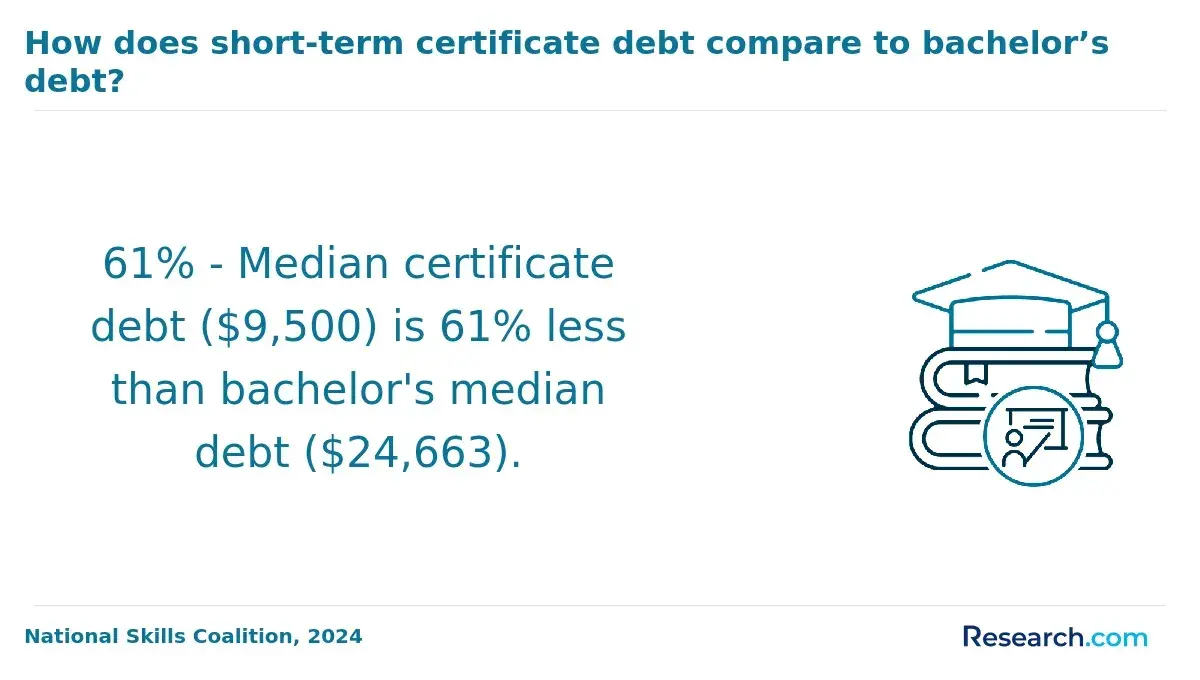
Competency-based credentials such as CPR, mental health first aid, or trauma-informed care training increasingly influence hiring decisions, especially for roles requiring a bachelor's degree combined with certifications complying with local regulations. Candidates must weigh the quickest route to frontline employment through certification against longer-term investment in degrees plus credentials for advancement.
Practical experience, often acquired via internships or volunteer work, remains a decisive factor in candidate evaluation. Those considering an advanced degree might explore options such as a master's in forensic psychology online to further specialize and improve employability prospects within the social & behavioral sciences domain.
Which entry-level and mid-level social services jobs are realistic with a bachelor's degree?
Entry-level social services jobs with a bachelor's degree in social & behavioral sciences typically center on client-facing roles such as case management specialists, community outreach coordinators, and behavioral health technicians. These positions prioritize organizing resources and direct program implementation rather than clinical expertise. For instance, a nonprofit case manager assesses client needs and tracks progress, relying heavily on interpersonal skills and operational awareness rather than advanced credentials.
Mid-level social and behavioral sciences careers for degree holders, including social and community service managers, require not only the bachelor's degree but also practical leadership experience. This tier is projected to grow 6% between 2024 and 2034, with a median salary around $78,240, demonstrating stable demand for candidates who can manage staff and oversee community programs efficiently.
Applicants compete by developing specialized abilities such as grant writing, cultural competency, and data monitoring. Internships or volunteer work often distinguish candidates in nonprofit or government environments.
Entry-level roles typically offer limited managerial scope and moderate compensation until supervisory experience or advanced training is acquired. Evaluating credentials or master's degree options becomes important for career progression beyond these initial roles. Students should also consider pathways like CAHIIM accredited health information management programs online for complementary skills that enhance employability in related fields.
How do online social and behavioral sciences programs compare to campus-based options?
Online social and behavioral sciences programs can offer scheduling flexibility but often shift essential experiential learning to virtual formats, a compromise with tangible consequences for roles like social services assistants and case managers. Employers prioritize candidates with hands-on internships and supervised practicums-components more reliably accessed through campus-based programs or those with strong local agency partnerships.
According to the Indeed Career Guide 2024, associate-level social work workers earn between roughly $37,700 and $60,400 annually, with wages closely tied to demonstrated applied skills and client interaction experience, which online programs may struggle to provide fully. Prospective students must critically assess whether an online program mandates residencies or field placements, as these bridge theory with practice and affect employability.
Those balancing work and study must often independently secure practicum sites, a significant barrier compared to campus offerings with established networks. Networking for job opportunities also tends to be more effective in on-campus settings. Key tradeoffs include:
- Flexibility and asynchronous learning versus direct, supervised fieldwork.
- Potentially limited employer recognition of remote practicums compared to traditional hands-on experience.
- The need for proactive practicum placement and self-directed networking in online pathways.
Combining an accredited online social and behavioral sciences degree with verified local field experience can replicate much of the career readiness found in traditional campus routes, though it demands greater initiative from the student to secure practical learning and employer trust.
What core courses and skills are emphasized in social and behavioral sciences programs?
Social & behavioral sciences programs prioritize analytical skills vital for roles that demand precise interpretation of complex data and effective communication tailored to diverse populations. For instance, a health education specialist must translate epidemiological findings into culturally relevant prevention materials for community settings, requiring both statistical competence and cultural sensitivity.
The curriculum is designed around research methods, statistics, human development, psychology, sociology, and health education, integrating coursework that addresses survey design, qualitative analysis, ethics, and public policy. Employment projections indicate a steady 4% growth in health education specialist roles from 2024 to 2034, with a median wage near $63,000 as of May 2024.
However, students should weigh this against competitive job markets where proficiency in statistical software and data visualization tools is increasingly non-negotiable for securing positions and grants. Practical training emphasizes real-world application of methods in varied sectors: public health demands epidemiology and evaluation expertise, while social services focus on group dynamics and advocacy.
Candidates must also critically assess research limitations, including biases in behavioral data and constraints of cross-sectional studies, to produce rigorously reliable outcomes influencing policy and intervention outcomes. This nuanced understanding affects not only initial employability but long-term career flexibility within prevention-focused professions.
What are typical salary ranges for social services support roles in the United States?
Entry-level social services support positions in the United States offer modest wages that directly reflect institutional settings and required qualifications. For example, behavioral health technicians make about $39,306 annually on average, a figure grounded in practical support roles assisting certified behavioral health professionals. Social services assistants in public agencies or nonprofits typically earn between $30,000 and $45,000, though hospital or private practice roles demand more credentials and thereby offer somewhat higher pay.
This distribution reveals a clear tradeoff: accessibility at the outset often means salary ceilings unless additional certifications or graduate education are pursued. For instance, a social services support worker in a rural health center may encounter restricted wage growth and heavier caseloads, while someone in an urban hospital might earn more but face longer hours and intensified job demands.
To surpass the $50,000 annual salary mark, specialized credentials beyond a bachelor's degree in social & behavioral sciences are generally required. Otherwise, job security and financial progression remain limited.
Prospective professionals must weigh realistic salary trajectories and credentialing investments when aligning social & behavioral sciences education with career plans. The link between qualifying credentials and meaningful earnings progression is a critical factor in workforce strategy.
What is the job outlook for social and behavioral science-related social services careers?
The labor market for social & behavioral sciences-related social services shows moderate growth with wages notably above the occupational median, signaling stable but competitive opportunities. In May 2024, median annual wages for these roles reached $57,530, surpassing the overall median by over $8,000 according to the U.S. Bureau of Labor Statistics Occupational Outlook Handbook. This gap mainly reflects employer demand for professionals equipped with data-driven policy analysis and evidence-based program evaluation skills.
Practically, candidates with social & behavioral sciences backgrounds who enter municipal or nonprofit social impact roles can leverage quantitative competencies to measure policy outcomes, helping buffer their positions from funding volatility. However, job openings differ by region and organizational funding, requiring flexibility to consider government, private, or nonprofit sectors.
Projected employment growth of 5% to 7% is respectable but trails the national average, emphasizing the need for continual skill upgrades such as certifications or advanced degrees in program management or policy evaluation to improve job security and advancement prospects. Risks like layoffs remain a concern, especially in entry-level roles during economic contractions.
Key considerations for prospective students or pivoters include:
- Weighing modest job growth against sustained wage premiums.
- Investing in quantitative research methods and policy analytics.
- Targeting diverse sectors with adaptable skill sets.
- Prioritizing credentials that enhance resilience to budget and market shifts.
How can you evaluate accreditation and program quality for social and behavioral sciences degrees?
Choosing a degree in social and behavioral sciences requires critical scrutiny of accreditation and program relevance to industry demands. Institutional accreditation recognized by the U.S. Department of Education or the Council for Higher Education Accreditation remains foundational. Without it, credits may not transfer, and employers often question the degree's legitimacy. Additionally, specialized accreditations from bodies like the Council on Social Work Education (CSWE) or the American Psychological Association (APA) provide essential validation of curriculum rigor and practicum standards, especially for fields with strong licensure components.
Graduation rates, licensure success, and job placement metrics offer tangible evidence of program performance and alignment with workforce needs. For instance, sectors such as aging, disability, and long-term care foresee approximately 313,700 annual job openings through 2034 (U.S. Bureau of Labor Statistics), demanding programs that embed clinical experiences and agency partnerships. Otherwise, graduates face diminished employability in these growing but specialized fields.
Faculty expertise should reflect contemporary workforce shifts-programs overly theoretical and detached from practical skill development risk producing graduates ill-equipped for community-based roles. Career services tailored to social and behavioral sciences graduates, including targeted placement and alumni networking, significantly influence job market outcomes.
Finally, the choice between accelerated or online delivery models entails real tradeoffs; convenience may come at the cost of comprehensive accreditation breadth or internship integration, which employers critically evaluate. Selecting a program that balances these factors with verified outcomes reduces risks tied to credential validity in an evolving social services labor market.
What factors should you consider when choosing a social and behavioral sciences program for social services work?
Selecting a social and behavioral sciences program for social services work requires a clear focus on practical outcomes and employer expectations rather than solely on theoretical appeal. Accreditation from recognized agencies is non-negotiable to ensure the degree meets industry benchmarks relevant to probation officers, community health counselors, and similar roles. Given labor market projections through 2034 show growing demand in corrections and rehabilitation fields, programs with embedded criminal justice pathways offer a distinct advantage.
Work-integrated learning is a critical differentiator. Programs must provide practicum or fieldwork opportunities in real-world settings like correctional facilities or social service agencies, which develop applied skills far beyond classroom theory. For instance, supervised placements in rehabilitation settings equip students targeting reentry support roles with direct experience in client engagement-an expectation employers prioritize.
Flexibility and duration also matter, especially for working professionals navigating career pivots. Part-time and hybrid options mitigate opportunity costs but require scrutiny to confirm they maintain assessment rigor and adequate academic support.
Assess program transparency regarding graduate employment rates and alignment with licensing or certification mandates. Favor institutions providing data that link curriculum to measurable workforce success, limiting the risk of overvalued credentials that fail to deliver tangible career impact.
Other Things You Should Know About Social & Behavioral Sciences
Specializing in areas like psychology, sociology, or human development narrows job options but increases expertise in specific niches, which some employers prioritize. However, overly narrow concentrations may limit flexibility in a field that frequently demands broad skill sets for diverse client needs. Candidates should weigh immediate job market demands and consider dual competencies or complementary certifications to maintain adaptability alongside specialization.
Additional certifications often address targeted skill gaps or regulatory requirements tied to specific client populations or service settings, making them immediately practical for career advancement. A higher degree increases theoretical knowledge and eligibility for supervisory or policy roles but may delay workforce entry and increase debt. For many social services roles, a well-chosen certification combined with relevant work experience provides better short-term career mobility than pursuing a master's degree without specific role alignment.
Employers in social services support consistently value interpersonal communication, cultural competence, and problem-solving skills more than technical knowledge alone. While program curricula offer foundational theory and research skills, these soft skills are often underdeveloped without real-world experience. Candidates should seek opportunities to build client-facing competencies through practicums or volunteer settings, as these directly influence hiring decisions and job performance in frontline roles.
References
- Where to use Behavioural and Social Science | BSPHN https://www.bsphn.org.uk/advice/where-to-use-behavioural-and-social-science
- IAI General Education Social and Behavioral Sciences Course Descriptions https://itransfer.org/courses/gecc/socialbehavioralsciences.php
- 4 Human Services Careers https://www.albany.edu/education/communications/human-services-careers
- Considering a Major in Social Work? https://www.onlinemswprograms.com/online-social-work-degrees/bsw/social-work-major/
- High-demand social work careers in California: trends and opportunities https://socialwork.pacific.edu/blog/high-demand-social-work-careers-california-trends-and-opportunities
- Becoming a Social Worker: 7 Things You Should Know | UMass Global https://www.umassglobal.edu/blog-news/becoming-a-social-worker
- Bachelor’s Behavioral Science Degrees | University of Phoenix https://www.phoenix.edu/online-behavioral-sciences-degrees/bachelors.html
- Liberal Arts and Sciences Emphasis in Social and Behavioral Sciences https://www.ccsf.edu/degrees-certificates/liberal-arts-and-sciences-emphasis-social-and-behavioral-sciences
- Welcome https://www.ahpgs.de/en
- Entry-Level Social Work Jobs | Earn a BA in Social Work at TUW https://www.tuw.edu/health/entry-level-social-work-jobs/