2027 Best Online Biological Sciences Degrees for Molecular Biology Careers

Co-Founder and Chief Data Scientist
Professionals aiming to shift into molecular biology within biological sciences often confront rigid scheduling, limited geographic access, and expensive on-campus programs that hinder timely career advancement. According to the National Center for Education Statistics, over 40% of postbaccalaureate biological sciences enrollees in 2024 opted for online programs, reflecting a deeper shift toward flexibility and adult learner accommodation.
This trend reveals how critical accessible, accredited online degrees have become for those balancing work, family, and skill requirements demanded by evolving biotech and research employers. This article evaluates top online biological sciences degrees tailored for molecular biology careers, focusing on their practical fit, flexibility, and real-world career impact.
Key Things You Should Know
- Research from the National Center for Education Statistics shows that 40% of molecular biology roles require hands-on lab experience, forcing online degree candidates to weigh added internships against remote coursework convenience.
- A 2024 Bureau of Labor Statistics report indicates employers in biotechnology increasingly prioritize graduates with combined data analysis skills, challenging purely traditional biology curriculums and reshaping graduate employability.
- The average total cost for accredited online biological sciences degrees rose 12% from 2022 to 2024, compressing timelines for career pivots due to altered financial aid availability and opportunity costs.
What is an online biological sciences degree and how does it prepare you for molecular biology careers?
Online biological sciences degree programs for molecular biology demand a curriculum that delivers targeted mastery of cellular and molecular processes while addressing the tangible challenges of remote science education. Graduates must navigate hands-on competencies through local practicums or simulated labs, a crucial consideration often overlooked by prospective students evaluating these programs. Employers expect measurable skills in genetic analysis and bioinformatics that align with molecular biology workplace requirements.
The rigor includes integrating experimental design with proficiency in statistical and sequencing software used in biotech and clinical settings. For example, a working professional transitioning to molecular diagnostics needs assurance that their online biological sciences degree prepares them adequately in DNA sequencing technologies and regulatory standards, highlighting the importance of curriculum relevance to specific career tracks.
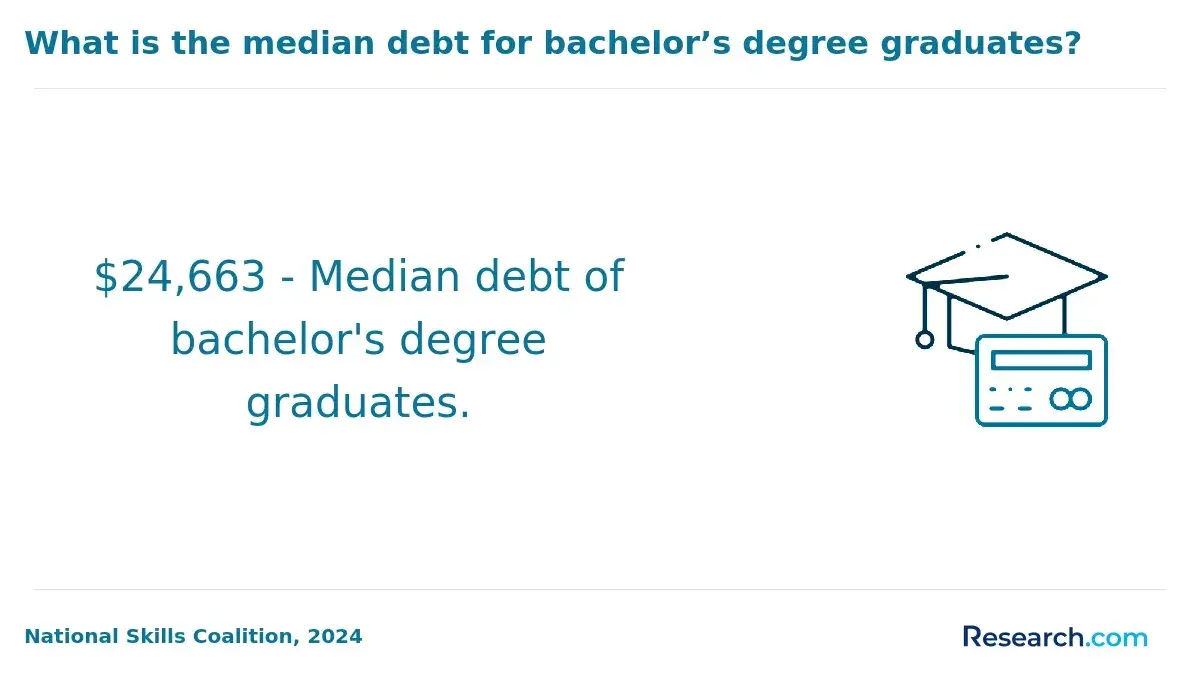
Financial investment varies widely, with total tuition spanning roughly $16,000 to nearly $70,000, according to U.S. News & World Report's 2024 evaluation of online biology bachelor's programs. This disparity shapes decision-making, balancing cost against institutional reputation and practical lab access.
Those exploring how an online biological sciences degree prepares molecular biology professionals should assess program alignment with certification requirements, local lab availability, and the discipline needed for largely self-directed study. For a nuanced comparison of program offerings and cost implications, consider this resource on the online biology degree.
How do online and on-campus biological sciences programs compare for molecular biology training?
Online biological sciences programs versus on-campus for molecular biology training presents a critical tradeoff between accessibility and practical skills acquisition. While online formats offer flexibility for working professionals, they often fall short in delivering the rigorous, hands-on laboratory experience necessary for molecular biology careers, where real-time problem-solving and mastery of complex experimental techniques are essential. On-campus programs uniquely provide direct access to specialized equipment and faculty-led research projects that simulate industry and clinical conditions, a factor highly valued by employers in biotech, pharmaceuticals, and medical research sectors.
Consider a candidate pursuing a molecular biology track aiming to become a physician assistant specializing in molecular diagnostics. The U.S. Bureau of Labor Statistics projects 20% job growth from 2024-2034 and reports a median annual wage of $133,260, making comprehensive lab exposure pivotal for meeting clinical and licensing board requirements. An online biological sciences program may necessitate additional in-person internships or certifications to fill practical gaps.
Students must weigh current work-life balance, local lab availability, and career aspirations within a comparative analysis of biological sciences education delivery methods for molecular biology careers. Hybrid models with scheduled campus residencies coupled with online coursework offer potential compromise but are not yet widespread. These nuances deeply impact hiring potential, particularly in research-intensive roles demanding tangible lab proficiency.
For evaluating costs and outcomes related to science and technology degrees, exploring a data scientist degree pricing landscape provides additional perspective on affordability aligned with specialized career paths.
Which types of online biological sciences degrees best support molecular biology career goals?
Online biological sciences degrees for molecular biology careers demand more than broad exposure; they require rigorous integration of molecular biology, bioinformatics, and genetics with accessible lab experience. Employers expect graduates to command skills in contemporary molecular techniques, reflected in median salaries of $91,260 and top roles exceeding $142,000 annually, according to the U.S. Bureau of Labor Statistics. Purely generalist programs fall short in delivering these specialty competencies, limiting career mobility in research-intensive sectors.
Programs that balance theory with structured lab practicums-whether regional partnerships or brief on-site intensives-provide critical hands-on exposure valued by pharmaceutical and biotech employers. Consider an applicant targeting gene therapy research: competencies in CRISPR, proteomics, and advanced data analytics are non-negotiable and must be explicitly integrated into the curriculum or supplemented externally.
The best online biological sciences programs supporting molecular biology emphasize bioinformatics to prepare students for frontier roles in synthetic biology and personalized medicine, fields where computational fluency is essential. Access to virtual lab platforms and live mentorship can partially offset constraints of fully remote study but should be scrutinized carefully.
Working professionals face tradeoffs involving time flexibility, lab logistics, and employer recognition of online credentials. Certifications in molecular techniques or internships aligned with articulation agreements expedite practical skills acquisition and strengthen resumes. For students seeking interdisciplinary credentials, a library science degree can complement molecular biology training by enhancing data management proficiencies critical to contemporary research environments.
What accreditation should online biological sciences programs have to be recognized by employers and grad schools?
Employers and graduate programs in biological sciences demand degrees from regionally accredited online biological sciences programs recognized by employers to ensure candidates meet rigorous academic and practical standards. A pharmaceutical company hiring manager, for example, often filters resumes to include only those with regionally accredited credentials to avoid delays linked to retraining or validating credentials.
This regional accreditation is non-negotiable for federal funding compliance and research roles requiring strict quality benchmarks. National or programmatic accreditations-such as those from ABET-may enhance specialized recognition but do not replace the foundational role of regional accreditation for biological sciences degrees accepted by graduate schools.
Doctoral or research programs routinely require transcripts from regionally accredited institutions to confirm academic equivalency and hands-on lab experience, key for advanced molecular biology training. Without this, applicants risk rejection regardless of supplemental certifications.
The biotech sector's expected 14% compound annual growth rate through 2030 intensifies demand for transparent, verifiable credentials aligned with practical laboratory training. Online degrees lacking robust hands-on components often face skepticism in employer assessments despite accreditation.
Students aiming for technical pivots should also consider the difference between degrees in biological sciences and other STEM fields. Insights on navigating these pathways can be found by exploring resources such as the online electrical engineering bachelor degree for veterans, which highlight accreditation's impact on employability in related disciplines.
What core courses and lab experiences should an online biological sciences program include for molecular biology?
Programs in biological sciences with a molecular biology focus must bridge theoretical knowledge and practical skill to align with employer demands in biotech and pharmaceutical fields. Core coursework should include biochemistry, genetics, cell biology, and molecular genetics to establish a solid foundation. Analytical skills in bioinformatics and genomics are essential for interpreting complex biological data, reflecting direct employer expectations.
The critical challenge for online learners is gaining meaningful laboratory experience. High-quality programs integrate virtual labs with mandatory in-person or local partner lab sessions, delivering hands-on training in DNA sequencing, protein assays, and microscopy. Without at least 120 to 150 hours of supervised lab work that mirrors real-world protocols, graduates risk gaps that undermine readiness, especially for roles requiring practical expertise such as molecular diagnostics involving PCR and electrophoresis.
Cost structures also influence accessibility, with some reputable programs offering flat tuition rates regardless of residency. This model removes geographic financial barriers while maintaining technical rigor, making it feasible for working professionals nationwide to pivot or advance efficiently without sacrificing essential hands-on competencies.
What are typical admission requirements and prerequisite backgrounds for online biological sciences degrees?
Entry into online biological sciences degree programs demands more than basic high school credentials; these programs expect proficiency in biology, chemistry (general and organic), physics, and algebra or pre-calculus. Students lacking these foundations face significant hurdles that can slow their progress, including the potential need for remedial coursework.
For example, a healthcare professional shifting careers without organic chemistry background may need community college courses before enrolling, delaying their timeline and increasing cost. Data from the National Student Clearinghouse Research Center indicates a 3.2% rise in undergraduate enrollment at primarily online institutions from fall 2022 to fall 2023, far outpacing in-person growth.
This reflects growing demand for flexible STEM education but also sets a higher bar for applicants seeking relevant skills remotely. Employers increasingly value practical mastery-lab techniques, bioinformatics, and data analysis-not just degree credentials.
Applicants without STEM degrees or college credits must strategically weigh their readiness against program demands, as incomplete preparation can impede workforce entry or require extended study periods. Admission prerequisites are therefore a critical checkpoint: they protect students from costly delays while aligning educational outcomes with the rigorous expectations of biotech, pharmaceutical, and academic research sectors.
How long do online biological sciences programs take and what do they typically cost?
Completing an online biological sciences program for molecular biology typically involves a deliberate balance between time, cost, and hands-on skill acquisition. Bachelor's degrees usually require about four years, though accelerated tracks can shorten this to three through credit transfers or year-round study. Associate degrees take around two years, while master's degrees generally range from 1.5 to 2 years. Choosing an accelerated route demands a capacity to manage intense workloads, especially for those working full-time.
Cost disparities heavily influence program selection. Public in-state tuition runs approximately $8,000 to $20,000 annually, but private and out-of-state options may exceed $30,000 per year, resulting in total tuition from $32,000 to $80,000 for a bachelor's path. Extended enrollment to accommodate work or part-time study increases cumulative expenses due to additional fees.
Critical for employability in biotech or research sectors is practical laboratory experience. Despite online delivery models, many employers expect verified competencies acquired through in-person practicums or partnerships with local labs. Lack of these can limit readiness for molecular biology roles and hinder graduate or professional school admission, a path pursued by about 40% of biology bachelor graduates within three years.
What molecular biology jobs can you get with an online biological sciences degree?
Online biological sciences degrees emphasizing molecular biology prepare graduates primarily for technically focused roles that require a blend of laboratory proficiency and theoretical understanding. Positions such as research technician, clinical laboratory technologist, and quality control analyst depend heavily on demonstrated competence with molecular techniques and data analysis tools rather than solely on the degree's mode of delivery.
Federal and private research labs often prioritize candidates with verified hands-on skills, making programs that incorporate hybrid elements or direct laboratory partnerships more effective for employability. For clinical lab technologist roles, certification requirements extend beyond the degree, but foundational knowledge from an online biological sciences program supports eligibility for these exams.
Starting in quality control within pharmaceutical manufacturing can offer stable employment with clearer pathways to specialized roles like process development, especially when practical coursework aligns with industry certifications. However, graduates should weigh the limitation of purely online programs lacking adequate lab experience, as employers value applied skills alongside academic credentials.
Merit tuition rates as low as $150 per credit hour can reduce overall debt significantly compared to average rates near $275, improving financial feasibility for high-performing students pursuing accredited biology programs online.
Graduates gain competencies in DNA/RNA analysis, protein synthesis, and genetic assay development relevant to biotech employers. Practical components such as local labs or internships are a critical differentiator in recruiting decisions. Advancement often requires supplementary certifications or graduate education beyond initial online degrees.
What salary ranges and job outlook can molecular biology graduates expect in the United States?
Molecular biology graduates in the United States face a strategic choice between sectors offering distinct financial and professional tradeoffs. Early-career salaries range roughly from $55,000 to $75,000, with industry sectors like pharmaceuticals and biotechnology providing pay premiums of up to 15% above average biology-related fields. However, these higher salaries often coincide with intense competition and project demands, whereas government or academic roles present greater job stability but generally lower initial compensation.
The geographic dimension is a major factor in compensation and cost of living. Biotech hubs such as California, Massachusetts, and North Carolina can offer salaries approximately 20% above the national median, but these often come with correspondingly higher expenses and localized job market pressures. Graduates entering research roles need proficiency in advanced methods like CRISPR and next-generation sequencing, plus strong data analysis capabilities, to remain competitive.
Career advancement is frequently limited for those without postgraduate qualifications, particularly in technical fields within biological sciences. The U.S. Bureau of Labor Statistics forecasts a 5% to 7% growth rate through 2032 in relevant life science jobs, but capturing opportunities in genetic engineering or personalized medicine typically requires specialized skills beyond a bachelor's degree.
How can you evaluate and choose the best online biological sciences program for molecular biology?
Accreditation remains a decisive factor for online molecular biology programs, directly affecting licensure eligibility and employer credibility. Employers prioritize candidates from programs recognized by U.S. agencies over unaccredited alternatives, especially when specialized licensure or advanced study is required.
Curriculum relevance must extend beyond foundational biology to cover genomics, proteomics, and bioinformatics, mirroring skills in demand across biotech and research institutions. For example, an academic aiming for federally funded lab positions benefits more from programs emphasizing research-grade experimental methods, whereas professionals targeting industry roles need exposure to computational biology tools and current lab protocols.
Hands-on laboratory experience is a persistent challenge in online formats. Prospective students should verify program options for in-person residencies, virtual simulations validated by professionals, or connections with local research centers. Missing this practical component risks inadequate technical proficiency, reducing employability in molecular biology.
Flexibility considerations differ sharply based on career status. Full-time workers require asynchronous classes and recognition of prior credentials, while those focused on academic pathways must assess faculty engagement and graduate study support. Reporting employment outcomes exceeding 70% within 12 months signals robust career alignment, whereas dated courses or weak practicum structures often correlate with stagnant job placement.
When selecting an online molecular biology program, weigh accreditation, up-to-date curriculum, experiential learning rigor, and graduate results against personal career goals and current workforce demands to maximize return on investment.
Other Things You Should Know About Biological Sciences
Research experience is a critical factor for employability and graduate study in molecular biology. Online programs that integrate authentic research projects or offer strong internship connections provide a significant advantage by developing practical skills and demonstrating applied knowledge to employers. Without this, graduates may face challenges competing with peers who have hands-on lab experience, as many molecular biology roles demand proficiency with experimental techniques and data analysis.
Choosing between synchronous and asynchronous learning depends on personal circumstances and career goals. Synchronous courses offer real-time interaction with instructors and peers, which can enhance understanding of complex molecular biology concepts but require fixed schedules. Asynchronous formats provide flexibility, beneficial for working professionals, but may delay prompt feedback and reduce immediate collaborative opportunities, potentially impacting skill development and motivation.
While online degrees offer flexibility, the absence of in-person lab work can be a drawback. It may limit hands-on experience, which is crucial for molecular biology careers. Prospective students should seek programs offering virtual labs or partnerships with local institutions for practical experience. --- **Question** What should working professionals consider about workload and pacing when enrolling in an online biological sciences degree? **Answer** Working professionals should evaluate their current commitments and choose a program offering flexible pacing to balance work, study, and personal life. Programs that allow for self-paced study can help manage the workload effectively while pursuing a degree in biological sciences.
Working professionals must balance program rigor with their job commitments, as biological sciences curricula often involve intensive study and lab simulations. Programs with flexible pacing and modular designs allow better management of workload, reducing burnout risks and enabling steady progress. Prioritizing programs that clearly communicate time expectations and offer academic support results in higher completion rates and better learning outcomes.
References
- Molecular Biologist Salaries In The US: Digital Frontiers https://lumsx-bbb.lums.edu.pk/fast-dispatch/molecular-biologist-salaries-in-the-us-1767647345
- Are Online Degrees Accredited? How to Identify Quality Distance Learning Programs https://www.umassglobal.edu/blog-news/online-degrees-accredited-identify-quality-distance-learning-programs
- Accreditation https://www.rsb.org.uk/accreditation.html
- Online Biology Course: Complete Guide to Flexible Science Education [2025] - Prereqcourses https://www.prereqcourses.com/online-biology-course/
- The Need of Accreditation in Online Degree Programs https://www.onlinecu.in/blog/cu/the-importance-of-accreditation-in-online-degree-programs.php
- Online Bachelor's Degrees in Biology: Top Schools & Programs https://www.edumed.org/online-schools/biology-degrees/
- What can I do with a Biology degree? https://www.coloradomesa.edu/iris/explore-majors/what-can-i-do-with-a-biology-degree.html
- Molecular Biology & Biomedical Science — Journal of Young Investigators https://www.jyi.org/molecular-biology-biomedical-science
- Online Biology Degrees https://mycollegeguide.org/online-biology-degrees/