2027 Online Biological Sciences Degrees With Strong Pre-Med and Research Preparation

Co-Founder and Chief Data Scientist
Aspiring medical professionals and research scientists often face a critical hurdle: securing a flexible, rigorous undergraduate education that adequately prepares them for pre-medical coursework and competitive research opportunities without sacrificing income or work-life balance. The National Center for Education Statistics reported that 67% of undergraduates who enrolled exclusively in distance education courses in 2024 were working adults balancing job demands.
This underscores a pivotal shift in higher education access, where rigid on-campus schedules no longer accommodate the majority of nontraditional students targeting biological sciences careers. This article evaluates online biological sciences degrees optimized to strengthen pre-med readiness and research experience, guiding candidates toward informed program choices that support both academic and professional trajectories.
Key Things You Should Know
- In 2024, only 42% of online biological sciences degrees integrate dedicated pre-med coursework, causing delayed MCAT readiness and extended timelines, impacting students' clinical application competitiveness per AAMC data.
- Employers emphasize hands-on research experience; programs offering virtual lab simulations alone show a 15% lower employer satisfaction rate in practical skills, according to a 2023 NIH workforce survey.
- Median online degree costs rose 8% in 2023, disproportionately affecting lower-income rural students, thus increasing opportunity costs for career pivots requiring intensive research training as shown by NCES figures.
What are online biological sciences degrees?
Choosing an online biological sciences degree program with pre-med focus requires critical evaluation of curriculum rigor and practical training access to satisfy medical school prerequisites. Only 16.5% of pre-med students complete necessary coursework, reflecting a misalignment between student goals and available program structures. Flexible biological sciences degrees for research and medical preparation can mitigate this by allowing working professionals to progress at an individualized pace while retaining employment.
Essential coursework must include anatomy, physiology, and organic chemistry, yet the real challenge lies in securing sufficient lab exposure. Employers and graduate programs demand demonstrated hands-on skills usually gained through internships or local collaborations, which some online degrees supplement through hybrid formats. Prospective students should prioritize programs that explicitly integrate such experiential learning to sustain competitiveness in clinical or biotech roles.
Key considerations when auditing online biological sciences degree programs include the balance between schedule flexibility and experiential depth, as this tradeoff can influence eligibility for competitive graduate pathways or research positions. Students aiming for specialized careers benefit from mapping course sequences tightly to both immediate and long-term professional expectations.
For those exploring jobs with biology degree options, a strategic approach is essential. Understanding how various degree pathways align with real-world job requirements helps in avoiding credential gaps that slow workforce entry or advancement. More insights are available at jobs with biology degree.
Which accreditations matter for online biology programs?
Regional accreditation remains the non-negotiable baseline for online biology programs, directly impacting degree legitimacy, credit transfer, and eligibility for med school or research roles. Accreditation from respected bodies like the Higher Learning Commission or Middle States Commission on Higher Education signals that coursework has met rigorous academic and scientific standards, which employers and graduate programs rely on. Without this, students risk being excluded from clinical prerequisites or research lab positions.
The practical gap in online biological sciences program accreditation standards often emerges in the delivery of lab components. Students pursuing medical careers must verify that programs include hands-on labs or recognized virtual equivalents, as lacking this can invalidate medical school applications and reduce workforce readiness. Furthermore, state authorization tied to accreditation affects clinical internship access and professional licensing, creating real barriers beyond academics.
Employers in biotech and healthcare frequently filter candidates based on both degree accreditation and demonstrated lab proficiency. Those graduating from uncertified or narrowly accredited online biology programs face limited job prospects, especially in research positions requiring verified procedural expertise. Programs linking accreditation with partnerships at research institutions or hospitals provide stronger practical preparation, aligning more closely with workforce demands.
Prospective students targeting a healthcare track may also consider extended pathways like an online nutritionist degree, reflecting a diversified approach to biological sciences education that integrates applied knowledge with accreditation assurance.
How do online and campus biology programs compare?
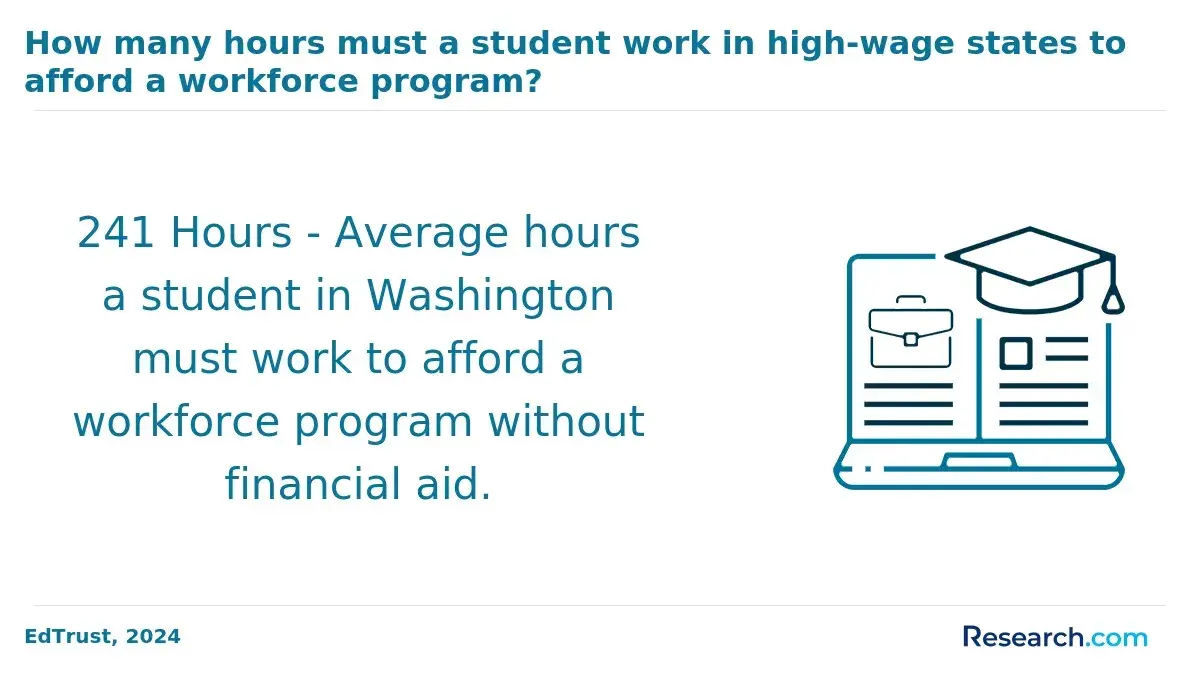
Choosing between online and campus biology degree programs requires assessing how structural differences affect employability and skill development in pre-med and research careers. In traditional programs, mandatory in-person labs and direct mentorship within research settings produce candidates with tangible, practical skills favored by employers in biomedical and academic research sectors. Conversely, online programs offer significant scheduling flexibility and opportunities for credit transfer, a key advantage for adult learners balancing professional or family demands. However, these degrees often necessitate arranging local internships or summer laboratory placements, potentially complicating timely completion and hands-on skill acquisition.
Employers typically value campus graduates for their integrated exposure to advanced techniques and collaborative projects, which online learners must actively pursue externally. This gap in embedded practical training influences competitiveness for pharmaceutical and clinical research roles. Students navigating the differences between online and traditional biological sciences education should consider these experiential disparities carefully, especially when planning pre-med prerequisites or research portfolios.
Key considerations include:
- Campus programs provide direct access to on-site labs and faculty-led research, correlating with stronger post-graduate outcomes.
- Online degrees facilitate accelerated timelines through transfer credits but demand self-directed efforts to secure hands-on experience.
- Working professionals benefit from the flexibility of online formats but must proactively address experiential requirements to meet employer expectations.
For those evaluating the practical value of advanced degrees across disciplines, resources like is a masters in library science worth it offer similarly nuanced discussions on balancing flexibility and field-specific competencies.
What pre-med courses should a biology degree include?
Pre-med coursework in biological sciences degrees demands a precise balance of foundational sciences and practical skills, essential for medical school prerequisites and genuine research aptitude. Essential pre-med coursework for biological sciences degrees must include general and organic chemistry with labs, physics with labs, biology with a cellular and molecular emphasis, and biochemistry. These shape the technical underpinnings necessary for physiology, pharmacology, and clinical lab techniques.
Mathematics courses like calculus and statistics provide quantitative tools directly impacting the analysis of medical and biological research data. This skill set aligns with workforce realities, as microbiology roles-projected at 22,000 jobs nationally by 2033-reflect consistent demand. Students should note that key pre-med classes in strong biological sciences programs emphasize genetics, human anatomy, and physiology, which are pivotal for success in clinical rotations and medical licensing exams.
Research methods and lab technique courses develop the critical thinking needed for experimental design and translational medicine. For online biology programs, ensuring access to in-person labs or hybrid arrangements is non-negotiable for medical school eligibility, as missing these requirements delays applications. Students targeting combined research and clinical careers should incorporate electives like electrophysiology or immunology to enhance competitiveness in MD/PhD pathways.
Those exploring alternatives can compare and evaluate programs focused on applied environmental science by reviewing recognized environmental engineering schools online.
What research training do strong biology programs offer?
Effective biology programs integrate applied laboratory work with mentored independent research to develop skills directly valued by employers and graduate programs. Graduates typically emerge with expertise in experimental design, statistical data analysis, and scientific communication, shaped through active involvement in faculty-led projects or interdisciplinary research collaborations. Subdiscipline-specific training-such as molecular techniques for microbiology or field data collection and GIS for wildlife biology-focuses on the competencies aligned with distinct labor market segments.
For instance, students preparing for microbiology careers gain experience in microbial culturing, genetic sequencing, and pathogen detection, adhering to rigorous lab safety standards. In contrast, those targeting zoology or wildlife biology roles engage in extended habitat fieldwork and ecological monitoring, building credentials beyond classroom theory. These hands-on experiences provide tangible qualifications employers assess alongside academic records.
Programs frequently incorporate internships and capstone projects overseen by active researchers, which emphasize skills like hypothesis development and grant writing-especially critical for pre-med and research-focused students. This structure bridges academic learning with real-world scientific challenges, directly influencing employability in competitive job markets.
Labor statistics indicate that median salaries for microbiologists and zoologists/wildlife biologists are approximately $85,470 and $70,600 respectively, reflecting the practical economic value of embedded research training. Students must weigh these prospects against the demands of intensive lab or field commitments and select programs that clearly match their targeted career niches.
What admission requirements do online biology programs use?
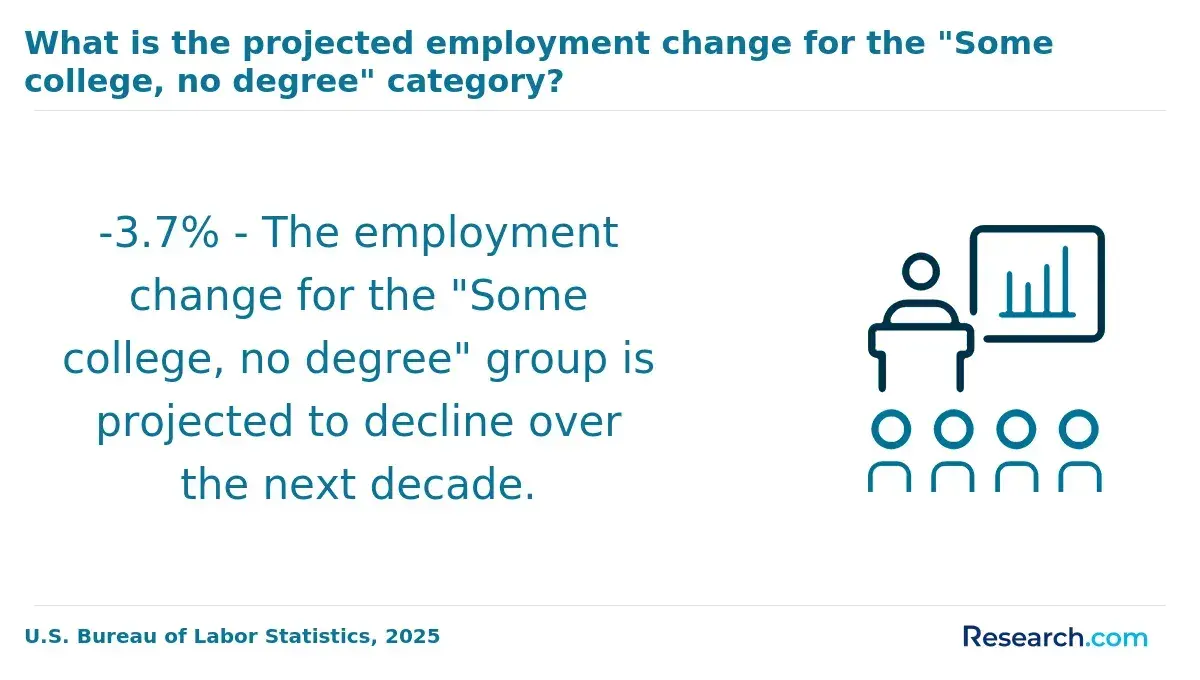
Admission to online biology programs demands navigating multiple layers of academic and practical criteria, which directly affect employability and postgraduate prospects. Simply holding a high school diploma with a 2.5-3.0 GPA baseline does not guarantee readiness for these rigorous curricula, particularly when programs weigh completion of advanced high school science courses such as biology, chemistry, and algebra.
Graduate admissions intensify this focus, requiring a bachelor's degree with strong transcripts in subjects like molecular biology or biochemistry. Selective programs may still require GRE scores, though many have transitioned to optional SAT/ACT submissions, which shifts the preparation burden onto applicants. Applicants must submit official transcripts alongside recommendation letters that attest to research aptitude and capacity for self-directed lab work-an especially relevant factor given the remote nature of many online formats.
For those targeting medical careers, the absence of a required pre-med major means a biology degree's value lies in how well it covers prerequisite courses (biology, chemistry, physics, biochemistry, statistics, psychology). Programs that align with these prerequisites improve chances at medical school admission but demand strategic course selection rather than major declaration.
Accreditation bodies and hybrid learning models affect eligibility by ensuring program quality and mitigating limited hands-on lab access. Technological readiness, prior lab experience, or blending online with in-person components become key considerations impacting both admission outcomes and practical training quality.
How long do online biology degrees take?
Completing an online biology degree with pre-med or research focus demands careful consideration of time commitments and program structure. Full-time students typically require 3 to 4 years to finish a bachelor's degree, while part-time professionals may take 5 to 6 years-extended further if lab or clinical practicum hours demand in-person attendance. The disconnect between remote coursework and essential hands-on experiences frequently delays expected completion timelines.
Accreditation status directly impacts both duration and career mobility. Accredited programs recognized by the Council for Higher Education Accreditation (CHEA) enable straightforward credit transfers and ensure prerequisites satisfy medical school and research institution standards. Conversely, non-accredited options risk repeating courses and prolonging studies, which employers often interpret as a lack of academic rigor or logistical challenges rather than deeper expertise.
For working professionals targeting biomedical research within a tight two-year window, enrollment in accelerated programs with flexible start dates and generous credit for prior learning is crucial. Recent high school graduates should anticipate a minimum four-year journey, balancing foundational coursework against the necessity of faculty-led virtual labs and proctored exams to meet competency requirements and avoid substitutions that extend degree timelines.
- Strict term structures and prerequisite bottlenecks can stall progress.
- Employer preference favors timely completion of accredited degrees.
- Hands-on lab components remain a major determinant of overall study length.
What careers can you pursue with a biology degree?
Majoring in biology offers versatile career opportunities but demands strategic focus to navigate sector-specific challenges and employer expectations. Medical school admissions emphasize GPA and MCAT scores over major choice, making academic performance and test prep critical for biology majors aiming for clinical roles. Those pursuing biomedical research or lab work must prioritize practical experience like internships and proficiency in molecular techniques and regulatory protocols, as entry-level industry roles rarely advance without graduate education or certifications.
Environmental biology careers require adaptability to field conditions and often geographic relocation, while teaching roles necessitate additional credentials to enter secondary or postsecondary education. Non-research pathways such as pharmaceutical sales depend heavily on communication skills rather than scientific expertise alone. Graduates without defined career objectives should proactively build laboratory, data analysis, and regulatory knowledge to improve job market positioning.
Key considerations for biology graduates include:
- Focusing on quantifiable academic metrics for medical career routes rather than the degree title.
- Securing substantial hands-on experience to meet industry standards in biotechnology or research.
- Balancing geographic and lifestyle tradeoffs inherent in environmental biology roles.
- Recognizing non-scientific skills' value for roles like pharmaceutical sales.
A practical synthesis of these realities can guide students and professionals undertaking a career shift within biological sciences to target suitable competencies and credentials, enhancing long-term employability.
What salaries do biology graduates earn?
Biology graduates face a nuanced salary landscape shaped by specialization, sector, and credentialing beyond the bachelor's degree. Entry-level salaries generally range from $50,000 to $65,000, clustering near $50,000 for roles in research labs, environmental groups, or pharmaceutical companies. Graduates positioned for clinical research often see salaries 10% to 20% higher due to direct regulatory and applied skills demand.
The trajectory of salary growth depends heavily on further education-medical school or graduate degrees broaden earning potential but require sustained commitment. Attrition in pre-med pathways before advanced coursework reduces immediate earning prospects, forcing many to recalibrate professional goals. This decision point significantly influences whether graduates access higher-paying roles or settle for intermediary positions.
Those targeting research-centric careers should recognize that surpassing $70,000 in annual salary usually necessitates additional credentials beyond a bachelor's degree. Meanwhile, biology graduates pivoting towards healthcare without pursuing medical school often find jobs such as lab technicians or health educators, with salaries between $45,000 and $60,000. Geographic location also plays a critical role, as employment opportunities and compensation concentrate in biotech hubs and healthcare centers.
- Initial roles vary greatly depending on specialization and sector.
- Advanced degrees or certifications materially impact salary growth.
- Pre-med attrition frequently results in salary and career adjustments.
- Geographic flexibility enhances job availability and pay scale.
Which certifications or licensure paths follow a biology degree?
Post-degree certifications and licensure paths in biological sciences significantly influence employability and career specialization but involve important tradeoffs in time, mobility, and practical readiness. For example, clinical roles requiring MD or DO licensure demand passing state medical boards like USMLE or COMLEX plus residency, a multi-year process that limits flexibility but opens regulated healthcare positions. By contrast, certifications such as Certified Clinical Research Professional (CCRP) or Certified Biological Safety Professional (CBSP) provide validated laboratory competencies that align with employer expectations for practical skills, especially in research-intensive settings.
Non-clinical certifications-like the American Society for Clinical Pathology (ASCP) credential for medical laboratory scientists or Registered Environmental Health Specialist qualifications-offer targeted workforce entry but include regulated scopes that may restrict geographic or sector mobility. Research-focused professionals benefit from the Collaborative Institutional Training Initiative (CITI Program) certification for human subjects research, increasingly mandated for compliance in academic and pharmaceutical environments.
Veterinary medicine and genetic counseling careers require national board certification plus state licensure, often extending credentialing over two or more years post-degree and impacting employment agility. Certifications such as Certified Biotechnician (CBT) validate biomanufacturing process knowledge but do not substitute for licenses where legal authorization is required. Early alignment of coursework and practical experience is essential given that many online biology programs do not meet specific hands-on eligibility prerequisites despite a crowded program market.
Other Things You Should Know About Biological Sciences
Medical schools and research employers focus on the rigor and hands-on experience a program offers rather than delivery mode. Online biological sciences degrees with integrated lab components, either onsite or through approved partnerships, are more credible than fully theoretical programs. Prospective students should prioritize programs with verified lab access or hybrid options to meet practical requirements expected in pre-med and research settings.
In 2027, online biological sciences degrees are increasingly aligned with traditional programs, offering comprehensive curriculums that ensure rigorous pre-med preparation. Accreditation and carefully structured online coursework equip students with the essential knowledge and skills required for successful medical school applications.
Internships and research placements are rarely guaranteed and depend heavily on program resources and partnerships with research institutions or healthcare providers. Programs that explicitly include formalized placement services or mentorship improve post-graduate outcomes by exposing students to real-life lab or clinical environments. Prioritizing programs that demonstrate a track record of successful externships is critical for those targeting competitive post-graduate options.
Pursuing a specialization like molecular biology or ecology within an online biological sciences degree can limit exposure to essential pre-med coursework needed for medical school admission. Specializations often reduce flexibility in course selection, affecting prerequisites for medical licensing exams. Students planning medical careers should prioritize programs that balance specialization with core pre-med requirements to avoid costly additional coursework later.
References
- How to Choose a Pre-Med Major https://www.princetonreview.com/med-school-advice/how-to-choose-a-pre-med-major
- Online Bachelor's Degrees in Biology: Top Schools & Programs https://www.edumed.org/online-schools/biology-degrees/
- 10 Biology Research Opportunities for High School Students https://riseglobaleducation.com/blogs/best-biology-research-opportunities-for-high-school-students
- How a Biology Degree Prepares You for Medical School - Rogers State University https://www.rsu.edu/academics/departments/biology/how-biology-degree-prepares-medical-school/
- Online Biology Degrees https://mycollegeguide.org/online-biology-degrees/
- Top 15 Highest‑Paying Pharmacy Jobs in the UK 2025 (Including Salaries) https://apexlearning.org.uk/highest-paying-biology-degree-jobs-2025-2026/
- Pre-Med Studies at Shawnee State University https://www.shawnee.edu/pre-med
- 9 Biology Research Opportunities: High School Edition - Tokyo Academics https://www.tokyoacademics.com/blog/blog-9-biology-research-opportunities-high-school-edition-channelblog/
- Can Online Biology Courses Replace In-Person Labs? https://www.straighterline.com/blog/can-online-biology-courses-replace-in-person-labs
- Best Online Pre-Med Programs: Flexible Pathways to Medical School https://www.scuhs.edu/msms-article/best-online-pre-med-programs-flexible-pathways-to-medical-school/