2027 Best Online Bachelor's in Political Science With Political Writing and Analysis Training

Co-Founder and Chief Data Scientist
Professionals entering political science often struggle to translate complex policy concepts into persuasive, actionable writing, a skill employers prioritize yet many programs overlook. As remote work and flexible schedules reshape higher education, 45% of graduate and undergraduate students now seek hybrid or fully online options, according to the National Center for Education Statistics. This shift demands programs that not only fit diverse lifestyles but also rigorously train students in political writing and analytical methods essential for career mobility in government, advocacy, or journalism.
This article evaluates top online bachelor's programs offering focused political writing and analysis training to help students navigate this critical skill gap efficiently.
Key Things You Should Know
- Over 45% of government policy analyst roles now prioritize demonstrated political writing and analytic skills, raising the opportunity cost of programs lacking intensive communication training (US Bureau of Labor Statistics 2024).
- Employers in think tanks and advocacy sectors report 38% higher placement rates for graduates with combined political science and writing curricula, signaling clear workforce demand linkages (American Political Science Association 2024 survey).
- Programs stretching beyond four years to integrate advanced writing analysis increase tuition by an average 22%, creating a financial-access tradeoff for midcareer individuals seeking rapid reskilling (National Center for Education Statistics 2024 data).
What is an online bachelor's in political science with a political writing and analysis focus?
An online bachelor's in political science with political writing focus sharpens skills in persuasive, data-driven communication critical for roles in policy, media, and advocacy. Graduates gain proficiency in drafting policy briefs, op-eds, and analytical reports that meet the expectations of government agencies and think tanks. Yet, the value of the degree depends heavily on its inclusion of political analysis training, particularly quantitative methods, as employers increasingly require the ability to interpret polling data and public opinion trends alongside polished writing.
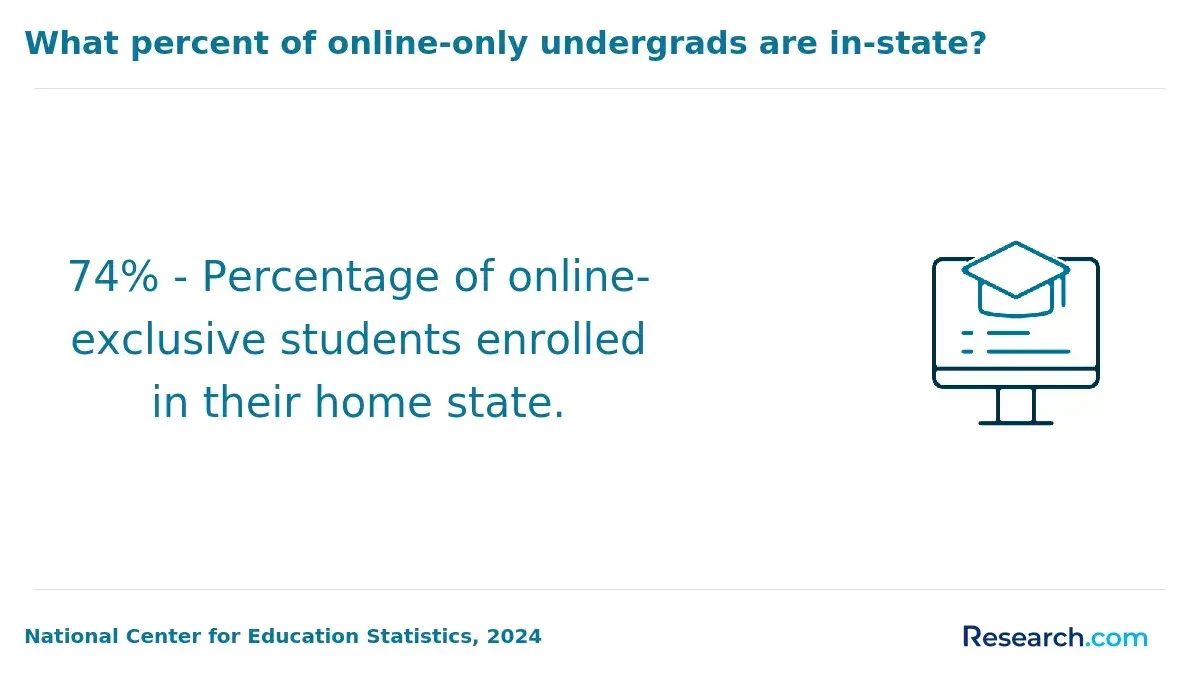
Approximately 45% of U.S. undergraduates have taken at least one online course, with 28% enrolling exclusively in online formats, illustrating growing demand for flexible learning. However, students face challenges such as limited real-time networking and the need for strong digital communication skills. For instance, a midcareer policy analyst shifting into a communications role can leverage a bachelor's degree in political science political analysis training to transition without pursuing graduate studies. In contrast, those aiming for elected office must complement these academic credentials with grassroots organizing experience to meet practical job requirements.
Rigorous technical training, including data visualization and statistical software, often distinguishes programs that produce graduates ready to analyze complex political datasets. Students should critically assess program curricula to ensure they balance writing expertise with analytical rigor.
Cost considerations also play a significant role when choosing an online degree, and prospective students might compare other fields to gauge value; for instance, the expenses associated with an animal science degree online can offer a useful benchmark for tuition and fees.
How do online political science bachelor's programs compare to on-campus options for writing and analysis?
Online political science bachelor's programs for writing skills can match or exceed many on-campus options but vary considerably depending on curriculum focus and pedagogy. Employers consistently flag a pervasive gap between written communication demands and recent graduates' proficiency, emphasizing the value of programs that integrate frequent, discipline-specific writing tasks with iterative feedback instead of relying solely on theory or occasional essays.
Comparing on-campus vs online political science analysis training reveals tradeoffs: digital platforms facilitate personalized writing review through peer collaboration, video sessions, and revision tools, which benefit working professionals managing concurrent job challenges. However, distance learners often miss the dynamic, spontaneous critique in on-campus seminars that refine analytical agility under pressure-an essential skill in roles like political consulting or legislative analysis where rapid response and writing refinement are routine.
Organizations hiring in government, policy, or political journalism report stronger outcomes from candidates trained in comprehensive policy memos and structured argument exercises, typically emphasized in on-campus writing-centric tracks. Although online students risk self-discipline lapses and delayed comprehension without immediate instructor access, programs that incorporate synchronous workshops and maintain low student-to-teacher ratios mitigate these drawbacks.
For students comparing this pathway with other academic options, including a library degree, it is critical to assess how writing skill development aligns with employer requirements to ensure practical career impact rather than mere credential acquisition.
Which accredited schools offer the best online political science degrees emphasizing political writing?
Selecting accredited schools offering online political science programs focused on writing and analysis requires balancing program rigor with practical skills employers demand. Institutions like American University, the University of Florida, and Arizona State University emphasize training in diverse political writing styles, from legislative drafting to policy briefs, enhancing students' readiness for research and advocacy roles. For example, a policy analyst at a think tank must produce concise, data-rich memos rapidly while maintaining clarity-skills integrated into these programs' curricula.
Online political science degrees with political writing emphasis offer valuable experience in multiple writing formats and empirical analysis, but students should carefully consider credit transfer policies and cohort structures that affect real-time feedback and peer collaboration. Hybrid asynchronous and synchronous formats, such as those at American University, foster iterative drafting crucial for mastering nuanced political writing. Cost efficiency and timely completion also matter, as accelerating program duration reduces debt and expedites entry into competitive roles requiring strong communication abilities.
Data from BestColleges' 2024 Online Education Trends Report shows growing applicant pools increase program selectivity, especially where faculty expertise aligns with employer expectations for polished political communication. Prospective students might also compare these degrees' financial impact with alternatives like a computer science degree cost, as budget constraints often influence educational choices.
What courses and skills are taught in online political science programs focused on political writing?
Online political science courses in political writing and analysis equip students with critical skills that extend beyond theory into practical workplace demands. Graduates are expected to produce precise legislative briefs, policy memos, and persuasive speeches under tight deadlines, a frequent real-world requirement in roles such as legislative assistance or political consulting. The curriculum stresses analytical reasoning and advanced research methods, integrating quantitative data interpretation to meet standards of evidentiary rigor demanded by government agencies and NGOs.
Skills developed in political science programs with political writing focus include adapting communication styles across diverse political contexts and engaging with iterative peer review to refine argumentation. These competencies are essential for navigating complex political narratives and responding effectively to rapid changes in policy environments.
Financially, the average tuition for fully online bachelor's political science programs is approximately $10,400 annually, about one-third less than in-state tuition at public four-year traditional campuses. This price gap offers an accessible alternative, particularly for those weighing career pivots or advancement without incurring typical campus costs. For comparison, prospective students might explore options like the cheapest master in data science to benchmark value and affordability against other fields.
Practical training often simulates real-life assignments such as drafting advocacy campaigns or briefing political figures, sharpening students' ability to meet employer expectations for clarity and persuasion. However, graduates must also manage the ongoing challenge of mastering communication styles tailored to local, national, and international political arenas, reflecting the evolving nature of the field.
What admission requirements and application materials do online political science bachelor's programs expect?
Admissions for online bachelor's programs in political science with an emphasis on political writing and analysis weigh both academic readiness and demonstrated skill in critical writing. Candidates must submit official transcripts or GED certificates highlighting core coursework, especially in social studies and English. While standardized test scores such as the SAT or ACT are commonly required, many programs waive these for applicants with GPAs above roughly 3.0 or those holding prior college credits. Effective writing samples-usually an essay or statement of purpose-are pivotal since they reveal analytical rigor and communication skills essential for success in writing-intensive curricula. Some programs also request recommendation letters from educators or supervisors who can validate applicants' analytical and writing strengths.
For working professionals transitioning into roles like policy analysis or advocacy, it's critical to showcase relevant workplace writing or analytical work to align with program expectations. The American Academy of Arts & Sciences reports that humanities graduates with writing-intensive degrees score 15-20% higher in advanced analytical skills, reflecting why these programs prioritize such competencies at admission.
Applicants should prepare for logistical challenges, including timely submission of transcripts and strategic crafting of writing samples that engage nuanced political arguments rather than generic responses. Delays in securing recommendation letters or misunderstanding test-optional policies can hinder enrollment timing, an important consideration for those balancing career shifts or workforce upskilling.
How long does an online bachelor's in political science take and what does it cost?
Completing an online bachelor's in political science requires careful consideration of time, cost, and career timing. Full-time students typically finish in four years, but flexible options may shorten this to two or three years if prior credits are accepted or course loads intensify. Part-time learners balancing work or family commitments should expect five to six years to graduate.
Costs range widely: public universities charge between $10,000 and $25,000 annually for in-state students, while private schools can exceed $60,000 per year. These variances reflect differences in program rigor, faculty expertise, and emphasis on political writing and analysis. Additional expenses include textbooks, technology fees, and occasional travel for internships or in-person requirements.
Workforce outcomes hinge on both educational quality and timely completion. Delayed graduation can disadvantage students entering competitive fields like public policy or government consulting, where early application of political writing skills matters. Employers prioritize demonstrated analytical proficiency and writing ability over institutional prestige, so program content and applied experience are critical.
- Federal aid, employer tuition reimbursement, and targeted scholarships may offset costs.
- Evaluating whether less expensive programs maintain comparable training quality is vital.
- Employment projections show about 3% growth for political scientists, with median wages near $132,350.
Prospective students should weigh these factors pragmatically to align educational choices with realistic career entry points and market demands.
What careers can graduates pursue with strong political writing and analysis training?
Success in political writing and analysis hinges on translating dense information into concise, actionable insights tailored to diverse audiences. For instance, a congressional policy analyst must quickly distill expansive legislative data to advise lawmakers, balancing factual neutrality with strategic recommendation. This dual demand on analytical rigor and communication precision shapes employer expectations across government, advocacy, and media sectors.
Political campaign strategists exemplify this blend by integrating quantitative voter data analysis with crafted messaging to influence electorates. Similarly, journalists covering politics distinguish themselves through nuanced interpretation of policy impacts, while corporate public affairs specialists merge regulatory understanding with targeted narratives to manage complex stakeholders.
Practical challenges also emerge from workforce realities, with 68% of online undergraduate students working part time and 40% full time while studying, according to BestColleges' 2024 Online Student Success survey. This underscores the necessity for flexible programs that accommodate ongoing employment without delaying skill acquisition.
Future-proofing careers involves continuous adaptation to digital communication trends and data literacy, as employers increasingly expect hybrid skill sets combining traditional political analysis with social media savvy and quantitative methods. Graduates must navigate varying communication demands, from policymakers to corporate leaders, requiring agility in tone and format.
- Employers prioritize candidates who convert complex political data into clear reports and briefs.
- Balancing work and study necessitates flexible educational pathways.
- Ongoing upskilling in analytics and digital tools is critical for relevance.
What salaries and earning potential exist for political science majors in writing-intensive roles?
The earning potential for political science majors skilled in political writing varies significantly by sector and career stage, reflecting distinct tradeoffs. Entry-level positions in writing-intensive roles such as policy analysts or legislative aides typically start between $50,000 and $65,000. However, mid-career salaries can rise to $70,000-$95,000, with federal government roles generally offering higher compensation and more stable benefits than nonprofit or local government jobs.
Graduates face a strategic choice between sectors: think tanks and advocacy groups often provide a platform for impactful political analysis but tend to offer lower pay and less job security compared to corporate or government pathways. Additionally, about 19% of political science majors pursue law school, where advanced writing proficiency is a critical asset. Law, according to the Law School Admission Council and Bureau of Labor Statistics, offers median salaries exceeding $130,000 annually, though it demands a significant investment in time and financial resources.
Beyond writing, practical skills in data analysis and digital communication tools such as statistical software and content management systems enhance employability and career mobility. Without these complementary capabilities, candidates risk being confined to stagnant, lower-paying roles despite strong writing backgrounds.
- Typical starting salary: $50,000-$65,000
- Mid-career earnings: $70,000-$95,000, higher in federal roles
- 19% of majors apply to law school, with median lawyer salaries >$130,000
- Complementary skills in data and digital tools critical for upward mobility
How can students evaluate accreditation and program quality for online political science degrees?
Accreditation is necessary but insufficient when evaluating an online political science degree's effectiveness; candidates must scrutinize faculty expertise, curriculum rigor, and the integration of political writing and data analysis tools. Employers prioritize demonstrated skills, such as writing samples and analytical ability, over the degree's delivery mode. For example, professionals targeting political journalism benefit most from curricula with extensive media writing practice, while aspiring policy analysts should seek programs emphasizing quantitative methods and government internships.
Tradeoffs arise around networking and mentorship, often limited in online formats compared to on-campus experiences, which can affect career transitions. Flexibility and speed may appeal to working students but risk sacrificing depth essential for research-intensive roles requiring access to supervised projects or institutional partnerships.
Hiring decisions increasingly regard accredited online degrees as credible; a Wiley University Services survey found over 90% of managers view them on par with traditional degrees. Yet, thorough program reviews using graduation rates and employment outcomes-sourced from the National Center for Education Statistics and the Bureau of Labor Statistics-offer additional evidence of a program's real-world value beyond its accreditation status.
Prospective students should balance these factors pragmatically, aligning their choice with targeted career fields and weighing practical access to resources that go beyond credentials alone.
What strategies help choose the right online political science program for specific career goals?
Selecting an online political science program demands clear alignment with targeted career goals, especially when aiming for roles in advocacy, policy analysis, or government affairs. Programs emphasizing rigorous political writing and analysis that simulate real-world policy communication offer distinct advantages. For instance, candidates pursuing policy advocacy should ensure coursework includes legislative process and persuasive writing, while those focused on research roles require strong training in data interpretation and qualitative methods.
The U.S. Bureau of Labor Statistics projects a 7% growth in community and social service occupations through 2032, reflecting expanding opportunities in policy-related work but also increasing competition. Programs that provide practicum or remote internship options enhance job readiness by facilitating applied experience without geographic limits.
Practical considerations such as credit transfer policies and flexible pacing cater to diverse student needs-accelerated tracks benefit full-time learners, whereas asynchronous coursework suits working professionals. Confirming program accreditation and graduate employment rates is essential, as these indicators correlate with employer recognition and compensation.
A key tradeoff lies between broad political science education and specialized writing and analysis training. Overly broad curricula risk diluting critical skill development necessary for competitive policy positions, while excessive specialization may impede adaptability across varied job markets. Integrating depth in political writing with foundational political science knowledge tends to produce the most resilient career outcomes.
Other Things You Should Know About Political Science
Prioritizing political writing sharpens skills valued in roles such as policy analysis, communications, and journalism, where clear arguments and persuasion matter most. However, neglecting quantitative methods limits your ability to handle data-driven research and weakens appeal to employers who expect competency in statistical analysis. A balanced program offers more versatility, but if your career goal centers on advocacy or editorial work, emphasizing writing can provide a strategic advantage.
Students should consider program accreditation, curriculum focused on contemporary political writing and analysis, faculty expertise, flexibility for balancing personal commitments, and opportunities for networking and professional development. Additionally, evaluating alumni success and employer recognition of the qualification can be crucial.
Employers assess credentials based on accreditation, demonstrated skills, and relevant experience rather than delivery format alone. Degrees from reputable online programs with rigorous writing components can be equally competitive when applicants provide strong portfolios of writing samples and internships. Still, graduates should proactively seek internships and practical experiences to complement online study and counter any potential employer bias.
Programs combining political writing with practicum opportunities provide critical experiential learning that improves job readiness and networking. Without internships, graduates risk having strong writing skills but limited understanding of political environments or professional expectations. Prioritize programs that offer structured placements or partnerships, as this experiential dimension significantly enhances your employability and contextual understanding.
References
- Online Political Science Degrees: Find Your School https://www.degreesforgood.org/online-degrees/political-science-degrees/
- Applying to Political Science PhD Programs | Mariana Carvalho https://www.maricarvalho.com/post/application-polsci/
- Online Political Science Degree | Programs & Career Options https://www.learnhowtobecome.org/best-online-bachelors-in-political-science-degree-programs/
- | Knowledge Lust https://knowledgelust.com/how-to-self-learn-political-science-a-7-step-roadmap/
- Evaluating Online Education: Key Criteria for Genuine E-Learning Platforms https://elqn.org/evaluating-the-quality-of-online-education-key-criteria/
- Political Science - Bachelor's Degree - The Institute of Political Science https://politologia.uwr.edu.pl/en/candidates/bachelor-degree-political-science/
- Political Science Degree Jobs: 12+ Career Paths (2026) | Extern https://www.extern.com/post/political-science-degree-jobs-career-guide
- Best Political Science Schools https://www.collegeadvisor.com/resources/best-political-science-schools/
- Beyond evaluation: Improving quality and impact through programme accreditation https://ojs.acad-pub.com/index.php/FES/article/view/522
- Online Bachelor's Degree: Political Science https://www.umgc.edu/online-degrees/bachelors/political-science