2027 Paralegal Certificate Tuition Guarantees: Questions About Future Price Increases

Co-Founder and Chief Data Scientist
A paralegal certificate's advertised price may not be the price you pay through graduation. A school might hold tuition steady for your cohort, freeze only a per-credit rate, or make no price promise at all.
Those differences matter if you study part time, need prerequisite courses, or might pause enrollment. This guide explains how to read a tuition guarantee, identify costs it leaves out, and get the terms you need in writing before choosing a program.
Key Things You Should Know
- A tuition guarantee is only as broad as its written terms: check which 2026-27 rate is protected, for how long, and what happens if you interrupt enrollment.
- A tuition freeze may exclude mandatory fees, books, technology, extra credits, and repeated courses; compare the estimated cost to finish, not just the advertised tuition.
- The Bureau of Labor Statistics reports $62,890 in May 2025 as the median annual pay for paralegals and legal assistants. That occupational median is useful context, not a salary forecast for certificate graduates.
What Is a Paralegal Certificate Tuition Guarantee?
A paralegal certificate tuition guarantee is a school's written commitment to limit certain tuition changes for eligible students. It might fix the tuition rate charged per credit, the price of a defined set of courses, or the tuition for a particular entering cohort. It does not necessarily guarantee a fixed total program cost.
The controlling details may appear in an enrollment agreement, catalog, tuition schedule, or separate guarantee policy. A published price for the current term is not itself a promise about later terms. Look for the protected rate, the effective date, the end date, and any conditions tied to continuous enrollment or satisfactory progress.
A certificate records completion of an educational program; it is not the same as a professional certification awarded by a credentialing organization. If you are weighing a certificate against graduate legal study, a guide to choosing a legal studies graduate credential can help clarify the different educational commitments. Neither route, by itself, qualifies someone to practice law as an attorney.
Do Paralegal Certificate Programs Guarantee Tuition for the Entire Program?
No. Some programs offer a program-length or cohort-based tuition commitment; others publish rates one term at a time. Even a program-length promise may end after a stated completion window or apply only while you follow the prescribed course sequence. A guarantee of the per-credit rate also leaves the total payable amount open if you take additional credits.
For a part-time student, the key distinction is between the program's advertised completion schedule and the period of price protection. If the guarantee expires before your realistic finish date, ask which rate applies to remaining courses. Also check whether a leave of absence, missed term, change of campus or format, or course retake ends the protection. Request the answer in writing for your intended enrollment pattern.
Can Schools Increase Paralegal Certificate Tuition After Enrollment?
They may be able to, depending on the enrollment agreement, published policies, and applicable law. Enrolling at one rate does not automatically lock that rate for every future course. Conversely, a school should not be assumed free to disregard a written price commitment. The decisive question is what the governing documents promise your cohort and whether you continue to meet their conditions.
A school may also raise charges outside a tuition freeze, such as mandatory fees, or apply a new rate after a guarantee expires. Before paying a deposit, save dated copies of the catalog, fee schedule, guarantee policy, and enrollment agreement. If their language conflicts, ask the school to identify in writing which document controls and whether a later policy change could affect you.
What Costs Are Covered by a Paralegal Tuition Guarantee?
Usually, the word tuition refers to instructional charges, not every expense required to finish. Coverage depends on the school's actual policy. The following distinctions help explain why two programs with similar advertised tuition can have different total costs.
| Cost component | How it can affect the final price |
| Tuition for required courses | May be fixed by course, credit, or cohort; additional credits may still increase the total. |
| Mandatory and technology fees | May change by term even when tuition does not. |
| Books and legal research resources | May be included, billed separately, or purchased by the student. |
| Prerequisites and repeated courses | May fall outside the protected certificate curriculum. |
| Travel, equipment, and fieldwork expenses | May remain the student's responsibility, especially when attendance or a placement is required. |
Ask for an itemized estimate based on your prerequisites, expected pace, and delivery format. Check whether fees are refundable if you withdraw. Do not assume federal financial aid is available: eligibility depends on the institution, the specific program, and your circumstances, and a noncredit certificate may have different funding options from an eligible credit-bearing program.
If you already have a bachelor's degree and are considering a master's instead, compare the total price and purpose of each credential; a listing of online legal studies master's programs by affordability is a separate starting point, not a substitute for checking each program's current charges.
How Do Tuition Guarantees Differ Between Online and Campus Programs?
The delivery format alone does not determine whether tuition is guaranteed. Either an online or a campus program may set a cohort rate, charge by credit, or update prices by term. The more useful comparison is whether the guarantee applies to your specific format and whether moving between formats changes your rate.
Online study may replace commuting with technology costs, while campus study may add travel and parking. An "online" label also does not establish that classes are asynchronous or that internships, exams, or occasional visits can be completed remotely. Check the published schedule and placement rules before treating either format as a lower-cost option.
What Education and Accreditation Should a Paralegal Certificate Have?
Start with the admissions requirement. Some certificates are designed for applicants who already hold a degree; others admit students with less prior college education. If you do not meet a prerequisite, the time and expense of obtaining it belong in your comparison. A low certificate tuition figure is less useful if it excludes coursework you must complete first.
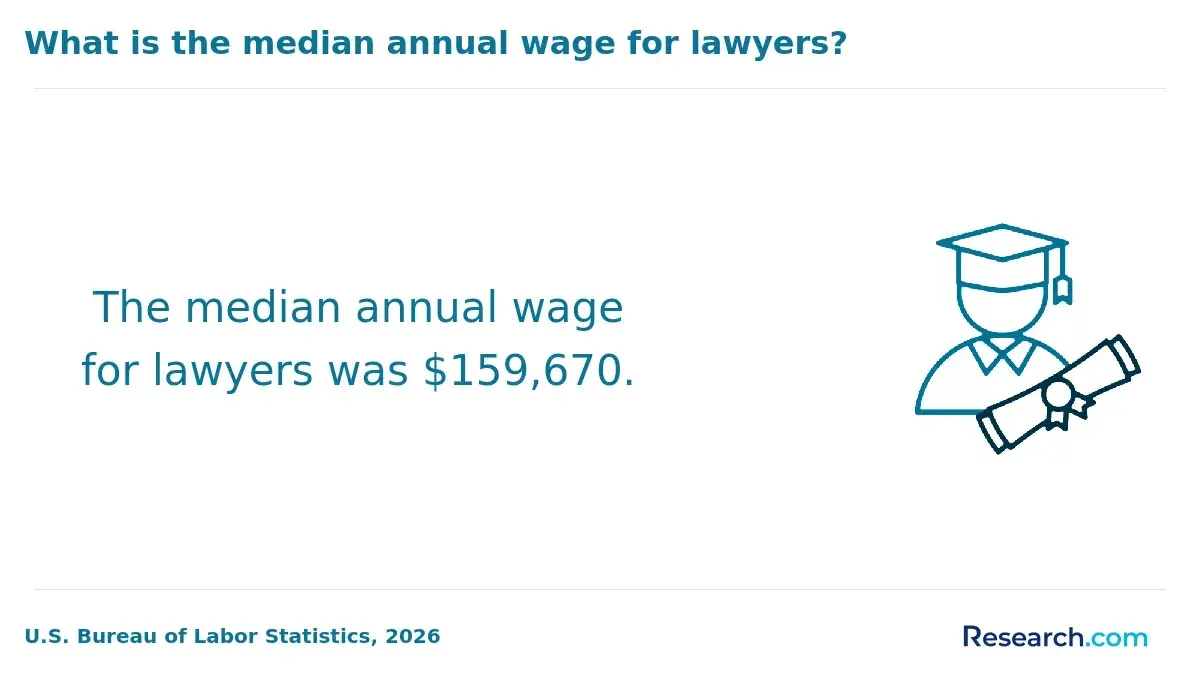
Check institutional accreditation separately from American Bar Association (ABA) program approval. The ABA approves qualifying paralegal education programs; it does not institutionally accredit the school or certify individual graduates. Approval is not universal, so verify any claimed status in the ABA's current paralegal program directory. Confirm institutional accreditation through the school's recognized accreditor and official disclosures.
Employers' educational preferences and state rules can differ. If your goal is a graduate legal studies program rather than a paralegal certificate, admissions requirements may differ too; you can compare legal studies programs with no admissions essay as one admissions consideration, while checking each program's current requirements directly.
How Long Do Paralegal Certificate Programs Take to Complete?
Completion time depends on required coursework, prerequisites, course availability, and whether you study full time or part time. An advertised timeline may assume that every required course is offered when needed and that any internship can be arranged on schedule. Those assumptions matter financially when a tuition guarantee has an expiration date.
Map the school's course sequence against your available terms, then compare your likely finish date with the guarantee's last protected term. If speed is your main reason for considering legal education, remember that a certificate and a graduate degree serve different goals. A list of the fastest online master's programs in business law may help degree-qualified readers investigate another route, but a shorter advertised timeline does not establish a lower cost or a comparable credential.
What Courses Do Paralegal Certificate Programs Include?
Look for training in legal research and writing, legal terminology, ethics, document preparation, and the procedures used in legal practice. Programs may add practice-area courses or hands-on assignments. The relevant cost question is whether the courses you need are required, available as electives, or charged separately after the certificate's protected curriculum ends.
Read the current course descriptions rather than assuming that a program's mention of legal software means students receive access or substantial practice with it. If your goal is broader workplace legal knowledge - for example, employment rules in an HR role - choosing legal studies programs with an HR law concentration addresses a different curriculum decision. A paralegal certificate does not automatically provide that concentration.
What Jobs and Salaries Can Paralegal Certificate Graduates Expect?
Paralegals and legal assistants commonly support lawyers through research, drafting, organization of records, and case preparation. They do not independently provide legal advice or practice law. A certificate may help demonstrate relevant training, but hiring depends on the employer, your prior education and experience, and the skills shown in your application.
According to the Bureau of Labor Statistics, median annual pay for the paralegals and legal assistants occupation was $62,890 in May 2025, with 0% projected growth, 2025-2035. The agency projects about 40,800 openings per year despite little or no net employment growth. These occupation-wide figures include experienced workers; they do not predict a new graduate's pay or guarantee an opening. Weigh the certificate's full cost against the jobs you intend to pursue, not against the occupational median alone.
How Can You Compare Reputable Paralegal Certificate Programs?
Compare programs on the same basis: admission prerequisites, credential awarded, accreditation and any claimed ABA approval, required courses, schedule, practical experience, and estimated cost through completion. A cheaper advertised rate may be less valuable if required fees are excluded or the protected period is too short for your pace.
Request written answers to the following questions from each school before committing. Together, they expose the price changes most likely to alter your decision.
- Which tuition rate is guaranteed for my entering cohort, and which document makes that commitment?
- When does protection end, and what happens if I study part time, pause, retake a course, or change formats?
- Which required fees, materials, prerequisites, and placement expenses are excluded from the quoted price?
- What courses and credits remain to be completed based on my record, and what is the itemized estimated cost at my planned pace?
Be cautious if a school describes a price as "locked" but cannot provide the conditions in writing, or if it presents current-term tuition as the full program cost. Choose a shorter or less expensive program only when its curriculum, eligibility requirements, and likely completion schedule still support your intended role.
Other Things You Should Know About Law & Paralegal
Possibly. Ask your employer whether the specific program qualifies, whether reimbursement covers fees and books, when payment is made, and whether you must repay benefits if you leave the job.
Eligibility depends on your benefits and whether the specific institution and program are approved for their use. Verify both with the school's benefits office and the administering agency before enrolling.
Not automatically. Credit-bearing status matters, but the receiving institution decides whether and how coursework applies to its degree. Obtain its transfer evaluation before counting on those credits.
Career services vary by school. Ask what support certificate students can actually use, such as résumé review or access to job postings. Career support is not a promise of employment.
References
- General Requirements for Withdrawals and the Return of Title IV Funds | 2025-2026 Federal Student Aid Handbook https://fsapartners.ed.gov/knowledge-center/fsa-handbook/2025-2026/vol5/ch1-general-requirements-withdrawals-and-return-title-iv-funds
- Program Integrity Questions and Answers - Retaking Coursework | U.S. Department of Education http://www.ed.gov/laws-and-policy/higher-education-laws-and-policy/program-integrity-information-questions-and-2
- .12 Tuition, Fees, Enrollment Contracts, Refunds. | Library of Maryland Regulations https://regs.maryland.gov/us/md/exec/comar/13B.01.01.12
- Qualified Ed expenses | Internal Revenue Service https://www.irs.gov/credits-deductions/individuals/qualified-ed-expenses
- Mandatory Enrollment & Course Fees | uoregon.edu https://vpfa.uoregon.edu/tuition/mandatory-enrollment-course-fees
- Explanation of Tuition and Fees - UIC Office of the Registrar https://registrar.uic.edu/financial-matters/tuition-explanation/
- Paralegal Studies Certificate Program | FIU College of Law https://law.fiu.edu/programs/paralegal-studies/
- Online Certified Paralegal from University of Texas at Arlington https://eeccareertraining.uta.edu/training-programs/certified-paralegal/
- Online Paralegal Certificate Program | Purdue Global https://www.purdueglobal.edu/degree-programs/legal-studies/pathway-to-paralegal-certificate/
- Paralegal Studies | Tarrant County College District https://www.tccd.edu/academics/courses-and-programs/programs-a-z/credit/paralegal-studies/