2027 MLS in Corporate Compliance vs. a Master's in Business Ethics

Co-Founder and Chief Data Scientist
If you want to prevent misconduct and help an organization make sound decisions, both corporate compliance and business ethics may look like sensible graduate-study paths. They prepare you to approach different parts of that work, however. A Master of Legal Studies (MLS) in corporate compliance emphasizes legal obligations and the systems used to meet them; a master's in business ethics emphasizes ethical judgment and organizational conduct. This guide compares their career uses, curricula, costs, and limitations so you can decide whether either degree is worth pursuing.
Key Things You Should Know
- Choose the MLS if your target work centers on interpreting regulations, assessing compliance risk, or maintaining policies and controls; choose business ethics if you want to focus on ethical decision-making, culture, and responsible leadership.
- Neither degree is a standard entry requirement. Experience and job-specific skills matter. U.S. compliance officers had median annual pay of $80,730 in May 2025, with 4% projected job growth from 2025-2035, according to the Bureau of Labor Statistics (BLS).
- Compare actual programs, not degree titles alone. Confirm required courses, applied projects, total costs, and whether the credential advances the jobs you want before committing to a master's degree.
What Is an MLS in Corporate Compliance Versus a Master's in Business Ethics?
An MLS is a graduate legal-knowledge degree generally designed for people who do not intend to become attorneys. A corporate compliance concentration, when formally offered, applies that legal study to how organizations identify obligations, set controls, investigate concerns, and respond to violations. Schools may call a similar non-JD degree a Master of Studies in Law (MSL) or Master of Jurisprudence; compare its courses rather than assuming the initials determine its content.
A master's in business ethics studies how organizations and their leaders make defensible decisions, establish expectations, and address misconduct. Its exact degree title and academic home vary. Some programs emphasize philosophy and ethical reasoning; others emphasize management, governance, or corporate responsibility.
The distinction is one of emphasis, not a wall between occupations. This comparison shows which questions each route is more likely to help you answer.
| Decision factor | MLS in corporate compliance | Master's in business ethics |
| Core question | What rules apply, and how can the organization meet them? | What should the organization do, including when rules leave room for judgment? |
| Typical academic emphasis | Legal frameworks, regulatory risk, investigations, and compliance systems | Ethical reasoning, organizational culture, governance, and leadership |
| Best initial fit | Roles involving regulatory interpretation and compliance operations | Roles involving conduct, culture, and responsible decision-making |
| Important limitation | Not a JD or a qualification to practice law | May provide less detailed training in particular regulations |
Neither title guarantees a particular curriculum. A school may offer a formal concentration, an embedded certificate, or simply relevant electives. A broader overview of legal studies master's degree formats and specializations can help you interpret those distinctions.
Which Degree Better Prepares You for Corporate Compliance Careers?
For a role centered on meeting legal and regulatory requirements, the MLS is usually the more direct academic match. Compliance staff may assess applicable rules, review policies, monitor controls, document concerns, coordinate training, and help manage investigations. Courses in administrative law, privacy, employment law, or industry regulation can make those tasks easier to understand, provided the program teaches how to apply the material.
Business ethics can be the stronger match when the role focuses on conduct standards, speaking-up culture, conflicts of interest, or advising leaders through choices that cannot be resolved by checking a rule. Ethics training also complements compliance work: a technically compliant decision can still create serious organizational harm.
Neither degree substitutes for knowing an employer's industry or demonstrating sound judgment with sensitive information. If you already work in compliance, compare each program's assignments with the tasks required for your next role. If you are trying to enter the field, consider whether relevant work experience, employer training, or a targeted graduate certificate would address your skill gap at lower cost.
What Careers Can You Pursue With Each Degree?
Both degrees may be useful in compliance, risk, governance, and ethics functions, but job titles overlap and employers set their own hiring standards. An MLS may be particularly relevant to compliance analyst or officer roles involving regulatory monitoring, policy review, or investigations. Business ethics may support work in ethics and conduct programs, responsible-business initiatives, employee training, or organizational governance. Some roles combine all of these duties.
Entry-level applicants should read job descriptions before selecting a graduate program. A posting may place more weight on industry experience, data analysis, auditing, or communication than on a particular master's title. For someone interested primarily in legal support rather than organization-wide compliance, a guide to transferring into a paralegal bachelor's program describes a different educational route. Paralegal work is distinct from independently providing legal advice.
For advancement, look at the work you would need to prove you can do: run a risk assessment, explain a policy to employees, document an investigation appropriately, or advise leaders on an ethical dilemma. A degree is most valuable when its projects help you build evidence of those skills.
How Do Corporate Compliance and Business Ethics Curricula Differ?
An MLS concentration commonly starts with legal research and the way U.S. law and regulation operate, then applies those foundations to compliance systems. Depending on the school, relevant courses might cover corporate governance, employment obligations, privacy, financial regulation, investigations, or risk management. Do not assume a program teaches a particular industry's rules unless its current course list confirms it.
Business ethics coursework is more likely to examine ethical theories, stakeholder interests, organizational behavior, leadership, and the design of ethical cultures. An applied assignment might ask students to analyze a conflict of interest or evaluate how an organization responds to reports of misconduct. The strongest choice depends on the decisions you expect to make at work: identifying a legal obligation calls for different training from resolving competing but lawful courses of action.
Look beyond course names. Compare syllabi or sample assignments for opportunities to draft policies, assess scenarios, present recommendations, and receive feedback. Ask whether a capstone is required and whether it can address your industry without disclosing confidential employer information.
What Are the Admission Requirements for Each Master's Degree?
Both routes generally target applicants who already hold a bachelor's degree, but each institution sets its own rules. Published requirements may include transcripts, a résumé, a statement of purpose, recommendations, or evidence of relevant experience. Confirm whether a particular program requires prior legal, compliance, or business coursework rather than treating a suggested background as a prerequisite.
If you do not yet have a bachelor's degree, map that prerequisite before comparing master's programs. Legal studies associate programs to explore may provide an earlier starting point, but an associate degree alone does not ordinarily meet a master's admission requirement. A receiving institution decides whether and how prior credits apply toward a bachelor's degree.
How Long Do These Programs Take and What Do They Cost?
There is no reliable single duration or price for either route. Required credits, course sequencing, part-time enrollment, transfer policies, and capstones vary by school. An accelerated calendar may shorten elapsed time while increasing the weekly workload. Use online legal studies master's timeline comparisons as a starting point, then confirm the current schedule with each program.
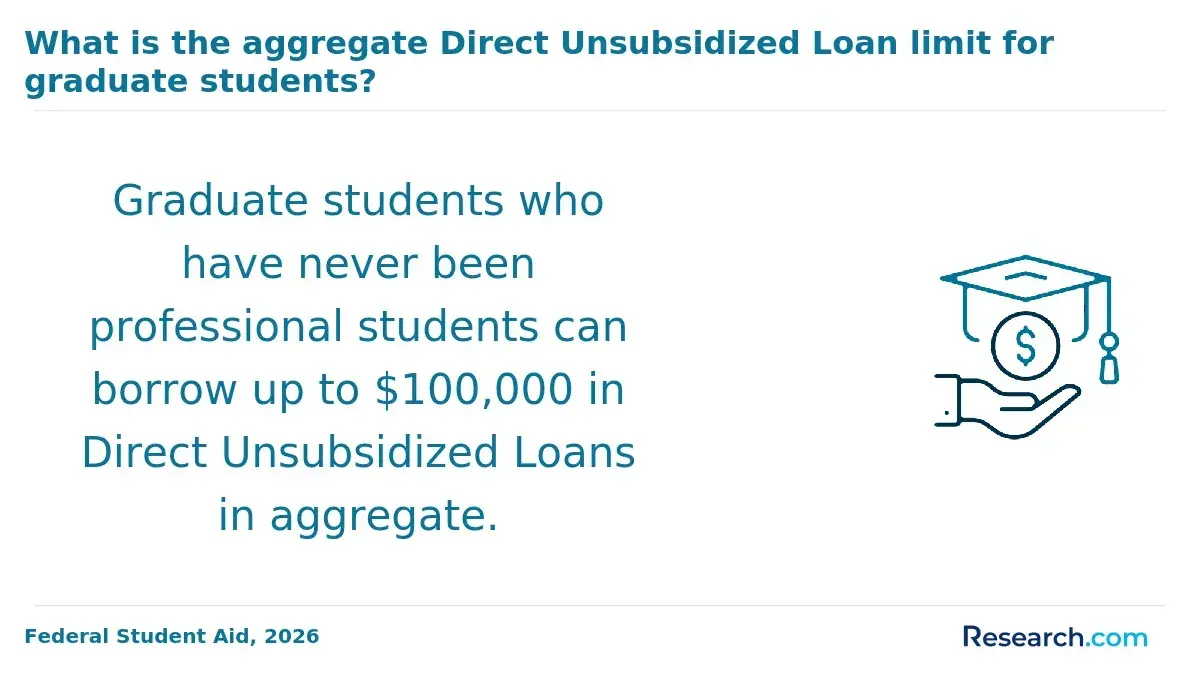
Compare total expected cost, not just advertised tuition. Request the current academic year's tuition and mandatory fees, then account for books, technology, travel or campus visits, and any required applied experience. Ask whether tuition differs by enrollment status and whether your employer offers reimbursement. Federal aid eligibility depends on the institution and the specific program; confirm it with the school's financial aid office rather than assuming every graduate offering qualifies.
The opportunity cost matters too. If a narrower certificate or supervised project at work would build the skills required for your next job, a full master's degree may not offer enough additional value to justify its time and expense.
Are Online or Campus Programs Better for Compliance and Ethics?
Neither format is inherently better. Online study may suit a working professional who cannot commute, while campus study may make scheduled discussion and local networking easier. The meaningful difference is how a particular program teaches and assesses the skills you need.
"Online" does not necessarily mean self-paced. Ask whether classes meet live, exams have fixed windows, group projects require scheduled collaboration, or a capstone requires campus attendance. For either format, look for structured practice in discussing sensitive scenarios, writing defensible recommendations, and receiving feedback. Choose the schedule you can sustain alongside work, not merely the format with the most flexible description.
Do These Degrees Require Licensure or Professional Certification?
Neither degree generally leads to a license to work as a corporate compliance or business ethics professional. Individual positions may have separate requirements, and employers may prefer industry-specific credentials. Professional certification is an optional credential awarded by a certifying organization under its own eligibility and examination rules; it is not the same thing as earning a school-issued certificate or master's degree.
For example, the Compliance Certification Board offers compliance credentials, including Certified Compliance & Ethics Professional (CCEP). Check the board's current eligibility rules before treating a degree or course as preparation for certification. An MLS is not a JD, does not by itself qualify you to practice law, and should not be mistaken for attorney training.
What Salaries and Job Outlook Can Graduates Expect?
There is no dependable national salary figure for graduates of either degree specifically. The closest broad benchmark is the BLS compliance officer occupation: its median annual pay was $80,730 in May 2025, with 4% projected growth from 2025-2035 and about 32,700 projected openings per year. Those figures cover workers with many educational backgrounds and responsibilities; they are not a prediction of what an MLS or business ethics graduate will earn.
Pay and opportunity depend on industry, location, experience, and the scope of the job. Compare openings you could realistically pursue before enrollment with those you hope to pursue afterward. If the latter require several years of investigations or sector-specific work, budget for that experience as part of your career plan rather than expecting the degree alone to bridge the gap.
How Can You Choose an Accredited, Reputable Program?
First, verify that the university holds institutional accreditation from a recognized accreditor. Then examine the specific degree: its current catalog requirements, faculty expertise, applied work, student support, and itemized cost. Accreditation establishes an institutional quality-assurance framework; it does not establish that a particular concentration meets your career goal.
Before applying, ask each school which courses are guaranteed rather than occasional electives, whether the concentration appears on the transcript, and what graduates can show employers from their coursework. Request written answers about scheduling, transfer credit, capstone requirements, and total charges. Be cautious about unsupported promises of promotion, certification eligibility, or a particular salary.
Do not confuse this decision with paralegal program approval. The American Bar Association approves qualifying paralegal education programs; that is separate from institutional accreditation and is not a general endorsement of MLS or business ethics degrees. If your goal is specifically paralegal education, compare ABA-approved online paralegal study options rather than using ABA approval as a filter for these master's degrees.
Other Things You Should Know About Law & Paralegal
Ask for appropriately supervised work on policy updates, training materials, risk reviews, or process documentation. Keep a record of your contributions without retaining confidential company information.
Only with appropriate employer permission and within the program's rules. Otherwise, use public information, a fictional scenario, or a properly anonymized example that cannot reveal protected details.
Transferable skills such as interviewing, documentation, and policy writing can help. Expect to learn the new industry's rules and show employers how you will close that knowledge gap.
A strong sample shows how you identified an issue, weighed relevant obligations or risks, and communicated a practical recommendation. Create a fictional or public-information example if your real work cannot be shared.
References
- Program Eligibility, Written Arrangements, and Distance Education | 2024-2025 Federal Student Aid Handbook https://fsapartners.ed.gov/knowledge-center/fsa-handbook/2024-2025/vol2/ch2-program-eligibility-written-arrangements-and-distance-education
- How an MLS in Compliance Prepares You for Legal Corporate Careers | William & Mary Law https://online.law.wm.edu/blog/mls-compliance-corporate-legal-careers
- Understanding the Role of Ethics in Corporate Governance with an M.L.S. | miami.edu https://news.miami.edu/law/stories/2024/11/understanding-the-role-of-ethics-in-corporate-governance-with-an-mls.html
- Why Business Ethics Matters in an MBA Program | University of the Cumberlands https://www.ucumberlands.edu/blog/business-ethics-mba-responsible-leadership-decisions
- Clinics and Experiential Learning - New York Law School https://www.nyls.edu/academics/specialty-areas/clinics-and-experiential-learning/
- A Breakdown of Types of Law Degrees in the U.S. | Stetson University https://lawblog.law.stetson.edu/a-breakdown-of-types-of-law-degrees-in-the-u.s
- Best Healthcare Compliance Jobs After Earning Your MLS | Seattle U School of Law https://onlinelaw.seattleu.edu/blog/best-healthcare-compliance-jobs/
- Clinic (Law) (CLGL) | Fordham University https://bulletin.fordham.edu/courses/clgl/
- How to Become a Compliance Officer: Steps, Salary & Skills | Pepperdine Caruso School of Law https://law.pepperdine.edu/blog/posts/how-to-become-a-compliance-officer.htm
- 12 Common Business Compliance Roles: Key Jobs, Responsibilities, and Career Paths | UC News https://www.online.uc.edu/blog/common-business-compliance-roles.html