2026 Online Health Informatics Bachelor's Degree Programs With Weekly Start Dates

Co-Founder and Chief Data Scientist
Many working professionals with unrelated bachelor's degrees find it challenging to enter the growing field of health informatics due to rigid academic schedules. Weekly start dates in online health informatics bachelor's degree programs address this barrier by offering flexibility and continuous enrollment. This format reduces waiting time, enabling timely skill acquisition needed to meet industry demands.
According to recent data, programs with frequent start dates improve student retention by 15% compared to traditional semester-only models. This article explores the benefits, structure, and pathways of online health informatics bachelor's degree programs with weekly start dates, aiming to guide readers toward a practical, accessible educational route.
Key Benefits of Online Health Informatics Bachelor's Degree Programs With Weekly Start Dates
- Online health informatics bachelor's programs with weekly starts offer unmatched flexibility-ideal for working professionals and career changers balancing multiple commitments.
- They eliminate long wait times tied to traditional semesters, enabling students to begin coursework within days of acceptance and accelerate their education.
- These programs remove common barriers to reentry by allowing immediate enrollment in regionally accredited degrees, supporting timely career advancement and skill development in a growing field.
What Are Weekly Start Dates in Online Health Informatics Bachelor's Programs, and How Do They Differ From Traditional Term-Based Enrollment?
Weekly or rolling start dates in online health informatics bachelor's programs enable students to begin courses at the start of any week, rather than waiting for fixed semester or quarter start dates. This enrollment system contrasts with traditional term-based health informatics programs, which typically allow new student enrollment only during specific periods in the academic year-often once every few months during fall, spring, or summer terms. Such conventional scheduling can cause long waiting times between application approval and the first day of class, delaying academic progress.
Programs at institutions like Western Governors University and Purdue Global use weekly enrollment windows to let students start promptly after admissions. This approach gives learners more autonomy over their academic timeline, accommodating working professionals, career changers, and adult learners with complex schedules. Instead of fixed semesters, these programs often organize courses in shorter, modular segments or competency-based terms, helping students accelerate their degree completion while balancing life and work commitments.
This flexible model is gaining popularity in the United States as it minimizes downtime and supports continuous enrollment, removing the artificial barriers created by traditional academic calendars. For those seeking an accelerated path, pairing weekly starts with generous transfer credit policies and prior learning assessments can maximize speed and savings. For example, students interested in allied health fields might explore a medical assistant degree online 6 weeks that utilizes similar accelerated and flexible scheduling.
- Flexible Enrollment: Students can begin classes any week, eliminating wait times associated with traditional semester starts and giving greater control over when to start coursework.
- Accelerated Progress: Shorter course terms or modular formats enable faster movement through material, potentially allowing earlier graduation compared to term-based programs.
- Adult Learner Focus: This model suits working professionals and those with complex schedules by accommodating nontraditional timelines and ongoing enrollment opportunities.
- Continuous Enrollment: Rolling start dates remove rigid academic calendar constraints, fostering a more personalized and adaptable educational experience.
Which Accredited Institutions Offer Online Health Informatics Bachelor's Degree Programs With Weekly or Rolling Start Dates?
Finding accredited institutions offering online accredited health informatics bachelor's programs with rolling start dates is essential for adults balancing education with work or personal commitments. These programs provide greater enrollment flexibility, allowing students to begin studies without waiting for traditional semester cycles. Below are five regionally accredited universities known for health informatics bachelor's degrees with weekly or near-continuous start options, ranked by tuition affordability and scheduling flexibility.
- American Public University System (APUS): Offers a Bachelor of Science in Health Information Management and Informatics at approximately $285 per credit. APUS features monthly term starts with some courses offering weekly enrollments. Accredited by the Higher Learning Commission, APUS accepts extensive transfer credits to accelerate degree completion.
- Southern New Hampshire University: Provides a Bachelor of Science in Health Informatics charging around $320 per credit. The program includes rolling weekly starts, allowing students to enroll any time during the year. It holds accreditation from the New England Commission of Higher Education and supports generous transfer credit policies.
- Purdue University Global: Features a Bachelor of Science in Health Informatics with tuition near $371 per credit. Weekly start dates maximize scheduling flexibility. Accredited by the Higher Learning Commission, Purdue Global emphasizes career-focused coursework aligned with industry needs.
- Chamberlain University: Delivers an online Bachelor of Science in Health Informatics for working adults, with tuition about $540 per credit. Weekly start dates each Monday provide consistent enrollment opportunities. Chamberlain is accredited by the Higher Learning Commission and offers transfer credit and prior learning assessments.
- Western Governors University (WGU): Offers a Bachelor of Science in Health Informatics and Information Management using a competency-based model with a flat tuition of about $3,755 per six-month term. Monthly starts create near-continuous enrollment. WGU is accredited by the Northwest Commission on Colleges and Universities.
Regional accreditation ensures these programs meet quality standards set by the U.S. Department of Education. Rolling or weekly enrollment differs from traditional semester models by allowing students to start classes immediately and progress faster through shorter or modular terms. For learners seeking accelerated pathways, taking advantage of generous transfer credit policies and prior learning assessments can reduce costs and time to degree substantially.
Financial aid options vary, so prospective students should contact universities' financial aid offices early. Choosing the right program involves balancing tuition costs, enrollment flexibility, accreditation status, and alignment with career goals in the growing health informatics field. Those interested in related areas might explore a nursing program no teas requirement as another flexible educational option.
How Do Weekly Start Dates in Online Health Informatics Programs Benefit Working Adults and Non-Traditional Students?
Weekly start dates in online health informatics bachelor's programs eliminate common enrollment obstacles for working adults and non-traditional students by removing strict semester deadlines. Instead of waiting months for the next semester to begin, accepted students can start classes immediately-helping to bridge the gap between their career goals and educational action before motivation fades.
Data from the National Center for Education Statistics and the Lumina Foundation highlight that programs offering flexible start times tend to see higher retention and graduation rates among adult learners. These students often balance jobs, family responsibilities, and other commitments, so the ability to choose a start date that fits their personal schedules supports steady academic progress without added stress.
Allowing learners to begin coursework on a rolling basis also reduces the pressure of fixed enrollment deadlines. This flexibility enables students to integrate studies smoothly around work shifts or caregiving duties, which encourages continued engagement and lowers the likelihood of dropping out.
- Immediate Enrollment: Students can commence their studies right after acceptance, preventing motivation loss due to waiting periods and accelerating career advancement.
- Flexible Scheduling: Weekly starts accommodate diverse personal and professional demands, making it easier for learners to dedicate time to their education without conflicting obligations.
- Higher Persistence: Research shows that flexible entry points help adult learners stay on track and improve graduation success by addressing time-management challenges.
- Faster Financial Growth: Starting sooner means completing the degree earlier, which leads to quicker eligibility for better-paying roles in health informatics.
A professional who enrolled in a self-paced online health informatics bachelor's program with weekly start dates described overcoming initial uncertainty about returning to school while managing a demanding job and family. He valued that he did not have to "wait months to begin" and appreciated the freedom to "fit studies into nights and weekends" without interrupting work commitments. This approach helped him maintain focus and momentum, allowing him to feel in control of his education and career growth. When asked about his experience, he shared, "The ability to start right away made all the difference-I stayed motivated because I didn't lose time waiting for the next semester to open."
What Is the Total Tuition Cost for Online Health Informatics Bachelor's Programs That Allow Weekly Enrollment?
The average tuition cost for online health informatics bachelor's degree programs with rolling start dates typically depends on per-credit charges and billing structures. Most programs require about 120 credits to graduate, though tuition models differ-some institutions bill per credit hour, while others apply flat-rate or block tuition covering multiple courses each term. These differences influence the overall cost.
- Per-Credit Tuition: Online programs tend to charge between $300 and $500 per credit, resulting in total tuition around $36,000 to $60,000 for the entire degree. This pricing offers flexibility but might lead to higher expenses without transfer credits or assessment discounts.
- Flat-Rate Tuition Models: Certain schools provide a fixed tuition rate per term for a set course load, enabling students to save money by accelerating their degree progress. This approach often lowers total program costs when full course loads are maintained.
- In-State Tuition for All: Select universities offer in-state tuition rates uniformly to online learners regardless of residency, making these programs some of the most affordable options with prices near $20,000-$30,000 for the degree.
- Additional Fees: Beyond tuition, mandatory charges such as technology fees and materials can add thousands of dollars to the total cost, so these should be factored in when comparing programs.
Weekly enrollment options give students flexibility to expedite completion through prior learning assessments and generous transfer credit policies, often reducing tuition by shortening study time. For those seeking affordable tuition rates for health informatics bachelor's programs with weekly enrollment, exploring schools that support these features is essential. Prospective students can find useful guidance on colleges with free application fees to streamline their application process.
How Quickly Can Students Complete an Online Health Informatics Bachelor's Degree When Enrolling Through a Weekly Start Option?
Weekly start dates in online health informatics bachelor's programs let students begin studies immediately-eliminating delays common to traditional semester schedules. This flexibility helps learners maintain momentum and tailor education around work and life commitments.
- Credit Load Flexibility: Students can often enroll in multiple courses simultaneously, accelerating time-to-degree. Full-time learners generally finish within 3 to 4 years, while part-time students may take 5 to 6 years depending on their pacing.
- Transfer Credit Policies: Programs accepting up to 90 transfer credits enable students with prior college coursework or certifications to skip foundational classes, potentially shortening study time by 1 to 2 years.
- Competency-Based Options: Self-paced models allow credit for demonstrated skills or professional experience, offering motivated students a route to progress faster than the typical term schedule.
- Weekly Enrollment Benefits: Starting every week removes the wait for fixed term dates and supports continuous enrollment, which helps balance education with ongoing professional and personal responsibilities.
- Program Examples: Schools like Western Governors University and Capella University feature competency-based curricula, while Southern New Hampshire University combines multiple start dates and transfer-friendly policies to enhance efficiency.
- Completion Timelines: A committed full-time student leveraging transfer credits and weekly starts might graduate in as little as 2 to 3 years, whereas part-time learners juggling other obligations often complete in 4 to 5 years.
Reflecting on her own journey, a professional who completed a self-paced, online health informatics bachelor's program emphasized how weekly starts allowed her to adapt coursework around a demanding job. She found the ability to progress after demonstrating mastery particularly empowering, saying, "It felt like the program respected my experience, not just my time in class." Although balancing work and study was challenging, the flexibility to start whenever ready minimized downtime and kept her motivated. Her story illustrates how weekly enrollment combined with competency-based credit models can transform education into a personalized, efficient path forward.
What Admission Requirements Must Students Meet to Enroll in an Online Health Informatics Bachelor's Program With a Weekly Start Date?
Online health informatics bachelor's programs with weekly or rolling start dates typically require a high school diploma or GED equivalency, providing an entry pathway without rigid GPA minimums or standardized testing mandates. These flexible admission policies enable students to enroll throughout the year, offering significant advantages for working adults and those balancing life commitments.
Such open admission settings often come with enhanced academic support, including tutoring and individualized advising, to help students manage coursework while maintaining accessibility. Conversely, programs with stricter admissions standards-though still offering frequent start options-usually set higher GPA thresholds and may require test scores, reflecting a commitment to increased academic rigor and faster pacing.
Applicants returning after extended breaks or with non-traditional educational backgrounds should highlight relevant professional experience, motivation, and any continuing education. Demonstrating these elements shows preparedness for the self-directed nature typical of online learning environments in health informatics.
According to the National Center for Education Statistics, over 40% of online undergraduate enrollments take place in programs offering rolling or flexible start dates, underscoring a growing preference for adaptable learning schedules.
- Entry Requirements: Most programs accept a high school diploma or GED without emphasizing minimum GPAs or standardized testing, making accessibility a priority.
- Rolling Enrollment: Continuous admission models support year-round starts, ideal for adult learners seeking flexibility.
- Academic Support: Open-admission programs often provide robust resources like tutoring and advising to balance rigor and accessibility.
- Application Tips: Highlight work experience and ongoing learning to strengthen applications, especially for those with educational gaps.
- Enrollment Trends: Flexible start programs account for more than 40% of online undergraduate enrollments, reflecting increased demand for adaptable education options.
How Do Online Health Informatics Programs With Weekly Starts Handle Transfer Credits From Previous College Coursework?
Weekly-start online health informatics bachelor's programs frequently feature flexible transfer credit policies that benefit students with prior college, military, or professional learning. These policies allow substantial credit acceptance, reducing both the time and tuition required to complete the degree. Leading schools such as Southern New Hampshire University and Western Governors University allow students to transfer up to 75% or more of required credits, according to their official policies, enabling faster progression.
The American Council on Education (ACE) credit recommendation system plays a vital role in this process by translating military, corporate, and other non-traditional training into transferable academic credits. Students can leverage ACE evaluations to maximize credit acceptance and accelerate degree completion.
Prospective students should always request a formal transcript evaluation before enrolling. This evaluation clarifies exactly which credits transfer and what remains to be completed, making it easier to plan and budget effectively. Compared to traditional semester-based formats, weekly start dates combined with generous transfer policies allow learners to begin immediately and minimize downtime between courses.
According to the National Center for Education Statistics, over 60% of adult learners utilize transfer credits in online programs to reduce both cost and time to graduation-demonstrating the increasing importance of flexible credit policies.
- Generous Credit Transfer: Schools often accept a high volume of transfer credits from varied sources, helping students shorten their degree timeline and cut tuition expenses significantly.
- ACE Credit System: This nationally recognized system helps convert military and professional training into official college credit, expanding transfer options.
- Transcript Evaluation: Request an evaluation upfront to understand how prior coursework applies and to avoid surprises in remaining course requirements.
- Weekly Start Benefits: Enrollment flexibility allows students to begin immediately and integrate transfer credits smoothly, avoiding the delays associated with semester schedules.
- Cost Reduction Trend: Transfer credits are a key driver for affordable education, with the majority of adult online health informatics learners using them to advance faster.
What Financial Aid and Scholarship Options Are Available for Students Enrolling in Weekly-Start Online Health Informatics Programs?
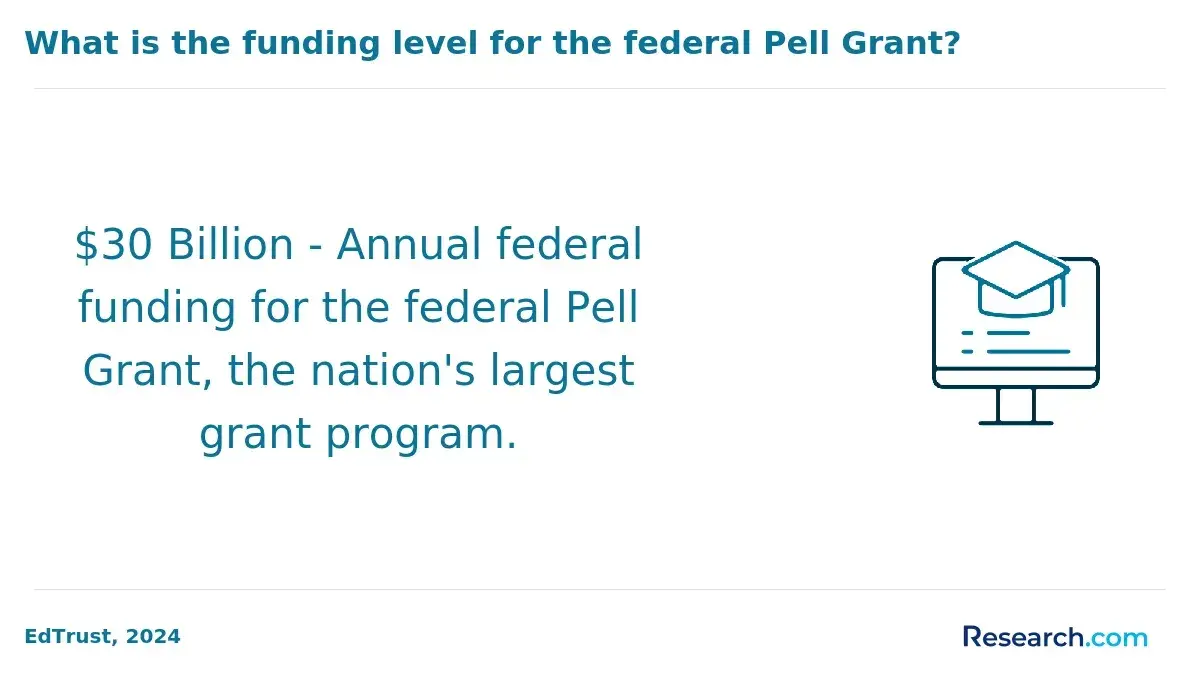
Students enrolling in online health informatics bachelor's degree programs with weekly start dates have access to a variety of federal financial aid options-many aligning with traditional academic aid calendars yet designed to accommodate flexible enrollment schedules. This includes Pell Grants, which offer need-based funding that does not require repayment, and both subsidized and unsubsidized Stafford loans featuring low interest rates and deferred repayment. Eligible students may also participate in the Federal Work-Study program, earning money through campus or community jobs to help offset educational expenses. These financial aid options are essential components when evaluating financial aid options for weekly start online health informatics programs.
Because weekly-start programs begin multiple times annually, financial aid disbursement typically follows federal academic terms like semesters or trimesters. This means aid packages may be divided or prorated based on term enrollment-requiring coordination between enrollment periods and the financial aid office's schedule. Loan eligibility and grant amounts depend on official enrollment status each term, so whether attending full- or part-time impacts aid received.
Data from College Board Trends in Student Aid show typical undergraduate financial aid packages blend grants, scholarships, loans, and work-study awards totaling several thousand dollars annually, with variations by individual need and institutional policies. Students should complete the FAFSA early, ideally before the academic year starts, to maximize eligibility for federal grants and institutional scholarships, many awarded on a first-come, first-served basis.
Scholarship opportunities for students in online health informatics degrees with rolling enrollment come from professional organizations like the American Health Information Management Association (AHIMA), nonprofits, and colleges themselves. These targeted scholarships prioritize online learners and those pursuing health-related fields, providing vital financial support tailored to this growing sector.
Completing the FAFSA requires income, tax information, and household size documentation. Online students benefit from the same federal programs as on-campus peers but should consult their school's financial aid office about how weekly starts may affect timelines. For those exploring related paths, see top cahme accredited mha programs for program options.
- Federal Aid Programs: Pell Grants, Stafford loans, and work-study options provide a mix of need-based grants and low-interest loans for eligible students.
- Weekly Start Impact: Aid disbursement aligns with academic terms-aid may be prorated or split when enrolling across multiple short terms within a year.
- Average Aid Amounts: College Board data show typical aid packages include grants, loans, and work-study averaging several thousand dollars annually.
- Health Informatics Scholarships: Numerous scholarships specifically target health informatics majors and online students through professional groups and institutional funds.
- FAFSA Importance: Early FAFSA submission is critical since many grants and scholarships are awarded on a first-come, first-served basis and require annual renewal.
What Accreditation Standards Should a Weekly-Start Online Health Informatics Bachelor's Program Meet to Ensure Employer and Transfer Recognition?
Accreditation greatly affects employer recognition and transfer credit policies for health informatics degrees. In the U.S., regional accreditation is regarded as the gold standard. It entails evaluation by one of seven regional accrediting bodies recognized by the U.S. Department of Education, ensuring rigorous academic quality and easier credit transfer. Most weekly-start online health informatics programs hold accreditation from agencies such as the Southern Association of Colleges and Schools Commission on Colleges (SACSCOC), Higher Learning Commission (HLC), and Middle States Commission on Higher Education (MSCHE), which accommodate flexible enrollment models.
The seven regional accrediting bodies are the New England Commission of Higher Education (NECHE), MSCHE, SACSCOC, HLC, Northwest Commission on Colleges and Universities (NWCCU), Western Association of Schools and Colleges Senior College and University Commission (WSCUC), and the Accrediting Commission for Community and Junior Colleges (ACCJC). Prospective students should always verify a program's accreditation status through the U.S. Department of Education's accreditation database before enrolling-to avoid limitations in career advancement or transferring to regionally accredited graduate programs.
Schools accredited only by national agencies generally have less rigorous standards, and credits from these programs may not be accepted by regionally accredited institutions. This can hinder progress in graduate studies or professional recognition. Understanding such differences is critical when considering accredited online health informatics programs in the US.
- Regional Accreditation: Recognized as the highest academic standard, it ensures credit transferability and broad employer acceptance.
- National versus Regional: Nationally accredited programs often have limited credit acceptance at regionally accredited schools, restricting transfer and advancement.
- Seven Regional Bodies: NECHE, MSCHE, SACSCOC, HLC, NWCCU, WSCUC, and ACCJC govern most reputable weekly-start online programs.
- Verification Is Key: Confirm accreditation status through the official U.S. Department of Education database before enrolling to avoid enrollment in less recognized programs.
- Transfer Credit Risks: Credits from only nationally accredited institutions may not transfer to regionally accredited schools, complicating graduate admissions.
For students interested in allied health fields, comparing programs through resources like sports science degree online can also reveal additional flexible options related to health careers with weekly enrollment opportunities.
How Is Coursework Structured in Online Health Informatics Bachelor's Programs With Weekly Starts Compared to Semester-Based Formats?
Weekly-start Health Informatics degree programs rely on asynchronous video lectures and digital discussion boards, enabling students to engage with coursework on their own schedules. Weekly assignment deadlines keep learners on track, promoting consistent study habits and effective time management. Unlike traditional semester models, which usually span 15 to 16 weeks, these accelerated programs run five to eight weeks, intensifying the learning pace and requiring strong self-discipline.
This format sharpens essential skills in data analysis, health information systems, and privacy compliance by encouraging quick assimilation and practical application of knowledge. However, the fast progression may reduce opportunities for in-depth exploration and reflective learning, which longer semesters better accommodate. Students succeeding in this environment often plan carefully, designate regular study periods, and minimize distractions to maintain steady progress.
According to recent NCES statistics, enrollment in accelerated online programs has surged by over 25% in five years-highlighting growing demand for flexible education pathways.
- Flexible Course Access: Asynchronous lectures and online forums let students learn when it suits their schedules without fixed class times.
- Condensed Term Structure: Shorter five-to-eight-week courses accelerate content delivery, fitting intense study into brief periods.
- Core Skill Emphasis: Programs focus on key abilities like managing health data systems and ensuring compliance under time constraints.
- Potential Learning Trade-Offs: Rapid pacing may limit deeper topic investigation and slower reflective study opportunities.
- Success Strategies: Planning, regular study habits, and leveraging digital tools are vital to manage the program's fast rhythm.
Can Students Earn Credit Through CLEP, DSST, or Prior Learning Assessment in Weekly-Start Online Health Informatics Programs?
Credit by Examination programs such as CLEP (College Level Examination Program) and DSST (DANTES Subject Standardized Tests), endorsed by the College Board and recommended by the American Council on Education (ACE), offer students opportunities to earn college credit by demonstrating their existing knowledge. These exams help learners bypass introductory courses, directly saving time and tuition in completing a Health Informatics bachelor's degree.
Many online Health Informatics programs with weekly start dates provide flexible Prior Learning Assessment (PLA) options-often including portfolio reviews and acceptance of military training transcripts-to recognize diverse learning experiences. Institutions typically limit PLA credits to between 30 and 45 semester hours, balancing transfer credit with mandatory residency requirements. Students should carefully review each program's PLA guidelines and submission deadlines during rolling enrollment periods.
Effective documentation is essential for a successful credit evaluation. This includes course descriptions, certificates, work evaluations, or military records. Submitting these materials early to the registrar or PLA office facilitates timely processing aligned with accelerated academic calendars.
- Credit By Examination: CLEP and DSST exams provide validated college credit for numerous health informatics subjects, enabling students to avoid repeating mastered coursework.
- Prior Learning Assessment Flexibility: Weekly-start programs often welcome portfolios and military transcripts, recognizing real-world and trained experience toward degree credit.
- Institutional PLA Limits: Most schools cap PLA credits at 30 to 45 semester hours to maintain academic integrity and residency rules.
- Documentation Essentials: Organized evidence such as course outlines and official records is crucial for accurate credit assessment.
- Evaluation Procedures: Early submission to designated offices ensures prompt credit recognition in sync with weekly enrollment cycles.
What Graduates Say About Online Health Informatics Bachelor's Degree Programs With Weekly Start Dates
- Callen: "Choosing an online health informatics bachelor's degree with weekly start dates was a game-changer for me-I could begin my studies exactly when I was ready without waiting for the traditional semester system. The affordability of the program allowed me to pursue my passion without the stress of overwhelming debt. Since graduating, I've secured a role that truly aligns with my skills, proving that flexible start dates and manageable costs can lead to real career growth."
- Koen: "Reflecting on my journey, the convenience of weekly start dates made all the difference in balancing work and study commitments in the health informatics program. I appreciated how the program's pricing was transparent and competitive, which helped me plan financially. Professionally, this degree has opened doors I hadn't imagined-I'm now confidently contributing to healthcare projects that require cutting-edge data management."
- Owen: "Professionally, enrolling in an online health informatics bachelor's degree with weekly start dates was a strategic decision to accelerate my career without compromising my job. The cost-effectiveness of the program offered excellent value for the quality of education I received. Today, I can confidently say that this degree has positioned me as a knowledgeable professional ready to tackle complex challenges in healthcare technology."
Other Things You Should Know About Health Informatics Degrees
Weekly-start online health informatics programs typically use robust learning management systems such as Blackboard, Canvas, or Moodle. These platforms support asynchronous learning-allowing students to access course materials and submit assignments on their own schedule-as well as occasional synchronous sessions for discussions or presentations. Students generally need a reliable internet connection, a modern web browser, and access to a computer or tablet with up-to-date software for data analysis, electronic health records, and other informatics tools.
Programs with weekly start dates often provide comprehensive support including academic advising, tutoring, career counseling, and technical support. These services are crucial to help students effectively manage their flexible schedules and succeed in their online learning environment.
Online health informatics bachelor's programs with weekly start dates typically offer support services like 24/7 technical help, academic advising, career counseling, and access to online libraries. These services support student success and retention by providing necessary resources and guidance.
Prospective students should assess program accreditation, faculty expertise, and the flexibility of course pacing aligned with weekly start dates. Evaluating transfer credit policies and prior learning assessments can help shorten time to degree completion. It's also important to consider financial aid options and career placement support to ensure the program meets both educational and professional needs.
References
- Medical Informatics, A.A.S. https://catalog.columbiastate.edu/preview_program.php
- How do I earn an online Bachelor's degree in Health Informatics? https://www.onlineschoolscenter.com/earn-online-bachelors-health-informatics/
- Prior Learning Assessment https://lynx.nhti.edu/academics/academic-policies/prior-learning-assessment/
- Healthcare Informatics, Bachelor of Science St. John's University https://www.hotcoursesabroad.com/india/course/us-usa/healthcare-informatics-bachelor-of-science/56328984/program
- How to Earn Credits Before College: A Guide for Non-Traditional Students https://www.edumed.org/resources/how-to-earn-credits-before-college/
- Medical Informatics https://www.fastweb.com/directory/scholarships-for-medical-informatics-majors
- Credit for Prior Learning | Western Technical College | La Crosse, WI https://www.westerntc.edu/credit-prior-learning
- How to Transfer Academic Credits to Online Programs https://news.yahoo.com/transfer-academic-credits-online-programs-130000238.html
- Sign in to your account https://unify-snhu.my.site.com/mysnhu/s/article/Endowed-Scholarship-Opportunities-for-Online-Students
- What are the benefits of e-learning in health informatics? https://www.umu.com/ask/q11122301573854584220