2026 Online Health Informatics Bachelor's Degree Completion Programs for Working Adults

Co-Founder and Chief Data Scientist
Many working adults struggle to complete their bachelor's degrees in health informatics due to conflicting schedules and rigid campus requirements. With 65% of health informatics professionals reporting that flexible learning options were crucial to their degree completion, online programs offer a vital solution. These programs accommodate varied work hours while providing access to updated curricula essential for this rapidly evolving field.
This article explores the structures, accreditation, transfer credit policies, tuition models, and career outcomes of leading online health informatics bachelor's degree completion programs, helping prospective students find the best fit for their goals and lifestyles.
Key Benefits of Online Health Informatics Bachelor's Degree Completion Programs for Working Adults
- Online health informatics degree completion programs offer robust flexibility, enabling working adults to balance professional and personal responsibilities without compromising educational goals.
- Fully asynchronous coursework allows students to study anytime, accommodating irregular or demanding work schedules while maintaining steady income during their education.
- These programs often feature accelerated timelines, reducing overall time to degree completion compared to starting a traditional four-year bachelor's, benefiting career advancement.
What Are Online Health Informatics Bachelor's Degree Completion Programs, and Who Are They Designed For?
Degree completion programs for online health informatics bachelor's degrees are tailored for adults who have previously earned some college credits but did not complete a traditional four-year program. Unlike full undergraduate courses starting from freshman year, these programs focus on the final two years of study. According to the National Center for Education Statistics (NCES), millions of Americans hold some college credits without a formal credential, making transfer students the primary audience. These programs provide flexibility and speed, often featuring accelerated schedules and high acceptance of prior coursework to reduce redundancy. Designed with busy adult learners in mind, the delivery is mostly online or hybrid, accommodating work and family commitments. The best online health informatics degree completion programs for transfer students emphasize these crucial elements to help learners efficiently finish their degrees.
Growing employer demands for bachelor's degrees even in roles previously accessible with associate degrees or certificates have increased the popularity of these programs. They enable mid-career professionals, military veterans, and community college transfers to advance in specialized healthcare fields such as health informatics. Key features include:
- Accelerated Format: Coursework is condensed into shorter terms to hasten degree completion without compromising educational quality.
- Transfer Credit Acceptance: Extensive recognition of previous credits minimizes duplication and lessens time and cost.
- Flexible Delivery: Online and hybrid options let students balance studies with professional and personal responsibilities.
- Targeted Audience: Programs cater to adults with some college experience aiming to boost healthcare career prospects.
For those interested, exploring a medical assistant degree online 6 weeks can offer insight into accelerated healthcare education models that complement online health informatics bachelor's degree completion programs for working adults.
How Do Online Health Informatics Degree Completion Programs Differ From Traditional Four-Year Health Informatics Bachelor's Degrees?
Online health informatics degree completion programs are tailored to adult learners who have already accumulated 60 or more college credits, offering distinct advantages over traditional four-year health informatics bachelor's degrees in curriculum flexibility and time to graduation.
- Credit Requirements: Completion programs require fewer total credits focused on upper-division coursework. They typically accept a larger number of transfer credits, allowing students to bypass general education and introductory classes common in traditional paths.
- Curriculum Sequencing: These programs map curriculum around prior learning and competencies, often replacing general education requirements with life experience credits or competency-based assessments. This design aligns with the practical needs of working adults rather than broader academic foundations.
- Time to Completion: Completion programs often enable faster degree completion, sometimes within 12 to 24 months, compared to the typical four-year timeline of traditional programs, which assume fewer transfer credits.
- Cost and Tuition Models: According to IPEDS data, the cost per credit hour between completion and traditional health informatics degrees at the same institutions is similar. However, lower total credit hour requirements in completion programs reduce overall tuition costs. Some institutions offer fixed rates or discounts for adult learners.
- Flexibility and Support: Online completion programs frequently provide asynchronous classes and dedicated advising for transfer credits and prior learning assessments, accommodating diverse schedules typical of community college transfer students, military veterans, and mid-career professionals.
This focus on credit transfer policies and curriculum flexibility enables students to make informed choices between completion programs and traditional bachelor's degrees. Prospective students might also want to compare the average cost of RN to BSN programs to better prepare.
2026 Update: Health Data Skills Working Adults Should Verify
For 2026, this section was added to help adult learners look beyond format and cost and evaluate whether an online health informatics completion program teaches current workplace tools and data practices.
- Whether courses cover electronic health records, clinical data workflows, and patient information systems.
- How the program teaches data privacy, security, compliance, and ethical use of health information.
- Whether students practice with analytics, reporting, database, or visualization tools used in healthcare settings.
- If coursework includes interoperability, coding standards, and data exchange concepts relevant to modern care teams.
- Whether projects allow working adults to apply assignments to their current healthcare or IT roles.
- How often the curriculum is reviewed with input from healthcare employers or informatics professionals.
Checking these details helps students choose a completion program that is not only flexible, but also aligned with the technical expectations of today’s health informatics roles.
Which Accredited Universities Offer the Most Affordable Online Health Informatics Bachelor's Degree Completion Programs?
Lower tuition programs often feature single-rate models that simplify costs for online learners regardless of residency. They generally facilitate broad transfer credit acceptance and competency-based learning pathways, reducing time and expense to degree completion. Programs in the mid-price range may charge differential tuition based on residency and frequently possess specialized CAHIIM accreditation, which can offer advantages in professional recognition and career outcomes.
Western Governors University: Offers a flat tuition fee of approximately $3,920 per six-month session, applicable to all online students without regard to residency. This competency-based program is regionally accredited by the Northwest Commission on Colleges and Universities (NWCCU) and features an accredited health informatics curriculum designed for accelerated progression. It supports generous transfer credits and prior learning assessments, streamlining degree completion.
Fort Hays State University: Provides an economical rate of $218 per credit hour for both in-state and out-of-state learners. Recognized by the Higher Learning Commission (HLC), its bachelor's completion program in health informatics encourages transfer credit acceptance and flexible pacing, ideal for professionals balancing work and study.
Thomas Edison State University: Charges a uniform rate of $398 per credit regardless of residency status. Accredited by the Middle States Commission on Higher Education (MSCHE), its program emphasizes flexibility, offering multiple term start dates and accommodating prior learning credits for working adults.
University of North Dakota: Tuition costs stand at $350 per credit hour for residents and $380 for non-residents. Accredited by the HLC, this program holds additional CAHIIM accreditation, reflecting strong curriculum standards and enhancing graduate employability within health informatics.
Western Carolina University: In-state students pay $224.38 per credit hour, while out-of-state students face a higher rate of $1,112.80 per credit. The Southern Association of Colleges and Schools Commission on Colleges (SACSCOC) grants regional accreditation. This health informatics completion program focuses on personalized advising and extensive online student support.
A professional who pursued an online health informatics bachelor's completion degree shared that managing work responsibilities alongside studies was challenging but manageable thanks to the program's flexible pacing and prior credit evaluations. He noted that the straightforward tuition rates eliminated confusion about costs throughout his enrollment. "Knowing I could transfer many of my previously earned credits while progressing at my own speed really helped reduce stress," he recalled. This approach enabled him to focus on acquiring practical knowledge without financial uncertainty, which was critical as he transitioned into a new career path.
How Many Transfer Credits Can Working Adults Apply Toward an Online Health Informatics Degree Completion Program?
Credit Limits: Most online health informatics degree completion programs cap transferable credits between 60 and 90 semester hours. These limits ensure students fulfill core upper-level curriculum requirements at the awarding institution while maximizing prior learning.
Evaluation Criteria: Each university assesses transfer credit equivalency based on course content, academic level, and the accreditation status of previous institutions. This individualized review determines how credits apply to degree requirements.
Articulation Agreements: Many schools maintain formal partnerships with community colleges that streamline credit acceptance. These agreements guarantee that certain courses meet transfer standards if grade and curriculum conditions are met, supporting students transferring from two-year programs.
Credit Loss Statistics: According to the U.S. Department of Education's transfer summit, students commonly lose about 40% of their credits during transfers. Selecting programs with structured or guaranteed transfer pathways can help reduce credit loss and accelerate degree completion time.
Military and Professional Credit: Transfer-friendly health informatics bachelor's completion programs often recognize credits recommended by the American Council on Education (ACE) based on military training and professional certifications. This approach benefits veterans and working adults wishing to leverage prior experience.
Transcript Reviews: Prospective students should request official transcript evaluations before enrollment to clarify how their credits will be applied, revealing outstanding course needs and ensuring a smooth transition into the program.
Cost Considerations: For working adults budgeting for degree completion, researching tuition models is essential. Resources like MHA degree cost analyses can provide useful financial insights when comparing programs.
What Are the Typical Admission Requirements for Online Health Informatics Bachelor's Degree Completion Programs?
Transfer Credit Requirements: Most programs ask for 24 to 60 credits from prior college coursework, ensuring students have foundational knowledge before advancing. These credits typically must come from accredited institutions to qualify for transfer.
GPA Standards: A cumulative GPA ranging from 2.5 to 3.0 is common, with some programs setting a higher bar. Meeting GPA criteria helps demonstrate academic preparedness and can impact acceptance chances.
Required Documentation: Applicants need to submit official transcripts from all previous postsecondary studies. Some programs also request a resume or a statement of purpose that outlines relevant work experience and professional goals.
Prerequisite Courses: Introductory classes in health informatics, healthcare, or computer science are often prerequisites. These courses prepare students for the specialized content in upper-level classes.
Admission Selectivity: Open-admission programs accept all applicants who meet minimal credit and GPA standards, typically offering more academic support but lower industry recognition. Selective programs demand higher qualifications and often carry stronger employer prestige.
Conditional Enrollment: Some schools allow provisional admission for candidates below the standard requirements, contingent on meeting specific academic benchmarks during initial enrollment.
Application Enhancement: Strengthening an application by completing prerequisites at a community college is a strategic step. This approach signals commitment and readiness to succeed in advanced coursework.
When asked about her experience navigating these requirements, a professional who completed an online health informatics bachelor's degree reflected on the challenges of assembling transcripts from multiple institutions and ensuring prerequisite completion. She described the process as "a balancing act between work commitments and academic demands," emphasizing how conditional acceptance options eased initial worries. This flexible admission framework allowed her to prove her capabilities during the first term, ultimately reinforcing her confidence and dedication to completing the degree.
How Long Does It Take to Complete an Online Health Informatics Bachelor's Degree Completion Program as a Working Adult?
Completion timelines for an online health informatics bachelor's degree differ greatly based on transfer credits, enrollment intensity, and program format. Those transferring 90 credits-often from military experience or community colleges-typically require about 30 more credits to graduate, while students with only 30 prior credits face a heavier course load.
The choice between part-time and full-time study dramatically influences the duration. Part-time students usually enroll in 6 credits per semester, extending completion to three or four years. In contrast, full-time learners taking 12 or more credits per term may finish within one to two years.
- Prior Credits Impact: More transfer credits reduce remaining coursework, enabling faster graduation. For example, transferring 60 credits might lead to two years of full-time study or roughly four years part-time.
- Course Load Balance: Many working adults manage two classes per semester (6-8 credits), accommodating work and study without overwhelming schedules.
- Accelerated Terms: Eight-week courses and summer sessions allow students to complete more classes annually, shaving months off total program length.
- Competency-Based Progression: Programs that permit advancement by proving mastery rather than seat hours can shorten degree timelines significantly.
- Realistic Scenario: A full-time professional pursuing two courses per semester while working often graduates in 2.5 to 4 years depending on credits and course pacing.
- Life and Support Factors: Personal obligations, employer assistance, and course availability strongly affect how quickly a degree can be completed.
Data from the National Center for Education Statistics indicate nearly 40% of bachelor's degree earners take six years or more to finish, emphasizing the common extended duration for adult learners managing multiple responsibilities.
What Financial Aid, Grants, and Employer Tuition Assistance Options Are Available for Online Health Informatics Completion Students?
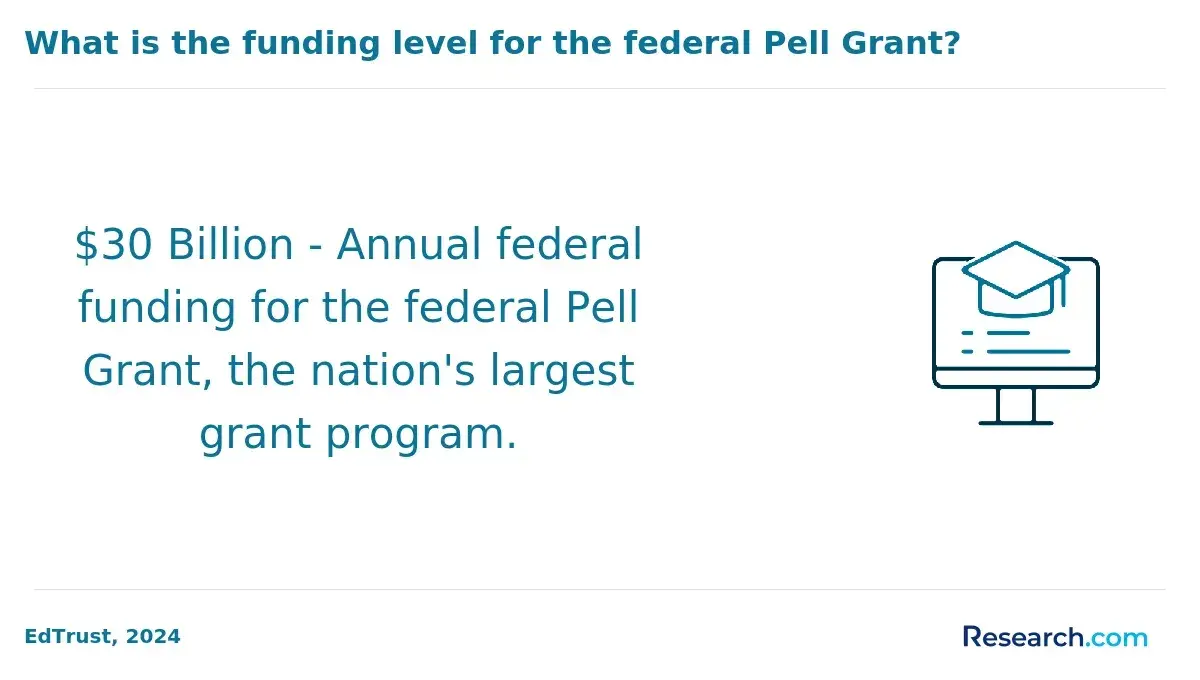
Students completing online health informatics bachelor's degree programs have access to diverse financial aid options tailored to working adults. Federal Pell Grants remain a vital resource for eligible learners with demonstrated financial need, providing funding that does not require repayment. Federal Direct Loans continue to offer flexible borrowing terms, allowing students to spread tuition costs over time. Additionally, many states provide grants specifically for adult returners, making it important to investigate state education agency offerings. Institutional scholarships tend to target non-traditional students balancing careers and family responsibilities, helping ease the financial burden.
Employer tuition assistance programs are especially valuable, supported by IRS Section 127 tax provisions that allow employers to offer up to $5,250 annually in tax-free undergraduate education benefits. This helps employees advance their skills while minimizing tax implications. Some employers establish partnerships with universities to streamline tuition reimbursement or provide direct funding, so consulting your HR department is essential to maximize support.
Scholarships and fellowships designed specifically for adult learners returning to complete a health informatics degree often focus on career changers and professionals advancing in healthcare technology fields. These awards can be available through professional associations, community groups, or directly from universities.
Before enrolling, consider these key financial aid steps:
- File the FAFSA: Complete the Free Application for Federal Student Aid to determine eligibility for Pell Grants, federal loans, and some state aid programs.
- Explore State Grants: Research state-specific funding for adult learners returning to school, as availability and criteria vary widely.
- Request Employer Tuition Benefits: Contact HR to understand your company's tuition assistance options and obtain any necessary approval forms.
- Apply for Scholarships: Seek scholarships targeting adult health informatics students through professional organizations, educational institutions, and local groups.
How Does Per-Credit-Hour Tuition for Online Health Informatics Completion Programs Compare Across Accredited Institutions?
According to recent NCES and IPEDS data, the national average per-credit-hour tuition for online health informatics bachelor's degree completion programs at accredited institutions ranges between $350 and $550. This translates to about $21,000 to $33,000 in total tuition for a typical 60-credit completion pathway. When considering enrollment options, it's essential to examine tuition comparison of accredited health informatics bachelor's degree completion programs carefully, factoring in transfer credit policies and program structures.
Cost rankings highlight diverse pricing tiers: University A charges $340 per credit for a total of $20,400 at 60 credits, College B costs $410 per credit totaling $24,600, Institution C is $520 per credit with $31,200 total, and University D offers $480 per credit but requires 90 credits, resulting in $43,200 total tuition.
Ancillary fees such as technology fees, mandatory course materials, proctoring charges, and graduation fees frequently add 10% to 20% or more to the total program cost, underscoring the importance of investigating fee disclosures. Programs demanding higher credit hours can offset apparent savings from lower per-credit tuition rates, so selecting solely by per-credit cost can be misleading.
- National Average Benchmark: Per-credit-hour tuition spans $350 to $550 for online health informatics completion programs, serving as a critical reference point for cost evaluation.
- Total Cost Variation: Similar per-credit rates may conceal stark differences in total credits required; programs accepting more transfer credits can significantly lower overall expenses.
- Ancillary Fees Impact: Additional costs like technology and proctoring fees may increase total expenses by up to 20%, emphasizing the need for thorough cost analysis.
- Lowest Rate ≠ Lowest Cost: Choosing a program with the lowest per-credit tuition might lead to higher overall costs when considering extra credits and mandatory fees.
Additionally, mid-career professionals evaluating certifications related to health informatics should consider salary prospects in the context of CCS vs CPC salary insights to align educational investments with career growth.
What Prior Learning Assessment and Credit-by-Exam Options Exist in Online Health Informatics Degree Completion Programs?
Prior Learning Assessment (PLA) options enable working adults to leverage existing knowledge and professional experience to accelerate completion of an online health informatics degree. Common PLA methods include CLEP (College-Level Examination Program) and DSST exams, portfolio assessment that demonstrates real-world skills, and credit for military training evaluated through the American Council on Education (ACE).
- Credit-By-Exam: CLEP and DSST exams offer standardized testing routes to earn college credit for foundational and specialized subjects. Many online health informatics bachelor's programs accept these credits, reducing the number of required courses.
- Portfolio Assessment: Some programs allow creation of detailed portfolios showcasing work experience, certifications, or completed training. Institutions with the most flexible policies may accept portfolios worth up to 30 credits or more.
- ACE Credit Recommendations: Military service members and those with corporate training can often apply ACE's evaluated credits toward degree requirements. This system ensures transferability from various government and industry training programs.
- Documentation & Preparation: Careful collection of transcripts, certificates, detailed narratives, and work samples is critical. Institutions generally provide guidelines for submitting PLA evidence in a comprehensive and organized manner.
Among online health informatics degree completion programs, those with expansive PLA policies offer the greatest flexibility and maximum credits toward graduation, understanding the diverse backgrounds of adult learners. Transfer credit policies and credit-by-exam options vary significantly across accredited programs, so researching specific institutional acceptance criteria is essential.
For working adults interested in accelerating their education, comparing prior learning options and credit policies can be decisive. Your choice of program may influence how effectively you can combine existing learning with new coursework.
This guide also refers to online healthcare MBA programs that emphasize flexible structures and transfer credit pathways, underlining the growing importance of PLA strategies within healthcare education fields.
How Do Asynchronous Schedules in Online Health Informatics Programs Accommodate Full-Time Working Professionals?
Fully Asynchronous Delivery: These programs allow students to complete all coursework on their own schedules, with no required live sessions. Assignments, discussions, and exams are available anytime, making it easier to study across different time zones or during unconventional work hours.
Synchronous and Hybrid Models: While synchronous courses schedule live classes, they limit flexibility for shift workers and travelers. Hybrid programs blend live sessions with asynchronous tasks, offering some real-time engagement but less adaptability than fully asynchronous formats.
Eight-Week Terms: Some institutions offer accelerated eight-week courses, enabling students to concentrate on fewer classes simultaneously. This format helps balance heavy workloads and professional commitments by reducing cognitive load and offering quicker progression.
Time Management Tips: Consistent weekly planning and setting self-imposed deadlines improve pacing and reduce stress. Adult learners benefit from calendar apps, task management tools, and digital note-taking platforms to keep track of assignments and reminders.
Key Digital Tools: Most successful students rely on platforms like Google Calendar for scheduling, Trello or Asana for task organization, and OneNote or Evernote to capture and review lecture content. These tools enhance focus and facilitate smoother interaction in online environments.
What Concentrations and Career Tracks Are Available Within Online Health Informatics Degree Completion Programs?
Most online health informatics bachelor's completion programs include concentrations that align students with targeted career paths without increasing the typical 120-credit hour degree requirement, helping maintain consistent tuition and graduation timelines.
- Clinical Informatics: Integrates healthcare technology within patient care environments. Graduates qualify for roles like clinical informaticist or health IT specialist, with median salaries near $90,000 and strong job growth according to BLS data.
- Data Analytics: Focuses on analyzing large health datasets and predictive modeling to boost care quality. Careers include healthcare data analyst and business intelligence roles, offering salaries mostly between $80,000 and $100,000 and fast-growing opportunities.
- Health Information Management: Centers on patient record oversight and regulatory compliance. This track supports professional certification eligibility, such as the RHIA credential, with common positions including health information manager and coding specialist.
- Healthcare Project Management: Prepares students to lead IT initiatives in medical settings. Job titles often include project manager or IT coordinator, featuring salaries typically from $75,000 to $95,000 based on experience and location.
- Telehealth Informatics: Addresses remote healthcare delivery technologies rapidly expanding post-pandemic. Graduates work as telehealth coordinators or digital health consultants, meeting growing demand in this niche.
Selecting a concentration with recognized certification pathways can enhance both employment prospects and salaries. Aligning personal interest with labor market trends and salary ranges helps prospective students choose the most beneficial specialization within health informatics programs.
What Graduates Say About Online Health Informatics Bachelor's Degree Completion Programs for Working Adults
- Carla: "The streamlined program structure combined with rigorous accreditation standards gave me confidence that my degree would be respected by employers nationwide. The flexibility of transferring credits from my previous coursework saved me both time and money, making this a practical choice for someone like me who needed to balance work and study. Completing this online health informatics degree truly accelerated my career growth and opened doors I hadn't anticipated."
- Kyle: "Reflecting on my experience, the generous transfer credit policy was a game-changer, allowing me to leverage my past college work without repeating courses. The affordable tuition model made it feasible to pursue the degree without overwhelming financial strain. Most importantly, the program's emphasis on employer-valued skills resulted in a noticeable boost in job opportunities and promotions within my field."
- Owen: "I appreciated the prior learning options available, which recognized my professional experience and shortened my path to graduation. The program's accreditation ensured a high-quality education that employers respected, which helped me confidently advance my career. The online format combined with competitive tuition fees made it an ideal fit for my schedule and budget as a working professional."
Other Things You Should Know About Health Informatics Degrees
Students can anticipate personalized advising, academic support like tutoring services, and career services including resume workshops and networking events to aid their professional growth and ensure a successful transition from study to the workforce in 2026.
Most online health informatics completion programs offer dedicated academic advising tailored to working adults, including transfer credit evaluation and degree planning. Career services often include job placement assistance, resume review, and networking opportunities within the health informatics field. Students typically have access to tutoring, library resources, and technical support to help balance their studies with professional and personal responsibilities.
Yes, some online health informatics bachelor's degree completion programs have adopted flat-rate or subscription-based tuition models. These pricing structures allow students to pay a single rate for unlimited courses within a set term, which can be cost-effective for students who want to accelerate their degree completion. However, not all programs offer this option, so it is important to compare tuition models when choosing a program.
Online health informatics bachelor's degree completion programs for working adults offer flexible scheduling, allowing students to balance work commitments with academic responsibilities. Most programs provide asynchronous learning options, enabling students to access course materials and complete assignments at their convenience, enhancing the feasibility of pursuing education alongside a full-time job.
References
- 2025 Most Affordable Online Healthcare Informatics Degrees https://www.onlineu.com/most-affordable-colleges/healthcare-informatics-degrees
- I. Introduction https://e-hir.org/m/journal/view.php
- Best Graduate Health Informatics Certificate Online Programs https://www.onlinemastersdegrees.org/graduate-certificate-programs/health-informatics/
- Asynchronous Education vs Fixed Schedule Online Classes: Which Works for Working Professionals https://puie.ac/asynchronous-education-vs-fixed-schedule-online-classes-which-works-for-working-professionals/
- 10 Most Affordable Online Healthcare Informatics Bachelor Degrees - BestMedicalDegrees.com https://www.bestmedicaldegrees.com/cheapest-online-healthcare-informatics-bachelor-degrees/
- No GRE Online MS in Healthcare Informatics (MSHI) Degree Programs https://www.mhaonline.com/faq/no-gre-online-ms-healthcare-informatics-programs
- How Long Does It Take to Obtain a Degree in Health Informatics? https://www.healthinformaticsdegrees.org/faq/how-long-does-it-take-to-obtain-a-degree-in-health-informatics/
- Health Informatics Certificate https://hsim.ecu.edu/graduate/health-informatics-certificate/
- Benefits of Earning a Healthcare Degree Online https://www.ahu.edu/blog/benefits-of-healthcare-degree
- Costs and Financial Support https://osph.utsouthwestern.edu/degree-programs/health-informatics/cost.html