2026 Best Accredited Online Health Informatics Bachelor's Degree Programs

Co-Founder and Chief Data Scientist
Imagine a high school graduate eager to enter the healthcare technology field but unsure which accredited online health informatics bachelor's degree programs align with industry demands.
With healthcare data expected to grow by over 36% in the next decade, employers prioritize graduates skilled in data management and digital tools. However, program quality varies-some lack rigorous accreditation or relevant curriculum-potentially limiting job opportunities and career growth.
This article examines top accredited online health informatics bachelor's degrees, focusing on program credibility, career outcomes, and curriculum strengths to guide prospective students toward informed, career-boosting decisions.
Key Points About the Best Accredited Online Health Informatics Bachelor's Degree Programs
- Students develop specialized skills in electronic health records management, data analytics, and healthcare IT systems, preparing them for critical roles in digital health environments.
- Online programs reduce expenses related to commuting and housing, offering savings typically between 20% and 40% compared to traditional on-campus degrees.
- Graduates gain access to expanding job markets, including telehealth and healthcare data security, where employment is projected to grow by over 15% due to digital transformation.
What are the best accredited online Health Informatics bachelor's degree programs?
Selecting a top-tier accredited program is a strategic move for students targeting long-term success in the Health Informatics field-programs with strong graduation rates produce better career outcomes, with some institutions reporting completion rates above 70%.
Considering this, here are some of the best accredited online health informatics bachelor's degree programs in the United States, each offering unique strengths and specialized training.
- University of Cincinnati: This program stands out for its integration of real-world data analytics projects, providing hands-on experience with industry-standard software. Its regional accreditation ensures a rigorous curriculum that balances theory and practical application.
- University of Illinois at Chicago: Featuring a specialized concentration in health data cybersecurity, this program prepares students to manage sensitive digital health records securely. It holds regional accreditation and addresses a critical and expanding area within health informatics.
- Western Governors University: Known for its competency-based model, this program allows students to progress at their own pace by demonstrating mastery of core health informatics skills, a flexible option ideal for working adults. The university maintains regional accreditation to guarantee academic quality.
- University of South Alabama: With CAHIIM accreditation, this program meets national standards for health informatics education, assuring students and employers of high-quality training. Its curriculum emphasizes both theoretical knowledge and practical skills.
- Southern New Hampshire University: This program offers an interdisciplinary approach combining population health and informatics technology, equipping graduates for diverse healthcare roles. It is regionally accredited, ensuring adherence to established educational benchmarks.
Students interested in related healthcare fields may also explore affordable options for medical billing and coding courses, which can complement a health informatics degree or serve as a career alternative.
What accreditation standards should an online Health Informatics bachelor's degree program meet?
Maintaining rigorous standards in online health informatics bachelor's degree programs ensures the quality of online education remains on par with traditional classroom learning. Currently, fewer than 100 institutions nationwide hold appropriate accreditation for these programs, reflecting a high standard of academic excellence.
These standards cover various aspects of the program-below are some key benchmarks to consider when evaluating regional and national accreditation standards for online health informatics degrees.
- Comprehensive Curriculum: The program must offer a well-rounded curriculum that thoroughly covers essential health informatics topics such as data management, healthcare systems, information technology, and regulatory compliance. Students should verify that courses are regularly updated to reflect industry advancements.
- Qualified Faculty: Instructors are required to have relevant credentials and practical experience in the health informatics field. This ensures students receive instruction based on current best practices and real-world applications.
- Instructional Quality: Effective online instructional design and delivery methods are critical. A program should employ technology that facilitates engagement and interaction, providing flexible learning without compromising educational depth.
- Student Support Services: Strong advising, technical support, and career resources tailored for online learners are essential. Prospective students should assess the availability and quality of these services before enrolling.
- Program Assessment: Continuous outcomes assessment mechanisms must be in place to evaluate student learning and drive program improvements to keep pace with evolving healthcare technologies and policies.
Students interested in exploring online healthcare degrees should prioritize programs that meet these essential accreditation criteria for accredited online health informatics bachelor programs to ensure a valuable and recognized education.
How can I check the accreditation status of an online Health Informatics bachelor's program?
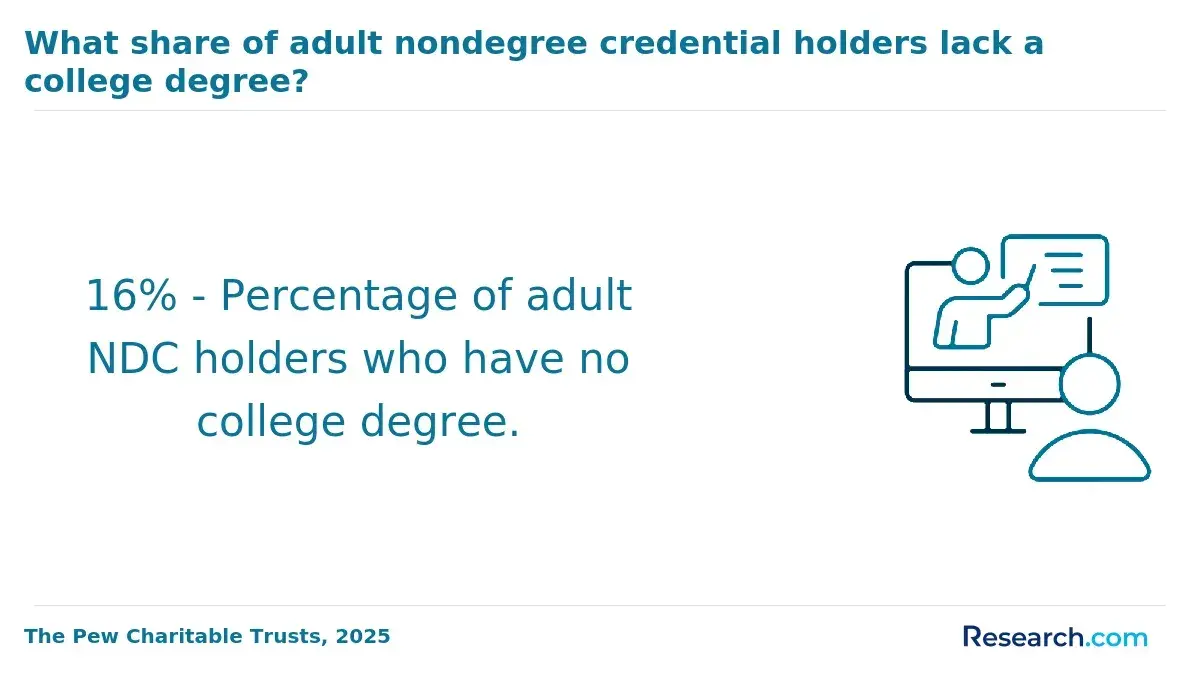
Confirming the accreditation of an online health informatics bachelor's program is essential since only direct verification can assure a program's legitimacy. Approximately 85% of U.S. college students attend regionally accredited institutions, which are generally preferred for quality assurance. To navigate this process, follow these key steps:
- Institutional Accreditation: Check the U.S. Department of Education's Database of Accredited Postsecondary Institutions and Programs (DAPIP) to verify that the university or college holds recognized regional or national accreditation.
- Program Accreditation: Visit the Commission on Accreditation for Health Informatics and Information Management Education (CAHIIM) website to confirm that the health informatics program itself is specifically accredited, ensuring industry relevance.
- Accreditor Legitimacy: Use the Council for Higher Education Accreditation (CHEA) database to validate whether the accrediting agency is officially recognized and trustworthy.
- Direct Confirmation: Review the program's official website for statements about accreditation and cross-check these claims with the data from the above sources to avoid misinformation.
A recent graduate from an accredited online health informatics bachelor's program shared that verifying accreditation felt overwhelming initially. He mentioned, 'It was a challenge to sift through different sites, and I worried about investing time and money in a program that might not hold up.'
He emphasized the relief experienced after confirming the program's status on official databases, explaining how that verification gave him confidence throughout his studies and helped when pursuing certifications post-graduation. This process, while sometimes confusing, proved invaluable in securing a credible education.
Why is it important to check if an online Health Informatics bachelor's program is accredited?
Accreditation serves as the crucial gateway for qualifying for federal student aid and ensuring your degree retains value over time. Research shows that 85% of health informatics employers prefer candidates with degrees from accredited programs. This makes choosing an accredited online health informatics bachelor's degree program accreditation essential for a successful career.
Consider these critical factors when evaluating your options:
- Financial Aid Eligibility: Only accredited programs qualify for federal loans and grants, which can be vital for funding your education and avoiding crippling debt.
- Credit Transferability: Accredited schools ensure that your earned credits are recognized by other institutions, simplifying any future program changes or advanced studies.
- Employability: Employers regularly screen for degrees from accredited programs, making unaccredited credentials a major barrier to job placement and career advancement.
- Graduate School Access: Accredited degrees meet prerequisites for master's programs and certifications, which are often essential for long-term advancement-especially compared to fields like an online doctorate in nursing.
Does the online Health Informatics curriculum mirror the rigor of on-campus programs?
Both online and traditional health informatics bachelor's programs provide comprehensive curricula that equip students for careers in the field, but they differ in delivery and learning experiences.
- Core Coursework: Both formats cover essential topics like data management, healthcare systems, and informatics technology to build a solid foundation. The content rigor is typically equivalent, ensuring graduates gain the necessary knowledge regardless of study mode.
- Practical Experience: On-campus students often engage in hands-on labs, while online learners interact with virtual simulations and case studies that mimic real-world scenarios. Neither approach is inherently superior, though practical skills may feel more immediate in person.
- Flexibility and Interaction: Traditional programs offer direct face-to-face engagement, fostering immediate collaboration. Online programs compensate with flexible scheduling, ideal for working students, though personal interaction may require more effort.
A professional who graduated from an accredited online health informatics bachelor's degree shared that balancing coursework with a full-time job was challenging but worthwhile. He noted, 'The virtual labs felt realistic but demanded extra discipline to stay engaged.'
The absence of in-person networking was a hurdle at times, yet the flexibility allowed deeper focus on assignments. Reflecting on the overall experience, he felt the curriculum's rigor did not fall short of what on-campus programs offer, simply framed through a different lens of learning.
How much does it cost to attend an accredited online Health Informatics bachelor's degree program?
Careful evaluation of costs is vital for students planning to pursue an accredited online health informatics bachelor's degree. Tuition rates typically range from $15,000 to $30,000 annually for full-time enrollment, which can represent up to 20% in savings compared to traditional on-campus programs. These savings often reflect lower per-credit charges and reduced institutional overhead in online delivery models.
Beyond tuition, students should factor in additional fees such as technology charges-usually between $100 and $500 per year-to cover digital learning tools and support services.
Virtual lab fees, essential for hands-on practice with specialized software, can cost $200 to $600 each semester. Textbook and subscription expenses add another $300 to $700 annually, while registration or administrative fees of $100 to $300 per term are common in many programs.
Online health informatics programs tend to reduce or eliminate hidden costs found in on-campus study, including commuting, parking, and housing fees. These savings contribute to the overall affordability of online degrees, making transparent budgeting crucial for students in selecting the best program to fit their financial situation.
What financial aid options are available for Health Informatics students?
Reducing the overall debt burden of an online bachelor's degree in health informatics starts with exploring diverse funding sources. Approximately 85% of undergraduate students in the U.S. receive some form of financial aid, with federal programs distributing over $120 billion annually.
Below are key financial aid options that can help qualified students manage tuition and expenses efficiently.
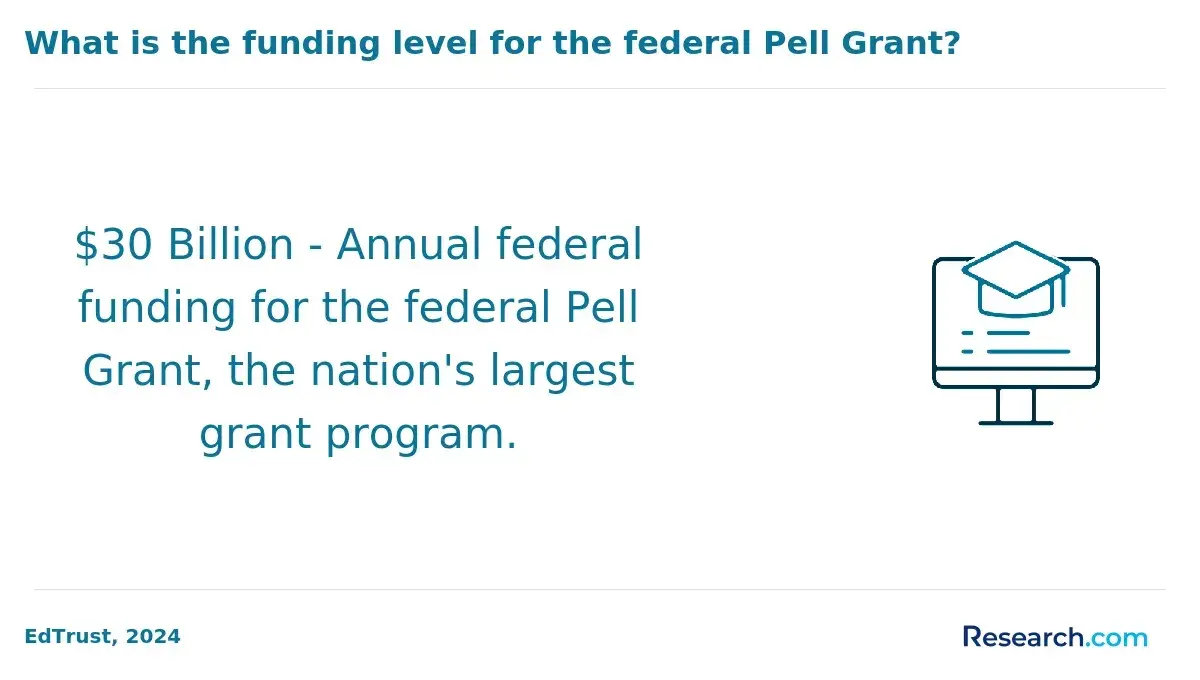
- Federal Pell Grant: Offered by the U.S. government to undergraduates demonstrating financial need, this grant does not require repayment. It is a crucial resource for many health informatics students seeking non-loan funding.
- Field-Specific Scholarships: Organizations such as the American Medical Informatics Association provide merit-based scholarships to students committed to health informatics. Eligibility usually demands academic excellence and submission of transcripts and recommendation letters.
- Employer Tuition Assistance: Many employers in health-related fields offer tuition reimbursement programs. These initiatives support employees advancing their education while reducing out-of-pocket costs.
- HRSA Scholarships and Loan Repayment: The Health Resources and Services Administration sometimes awards scholarships and loan repayment options for students who pledge to work in underserved communities. Enrollment in accredited programs and service commitments typically apply.
- Federal Direct Student Loans: These low-interest loans help bridge remaining costs but must be repaid after graduation. Completing the FAFSA is essential to access this and several other institutional aids.
What are the career outcomes for graduates of online Health Informatics bachelor's degree programs?
The job market for graduates with an online health informatics bachelor's degree is growing steadily as healthcare organizations increasingly rely on specialized competencies and practical skills for managing complex data and technology.
This dynamic field offers diverse opportunities that combine healthcare knowledge with IT expertise. Below are some examples of promising career paths:
- Health Information Technician: This role involves organizing and managing patient data within electronic health records systems. Graduates are prepared to support healthcare providers who depend on accurate information to improve patient outcomes and maintain regulatory compliance.
- Clinical Informatics Specialist: These professionals optimize clinical workflows by integrating technology into healthcare settings. The program's focus on data analysis and systems management equips them to enhance hospital and clinic efficiency.
- Health Data Analyst: With healthcare's growing emphasis on big data, analysts interpret complex datasets to provide actionable insights. An online health informatics degree fosters strong statistical and information system skills essential for this position.
- Healthcare IT Project Manager: Leading technology implementation projects in medical environments demands leadership and technical abilities. Graduates develop these competencies during the curriculum, addressing the rising demand reflected in projected job growth.
- Compliance Officer: Stricter healthcare regulations have increased the need for officials who ensure organizational adherence. Understanding legal and ethical aspects of health data prepares graduates for this critical role.
Students exploring career opportunities for graduates of online health informatics bachelor's programs can find valuable insights about job prospects and salary outcomes with an online health informatics degree.
For those wondering is medical coding a good career, relevant foundational knowledge is often included in these programs, providing a well-rounded perspective on healthcare data management careers.
What is the employer perception of online Health Informatics graduates?
Employer attitudes toward online health informatics degrees have improved significantly, largely closing the trust gap that once favored traditional education. As online learning platforms have advanced, many hiring managers now value online degrees equally when paired with recognized accreditation and relevant certifications.
A survey by the Society for Human Resource Management found that 78% of employers regard accredited online degrees as equally credible as on-campus ones when candidates demonstrate applicable skills.
Skills gained through online programs-such as proficiency with electronic health records, telehealth systems, and digital project management-are highly prized by health informatics employers.
Additionally, the ability to adapt to evolving technologies and manage remote workflows reflects a candidate's readiness for dynamic healthcare environments. Despite greater acceptance of online formats, employers still emphasize the importance of a program's reputation and its accreditation status as key indicators of a graduate's legitimacy and expertise.
How can I choose the best accredited online Health Informatics bachelor's degree for my goals?
Selecting the best accredited online health informatics bachelor's degree requires a structured approach to ensure alignment between your career goals and the strengths of a program. With approximately 40% of undergraduate students enrolling in at least one online course, flexible and relevant program features are increasingly important.
Consider the following essential criteria to guide your decision.
- Curriculum Relevance: Choose programs offering courses in data management, healthcare systems analysis, and electronic health records. These areas provide practical skills that are vital for success in health informatics careers.
- Flexibility: Many students balance work or family obligations alongside their studies. Programs that offer asynchronous classes or multiple start dates accommodate these varied schedules effectively.
- Technology Integration: Hands-on experience with current software and analytical tools enhances practical knowledge and job readiness, reflecting real-world health informatics environments.
- Career Services: Access to internship placements, resume assistance, and networking with industry employers can significantly improve job prospects after graduation.
- Faculty Expertise: Instructors with professional backgrounds in health informatics bring valuable insights, ensuring coursework stays aligned with evolving industry standards.
When evaluating options, also compare cost and program benefits to maximize your return on investment. For students searching more broadly across healthcare fields, exploring programs such as the fastest nutrition degree online can help broaden career prospects.
Adopting this methodical strategy ensures you select the best online health informatics bachelor's degree for career advancement tailored to your personal aspirations.
What Graduates Say About Their Online Bachelor's in Health Informatics
- Callen: "Choosing an accredited online health informatics bachelor's degree was crucial for me because I wanted to ensure the quality and recognition of my education. The affordability of the program allowed me to balance my studies and personal finances without stress. Since graduating, I've noticed a substantial boost in my career opportunities and employer trust due to the program's strong reputation."
- Koen: "Reflecting on my journey, I decided on an accredited online health informatics degree because flexibility was key for managing my work and family life. The cost was reasonable compared to traditional campuses, which made it easier to commit long-term. Pursuing this degree has given me the professional confidence and skills needed to excel in healthcare data management roles."
- Owen: "From a professional standpoint, enrolling in an accredited online health informatics bachelor's program was a strategic move to advance my career in healthcare technology. The investment was well worth it, considering the practical knowledge and networking opportunities I gained. This degree opened doors I hadn't imagined, and I now work on impactful projects that improve patient care through data."
Other Things You Should Know About Health Informatics Degrees
Students in online health informatics degree programs typically develop a blend of technical and healthcare skills. This includes proficiency with electronic health records (EHRs), data analysis, database management, and understanding healthcare regulations. Additionally, students learn to apply informatics principles to improve patient care and streamline healthcare operations.
Many accredited online health informatics programs incorporate internships or practicum experiences as part of their curriculum. These practical components allow students to apply theoretical knowledge in real-world healthcare settings. However, the availability and format of internships can vary, so it is important to verify this requirement with each program.
Yes, accredited online health informatics programs often prepare students to pursue professional certifications such as the Certified Health Informatics Systems Professional (CHISP) or the Registered Health Information Administrator (RHIA). Coursework aligns with certification exam standards, which helps graduates meet eligibility and succeed in credentialing processes.
Yes, many online health informatics bachelor's programs in 2026 include internships or practical experiences as part of their curriculum. These experiences are designed to provide students with hands-on training, enabling them to apply technical and analytic skills in real-world healthcare settings.
References
- Health Information Management - CAHIIM https://www.cahiim.org/accreditation/health-information-management/
- Online Health Informatics Degree | Programs And Career Options https://www.learnhowtobecome.org/best-online-bachelors-in-health-informatics-degree-programs/
- Health Science Degrees Online with Financial Aid https://www.edumed.org/online-schools/health-informatics-degrees/financial-aid/
- I would like to know the universities providing health informatics master? https://mentr-me.com/question/i-would-like-to-know-the-universities-providing-health-in
- 2025 Most Affordable Online Healthcare Informatics Degrees https://www.onlineu.com/most-affordable-colleges/healthcare-informatics-degrees
- Health Informatics Scholarships: 28 Verified Awards, Fellowships, and Funding Opportunities for 2026 - ScholarshipsandGrants.us https://scholarshipsandgrants.us/other/health-informatics-scholarship/
- The Benefits of Earning a Health Informatics Certificate Online https://www.usfhealthonline.com/resources/health-informatics/benefits-health-informatics-certificate-online/
- Health Informatics Careers and Jobs https://www.publichealthdegrees.org/careers/health-informatics/
- BS in Health Informatics and Information Management https://www.css.edu/academics/programs/undergraduate/bachelor-of-science-health-informatics-and-information-management/