2026 Self-Paced Online Health Informatics Bachelor's Degree Programs

Co-Founder and Chief Data Scientist
Many professionals with unrelated undergraduate degrees struggle to transition into the growing health informatics field due to rigid class schedules and geographic constraints. Self-paced online health informatics bachelor's degree programs offer flexibility, allowing students to learn at their own speed while balancing work and personal obligations. According to recent industry data, enrollment in such programs has increased by 35% over the past five years, reflecting rising demand for adaptable education options in technology-driven healthcare roles.
This article examines the structure, benefits, and challenges of these programs to help prospective students identify the best path toward a successful career pivot in health informatics.
Key Benefits of Self-Paced Online Health Informatics Bachelor's Degree Programs
- Self-paced online health informatics programs offer unmatched flexibility, allowing working professionals to balance studies with job responsibilities and personal commitments.
- These programs enable accelerated skill acquisition by letting students progress upon mastering competencies, often reducing time to degree completion.
- Cost-effective pathways include transfer credits and prior learning assessments, helping students earn accredited credentials while minimizing tuition and associated expenses.
What Are Self-Paced Online Health Informatics Bachelor's Degree Programs, and How Do They Differ From Traditional Online Formats?
Self-paced online health informatics bachelor's degree programs offer a flexible alternative to traditional online education by allowing students to progress through coursework at their own speed, rather than following fixed class schedules. Unlike cohort-based or asynchronous-but-scheduled formats that require assignments by set deadlines, self-paced programs feature open enrollment and let learners start and complete modules whenever they choose. This flexible design is especially suited for those seeking the best self-paced online health informatics bachelor's degree programs with demanding personal or professional commitments.
Core features of these programs include milestone-based progression, where students prove mastery of specific objectives before moving forward. This competency-based education model prioritizes learning mastery over rigid timelines. Many programs also permit flexible credit transfers and prior learning assessments, enabling students to accelerate completion by applying relevant experience toward degree requirements.
The learning experience contrasts with traditional online formats in several ways:
- Time Management: Students decide when and how fast to complete coursework, reducing deadline pressure while requiring strong self-discipline and planning skills.
- Faculty Interaction: Support is available on demand but less frequent than in scheduled live sessions typical of cohort models.
- Student Accountability: Learners must proactively keep up with materials and assessments to maintain steady progress without regular class meetings.
Those balancing work, family, or other obligations benefit most from this flexible model, which aligns well with competency-based learning and supports individualized pacing. It is a growing choice within health informatics education, helping students efficiently gain the skills needed for career advancement.
For those assessing costs, understanding the medical billing and coding certification cost can be a valuable part of financial planning alongside degree expenses.
Which Accredited Institutions Offer Self-Paced Online Health Informatics Bachelor's Degree Programs?
Several regionally accredited colleges and universities in the US now offer self-paced online health informatics bachelor's degree programs designed for working professionals and non-traditional students seeking flexibility. These programs often use competency-based education (CBE) models that allow learners to progress by demonstrating mastery at their own speed. Generous transfer credit policies and prior learning assessments commonly help reduce time to completion and overall costs, making them attractive options for those managing careers alongside education.
- Western Governors University: Regionally accredited by the Northwest Commission on Colleges and Universities (NWCCU), WGU's online bachelor's in health informatics is fully competency-based. Tuition is charged per six-month term, allowing students to accelerate by completing more competencies per term. Typical completion ranges from 18 to 36 months depending on previous experience.
- Capella University: Accredited by the Higher Learning Commission (HLC), Capella offers a FlexPath bachelor's degree featuring subscription-based tuition billed per term. Students can take unlimited courses during each billing period and complete the program in about two years on average, benefiting from flexible start dates and multiple assessment methods.
- Southern New Hampshire University (SNHU): SNHU, accredited by the New England Commission of Higher Education (NECHE), uses a traditional credit-hour system with asynchronous, self-paced coursework. Tuition is charged per credit, with transfer policies that help many finish within three to four years based on enrollment intensity.
- University of Arizona Global Campus: This program, accredited by the WASC Senior College and University Commission (WSCUC), features self-paced learning with a flat-rate monthly tuition. The competency-based approach encourages skill demonstration over seat time, typically completing the degree within 2 to 3 years, depending on transfer credits and prior learning assessments.
- Granite State College (University System of New Hampshire): Accredited by NECHE, Granite State College offers a self-directed health informatics bachelor's program with per-credit tuition and integrated competency-based elements. Student-friendly transfer policies support degree completion in 2 to 5 years, depending on pace and transfer credits.
These accredited online health informatics bachelor's degree programs in the US provide a variety of flexible self-paced health informatics bachelor degree universities options, suitable for students balancing education with other commitments. Investigating each school's specific policies on transfer credits, financial aid, and competency-based progression is crucial for selecting the right program. For prospective students interested in healthcare-related degrees but looking for alternatives, resources on nursing school without teas might offer additional pathways to advance in health professions.
2026 Update: Evaluating Hands-On Health Data Practice
For 2026, this section adds a practical lens on whether self-paced online health informatics programs give students enough applied experience with healthcare data, systems, and documentation workflows before graduation.
- Look for coursework using realistic electronic health record, claims, registry, or clinical data scenarios.
- Check whether assignments build skills in data quality, reporting, privacy, interoperability, and workflow improvement.
- Ask if students complete projects that can become portfolio samples for entry-level informatics roles.
- Review how the program supports practice with common tools such as databases, spreadsheets, dashboards, or health IT platforms.
- Confirm whether projects are self-paced but still include instructor feedback on technical accuracy and healthcare context.
- Find out if capstone or practicum options can be completed remotely or through a current workplace.
Focusing on applied practice helps students choose a flexible program that supports both degree completion and job-ready health informatics skills.
How Long Does It Take to Complete a Self-Paced Online Health Informatics Bachelor's Degree?
Completion timelines for self-paced online health informatics bachelor's degrees vary significantly, with some students finishing in as little as 18 months, especially those transferring prior credits or with relevant certifications. Others, particularly beginners without prior coursework, may require three to four years. National Center for Education Statistics data shows that traditional bachelor's degrees average around 4.5 years, highlighting how flexible online programs can enable faster graduation depending on individual circumstances.
- Prior Credits and Transfers: Transferring credits from associate degrees or previous institutions can greatly reduce the time needed to graduate. Many programs accept such credits, lowering the course load and semester count.
- Weekly Time Commitment: The number of hours students dedicate weekly determines their pace. Those balancing employment may progress steadily but slowly, while candidates investing 20+ hours per week can accelerate their studies.
- Prior Learning Assessments: Credit for professional experience, certifications, or competency tests can shorten both time and cost by validating existing knowledge through assessments instead of coursework.
- Competency-Based Education Models: Programs emphasizing mastery allow learners to advance after demonstrating skills rather than spending fixed time in class, supporting faster completion for motivated students.
- Support Services: Academic advising, tutoring, and progress monitoring help maintain consistent progress and overcome obstacles, minimizing delays to graduation.
Setting a realistic schedule involves evaluating transferable credits, gauging available weekly study time, and investigating credit options for prior experience. These steps empower students to create a personalized plan aligned with their career goals while leveraging the flexibility of self-paced programs.
A professional who enrolled in a self-paced online health informatics bachelor's degree shared that balancing full-time work with study proved challenging, but the ability to adjust deadlines provided much-needed relief. He found that taking advantage of prior learning assessments saved months of coursework, though adapting to self-directed learning required discipline. "There were moments when it felt overwhelming, but knowing I could move faster when time allowed motivated me to stay on track," he explained, highlighting how the program's flexibility was essential to his success.
What Are the Admission Requirements for Self-Paced Online Health Informatics Bachelor's Degree Programs?
High School or GED: Most self-paced online health informatics bachelor's programs require a high school diploma or GED to confirm readiness for college-level work, serving as a baseline admission standard.
GPA Requirements: While selective programs may expect a GPA between 2.5 and 3.0 on a 4.0 scale, many self-paced options offer flexible or no minimum GPA criteria, often linked to open-enrollment policies that broaden access for diverse learners.
Prerequisite Courses: Some programs recommend or mandate foundational courses in biology, computer science, or math to ensure applicants possess essential knowledge. Transfer credit and prior learning assessment policies vary, allowing students to fulfill these requirements before or during their degree progression.
Enrollment Flexibility: Open-enrollment and rolling admissions in many self-paced degrees reduce barriers for returning or non-traditional students, enabling immediate starts instead of waiting for traditional academic terms.
Selective vs. Open Access: Selective programs usually offer enhanced academic support and mentoring but have stricter admission criteria. In contrast, open-access programs prioritize accessibility but may require students to be more self-directed in managing their studies.
Application Improvement: If academic qualifications are lacking, consider community college courses or documenting professional experience in healthcare or IT to strengthen your application. Additionally, exploring online schools no application fee can ease the enrollment process.
How Much Does a Self-Paced Online Health Informatics Bachelor's Degree Cost, and What Affects Tuition?
Per-Credit Tuition: Many self-paced programs charge between $300 and $600 per credit hour. Since a bachelor's degree usually requires 120 to 130 credits, overall tuition can total $36,000 to $78,000. This model offers flexibility for students who prefer slower pacing but may increase total expenses if the program extends beyond typical timelines.
Flat-Rate Subscription Models: Some institutions allow unlimited course access for a fixed fee over a set period-often six months to a year. This approach can reduce costs for fast learners completing many credits quickly but may be less economical for those progressing more gradually.
Bundled Fee Arrangements: Several programs package tuition, course materials, and technology fees into a single charge. Although this simplifies financial planning, the upfront payment might appear higher than per-credit options.
Hidden Costs: Additional fees such as technology, exam proctoring, course supplies, and software subscriptions can add between $500 and $2,000. Prospective students should carefully review these charges before enrolling.
Upfront Versus Total Cost: The lowest per-credit rate does not always equate to the best overall deal. Students who progress efficiently often benefit from subscription or bundled plans, while slower completion may increase expenses under per-credit pricing.
One professional who graduated from a self-paced online health informatics bachelor's degree program shared that navigating these costs was a balancing act. She recalled feeling uncertain about how the pacing would impact expenses and appreciated programs that clearly outlined their bundled fees upfront. "Managing the costs alongside work and family required careful planning," she said, noting that the flexibility to accelerate coursework when possible helped control her total spending. Her experience underscores how understanding the nuances of tuition models can make a significant difference in financial outcomes for working students.
What Financial Aid Options Are Available for Self-Paced Online Health Informatics Bachelor's Programs?
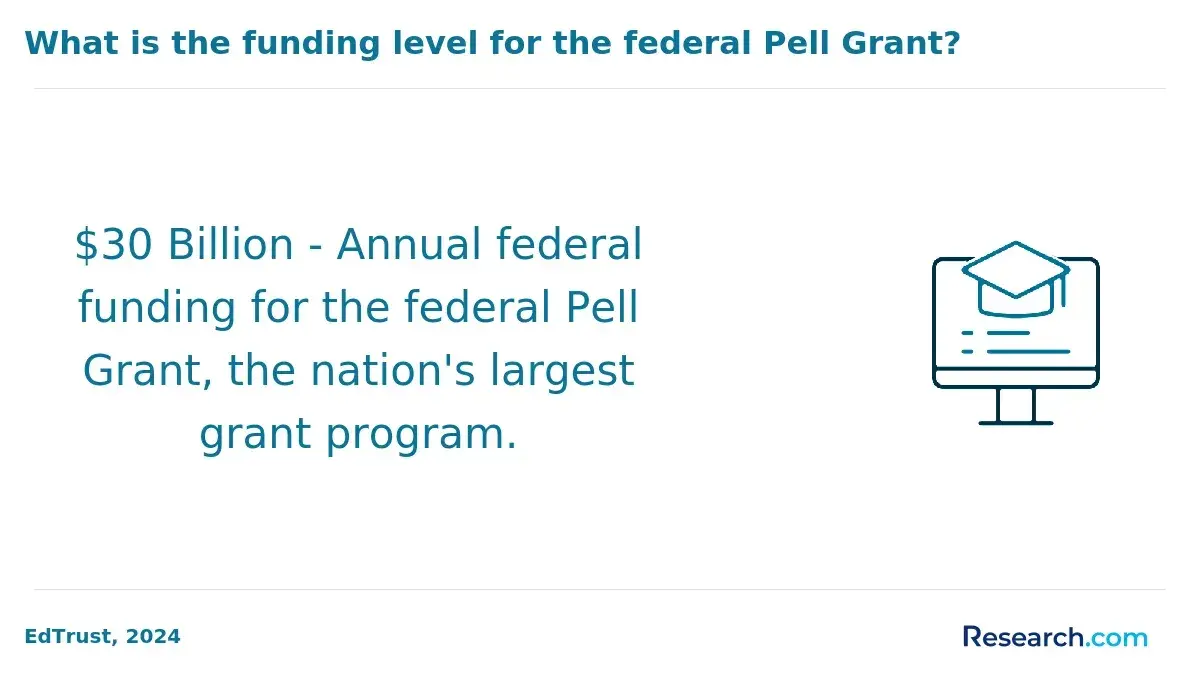
Federal financial aid-including Pell Grants and student loans-is accessible to many students enrolled in self-paced, competency-based health informatics bachelor's programs, but eligibility hinges on the program meeting FAFSA's credit-hour or equivalent standards. Since competency-based education assesses progress by skills rather than traditional credits, students must verify with their financial aid office how their program aligns with federal regulations. According to 2023 Federal Student Aid data, roughly 70% of online undergraduate students receive some form of financial support, underscoring the broad availability of aid for distance learners.
State grants and institutional scholarships also play a key role in reducing costs. Many states extend grant programs to online enrollees, while colleges frequently offer scholarships or tuition discounts tailored to self-paced or competency-based cohorts. Because self-paced programs can affect when funds are disbursed, maintaining communication with financial aid administrators is critical to managing payment schedules.
Professional organizations focused on health informatics further enhance affordability by providing targeted scholarships. Notable groups such as the American Health Information Management Association (AHIMA) and the Healthcare Information and Management Systems Society (HIMSS) support students through awards that foster workforce development in this field.
- Federal Aid Eligibility: Pell Grants and loans are generally available but require program compliance with FAFSA standards, especially important for CBE models not based on traditional credit hours.
- State and Institutional Support: Grants and scholarships aimed at online and competency-based students can significantly offset costs, varying by state and institution policies.
- Professional Scholarships: Organizations like AHIMA and HIMSS provide discipline-specific awards that encourage career advancement within health informatics.
- Disbursement Timing: Flexible pacing may alter the timing of financial aid payments, so clear communication with financial aid offices is essential.
- Broad Aid Access: Over 70% of online undergraduate students received aid in 2023, demonstrating expanding support for remote learners.
How Do Competency-Based Education (CBE) Models Work in Self-Paced Online Health Informatics Programs?
Competency-based education (CBE) in self-paced online Health Informatics bachelor's degree programs emphasizes mastery of skills rather than time spent in class. Students progress by demonstrating their knowledge through assessments such as projects, exams, or simulations, which measure their competency in critical areas. This method allows learners to advance faster in familiar topics and spend more time on difficult material, providing a personalized pace tailored to individual needs.
For financial aid, CBE programs often convert demonstrated competencies into credit-hour equivalents using federally approved formulas. However, it is important to distinguish between direct assessment CBE programs and credit-hour-equivalent ones. Direct assessment programs measure learning without assigning credit hours, which can complicate eligibility for traditional financial aid. Credit-hour-equivalent programs map competencies to standard credit units, facilitating financial aid access and credit transfers.
Notable self-paced Health Informatics programs using CBE models include Western Governors University, which uses milestone assessments paired with personalized faculty mentorship, and the University of Wisconsin Flexible Option, which combines assessments and proctored exams and enjoys strong employer recognition for preparing job-ready graduates. These programs require students to be self-motivated and manage their time effectively, as they study independently without fixed schedules.
Enrollment in competency-based programs increased by over 15% nationally between 2019 and 2023, reflecting a growing demand for flexible, skills-focused education options.
- Mastery Over Time: Students progress by demonstrating competencies through structured assessments rather than completing credit hours, enabling accelerated learning for prepared individuals.
- Financial Aid Differentiation: Credit-hour-equivalent programs align better with federal aid guidelines than direct assessment models, simplifying funding and credit transfer.
- Flexible Assessment Methods: These programs use projects, exams, and simulations supported by faculty mentors to verify skill mastery and offer academic guidance.
- Employer Recognition: Established CBE programs are valued for producing graduates with measurable, job-relevant skills that meet workforce needs.
- Self-Discipline Needed: Success demands strong motivation and effective time management, making it critical for students to assess their readiness for self-directed learning.
What Accreditation Should a Self-Paced Online Health Informatics Bachelor's Program Hold?
Regional accreditation is widely regarded as more prestigious and carries greater weight with employers and graduate schools in the health informatics field than national accreditation. It signals higher academic standards and greater transferability of credits, which is crucial for students pursuing accredited self-paced online health informatics bachelor's programs. The U.S. Department of Education recognizes six regional accrediting bodies: Middle States Commission on Higher Education (MSCHE), New England Commission of Higher Education (NECHE), Higher Learning Commission (HLC), Northwest Commission on Colleges and Universities (NWCCU), Southern Association of Colleges and Schools Commission on Colleges (SACSCOC), and Western Association of Schools and Colleges, Senior College and University Commission (WSCUC).
Some self-paced health informatics programs also hold programmatic accreditation from organizations like the Commission on Accreditation for Health Informatics and Information Management Education (CAHIIM). This specialized accreditation ensures that the curriculum meets industry-specific standards and enhances professional credibility.
Enrolling in nationally accredited or non-accredited programs can present risks, including limited credit transfer opportunities-hindering students' ability to continue their education at regionally accredited schools. Such programs may also face less recognition by employers and graduate programs, which could impede career advancement. It is important for prospective students to verify any program's accreditation status before applying. Reliable resources include the U.S. Department of Education's accreditation database and the Council for Higher Education Accreditation (CHEA) directory.
Working professionals and non-traditional students should also explore flexible options such as competency-based education models and prior learning assessments while considering financial aid eligibility. Additionally, those interested in advancing their careers in related fields may find value in pursuing an online masters degree in nutrition for broader interdisciplinary opportunities.
- Regional Accreditation: Recognized as the gold standard, regional accreditation assures academic quality and is favored by employers and graduate programs in health informatics.
- National Accreditation Limitations: Nationally accredited programs may have weaker credit transferability and less recognition in the job market, posing challenges for career growth.
- Programmatic Accreditation: Specialized accreditation, like CAHIIM, validates specific health informatics curricula and enhances professional credibility.
- Transfer Credit Risks: Students risk losing credit transfer options when enrolling in programs without regional accreditation, affecting further education plans.
- Verification Resources: The U.S. Department of Education and CHEA maintain databases where students can independently verify program accreditation.
- Career Implications: Accreditation status influences not only education but also eligibility for certifications, employment, and graduate studies in the health informatics field.
How Many Transfer Credits Can Be Applied Toward a Self-Paced Online Health Informatics Bachelor's Degree?
Self-paced online health informatics bachelor's degree programs often have varying transfer credit policies that affect how many credits students can bring in toward degree requirements. To determine acceptable transfer credits, schools typically require official transcripts and course descriptions to assess alignment with their curriculum. Many programs accept between 60 and 90 transferable credits, which helps reduce time and cost for degree completion. This generous credit acceptance is frequently found in institutions with established articulation agreements with community colleges, streamlining credit transfer and minimizing duplication.
Military training credits are another significant source of transfer credits for eligible students, evaluated via the American Council on Education (ACE) recommendations. This pathway recognizes relevant experience gained through service, providing veteran students with a valuable head start. Some programs also utilize competency-based education models and prior learning assessments to grant credit based on demonstrated knowledge and skills from work or other learning outside traditional classrooms.
Because transfer credit policies vary widely, students should request a comprehensive transfer credit evaluation before enrollment to clarify how many credits will be accepted. Understanding one's true remaining credit load can lead to better planning of academic schedules and tuition costs. Those exploring pathways in self-paced health informatics may also consider examining options highlighted in online doctoral programs healthcare administration as a potential step for advanced career progression.
- Generous Credit Limits: Many programs accept up to 90 transfer credits, enabling faster degree completion and reduced tuition expenses, especially at schools with strong articulation agreements.
- Military Credit Recognition: Credits earned through military training and service evaluated via ACE recommendations often count toward degree requirements, benefiting veteran students.
- Competency-Based Assessments: Some programs evaluate prior knowledge through assessments, awarding credit beyond traditional transfers, increasing flexibility in coursework.
- Articulation Agreements: Formal partnerships between community colleges and universities ease transfer processes and maximize credit acceptance.
- Pre-Enrollment Evaluation: Obtaining an official transfer credit review before starting helps students understand their credit status and better manage time and expenses.
Can Students Earn Credit Through Prior Learning Assessment in Self-Paced Online Health Informatics Programs?
Self-paced health informatics students can earn academic credit through Prior Learning Assessment (PLA), which validates knowledge from professional experience, military service, certifications, and self-directed study. Common PLA options include portfolio evaluations, challenge exams, and standardized tests such as CLEP and DSST, allowing learners to accelerate degree completion by bypassing redundant coursework.
Programs like Western Governors University and Southern New Hampshire University offer some of the most accommodating PLA policies, permitting students to earn between 30 and 60 semester credits. These institutions require detailed submissions-often including work samples, certifications, and reflective essays-to verify competency aligned with course objectives.
The American Council on Education (ACE) enhances PLA's effectiveness by providing credit recommendations specifically for military and professional training, helping service members and adult learners translate their experiences into transferable college credits.
To optimize credit awards, students should compile thorough and well-organized evidence demonstrating their learning, such as aligned syllabi and official certification documents. Notably, PLA utilization is growing by roughly 15% annually, reflecting increased demand for flexible educational pathways among non-traditional learners.
- Flexible Credit Options: Many self-paced programs allow 30 to 60 credits through PLA, enabling substantial progress by recognizing prior expertise.
- Assessment Methods: Portfolio reviews, challenge exams, and CLEP/DSST tests provide multiple avenues for proving prior knowledge.
- ACE Credit Recommendations: ACE supports conversion of military and professional training into academic credits valuable for health informatics degrees.
- Documentation Importance: Detailed portfolios with certifications and work evidence help maximize PLA credit approval.
- Growing PLA Adoption: Usage of PLA has risen about 15% yearly as more students seek accelerated degree options.
What Concentrations or Specializations Are Available in Self-Paced Online Health Informatics Bachelor's Programs?
Self-paced online health informatics bachelor's programs often include distinct concentration tracks that shape career prospects and influence time to degree completion based on curriculum demands and hands-on requirements.
- Clinical Informatics: Targeting enhanced patient care through clinical data management, this track leads to roles like clinical informatics specialists with median salaries near $100,000. Students may need internships and certifications such as the Certified Professional in Healthcare Information and Management Systems (CPHIMS).
- Data Analytics and Health IT: Emphasizing data analysis and health information systems, this concentration prepares graduates for health data analyst positions earning around $80,000. It features quantitative coursework but usually no additional licensure or clinical hours.
- Healthcare Project Management: Focused on overseeing healthcare IT projects, budgeting, and workflows, graduates can pursue project manager roles averaging $75,000. While Project Management Professional (PMP) certification is beneficial, it isn't always mandatory.
- Health Information Management (HIM): Concentrating on medical record keeping and regulatory compliance, HIM roles require certifications like Registered Health Information Technician (RHIT) and may include practicum experiences that extend program length. Salaries generally average $55,000.
- Public Health Informatics: Blending public health with technology, this emerging field offers roles such as epidemiology informatics specialists making about $75,000. Additional public health certifications can strengthen career opportunities.
Choosing a concentration that balances individual interests with labor market needs helps optimize both employability and program pacing, as tracks with clinical or certification demands typically require more time, whereas data-focused pathways often allow a faster, more flexible finish.
What Graduates Say About Self-Paced Online Health Informatics Bachelor's Degree Programs
- Jerome: "I chose the self-paced online health informatics bachelor's degree program because I needed the flexibility to balance work and studies without compromising either. The affordable tuition made it accessible, and it was refreshing not to worry about rigid class schedules. Graduating from this program significantly boosted my confidence and opened doors to roles I previously thought were out of reach."
- Connan: "Reflecting on my decision, the self-paced format allowed me to dive deeper into health informatics topics at my own speed-something traditional programs rarely offer. The cost-effectiveness was a major factor, especially since I wanted to minimize student debt. Since completing the degree, I've noticed a tangible improvement in my analytical skills and have been promoted twice within healthcare analytics."
- Owen: "Professionally, the biggest appeal of the self-paced online health informatics degree was the ability to tailor my learning around my existing career in healthcare. It was a budget-friendly option without sacrificing quality, which made it easier to commit fully. This degree elevated my profile in the job market, helping me transition into a specialized informatics role with great satisfaction."
Other Things You Should Know About Health Informatics Degrees
In 2026, self-paced online health informatics programs accommodate working adults and non-traditional students through flexible scheduling and asynchronous learning. These programs offer access to 24/7 online resources and support services, such as career counseling and academic advising, to help students balance their studies with personal and professional commitments.
Graduates with a bachelor's degree in health informatics often pursue roles such as health information managers, clinical informaticists, or data analysts in healthcare settings. Entry-level salaries typically range from $50,000 to $70,000 annually, with mid-career professionals earning upwards of $90,000 depending on experience and certification. The credential can open pathways to advanced positions requiring expertise in healthcare technology and data management.
Self-paced online health informatics programs offer flexibility that traditional campus programs often lack. Students can tailor their study schedule to fit around work or personal commitments, making it ideal for those unable to attend set class times. This flexibility can lead to potentially quicker completion without sacrificing quality.
References
- Medical Informatics, A.A.S. https://catalog.columbiastate.edu/preview_program.php
- How do I earn an online Bachelor's degree in Health Informatics? https://www.onlineschoolscenter.com/earn-online-bachelors-health-informatics/
- Health Science Informatics Online Part-Time Cost of Attendance | Office of Financial Aid https://schoolsupport4afghanistan.org/som/offices/finaid/cost/hsi-online.html
- Healthcare Informatics, Bachelor of Science St. John's University https://www.hotcoursesabroad.com/india/course/us-usa/healthcare-informatics-bachelor-of-science/56328984/program
- Online Health Informatics Degree | Programs And Career Options https://www.learnhowtobecome.org/best-online-bachelors-in-health-informatics-degree-programs/
- Graduate Certificate in Health Care Mission - Aquinas Institute of Theology https://www.ai.edu/fs/pages/721
- Self-Paced Learning: What to Expect From a CBE Program https://www.umassglobal.edu/blog-news/self-paced-learning-expect-a-cbe-program
- CBE â Competency Based Education - South College https://www.south.edu/location/cbe-competency-based-education/
- Online vs Hybrid vs Campus Learning in Healthcare: Which Is Right for You? https://www.edumed.org/articles/online-vs-hybrid-vs-campus/
- 2025 Most Affordable Online Healthcare Informatics Degrees https://www.onlineu.com/most-affordable-colleges/healthcare-informatics-degrees